
There Are 450-Million-Year-Old Seashells Near the Top of Mount Everest — Because It Used to Be Seafloor
The rock forming Everest's summit pyramid is marine limestone packed with ancient sea-creature fossils, laid down in a tropical ocean long before the Himalaya existed.
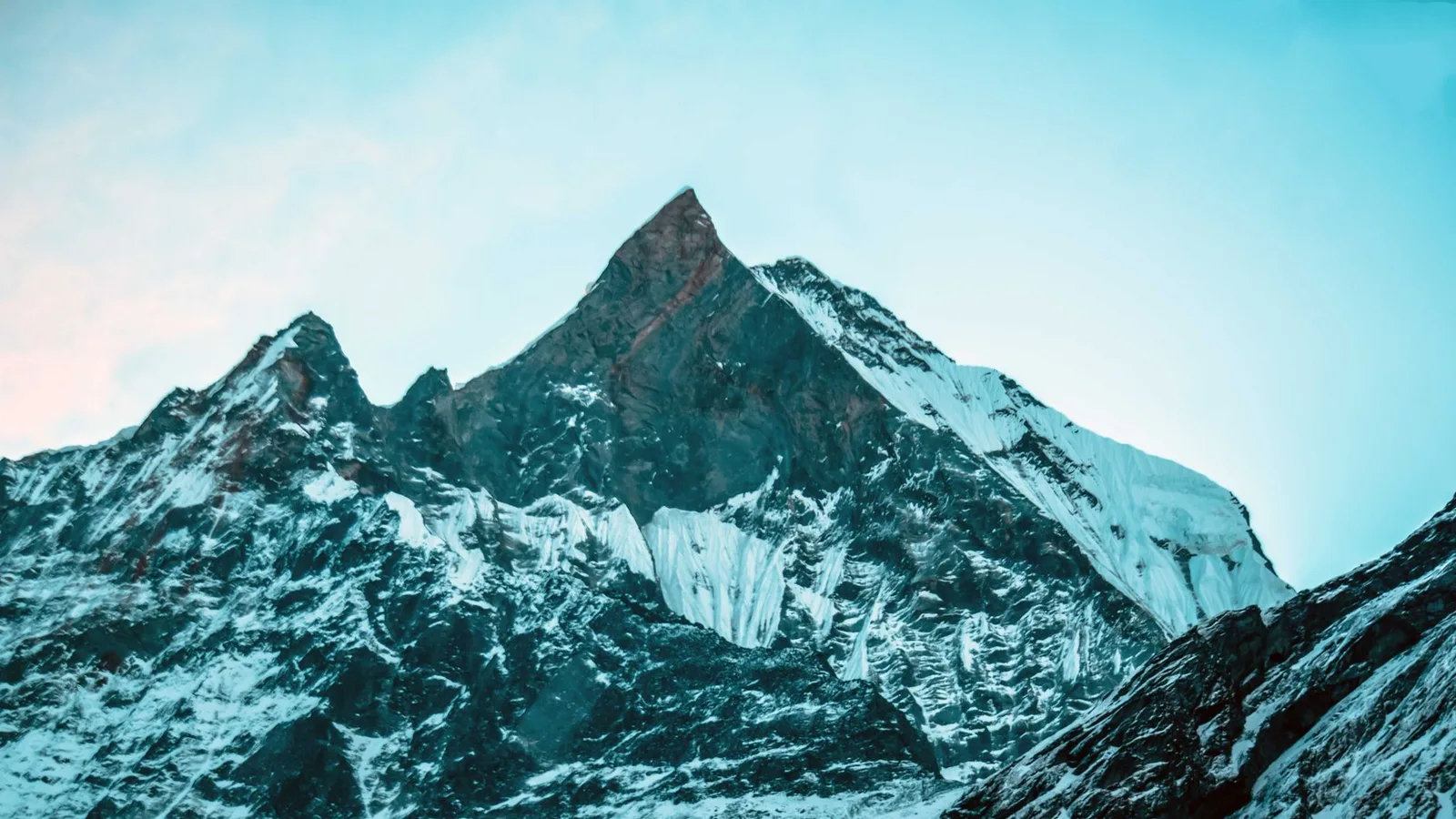
Key facts
- The rock at Everest's summit is the Qomolangma Formation, a limestone laid down in a shallow tropical sea about 450 million years ago (Middle Ordovician period).
- It contains fossils of brachiopods, crinoids (sea lilies) and conodonts — all marine animals.
- That seabed was thrust to 8,848.86m when the Indian and Asian tectonic plates collided roughly 55 million years ago.
- The find is documented by geologists including the IUGS Geoheritage list, which formally recognises the summit rock as a global geological heritage site.
Stand on the summit of Mount Everest — the single highest point any human being can reach on foot — and the rock under your crampons was, for hundreds of millions of years, the floor of an ocean. Not near an ocean. Under one. The limestone that caps the world's tallest mountain still holds the fossilised remains of the marine animals that lived and died in that sea, half a billion years before the Himalaya existed at all.
A tropical seabed, 450 million years old
Geologists call the rock unit at Everest's summit the Qomolangma Formation, a band of limestone deposited in the Middle Ordovician period — roughly 450 million years ago — when this stretch of crust sat near the equator as the floor of a warm, shallow sea long since named the Tethys Ocean. According to the International Union of Geological Sciences' geoheritage register, the formation preserves fossils from one of the most important intervals in the history of life on Earth, the Great Ordovician Biodiversification Event, when marine life diversified explosively. Climbers, surveyors and geologists working in the upper reaches of Everest have documented brachiopods (shelled filter-feeders), crinoids (plant-like animals also called sea lilies) and conodonts (tiny eel-like creatures) preserved in the rock and in scree below the summit pyramid.
Limestone forms on the bed of the Tethys Ocean, entombing shelled sea creatures as sediment.
The Indian plate rams into Eurasia, crumpling and thrusting the ancient seafloor skyward.
Geological study establishes the Ordovician age of the summit limestone.
The IUGS lists the Ordovician rocks of Everest among its global geoheritage sites.
How a seabed ends up 8,849 metres in the sky
The mechanism is the same collision that built the entire Himalayan range. Around 55 million years ago the Indian tectonic plate, drifting north, slammed into the Eurasian plate. Neither plate could sink beneath the other in the usual way, so the crust between them — including that ancient marine limestone — was compressed, folded and thrust upward instead, eventually stacking high enough to become the roof of the world. The same force is still pushing today: India continues to move north into Asia at a few centimetres a year, which is part of why Everest keeps rising (a separate 2024 study also found a hijacked river is adding to the lift — see our companion piece on Everest's growth).
What this means for trekkers
You don't need summit credentials to see this history — the same limestone bands are visible in rock faces throughout the Khumbu on the standard Everest Base Camp trek, and our guides regularly point out marine-derived rock formations along the trail well below Base Camp. It reframes the whole walk: you're not just approaching the world's highest mountain, you're walking toward a fossilised ocean floor.
If a trip into that landscape is on your list, our Everest Base Camp treks and the quieter Everest View route both put you within sight of the summit pyramid this rock forms, with a local guide who can point out the geology as well as the trail.
Source: International Union of Geological Sciences — Geoheritage Sites.
Cover photo: Namal Siriwardana via Pexels (Pexels License).
来源: International Union of Geological Sciences (IUGS)
计划徒步?
我们负责许可证、后勤与向导
NMA 认证的本地向导,价格透明,自 1998 年以来 5,000+ 次徒步。告诉我们你的日期,其余的交给我们。


更多「Records & People」
Records & People
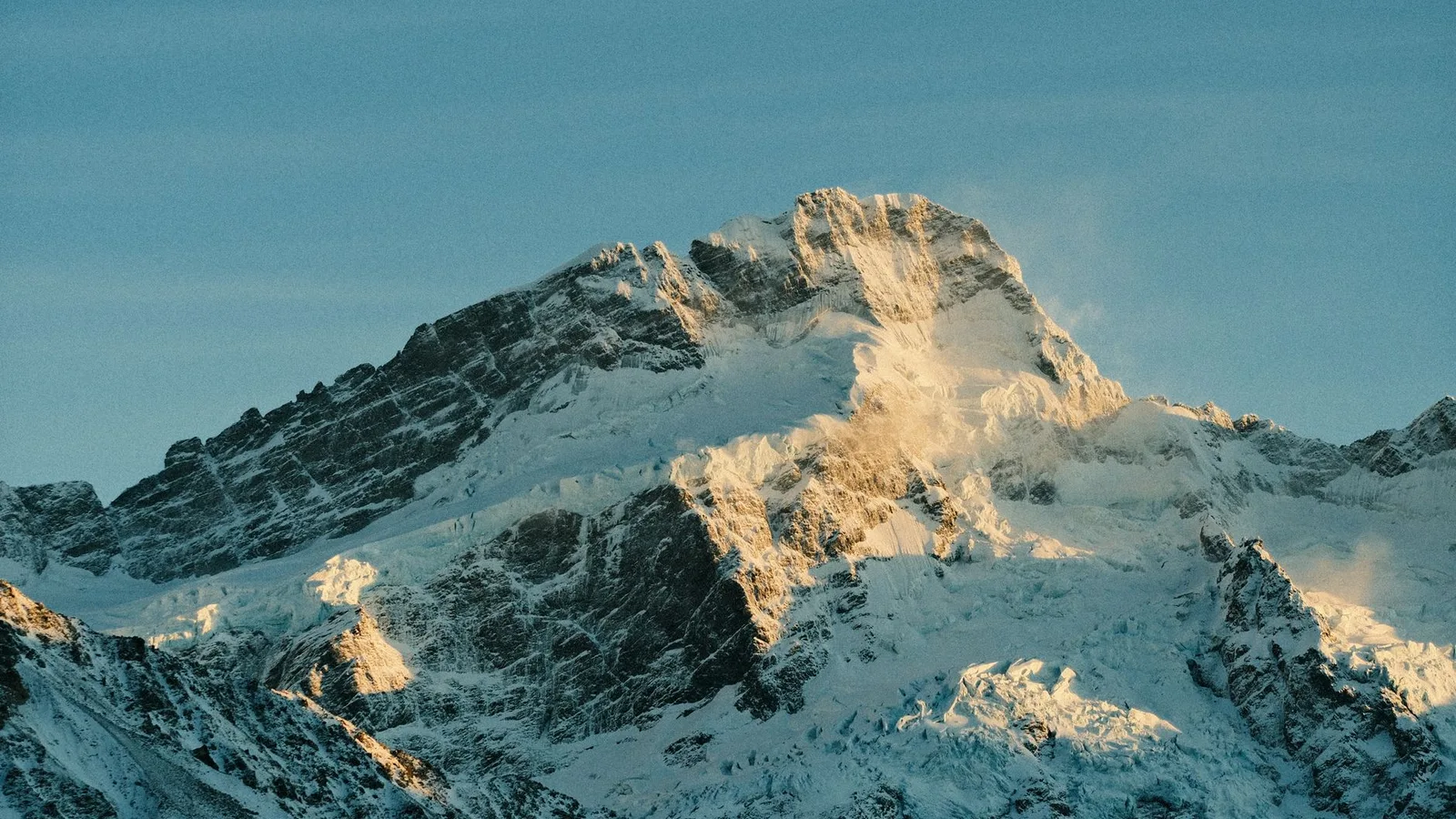
Mount Everest Is Still Growing — and a Hijacked River 47 Miles Away Is Pushing It Up
A 2024 study in Nature Geoscience found the world's tallest mountain gains roughly 2mm a year from an ancient river 'piracy' event on top of the tectonic collision that built it in the first place.
Records & People
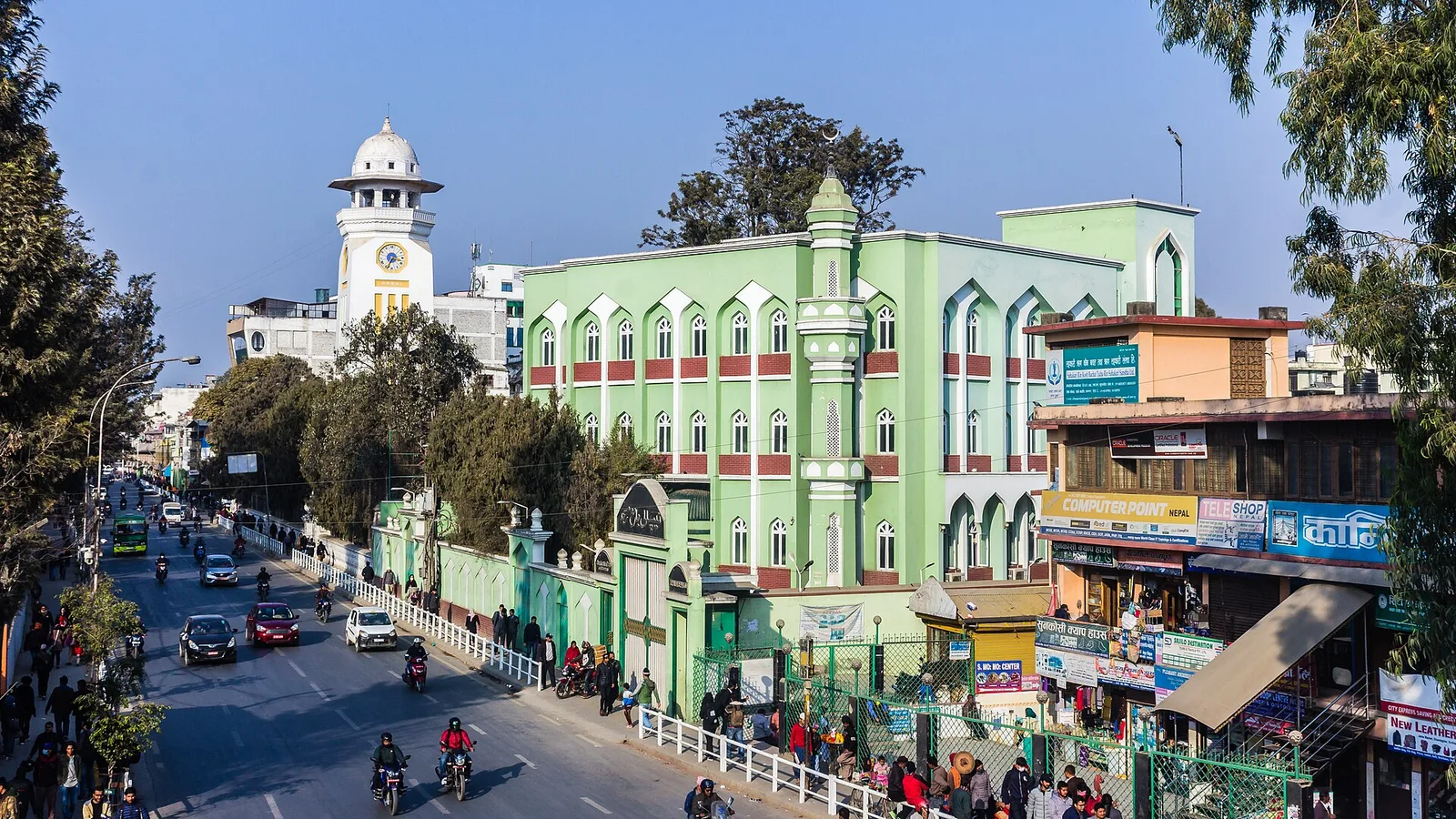
Nepal Runs on Its Own Clock: Why the Country Sits 15 Minutes Off Every Neighbor
Land in Kathmandu and you don't just change time zones — you join one of the only places on Earth with a 45-minute offset, fixed to the exact minute of a Himalayan peak.
Records & People
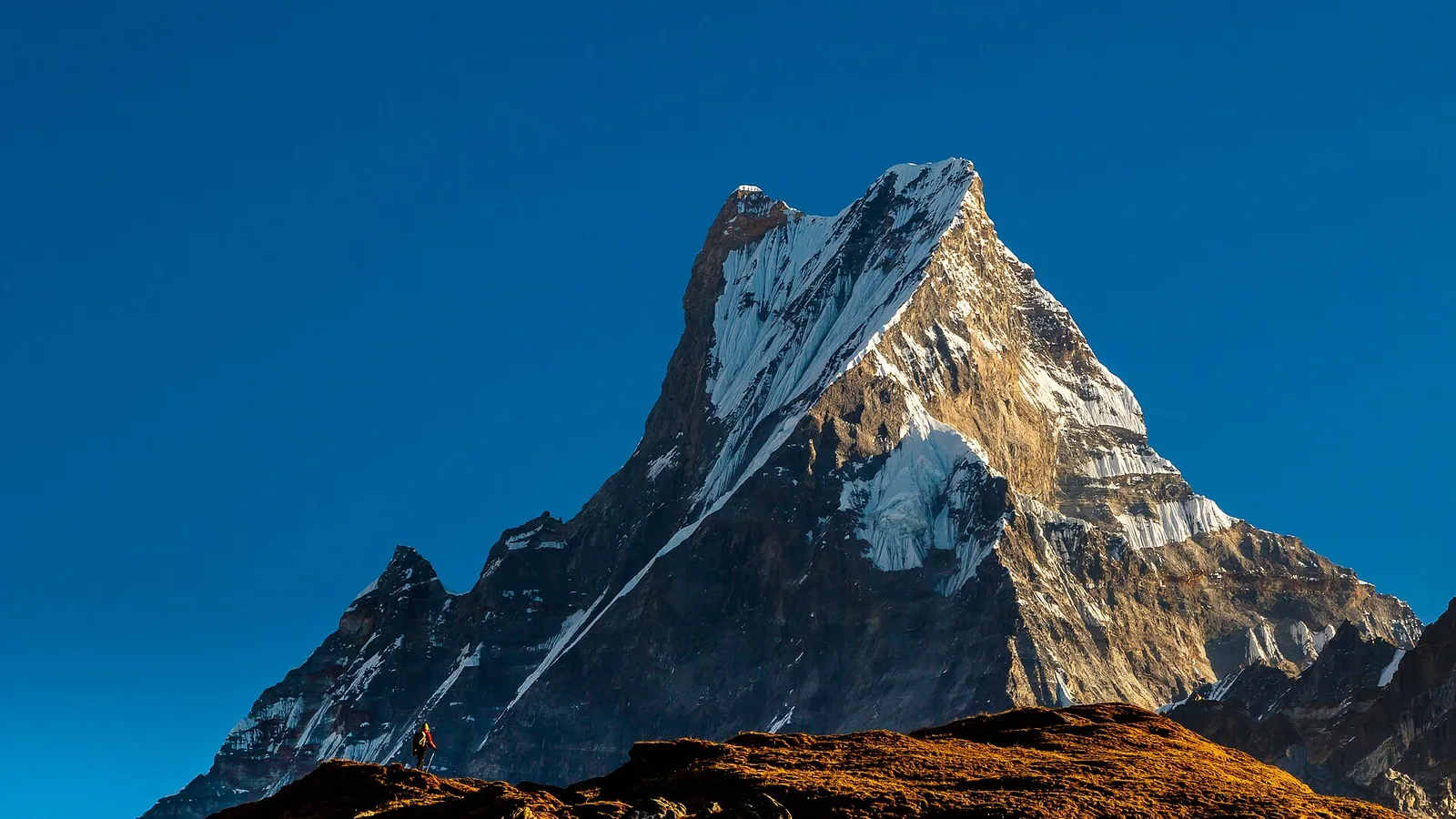
The Himalayan Peak So Sacred Nepal Has Never Once Let Anyone Legally Climb It
Machapuchare's twin summit rises 6,993 metres above Pokhara — and for more than sixty years, Nepal has refused every application to stand on top of it.