
Second Passport in 2026: How Citizenship by Investment Really Works, the Real Costs, and the Scams to Dodge
A verified 2026 guide to citizenship by investment — the real minimum amounts from St Kitts to Malta, what a second passport actually buys, and how to spot the cons.
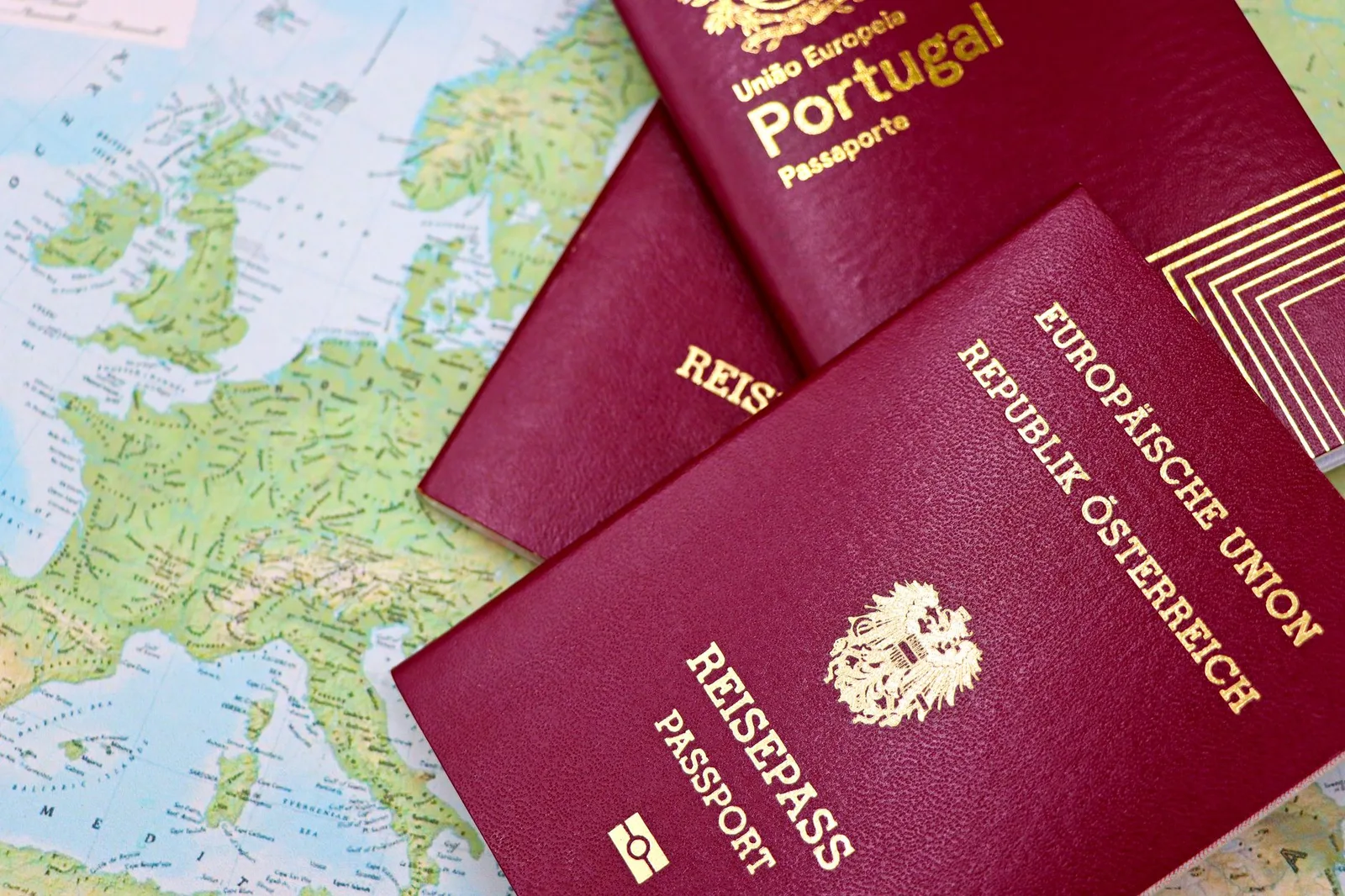
A second passport has become one of the most-searched financial products of 2026 — pitched as insurance against instability, a tax play, and a shortcut to visa-free travel. The industry has a formal name, citizenship by investment (CBI), and a handful of countries run legitimate, verifiable programmes. But the marketing runs well ahead of the facts: minimum prices have climbed, one flagship European scheme has just been shut down by an EU court, and the field is thick with agents quoting numbers that no longer exist. Here is what the verified programmes actually cost in 2026, what a second passport really buys, and where the cons hide.
Key facts (as of 2026)
- Caribbean citizenship starts at a verified US$200,000 donation (Dominica); St Kitts & Nevis sits higher at US$250,000.
- These are non-refundable donations — you give the money to a government fund, you do not get it back.
- Malta’s cash-for-citizenship scheme is closed: the EU Court of Justice ruled it unlawful in April 2025 and Malta abolished the investment pathway in July 2025.
- “Golden visas” (Portugal, Greece) buy residency, not a passport — citizenship, if it comes at all, is years away.
- A second passport widens visa-free access, but for a Himalayan trek it changes nothing: nearly everyone already gets a visa on arrival in Nepal.
What citizenship by investment actually is
CBI is a legal transaction: a country grants you citizenship — a full passport — in return for a qualifying economic contribution. In the Caribbean that contribution takes one of two shapes. The cheaper route is a straight donation to a national development fund; the money is gone for good, but the price is lower and the paperwork simpler. The alternative is real estate: you buy into a pre-approved development (typically from around US$200,000–US$400,000, held for five to seven years), which you can eventually resell, so the capital is not entirely lost. Every credible programme runs due-diligence background checks and charges separate government and processing fees on top of the headline figure. Crucially, the Caribbean programmes require no residency and no visit — you can qualify without ever setting foot in the country.
The real 2026 price list
These are the figures we could verify against official citizenship-unit pages and well-sourced records for 2026. Prices in this space move — and stale numbers are the single most common trap — so treat every figure as the current floor to reconfirm, not a permanent one.
| Country / programme | Minimum route & amount | Rough timeline | Note |
|---|---|---|---|
| St Kitts & Nevis (citizenship) | Donation (SISC) from US$250,000 | ~120–180 days | Non-refundable; ~US$10,000 due-diligence fee on top |
| Dominica (citizenship) | Donation (EDF) from US$200,000 | A few months | The lowest verified Caribbean donation route |
| Malta (was citizenship) | Contribution €600,000–€750,000 | — | Closed: EU court ruled it unlawful (Apr 2025); pathway abolished (Jul 2025) |
| Greece (residency) | Real estate from €400,000 (low-density areas) / €800,000 | Months | A residence permit, not a passport |
| Portugal (residency) | Qualifying investment funds (real-estate route removed in 2023) | Months | Residency only; confirm the current fund minimum with AIMA |
The Caribbean donation route
Five Caribbean nations — St Kitts & Nevis, Dominica, Grenada, Antigua & Barbuda and St Lucia — run the world’s longest-standing and cheapest citizenship programmes, and in 2024 they agreed a regional US$200,000 minimum to stop a race to the bottom. Two figures are solid today: Dominica’s Economic Diversification Fund donation starts at US$200,000 for a single applicant, and St Kitts & Nevis sits at US$250,000 through its Sustainable Island State Contribution, with processing quoted at 120–180 days. Grenada and Antigua & Barbuda run comparable donation and fund routes — Grenada is the only Caribbean programme with a US E-2 investor-treaty benefit — but their published minimums have shifted with the 2024 agreement, so confirm the exact current threshold with each country’s official citizenship unit before you count on a number. What all five deliver is broadly similar: visa-free or visa-on-arrival access to well over 100 countries, including the UK and the EU’s Schengen Area.
Europe: residency, not a passport
Europe is where the story turned in 2025. Malta ran the EU’s only true cash-for-citizenship scheme — a €600,000 to €750,000 contribution — until the European Court of Justice ruled in April 2025 that it breached EU law, and Malta abolished the investment pathway that July. The lesson is blunt: a programme can vanish overnight. What Europe still offers is the golden visa, which buys residency, not a passport. Greece requires a property investment from €400,000 in less-populated areas (€800,000 elsewhere); Portugal scrapped its real-estate route in 2023 and now channels applicants into qualifying investment funds, with citizenship possible only after years of residency. Spain, for its part, has been winding its golden visa down entirely. None of these hands you a second passport on completion — they start a long clock.
What a second passport actually buys
Three things, realistically. Mobility: a strong second passport can lift your visa-free access into the 140–150-country range, useful if your first passport is weak. A backup: a second citizenship is a genuine hedge for people from politically or economically unstable countries. Tax nuance: Caribbean nations do not tax foreign income, but a passport alone rarely changes your tax bill — tax follows residency, and US citizens are taxed on worldwide income no matter how many passports they hold. What a second passport does not do is make you invisible, exempt you from home-country obligations, or guarantee a warm welcome everywhere. It is a mobility and contingency tool, not a magic wand.
Watch out for
This is a market built for scams. Be wary of any agent quoting a price below the verified minimums above (usually a stale number or a bait figure), “guaranteed” approvals (no legitimate programme guarantees the due-diligence result), and unlicensed promoters who ask for the full sum up front into a personal account. Real programmes route money to government funds or escrow, run mandatory background checks, and publish their fees. Confirm every figure on the country’s official citizenship-unit website, insist on a licensed agent, and remember that the EU is actively pressuring these schemes — a programme that looks open today can be curtailed tomorrow.
The honest Nepal footnote
If your goal behind a second passport is simply easier travel, it is worth knowing how little you sometimes need. Nepal — the roof of the world — asks for no expensive citizenship and no embassy appointment: almost every nationality gets a visa on arrival at Kathmandu airport for a small fee, and if you are weighing which borders are genuinely easy, our guide to the easiest countries to visit in 2026 makes the same point. So while the wealthy debate donations and golden visas, the biggest adventure on the planet stays refreshingly paperwork-free. When you are ready, our Everest Base Camp trek and the classic Annapurna Circuit are open to just about any passport you already hold.
Cover photo: Marta Branco via Pexels (Pexels License).
来源: Travel Himalaya Nepal news desk
计划徒步?
我们负责许可证、后勤与向导
NMA 认证的本地向导,价格透明,自 1998 年以来 5,000+ 次徒步。告诉我们你的日期,其余的交给我们。


更多「Visas & Entry」

Visas & Entry
Digital Nomad Visas in 2026: Which Countries Offer Them, the Income You Need, and the Tax Catch
A verified 2026 guide to digital nomad visas - Portugal, Spain, Estonia, Croatia, the UAE, Costa Rica and Thailand DTV - with the exact monthly income each demands, how long you can stay, the tax angle, and how to bolt a Himalayan trek onto your base.

Visas & Entry
Do You Need a Transit Visa in 2026? The Airport-Connection Rules That Catch People Out
A layover is not always the free pass travelers assume. Here is when a connecting flight needs its own visa — the US, UK, Schengen and China rules for 2026, and what they mean for anyone flying to Kathmandu.
Visas & Entry
How to Renew Your Passport Fast in 2026 (US, UK & Processing Times)
Current UK and US passport fees and processing times, the six-month validity rule that quietly bars travellers from Nepal, how to expedite, and the mistakes that cost you weeks.