
Shoulder-Season Travel in 2026: The Sweet-Spot Months for Value, Fewer Crowds & Good Weather
Shoulder season — the weeks either side of the peak — buys you lower prices, thinner crowds and often great weather. Here is what it is, why it works, and a month-by-month guide for Europe, the Mediterranean, SE Asia and Nepal.
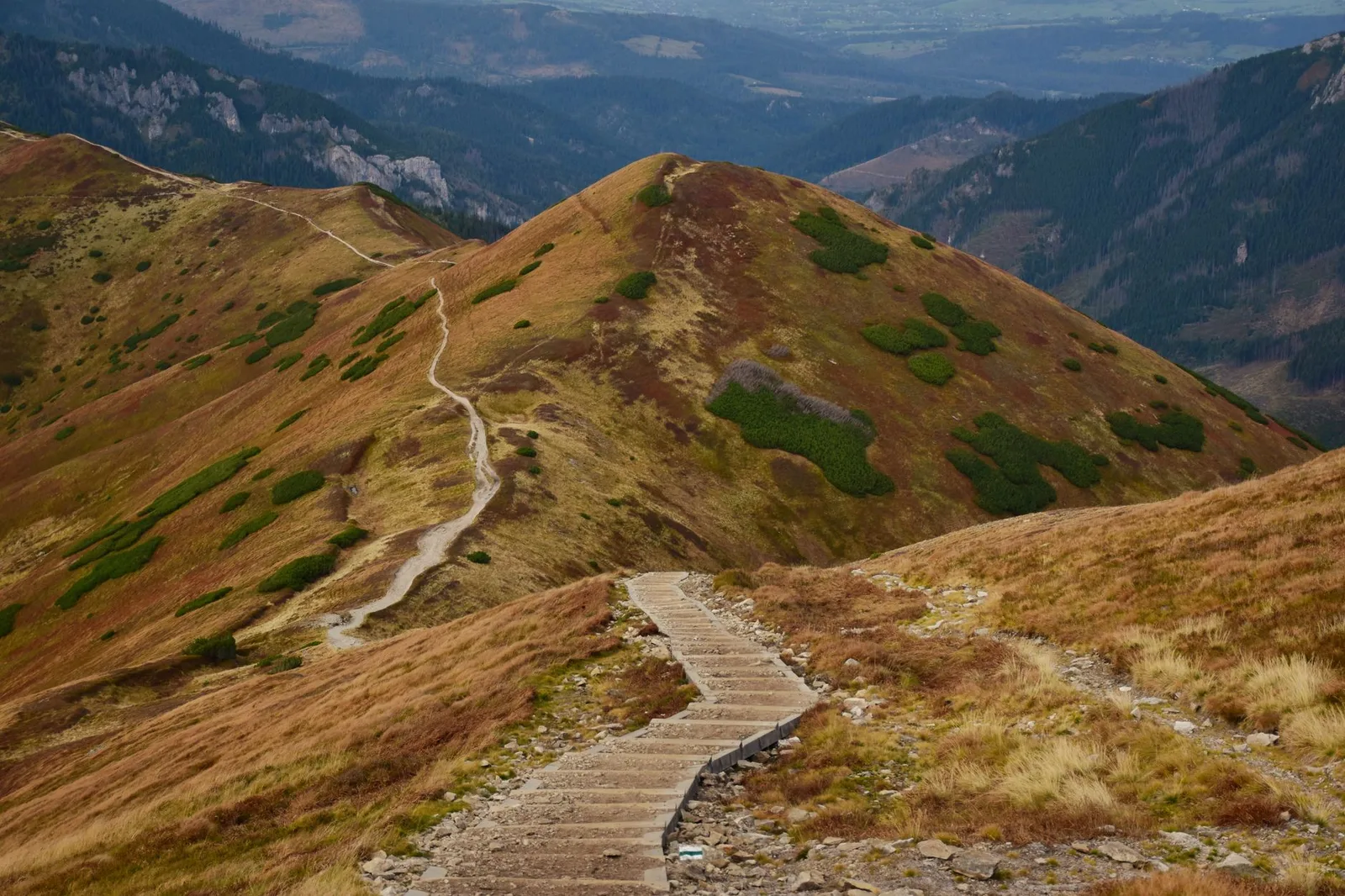
Ask anyone who travels for a living when they take their own trips, and you will rarely hear “peak season.” They go in the weeks on either side of it — the shoulder season, the buffer between the crowded, expensive peak and the quiet, cheap low season. It is the closest thing ordinary travellers have to an unfair advantage: you get most of the good weather, a fraction of the crowds, and prices that have quietly come down off their summer highs. In 2026, with flights and hotels still running hot in peak weeks, when you go is often worth more than any discount code.
This is not a list of the cheapest destinations. It is a way of thinking about timing — how to read any destination’s calendar and land in the sweet spot on purpose.
The short version
- Shoulder season sits between peak and low — usually late spring and early autumn in the Northern Hemisphere — when prices ease but the weather still mostly works.
- For Europe, the classic windows are May and September–October: warm-ish, open, and far quieter than July and August.
- The Mediterranean and Southern Europe stretch that shoulder wider — April and October are genuinely pleasant, not just cheaper.
- Nepal’s value windows are the edges of its two trekking seasons: early spring and the tail of autumn, when the trails and lodges are less busy.
Why shoulder season is the real sweet spot
Peak season is created by two forces landing at once: the best weather and the school holidays. When a Mediterranean July or a cherry-blossom April in Japan lines both up, demand spikes and every price — airfare, hotel, tour, rental car — rises with it. Shoulder season is the month or two on either side, when the weather is still largely cooperative but the holiday crowds have gone home. Low season is the far end of the dial: cheapest of all, but you accept real cold, real rain, or short daylight in exchange.
The trade is almost always favourable in the shoulder. You give up a little — a slightly higher chance of a rainy afternoon, a few attractions on reduced hours — and get back a lot: hotels with availability instead of “sold out,” restaurants you can walk into, viewpoints you do not have to queue for, and a version of the place that feels lived-in rather than overrun. For a fuller destination-by-destination price map, our companion piece on the cheapest months to visit the world’s top destinations lays out the specific months country by country.
A month-by-month guide to the shoulder windows
The exact weeks shift with each destination, but the pattern is remarkably consistent. Here is how the big regions break down.
| Region | Shoulder months | Why it works — and the watch-out |
|---|---|---|
| Western & Central Europe | May; Sept–Oct | Long daylight and mild weather without the July–August crush; autumn brings harvest and foliage. Watch-out: October days shorten and turn cooler as you go north. |
| Mediterranean & Southern Europe | April–May; Oct | The dry, hot summer eases into genuinely warm, quieter shoulders; the sea is still swimmable in early October. Watch-out: spring can carry lingering showers, and some coastal resorts wind down after October. |
| Mainland Southeast Asia | Late Oct–Nov; and the hot months either side of the peak | The cool, dry peak runs roughly November–February; arriving just as the rains end means green landscapes and softer prices. Watch-out: the hot season and the fringes of the monsoon trade heat or humidity for the lowest rates. |
| Nepal (Himalaya) | Early spring (edge of Mar–May); late autumn (tail of Sep–Nov) | Quieter trails and lower lodge demand than the October–November peak. Watch-out: early spring hazes over and warms up; late autumn nights get genuinely cold at altitude. |
The Mediterranean: where the shoulder can beat summer
A Mediterranean climate is built for shoulder-season travel. Summers here are hot and reliably dry under the subtropical ridge; winters are mild and wet. That leaves spring and autumn as long, temperate bridges — warm enough for the coast and the terraces, cool enough to actually walk a city at midday. April, May and October routinely deliver the postcard weather people fly in for in August, minus the peak-season prices and the shoulder-to-shoulder old towns. The one honest caveat: spring still catches the tail of the wet season in places, so pack for the odd shower.
Nepal: trek the quiet edges of the season
Nepal’s calendar is unusually clear-cut. Autumn (roughly September–November) brings the cool, clear, dry skies that make October–November the busiest trekking weeks of the year. Spring (March–May) is the second season, warmer and greener, before the June–September monsoon shuts high trails with rain and landslides and winter locks the high passes in snow.
The value, then, sits at the edges of those two peaks. Push into early spring or the tail of late autumn and you find the same teahouse trails with fewer boots on them and lodges that are not turning people away — a real difference in feel on classic routes like the Ghorepani Poon Hill trek. Be honest with yourself about the trade: early spring can haze the mountain views as the air warms, and late-autumn nights turn genuinely cold once you gain altitude. Go prepared for that and the quieter trail is a gift, not a compromise. If you want a hand matching a route to the right week, our team plans these edge-of-season departures all the time — just ask.
How to lock in the value
- Aim one to three weeks off the peak, not months. The first shoulder weeks keep most of the good weather while prices have already softened.
- Book the trip, then watch the flights. Destination timing and airfare timing are two different levers — pick your shoulder window first, then hunt the fare.
- Check what closes. Some seasonal hotels, ferries and mountain lodges wind down at the shoulder’s far edge — confirm your key links are still running.
- Pack for the in-between. Shoulder weather is milder but less predictable; layers and a rain shell cover most of it.
Shoulder season rewards travellers who plan around the calendar instead of around the crowd. Read any destination’s seasons, step one notch off the peak, and you buy back the two things money usually cannot: space to breathe and a fair price.
Cover photo: Aleksandra S via Pexels (Pexels License).
来源: Wikipedia — Climate of Nepal; Mediterranean climate
计划徒步?
我们负责许可证、后勤与向导
NMA 认证的本地向导,价格透明,自 1998 年以来 5,000+ 次徒步。告诉我们你的日期,其余的交给我们。


更多「Deals & Routes」

Deals & Routes
Package Holiday vs Booking It Yourself in 2026: The Real Cost, and the Protection Most DIY Travellers Miss
A package can cost more than booking flights and hotels separately — or less. But in the UK the bigger difference is legal: ATOL and the Package Travel Regulations give package buyers a refund-and-flight-home safety net that DIY trips rarely have.
Deals & Routes
How to Find Cheap Flights in 2026: The Search Strategy That Actually Works
Flexible-date search, alternate airports, split tickets, fare alerts and mistake fares — the tools that surface a lower fare, and the one myth you can stop believing.
Deals & Routes
Airline Miles and Points for Beginners in 2026: How to Earn, Redeem, and When Cash Back Wins
A plain-English 2026 guide to how frequent-flyer miles and transferable bank points really work — earning, redeeming, the award sweet spots to Kathmandu, and the honest cases where simple cash back beats points.