
From Venice's €10 Entry Fee to Bali's Levy: Every Tourist Tax You'll Pay in 2026
Access fees, climate levies and departure taxes are spreading fast in 2026. Here is a verified rundown of who charges what — from Venice and Bali to Barcelona, Bhutan, Japan and the UK — and why Nepal does it differently.
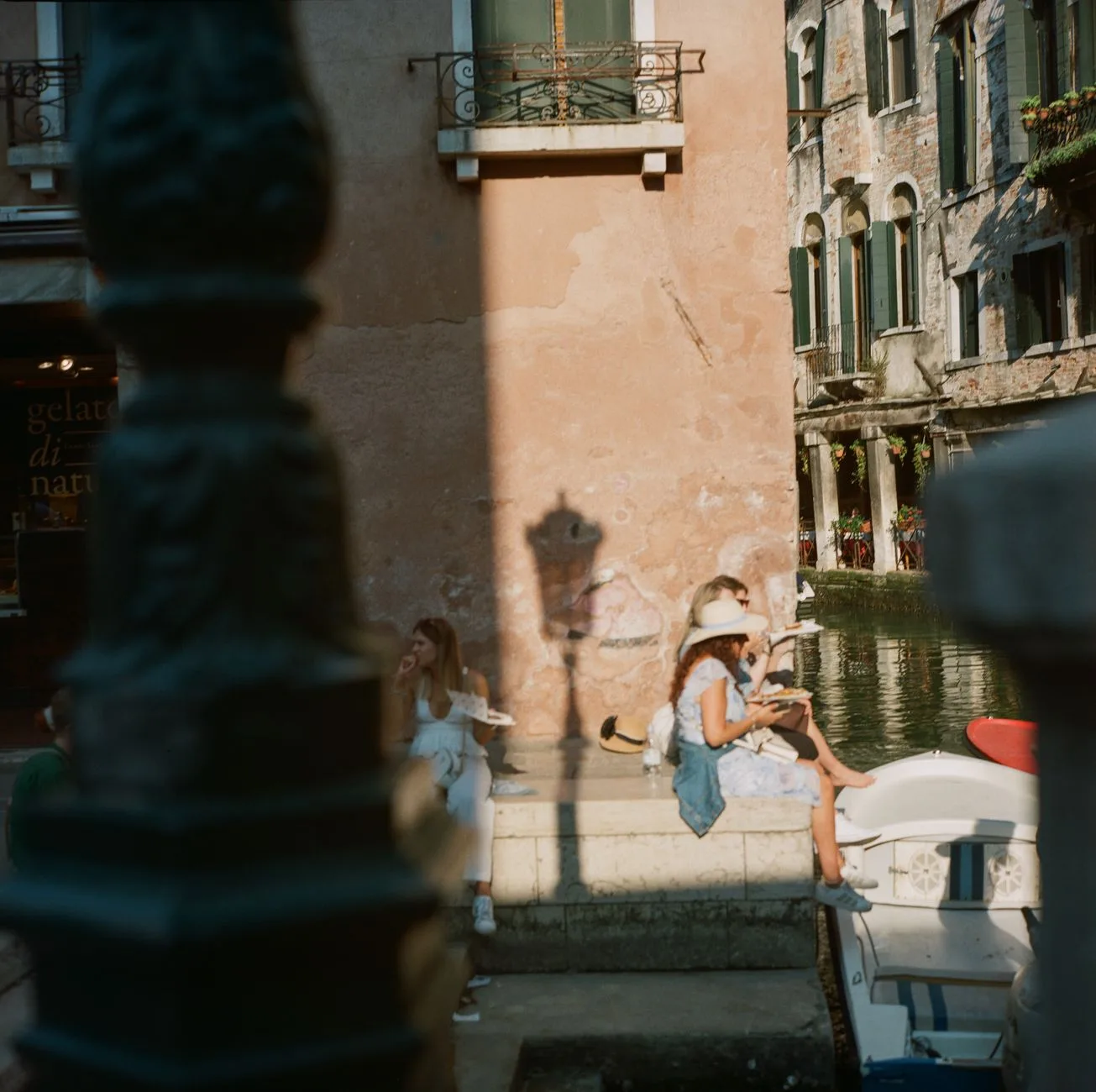
Book your Venice day trip late in 2026 and the city will charge you €10 just to walk through the front door. That entry fee is no longer an oddity — it is the shape of travel now. From Bali to Barcelona, Kyoto to Cardiff, a wave of access fees, climate levies and departure taxes is landing on ordinary trips in 2026, and most of them did not exist five years ago. Here is a clear, verified rundown of who is charging what, so nothing surprises you at check-in or the airport gate.
Key facts (as of 2026)
- Venice charges day-trippers €5 booked ahead or €10 last-minute, on 60 peak dates from 3 April to 26 July 2026.
- Bali's tourist levy is a flat IDR 150,000 (about US$10) per foreign visitor, once per trip.
- Bhutan's Sustainable Development Fee stays at US$100 per person, per night — confirmed through 31 August 2027.
- Edinburgh becomes the UK's first city with a 5% overnight visitor levy, from 24 July 2026.
These are two different animals dressed as one. Some are true overtourism tools — a gate fee to thin the crowd. Others are simply a line added to your hotel bill. It helps to know which is which before you travel, because they are paid in different places and for different reasons.
The gate fees: paying to enter
Venice pioneered the entry fee, and it is back for a third year. In 2026 the contributo di accesso applies on 60 mostly weekend dates between 3 April and 26 July, from 8:30 a.m. to 4 p.m. Visitors aged 14 and over who arrive and leave the same day pay €5 if they register at least four days ahead, or €10 for a last-minute booking. Overnight hotel guests are exempt from the access fee — they already pay Venice's separate lodging tax.
Bali takes a gentler, one-off approach. Since 2024 every foreign visitor pays a IDR 150,000 tourist levy — roughly US$10 — once per trip, ideally in advance through the official Love Bali platform. It is not per night, and Indonesian nationals are exempt. Payment is smoothest done online before you land, with the QR voucher ready for a spot-check.
Bhutan remains the outlier and always has been. Its Sustainable Development Fee is a serious US$100 per person, per night — but that is half the old US$200 rate, and the government has confirmed the reduced fee through 31 August 2027 to draw visitors back. Children under 5 pay nothing and ages 6–12 pay half. Note that from 1 January 2026 Bhutan also added a 5% goods-and-services tax on tourism services such as hotels and guides, though it does not touch the SDF itself.
The bed taxes: paying to stay
Most of 2026's new money is quieter — a per-night charge folded into your accommodation.
Barcelona is the sharpest riser. Catalonia raised its regional tourist tax from 1 April 2026, and Barcelona stacks a municipal surcharge on top. That city surcharge climbed to €5 per night in 2026 and is scheduled to rise €1 a year to €8 by 2029. Combined, a guest in a top Barcelona hotel now pays up to roughly €12 per person, per night.
Greece runs a seasonal Climate Crisis Resilience Fee on accommodation, charged per room per night — commonly €2–€10 in the April–October high season depending on the property's rating, and up to €15 at the top tier. In the UK, Edinburgh switches on the country's first city-wide visitor levy on 24 July 2026: 5% of the cost of any paid overnight stay, capped at five consecutive nights. Wales has passed its own visitor-levy law; individual councils may choose to introduce it no earlier than April 2027, at £1.30 per person per night for hotels and self-catering and 75p for hostels and campsites.
| Destination | Tax / fee | Amount (2026) | Status |
|---|---|---|---|
| Venice, Italy | Day-tripper access fee | €5 advance / €10 last-minute | In force, 60 dates Apr–Jul |
| Bali, Indonesia | Tourist levy (per trip) | IDR 150,000 (~US$10) | In force |
| Bhutan | Sustainable Development Fee | US$100 per person, per night | In force to 31 Aug 2027 |
| Barcelona, Spain | City surcharge + regional tax | up to ~€12 per person, per night | In force from 1 Apr 2026 |
| Greece | Climate Resilience Fee (hotels) | €2–€15 per room, per night | In force (seasonal) |
| Greece | Cruise-passenger fee | €20 peak at Santorini & Mykonos | In force (Jul–Sep peak) |
| Japan | Mount Fuji climbing fee | ¥4,000 (~US$28) | In force, all official trails |
| Japan | Departure "sayonara" tax | Set to rise ¥1,000 → ¥3,000 | Planned 2026 |
| Edinburgh, UK | Visitor levy | 5% of overnight stay | From 24 Jul 2026 |
| Wales, UK | Visitor levy (optional per council) | £1.30 / 75p per person, per night | From Apr 2027 earliest |
Cruises and airports are next
Greece added a second charge aimed squarely at cruise crowds. Since July 2025 and continuing in 2026, passengers stepping ashore at Santorini and Mykonos pay €20 each in the July–September peak, dropping to €12 in the shoulder months and €4 in winter; other Greek ports charge €5 at peak. Japan, meanwhile, is tightening the screws at both the mountain and the airport: a mandatory ¥4,000 (about US$28) fee now applies to every climber on Mount Fuji's official trails, and the national government has moved to triple its long-standing ¥1,000 departure tax to ¥3,000 — collected invisibly inside your airline ticket rather than at a counter.
The Nepal contrast
Here in Nepal, our fees have never been a crowd-control gate — they are conservation money, and we tell you the exact number up front. The Annapurna Conservation Area Permit is NPR 3,000 (about US$22) and funds ranger posts, trail repair and community projects across the region; the TIMS card is NPR 2,000 and keeps a safety record of who is on the trail. Both are one-time, not nightly, and every rupee is disclosed on your permit. That transparency is the whole point of how we quote a trek.
None of this should put you off travelling — it is a small, predictable cost when you plan for it. But it does reward choosing places that genuinely want you there. If you are weighing where crowds and charges are heading, our companion piece on where overtourism is breaking famous places in 2026 — and where Nepal fits in goes deeper on the backlash driving these taxes.
On the Himalaya, the maths is refreshingly simple: a couple of conservation permits, no per-night levy, and money that stays in the villages you walk through. If a fee-free, welcoming trek sounds like the antidote to a €10 turnstile, our team can walk you through a classic Annapurna or Everest route with every cost laid out before you book. Ask us anything — we would rather over-explain a price than surprise you with one.
Cover photo: Efe Ersoy via Pexels (Pexels License).
来源: Reuters, Euronews & official tourism boards
计划徒步?
我们负责许可证、后勤与向导
NMA 认证的本地向导,价格透明,自 1998 年以来 5,000+ 次徒步。告诉我们你的日期,其余的交给我们。


更多「Industry & Tourism」
Industry & Tourism
UNESCO Just Added 25 New World Heritage Sites in 2026 — Here’s the Full List
The 48th World Heritage Committee met in Busan and inscribed 25 new sites — from the D-Day beaches and Mount Olympus to the Buddhist site of Sarnath. Here is the full 2026 list, and why it matters from Nepal.
Industry & Tourism
Singapore Has the World's Most Powerful Passport in 2026 — Visa-Free to 192 Countries
Singapore tops the latest Henley Passport Index with visa-free access to 192 destinations, while the US passport slips to 10th. Here is the full 2026 ranking — and where Nepal lands.
Industry & Tourism
How One TV Show Sent Muskoka Searches Up 110%: The 2026 'Set-Jetting' Effect
Screen-inspired travel is now a projected US$8 billion business, and 2026's biggest spikes — Muskoka, Yorkshire, Rome — show why the real adventure set never needed a streaming release.