
Travel Insurance With Pre-Existing Medical Conditions in 2026: What Declaring Really Means
Declaring a condition, the stable-condition clause and why an undeclared illness can void your whole claim — plus cover for cancer, diabetes, heart conditions and pregnancy.
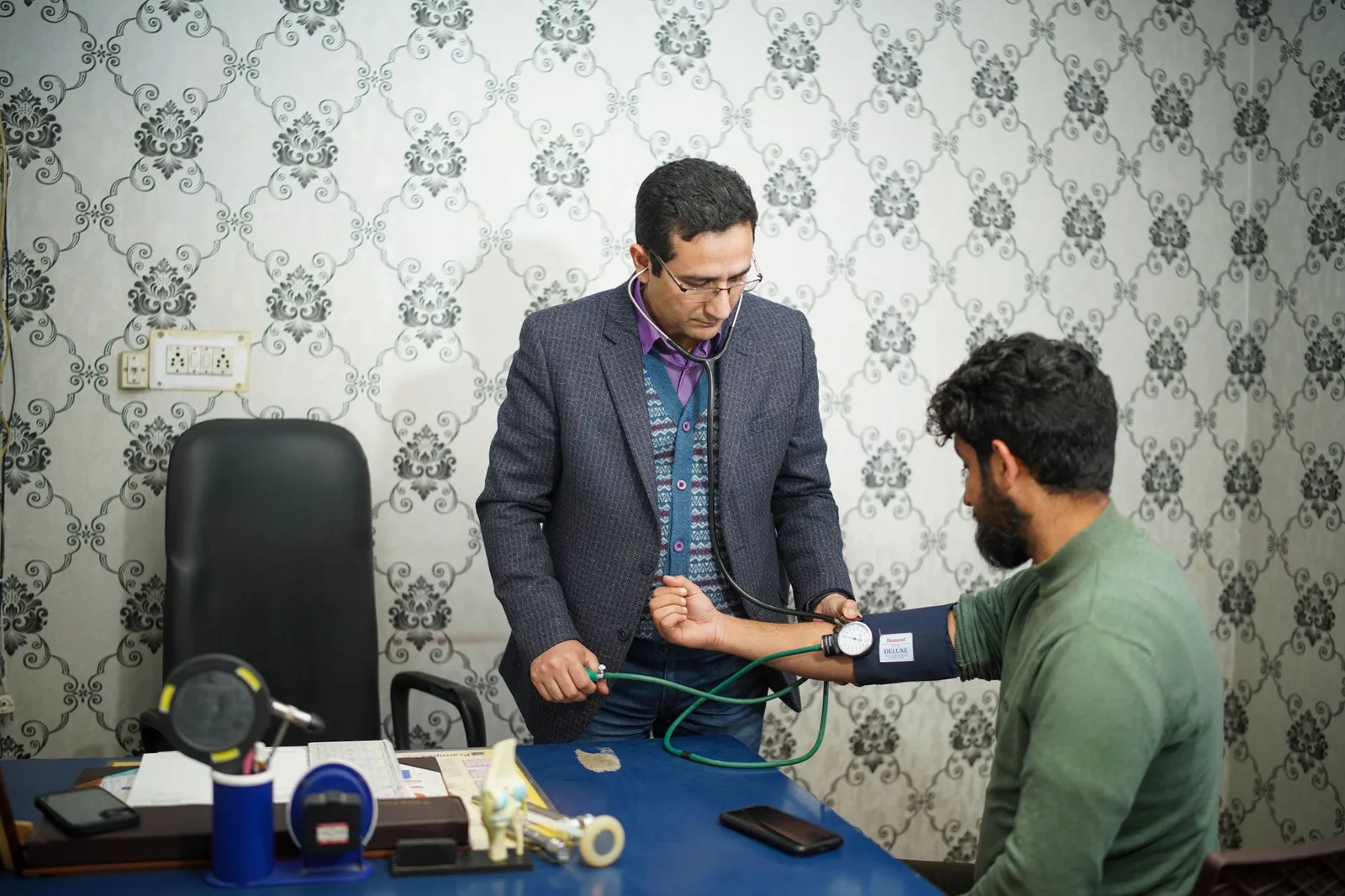
If you have a heart condition, diabetes, a cancer history or are pregnant, can you still get travel insurance in 2026 — and will it actually pay out? Almost always yes. The catch is a single word on the application: declare. Whether a claim is honoured or torn up usually comes down to what you told the insurer about your health before you bought the policy, not what happened on the trip. Here is what declaring really means, how medical screening works, and why an undeclared condition can void a claim that had nothing to do with it.
Key facts
- Declaring means answering the medical screening honestly — every diagnosis, medication, test or treatment the questions ask about. UK government guidance is blunt: failing to declare something may invalidate your travel insurance.
- Non-disclosure is the classic reason a claim is refused. An undeclared condition can void cover even for an unrelated event.
- Most insurers cover a declared condition only if it is “stable” — no recent change to diagnosis, medication, symptoms or treatment within a set window.
- Cancer, diabetes, heart conditions and pregnancy are insurable — often through specialist or higher-risk insurers rather than the cheapest off-the-shelf policy.
- In the UK, if a firm cannot cover a serious condition it must signpost you to the BIBA Travel Medical Directory of specialist providers.
What “declaring” actually means
Declaring is not a formality — it is the medical screening that sits behind the price. Most insurers screen you with an online questionnaire or a short phone interview: which conditions you have, what medication you take, recent hospital visits, and any tests or treatment awaiting results. Some ask about a fixed list of conditions; others ask about every condition you have had in the last two or five years. Either way, declaring means answering fully and accurately.
Declaring does not automatically make a policy unaffordable. Depending on the condition, screening can end in no extra cost at all, a modest medical supplement, a specific exclusion for that one condition, or — occasionally — a decline. What you get in return is a policy that will actually pay a related claim. That trade is almost always worth making.
Why an undeclared condition voids a claim
Insurance is priced on the risk you disclose. When you hide a condition, the insurer has priced the wrong risk, and the law of disclosure lets them act on that. At the mild end they refuse the claim connected to the hidden condition. At the serious end — where the non-disclosure is judged careless or deliberate — they can treat the policy as if it never existed, cancel it and refuse claims that had nothing to do with your health. A hidden heart condition can sink a lost-baggage claim.
| Situation | What happens when you claim |
|---|---|
| Declared & stable | Covered as normal. The condition is on the policy and priced in; a related emergency is paid like any other. |
| Declared but unstable | May be excluded or need re-screening. A recent change — new medication, new symptoms, tests pending — can suspend cover for that condition until it is stable again. |
| Undeclared | Related claims refused. For a misrepresentation the whole policy can be voided, so even unrelated claims (theft, cancellation, a broken leg) can fail. |
| Specialist / higher-risk insurer | Serious or complex conditions covered where standard policies decline — via detailed screening and a tailored premium rather than a blanket “no”. |
The “stable condition” clause
This is the clause people miss. Many policies cover a pre-existing condition only if it has been stable for a defined period before you buy or travel — meaning no new diagnosis, no change of medication or dosage, no new symptoms, and no tests, referrals or treatment pending. The exact window and what counts as a change vary by condition and by insurer, so the only reliable number is the one on a screened quote. Just as important: if your condition changes after you buy — a new prescription, an unexpected hospital visit — tell the insurer. Some policies require it, and cover for that condition can quietly lapse if you do not.
Cancer, diabetes, heart conditions and pregnancy
None of these puts cover out of reach. Screening simply asks for detail — the type and dates of cancer treatment, how well diabetes is controlled, when a cardiac event happened and what medication you take now. Pregnancy is normally treated as a medical state and covered for complications, though routine childbirth is excluded and gestational cut-off dates vary. Where a mainstream policy declines a serious condition, specialist and higher-risk insurers exist precisely for it; in the UK an insurer that cannot help you must point you to the British Insurance Brokers’ Association medical directory. The specifics of premium and limits vary by condition and insurer — the honest advice is to get a screened quote rather than guess.
Before you buy cover
- Screen every traveller on the policy, not just yourself.
- Declare everything the questions ask — when in doubt, disclose.
- Check the stable-condition window and any per-condition exclusion or excess.
- Keep the screening confirmation and the policy wording together.
- Re-screen if your health changes before you travel.
The Nepal angle: altitude is its own question
On a high-altitude trek the medical screening goes one step further. A declared heart or lung condition triggers extra questions about exertion, and every policy carries an altitude ceiling. Those are two separate checks: a policy can cover your diabetes perfectly and still exclude you above 3,000 m. So declaring your condition and confirming the trekking-altitude limit both have to pass — our guide to travel insurance for high-altitude trekking walks through the altitude and helicopter-evacuation clauses in detail.
For an itinerary like Everest Base Camp or the Annapurna Circuit, confirm both before you book. If you tell us your declared conditions we can give you the exact maximum altitude on each itinerary, so you screen against the right number and travel with cover that will hold when it matters.
Cover photo: Imad Clicks via Pexels (Pexels License).
来源: GOV.UK — Foreign travel insurance
计划徒步?
我们负责许可证、后勤与向导
NMA 认证的本地向导,价格透明,自 1998 年以来 5,000+ 次徒步。告诉我们你的日期,其余的交给我们。


更多「Money & Insurance」

Money & Insurance
Rental Car Insurance Abroad in 2026: CDW, Excess and the Counter Upsell Trap
CDW, LDW, the excess you still owe, what your credit card really covers, and why the counter waiver is almost always the wrong buy.

Money & Insurance
Travel Insurance for Backpackers & Long-Term Trips in 2026 (What Multi-Month Cover Actually Needs)
Long trips break the assumptions holiday insurance is built on. What single-trip, annual and backpacker policies really cover — the duration ceilings, adventure-activity tiers, gear limits and the gaps that void a multi-month claim.

Money & Insurance
What Does Travel Insurance Actually Cover in 2026? (And the Exclusions That Catch People Out)
A plain-English guide to what a travel policy really pays for — medical, evacuation, cancellation, delay and baggage — and the fine-print exclusions that leave travellers with the bill.