
The Most Common Travel Scams in 2026 (and Exactly How to Avoid Them)
Rigged taxi meters, short-changed cash, skimmed ATM cards, fake officials and cloned booking sites — plus the trekking-specific cons in Nepal — and the simple habits that beat every one.
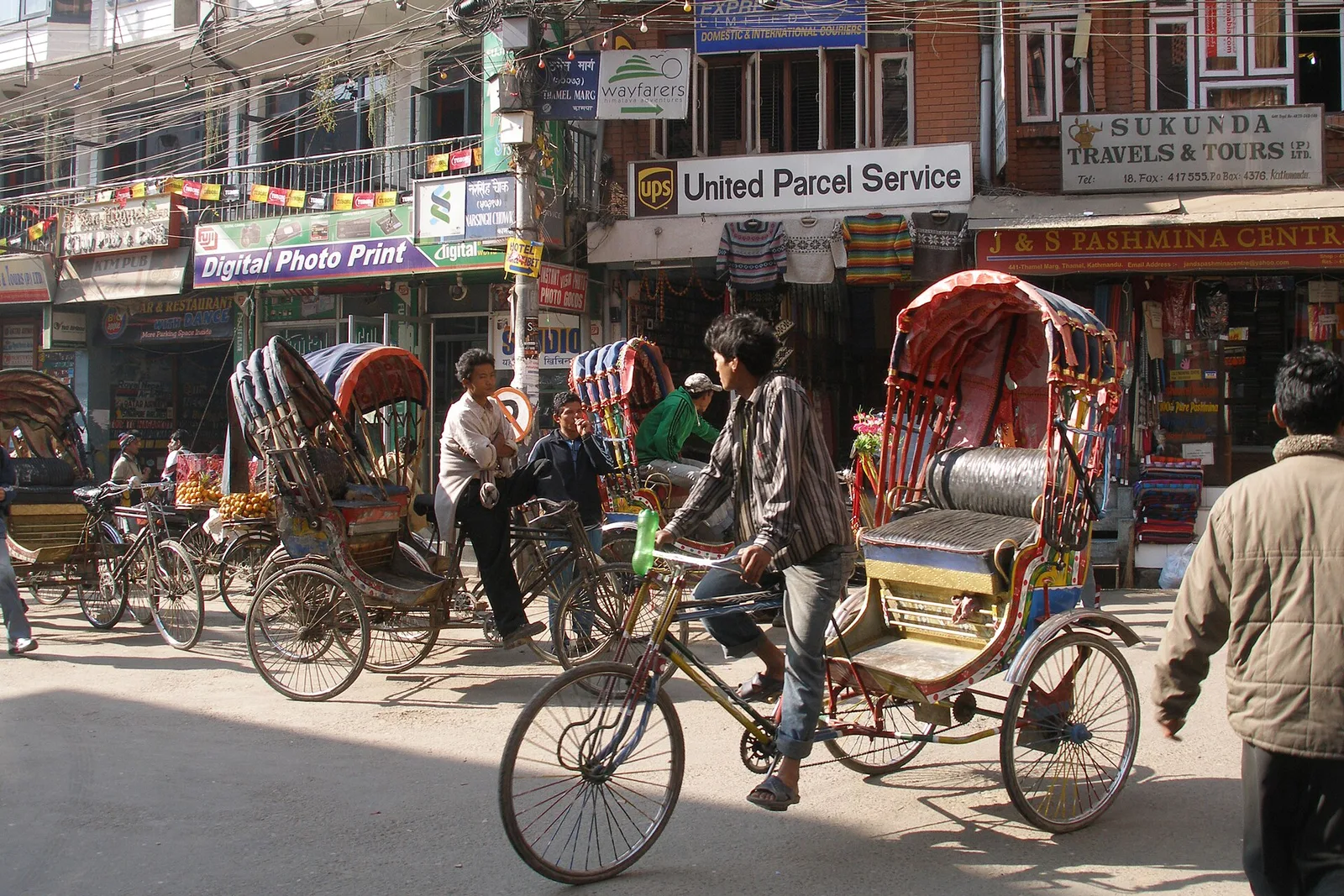
Almost every travel scam that empties a tourist's wallet in 2026 is an old trick in new clothes. Government travel advisories publish the same short list year after year — rigged transport fares, short-changed cash, skimmed bank cards, fake officials and cloned booking sites — and every one of them is beaten by a handful of boring habits. Here is the honest field guide, plus the trekking-specific cons we see in Nepal and exactly how to sidestep each.
Key facts (as of 2026)
- Official advisories from the UK FCDO and the Government of Canada flag the same core cons: transport overcharging, currency short-changing, card skimming, fake officials and fraudulent booking/rental listings.
- The one rule every advisory repeats: “if it seems too good to be true, it probably is.”
- For Nepal, the FCDO warns specifically that “trekking deals that look very cheap… may be scams,” and that some guides push clients too high, too fast to profit from expensive helicopter evacuations.
- Foreign independent trekkers must use a licensed guide or porter in Nepal's national parks and protected areas — which makes vetting your operator the single most important anti-scam step.
If you only remember one thing before a trip, remember this: scammers rely on you being rushed, jet-lagged and too polite to say no. Slow down, verify, and you defuse the lot. And if Nepal is on your 2026 list, the highest-value five minutes you can spend is learning how to vet a Nepali trekking operator before you send anyone a deposit.
The scams, how they work, and how to beat them
| Scam | How it works | How to avoid it |
|---|---|---|
| Taxi & transport overcharge | “Broken” or fast-running meter; or a driver claims your hotel is full/closed and detours to a commission shop. | Agree the fare or insist on the meter before you get in; check the route on a map; ask your hotel what a ride should cost. |
| Wrong change / note swap | You are handed the wrong notes in an unfamiliar currency, or a big note is swapped for a small one. | Count change before you leave; learn what the notes look like; pay small amounts with small notes. |
| ATM & card skimming | A skimmer on the machine, or a “helpful” stranger, captures your card and PIN. | Use ATMs inside banks; cover the keypad; check the card slot for anything loose; switch on transaction alerts. |
| Fake officials | Someone posing as police or “tourist police” demands to inspect your wallet or pay an on-the-spot “fine.” | Ask for ID; never hand over your wallet or passport; offer to settle it at the nearest police station. |
| Cloned booking / rental sites | Fake hotel, flight or homestay listings with altered photos and false addresses take your deposit and vanish. | Book direct or via a known platform; pay by credit card; verify the address and reviews independently. |
| Fake trekking agency (Nepal) | An unregistered “operator” or street tout sells a suspiciously cheap package, then under-delivers or disappears with the money. | Confirm the company is a registered, TAAN-listed operator; get a written itinerary and receipts; treat a price far below the norm as a warning, not a bargain. |
| Altitude & heli-rescue racket (Nepal) | A guide pushes you too high too fast, then arranges an unnecessary, costly helicopter evacuation they profit from. | Trek with a licensed guide on a properly acclimatised itinerary; confirm your insurance covers mountain rescue and approve any evacuation yourself. |
The five that get travellers everywhere
Transport. The rigged meter is the most universal scam on earth. The fixes are simple: agree a price or insist on the meter before the door closes, and glance at the route on your phone so a “shortcut” that adds twenty minutes is obvious.
Money. Two variants dominate — the wrong-change hand-back at a market stall, and the note swap at a currency counter. Both die if you count your change slowly and in view of the vendor. Learn the local notes on day one; most short-change scams depend on you not recognising a 500 from a 5,000.
ATMs. Card skimming is quieter than it used to be but still real. Prefer machines inside a bank lobby, cover the keypad with your other hand, and turn on your bank's instant transaction alerts so a cloned card is caught in minutes, not weeks.
Fake officials. A stranger in a half-uniform asking to “check” your cash for counterfeits, or to collect an instant fine, is a classic. Real officers do not inspect your wallet on the street. Ask for identification, keep your documents in your pocket, and offer to walk to the nearest police station — the con evaporates.
Booking fraud. The Government of Canada warns of “fake agencies offering vacation home rentals using false addresses and altered photos.” Cloned hotel and flight sites work the same way. Pay by credit card (it gives you a chargeback route a bank transfer never will), reverse-image-search the listing photos, and confirm the property exists before you send a deposit.
The Nepal-specific cons — and why vetting your operator matters most
Nepal is one of the safest trekking destinations in the world, but two scams target trekkers directly. The first is the fake or unregistered trekking agency: a rock-bottom quote from a street tout or a slick site with no verifiable registration. The FCDO is blunt — be wary of trekking deals that look very cheap. A legitimate operator will be a registered company, typically a member of the Trekking Agencies' Association of Nepal (TAAN), and will give you a written itinerary, named guide and clear receipts before you pay.
The second is the altitude and helicopter-rescue racket. The FCDO notes isolated reports of guides taking inexperienced trekkers too quickly to high altitudes, then arranging expensive helicopter evacuations from which they profit. The defence is the same thing that keeps you safe on the mountain anyway: a licensed guide, a sensible acclimatisation schedule with proper rest days, and travel insurance that explicitly covers high-altitude rescue — with any evacuation approved by you, not sprung on you.
What this means for trekkers
You cannot out-clever every scam, but you can remove the two that cost trekkers the most: book a registered, transparent operator with a written itinerary and real guide credentials, and carry insurance that covers helicopter rescue. Do those two things and the street-level cons — taxis, change, ATMs — become minor annoyances, not trip-enders.
Next steps
Before you commit to any Nepal trek, read our guide on how to choose a trekking agency in Nepal, then compare fully guided, properly acclimatised itineraries like the 15-day Everest Base Camp Trek, the 9-day Annapurna Base Camp Trek or the 14-day Manaslu Circuit Trek. Every one is run by a licensed, registered team with written itineraries and rescue-ready insurance guidance — the opposite of the too-good-to-be-true quote you should always walk away from.
Sources: UK Foreign, Commonwealth & Development Office (Nepal travel advice — safety and security); Government of Canada (overseas fraud); Trekking Agencies' Association of Nepal.
Cover photo: Vyacheslav Argenberg via Wikimedia Commons (CC BY 4.0).
来源: UK Foreign, Commonwealth & Development Office (Nepal travel advice)
计划徒步?
我们负责许可证、后勤与向导
NMA 认证的本地向导,价格透明,自 1998 年以来 5,000+ 次徒步。告诉我们你的日期,其余的交给我们。


更多「Safety & Advisories」
Safety & Advisories
How to Choose a Safe Trekking Company in Nepal (2026): The Questions That Actually Predict a Fast Rescue
It's not price or star ratings that decide whether a bad day on the trail ends safely — it's whether your operator's rescue paperwork is already filed before you leave Kathmandu.
Safety & Advisories
The Safest Countries for Solo Female Travellers in 2026 (Ranked, With the Data)
The Nordics top every credible index again — here's the real ranking, the numbers behind it, and where Nepal honestly fits.

Safety & Advisories
Travel Vaccinations for 2026: What You Actually Need for Nepal, Asia & Beyond
A practical 2026 rundown of the vaccines that matter for Nepal and the wider region — routine boosters, hepatitis A and typhoid, when rabies or Japanese encephalitis are worth it, the yellow-fever certificate rule, and malaria in the Terai. General guidance; always confirm with a travel clinic.