
How to Choose a Safe Trekking Company in Nepal (2026): The Questions That Actually Predict a Fast Rescue
It's not price or star ratings that decide whether a bad day on the trail ends safely — it's whether your operator's rescue paperwork is already filed before you leave Kathmandu.
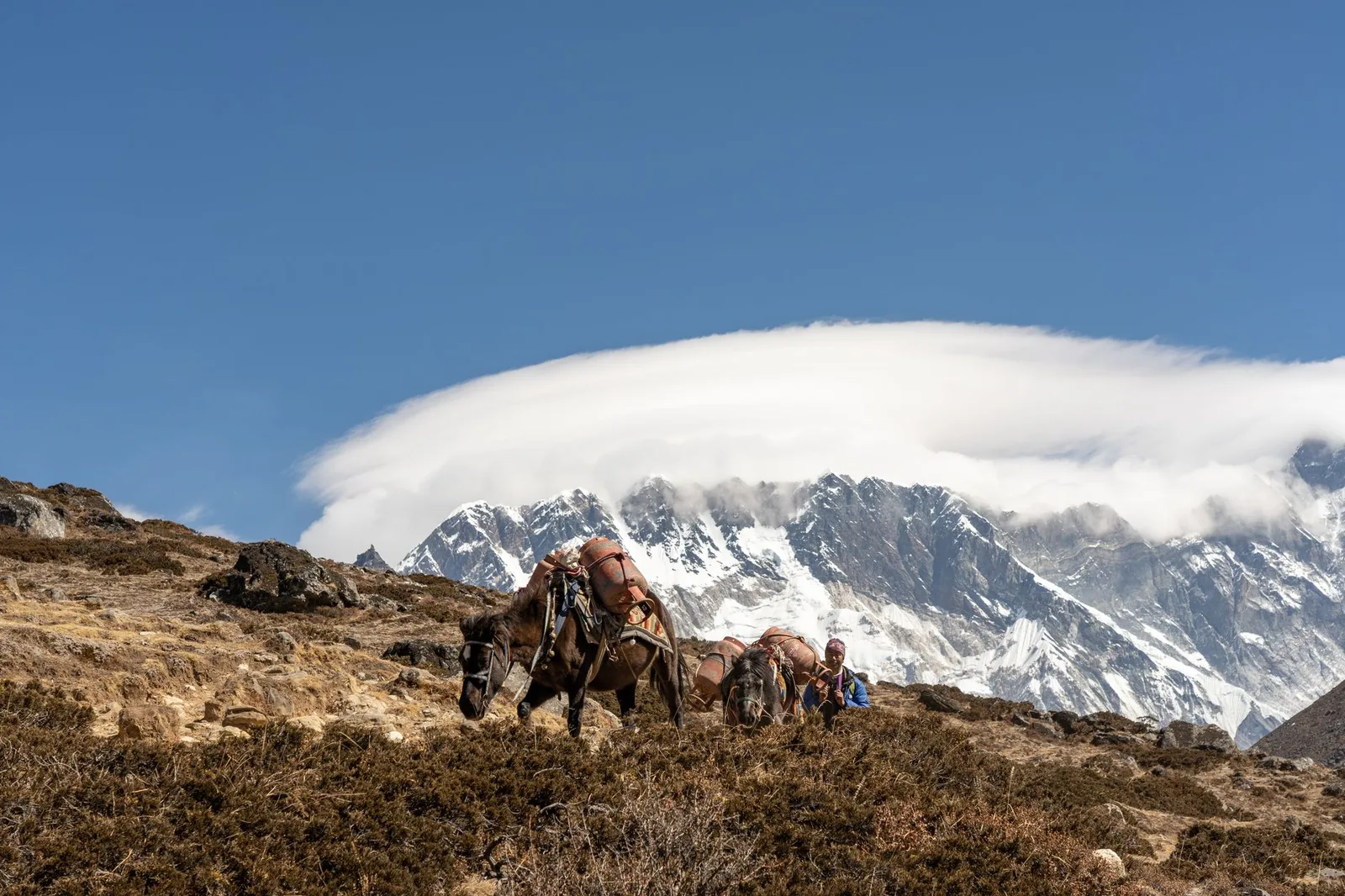
The trekking company that saves your life if something goes wrong is not the one with the cheapest package — it's the one whose rescue paperwork already sits with the right office before you ever leave Kathmandu. That is the blunt lesson Nepal's own mountaineering establishment is still working through after an avalanche near the summit of Yalung Ri in Dolakha killed seven climbers on 3 November 2025 — and the rescue helicopter wasn't cleared to fly until roughly eight hours after the alarm went up.
Key facts
- The Yalung Ri avalanche struck at about 9:00am on 3 November 2025; an IFMGA guide on scene said rescue clearance came nearly 8 hours later.
- Helicopter permits for restricted trekking areas can take 2–3 days to clear a letter-based approval chain — CDO to Ministry of Home Affairs to Immigration — that only runs office hours, per the Nepal Mountaineering Association (NMA).
- The Himalayan Rescue Association (HRA), founded in 1973, staffs volunteer-doctor aid posts each trekking season at Pheriche (4,371m/14,343ft), Manang, Everest Base Camp, Gosaikunda and Thorong Phedi.
None of this means Nepal is unsafe to trek. Tens of thousands of people walk to Everest Base Camp and around the Annapurna Circuit every year without incident. What it means is that the gap between a routine altitude headache and a genuine emergency is decided almost entirely by logistics — insurance on file, a licensed guide who knows the paperwork chain, and an operator who already knows which aid post is nearest your route. That is the honest answer to "how do I pick a safe trekking company in Nepal": stop shopping on price, and start asking questions that only a rescue-ready operator can answer without hesitating.
What happened on Yalung Ri, and why it matters beyond one peak
Yalung Ri (5,647m) is a trekking peak in Dolakha, popular precisely because it doesn't require the bureaucracy of an 8,000m expedition. Seven climbers died and five were injured when an avalanche hit their ascent line. Pasang Kidar Sherpa, an IFMGA-certified guide with the Rolwaling Everest Summiteers Club who was on the mountain, later described the gap between the avalanche and rescue clearance as the difference that mattered most. NMA president Phur Gyalje Sherpa called for the rescue system to move faster in future disasters. The NMA's broader point, made publicly since, is structural: Nepal's government does not yet have a dedicated, always-on rescue authorization desk, so even a well-equipped helicopter crew can be grounded by a signature that hasn't arrived.
That structural gap doesn't disappear because you book with a reputable company — but a reputable company is the difference between a delay measured in hours and one measured in days. An operator who has run rescues before already has the local agent, the pre-filed restricted-area documentation, and a working relationship with an HRA post or a hospital in Kathmandu. One who hasn't is learning the process live, on your dime, at altitude.
| Question | Good sign | Red flag |
|---|---|---|
| Does every trekker carry rescue-grade insurance? | Checked at booking, policy number requested and filed | "You can sort that yourself once you land" |
| Who is your guide licensed by? | Names their NMA or IFMGA card number without hesitation | Vague answer, no license shown or checked |
| If we're in a restricted area and need a helicopter, what happens? | Names the local agent and says the paperwork is pre-filed with the CDO | "We'll call someone when it happens" |
| What's the nearest HRA aid post to this route? | Names it unprompted — Pheriche, Manang, Gosaikunda or Thorong Phedi | Doesn't recognise the acronym |
What this means for trekkers
What this means for you
A guide's NMA or IFMGA licence and a filed insurance policy are not paperwork for its own sake — they are the two things that shrink an 8-hour rescue delay into something survivable. Confirm both before you pay a deposit, not after you're on the trail. And know your route: our own guides carry satellite communication on every high-altitude itinerary and pre-clear restricted-area documentation before departure, precisely because of cases like Yalung Ri.
If you're weighing whether Nepal's guide-mandatory rule applies to your trek, we've covered exactly what the regulation says and where it applies in our guide-requirement explainer. And if altitude risk on a specific route is your real question, our piece on what the medical data actually says about Everest Base Camp breaks down the real numbers rather than the internet's guesswork. Whichever route you choose — Everest Base Camp, Annapurna Base Camp or the more remote Manaslu Circuit — the operator's answer to "what happens if something goes wrong" should never be a shrug.
Source: The Tourism Times
Cover photo: Clinton Weaver via Pexels (Pexels License).
计划徒步?
我们负责许可证、后勤与向导
NMA 认证的本地向导,价格透明,自 1998 年以来 5,000+ 次徒步。告诉我们你的日期,其余的交给我们。


更多「Safety & Advisories」
Safety & Advisories
The Most Common Travel Scams in 2026 (and Exactly How to Avoid Them)
Rigged taxi meters, short-changed cash, skimmed ATM cards, fake officials and cloned booking sites — plus the trekking-specific cons in Nepal — and the simple habits that beat every one.
Safety & Advisories
The Safest Countries for Solo Female Travellers in 2026 (Ranked, With the Data)
The Nordics top every credible index again — here's the real ranking, the numbers behind it, and where Nepal honestly fits.

Safety & Advisories
Travel Vaccinations for 2026: What You Actually Need for Nepal, Asia & Beyond
A practical 2026 rundown of the vaccines that matter for Nepal and the wider region — routine boosters, hepatitis A and typhoid, when rabies or Japanese encephalitis are worth it, the yellow-fever certificate rule, and malaria in the Terai. General guidance; always confirm with a travel clinic.