
Adventure & Activity Travel Insurance in 2026: Why Standard Cover Excludes Rafting, Diving, Skydiving and High Trekking
Scuba, bungee, skydiving, quad bikes, jet skis, rafting, safari, motorbiking and trekking above a certain altitude are the activities standard travel insurance quietly leaves out. Here is how activity tiers and add-ons work, why an undeclared activity can void the whole claim, and how to match cover to your trip.
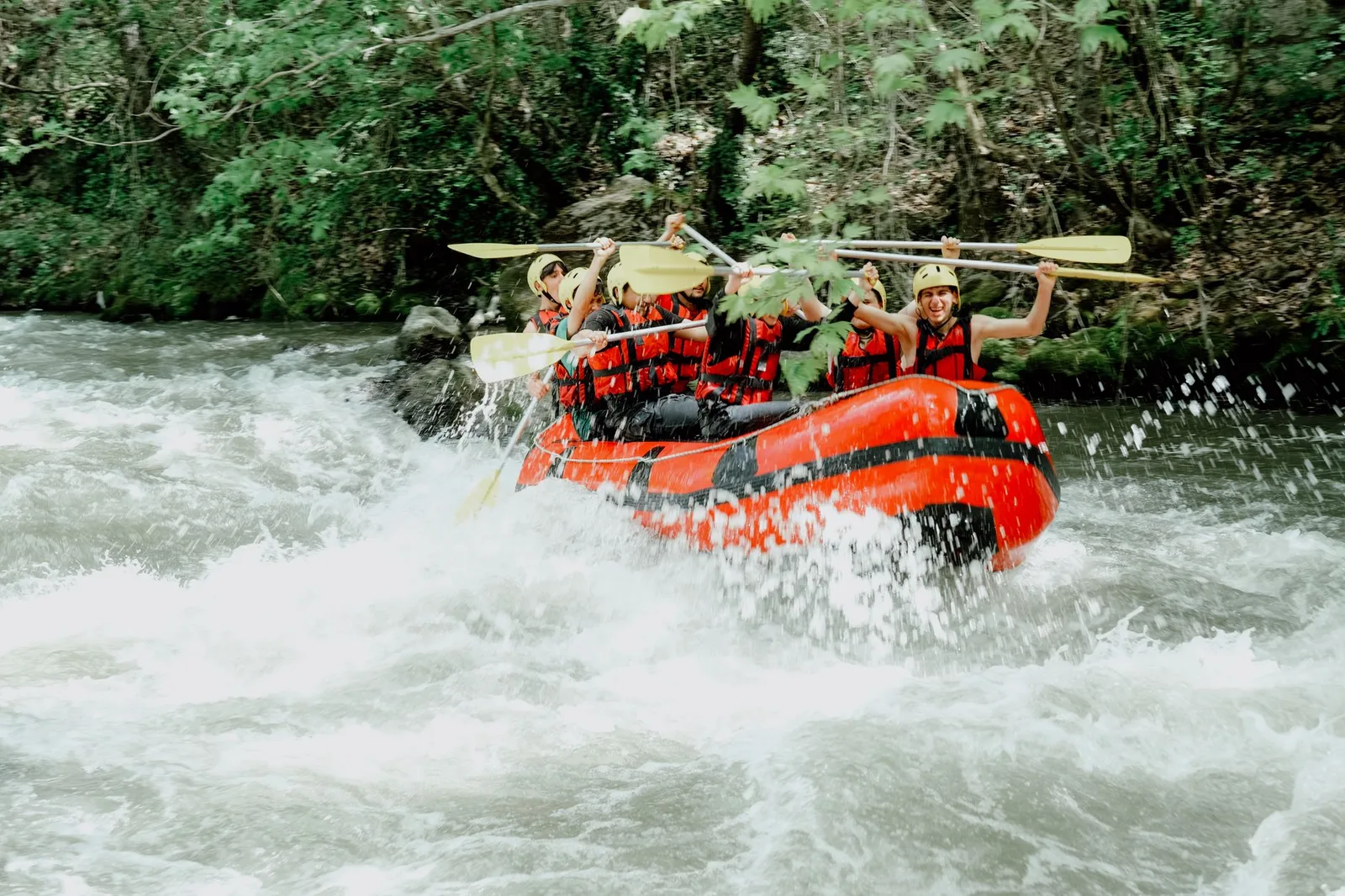
You can buy a travel insurance policy in three clicks, fly across the world, jump out of a plane or paddle a river — and never once be told that the certificate in your inbox stopped covering you the moment you started. Standard travel insurance is written for beaches, city breaks and airport delays. Step into anything with a whiff of adrenaline and, on most ordinary policies, you have quietly walked outside the cover you paid for. Here is why that happens in 2026, how activity tiers and add-ons put the cover back, and how to match a policy to what you will actually do.
The short version
- The UK government's own guidance is blunt: "bungee jumping, jet skiing, winter sports or skydiving" are activities that "are not usually included in standard policies", and you "may need specialist insurance or an add-on".
- Reference works agree that general policies commonly exclude "high-risk sports and activities (such as scuba diving, extreme sports)" — while many insurers sell those same activities back as an optional tier.
- Cover is sold in activity tiers: a base policy, then bands of riskier pursuits you add for an extra premium.
- The claim-killer is non-declaration. If you get hurt doing an activity your policy did not know about, the insurer can decline the whole claim — including the medical and evacuation bills.
- Exactly which activities are covered, and up to what altitude or depth, varies by insurer — always confirm it against your own policy wording before you travel.
Why a standard policy stops at the water's edge
Travel insurance is priced against risk. A person on a sun lounger and a person free-falling under a canopy are not the same bet, so insurers draw a line and put the second person on the wrong side of it. The base policy covers illness, ordinary accidents, cancellation and lost bags. Anything the insurer files under "hazardous" is carved out unless you have specifically added it.
The trap is that nothing stops you buying the cheap policy and doing the risky thing anyway. The paperwork looks complete. The exclusion only surfaces when you claim — for a decompression illness, a broken ankle off a quad bike, a rescue after a rafting flip — and the insurer points to the activities schedule you never read. Medical evacuation and repatriation usually sit inside the standard medical section, but if the injury happened during an excluded activity, that whole section can fall away with it.
Covered as standard, or not? The activity check
There is no single industry rulebook — one insurer's "standard" pursuit is another's paid add-on. But the pattern below is typical, and it is what catches people out. Treat every "usually" as a prompt to read your own wording, not a guarantee.
| Activity | Usually covered as standard? | Needs an activity add-on / tier? |
|---|---|---|
| Scuba diving | No — commonly listed as a high-risk activity | Yes; often with a depth limit and a certification requirement |
| Bungee jumping | No — named by gov.uk as not usually included | Yes |
| Skydiving | No — named by gov.uk as not usually included | Yes, on a higher-risk tier |
| Quad bikes / mopeds | No — use or hire is a common exclusion | Yes; a licence and helmet are often conditions |
| Jet skis | No — named by gov.uk as not usually included | Yes |
| White-water rafting | Sometimes at low grades only; often excluded above them | Yes, above the base grade |
| Safari | A vehicle game drive often is; walking or off-road can be excluded | Sometimes, for walking or self-drive elements |
| Motorbiking abroad | No — riding or pillion is a frequent exclusion | Yes; valid licence for the engine size is usually required |
| Trekking above a set altitude | Low-altitude walking often is; higher trekking is not | Yes, above the policy's altitude ceiling |
| Paragliding | No — treated as an aerial high-risk activity | Yes, on a higher-risk tier |
How activity tiers and add-ons work
Most insurers group activities into bands. The base policy covers the gentle end. A first add-on tier might re-include low-grade rafting or moderate trekking; higher tiers reach up to mountaineering, diving and aerial sports, each at a rising premium. Watch the conditions inside a tier — a depth cap for diving, an altitude ceiling for trekking, a "with a qualified guide" clause, or a valid licence for anything with an engine. Buy the tier and ignore the condition and you are uninsured for that moment.
Declare it, or the claim is void
An insurer only prices the risks it is told about. Do an activity your policy does not list and you have changed the risk without paying for it — which is why the standard remedy is to decline the claim outright, not pay a reduced amount. This is the most expensive mistake in adventure travel: not the premium you skipped, but the six-figure rescue-and-hospital bill the insurer walks away from. If in doubt, list it. A call before you fly costs nothing; an undeclared activity can cost everything.
Nepal is exactly where this bites
If you are heading to the Himalaya, this is not abstract — Nepal stacks up the exact activities standard policies exclude. Trekking above a certain altitude is the classic one: an Everest Base Camp or Annapurna Circuit route climbs past the ceiling written into many ordinary policies, so a heli-evacuation from 4,000m-plus can be refused on a policy that never covered the altitude. Add white-water rafting on the Trishuli, paragliding off Sarangkot, or a trekking-peak climb like Island Peak or Mera, and you have three more activities that sit outside a base policy. We cover the altitude question in detail in our guide to travel insurance for high-altitude trekking, and the same logic runs through our pieces on what travel insurance actually covers and winter-sports cover.
For any Himalayan trip, do three things before you pay: declare your maximum altitude, list every activity (trekking, peak climbing, rafting, paragliding), and confirm the policy includes helicopter evacuation and repatriation at those altitudes — the one benefit you cannot improvise on a mountainside. Nepal now also expects trekkers to carry rescue-capable insurance, so this is a formality to get right, not an optional extra.
How to match cover to your trip
- Write down every activity you might do — not just the ones booked. The kayak trip you join on day three still has to be on the policy.
- Find the activities schedule in the wording (not the marketing page) and check each one against it, including altitude, depth or grade limits.
- Buy the tier that covers your riskiest activity, and meet its conditions — licence, guide, certification, helmet.
- Confirm the medical, rescue, evacuation and repatriation limits are high enough for where you are going.
- Carry the certificate and activities list, so a rescue team and hospital can see you are covered.
We build our itineraries around exactly these realities — declared altitudes, guided high-risk sections and a rescue plan that works. If you want a Himalayan trip matched to cover you can rely on, browse our treks and climbs and message our team about what to declare before you book.
Cover photo: Emın Alper via Pexels (Pexels License).
来源: UK Government — Foreign travel insurance guidance
计划徒步?
我们负责许可证、后勤与向导
NMA 认证的本地向导,价格透明,自 1998 年以来 5,000+ 次徒步。告诉我们你的日期,其余的交给我们。


更多「Money & Insurance」
Money & Insurance
Travel Insurance for Nepal Treks: Floods, Evacuation and What's Actually Covered (2026)
Floods and landslides can strand a trek — here's what cover actually helps, from helicopter evacuation to trip interruption, and the exclusions to check first.

Money & Insurance
Travel Money in 2026: Cash vs Debit vs Credit vs Prepaid Cards — What to Carry and How to Spend It
No single method wins abroad. Here is how cash, debit, credit and prepaid multi-currency cards really compare on fees — plus the dynamic-currency-conversion trap to dodge, how much cash to carry, and why Nepal’s trail runs on rupees.
Money & Insurance
Ski & Winter Sports Travel Insurance in 2026: Why Standard Cover Excludes the Slopes
Strap on skis and most standard travel policies quietly stop covering you. Here is why winter sports are excluded, what a ski add-on really buys — off-piste, piste closure, avalanche delay, mountain rescue, helicopter, equipment — and the exact clauses to check before you travel.