
Ski & Winter Sports Travel Insurance in 2026: Why Standard Cover Excludes the Slopes
Strap on skis and most standard travel policies quietly stop covering you. Here is why winter sports are excluded, what a ski add-on really buys — off-piste, piste closure, avalanche delay, mountain rescue, helicopter, equipment — and the exact clauses to check before you travel.
At a glance
- Published
- TopicMoney & Insurance
- Verified againstGOV.UK — Foreign travel insurance
- Treks coveredEverest Base Camp Trek — 14 Days, Island Peak Climbing — 18 Days, Mera Peak Climbing — 15 Days
The moment most skiers learn their travel insurance does not cover skiing is the moment they are lying in the snow with a twisted knee, watching a piste patroller radio for a blood wagon. A standard holiday policy — the kind bundled with a bank account or bought in three clicks for a city break — is written for beaches and airport delays, not for a person travelling downhill at speed. Strap on skis or a snowboard and, on most ordinary policies, you have quietly stepped outside the cover you paid for. Here is why that happens, what a winter-sports add-on actually buys you for 2026, and the clauses to check before you click "pay".
The short version
- The UK government's own guidance is blunt: "winter sports" are "not usually included in standard policies", and you "may need specialist insurance or an add-on".
- Skiing and snowboarding are treated as higher-risk activities — covered only when you add winter-sports cover, either as an upgrade or a dedicated policy.
- A ski add-on typically extends your medical, mountain rescue and helicopter evacuation cover to winter-sports injuries — the two things a standard policy is most likely to exclude.
- Off-piste is the big trap: many policies cover it only when you are with a qualified guide or instructor. Read that clause word for word.
- Exact limits, altitude ceilings and premiums vary by insurer — always confirm them against your own policy wording before you travel.
Why standard travel insurance leaves skiers exposed
Travel insurance is priced against risk, and a person sliding down an icy slope is a very different risk from a person on a sun lounger. So insurers carve winter sports out of the base policy. The UK Foreign Office guidance lists "bungee jumping, jet skiing, winter sports or skydiving" as activities that "are not usually included in standard policies", and tells travellers to make sure they are covered for "all activities you may undertake on holiday". The reference works agree: general policies commonly exclude "participating in high-risk sports and activities", while skiing sits among the "higher-risk sports" you can add back for an extra premium.
The danger is that nothing stops you buying a normal policy and flying to the Alps. The certificate looks complete. It is only when you claim — for a wrecked knee, a night in an Alpine clinic, a rescue toboggan and an air-ambulance flight home — that the exclusion surfaces. Medical evacuation and repatriation are usually part of a standard policy's medical section; but if the injury happened while doing an excluded activity, the insurer can decline the whole claim. That is the hole winter-sports cover is designed to close.
What a winter-sports add-on actually adds
Winter-sports cover is not one benefit but a bundle, and the bundle differs between insurers. Broadly, it re-includes skiing and snowboarding as covered activities and layers on protections specific to a mountain in winter — closed pistes, lost skis, an unusable lift pass. The table below shows how the same risk is treated by a bare policy versus one with a ski add-on.
| Winter-sports risk | Standard travel policy | What a ski add-on adds |
|---|---|---|
| Injury while skiing or boarding | Often excluded the moment you clip in — medical and rescue claims can be voided | Emergency medical care, mountain rescue and helicopter evacuation for winter-sports injuries |
| Off-piste skiing or boarding | Rarely covered; usually voids the claim | Often covered — but commonly only when you are with a qualified guide or instructor. Check the wording |
| Piste or lift closure (no snow, or too much) | Not covered | Compensation, or travel to the nearest open resort, when the runs are shut |
| Avalanche or bad-weather closure and delay | Not covered | Cover for extra costs when avalanche risk or weather closes the slopes or blocks access |
| Ski equipment, owned or hired | Baggage cover only, with low single-item limits | Cover for your own and hired skis or board, plus hire of replacements while yours are out of action |
| Lift pass, lessons and hire ("ski pack") | Not covered | Reimbursement of the unused portion if injury or illness stops you skiing |
The headline benefit is medical and rescue. A serious case means a helicopter, and in the Alps, the Rockies or the Andes that flight — plus the clinic and, worst case, a medical repatriation home — is where a winter-sports bill turns eye-watering. That is exactly the part a bare policy is most likely to refuse. The closure cover, equipment and ski pack are welcome extras, but it is the medical-and-evacuation line you must never travel without.
The fine print that decides your claim
Buy on the clauses, not the brand. Before you pay, confirm each of these in writing: that skiing and snowboarding are named as covered activities; that off-piste is included on the terms you intend to ski — most policies covering it require a qualified guide or instructor, and some exclude it outright; that mountain rescue and helicopter evacuation are stated explicitly, not just "emergency medical"; and that any altitude limit sits above the terrain you will reach. If you ski more than a couple of weeks a year, an annual multi-trip policy with winter sports built in usually beats repeated single-trip add-ons — provided its per-trip day limit covers your longest holiday.
Before you buy ski cover
Write your insurer one email: "Does this policy cover me for skiing and snowboarding, including off-piste, with mountain rescue, helicopter evacuation and repatriation — and what altitude and day limits apply?" If the answer is anything other than a clear yes in writing, keep looking. Then carry the printed policy and the 24-hour emergency number in your jacket, not only on a phone that dies in the cold.
The same lesson we teach in the Himalaya
This is the identical trap we deal with every season in Nepal, just at a different altitude. Our Everest and Manaslu trekkers buy a policy, tick "trekking", and assume they are covered for the one thing that matters up here — a helicopter off the mountain — only to find a standard policy excludes both high-altitude trekking and the rescue that goes with it. The principle is the same for a skier and for a trekker: your cover has to match the activity and the mountain, and it has to name the rescue in writing. A ticked box is not a covered claim. We spell out the Himalayan version in our guide to the best travel insurance for high-altitude trekking in 2026 and in what a Nepal helicopter rescue costs and how to make sure your policy pays.
If your winter break is about price rather than the resort name, read where the cheap snow actually is first — see our roundup of the cheapest ski destinations for 2026, then match the cover to wherever you land. And when you are ready to swap the piste for the world's biggest mountains, our fixed-departure Everest Base Camp Trek, Island Peak climb and Mera Peak climb travel with guides who coordinate rescue directly with Kathmandu. Get the cover right, and the only thing left to think about is the snow.
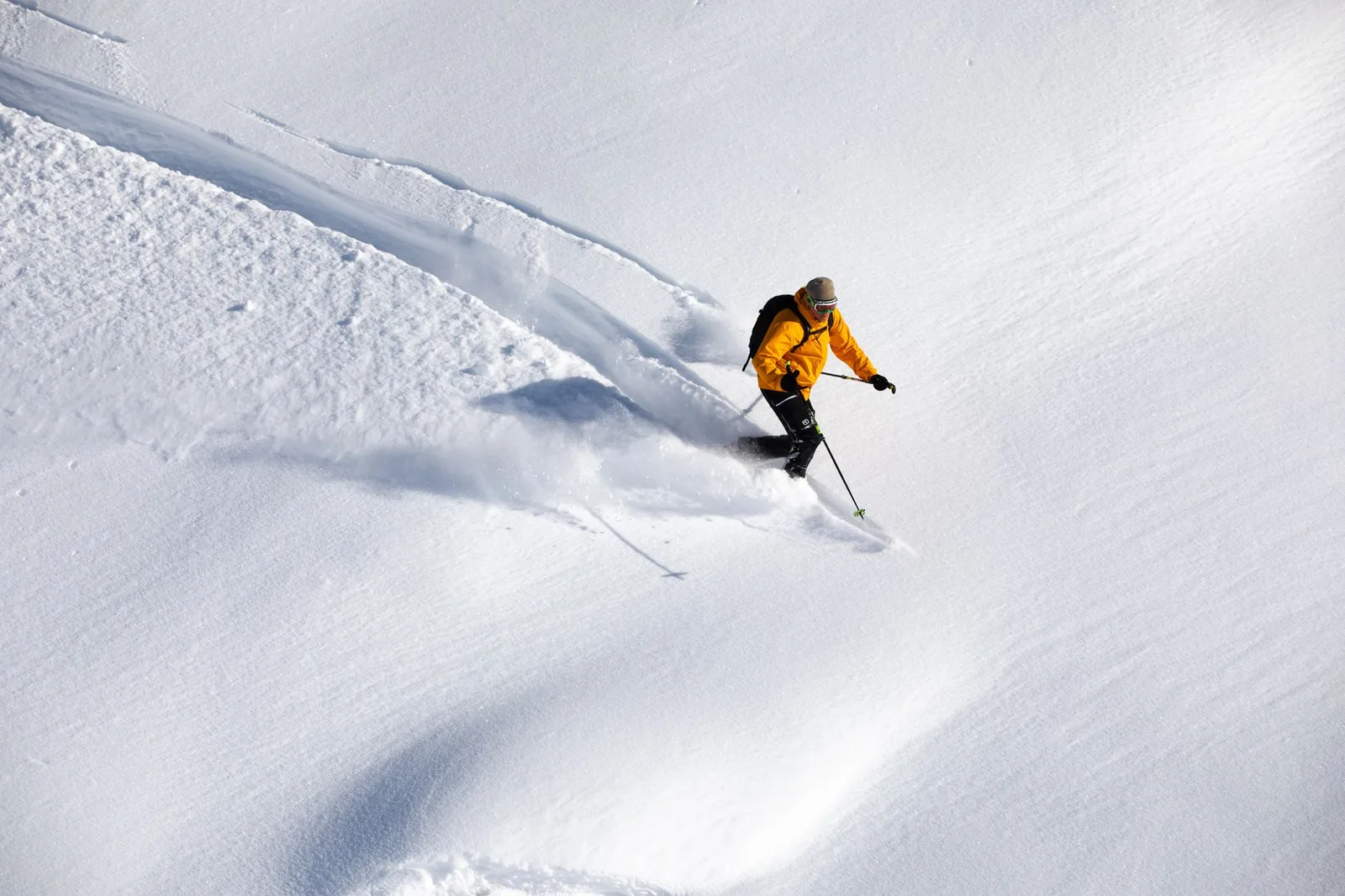
Cover photo: Volker Meyer via Pexels (Pexels License).
Planning a trek?
Trek this route with us — Everest Base Camp Trek — 14 Days
NMA-certified local guides, transparent pricing, 5,000+ treks since 1998. Message us your dates and we'll sort the permits, lodges and logistics — reply within 24 hours, no obligation.


Popular Nepal treks
All treks →


Related coverage
Money & Insurance
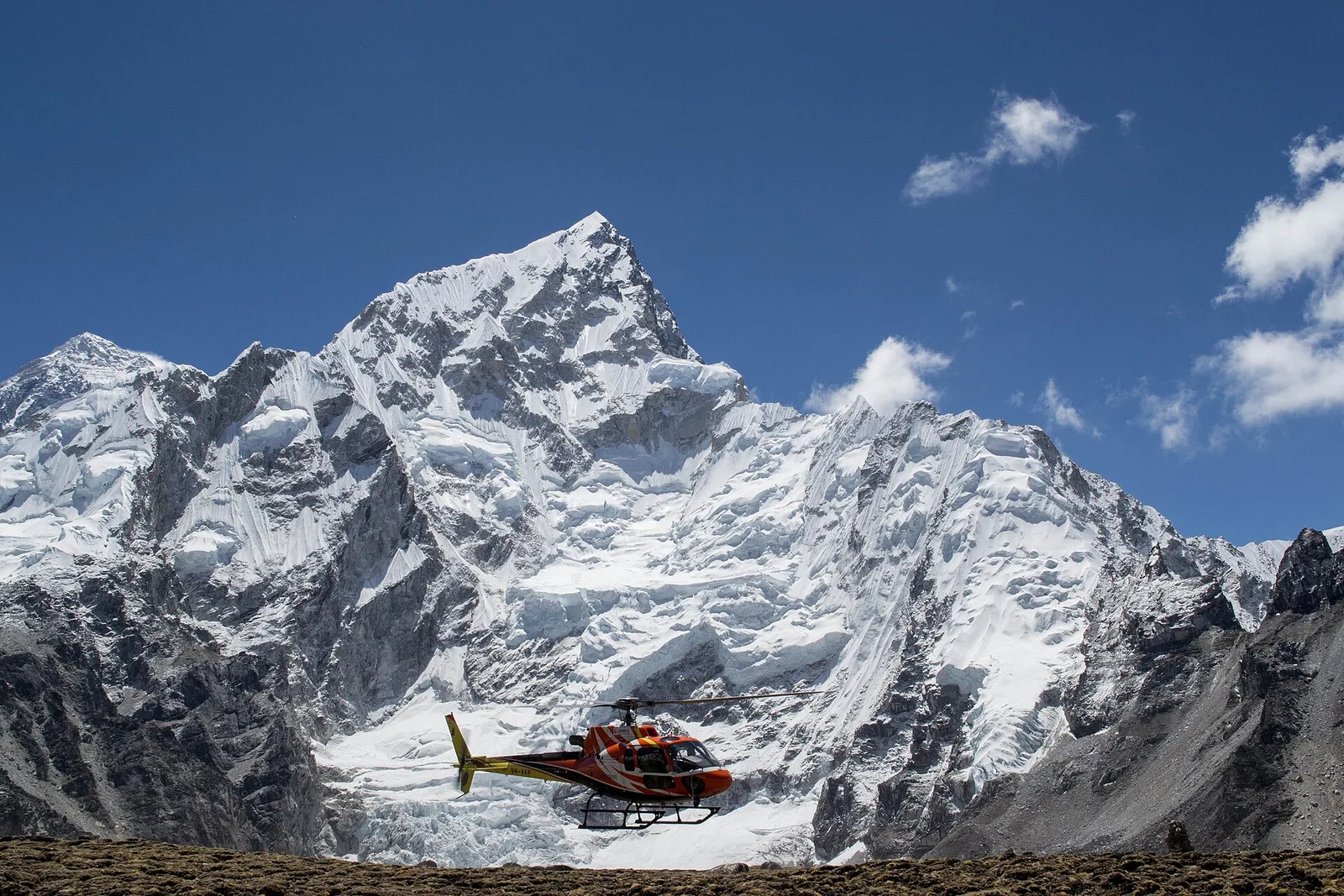
Best Travel Insurance for High-Altitude Trekking in 2026 (What Actually Covers Everest Base Camp)
Standard policies quietly stop at 4,000m — but Everest Base Camp is 5,364m. Which cover actually pays for a Himalayan helicopter rescue, the exclusions that void a claim, and how to check your policy before you fly.
Money & Insurance
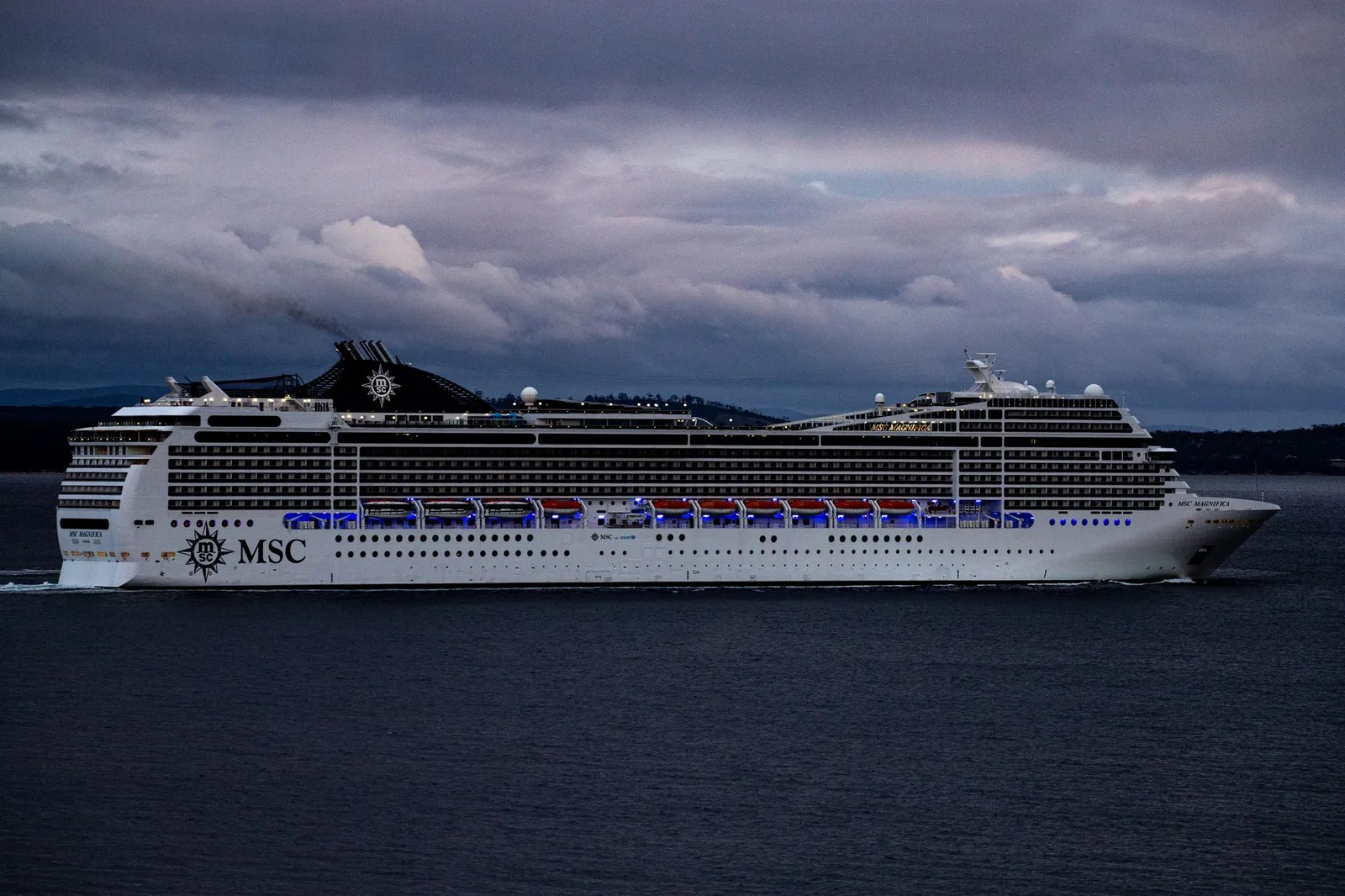
Cruise Travel Insurance in 2026: Why Standard Cover Isn't Enough at Sea
A cruise looks like the safest holiday there is, which is exactly why a standard travel policy can leave you exposed. Here's what a cruise add-on covers that ordinary insurance misses — missed departure, cabin confinement, itinerary changes and the expensive at-sea medical evacuation — and what to check before you buy.
Money & Insurance
Baggage & Lost-Luggage Travel Insurance in 2026: What It Really Pays (and Who Owes You First)
Baggage cover in 2026, decoded: delayed vs lost vs damaged luggage, the per-item and single-article limits nobody reads, why valuables are excluded, and the Montreal Convention rule that makes your airline pay before your insurer.

Money & Insurance
Cancel For Any Reason (CFAR) Travel Insurance in 2026: What It Really Covers
CFAR is an optional upgrade, not standard cover — it pays back a partial share (typically 50–75%) if you cancel for any reason, but only under strict timing rules. Here is how it works and when it is worth the extra premium.
Latest from the desk
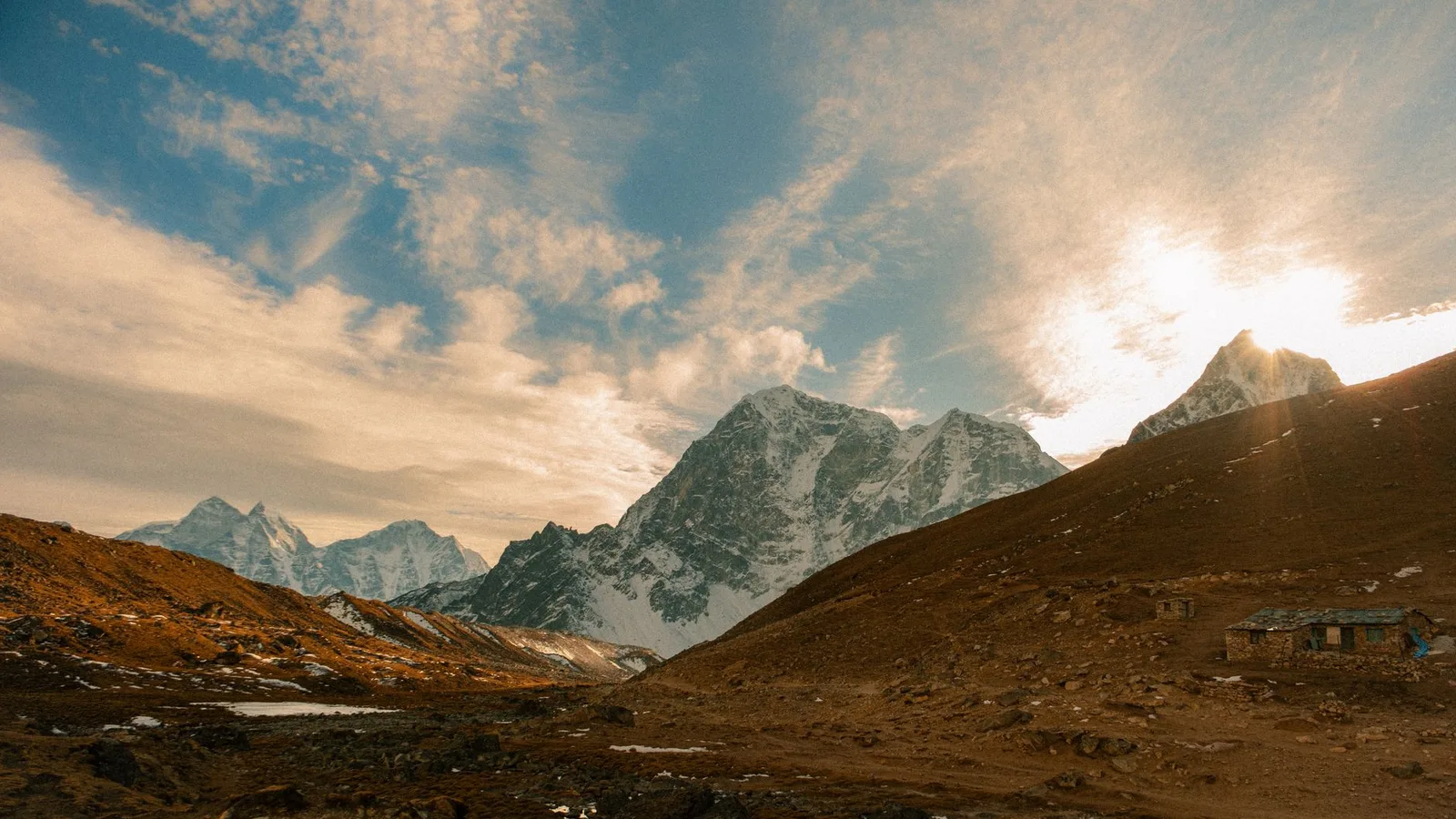
Safety & Advisories
How Many Days Do You Actually Need for Everest Base Camp? 10 vs 12 vs 14 vs 15-Day Itineraries
The honest answer, checked against Nepal's own altitude-medicine numbers — not against which itinerary sells fastest.
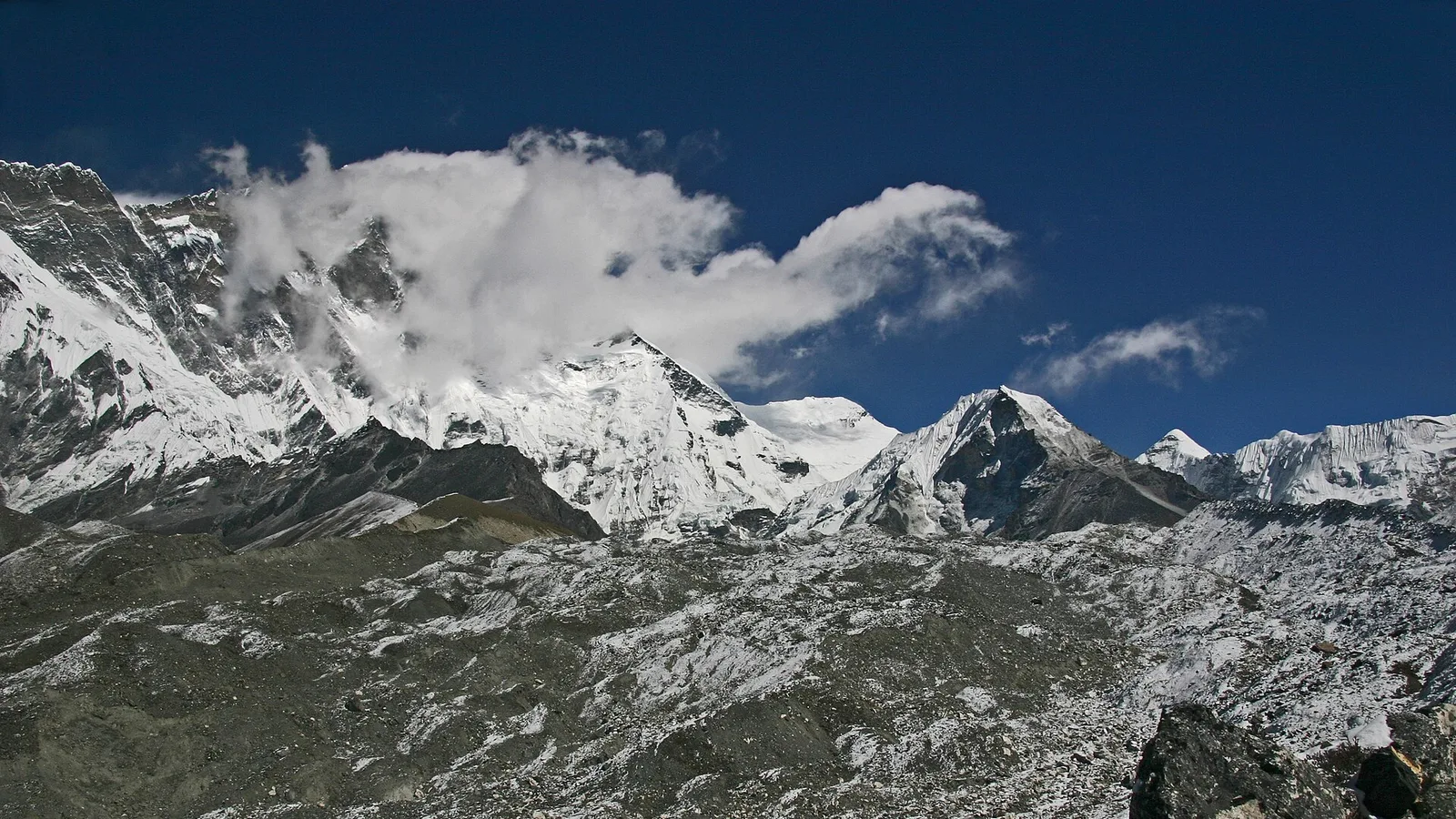
Records & People
Island Peak vs Mera Peak: Which Should Be Your First Himalayan Summit?
Nepal's two classic 6,000m trekking peaks demand almost opposite skills — the honest comparison before you book either.
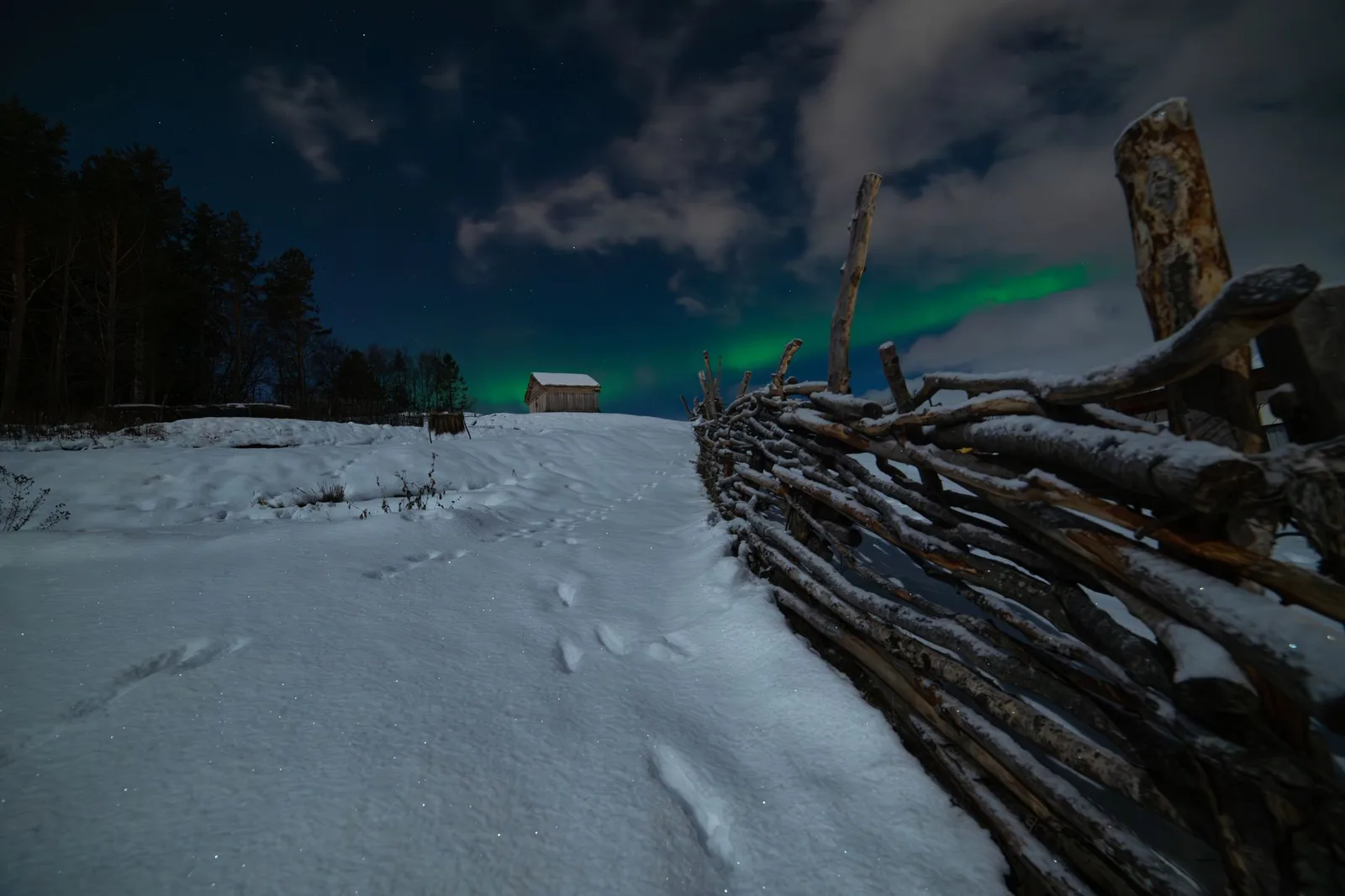
World Destinations
Northern Lights 2026: Where and When to See the Aurora (Best Destinations)
A clear, no-hype guide to catching the aurora next winter — the best destinations from Tromsø to the Yukon, the September–March season, why the solar cycle still favours 2026, and honest expectation-setting.