
A Helicopter Rescue in Nepal Can Cost $5,000+ — Here's Whether Your Insurance Actually Pays
As of 2026 a Himalayan helicopter evacuation runs $3,000–$10,000, usually payable before takeoff. After the year's fake-rescue fraud case, insurers are paying out more warily — here's what genuine cover looks like and how to avoid being uninsured at altitude.
At a glance
- Published · updated
- TopicMoney & Insurance
- Verified againstThe Kathmandu Post
- Treks coveredEBC & Cho La Pass Trek — 15 Days, Everest Base Camp Trek — 14 Days, Manaslu Circuit Trek — 14 Days
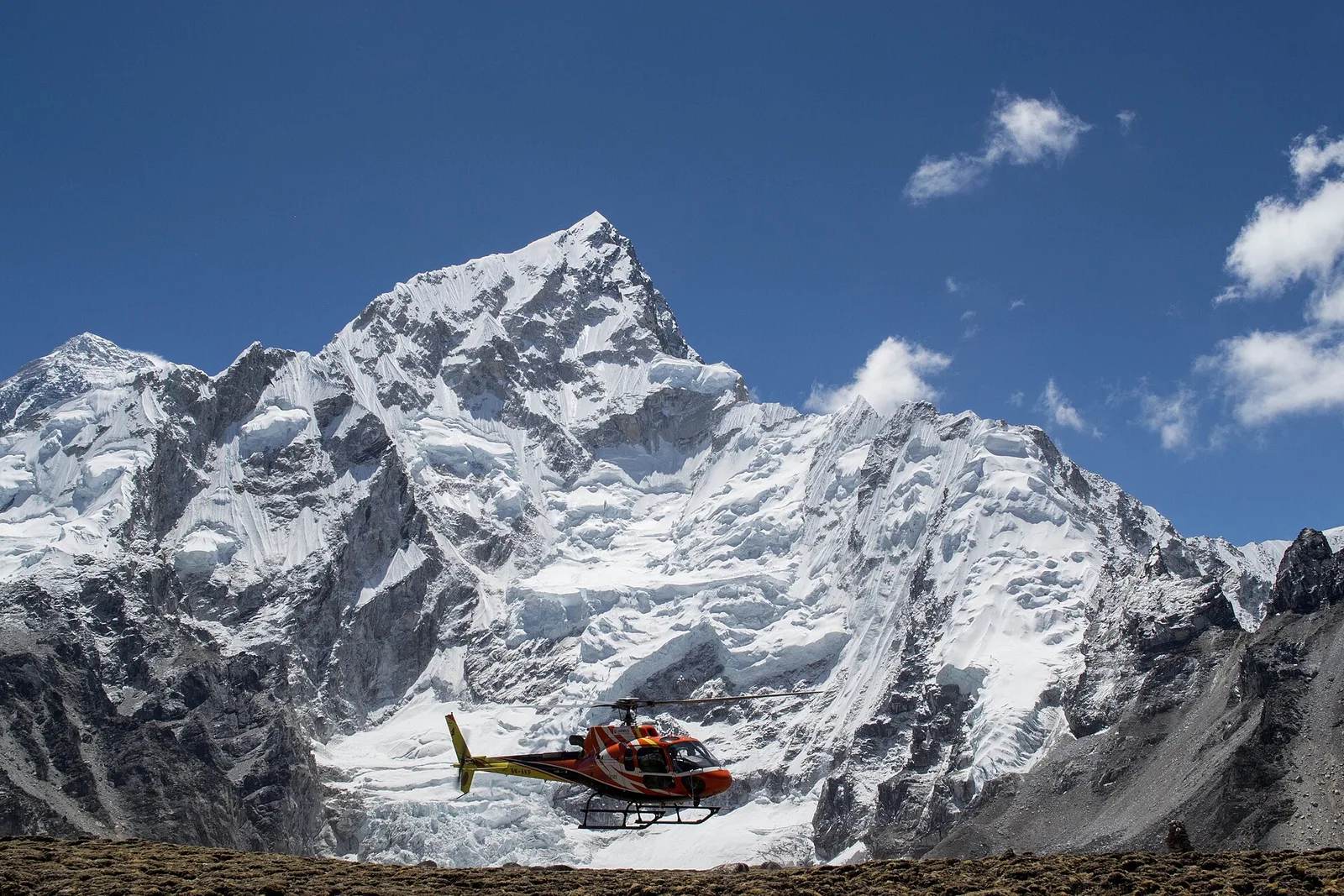
Every trekking season, a handful of foreigners come off Nepal's high trails not on their own two feet but in the door of a helicopter — and then meet the bill. As of 2026, a Himalayan helicopter evacuation typically runs USD $3,000 to $10,000, and in most cases the pilot wants that money confirmed before the rotors spin. If your insurance does not clearly cover it, that number is yours. The uncomfortable news this year is that even trekkers who bought a policy are finding it harder to be sure it will actually pay.
Key facts
- A helicopter rescue in Nepal costs roughly $3,000–$10,000 as of 2026 — often payable upfront before takeoff.
- A lift from above 5,000m (Gorakshep, Lobuche, Everest Base Camp) can reach $6,000–$10,000+; a worst case with hospital care and repatriation can exceed $80,000.
- Since 2026, proof of trekking insurance covering helicopter evacuation is required for restricted-area permits — Manaslu, Upper Mustang, Tsum and Nar Phu.
- After a $19.6M fake-rescue fraud case, insurers are scrutinising Nepal claims harder — so genuine cover and an honest operator matter more than ever.
Why a Himalayan rescue costs what it does
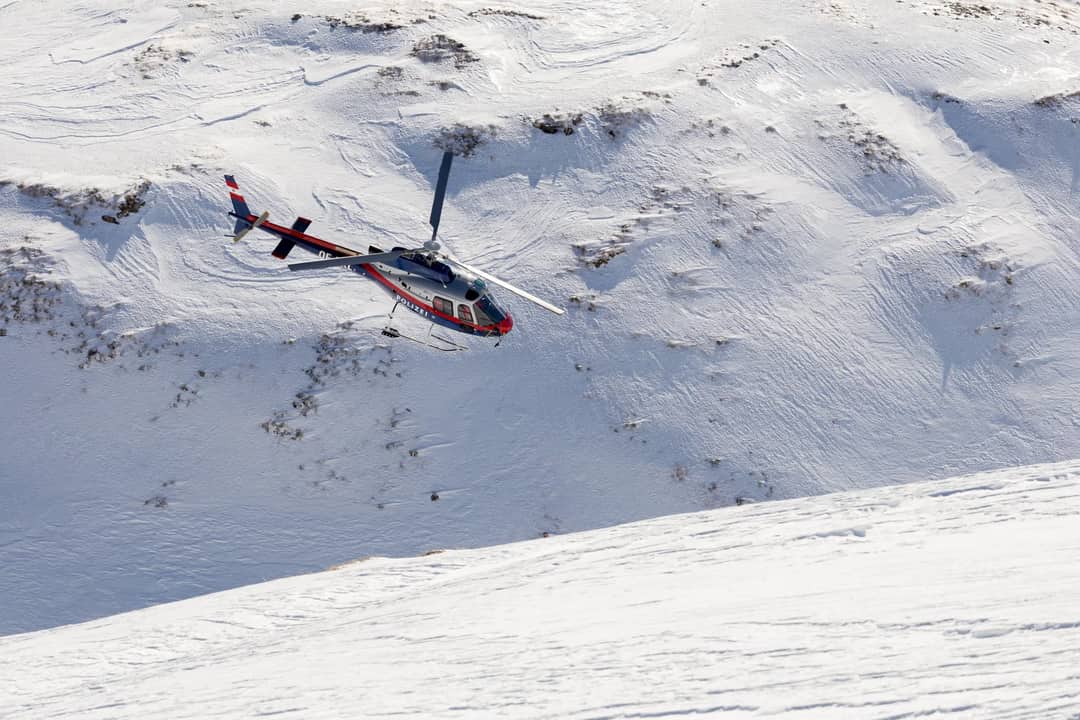
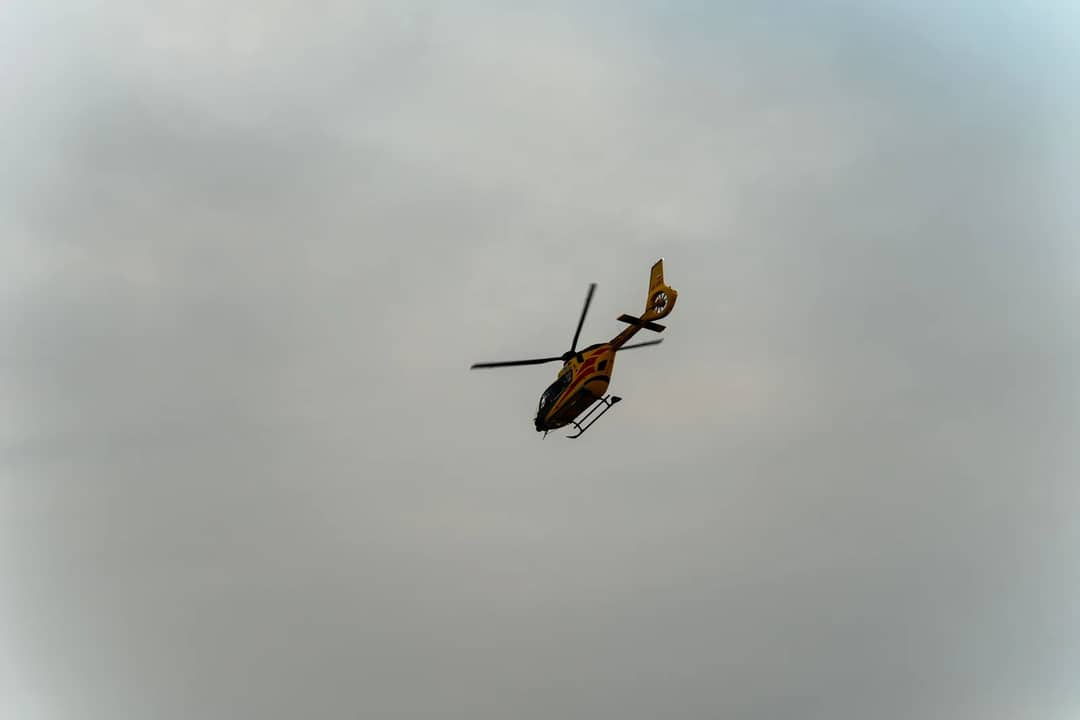
A rescue helicopter in the Everest or Annapurna region is not a taxi. It flies in thin air where lift is scarce, usually only between dawn and late morning before the wind rises, and rarely operates above 6,000m at all. Each mission burns expensive fuel, ties up a pilot and a machine for hours, and often involves a relay — a shuttle down to a lower helipad, then a fixed-wing leg into Kathmandu. The figure on the invoice reflects all of that, and it lands on you the moment cover is in doubt.
| Rescue scenario | Typical cost (USD) |
|---|---|
| Namche Bazaar → Kathmandu | $3,000–$5,000 |
| Above 5,000m (Gorakshep / Base Camp) | $6,000–$10,000+ |
| Evacuation + hospital + repatriation | Up to $80,000+ |
| With no valid insurance | You pay, upfront |
The 2026 crackdown that changed who gets paid
The reason this is a live worry in 2026 is a scandal we have covered in full separately: Nepal's Central Investigation Bureau charged 32 people over a coordinated fake-rescue racket that allegedly defrauded international insurers of around $19.6 million. We will not restate the case here — the short version is that a small group of operators staged unnecessary evacuations, and the whole industry is now paying for it. Insurers have responded exactly as you would expect: tighter policy wording, slower claim approvals, more questions, and in a few cases exclusions for helicopter rescue in Nepal altogether. There is a grim paradox in that — the same scrutiny meant to stop fraud can delay a genuinely sick trekker's rescue.
So the honest headline for 2026 is not simply "buy insurance." It is: buy the right insurance, and trek with an operator whose paperwork an insurer will trust.
What real cover actually looks like
Most standard travel policies are not enough. Read the fine print for three things. First, an altitude limit that matches your route — many policies quietly cap at 3,000–4,000m, yet Everest Base Camp sits at 5,364m and Manaslu's Larke Pass is above 5,100m. Second, emergency helicopter evacuation named as a covered benefit, not just vague "emergency transport." Third, a medical and repatriation ceiling of at least USD $100,000. Carry the policy number and the insurer's 24-hour assistance line on paper — not only on a phone that may be dead or out of signal at 5,000m.
How not to end up uninsured at 5,000m
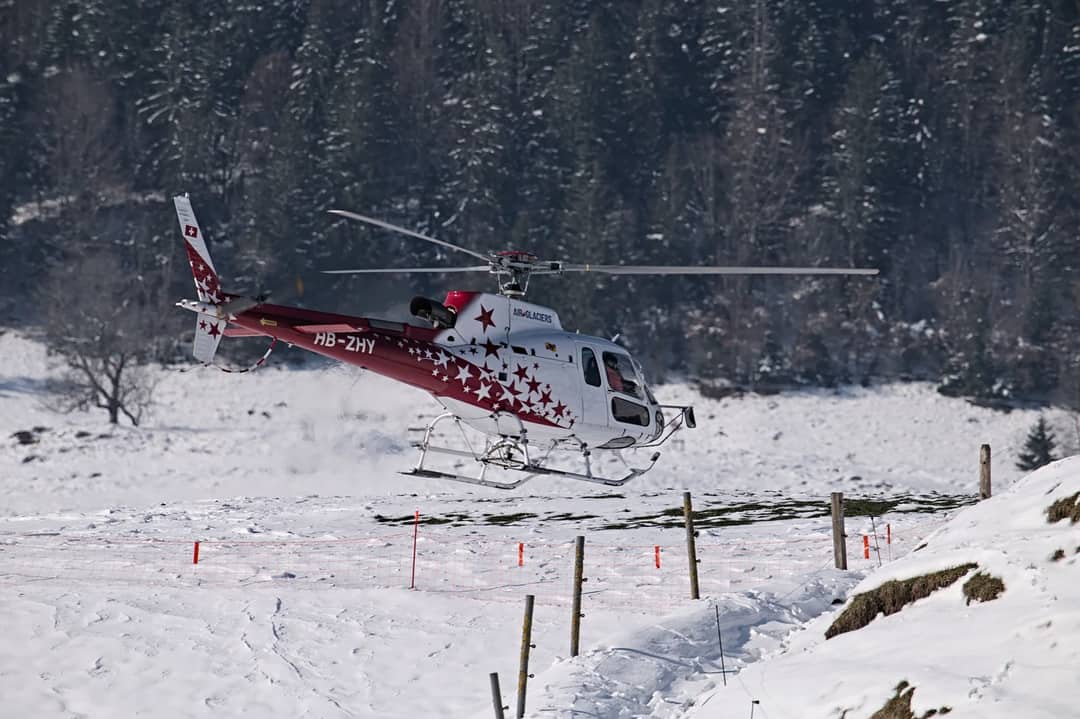
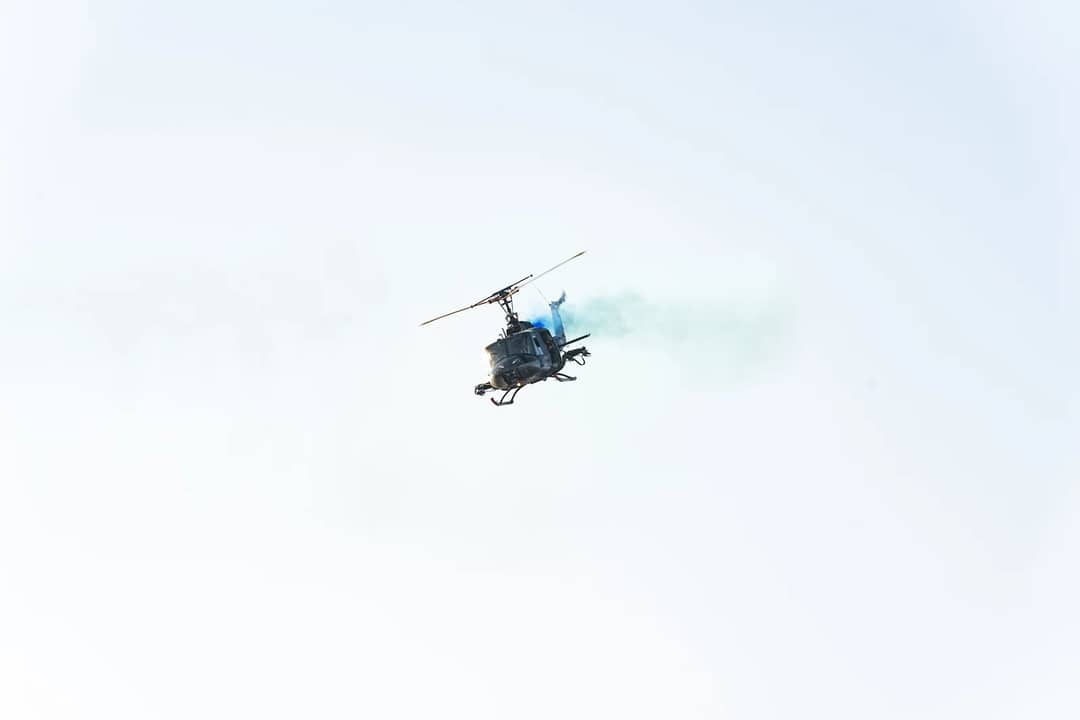
The failure mode is rarely "I had no insurance." It is "I had a policy that did not cover this." Buy before you fly, name your specific trek on the policy, and get written confirmation that helicopter evacuation to your route's maximum altitude is included. Then choose your ground operator as carefully as your insurer: after this year's scandal, the team on the trail is part of your safety net. A legitimate operator calls your insurer to confirm cover before takeoff and hands you an itemised bill — never a lump "evacuation" invoice that an insurer will bounce.
What this means for you
Get a policy that explicitly names helicopter evacuation and medical cover to at least your trek's maximum altitude, keep the documents on you, and trek with a team that treats a rescue as a genuine medical last resort — never a revenue line. That is exactly how we run every trip. Our helicopter-rescue cost guide and our 2026 Nepal insurance guide walk you through the fine print before you commit.
We do not sell insurance and we do not earn from evacuations — we simply tell every client what cover to buy, check the fine print with them, and coordinate a legitimate rescue if one is ever genuinely needed. Whether you are eyeing the classic Everest Base Camp Trek (14 days, from $1,850) or the restricted-area Manaslu Circuit Trek (14 days, from $2,100), message us before you buy a policy and we will tell you, honestly, whether it will actually pay when it matters.
Sources: The Kathmandu Post; Business Standard; Taipei Times; Nepal Department of Immigration. Figures as of 2026.
Cover photo: Daniel Oberhaus via Wikimedia Commons (CC BY-SA 4.0). Section photos: Alan Kabeš via Pexels (Pexels licence); Jean-Paul Wettstein via Pexels (Pexels licence); Magda Ehlers via Pexels (Pexels licence); Michał Robak via Pexels (Pexels licence); Edu Raw via Pexels (Pexels licence).
Still running this season
EBC & Cho La Pass Trek — 15 Days is running normally
NMA-certified local guides, transparent pricing, 5,000+ treks since 1998. Message us your dates and we'll sort the permits, lodges and logistics — reply within 24 hours, no obligation.
Popular Nepal treks
All treks →
Related coverage

Money & Insurance
How Much Travel Insurance Cover Do You Actually Need in 2026? Sizing Every Limit
Medical and repatriation is the limit that can bankrupt you, cancellation should match your non-refundable spend, and a headline "£10m medical" is worthless if an exclusion applies. Here is how to right-size cover to your trip.
Money & Insurance
How to Make a Travel Insurance Claim in 2026 (and Actually Get Paid)
Report incidents on the day, keep every receipt, claim inside the deadline, and know who pays first — plus how to escalate to the ombudsman if you're unfairly refused.
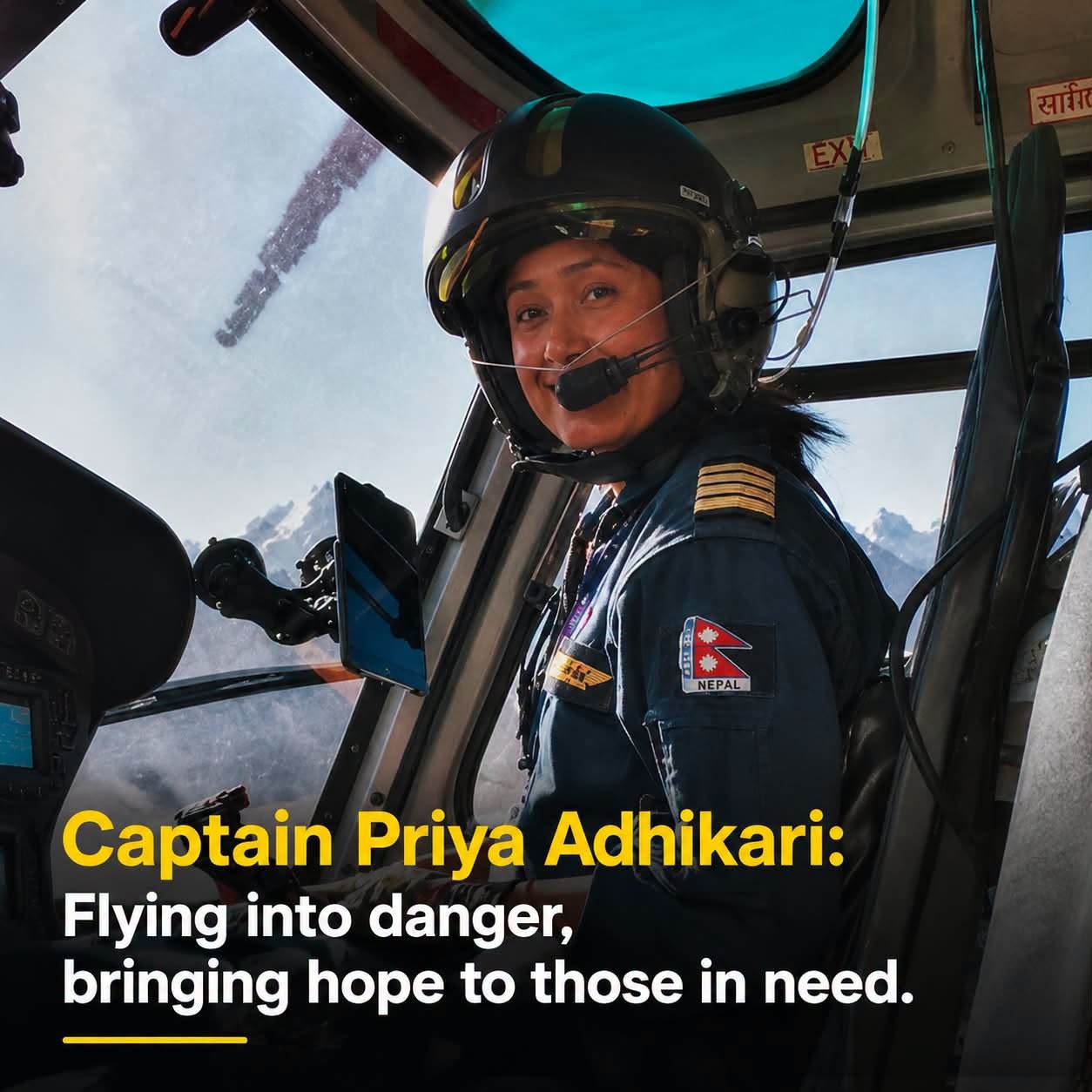
Records & People
Nepal’s first woman helicopter captain flew nearly 100 rescues in six days
Priya Adhikari has flown over 1,000 Himalayan rescues. In the week after the Bhote Koshi flood she flew about a hundred, into places with nowhere to land.

Money & Insurance
What Travel Insurance Does NOT Cover in 2026: The Exclusions That Void a Claim
The claim is not paid because you bought a policy — it is paid because nothing in the exclusions applies. Here are the standard exclusions that catch travellers out, and how to read them before you buy.
Latest from the desk
Deals & Routes
Poon Hill in 3, 4 or 5 days, here's which version actually fits your fitness and your calendar
Poon Hill tops out at 3,210 m on every version, so extra days buy acclimatisation and slower walking, not a higher view. Here is how to choose.
Deals & Routes
Tilicho Lake or Annapurna Base Camp, here's which one deserves your 10 days in the Annapurnas
Tilicho Lake is 789 m higher and costs US$530 more solo than Annapurna Base Camp. Here is who should pick which, and who should pick neither.
Money & Insurance
If You Ever Used Wi-Fi at Manchester, Stansted or East Midlands Airport, Here’s What the 8.7 Million Breach Means for You
Hackers took 8.7 million customer records from Manchester Airports Group. Most only lost an email address, but phishing is the real risk. Here is what to do.