
What Does Travel Insurance Actually Cover in 2026? (And the Exclusions That Catch People Out)
A plain-English guide to what a travel policy really pays for — medical, evacuation, cancellation, delay and baggage — and the fine-print exclusions that leave travellers with the bill.

At a glance
- Published
- TopicMoney & Insurance
- Verified againstNational Association of Insurance Commissioners (NAIC)
- Treks coveredEverest Base Camp Trek — 14 Days, Manaslu Circuit Trek — 16 Days, Annapurna Circuit Trek — 14 Days
Almost everyone buys travel insurance the same way — tick a box at checkout, glance at the price, and never open the document. Then something goes wrong: a cancelled flight, a hospital visit abroad, a bag that never arrives. At that moment the fine print, not the brand name, decides whether you are covered or paying out of your own pocket. The most expensive mistake we see is never the lost deposit itself — it is assuming a policy covers something it plainly excludes. Here is what a standard travel policy actually pays for as of 2026, and the exclusions that catch people out.
The short version
- Most policies bundle five things: trip cancellation and interruption, emergency medical, medical evacuation, travel delay, and baggage.
- Trip cancellation is the most popular cover and the reason most people buy at all, according to the US insurance regulators' body, the NAIC.
- The part that saves you from a catastrophic bill is emergency medical plus evacuation — travel medical cover is usually secondary to your home health plan.
- The exclusions do the real damage: pre-existing conditions, high-risk activities, intoxication, and events you already knew about.
- "Cancel For Any Reason" is an optional upgrade that refunds only 50–75% and can add close to 50% to your premium.
What travel insurance actually covers
A mainstream policy is really a bundle of separate promises. Understanding them one at a time is the whole game.
Trip cancellation and interruption. This reimburses the pre-paid, non-refundable money you lose if you cannot travel — or have to cut a trip short — for a covered reason. Those reasons are a fixed list: your own serious illness or injury, a death in the family, a natural disaster at your destination, jury duty, and similar. It is not a "changed my mind" refund. Interruption cover also helps with the extra cost of getting home early.
Emergency medical. This pays for treatment if you are hurt or fall ill on the road. Crucially, it is usually secondary cover, meaning it tops up rather than replaces your normal health insurance — and most home health plans pay little or nothing abroad, which is exactly why you need it.
Medical evacuation. A separate promise from medical treatment, and the one people most often confuse. It covers the cost of physically transporting you to an adequate hospital — by ambulance, air ambulance or, in the mountains, helicopter. A serious case far from a road can run into tens of thousands of dollars.
Travel delay. Reimburses reasonable extra costs — meals, a hotel night, essentials — when a covered delay strands you past a set number of hours.
Baggage and personal effects. Secondary cover for luggage that is lost, stolen or damaged, plus a smaller allowance for essentials while a delayed bag catches up. Expect per-item caps and a list of excluded valuables.
| Typically covered | Usually excluded |
|---|---|
| Trip cancellation for a listed covered reason (illness, injury, bereavement, disaster) | Cancelling because you changed your mind or work said no (unless you bought CFAR) |
| Emergency medical treatment abroad (secondary to your home plan) | Pre-existing conditions, unless declared or waived |
| Emergency evacuation and repatriation to an adequate facility | Rescue while doing an excluded high-risk activity or above the altitude limit |
| Travel delay costs beyond a set number of hours | Delays or losses from an event already known when you bought the policy |
| Lost, stolen or damaged baggage within per-item limits | Claims linked to alcohol or drug intoxication |
The exclusions that catch people out
Pre-existing medical conditions. The NAIC lists these among the most common exclusions of all. Most insurers apply a "look-back period" — they check your medical history for a set window before purchase, and anything active in that window can be excluded. The escape hatch is a pre-existing condition waiver, usually available only if you buy soon after your first trip payment. If you have any ongoing condition, this is the clause to check first.
Adventure sports and high altitude. High-risk activities are a standard exclusion — the NAIC specifically names examples such as bungee jumping and backcountry skiing. For our travellers the trap is altitude: ordinary policies routinely cap trekking cover somewhere between 2,000m and 4,000m, far below Everest Base Camp or the high passes of the Annapurna and Manaslu circuits. The word "trekking" on your certificate means nothing if the altitude beside it is lower than the ground you will stand on. We break this down in full in our guide to travel insurance for high-altitude trekking.
Alcohol and drugs. Almost every policy voids claims for injuries or losses connected to being intoxicated. A twisted ankle after a few drinks can quietly become uninsured.
Known and foreseeable events. Insurance covers the unexpected, not the already-happening. If a storm is named, a war is under way, or you are already unwell when you buy, losses tied to that known event are generally excluded. Other common exclusions the NAIC flags include pandemics, civil and political unrest, and pregnancy and childbirth.
Simply changing your mind. This is the biggest misunderstanding. Standard cancellation cover pays only for listed reasons. If you want the freedom to cancel for any reason at all, you need the Cancel For Any Reason (CFAR) upgrade — and even then, the NAIC notes it refunds only 50–75% of your costs and can add close to 50% to the price of the policy. It also typically has to be bought within a short window of your first trip deposit.
How to read a policy in five minutes
Open the document — not the sales page — and find four numbers: the medical limit, the evacuation limit, the altitude or activity limit, and the look-back period for pre-existing conditions. Then read the exclusions list from top to bottom. If your trip, your health, or your activity appears there, you are not covered for it — no matter how much you paid. When in doubt, email the insurer one plain question and keep the written answer.
The Nepal reality worth knowing
If your trip involves the Himalaya, one exclusion outranks all the others: the altitude cap. A policy can tick every other box and still be worthless above 4,000m, and in Nepal an evacuation means a helicopter that will not launch without money or a guarantee of payment on the table first. Get the specialist cover before you fly. For the shape of policy that actually works up high, read our high-altitude trekking insurance guide; if you travel more than once a year, our annual multi-trip vs single-trip comparison shows when a year-long policy is the cheaper choice.
We are a trekking operator, not an insurer — we sell no policies and earn nothing from any provider named here. What we do is make the ground half safe: a first-aid trained guide on every departure, daily acclimatisation checks, and rescue coordinated straight to Kathmandu when needed. If you want the mountain without the guesswork, our Everest Base Camp Trek — 14 Days, Annapurna Circuit Trek — 14 Days and Manaslu Circuit Trek — 16 Days all run on fixed group departures. Buy the right policy, read the exclusions once, and the trek becomes the only thing you have to think about.
Planning a trek?
Trek this route with us — Everest Base Camp Trek — 14 Days
NMA-certified local guides, transparent pricing, 5,000+ treks since 1998. Message us your dates and we'll sort the permits, lodges and logistics — reply within 24 hours, no obligation.


Popular Nepal treks
All treks →


Related coverage

Money & Insurance
Annual Multi-Trip vs Single-Trip Travel Insurance in 2026: Which Actually Saves You Money?
An annual policy can be cheaper than buying cover trip by trip — but only past a break-even you can calculate yourself. Here's when it wins, the trip-length and adventure-sport limits that catch people out, and why altitude cover is a separate decision.
Money & Insurance
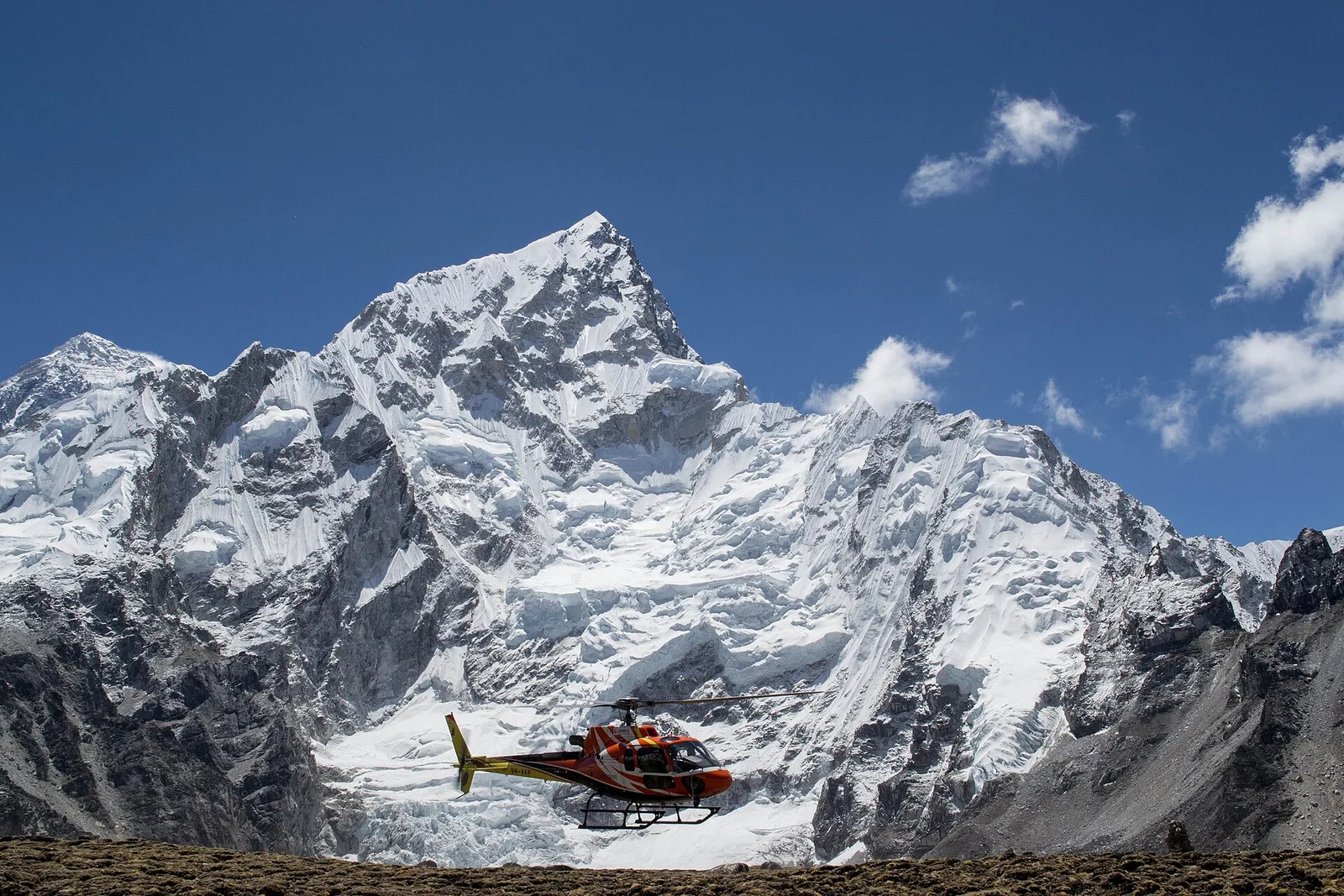
Best Travel Insurance for High-Altitude Trekking in 2026 (What Actually Covers Everest Base Camp)
Standard policies quietly stop at 4,000m — but Everest Base Camp is 5,364m. Which cover actually pays for a Himalayan helicopter rescue, the exclusions that void a claim, and how to check your policy before you fly.
Money & Insurance
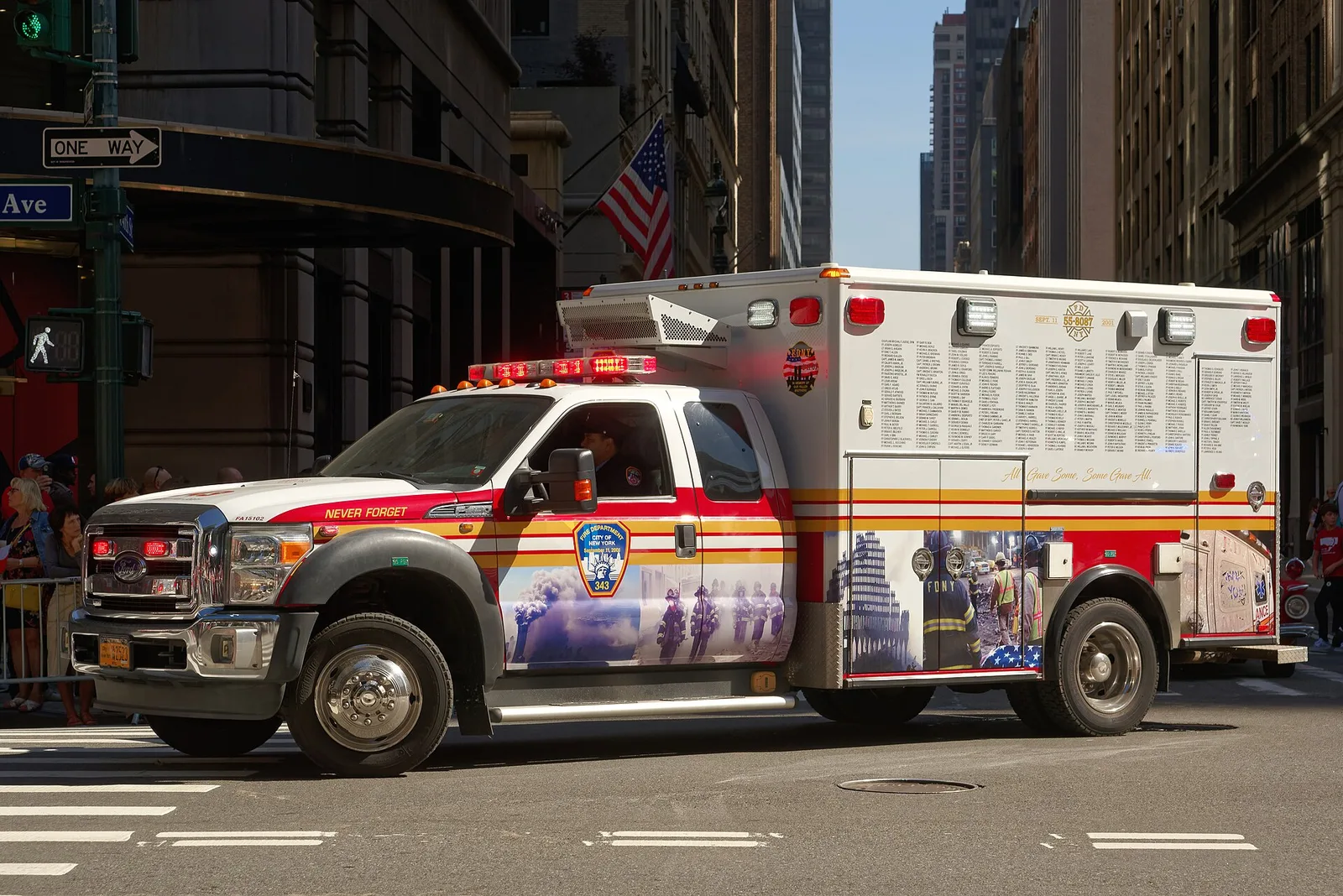
Travel Insurance for Visiting the USA in 2026: Why You Need $1M+ in Medical Cover
American hospitals bill like nowhere else on earth. Before you add a US layover or a New York stopover to your Himalayan trip, here is the medical cover that actually protects you — and why a bare-minimum policy can leave you owing five or six figures.
Money & Insurance
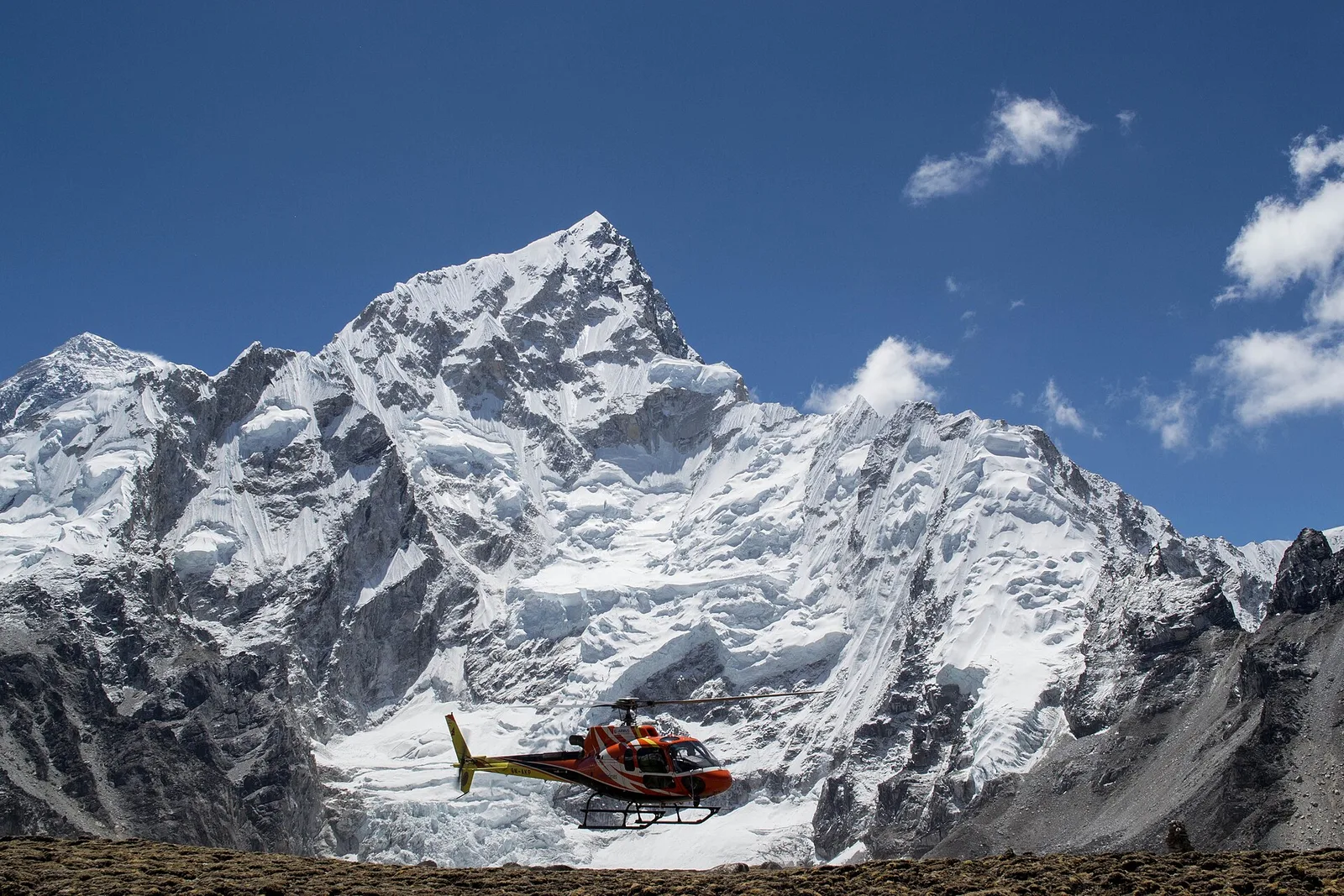
A Helicopter Rescue in Nepal Can Cost $5,000+ — Here's Whether Your Insurance Actually Pays
As of 2026 a Himalayan helicopter evacuation runs $3,000–$10,000, usually payable before takeoff. After the year's fake-rescue fraud case, insurers are paying out more warily — here's what genuine cover looks like and how to avoid being uninsured at altitude.
Latest from the desk
Visas & Entry
How to Renew Your Passport Fast in 2026 (US, UK & Processing Times)
Current UK and US passport fees and processing times, the six-month validity rule that quietly bars travellers from Nepal, how to expedite, and the mistakes that cost you weeks.

Records & People
Nepal Just Named a 2-Year-Old a Living Goddess — She Can't Touch the Ground Until She Retires
Aryatara Shakya was enthroned as Kathmandu's Royal Kumari in 2025, the latest in a 17th-century tradition of worshipping a toddler as a living deity.
Records & People
He's Climbed Everest 32 Times — More Than Anyone Alive, and No One Else Is Within Two
Kami Rita Sherpa set the record again on 17 May 2026, extending a world record he has now owned for eight straight years.