
Annual Multi-Trip vs Single-Trip Travel Insurance in 2026: Which Actually Saves You Money?
An annual policy can be cheaper than buying cover trip by trip — but only past a break-even you can calculate yourself. Here's when it wins, the trip-length and adventure-sport limits that catch people out, and why altitude cover is a separate decision.

At a glance
- Published
- TopicMoney & Insurance
- Verified againstInsureMyTrip; Squaremouth; MoneyGeek
- Treks coveredManaslu Circuit Trek — 14 Days, Everest Base Camp Trek — 14 Days, Annapurna Circuit Trek — 14 Days
If you take one holiday a year, this decision is easy — buy a single-trip policy and stop reading. But the moment a second or third trip lands on your calendar, the maths changes, and an annual multi-trip policy can quietly cost less than the sum of its parts. We book a lot of trekkers who fly to Nepal as one leg of a bigger travel year, so we get asked this constantly: is the "annual" plan actually cheaper, or is it just clever marketing? Here is how the numbers work as of 2026 — and the fine print that decides whether an annual policy is a bargain or a trap.
The short version
- An annual multi-trip policy usually starts to pay off at roughly three or more trips in a 12-month period — the exact break-even depends on your own quotes.
- To find yours: price your typical single trip, multiply by the number of trips you expect, and compare that total against one annual premium.
- Annual plans almost always cap the length of each individual trip — commonly around 30 to 45 days, sometimes stretchable for a fee.
- Both policy types often exclude high-altitude trekking and adventure sports unless you add a specific upgrade — this is where Himalayan trekkers get caught.
- Annual policies can carry lower upper age limits and more medical screening than a one-off single-trip plan.
How the break-even actually works
A single-trip policy covers one journey from the day you leave to the day you return. An annual multi-trip policy (sometimes called "annual" or "yearly" cover) covers an unlimited number of trips inside a 12-month window — as long as each one obeys the rules buried in the fine print. The appeal is obvious: pay once, forget about it, and never fill in another quote form until renewal.
The catch is that an annual premium is a bet. You are paying up front for trips you might take. If life gets in the way and you only travel once, you have overpaid. Take three or four trips and it can be the cheapest cover on the market per journey. As of 2026, most comparison sources put the tipping point at around three trips a year for a typical traveller — but "typical" is doing a lot of work in that sentence. A run of cheap short-haul weekends breaks even later than a couple of long-haul holidays, because single-trip cover for a short nearby trip can be very cheap.
| Factor | Single-trip | Annual multi-trip |
|---|---|---|
| Best for | One or two trips a year | Three or more trips a year |
| How you pay | Per journey, priced each time | One premium up front for 12 months |
| Trip length | Set to the exact dates you travel | Capped per trip (commonly ~30–45 days) |
| Flexibility | Cover as long a trip as you need | Unlimited trips, but each within the cap |
| Long single journey (e.g. a gap year) | Usually the better fit | Often too short unless extended for a fee |
| Admin | New quote and purchase every time | Buy once, covered for the year |
Do the sum yourself rather than trusting a headline number. Get a quote for the single trip you take most often, multiply by how many trips you realistically expect in the next year, then compare that figure with one annual quote at the same cover level. If the annual price is lower — and it frequently is for frequent travellers — it wins on money as well as convenience.
What annual policies quietly exclude
Price is only half the decision. The other half is whether the policy covers the trips you actually take, and annual plans have three recurring limitations worth checking line by line.
Trip-length caps. This is the one that surprises people. An annual policy covers unlimited trips, but each single trip is capped — often around 31 days on budget tiers, rising to roughly 45 or more days on higher tiers, with some allowing an extension for an extra premium. If you are going away for two or three months in one go, an annual plan may not cover the tail end of that journey, and a single-trip policy sized to your real dates can be the safer buy.
Adventure sports and altitude. Standard cover — annual or single-trip — is written for beaches and city breaks. Activities like scuba diving, skiing, rock climbing and, crucially, high-altitude trekking are frequently excluded unless you add a specific adventure or "explorer" pack. Many standard plans only include casual hiking to modest elevations and stop well before Himalayan heights. This is exactly where our trekkers get caught, which is why we keep it separate below.
Age limits and medical screening. Annual policies tend to be pricklier about age than single-trip cover. Some cap eligibility at a lower upper age, and many demand fuller medical screening before they will issue an annual plan. If you are older or managing a health condition, a single-trip policy declared trip by trip is sometimes both cheaper and easier to buy.
The Himalayan trap: altitude is almost never included by default
Here is the exclusion that matters most to anyone reading this from a trek-planning tab. Whether you buy annual or single-trip, an ordinary policy will typically only cover hiking to around 2,000m to 3,000m, and even many "adventure" upgrades stop near 4,000m. Everest Base Camp sits at 5,364m. The Thorong La on the Annapurna Circuit and the Larke Pass on Manaslu are both above 5,100m. A policy that says "trekking" but caps altitude below your trail's high point will pay for nothing when it counts — and in Nepal, "when it counts" usually means a helicopter evacuation that must be guaranteed before the rotors turn.
What this means for trekkers
Choosing annual versus single-trip is a money question; covering your altitude is a survival question — and the two are separate decisions. An annual plan can be excellent value for your travel year and still be useless above 4,000m unless you buy the right upgrade. Before you book any Himalayan trek, confirm your maximum altitude and emergency helicopter evacuation are named in writing. We break down exactly what to look for in our guide to travel insurance for high-altitude trekking.
How to choose in 2026
Work through it in this order. First, count your trips. One or two a year, and single-trip cover is usually simpler and cheaper. Three or more, run the break-even sum above before you assume anything. Second, check the trip-length cap against your longest planned journey — a long single trip can rule an annual plan out on its own. Third, match the activities and altitude to what you will actually do; a cheap policy that excludes your trek is not cheap, it is worthless. Fourth, check age and medical terms if either applies to you. Only then compare the final prices, because you are now comparing policies that would genuinely pay out, not just the lowest number on a results page.
For most people who travel a handful of times a year and stick to standard trips, an annual multi-trip policy is the quiet winner on both cost and hassle. For a single long adventure — or a once-a-year Himalayan trek — a single-trip policy sized to your exact dates, with the altitude upgrade attached, is usually the right call. The mistake is buying either one on price alone.
Trekking Nepal this year?
If Nepal is one of your trips, sort the money question and the altitude question together — do not let a bargain annual policy lull you into skipping the high-altitude cover. Our team can tell you the exact maximum altitude and evacuation scenario for your route so you can hold your insurer to it before you pay. Reach out through our contact page, or read the altitude-cover checklist first: Best Travel Insurance for High-Altitude Trekking in 2026.
Cover photo: kallerna via Wikimedia Commons (CC BY-SA 4.0).
Planning a trek?
Trek this route with us — Manaslu Circuit Trek — 14 Days
NMA-certified local guides, transparent pricing, 5,000+ treks since 1998. Message us your dates and we'll sort the permits, lodges and logistics — reply within 24 hours, no obligation.


Popular Nepal treks
All treks →


Related coverage

Money & Insurance
Travel Insurance for Visiting the USA in 2026: Why You Need $1M+ in Medical Cover
American hospitals bill like nowhere else on earth. Before you add a US layover or a New York stopover to your Himalayan trip, here is the medical cover that actually protects you — and why a bare-minimum policy can leave you owing five or six figures.
Money & Insurance
Best Travel Insurance for High-Altitude Trekking in 2026 (What Actually Covers Everest Base Camp)
Standard policies quietly stop at 4,000m — but Everest Base Camp is 5,364m. Which cover actually pays for a Himalayan helicopter rescue, the exclusions that void a claim, and how to check your policy before you fly.
Money & Insurance
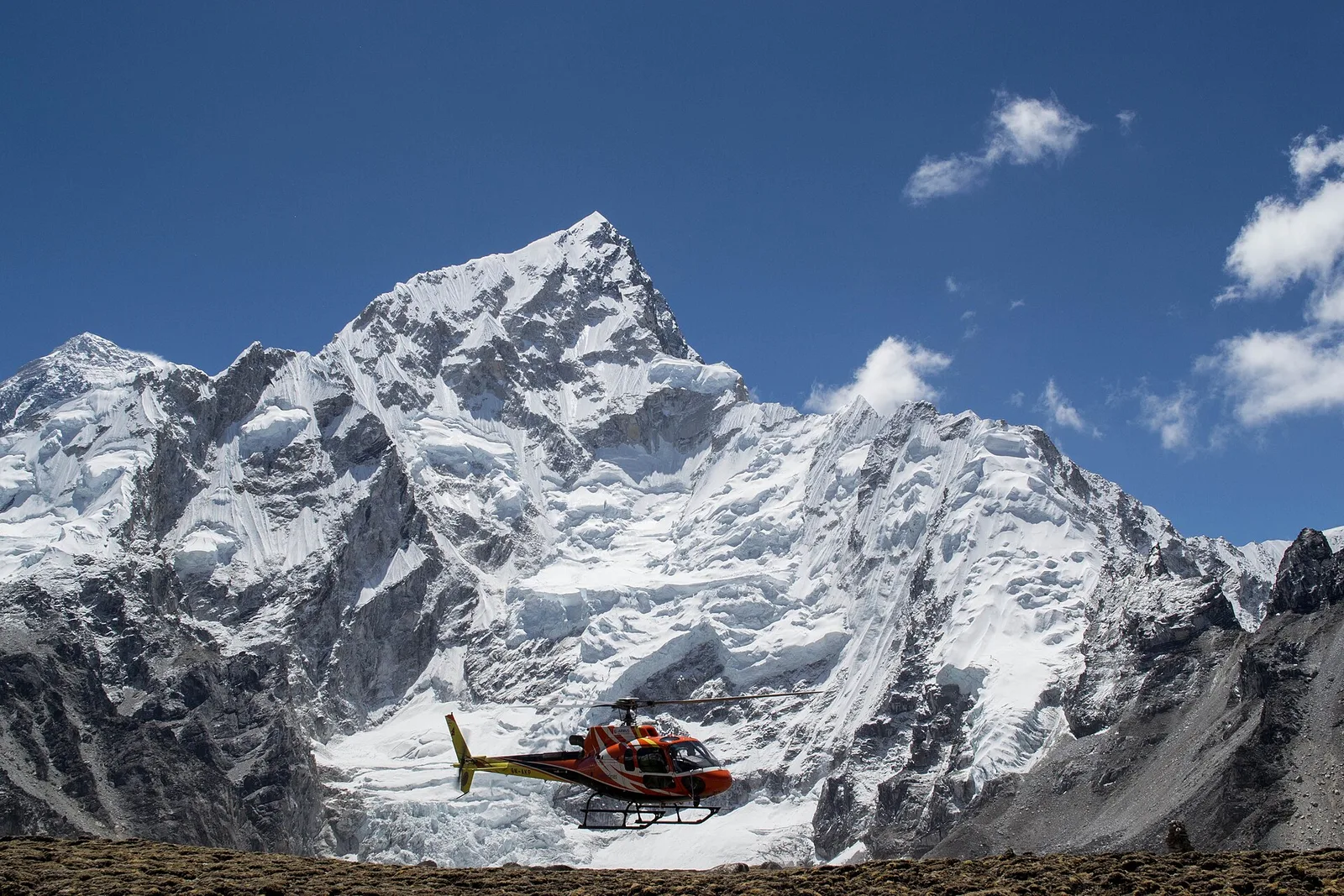
A Helicopter Rescue in Nepal Can Cost $5,000+ — Here's Whether Your Insurance Actually Pays
As of 2026 a Himalayan helicopter evacuation runs $3,000–$10,000, usually payable before takeoff. After the year's fake-rescue fraud case, insurers are paying out more warily — here's what genuine cover looks like and how to avoid being uninsured at altitude.
Industry & Tourism
How One TV Show Sent Muskoka Searches Up 110%: The 2026 'Set-Jetting' Effect
Screen-inspired travel is now a projected US$8 billion business, and 2026's biggest spikes — Muskoka, Yorkshire, Rome — show why the real adventure set never needed a streaming release.
Latest from the desk
Records & People
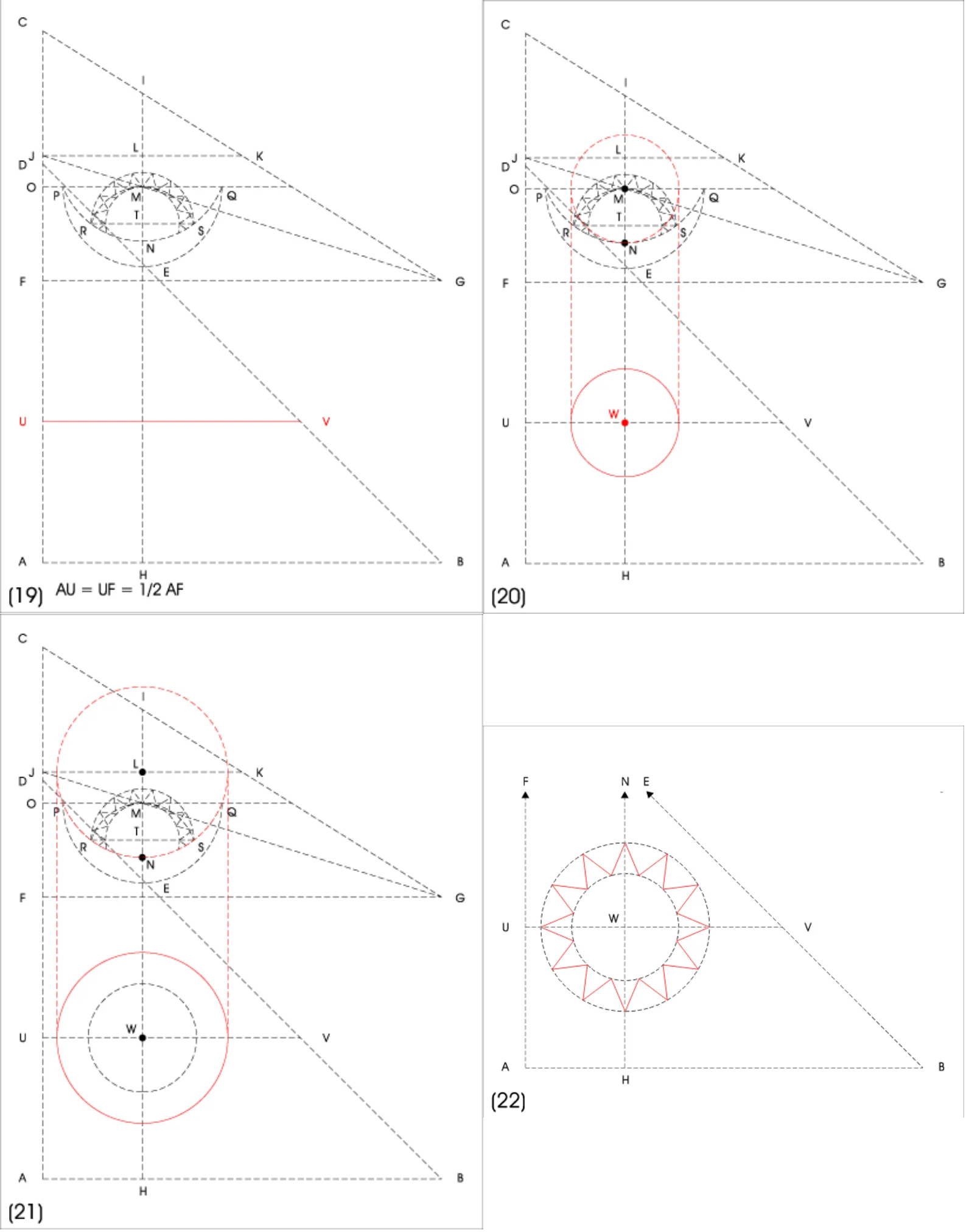
Nepal Has the World's Only Non-Rectangular Flag — and the Reason Is Written in Its Geometry
Every other nation on Earth flies a rectangle. Nepal's flag is built from two overlapping pennants defined by a constitutional geometry lesson, not a length-to-width ratio — and it once forced the Olympics to make an exception.
Industry & Tourism
Nepal Just Started Training Trekking Cooks in Korean Cuisine — Inside the Push for South Korea's Trekkers
A two-week culinary and hygiene course for more than 30 trekking cooks and field staff, backed by the Korean Embassy in Kathmandu, is Nepal's clearest bet yet on South Korea's 30-million-strong outbound travel market.
World Destinations
How Much Does a Year of Travel Actually Cost in 2026? (Real Budgets by Style & Region)
From about $8,000 across Southeast Asia to $50,000+ in Western Europe — the real 2026 numbers for a year on the road, broken down by travel style and region, and where a Nepal trek fits a round-the-world budget.