
How to Avoid Pickpockets and Theft Abroad in 2026: The Common Tricks, and How to Beat Them
Distraction teams, the bump, moped snatches and ATM skimming rely on the same few weaknesses. Here is where theft really happens, what actually protects you, and what to do if it happens — including in Kathmandu.
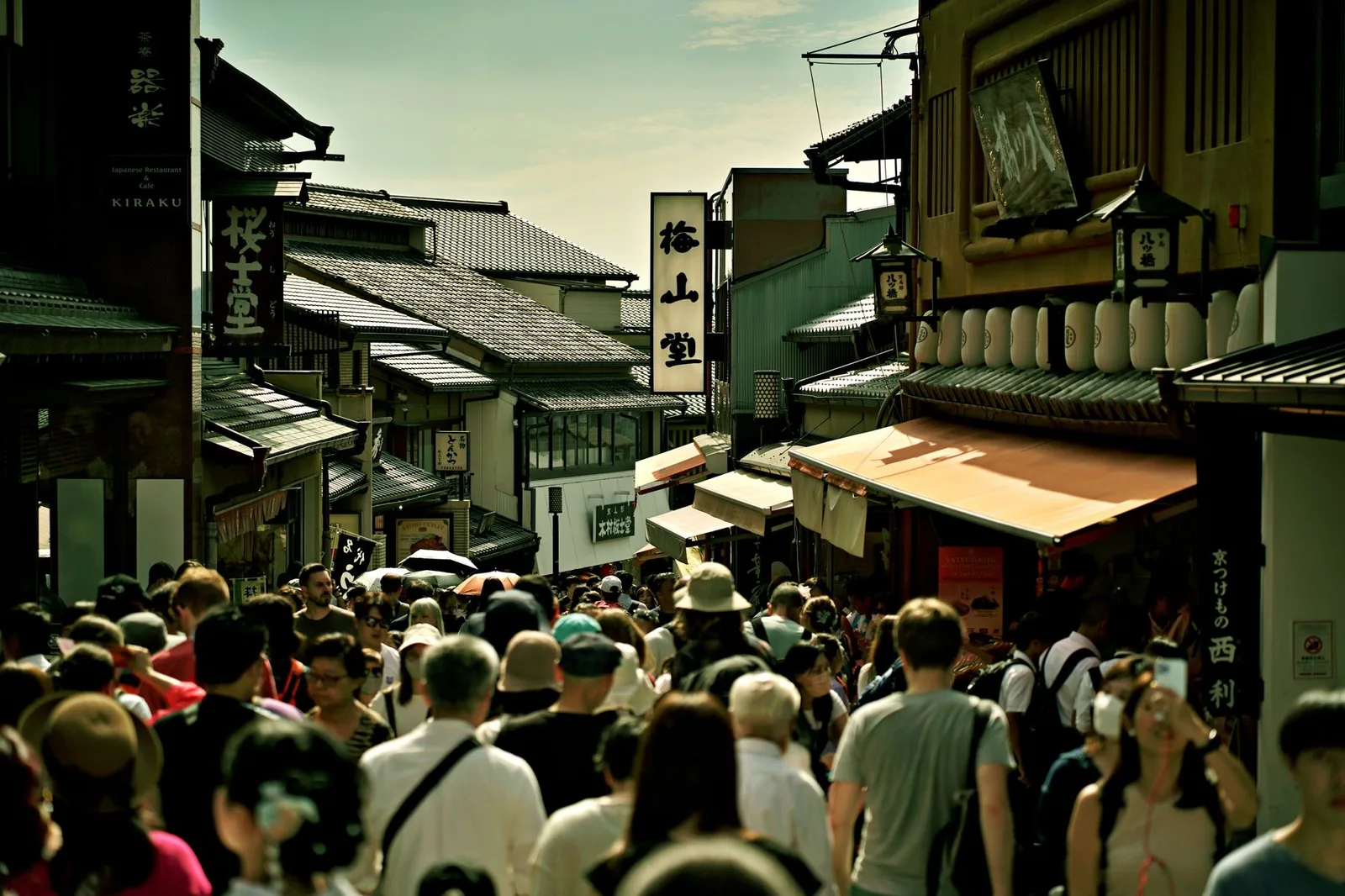
Pickpocketing is the one crime almost every traveller brushes up against, and almost nobody plans for. It is rarely violent, rarely reported, and works because the tricks are old, fast and rehearsed. The good news: the same short list of techniques turns up city after city, and the same handful of boring habits beats nearly all of them. This is a physical-theft field guide — distinct from our companion piece on the most common travel scams, which covers the cons that talk you out of your money rather than lift it from your pocket.
The essentials (2026)
- Modern pickpocketing is usually a team sport. Wikipedia’s survey of the craft describes crews of three or more, the “bump” that briefly steals your attention, crowded doorways such as train entrances, and the use of a stooge, a fake couple or even a child as a distraction.
- Card “skimming” at ATMs pairs a reader placed over the card slot with a miniature camera to capture your PIN at the same moment — so the machine can betray you without any human contact at all.
- The classic hardware defences are unglamorous and effective: money belts and zips, worn under clothing, are the protections the reference literature actually names.
- For Nepal specifically, the UK Foreign Office notes a “low rate of serious crime” but warns to “watch out for pickpockets and bag-snatchers, particularly in airports, on buses and in areas popular with foreign nationals like Thamel” in Kathmandu.
Thieves aren’t counting on being clever; they are counting on you being rushed, jet-lagged or too polite to step back from a stranger who has moved too close. Slow down, add friction, and the whole trade stops paying.
The techniques, and how to beat each one
| Common tactic | Where it happens | How to beat it |
|---|---|---|
| The distraction team | Landmarks, photo spots, ticket queues — anywhere you pause and look up | Treat any sudden group focus on you as a cue to put a hand on your bag and step back; keep valuables off your outer layers. |
| The bump / jostle | Crowded train doorways, escalators, packed pavements | Expect contact in a crush and do a “pocket pat” the moment it clears; carry nothing valuable in a back pocket. |
| The stall & false-help ask | Narrow entrances, turnstiles, stairs where someone blocks or “helps” you | Let the bottleneck clear before you go through; decline unsolicited help and keep your bag in front. |
| The petition / clipboard swarm | Squares and monuments; a card or paper is pushed at your chest to hide busy hands | Don’t engage; keep walking with both hands on your bag — the paper is cover, not a cause. |
| Moped / bag-snatch | Pavements beside a road; straps on the traffic side | Walk on the building side, strap crossed over your body, phone away from the kerb. |
| Slash-and-grab | Packed transit and markets, from behind | Wear the bag in front in crowds; a slash-resistant strap and a closed main zip buy you the seconds that matter. |
| ATM / card skimming | Street-side cash machines and unattended terminals | Use machines inside a bank, cover the keypad, check the card slot for anything loose, and switch on instant transaction alerts. |
The situations that concentrate the risk
Theft clusters in a few predictable places. Crowded public transport is the classic: boarding a busy metro or bus, when everyone is pressed together and a stranger’s hand against you feels normal. Famous landmarks are next — the exact spot where you stop, raise a phone and stop watching your bag is the spot the crews work. Third is the café or bar table: a phone left face-up, or a bag hung on a chair or tucked between your feet where you can neither see nor feel it. Rome and Barcelona are singled out in the literature as particularly busy pickpocket cities, but the pattern — crowds, distraction, a relaxed tourist — is the same everywhere.
What actually protects you
Start by splitting your cash and cards. Carry the day’s spending money in a front trouser pocket and leave the rest — spare card, bulk of your cash, passport — in the hotel safe. That is exactly the FCDO’s standing advice for Nepal: don’t carry substantial cash, and keep valuables in a hotel safe where possible. A thief who reaches a front pocket gets your coffee budget, not your trip.
For the money you do carry, two hardware categories are worth understanding. A money belt is a thin pouch worn under your clothing for documents and reserve cash — deep storage you don’t open in public, not a wallet. An anti-theft bag is the everyday carrier, defined by lockable or hidden zips, slash-resistant panels and a strap that is hard to cut — a category, not a single product, so choose whatever meets that description and suits your trip. Whatever you use, wear it in front of your body in a crowd. Finally, keep your phone on a strap or in a zipped pocket rather than loose in a hand by the roadside, and set a real screen lock so a stolen handset is a lost object, not a doorway into your accounts.
If it happens to you
Move somewhere safe, then act fast. Block your cards immediately from your bank’s app or its 24-hour line — the single most time-sensitive step. File a police report: even when the police cannot recover anything, the report is the document your travel-insurance and card-fraud claims will require, so get it before you leave the city. Use your phone’s “find my device” feature to lock and locate a stolen handset rather than chasing it. If your passport is gone, contact your embassy or consulate for an emergency replacement. Keep copies of documents and card-hotline numbers stored separately — in your email or a second bag — so losing the wallet doesn’t also lose the means to recover.
And in Nepal? Keep the same street sense — and relax on the trail
Here is the honest, reassuring part. Out on the trekking trails — Everest, Annapurna, Manaslu, Langtang — theft from tourists is genuinely uncommon; teahouse communities are close-knit and travellers routinely describe leaving gear in lodges without trouble. The real pickpocket risk in Nepal is urban and crowd-shaped, and the Foreign Office names it plainly: the crush of Thamel, the tourist bus parks and the airport. In other words, the same city habits you’d use in Rome apply in Kathmandu — bag in front in a crowd, day-cash in a front pocket, valuables in the hotel safe — and then you can let your guard down where it counts, high in the mountains.
If Nepal is on your 2026 list, a good operator takes the city friction off your plate: airport pick-up, a vetted hotel safe and a guide who knows which corners of Thamel to skip. Browse fully guided, sensibly paced itineraries such as our 3-day Kathmandu Valley Cultural Tour, the 10-day Annapurna Circuit Trek or the 15-day Everest Base Camp Trek — each run by a licensed team that handles the crowded-city logistics so the only thing you watch is the view.
Sources: UK Foreign, Commonwealth & Development Office (Nepal travel advice — safety and security); Wikipedia (“Pickpocketing” and “Credit card fraud”).
Cover photo: JOHN.HK KIM via Pexels (Pexels License).
来源: UK Foreign, Commonwealth & Development Office
计划徒步?
我们负责许可证、后勤与向导
NMA 认证的本地向导,价格透明,自 1998 年以来 5,000+ 次徒步。告诉我们你的日期,其余的交给我们。


更多「Safety & Advisories」
Safety & Advisories
How to Choose a Trekking Company in Nepal in 2026: The Real Vetting Checklist
After a $19.7 million fake-rescue fraud case rattled Nepal's trekking industry, here is exactly how to verify a licensed, honest operator before you hand over a deposit.
Safety & Advisories
Is Trekking in Nepal Safe in 2026? What the Real Death and Rescue Data Say
Altitude sickness, not crime, is what kills trekkers in Nepal — a fresh ACAP toll and a Kathmandu safety panel show exactly where, and how to avoid becoming a statistic.
Safety & Advisories
Travel Advisories Explained (2026): How to Read Government Warnings — and Why They Can Void Your Insurance
The US, UK, Australia and Canada each rate country risk differently. Here is what every advisory level actually means, how regional warnings work, and the fine print that can void your travel insurance.