
Travel Advisories Explained (2026): How to Read Government Warnings — and Why They Can Void Your Insurance
The US, UK, Australia and Canada each rate country risk differently. Here is what every advisory level actually means, how regional warnings work, and the fine print that can void your travel insurance.

Every serious trip now begins with the same quiet question: what does my government say about going there? The answer lives in a travel advisory — a colour-coded verdict published by your foreign ministry. Used well, it is one of the most useful tools in travel planning. Used badly, it either scares people off a perfectly safe country or quietly voids the insurance they are counting on. The catch is that four of the biggest systems — the US State Department, the UK's FCDO, Australia's Smartraveller and Canada's — all say roughly the same things in different words. Here is how to read them in 2026 without over- or under-reacting.
The short version
- The US, Australia and Canada use a four-level scale; the UK's FCDO uses plain phrases instead of numbers.
- The two phrases that matter most are the FCDO's "advise against all travel" and "advise against all but essential travel" — these are the ones tied to insurance.
- The top US level is Level 4: Do Not Travel; Canada's is "Avoid all travel"; Australia's is "Do not travel". They mean the same thing.
- An advisory can invalidate your travel insurance if you go somewhere your government has told you not to.
- Most advisories are regional: one flagged province does not mean the whole country is off-limits.
Four systems, one shared idea
Underneath the labels, every system is a ladder from "go as normal" to "do not go". Learn the top and bottom of each and the middle looks after itself.
United States — State Department, Levels 1 to 4. Level 1 is Exercise Normal Precautions, Level 2 Exercise Increased Caution, Level 3 Reconsider Travel, and Level 4 Do Not Travel — the strongest warning it issues, used for war zones, and the level at which the government says it may be unable to help you if something goes wrong.
United Kingdom — the FCDO. Britain skips numbers. Its foreign travel advice states plainly that "no travel can be guaranteed safe", then escalates through two set phrases: it advises against all but essential travel to a place, and, at the top, advises against all travel. Those exact words are what your insurer and your employer will look for.
Australia — Smartraveller. Four levels again: Level 1 Exercise normal safety precautions, Level 2 Exercise a high degree of caution, Level 3 Reconsider your need to travel, and Level 4 Do not travel.
Canada — travel.gc.ca. Its four risk levels are Take normal security precautions, Exercise a high degree of caution, Avoid non-essential travel, and Avoid all travel — the last meaning your safety is at serious risk and you should leave if you are already there.
| System | The levels, low to high | What the top level means & the insurance impact |
|---|---|---|
| US State Dept (1–4) | 1 Normal Precautions · 2 Increased Caution · 3 Reconsider Travel · 4 Do Not Travel | Level 4 = the strongest warning, war-zone territory; most insurers will not cover a trip taken against it. |
| UK FCDO (phrases) | Advises against "all but essential travel" → "all travel" | Travelling to an "advise against all travel" area typically invalidates standard UK travel insurance. |
| Australia Smartraveller (1–4) | 1 Normal precautions · 2 High degree of caution · 3 Reconsider need · 4 Do not travel | Level 4 "Do not travel" is the highest advice; cover is routinely excluded for Level 4 destinations. |
| Canada (4 levels) | Normal precautions · High degree of caution · Avoid non-essential · Avoid all travel | "Avoid all travel" signals a serious risk to safety; insurers commonly void policies for these areas. |
Why an advisory can void your insurance
This is the part travellers ignore until a claim is refused. Travel insurance is a contract, and buried in almost every one is a clause tying your cover to your own government's advice. If the FCDO advises against all travel to a region — or the State Department rates it Level 4, or Smartraveller says "do not travel" — and you go anyway, the insurer can treat the whole trip as an uninsured risk you chose to take. A twisted ankle unrelated to the warning can still be denied, because the policy lapsed the moment you entered the flagged area.
The insurance trap
Travelling to a place your government "advises against all travel" — or rates Level 4 / "Do not travel" — will usually void your travel insurance entirely, not just for incidents linked to the warning. Always check the advisory the day you buy the policy and again before you fly, and keep a screenshot. If you genuinely must go, use a specialist high-risk insurer rather than assuming your standard policy applies.
"Regional" advisories: one province flagged is not the whole country
The most common mistake is reading a headline level and cancelling a trip that was never affected. Almost all advisories are regional: a country can sit at the calm end of the scale overall while a single border district or disaster-hit province carries a much higher rating. Canada even labels these entries "(with regional advisories)" so you check the map, not just the country name. Find the specific area you are actually visiting — the airport, the trail, the city — and read the level that applies there. A flagged frontier hundreds of kilometres from your route should not end your holiday.
How to use advisories without panicking
Treat the advisory as a starting point, not a verdict. Read the whole page, not the colour: the detail explains why a level was set — petty crime, a monsoon, an election, a genuine conflict — and those are very different risks. Cross-check two governments; if the US, UK and Australia all agree, take it seriously, and check the date it was last updated. Under-reacting ignores a real warning; over-reacting throws away a safe, well-run trip because one distant district turned red.
What this means for Nepal
For most trekkers, Nepal is a reassuring case study. It typically sits at the low tier — roughly "exercise increased caution" or "exercise a high degree of caution", the same level given to plenty of ordinary tourist countries — with occasional notes about specific border areas rather than the trekking regions. No major government tells its citizens not to come. The advisories that actually matter to a trekker here are the practical ones: seasonal warnings about monsoon landslides, flooding and blocked mountain roads, which change route by route and month by month. Those, not the headline rating, are what to plan around — see our guide to how the safest countries to travel in 2026 are ranked for the wider picture. Checking the current advisory for your route and timing your Himalayan trek around the season is part of the planning we do with you before you leave home.
Advisory-level wording is drawn from the UK FCDO (gov.uk foreign travel advice), the Government of Canada (travel.gc.ca), Australia's Smartraveller and the US State Department Levels 1–4. Insurance outcomes describe common insurer practice and depend on your policy — always read your terms.
Cover photo: Nataliya Vaitkevich via Pexels (Pexels License).
来源: UK FCDO, Government of Canada, Australia Smartraveller, US State Department
计划徒步?
我们负责许可证、后勤与向导
NMA 认证的本地向导,价格透明,自 1998 年以来 5,000+ 次徒步。告诉我们你的日期,其余的交给我们。


更多「Safety & Advisories」
Safety & Advisories
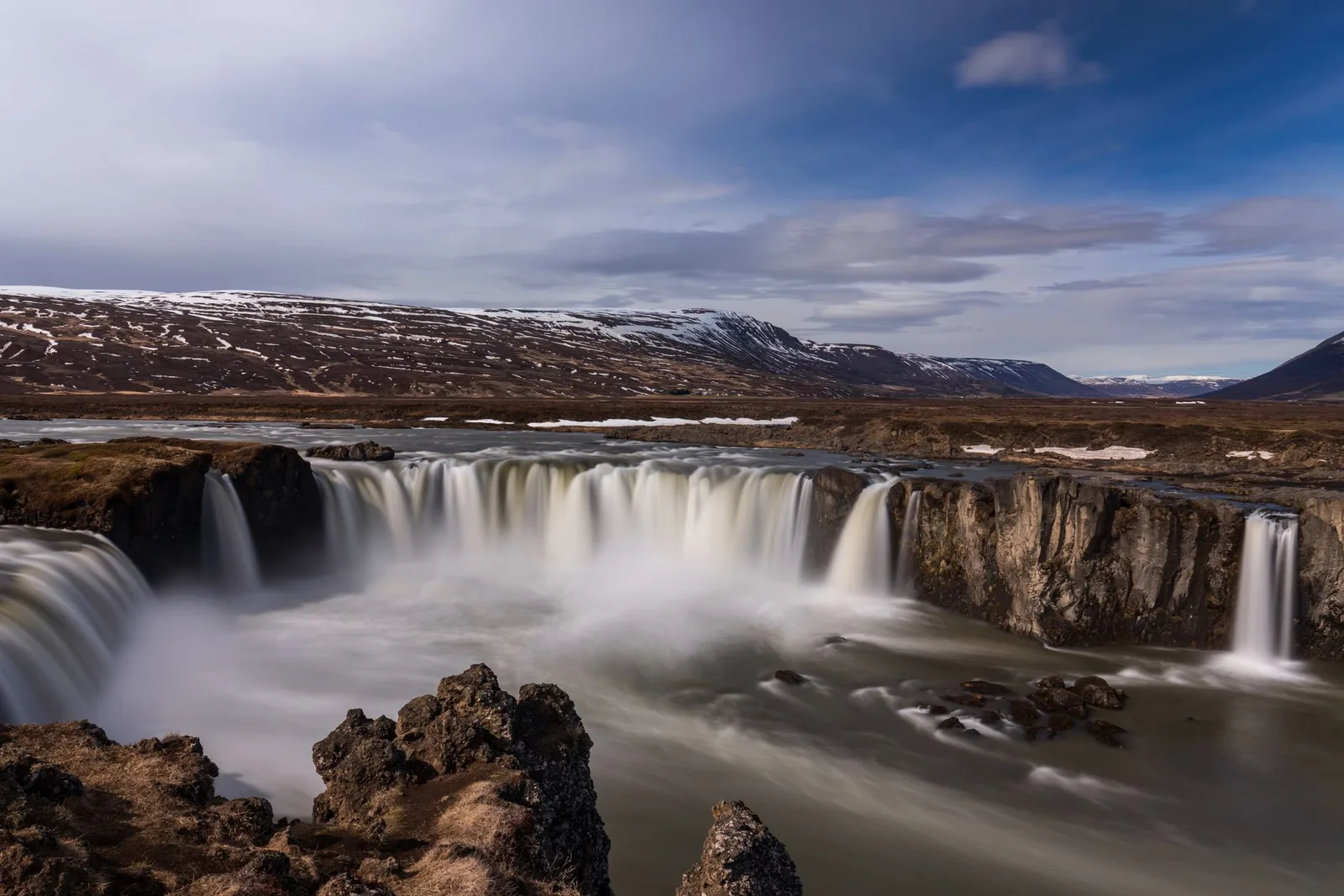
Safest Countries to Travel in 2026: The Real Rankings, and What "Safe" Actually Means
A data-grounded roundup built on the 2026 Global Peace Index — from Iceland to Japan — plus the honest caveats on petty theft, roads and natural hazards that no ranking captures.
Safety & Advisories
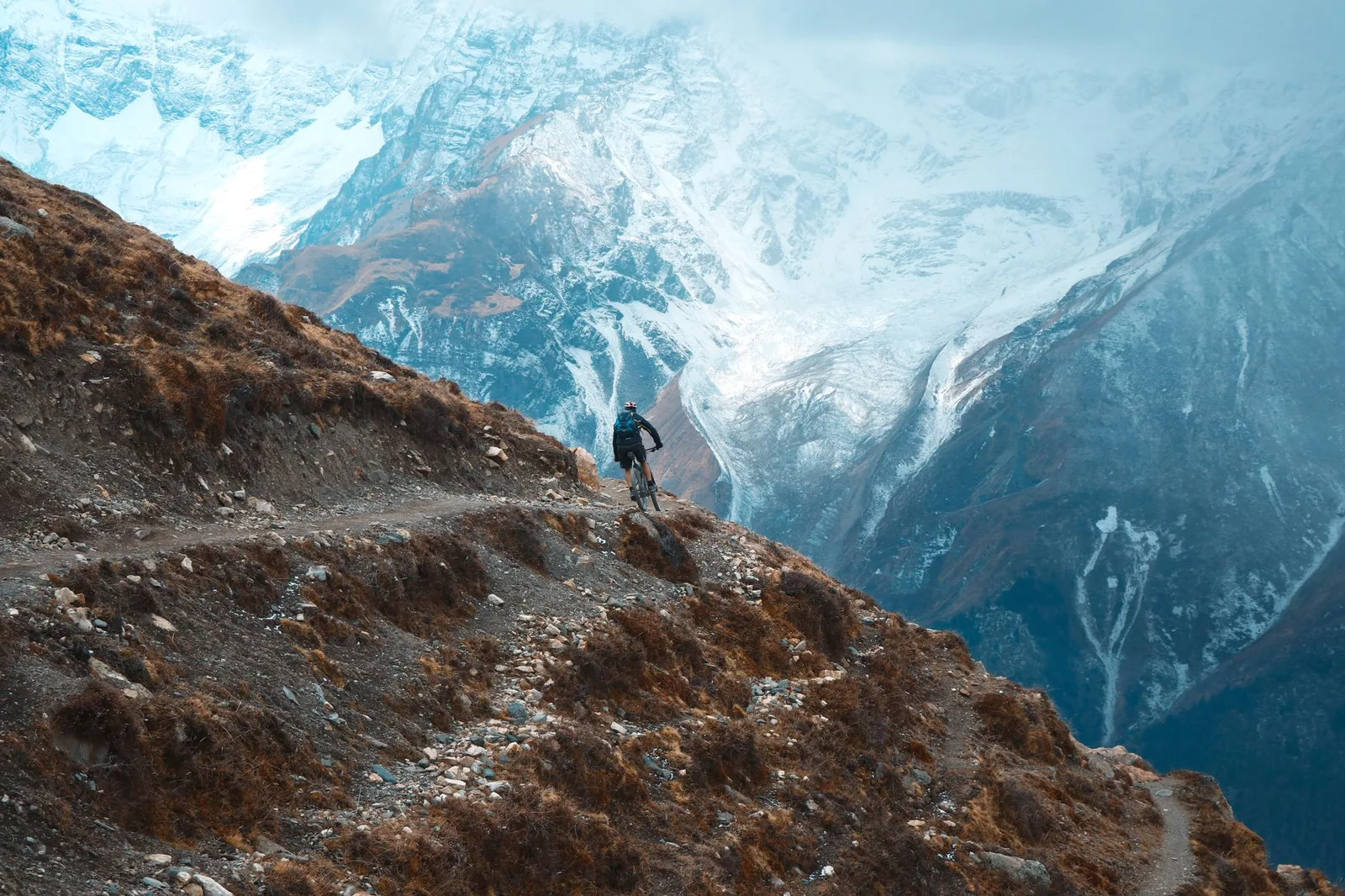
Is Trekking in Nepal Dangerous? What the Real 2025/26 Death Data From Annapurna Shows
Twenty-five tourists died of altitude sickness in the Annapurna region this fiscal year, the highest total on record. Here's what Nepal's own numbers actually say about the risk, and how almost all of it is preventable.
Safety & Advisories
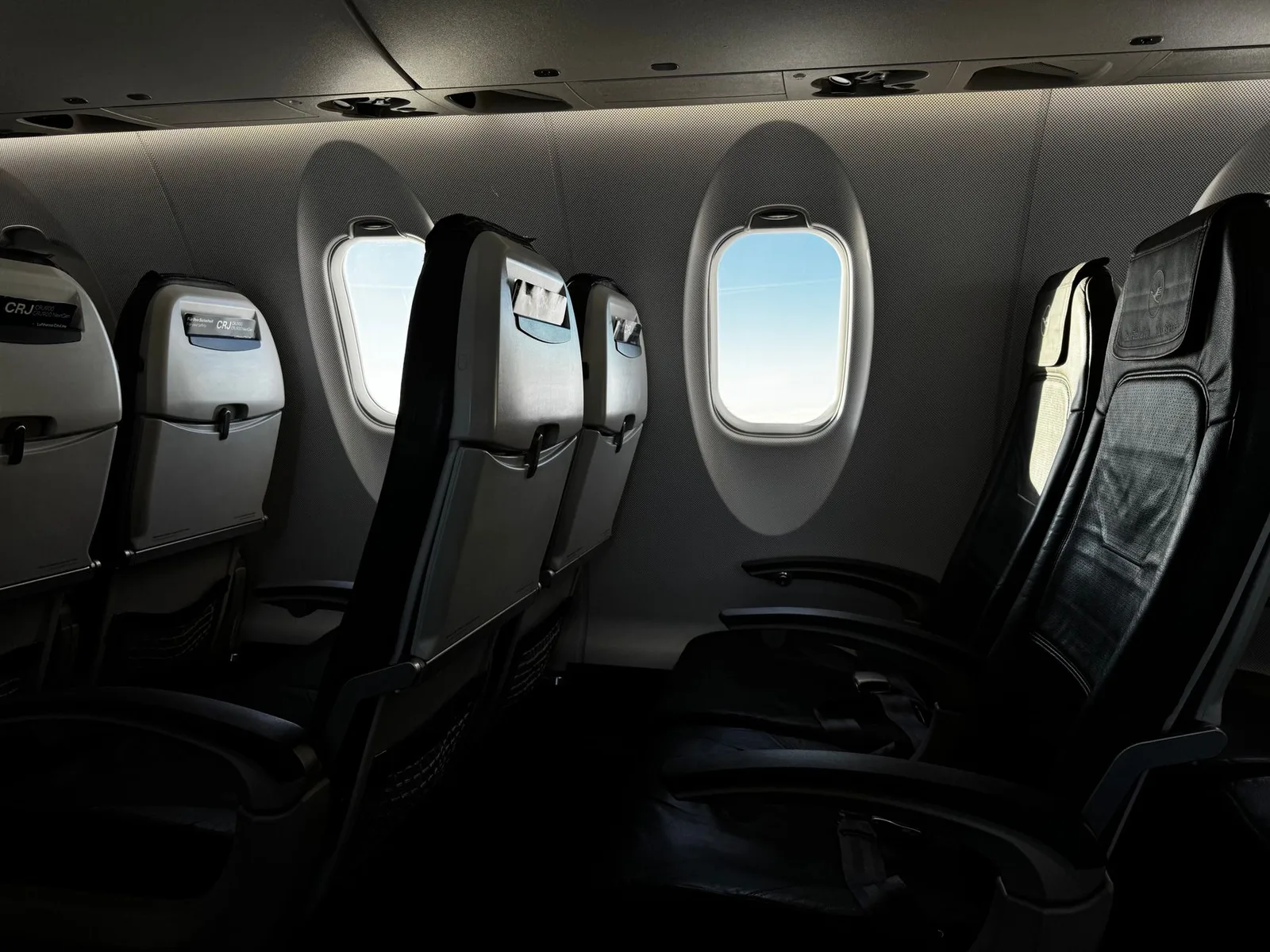
How to Beat Jet Lag in 2026: What Actually Works (Backed by Science)
Circadian science, light timing and low-dose melatonin — plus the odd UTC+5:45 twist of flying into Kathmandu before a Himalaya trek.