
Safest Countries to Travel in 2026: The Real Rankings, and What "Safe" Actually Means
A data-grounded roundup built on the 2026 Global Peace Index — from Iceland to Japan — plus the honest caveats on petty theft, roads and natural hazards that no ranking captures.
At a glance
- Published
- TopicSafety & Advisories
- Verified againstInstitute for Economics & Peace — Global Peace Index 2026
- Treks coveredEverest Base Camp Trek — 15 Days, Annapurna Circuit Trek — 13 Days, Annapurna Base Camp Trek — 9 Days
Key facts — the safest countries to travel in 2026
- The most-cited global benchmark is the Global Peace Index (GPI), published each year by the Institute for Economics & Peace. Its 2026 edition again ranks Iceland the most peaceful country on earth — a position it has held since 2008.
- “Safe” is not one thing. A country can have almost no violent crime yet real pickpocketing, road-accident or natural-hazard risk. The GPI measures societal peace, not your odds of a lifted wallet on a tram.
- Europe and the Asia-Pacific dominate the top of the table: Iceland, New Zealand, Switzerland, Ireland, Austria, Portugal, Singapore and Japan all rank among the world’s twenty most peaceful states in 2026.
- Nepal is a welcoming country with low violent crime; the genuine trekking risks here are altitude, weather and mountain roads — not crime.
“Is it safe?” is the first question every traveller asks and the hardest to answer honestly, because safety is really four different questions wearing one coat. This is a data-grounded roundup of the countries that top the recognised safety rankings for 2026 — what the numbers actually measure, and, just as importantly, what they don’t. If you are travelling alone, our companion guide to the safest countries for solo female travellers in 2026 digs into a different index built for exactly that question.
What “safest” actually measures
The rankings below come from the Global Peace Index (GPI), the most widely cited measure of a country’s peacefulness. It scores 163 countries and territories on 23 indicators — violent crime, homicide rate, political stability, incarceration, relations with neighbours and more — where a lower score is more peaceful. It is a serious, transparent dataset. But it describes the temperature of a whole society, not the specific hazards a visitor meets on the ground.
What “safe” really means for you
Break the word into four. Violent crime — assault, robbery — is genuinely rare across every country on this list. Petty theft is a different animal: pickpocketing on the metro in peaceful, prosperous cities like Vienna, Lisbon or Barcelona is far more likely to touch you than any violent act, and no peace index captures it. Road safety is the risk travellers most underestimate — traffic accidents injure and kill far more visitors worldwide than crime does. And natural hazards — Iceland’s volcanoes and storms, Japan’s earthquakes, New Zealand’s fault lines — are simply unrelated to how peaceful a society is. A top-ranked country can still hand you a sprained ankle, a lifted phone or a cancelled ferry.
The world’s safest countries in 2026
Here are eight of the most peaceful countries in the 2026 Global Peace Index, with their global rank, their index score, and the practical note a traveller actually needs.
| Country | GPI 2026 rank / score | Traveler note |
|---|---|---|
| Iceland | #1 · 1.161 | The world’s most peaceful country every year since 2008. Crime is near-zero; your real hazards are weather, roads and volcanic activity. |
| New Zealand | #2 · 1.343 | Safest country outside Europe. English-speaking and built for independent travel; respect the outdoors, not strangers. |
| Switzerland | #3 · 1.363 | Orderly, efficient and very safe. Alpine weather and mountain routes are the thing to plan around, not personal security. |
| Ireland | #5 · 1.371 | Warm and low-crime. Ordinary urban caution around Dublin nightlife is all that is really needed. |
| Austria | #6 · 1.421 | Among Europe’s safest. Vienna is exceptionally secure — but watch for pickpockets on busy trams and at tourist sites. |
| Portugal | #7 · 1.427 | Very safe and hugely popular; petty theft in Lisbon and Porto tourist crowds is the main annoyance to guard against. |
| Singapore | #8 · 1.435 | One of the lowest street-crime rates anywhere. Strict laws — know them, because penalties are severe. |
| Japan | #10 · 1.489 | Famously safe, honest and orderly. Earthquakes and typhoons are the real preparation, not crime. |
The pattern is clear: the safest countries cluster in Northern and Western Europe and the wealthy Asia-Pacific. Slovenia (#4) and Finland (#9) round out the 2026 top ten alongside the names above, and Denmark sits just outside it at #11. What they share is not a lack of tourists but strong institutions, reliable policing and social trust — the machinery that keeps everyday life calm.
The caveats an honest guide adds
A high ranking is a floor, not a force field. Three honest caveats travel with every one of these countries. First, petty theft ignores the leaderboard — the more visitors a peaceful city draws, the more pickpockets it feeds, which is why Barcelona and Lisbon top theft complaints even though Spain and Portugal rank near the top for peace. Second, the ranking is a national average; a specific street at 2am is not the country at noon. Third, government travel advisories answer a narrower question than the GPI — agencies like Canada’s travel.gc.ca and the UK’s FCDO publish region-by-region risk levels for disease, weather and unrest, and they are the right source to check close to departure, alongside the big-picture index.
Where Nepal fits
Nepal doesn’t sit at the top of the Global Peace Index, and we won’t pretend it does. But the honest picture matters more than the rank: Nepal is a genuinely welcoming country with low violent crime against tourists. Travellers are met with warmth, and the classic worries of the safe-country list — muggings, violent assault — are not what goes wrong here. What actually demands respect on a Nepal trek is altitude, weather and mountain roads: climb too fast and altitude sickness is the real danger, not the trail. That is exactly why we run fixed itineraries with proper acclimatisation days, licensed guides and insurance that covers helicopter evacuation. On our 15-day Everest Base Camp trek and 9-day Annapurna Base Camp trek, the safety plan is built around those mountain risks — the things a peace index was never designed to measure. Ask us anything before you book; the honest answer is the one you will always get.
Rankings cited from the Institute for Economics & Peace, Global Peace Index 2026. For trip-specific risk, always check your own government’s current travel advisory before departure.
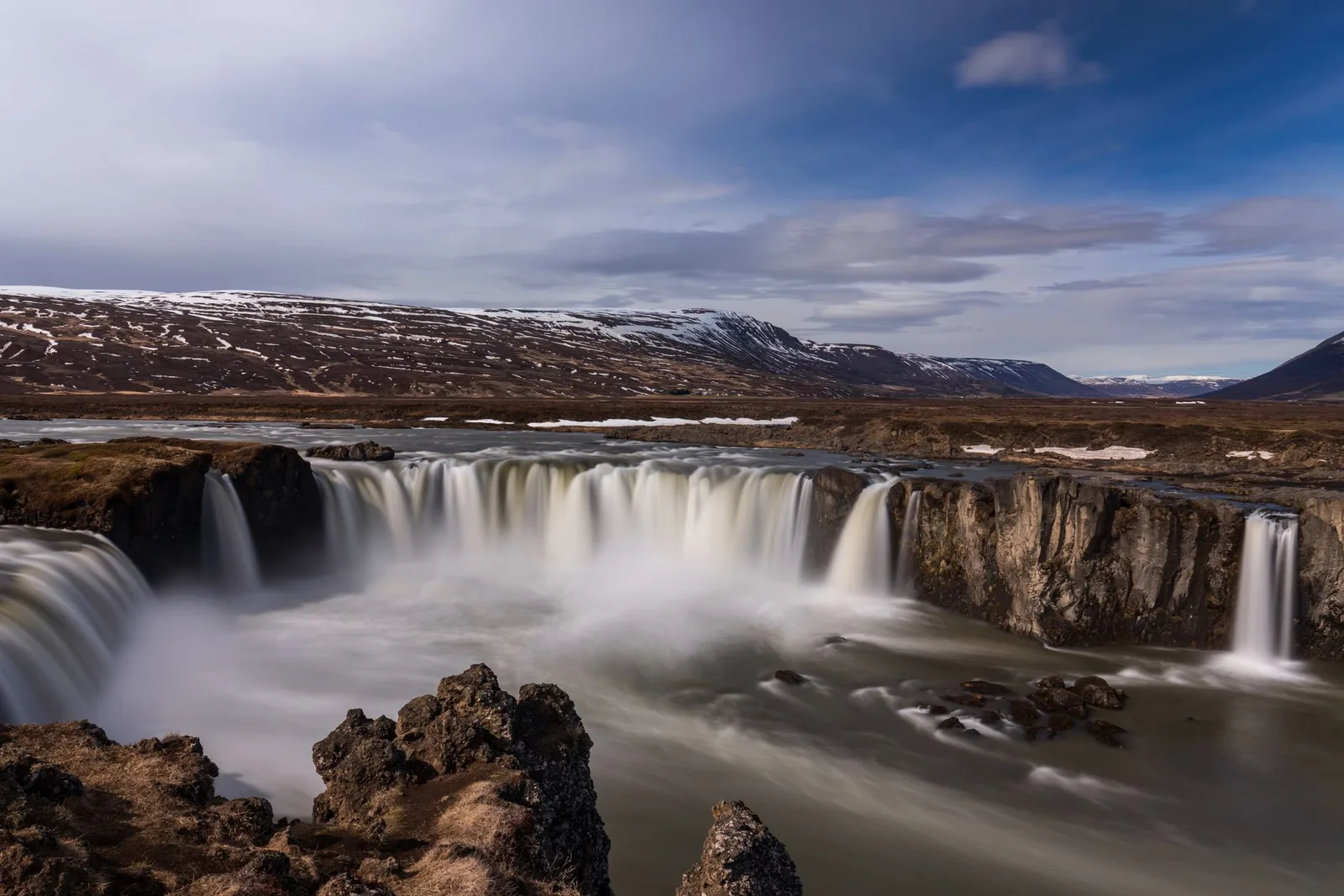
Cover photo: Susanne Jutzeler, suju-foto via Pexels (Pexels License).
Planning a trek?
Trek this route with us — Everest Base Camp Trek — 15 Days
NMA-certified local guides, transparent pricing, 5,000+ treks since 1998. Message us your dates and we'll sort the permits, lodges and logistics — reply within 24 hours, no obligation.


Popular Nepal treks
All treks →


Related coverage

Gear & Tech
Public Wi-Fi Safety and Travel VPNs in 2026: The Real Risks, and What Actually Protects You
Evil-twin hotspots, session hijacking and whether you truly need a travel VPN — an honest 2026 explainer on why ubiquitous HTTPS already does most of the work, and the four habits that matter more.
Safety & Advisories
The Safest Countries for Solo Female Travellers in 2026 (Ranked, With the Data)
The Nordics top every credible index again — here's the real ranking, the numbers behind it, and where Nepal honestly fits.
Money & Insurance
Travel Insurance With Pre-Existing Medical Conditions in 2026: What Declaring Really Means
Declaring a condition, the stable-condition clause and why an undeclared illness can void your whole claim — plus cover for cancer, diabetes, heart conditions and pregnancy.
Safety & Advisories
How to Beat Jet Lag in 2026: What Actually Works (Backed by Science)
Circadian science, light timing and low-dose melatonin — plus the odd UTC+5:45 twist of flying into Kathmandu before a Himalaya trek.
Latest from the desk
Deals & Routes
How to Find Cheap Flights in 2026: The Search Strategy That Actually Works
Flexible-date search, alternate airports, split tickets, fare alerts and mistake fares — the tools that surface a lower fare, and the one myth you can stop believing.
Visas & Entry
Second Passport in 2026: How Citizenship by Investment Really Works, the Real Costs, and the Scams to Dodge
A verified 2026 guide to citizenship by investment — the real minimum amounts from St Kitts to Malta, what a second passport actually buys, and how to spot the cons.
World Destinations
Cheapest Countries to Travel in 2026: Real Daily Budgets, Ranked by Region
From $25-a-day Nepal, Vietnam and Bolivia to the cheapest corners of Europe, a fact-checked guide to where your money goes furthest in 2026 — with honest backpacker daily budgets covering bed, food and local transport, flights excluded.