
How to Beat Jet Lag in 2026: What Actually Works (Backed by Science)
Circadian science, light timing and low-dose melatonin — plus the odd UTC+5:45 twist of flying into Kathmandu before a Himalaya trek.
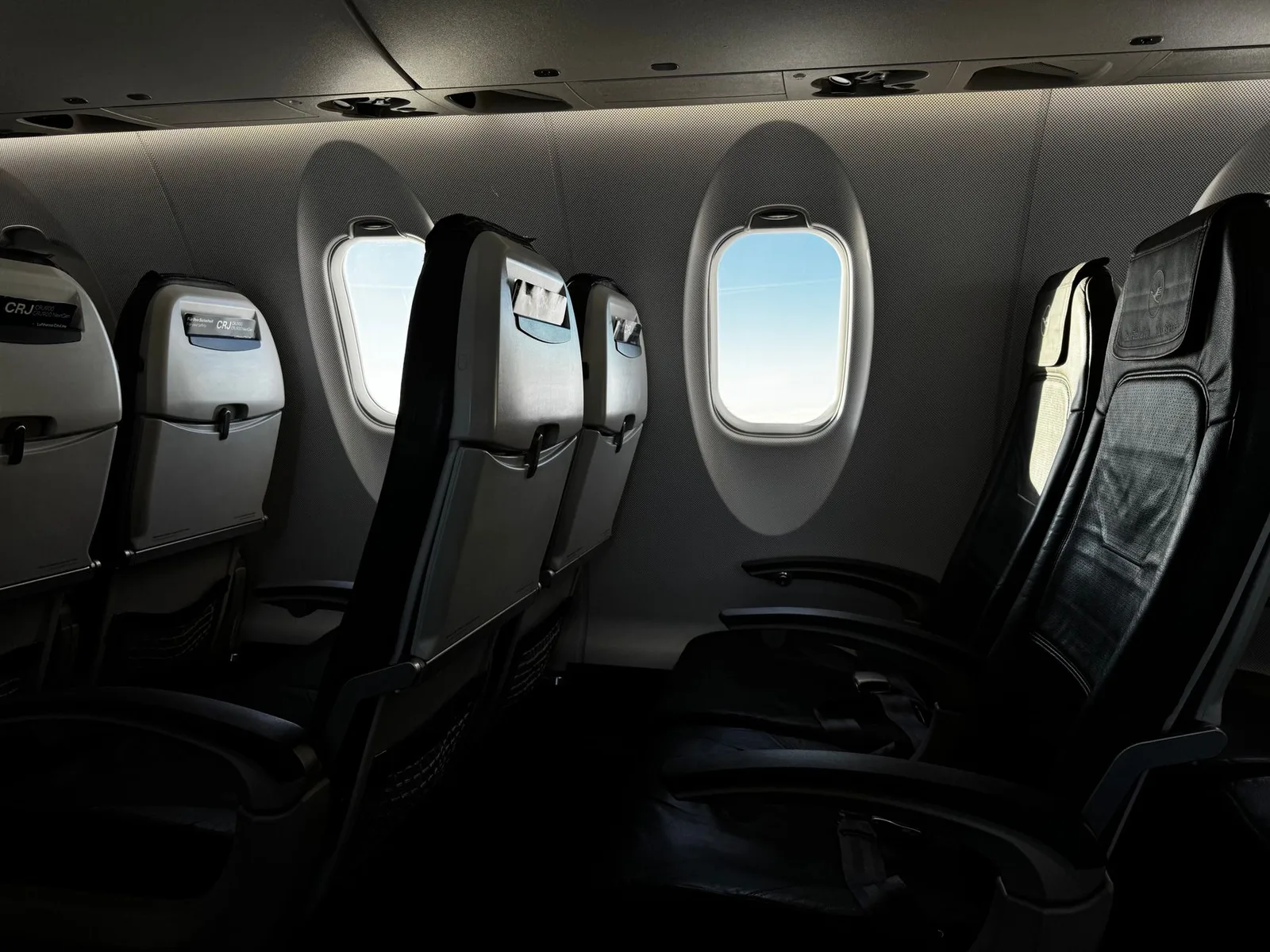
You have spent months planning the trek of a lifetime, then you land in Kathmandu foggy-headed, wide awake at 3am and half-asleep at lunch. Jet lag is the tax on crossing time zones fast, and for most Himalaya-bound trekkers it lands right when you need to be sharp. The good news, as of 2026, is that the science of resetting your body clock is well understood — and most of what actually works is free.
Key facts
- Jet lag usually appears after crossing more than three time zones (CDC).
- Your body clock resets at roughly one time zone per day — a six-hour shift can take 6–9 days to fully clear (Sleep Foundation).
- About 75% of people find travelling eastward harder than west (Sleep Foundation).
- Kathmandu runs on Nepal Time, UTC+5:45 — one of only a handful of countries in the world on a :45 offset.
What jet lag actually is
Jet lag is a mismatch between your internal circadian clock and the clock on the wall at your destination. That clock governs when you feel sleepy, when you are alert, your body temperature and your hunger — and it does not jump zones with the plane. It drifts back into line slowly, which is why the symptoms (broken sleep, daytime fatigue, brain fog, a cranky stomach) fade over days rather than hours. This article is general information, not medical advice; if you take medication or have a health condition, talk to your doctor before your trip.
The one lever that matters most: light
The Sleep Foundation calls light “the most powerful influence on circadian rhythm.” Getting light at the right time pulls your clock in the direction you want; getting it at the wrong time drags it the other way and makes things worse. The direction you fly decides the timing:
- Flying east (most travellers from the Americas and Europe heading to Nepal): you need to shift earlier. Seek bright light in the morning at your destination and go easy on late-evening light.
- Flying west (travellers coming back, or arriving from further east): you need to shift later. Favour evening light and protect your morning sleep.
The CDC's advice is the simple version of the same idea: spend your destination daytime in well-lit areas, and use daylight and exercise strategically during the day while avoiding both in the evening.
What the evidence says works — and what doesn't
| Tactic | Evidence | How |
|---|---|---|
| Time your light | Light is the strongest circadian cue (Sleep Foundation) | Eastbound: morning light. Westbound: evening light. Avoid light at the wrong end of the day. |
| Shift before you fly | Pre-adapting in the days before travel reduces misalignment (Sleep Foundation) | Eastbound: go to bed 1–2 hours earlier for a few nights. Westbound: 1–2 hours later (CDC). |
| Low-dose melatonin | Studies compared 0.5 mg vs 3.0 mg; low doses are generally preferred and timing is decisive (Sleep Foundation) | Taken near your target bedtime. General info only — check with a doctor first. |
| Keep naps short | Long naps steal that night's sleep (CDC) | 15–20 minutes (CDC); under 30 min and not within 8 hours of bedtime (Sleep Foundation). |
| Skip in-flight alcohol | Alcohol disrupts sleep (CDC) | Drink water instead — cabins are dehydrating. |
| Caffeine by the clock | Strategic daytime use helps (CDC) | Daylight hours only; none in the evening. |
Melatonin is the one supplement with real support behind it, but it is not a sleeping pill — it is a timing signal. The Sleep Foundation notes research comparing a low 0.5 mg dose against 3.0 mg, with low doses generally favoured, and stresses that when you take it matters as much as the dose. Treat the megadose gummies on the pharmacy shelf with suspicion. And be honest about the limits: no app, patch or supplement reprograms your clock overnight. The apps that help most (Timeshifter, StopJetLag and similar, as of 2026) simply schedule your light, dark and caffeine for you — the work is still light and timing.
The flying-to-Nepal case
Nepal's UTC+5:45 offset makes the arithmetic slightly odd, and where you start decides how hard the reset will be:
| From | Ahead/behind | Direction |
|---|---|---|
| New York | ~9¾ h ahead | East — the harder way |
| Los Angeles | ~12¾ h ahead | East — the harder way |
| London | ~4¾ h ahead | East |
| Dubai | ~1¾ h ahead | East — minor |
| Sydney | ~4¼ h behind | West — the easier way |
For North American and European trekkers, Nepal is a big eastward jump — the direction most people find toughest — so the pre-flight strategy (bedtime earlier, morning light on arrival) earns its keep. Australians, by contrast, get the gentler westward shift.
What this means before your trek
Build a buffer. The CDC suggests arriving at least two days before anything important, and a Himalaya trek is exactly that. A day or two in Kathmandu (1,400m) lets your clock settle before you head up — so you are not starting a demanding trail already exhausted.
Don't confuse jet lag with altitude
Here is the part specific to the mountains: jet lag and altitude both cause fatigue, headaches and broken sleep, and it is easy to blame one for the other. They are separate problems with separate fixes. Jet lag fades as your clock catches up; altitude symptoms need a slow, patient ascent profile and proper acclimatization. Arriving rested means you can tell the two apart — and it is one reason we build acclimatization days into every high trek. If you are heading for Everest Base Camp, the Annapurna Circuit or any trek above 3,000m, read our companion piece, the Nepal Acclimatization Guide 2026, before you go.
Do / don't, in one line each
- Do set your watch to Nepal time the moment you board and live by it.
- Do get outside into daylight on arrival, and hydrate hard on the plane.
- Don't nap for hours the afternoon you land — 20 minutes, then wait for a local bedtime.
- Don't rely on alcohol to sleep on the flight; it makes the reset slower.
- Don't start your trek the morning you land jet-lagged. Give Kathmandu a day.
Get the clock right first, and the mountains feel a great deal bigger for the right reasons. Our classic first-timer routes — the 15-day Everest Base Camp Trek and the 13-day Annapurna Circuit — both open with time in Kathmandu built in for exactly this reason. Land early, sleep on Nepal time, and let your body catch up before the trail does.
Sources: CDC — Jet Lag; Sleep Foundation — Jet Lag. General information only, not medical advice.
Cover photo: Thomas via Pexels (Pexels License).
计划徒步?
我们负责许可证、后勤与向导
NMA 认证的本地向导,价格透明,自 1998 年以来 5,000+ 次徒步。告诉我们你的日期,其余的交给我们。


更多「Safety & Advisories」
Safety & Advisories
The Most Common Travel Scams in 2026 (and Exactly How to Avoid Them)
Rigged taxi meters, short-changed cash, skimmed ATM cards, fake officials and cloned booking sites — plus the trekking-specific cons in Nepal — and the simple habits that beat every one.
Safety & Advisories
How to Choose a Safe Trekking Company in Nepal (2026): The Questions That Actually Predict a Fast Rescue
It's not price or star ratings that decide whether a bad day on the trail ends safely — it's whether your operator's rescue paperwork is already filed before you leave Kathmandu.
Safety & Advisories
The Safest Countries for Solo Female Travellers in 2026 (Ranked, With the Data)
The Nordics top every credible index again — here's the real ranking, the numbers behind it, and where Nepal honestly fits.