
Is Trekking in Nepal Dangerous? What the Real 2025/26 Death Data From Annapurna Shows
Twenty-five tourists died of altitude sickness in the Annapurna region this fiscal year, the highest total on record. Here's what Nepal's own numbers actually say about the risk, and how almost all of it is preventable.
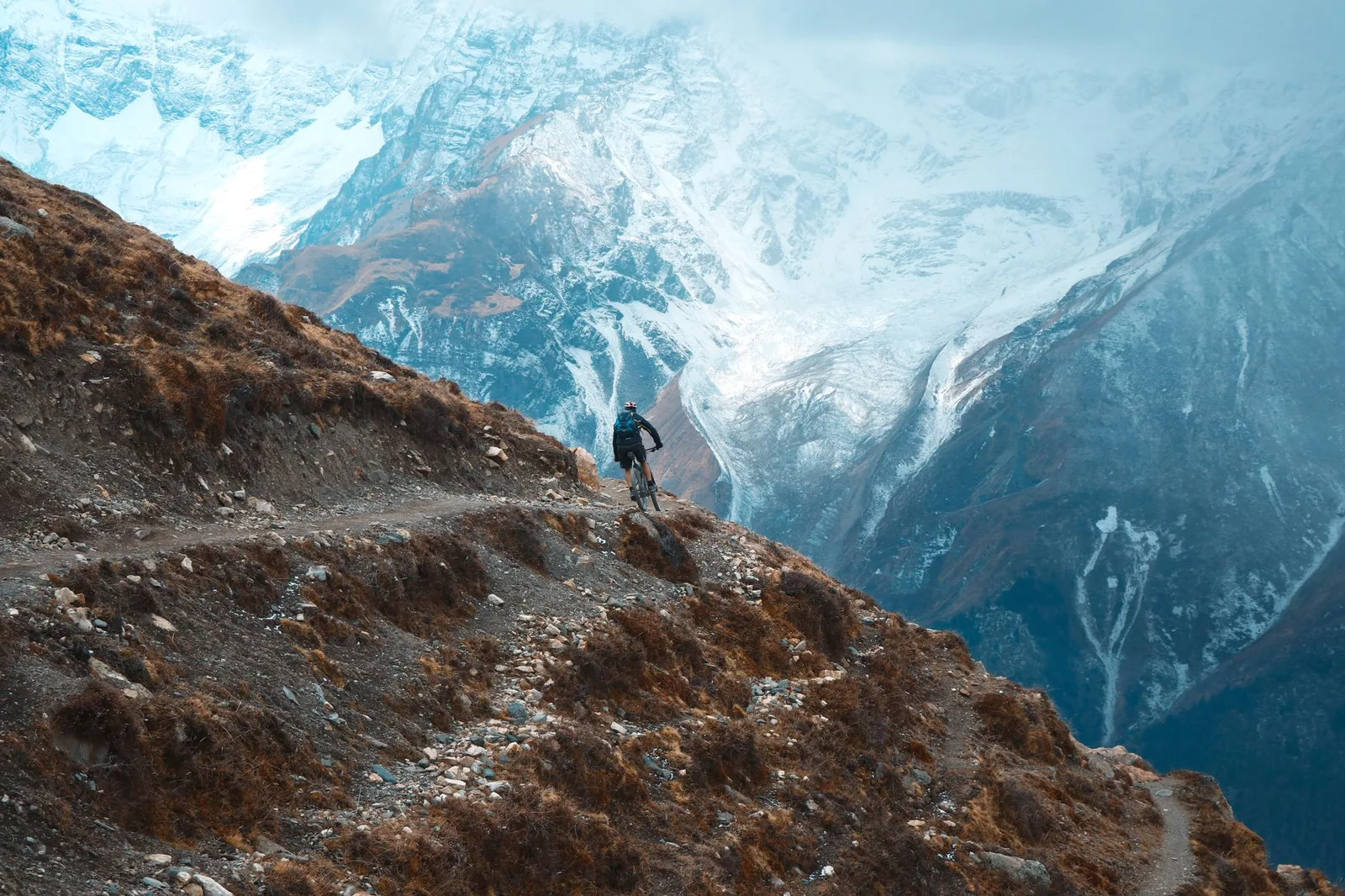
Is trekking in Nepal dangerous? Nepal's own 2025/26 data gives an honest, and slightly surprising, answer: not in the way most people fear. Twenty-five tourists died of altitude sickness in the Annapurna Conservation Area this past fiscal year, the highest number on record, and the great majority of those deaths trace back to one avoidable mistake, skipping acclimatisation, not bad luck on a mountain.
Key facts
- 25 tourists died of altitude sickness in the Annapurna Conservation Area in FY 2025/26 (mid-July 2025 to mid-July 2026), up from 19 the year before
- 15 of those 25 deaths happened in Mustang, where a paved road lets travellers reach 3,800m Muktinath in a single day without walking in
- A further 5 tourists died in separate falls and severe-weather incidents on Annapurna trails the same year
- By contrast, Everest's record spring 2026 season, 492 permits issued and a single-day record of 274 summits, recorded 5 climbing deaths, a fatality rate under 0.5%
The figures come from the Annapurna Conservation Area Project (ACAP), reported by The Himalayan Times on 22 July 2026. Of the 25 who died, 12 were Nepali (including four trekking guides and porters), nine were Indian, and one each was Japanese, Mexican, Spanish and Singaporean. It is the third straight year the toll has risen.
| Location | Deaths |
|---|---|
| Mustang (incl. Muktinath road route) | 15 |
| Manang | 8 |
| Annapurna Base Camp trail | 1 |
| Mardi Himal trail | 1 |
| Total | 25 |
Why Mustang, specifically
ACAP's chief, Dr Rabin Kadel, pointed to a specific pattern: acute mountain sickness is particularly common among Nepali and Indian visitors who drive directly to high-altitude destinations such as Muktinath (3,800m) without any acclimatisation days built in. That is the opposite of how a walking trek works. Someone flying into Kathmandu and trekking to Annapurna Base Camp (4,130m) or around the Annapurna Circuit gains altitude gradually over a week or more, with rest days built into the route, exactly the pattern that prevents AMS. Someone driven up a paved road to Muktinath in an afternoon skips that step entirely.
What this means for trekkers
The real risk in Nepal's mountains isn't a rare accident, it's a well-understood illness with a well-understood fix. Gain no more than 300–500m of sleeping altitude per day above 3,000m, build in rest days, and travel with a licensed guide trained to recognise early AMS symptoms and turn a client around before it becomes life-threatening. That is standard practice on a proper multi-day trek; it is exactly what gets skipped by day-trippers driven to altitude.
It's worth separating this from the other kind of Himalayan risk people picture, avalanches, falls, a climber lost on an 8,000m peak. Nepal is still mourning climbers killed in a Broad Peak avalanche in Pakistan this August, and five bodies were only recovered this month, nine months after a separate avalanche on Yalung Ri. Those risks are real and can't be engineered away, but they belong to unguided or semi-guided technical mountaineering, not Base Camp trekking. On the walking trails that carry the vast majority of Nepal's foreign visitors, Annapurna Base Camp, the Annapurna Circuit, Everest Base Camp, Mardi Himal, the dominant real threat is altitude sickness, and altitude sickness is the one Himalayan danger that responds almost completely to pacing.
What actually protects you
Every Travel Himalaya Nepal itinerary is built around this exact logic: altitude is gained in stages, with acclimatisation days scheduled at Namche-equivalent altitudes, and a licensed guide walks with the group who is trained to recognise AMS early and descend a client immediately rather than push on. If you're planning your own trip, or comparing operators, ask two direct questions before you book: how many rest days are built into the itinerary at altitude, and is the guide licensed and trained in AMS recognition. For a longer checklist, see our guide on choosing a safe trekking company in Nepal. Those answers matter more than almost anything else on the trip.
Source: The Himalayan Times, citing the Annapurna Conservation Area Project (ACAP).
Cover photo: Ashok Sharma via Pexels (Pexels License).
计划徒步?
我们负责许可证、后勤与向导
NMA 认证的本地向导,价格透明,自 1998 年以来 5,000+ 次徒步。告诉我们你的日期,其余的交给我们。


更多「Safety & Advisories」

Safety & Advisories
How to Beat Jet Lag in 2026: What Actually Works (Backed by Science)
Circadian science, light timing and low-dose melatonin — plus the odd UTC+5:45 twist of flying into Kathmandu before a Himalaya trek.
Safety & Advisories
The Most Common Travel Scams in 2026 (and Exactly How to Avoid Them)
Rigged taxi meters, short-changed cash, skimmed ATM cards, fake officials and cloned booking sites — plus the trekking-specific cons in Nepal — and the simple habits that beat every one.
Safety & Advisories
How to Choose a Safe Trekking Company in Nepal (2026): The Questions That Actually Predict a Fast Rescue
It's not price or star ratings that decide whether a bad day on the trail ends safely — it's whether your operator's rescue paperwork is already filed before you leave Kathmandu.