
The Easiest Countries to Visit in 2026: Visa-Free, Visa-on-Arrival and eVisa Destinations
Where you can still land with almost no paperwork in 2026 - the visa-free, visa-on-arrival and eVisa countries for US, UK, EU and Indian travellers, with Nepal as the friendliest border of all.
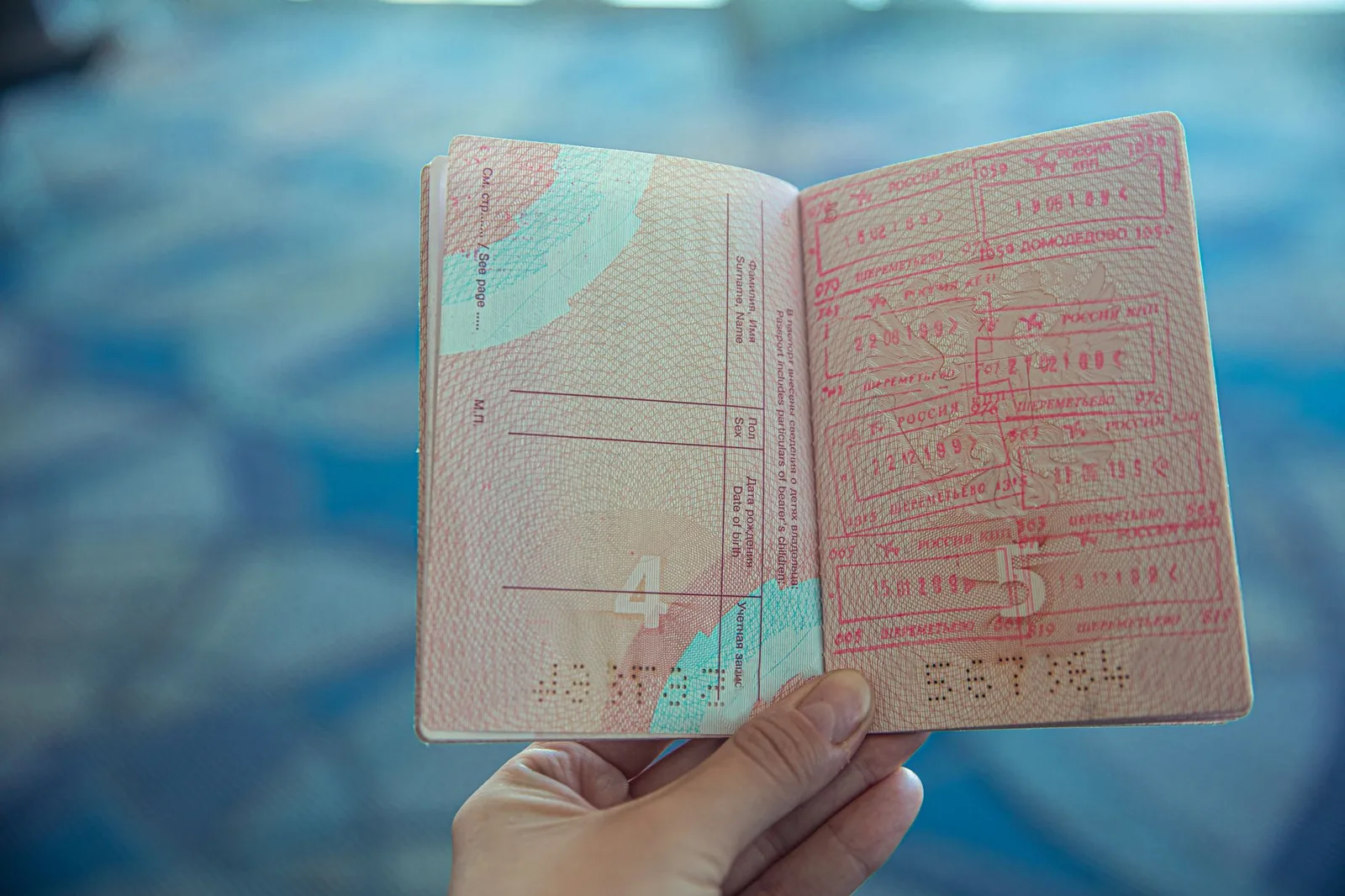
The easiest countries to visit in 2026 are the ones that let you skip the embassy queue entirely — and for most travellers that means visa-free borders, visa-on-arrival counters, and the fast-growing world of eVisas. If you hold a US, UK, EU or Indian passport, a surprising share of the planet still lets you turn up with little more than a valid passport and a card. Here is where entry is genuinely simple as of 2026, why the eVisa is quietly taking over, and why Nepal remains one of the friendliest borders on earth.
Key facts (as of 2026)
- Nepal issues a visa on arrival to almost every nationality: US$30 (15 days), US$50 (30 days), US$125 (90 days), cash at the airport.
- Indian citizens need no visa at all for Nepal — a valid identity document is enough.
- The Maldives grants a free 30-day visa on arrival to every nationality, no advance form required.
- More than 90 countries now run eVisa or electronic travel-authorisation systems — from Türkiye and Sri Lanka to Kenya and Vietnam.
- Singapore holds the world’s most powerful passport in 2026, visa-free to 192 destinations (Henley Passport Index).
Three kinds of “easy” — and why the difference matters
Not all easy borders are equal. Visa-free means you land, get stamped, and walk out — nothing to apply for, nothing to pay. Visa on arrival (VOA) means you fill a short form and pay a fee at the border, usually in cash, sometimes with a photo. An eVisa (or eTA) is applied for and paid online days before you fly, then linked to your passport — no consulate visit, but you must not leave it to the airport. For planning, visa-free is the gold standard, VOA is nearly as painless if you carry clean US-dollar notes, and the eVisa is the one that catches people out because it needs doing before departure.
The rise of the eVisa
The big story of the 2020s is digital entry. Governments that once demanded an embassy appointment now push everything online: Türkiye offers an eVisa to citizens of roughly 48 countries with near-instant approval; Sri Lanka reinstated its 30-day electronic travel authorisation; Kenya moved its whole system to an online eTA; and Vietnam extended its eVisa to 90 days, single or multiple entry. Even the visa-free world is digitising — Europe’s Schengen zone is preparing the €20 ETIAS authorisation for US, UK, Canadian and Australian visitors, a pre-travel form rather than a visa. Convenient, but a reminder that “visa-free” increasingly comes with a click.
| Country / Region | Entry type | Notes |
|---|---|---|
| Nepal | Visa on arrival | US$30 / 50 / 125 for 15 / 30 / 90 days, cash; Indians visa-free |
| Maldives | Free visa on arrival | 30 days, every nationality, no fee |
| Sri Lanka | eVisa (ETA) | 30 days, apply online before you fly |
| Indonesia (Bali) | Visa on arrival / e-VOA | ≈ US$35 (IDR 500,000), 30 days |
| Thailand | Visa exemption | 30 days for US/UK/EU/AUS in 2026 (cut from 60) |
| Türkiye | Visa-free or eVisa | US/UK/EU largely visa-free; eVisa for ~48 nationalities incl. India |
| Vietnam | eVisa | Up to 90 days, single or multiple entry |
| Kenya | Electronic travel authorisation (eTA) | Online, ≈ US$34, up to 90 days |
| Schengen Europe | Visa-free | 90 days in 180 for US/UK/AUS/CAN; ETIAS (€20) still to come |
Your own passport shifts the picture. The strongest documents open the most doors with the least paperwork — see our breakdown of the world’s most powerful passports in 2026, where Singapore tops 192 destinations and even a mid-ranked Indian passport now reaches 55 visa-free. Whatever you hold, the destinations above are among the most forgiving on the planet.
Nepal: the visa-on-arrival border for almost everyone
If “easy” is the goal, Nepal is hard to beat. Citizens of almost every country get a tourist visa on arrival at Kathmandu’s Tribhuvan International Airport — no embassy, no pre-approval. You choose your length of stay at the counter and pay in cash: US$30 for 15 days, US$50 for 30, US$125 for 90, rates unchanged since 2019. The visa is multiple-entry, you can extend inside the country, and the only ceiling is 150 days total per calendar year. Indian nationals skip the fee entirely — no visa is required, just a valid ID — and other SAARC citizens get one free 30-day visa a year.
For the finer points — the online e-visa option, passport-photo rules, extensions and the small print by nationality — read our full Nepal visa guide before you fly.
What this means for trekkers
Nepal removes the single most annoying part of planning a Himalayan trip: the visa. You do not book an embassy slot or wait weeks for approval — you land in Kathmandu, pay $30–$125 in cash, and you are in. That is why a spontaneous Everest Base Camp or Annapurna Circuit trip is realistic in a way a European or American long-haul rarely is. Bring clean US-dollar notes and a passport photo, and the border is a five-minute formality.
Next steps
Rules move — Thailand quietly halved its visa exemption in 2026 and Europe’s ETIAS keeps slipping — so always confirm your own nationality’s status close to departure. But the pattern holds: the visa-free, visa-on-arrival and eVisa world is wider and more digital every year. If you want the easiest big adventure of all, Nepal’s open door is waiting. Start with the Nepal visa guide, then pick your trek — the classic Everest Base Camp and Annapurna Circuit routes are the obvious first Himalaya.
Cover photo: Ekaterina Belinskaya via Pexels (Pexels License).
来源: Henley Passport Index; Nepal Department of Immigration
计划徒步?
我们负责许可证、后勤与向导
NMA 认证的本地向导,价格透明,自 1998 年以来 5,000+ 次徒步。告诉我们你的日期,其余的交给我们。


更多「Visas & Entry」
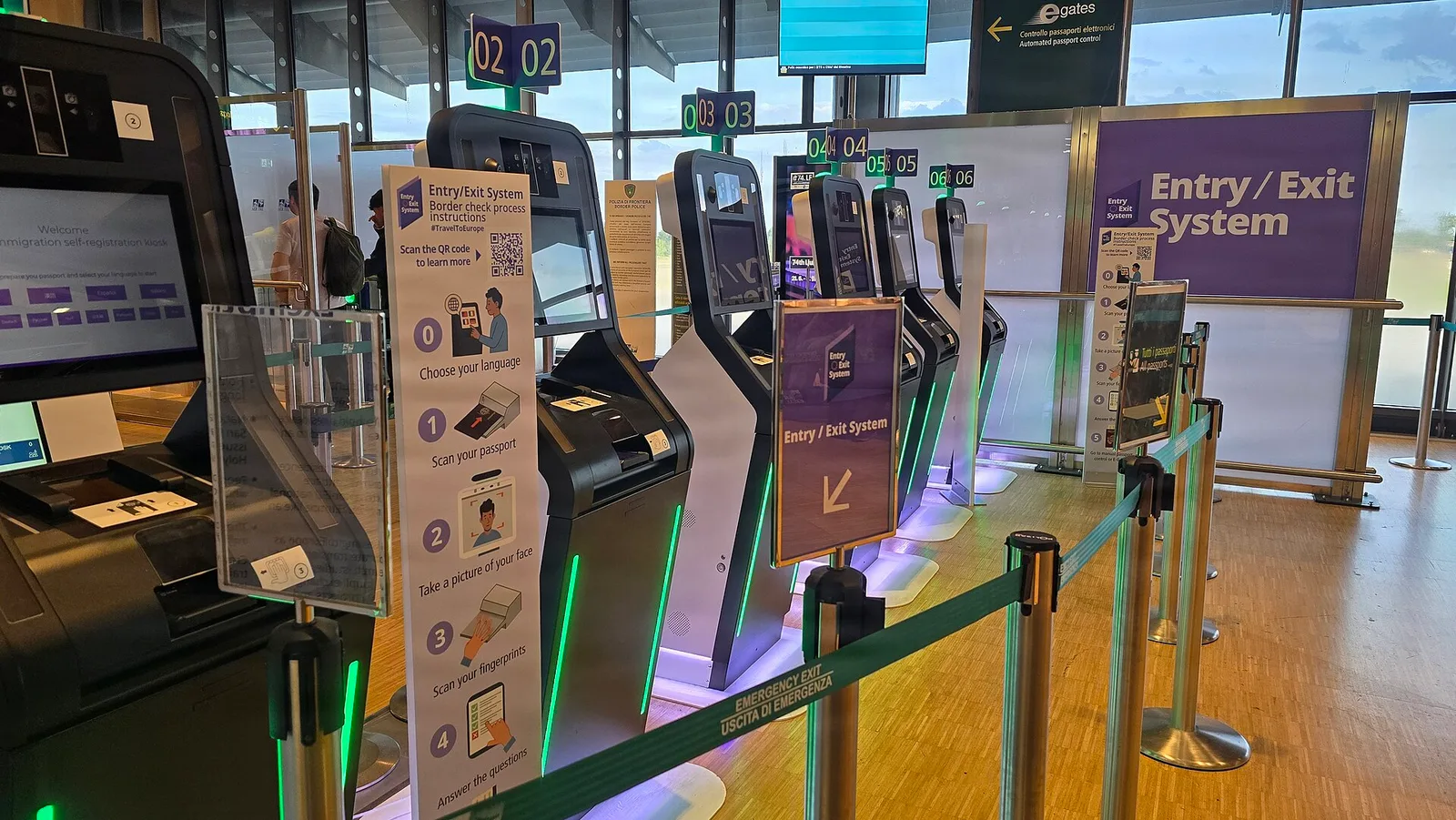
Visas & Entry
The Schengen 90/180-Day Rule Explained (2026): How to Count Your Days and Not Get Banned
It is the most misunderstood rule in travel — and since April 2026 a biometric border system counts your days automatically. Here is how the rolling 180-day window really works, with worked examples, and what an overstay now costs.

Visas & Entry
The Cheapest Cities for Digital Nomads in 2026 (Cost of Living, Wi-Fi & Visas)
A verified, city-by-city look at where remote workers get the most for their money in 2026 — real monthly budgets, median internet speeds and which hubs actually offer a nomad visa (including an underrated Himalayan base).