
ETIAS 2026: The EU Travel Authorisation Explained — Who Needs It, the €20 Fee, and When It Starts
Visa-exempt visitors to Europe will soon need an ETIAS before they fly. Here is who it applies to, the €20 fee (free under 18 and over 70), the 3-year validity, and the honest truth about when it actually launches.

ETIAS — the European Travel Information and Authorisation System — is the EU's new pre-travel screening for visa-exempt visitors to the Schengen area. If you hold a passport that already lets you enter Europe visa-free for short stays (the UK, US, Canada, Australia, most of the Gulf, and dozens more), you will need to apply online, pay a fee and get an approved ETIAS before you fly. It is not a visa, and it is not the same as the UK's ETA. Here is exactly how it works and, just as importantly, when it actually starts.
ETIAS at a glance
- Fee: €20 per application (raised from the original €7)
- Free for: applicants under 18 and over 70
- Valid for: 3 years, or until your passport expires — whichever comes first
- Who needs it: visa-exempt non-EU nationals visiting 30 European countries
- Stay limit: 90 days in any 180-day period
- When: not yet live — expected to follow the Entry/Exit System, confirm on the official EU portal
Who actually needs an ETIAS
ETIAS applies to travellers from countries whose citizens can currently enter the Schengen area without a visa for short stays. That is the key distinction: if you already need a Schengen visa, nothing changes for you — you keep applying for the visa. If you have always breezed in on your passport alone, ETIAS is the new step. It covers 30 European countries: the Schengen states plus a handful of others including Cyprus.
An approved ETIAS is linked to one specific passport. It lets you travel to Europe for tourism, business, transit or a short visit, but the final decision to admit you always rests with the border officer on arrival — an ETIAS is permission to travel, not a guaranteed entry.
The €20 fee — and who pays nothing
The application fee has been set at €20, up from the €7 written into the original 2018 regulation. The European Commission confirms the fee "has been set at EUR 20 instead of the previous EUR 7," a change that takes effect once the system goes live. Crucially, the fee is waived entirely for anyone under 18 or over 70 at the time of application — they still must hold an ETIAS, but they pay nothing. There is no charge for close family members of EU citizens exercising free-movement rights either.
Validity and the 90/180 rule
One approval lasts three years, or until your passport expires, whichever is sooner. Within that window you can enter as many times as you like — ETIAS is multiple-entry. What it does not do is extend how long you can stay. The Schengen short-stay ceiling of 90 days within any rolling 180-day period still applies, and it is counted across the whole area, not per country. Long, repeated trips can quietly eat that allowance, so count carefully.
ETIAS vs a Schengen visa vs the UK ETA
These three are constantly confused. They are not the same thing:
| Feature | ETIAS (EU) | Schengen visa | UK ETA |
|---|---|---|---|
| What it is | Travel authorisation | Full visa | Travel authorisation |
| For whom | Visa-exempt visitors | Visa-required nationals | Visa-exempt visitors to the UK |
| Cost | €20 | €90 | £16 |
| Valid | 3 years / passport | Up to 5 years | 2 years / passport |
| Where it applies | 30 European countries | Schengen area | United Kingdom only |
| Applied online | Yes, minutes | No — appointment | Yes, app/online |
The UK sits entirely outside this system: it left the EU and runs its own UK ETA, which you need separately if your trip includes Britain. For the full picture across every 2026 change — ETIAS, the UK ETA and the US ESTA increase — see our 2026 entry-rule round-up.
When does ETIAS actually start?
This is where honesty matters. ETIAS is not operational yet, and no applications are being collected. Its launch is tied to the EU's Entry/Exit System (EES) — the automated passport-scanning system at the borders — which began its phased rollout in October 2025. ETIAS follows only once EES is fully in place, expected roughly six months afterwards. Current EU communications point to a start in 2026 at the earliest, and possibly 2027; no fixed calendar date has been published. The Commission has promised to announce the exact date several months in advance, and there will be a transitional grace period after go-live during which travellers without an ETIAS are not turned away immediately.
Our advice: don't apply until the official portal is live, and always confirm the current timing on the EU's own site, travel-europe.europa.eu, before you book flights that assume it.
Before you travel — apply only on the official EU portal
ETIAS applications will only ever be taken on the official EU website (travel-europe.europa.eu). A wave of copycat "ETIAS" sites already charges €50–€90 to "help" with a €20 form and adds nothing. Ignore them, apply direct, and be wary of any site that isn't a europa.eu address. Use a valid passport, check your name matches it exactly, and apply a few days before you fly.
What this means if you're combining Europe with Nepal
Plenty of our trekkers stitch a European leg onto their Himalaya trip, or simply connect through a Schengen hub — Frankfurt, Amsterdam, Istanbul-to-Europe routings, a few days in the Alps before or after the mountains. Once ETIAS is live, that European portion needs its own authorisation, even for a short stopover or a change of terminal that leaves the international zone. Nepal itself is unaffected: it remains straightforward, with a visa on arrival for most nationalities — see our Nepal visa guide for costs and paperwork.
If your bucket-list year runs Europe-then-Everest, plan the paperwork in one sitting: ETIAS for the European leg, a Nepal visa on arrival for the trek. Our Everest Base Camp and Annapurna Base Camp itineraries pair neatly with a European stopover, and we're happy to help you sequence the trip so nothing on the entry side trips you up.
Source: European Commission / official EU ETIAS portal (travel-europe.europa.eu) and the European Commission Migration & Home Affairs ETIAS pages. Figures verified August 2026; confirm current fees and timing on the official portal before travelling.
Cover photo: Jonas Horsch via Pexels (Pexels License).
来源: European Commission (official EU ETIAS portal)
计划徒步?
我们负责许可证、后勤与向导
NMA 认证的本地向导,价格透明,自 1998 年以来 5,000+ 次徒步。告诉我们你的日期,其余的交给我们。


更多「Visas & Entry」
Visas & Entry
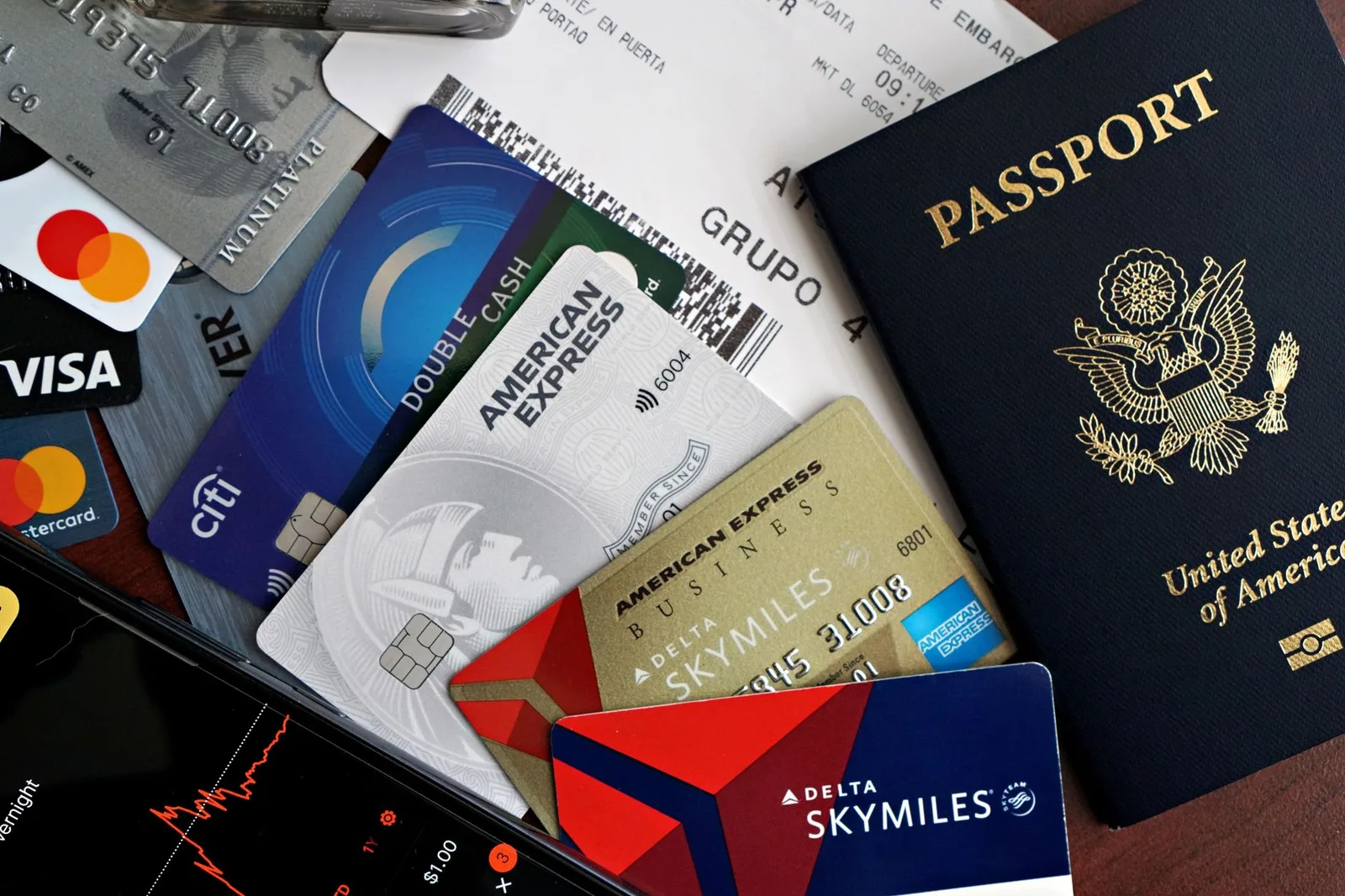
UK ETA 2026: Who Needs It, the £20 Fee, and How to Apply
The UK Electronic Travel Authorisation rollout is complete. Here is the full 2026 guide — who needs one, the £20 cost, two-year validity, the application steps, and the mistakes that get travellers turned away.
Visas & Entry
Second Passport in 2026: How Citizenship by Investment Really Works, the Real Costs, and the Scams to Dodge
A verified 2026 guide to citizenship by investment — the real minimum amounts from St Kitts to Malta, what a second passport actually buys, and how to spot the cons.

Visas & Entry
Digital Nomad Visas in 2026: Which Countries Offer Them, the Income You Need, and the Tax Catch
A verified 2026 guide to digital nomad visas - Portugal, Spain, Estonia, Croatia, the UAE, Costa Rica and Thailand DTV - with the exact monthly income each demands, how long you can stay, the tax angle, and how to bolt a Himalayan trek onto your base.