
Is the Everest Base Camp Trek Affected by the 2026 Nepal Floods?
No — the Everest region is running normally. The 26 August flood hit Rasuwa in the north, not the Khumbu. Here is why Lukla flights and the EBC trail are unaffected, leg by leg.
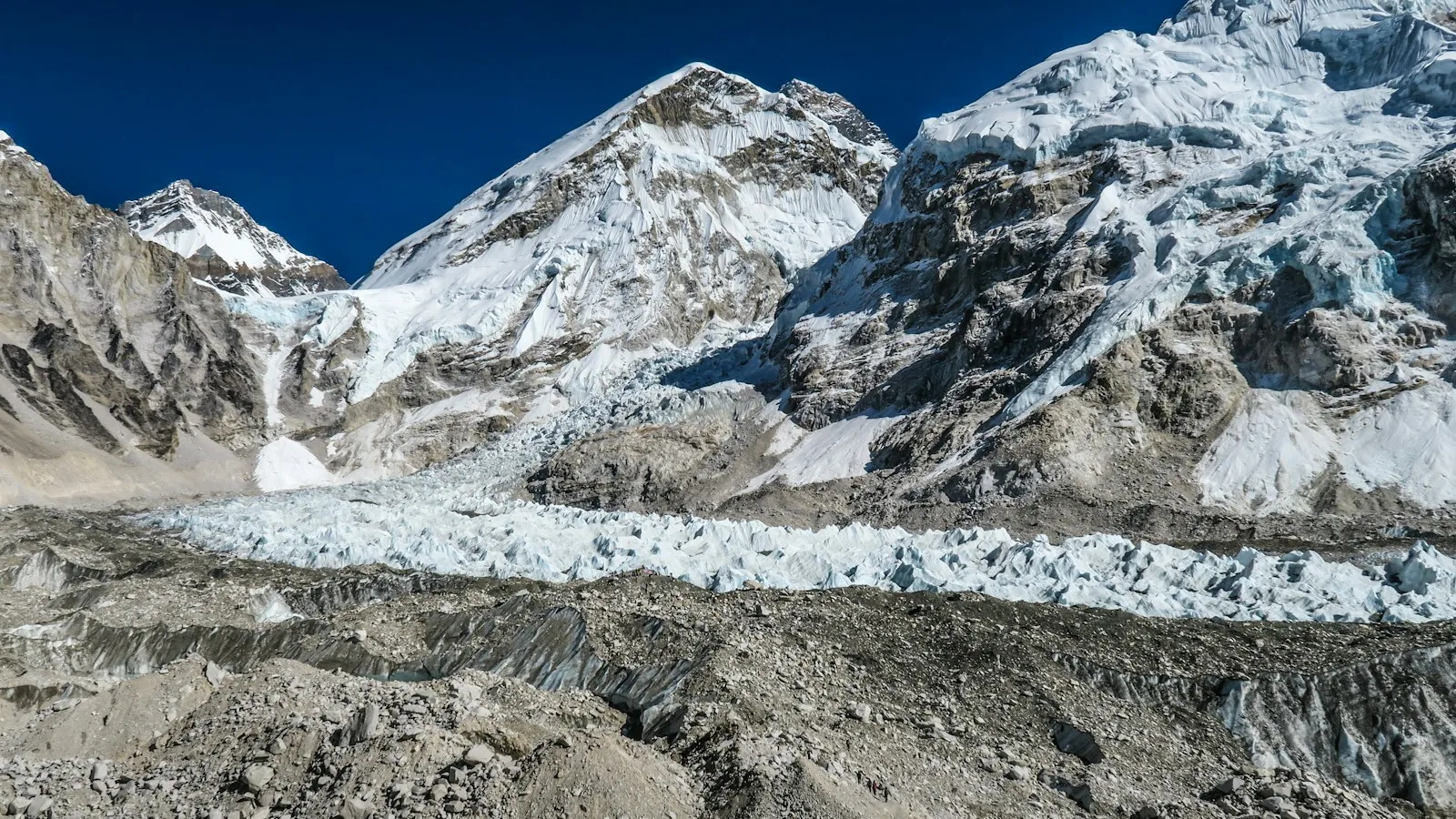
📍 Developing story — live updates
The 2026 Nepal floods are a developing, nationwide emergency and figures are rising. For the latest verified death toll, missing and rescued numbers, and trek status, follow our continuously-updated Nepal Floods 2026: Live Updates.
Last updated: 27 August 2026. The situation in flood-hit Rasuwa is still evolving; we keep this page honest and current. If you are booked on the Everest Base Camp trek this autumn, this is the short answer you are looking for.
Is the Everest Base Camp trek affected by the 2026 floods? No — the Everest region is running completely normally. The flash flood of 26 August 2026 struck the Rasuwa district in north-central Nepal: the Bhote Koshi river, the Tibet border crossing at Rasuwagadhi, and the road that serves as the gateway to the Langtang valley. The Everest region — the Khumbu — is a completely different part of the country, well over a hundred kilometres to the east, separated from Rasuwa by whole mountain ranges and entirely different river systems. Flights to Lukla are operating, the Everest Base Camp trail is open, and teahouses along it are running as usual. If you have an EBC trip booked for October or November, your plans stand.
Everest Base Camp trek — the honest status
- The flood was in Rasuwa, not the Khumbu. It hit the Bhote Koshi corridor around Syabrubesi and Timure in the north — the road-head for Langtang and the overland route to Tibet, not the Everest region.
- Lukla access is unaffected. The Everest trek begins with a flight from Kathmandu (or Ramechhap) east to Lukla. That airstrip and the flights that serve it are in the Khumbu, far from the flood zone.
- The whole EBC trail is open: Phakding, Namche Bazaar, Tengboche, Dingboche, Lobuche, Gorak Shep and Base Camp itself — all operating normally.
- Timing helps you. The flood came in late monsoon (late August). The main Everest season is October–November, still weeks away and completely outside the affected area.
Why the Khumbu is a different world from Rasuwa
Nepal is not one small place where a single flood touches everything. Its trekking regions are divided by great mountain ranges and drained by separate river systems that never meet until far down in the plains. The 26 August flood surged down the Bhote Koshi, which flows out of Tibet into Rasuwa and on into the Trishuli. The Everest region sits on the other side of the country, in the east, drained by the Dudh Koshi. A flood on one has no physical bearing on the other — they are days apart on the map.
Worst-hit were Timure and Syabrubesi, with damage downstream at Betrawati, Trishuli and Devighat, according to reporting collated by Wikipedia's running summary and outlets including CNN. Syabrubesi is the road-head where nearly every Langtang trek begins. It is not on the Everest route, and no part of the Everest journey passes through Rasuwa.
The Everest Base Camp trek, leg by leg
The simplest way to see why your trek is unaffected is to walk through it as we actually run it, and check each stage against the flood zone.
| Stage of the trek | Where it is | Status |
|---|---|---|
| Kathmandu (arrival, briefing, permits) | Central hub, unaffected | Normal |
| Flight to Lukla (2,860 m) | Khumbu, east — far from Rasuwa | Flights operating |
| Phakding & Namche Bazaar (3,440 m) | Lower Khumbu, Dudh Koshi valley | Trail open, teahouses running |
| Tengboche, Dingboche, Lobuche | Upper Khumbu | Trail open |
| Gorak Shep, Base Camp & Kala Patthar (5,545 m) | Head of the Khumbu | Open |
| Permits: Sagarmatha National Park + Khumbu Pasang Lhamu municipality | Issued in Kathmandu / Monjo & Lukla | Issued normally |
Note that the Everest region does not use the TIMS card — in the Khumbu it was replaced by the local municipality permit. Neither of those permits is issued in or routed through Rasuwa, so the flood has no bearing on your paperwork. If you want the full breakdown, see our Everest Base Camp permit guide.
Is there anything to watch?
For an Everest trip, honestly, very little. The one national-level thing worth understanding is that the Rasuwa flood is a reminder Nepal is exposed to fast-moving, climate-driven mountain hazards — this same river also flooded in July 2025. That is a real conversation for the country, and we cover it separately. But it does not change conditions on the Everest trail, which is a well-established route with mature infrastructure and daily traffic of guides and lodge operators who would be the first to know of any problem.
The sensible things to do are the sensible things for any Everest trek: build in acclimatisation days, carry proper travel and rescue insurance, and book with an operator who monitors conditions and will tell you the truth. If your trip did route through Rasuwa — a Langtang trek or an overland Tibet/Kailash crossing — that is the one situation to pause and confirm access, and we cover exactly which treks are on hold and which are running in our companion pieces below.
A local guide's take
I have guided in the Khumbu for years, and I will tell you plainly: the Everest trek is fine. My thoughts are with the families in Rasuwa — that valley took a hard blow and the relief effort is real. But the honest, specific truth is that a flood on the Bhote Koshi in the north does not touch the trail to Everest in the east. The wrong response is to cancel a Nepal trip wholesale over a localised event. The right one is to know your route. If your route is Everest Base Camp, keep your dates and come — autumn in the Khumbu is the finest walking on earth, and it is almost here.
What you can book for autumn
Everest trips running normally this October and November
These are the departures we are putting people on right now, priced from the per-person rate a small group pays:
- Everest Base Camp Trek — 14 days · from US$1,350 per person. The classic route with full acclimatisation.
- Everest Base Camp Trek — 12 days · from US$1,230 per person. The same trail on a tighter schedule.
- Everest View Trek — 7 days · from US$750 per person. A shorter, lower option to Namche and Tengboche for the mountain views without the full climb.
Related reading
- Nepal trekking conditions right now: region-by-region status after the 2026 floods
- Which Nepal treks are on hold right now — and which are running normally
- Bhote Koshi flash flood, 26 August 2026: what happened in Rasuwa district
Sources: Wikipedia — 2026 Nepal floods; CNN live coverage; Al Jazeera. Region and route details reflect our own on-the-ground knowledge of the Khumbu and Rasuwa; conditions in the flood zone are still being assessed.
Cover photo: Sebastian Pena Lambarri via Unsplash (Unsplash License).
更多「Safety & Advisories」
Safety & Advisories
India Sends Around 50 Tonnes of Aid to Nepal as Modi Offers Condolences After the 2026 Floods
India is rushing tonnes of relief and rescue support to flood-hit Nepal, as Prime Minister Narendra Modi conveyed condolences to his Nepali counterpart and pledged India's full solidarity.

Safety & Advisories
Everyone Is Pledging Millions to Nepal. Here Is Where You Can Actually Send Money
The UN released $2m, the US pledged $500,000, India sent 50 tonnes. None of that helps if you are one person with a card. The official fund, the two alternatives worth trusting, and the scam window that is open right now.
Safety & Advisories
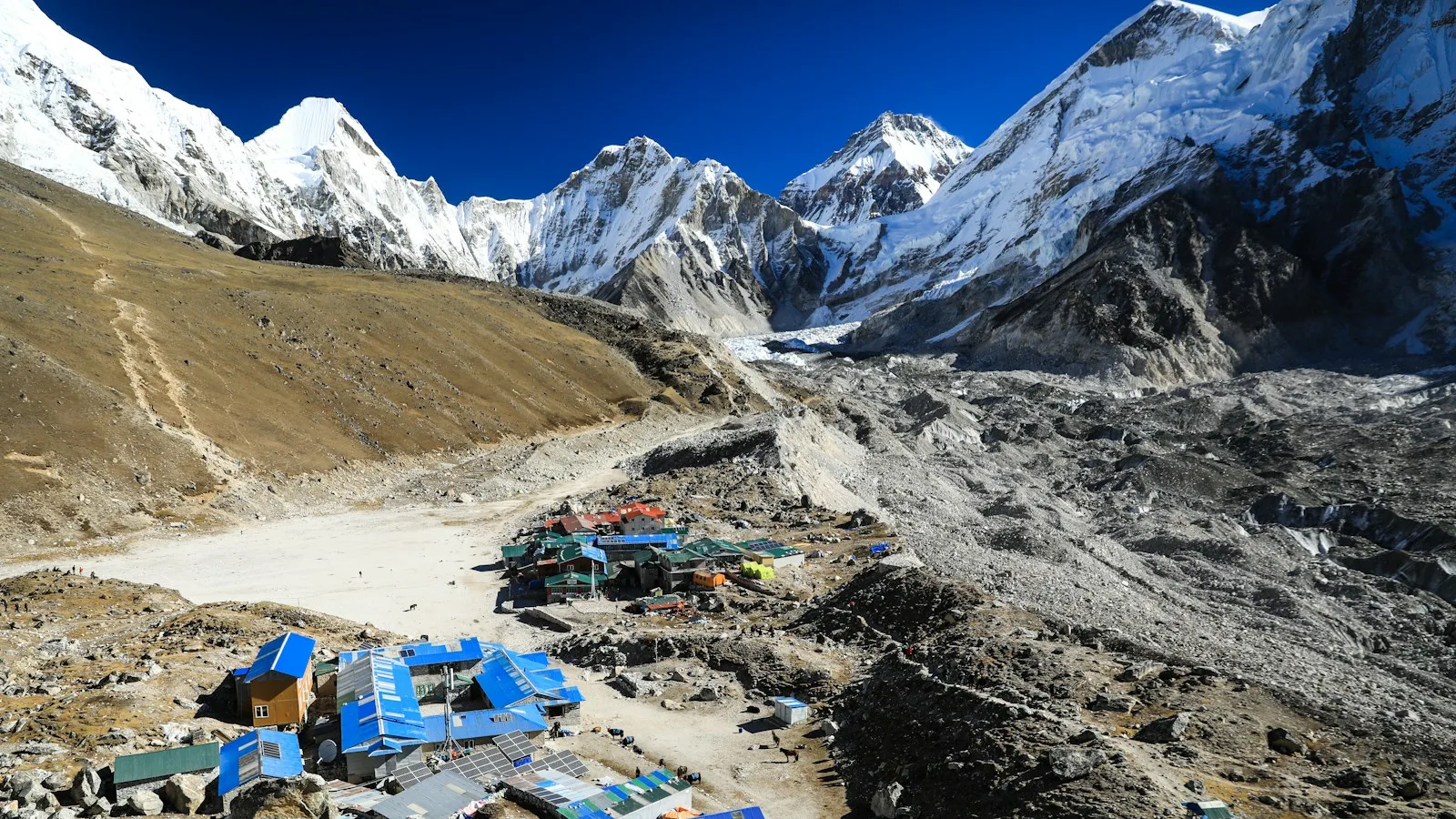
Can a Beginner Do the Everest Base Camp Trek? The Honest Difficulty Answer (2026)
No mountaineering skills required — but altitude, not fitness, is what actually turns beginners back. Here is the real difficulty, by the numbers.