
Medical Tourism in 2026: The Countries Where Treatment Costs a Fraction of the US Price
Heart bypass, knee replacement, dental implants and more — how far your money goes in Thailand, India, Mexico, Turkey, Malaysia and Costa Rica, and the accreditation and insurance checks to do first.
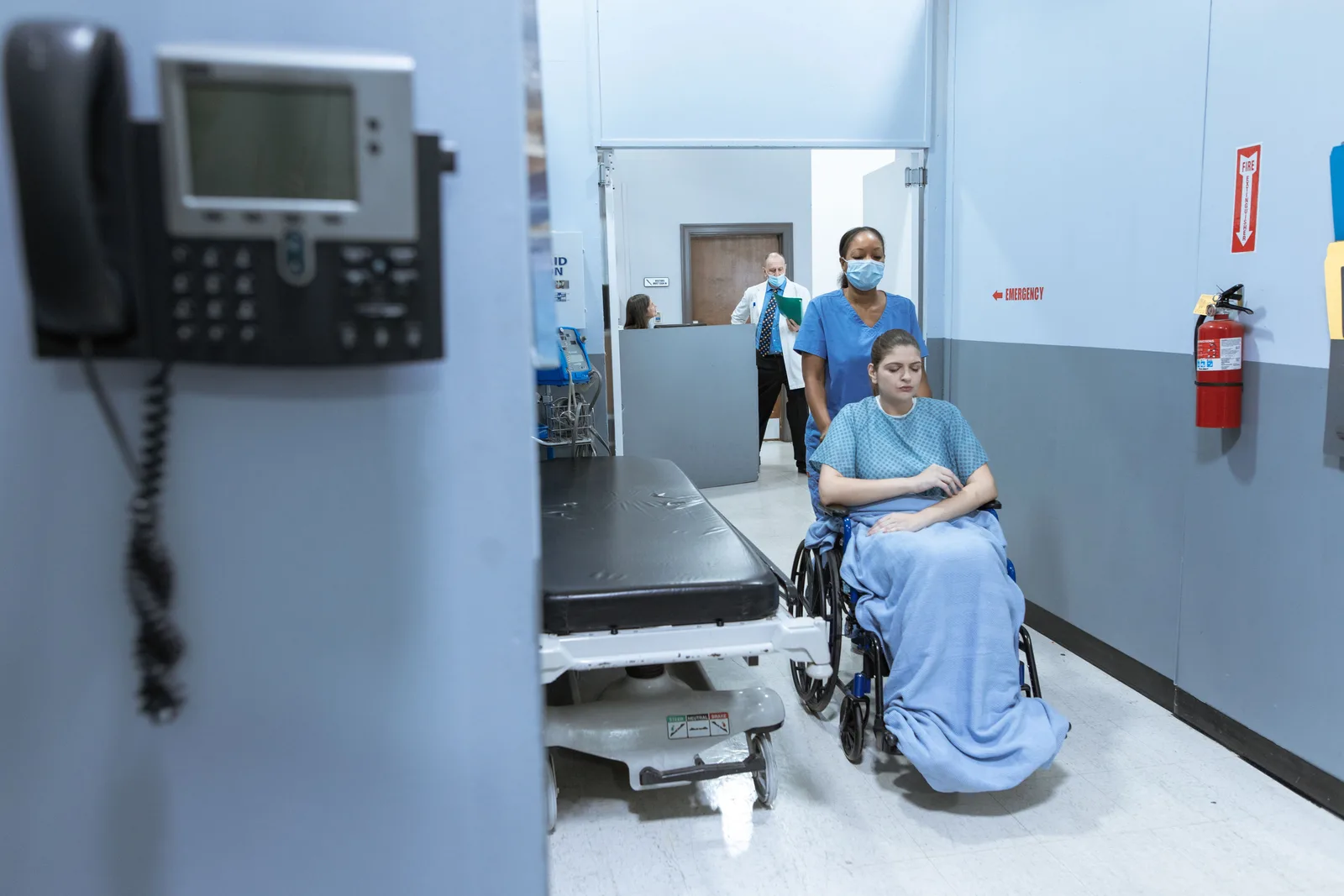
You booked a flight to Bangkok for a beach holiday. The person in the next seat is flying out for a heart valve. Medical tourism — travelling abroad for planned treatment — has quietly become one of the biggest reasons people cross borders. As of 2026 the Medical Tourism Association estimates more than 14 million people travel internationally for care each year, and the reason is blunt arithmetic: a procedure that empties a savings account in the United States can cost a fraction of that in a modern, internationally accredited hospital a plane ride away.
The short version
- Travelling for treatment can cut costs by roughly 40% to 80% versus US prices, even after flights and hotels, according to the Medical Tourism Association.
- The busiest destinations as of 2026 are Thailand, India, Mexico, Turkey, Malaysia and Costa Rica, each with a different speciality.
- Thailand alone has more than 60 hospitals accredited by Joint Commission International (JCI) — the global gold-standard used by US hospitals — one of the highest concentrations in Asia.
- The savings are real, but so are the risks: standard travel insurance usually excludes planned procedures and any complications, and the CDC warns follow-up care and legal recourse abroad are not the same as at home.
Why the price gap is so wide
The same operation, performed to a similar standard, can differ tenfold in price between countries. A coronary bypass that runs well over USD 100,000 in a US hospital is quoted in the low five figures at leading Indian cardiac centres. Lower labour and facility costs, government-backed medical-tourism industries, and hospitals that quote a single all-inclusive package price — rather than a fog of separate bills — all pull the number down. India in particular is cited as delivering some of the deepest savings, commonly 65% to 90% below US prices for cardiac surgery, joint replacement and cancer care.
What the numbers actually look like
The table below shows illustrative 2026 price ranges drawn from published cost comparisons (Patients Beyond Borders, the Medical Tourism Association and destination hospital data). Treat them as ballpark ranges, not quotes: the final figure depends on the clinic, the surgeon, room class, and how complicated your case is.
| Procedure | Typical US cost | Typical cost abroad | Where |
|---|---|---|---|
| Heart bypass (CABG) | ~USD 100,000–123,000 | ~USD 7,000–12,000 | India |
| Knee replacement | ~USD 30,000–35,000 | ~USD 6,000–15,000 | India, Thailand, Malaysia |
| Single dental implant | ~USD 3,000–5,000 | ~USD 900–1,500 | Mexico, Thailand, Turkey |
| Hair transplant | ~USD 8,000–15,000 | ~USD 2,000–3,000 | Turkey |
| Spinal surgery | ~USD 30,000 | ~USD 8,000 | Malaysia |
The six destinations, and what they are known for
Thailand is the region's showpiece for complex and cosmetic surgery, led by Bangkok hospitals such as Bumrungrad International, JCI-accredited since 2002 and treating over a million patients a year from 190-plus countries. India is the value leader for cardiac, orthopaedic and oncology work at accredited hospitals in Delhi, Chennai and Mumbai. Mexico draws Americans across the border for dentistry, bariatric and cosmetic surgery — close, cheap and quick. Turkey, and Istanbul above all, has become the world capital of hair transplants and dental work, usually sold as all-inclusive packages. Malaysia pairs low prices with strong English-language care in Kuala Lumpur and Penang, and Costa Rica is Central America's hub for dentistry and cosmetic procedures.
Accreditation is the number that matters most
Price is easy to compare; quality is not. The one signal that travels across borders is Joint Commission International (JCI) accreditation — the international arm of the body that accredits US hospitals. A JCI seal is not a guarantee of a perfect outcome, but it means the hospital has been audited against the same broad safety standards recognised at home. Before you commit, look up the specific hospital on the JCI directory, confirm your individual surgeon's credentials and case volume, and ask for the total package price in writing.
Before you book anything — verify accreditation and get the right insurance
This is general information, not medical advice. Two cautions that the CDC and medical-tourism insurers both stress: first, confirm the hospital's accreditation yourself on the official JCI register rather than trusting a brochure or a booking agent. Second, know that ordinary travel insurance almost always excludes planned procedures and any complications that follow — you need dedicated medical-tourism cover (typically USD 500–1,500) that pays for complications within 30–90 days of surgery, plus medical evacuation. Ask for your records in English, plan for follow-up care at home, and remember your legal recourse abroad is not the same as in the US. The same insurance blind spot bites travellers of every kind — we wrote about it for high-altitude trekkers in our guide to travel insurance for high-altitude trekking.
The travel side of the trip
A treatment trip is still a trip. Recovery time abroad often means one to three weeks in-country, and many patients build a genuine holiday around the tail end of it, once their surgeon clears them to travel. If you are already crossing the world and your recovery allows for gentle activity, Nepal makes a natural add-on — a slow cultural week in the Kathmandu Valley, or an easy lodge-to-lodge walk like the Ghorepani Poon Hill trek once you are fully cleared. If a bigger Himalayan trip is on your someday-list, you can browse our treks and simply tell us your recovery timeline — we will help you pick something realistic, or talk you out of it if the timing is wrong.
Cover photo: RDNE Stock project via Pexels.
来源: Medical Tourism Association; CDC Yellow Book 2026
计划徒步?
我们负责许可证、后勤与向导
NMA 认证的本地向导,价格透明,自 1998 年以来 5,000+ 次徒步。告诉我们你的日期,其余的交给我们。


更多「Money & Insurance」
Money & Insurance
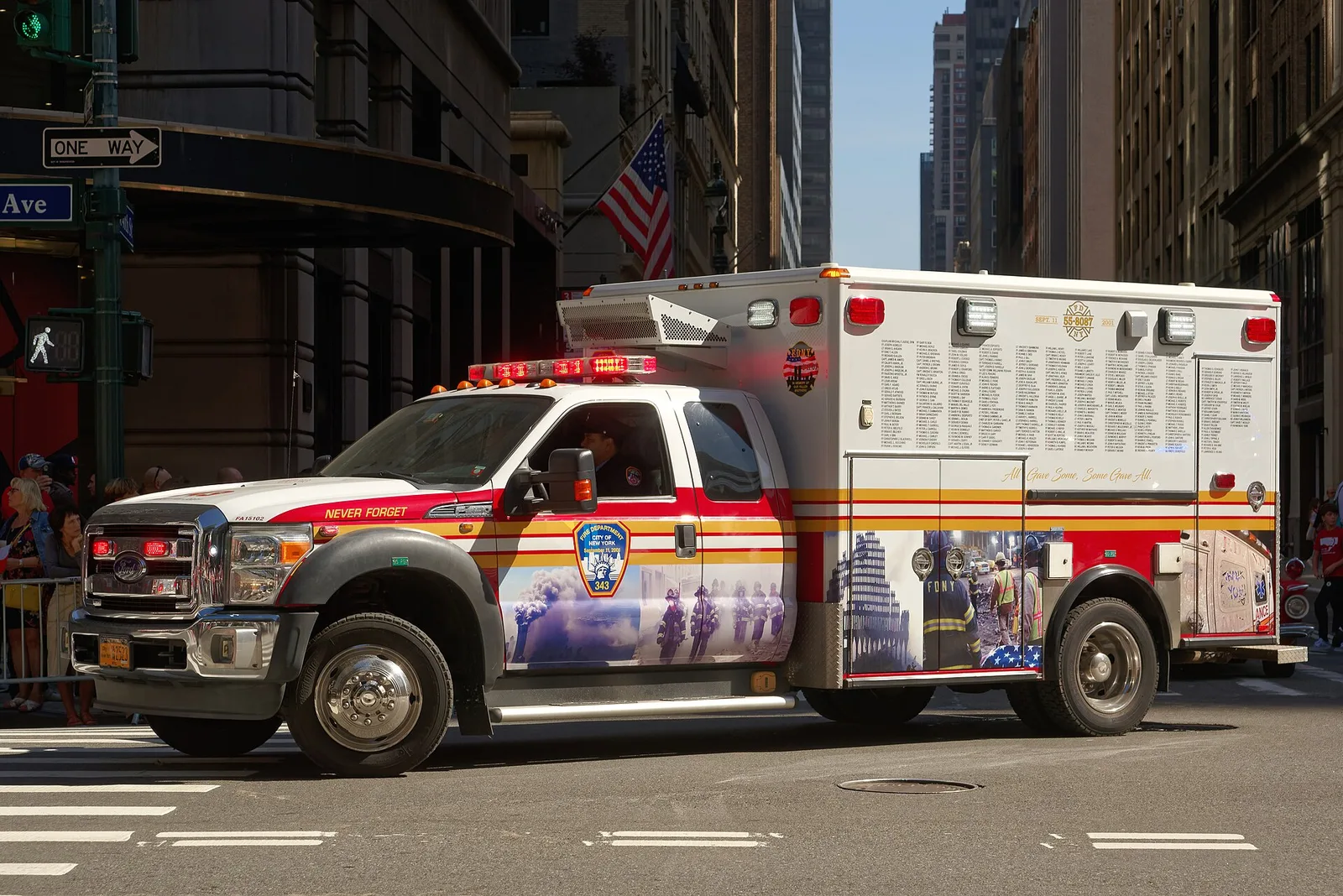
Travel Insurance for Visiting the USA in 2026: Why You Need $1M+ in Medical Cover
American hospitals bill like nowhere else on earth. Before you add a US layover or a New York stopover to your Himalayan trip, here is the medical cover that actually protects you — and why a bare-minimum policy can leave you owing five or six figures.
Money & Insurance
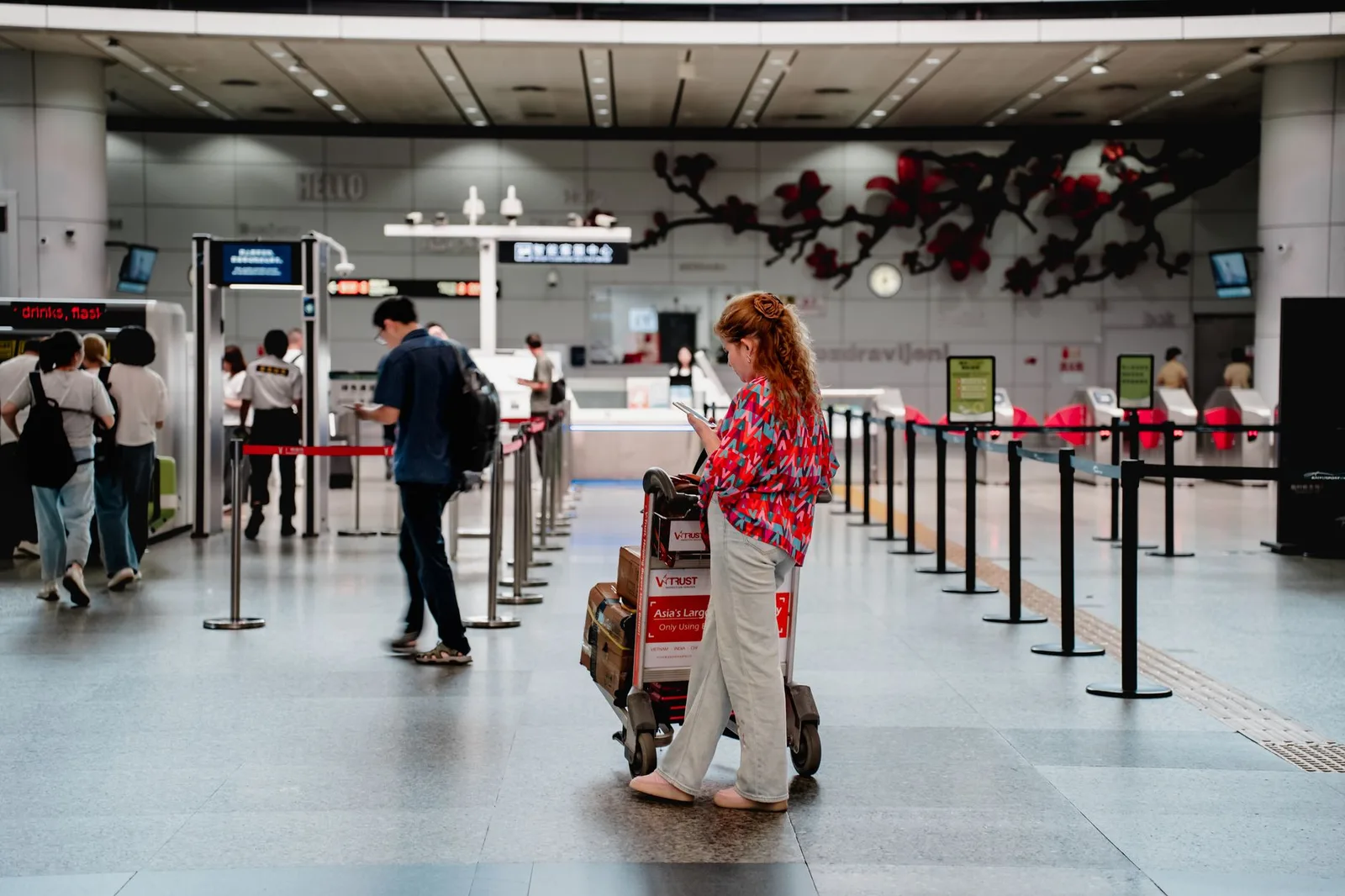
The Hidden Airline Fees That Cost You Hundreds in 2026 (and How to Dodge Them)
Baggage, seat selection, basic-economy traps, payment surcharges, change fees and currency conversion at booking can quietly double a headline fare. Here is what each typically costs in 2026 — and how to avoid it.

Money & Insurance
Annual Multi-Trip vs Single-Trip Travel Insurance in 2026: Which Actually Saves You Money?
An annual policy can be cheaper than buying cover trip by trip — but only past a break-even you can calculate yourself. Here's when it wins, the trip-length and adventure-sport limits that catch people out, and why altitude cover is a separate decision.