
The Hidden Airline Fees That Cost You Hundreds in 2026 (and How to Dodge Them)
Baggage, seat selection, basic-economy traps, payment surcharges, change fees and currency conversion at booking can quietly double a headline fare. Here is what each typically costs in 2026 — and how to avoid it.
Key facts
- Checked-bag fees on major U.S. carriers run about $45 for the first bag and $55 or more for the second as of 2026, with some basic-economy fares rising to roughly $55 / $65 from mid-May 2026.
- Seat selection can cost $25–$100+ per leg, and basic-economy tickets often assign you the worst seats free only at check-in.
- Choosing to pay in your home currency at booking — dynamic currency conversion — quietly adds around 3–5% above the real exchange rate.
- Low-cost carriers layer on carry-on fees (roughly $10 to $100+), payment-method surcharges and per-segment charges that can nearly double a headline fare.
The ticket price is rarely the price. You pick the cheapest fare, then watch the total climb as you add a bag, a seat and a card that carries a surcharge. Airline pricing in 2026 is more unbundled than ever, and the extras are where the money leaks — but almost all of them are predictable, and most are avoidable once you know how they work. Here is the field guide, fee by fee, with typical 2026 amounts and how to dodge each.
Baggage: the fee that grew up
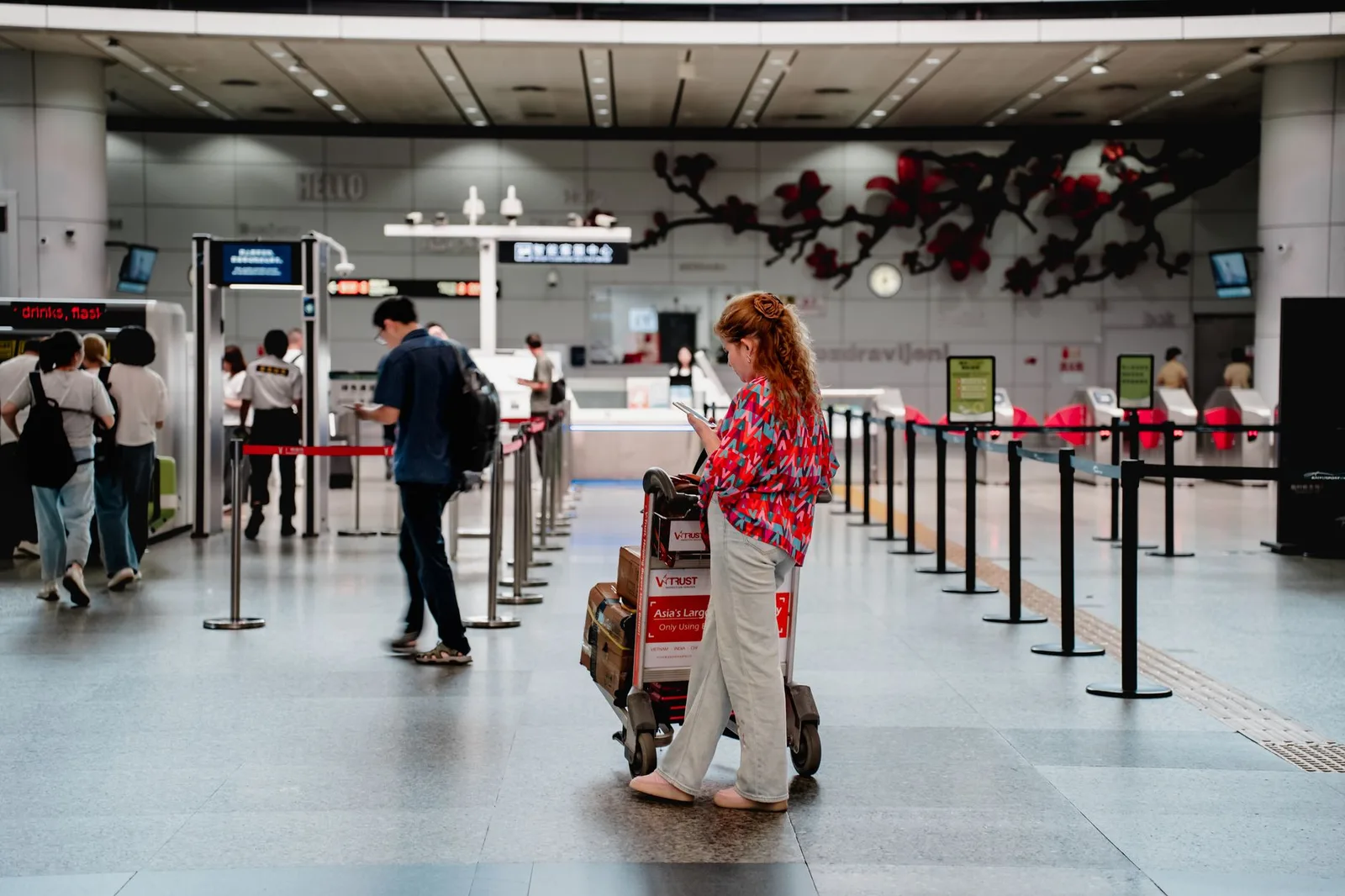
Checked bags are the classic add-on and they keep climbing. On the big U.S. network carriers, expect around $45 for a first checked bag and $55 or more for a second as of 2026; a third bag can run well over $150–$200. Many airlines shave about $5 off if you pay online in advance rather than at the airport, and some basic-economy fares are moving to roughly $55 for the first bag and $65 for the second from mid-May 2026. Carry-on is its own trap: on legacy carriers, basic economy usually includes only a personal item, and a full-size cabin bag needs a paid upgrade of about $25–$75. On low-cost carriers a carry-on can run from around $10 to more than $100 — and it is dearest if you pay at the gate.
| Fee | Typical cost (2026) | How to avoid it |
|---|---|---|
| First checked bag | ~$45 (basic economy ~$55 from mid-May 2026) | Prepay online; use an airline card or status that includes a free bag |
| Second checked bag | $55+ (up to ~$65 on some fares) | Pack lighter or share a travelling companion's allowance |
| Carry-on (basic economy / low-cost) | $10–$100+ (highest at the gate) | Buy a fare that includes it; measure your bag to the airline's sizer |
| Seat selection | $25–$100+ per leg | Skip it and take a free assigned seat, or use elite / card waivers |
| Change fee (basic economy) | Often non-changeable; otherwise fare difference | Buy standard economy or better for any flexibility |
| Payment surcharge (some low-cost carriers) | A percentage or flat fee per booking | Pay with a card type the airline does not surcharge |
| Currency conversion at booking (DCC) | ~3–5% above the real rate | Pay in the airline's own / local currency, not yours |
Seat selection and the basic-economy trap
Choosing a seat is now normal, from around $25 in standard economy to $100 or more for extra legroom on a long leg. If you do not pay, most airlines still assign you one free at check-in — so if you are travelling solo and do not mind where you sit, skipping it costs nothing. The real sting is basic economy. Beyond the worst seats and no changes, a growing 2026 pattern is the ancillary clawback: money you spend on a seat, priority boarding or a pre-paid meal can be forfeited if your plan changes. Do the maths: once you add a bag, a seat and the flexibility you need, basic economy is often dearer than standard economy.
Change, cancel and the "no change fee" asterisk
Most major carriers dropped change fees on standard and premium fares, which sounds generous — but "no change fee" is not "no cost". You still pay any fare difference when you rebook, and that can dwarf an old fixed fee on a busy route. Basic economy is typically excluded entirely: non-changeable and non-refundable. Same-day changes are often a separate charge (Alaska, for instance, lists a $50 same-day change, less within California). If your dates might move, a standard fare's flexibility usually beats gambling on the lowest bucket.
Payment surcharges and currency conversion at booking
Two fees hit before you even fly. Some low-cost carriers add a payment surcharge — a percentage or flat fee — depending on how you pay, so switching card type at checkout can quietly cut the total. The sneakier one is dynamic currency conversion: when you book on a foreign airline's site, it may offer to charge you in your home currency. That familiar number feels safer, but the airline's processor sets the rate, marked up roughly 3–5% above the real one. Always choose the airline's own or the local currency and let your bank convert. This is the same trap that ambushes travellers at foreign card terminals and ATMs — we break it down in our guide to avoiding foreign-transaction and ATM fees abroad in 2026.
Low-cost-carrier gotchas
Budget airlines keep headline fares low precisely because the extras are unbundled. Beyond bags and seats, watch for per-segment carrier or "fuel" charges of roughly $75–$150 on some tickets, fees to check in or print a boarding pass at the airport, strict bag-size limits enforced at the gate, and priority-boarding upsells. None are scams — they are the business model — but the number you see first is rarely the number you pay. Add every extra you truly need before comparing a budget fare against a full-service one.
Two habits that save the most
First, at any airline checkout abroad, choose to be billed in the local currency, never your own — that one click avoids a 3–5% conversion markup. Second, measure your bag to the airline's sizer and prepay any allowance online; gate and airport prices are always the highest on the list.
A Nepal note: the lightest baggage rules you will meet
If your 2026 trip ends in the Himalaya, the baggage maths changes twice. On the international leg into Kathmandu, check your ticket's allowance — many fares from Europe, the Gulf and Asia include a generous checked bag, but the cheapest buckets do not, and excess is far dearer at the airport than online. Then comes the mountain leg. The short flights to Lukla, the gateway to Everest, cap you at just 10 kg of checked luggage plus 5 kg of hand-carry — 15 kg total, with excess charged at roughly $1 per kilogram, in cash, at the counter on the morning of your flight. Those tiny short-takeoff aircraft simply cannot carry more at altitude. Pack to the limit, leave a duffel of city clothes at your Kathmandu hotel, and read our full Lukla flight guide for 2026 before you fly.
When you trek with us, our team handles the domestic flight logistics and Lukla weight limits — so the only surprise on your bill is how much of the trip we already covered. Browse our Everest Base Camp treks and let us take the guesswork out of getting there.
Cover photo: dongfang xiaowu via Pexels (Pexels License).
来源: Skyscanner / KAYAK / U.S. DOT airline fee schedules
计划徒步?
我们负责许可证、后勤与向导
NMA 认证的本地向导,价格透明,自 1998 年以来 5,000+ 次徒步。告诉我们你的日期,其余的交给我们。


更多「Money & Insurance」
Money & Insurance
Travel Insurance for Visiting the USA in 2026: Why You Need $1M+ in Medical Cover
American hospitals bill like nowhere else on earth. Before you add a US layover or a New York stopover to your Himalayan trip, here is the medical cover that actually protects you — and why a bare-minimum policy can leave you owing five or six figures.
Money & Insurance
Annual Multi-Trip vs Single-Trip Travel Insurance in 2026: Which Actually Saves You Money?
An annual policy can be cheaper than buying cover trip by trip — but only past a break-even you can calculate yourself. Here's when it wins, the trip-length and adventure-sport limits that catch people out, and why altitude cover is a separate decision.
Money & Insurance
Medical Tourism in 2026: The Countries Where Treatment Costs a Fraction of the US Price
Heart bypass, knee replacement, dental implants and more — how far your money goes in Thailand, India, Mexico, Turkey, Malaysia and Costa Rica, and the accreditation and insurance checks to do first.