
The Most Dangerous 8,000m Peak: Annapurna I's Fatality Rate
By the summit-to-death ratio, Annapurna I is the deadliest of the fourteen 8,000-metre peaks — what the Himalayan Database and Guinness numbers actually say, next to K2 and Everest.
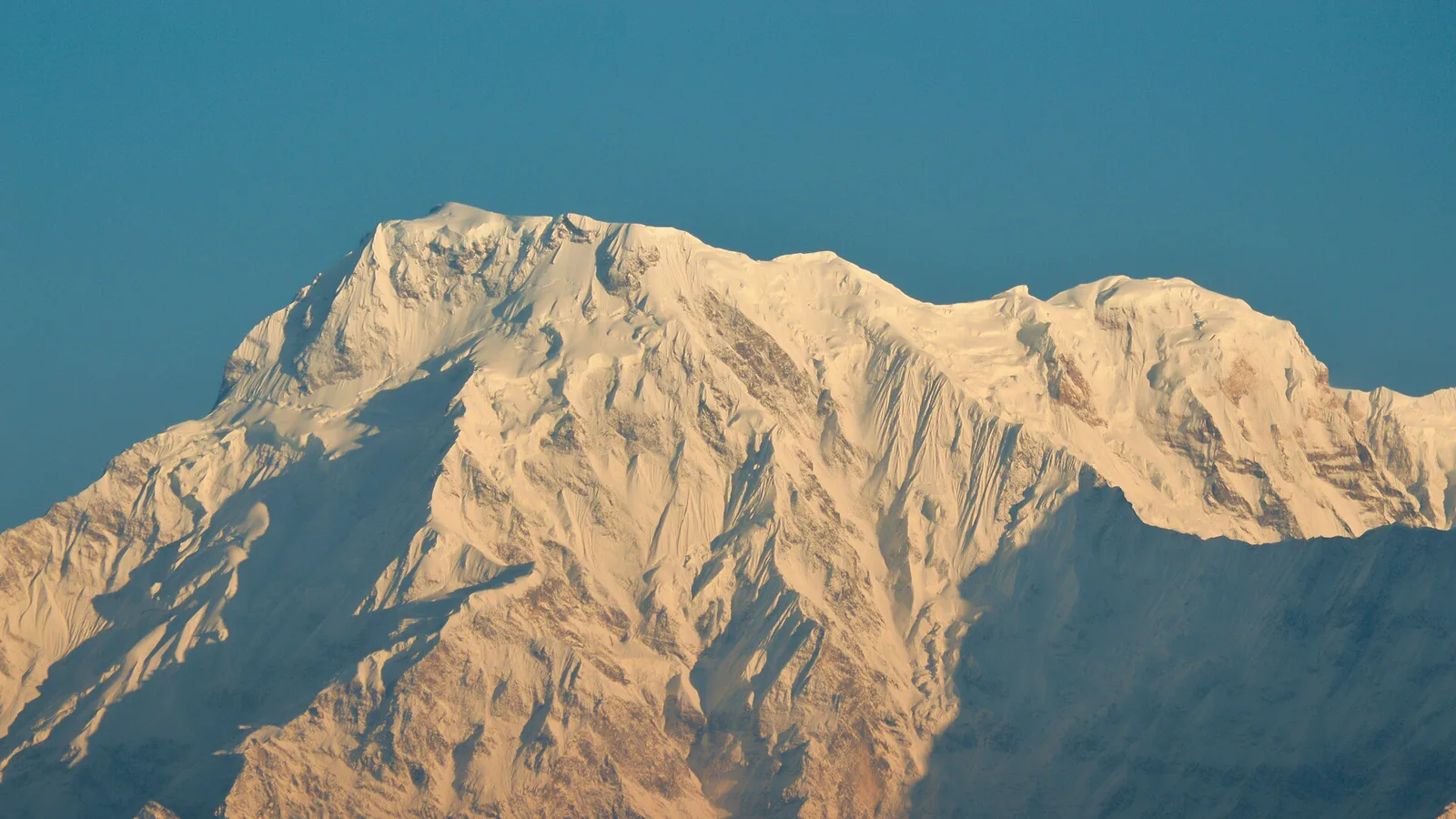
K2 has the fearsome name. Everest has the crowds and the headlines. But by the one measure that matters to a climber — how many people die for every one who reaches the top — the deadliest of the fourteen 8,000-metre peaks is Annapurna I, the Nepali giant that was also the first 8,000er ever climbed. Here is what the summit-and-death record actually says, next to K2 and Everest, and why the mountain earns the number.
The number, and how it has moved
Guinness World Records lists Annapurna I at 75 deaths against 559 successful ascents — about 13.4 deaths for every 100 summits as of early 2026. That is the lowest the figure has ever been, and it is still the highest of any 8,000-metre peak. For most of the mountain’s history the ratio was far grimmer: from the first ascent in 1950 to 2006, there were roughly 150 summits against 58 deaths, a fatality-to-summit ratio near 39%. As the total number of ascents has slowly grown, the running percentage has fallen — about 19.7% by 2022, then into the low teens — but Annapurna has never lost the top spot. It is deadly not because many people die there in absolute terms, but because so few succeed relative to how many the mountain takes.
Why Annapurna I kills
The reason is written into the mountain’s shape. The standard route up the north face runs directly beneath enormous hanging seracs and slopes primed to avalanche; there is no way to the summit that avoids sustained objective hazard — danger that no amount of skill removes, because it falls on its own schedule. The weather is fickle, the descent is as exposed as the climb, and rescue high on the peak is close to impossible. Where a strong climber can, in a sense, out-decide the danger on some peaks, on Annapurna the danger is overhead and indifferent.
| Peak | Height | Deaths per 100 summits | Reputation |
|---|---|---|---|
| Annapurna I (Nepal) | 8,091 m | ~13.4% | Deadliest 8,000er by ratio |
| Nanga Parbat (Pakistan) | 8,126 m | ~20–22% historic | “Killer Mountain” |
| K2 (Pakistan/China) | 8,611 m | ~9.5% through 2025 | “Savage Mountain” |
| Kangchenjunga (Nepal/India) | 8,586 m | ~15–22% | Remote, storm-prone |
| Everest (Nepal/China) | 8,849 m | ~4% | Highest, most climbed |
The percentages are not all measured the same way — some are all-time, some recent, and older peaks with fewer ascents swing more — which is why K2’s modern rate now sits below its savage historic average, and why Annapurna’s low total of ascents keeps its ratio high. We unpack how these numbers are counted in which 8,000er actually kills the most climbers.
The mountain that started it all
Annapurna I holds another distinction: on 3 June 1950, Maurice Herzog and Louis Lachenal of France reached its summit, the first time any human had stood on top of an 8,000-metre peak. Both men paid for it with severe frostbite and lost fingers and toes on the descent. Seventy-five years on, the mountain that opened the era of high-altitude climbing is still the one most likely to keep a climber.
A death rate is a climber’s statistic, not a trekker’s. The figures above are for mountaineers on the summit route above 7,000 m — not for the tens of thousands who trek safely into the Annapurna Sanctuary each year to look up at the peak from its base. The two experiences share a name and nothing else. If you want to see Annapurna, message us on WhatsApp at +45 91 71 72 19 or through our contact page.
See Annapurna I from the safe side
The trek into the Annapurna Sanctuary walks you to 4,130 m at Annapurna Base Camp, directly under the south face — no objective climbing hazard, just the amphitheatre of peaks. These are the two we run most:
- Annapurna Base Camp Trek — 7 days · the classic Sanctuary walk-in
- Annapurna Base Camp Trek — 9 days · a gentler, better-acclimatised version
Sources. Annapurna I deaths and ascents: Guinness World Records and Global Summit Guide (75 deaths / 559 ascents, early 2026); historic ratio: Much Better Adventures and the Himalayan Database. K2 figures: Global Summit Guide (92 deaths / 964 summits through 2025). Nanga Parbat, Kangchenjunga and Everest comparative rates: Global Summit Guide and Namas Adventure. First ascent: historical record, 3 June 1950. Fatality ratios vary by counting method and date; figures are given as published.
Cover photo: Timothy A. Gonsalves via Wikimedia Commons (CC BY-SA 4.0).
来源: Guinness World Records / Global Summit Guide
计划徒步?
我们负责许可证、后勤与向导
NMA 认证的本地向导,价格透明,自 1998 年以来 5,000+ 次徒步。告诉我们你的日期,其余的交给我们。


更多「Records & People」
Records & People
Nims Purja's Project Possible: All 14 Peaks in 6 Months, 6 Days
How Nirmal 'Nims' Purja climbed every 8,000-metre mountain in 189 days in 2019, shattering a record that had stood almost eight years — and how the speed record has fallen twice since. Every date and time sourced.
Records & People
The Deadliest Avalanches in the Nepal Himalaya
From the 2014 Khumbu Icefall to the earthquake that swept Everest Base Camp in 2015 — the deadliest avalanches in Nepal's mountains, their causes and tolls, recorded with respect.
Records & People
Everest Records: The Fastest, Oldest, and Most Summits
Mount Everest's verified record book — who has summited most, who was oldest and youngest on top, and the fastest ascent ever timed, with every name, number and year sourced.