
The Deadliest Avalanches in the Nepal Himalaya
From the 2014 Khumbu Icefall to the earthquake that swept Everest Base Camp in 2015 — the deadliest avalanches in Nepal's mountains, their causes and tolls, recorded with respect.
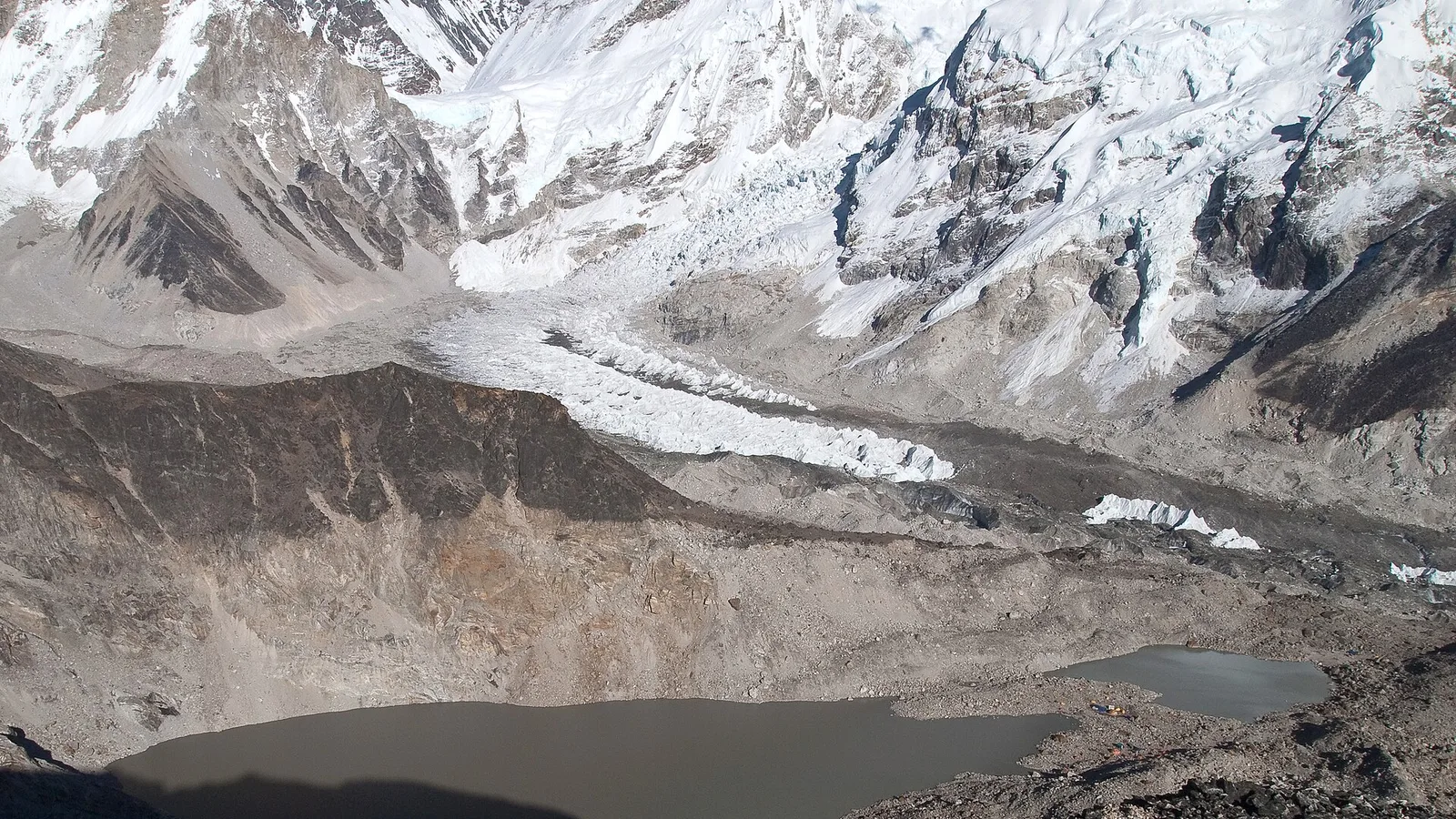
An avalanche is the hazard that a Himalayan guide thinks about most and controls least. You can read the weather, choose the hour, keep the group moving through the exposed ground before the sun loosens the snow — and still the mountain decides. Nepal’s deadliest avalanches are worth setting down plainly, not for drama but because the record is how we learn where the danger actually sits. These are the worst of them, with the tolls and causes as they are documented.
Key facts
- The 2015 Nepal earthquake triggered the deadliest single day on Everest — an avalanche that swept Base Camp, killing at least 22 people.
- The same earthquake loosed an ice-and-rock avalanche that buried the village of Langtang, the deadliest avalanche event on any Nepal trekking route.
- A 2014 storm on the Annapurna Circuit’s Thorong La pass killed around 43 trekkers and guides in a single night.
- The 2014 Khumbu Icefall ice avalanche killed 16 Sherpa climbers and changed how the Everest season is run.
2015: the earthquake that reached Base Camp and Langtang
At 11:56 on 25 April 2015, a magnitude-7.8 earthquake struck central Nepal. On Everest, the shaking loosed a serac avalanche off Pumori that swept across Base Camp; at least 22 people were killed and more than 60 injured, making it the deadliest single incident in the mountain’s history. It remains the deadliest day Everest has ever seen.
The same quake did something worse in the Langtang valley, north of Kathmandu. A block of ice and rock sheared off the slopes above and buried the village of Langtang and several settlements around it under debris. Estimates of the dead range from roughly 175 confirmed to more than 300 — local Tamang residents, foreign trekkers, and Nepali soldiers among them. It is the deadliest avalanche event ever recorded on a Nepal trekking route. Langtang has since been rebuilt higher up the valley by the families who survived, and it is walked again today.
2014: a night on Thorong La
On 14 October 2014, at the height of the autumn season, the remnants of Cyclone Hudhud collided with a mountain trough and dropped nearly 1.8 metres of snow on the Annapurna Circuit in around twelve hours. The worst of it caught trekkers on and around the Thorong La, the circuit’s 5,416 m high point. Around 43 people died in the blizzard and the avalanches it set off, and some 175 were injured, many losing fingers and toes to frostbite. October is normally the safest, clearest trekking month, which is exactly why so many were caught unprepared. The disaster led Nepal to build out weather-warning and check-post systems on the route.
2014: the Khumbu Icefall
Five months earlier, on 18 April 2014, seracs failed on the western shoulder of Everest and sent an ice avalanche across the Khumbu Icefall at about 5,800 m, in a section climbers call the popcorn field. Sixteen Sherpa climbers — the men who carry loads and fix the route through the icefall before dawn — were killed. It was, at the time, the deadliest single incident on the mountain, and it stopped the 2014 season. It also forced a hard conversation about insurance, pay and risk for the Nepali workers who take the icefall’s exposure over and over so that others take it once.
| Event | Date | Recorded toll | Cause |
|---|---|---|---|
| Langtang valley, buried village | 25 Apr 2015 | ~175 to 300+ | Earthquake-triggered ice & rock avalanche |
| Everest Base Camp | 25 Apr 2015 | At least 22 | Earthquake-triggered serac avalanche off Pumori |
| Annapurna Circuit, Thorong La | 14 Oct 2014 | ~43 | Cyclone-fed blizzard & avalanches |
| Khumbu Icefall, Everest | 18 Apr 2014 | 16 | Serac collapse off the west shoulder |
| Manaslu, Camp 3 | 23 Sep 2012 | 11 | Serac-triggered slab avalanche |
What the record actually teaches
Two patterns run through this list. First, the biggest tolls come not from bad decisions on a trail but from forces above it — an earthquake, a cyclone’s tail, a serac that had been waiting for years. Second, the mountain does not distinguish between a client and a guide; the 2014 icefall took only Nepali workers. Good operators respond to both by managing the things they can: crossing avalanche terrain early, watching the weather windows honestly, and never treating a fixed departure date as more important than a safe one. The one hazard that has changed most in recent years is water rather than snow — glacial-lake floods and flash floods — and we keep a separate, practical guide to that.
Trekking this season? Read our plain-language flash-flood and glacial-lake-outburst safety guide before you go, and message us on WhatsApp at +45 91 71 72 19 or through our contact page with any route-safety question. We will tell you if a date or a route is a bad idea.
Walk the classic routes, managed properly
The famous trekking trails are open and safe when they are timed and guided well. These are the two we run most:
- Everest Base Camp Trek — 14 days · the walk-in, not the icefall
- Annapurna Base Camp Trek — 7 days · the Sanctuary, timed for stable snow
Sources. 2015 Everest Base Camp avalanche toll and cause: Wikipedia (2015 Mount Everest avalanches) and contemporaneous reporting. Langtang valley toll: NASA Earth Observatory, ICIMOD and CBS News. 2014 Annapurna Circuit blizzard: National Geographic, ABC News and Backpacker. 2014 Khumbu Icefall: National Geographic and Wikipedia (2014 Mount Everest ice avalanche). 2012 Manaslu: Alan Arnette and ESPN. Tolls are given as documented; some ranges remain because bodies were never recovered.
Cover photo: Vyacheslav Argenberg via Wikimedia Commons (CC BY 4.0).
来源: National Geographic / Wikipedia / ICIMOD
计划徒步?
我们负责许可证、后勤与向导
NMA 认证的本地向导,价格透明,自 1998 年以来 5,000+ 次徒步。告诉我们你的日期,其余的交给我们。


更多「Records & People」
Records & People
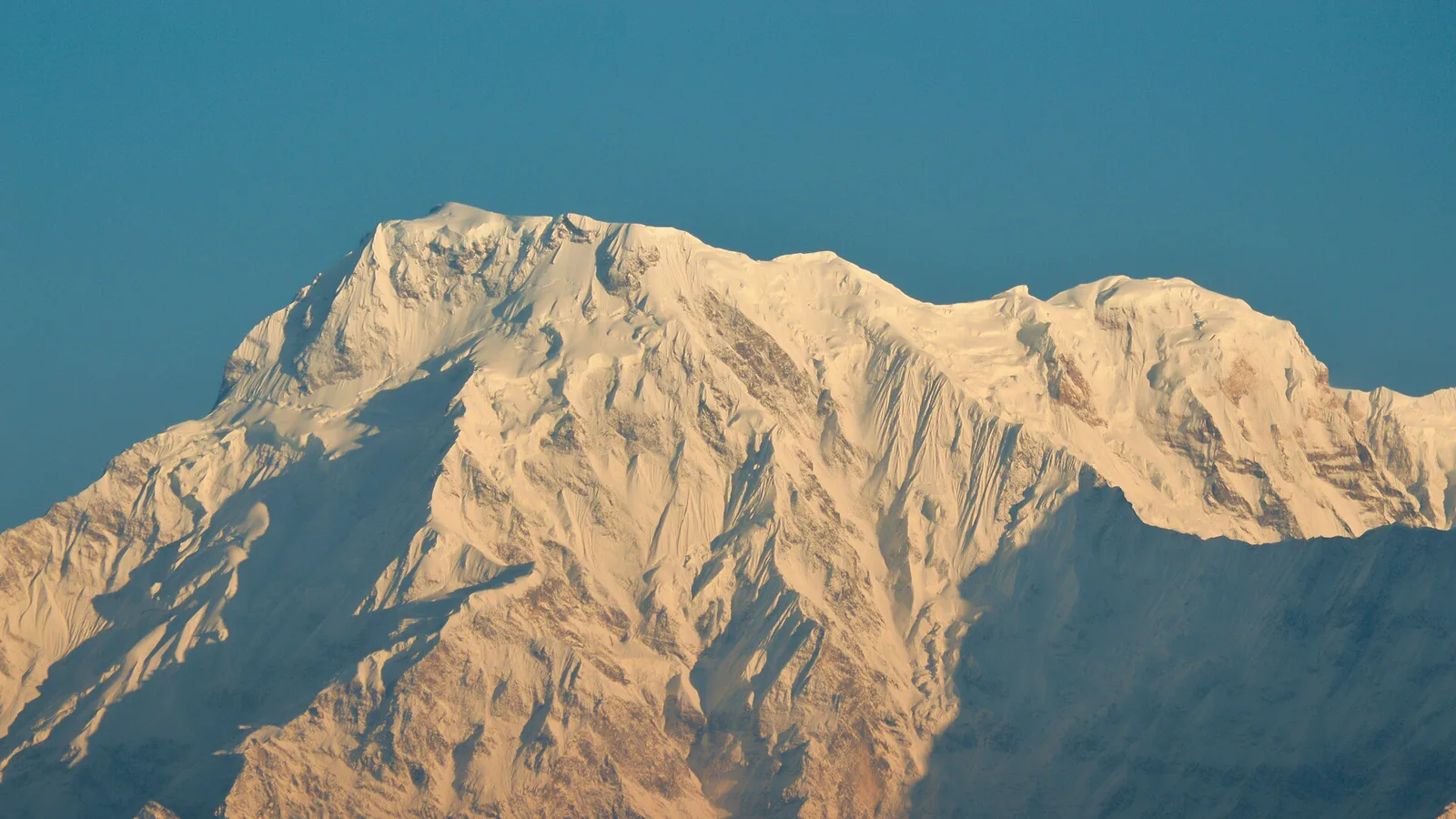
The Most Dangerous 8,000m Peak: Annapurna I's Fatality Rate
By the summit-to-death ratio, Annapurna I is the deadliest of the fourteen 8,000-metre peaks — what the Himalayan Database and Guinness numbers actually say, next to K2 and Everest.
Records & People
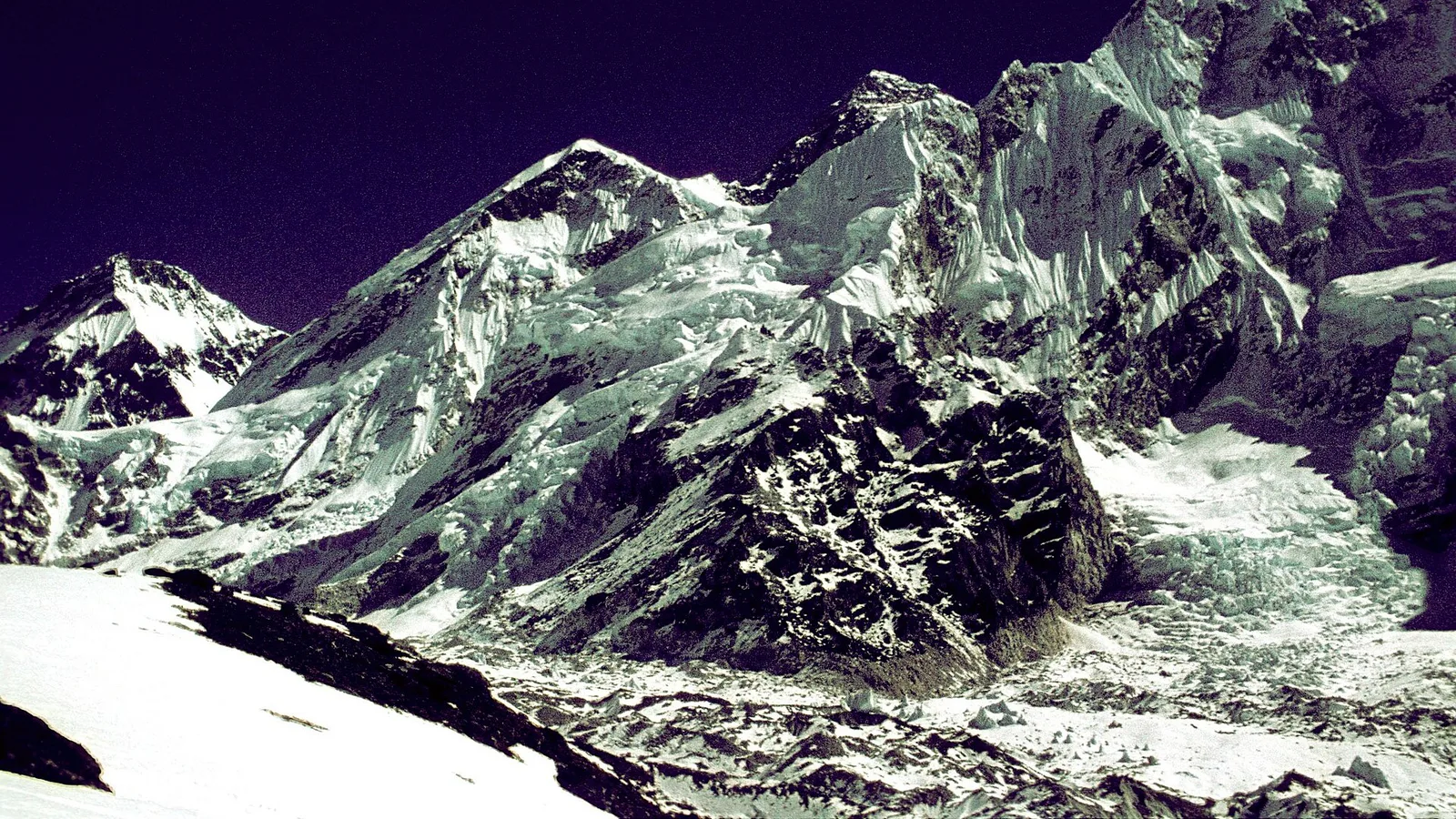
Everest Records: The Fastest, Oldest, and Most Summits
Mount Everest's verified record book — who has summited most, who was oldest and youngest on top, and the fastest ascent ever timed, with every name, number and year sourced.
Records & People
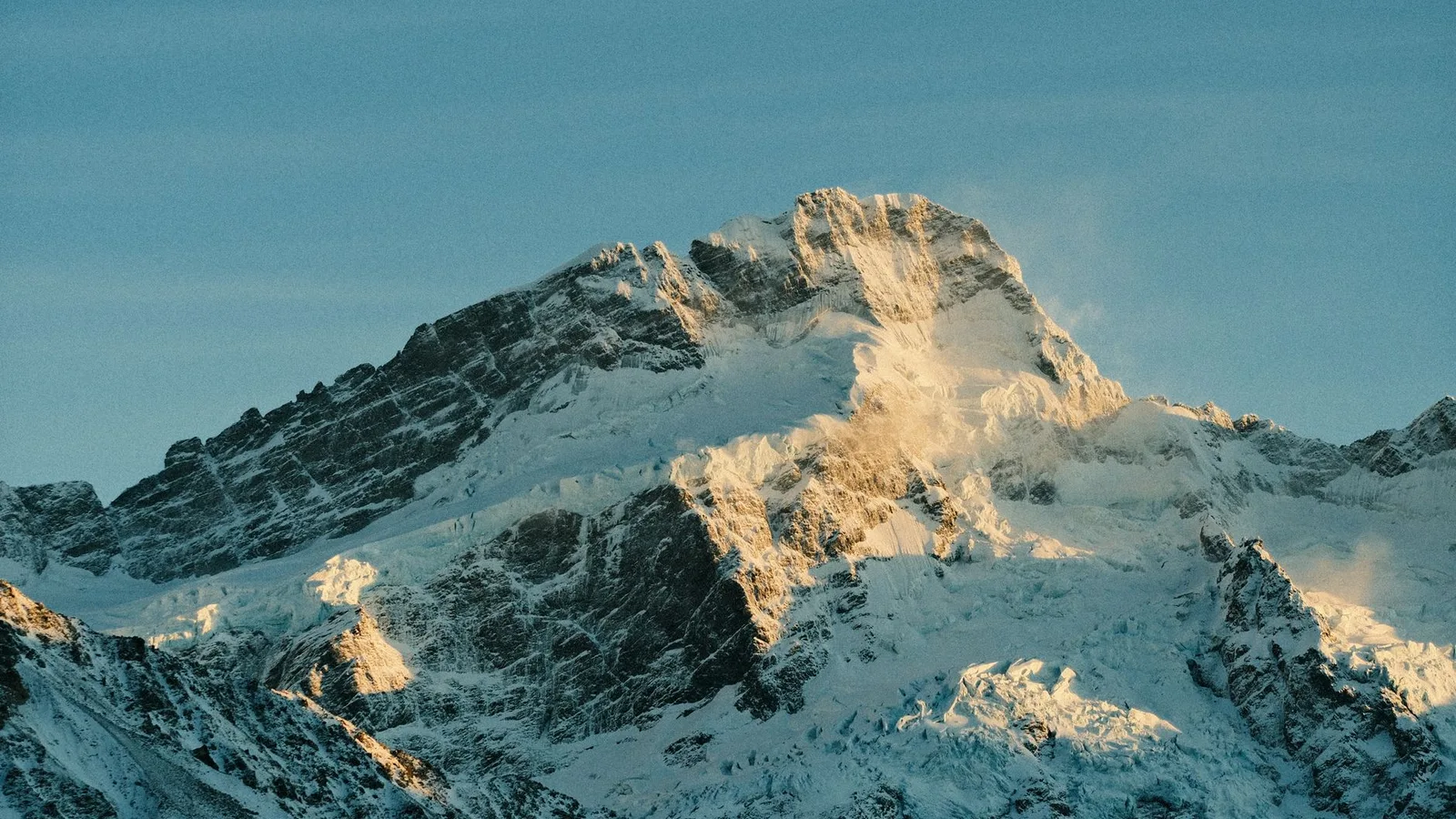
Mount Everest Is Still Growing — and a Hijacked River 47 Miles Away Is Pushing It Up
A 2024 study in Nature Geoscience found the world's tallest mountain gains roughly 2mm a year from an ancient river 'piracy' event on top of the tectonic collision that built it in the first place.