
The deadliest 8,000-metre peak is not K2, and not in the Karakoram
Four of the fourteen 8,000ers sit in the Karakoram, and the range gets the reputation. The numbers, peak by peak, point somewhere else entirely.
At a glance
- Published · updated
- TopicSafety & Advisories
- Verified againstAl Jazeera
- Treks coveredAma Dablam Base Camp Trek — 10 Days, Island Peak Climbing — 18 Days, Mera Peak Climbing — 15 Days
Key facts
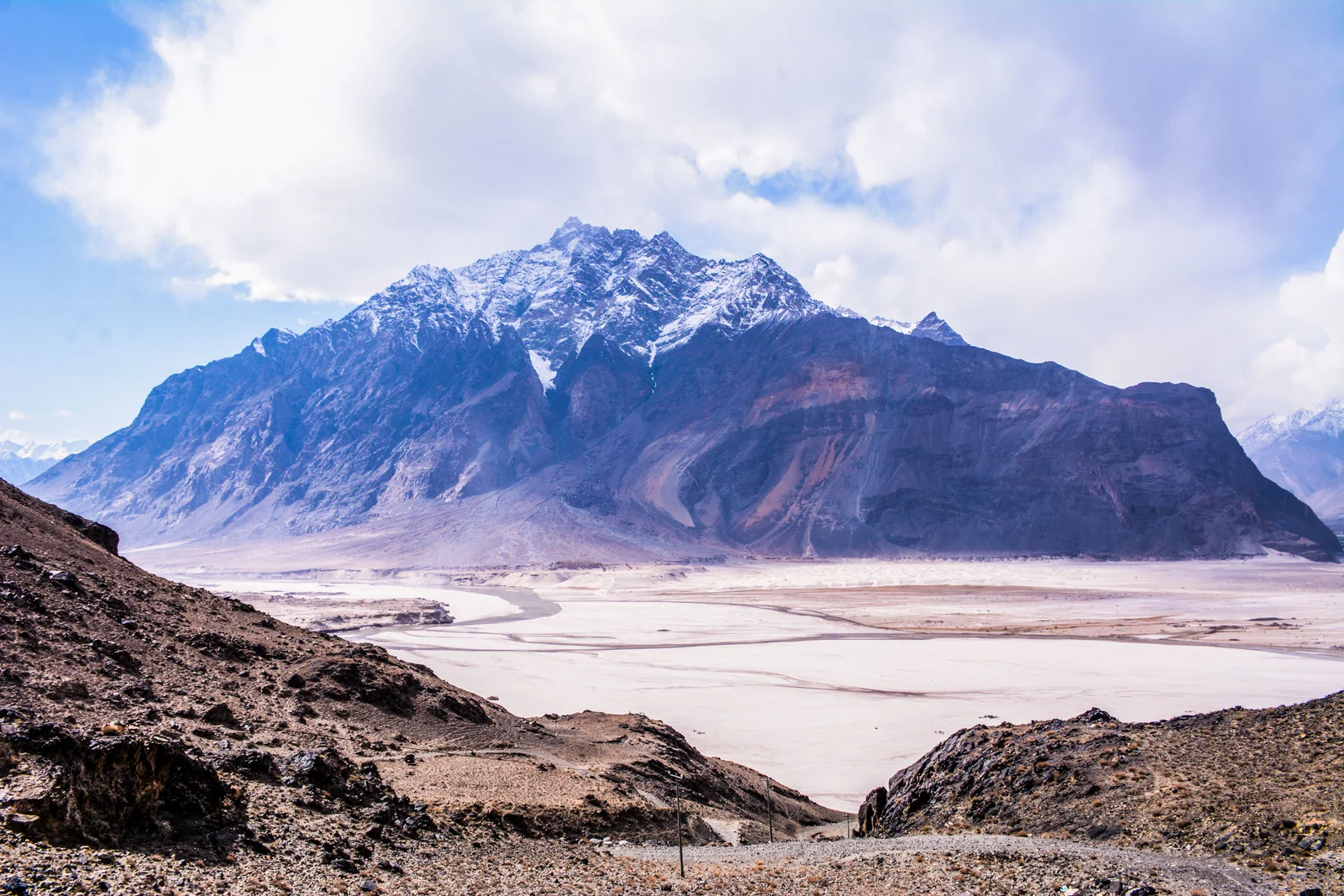
- Of the 14 peaks above 8,000 m, four are in the Karakoram — K2, Broad Peak, Gasherbrum I and Gasherbrum II.
- K2’s all-time fatality ratio sits around 20–25%, pulled toward ~13% by the record commercial seasons of 2022–23.
- Gasherbrum II, the most-climbed Karakoram 8,000er, runs about 2% — among the lowest on the list.
- The deadliest 8,000er by percentage is not in the Karakoram. It is Annapurna I, in Nepal.
- None of these figures describe trekking. They describe climbing above 8,000 m.
The Karakoram is not uniformly deadly, and the single most lethal 8,000-metre peak is in Nepal rather than Pakistan. The range’s reputation is earned, but it is concentrated in specific terrain on specific mountains rather than spread evenly across it.
Pakistan’s Broad Peak claimed at least four more lives in an avalanche near Camp 3, reviving a familiar shorthand: the Karakoram is the world’s deadliest range, full stop. Seven decades of summit-and-death records tell a more specific and more useful story.
Four of the fourteen are in the Karakoram
K2, Broad Peak, Gasherbrum I and Gasherbrum II are the Karakoram’s share of the 8,000-metre list. The other ten sit in the Himalaya proper, most of them in Nepal.
That split matters because the two ranges are usually discussed as though they were rivals with a single score each. They are not. Within the Karakoram the spread between its safest and deadliest peak is wider than the gap between the ranges.
K2’s danger has an address
Most of what makes K2 lethal happens in one place: the Bottleneck, a narrow ice-choked couloir at roughly 8,300 m directly beneath a hanging serac wall. Climbers pass under it, slowly, with no way to hurry and nowhere to move sideways.
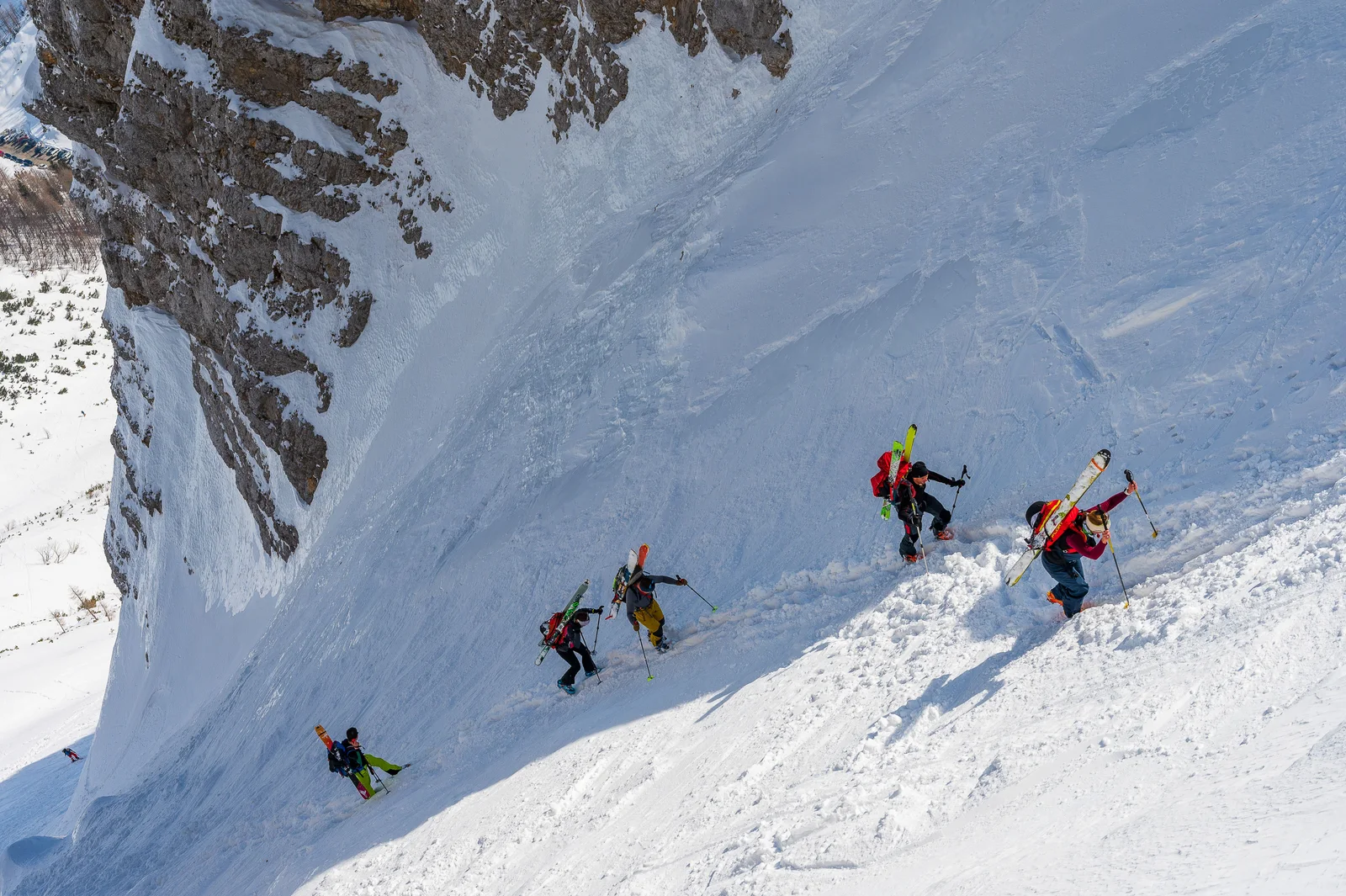
A collapse there in August 2008 killed eleven climbers in a single day, the deadliest incident in the mountain’s history. The serac does not care how skilled the party below it is, which is why K2’s number resists the usual explanation that experience lowers risk.
Broad Peak kills in a different way
Broad Peak’s risk is exposure over time rather than a single hazard overhead. The summit ridge is a long, exposed traverse where climbers move for hours with little fixed protection, in a zone with almost no permanent rescue infrastructure.
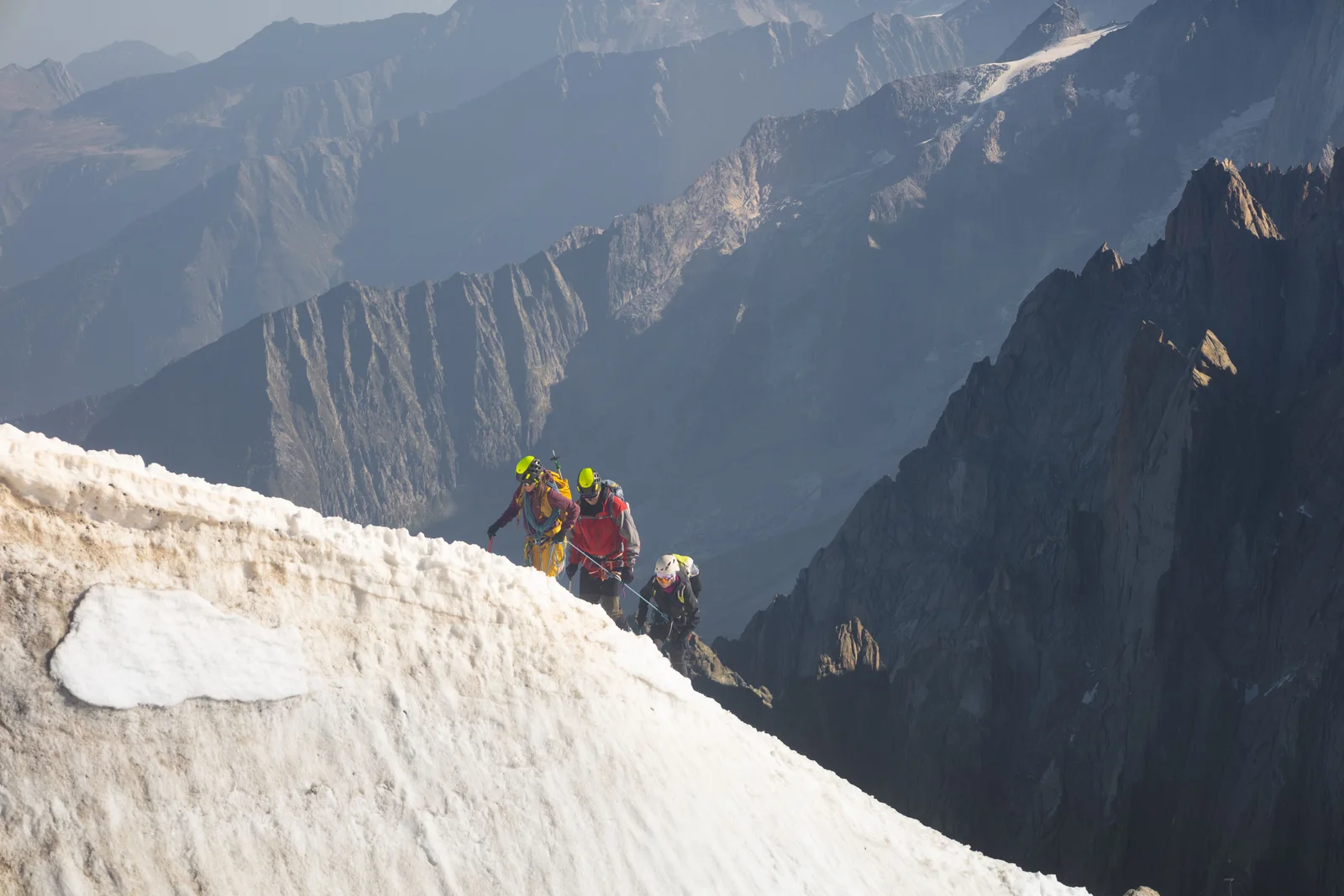
Two mountains, two entirely different failure modes, both inside the same range and both feeding the same statistic. A range-level number cannot tell you which one you are signing up for.
Gasherbrum II is the counter-example
The most-climbed Karakoram 8,000er has one of the lowest fatality rates on the entire list, at roughly 2%. It sits in the range that everyone calls the deadliest.
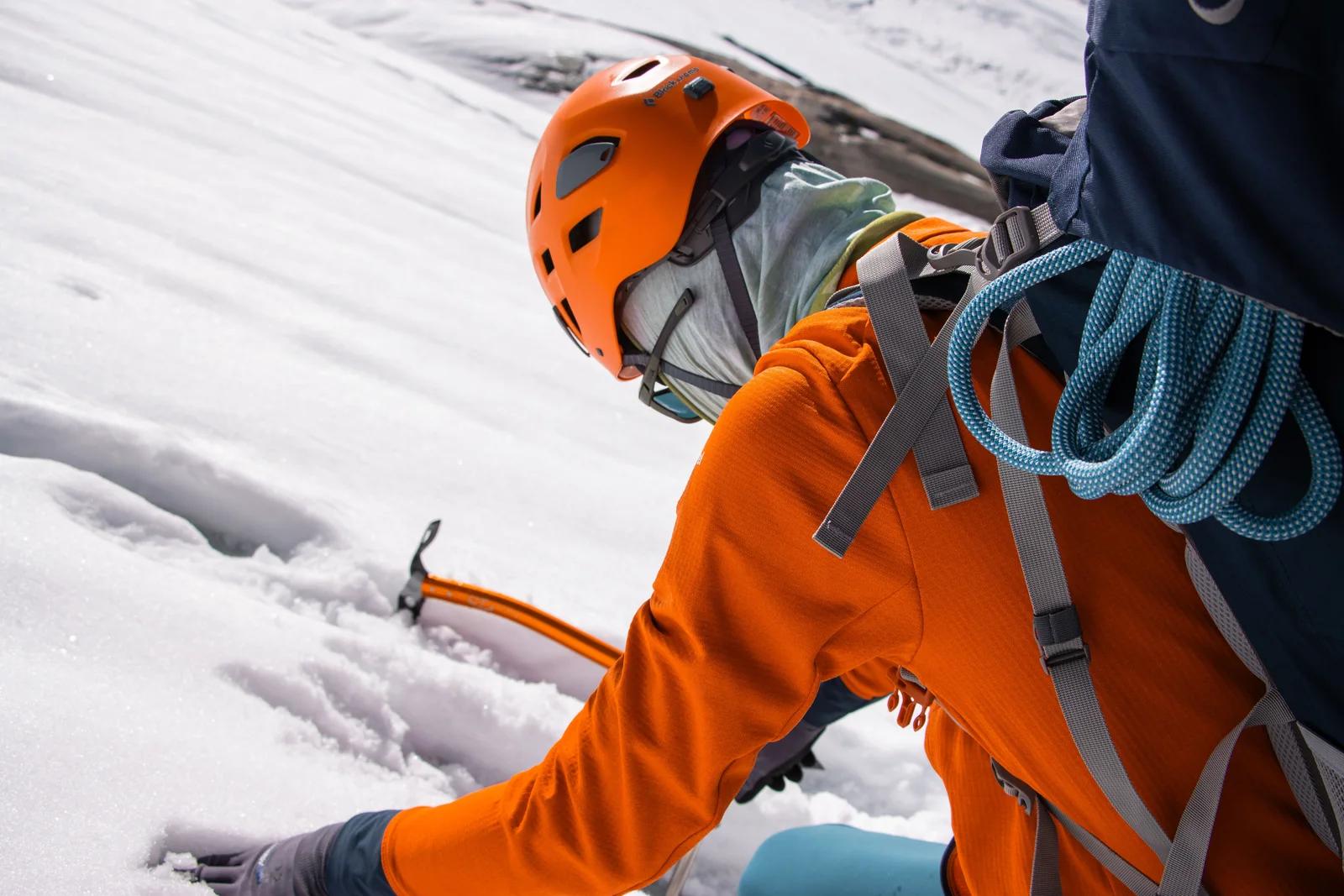
Gasherbrum II is the number that breaks the headline. If the Karakoram were uniformly lethal, its busiest peak would not be among the safest 8,000 metre mountains in the world.
The deadliest one is in Nepal
By percentage, Annapurna I in Nepal’s own Himalaya is the deadliest 8,000-metre peak, not K2 and not anything in the Karakoram. It is also far less famous for it, because fame follows height and difficulty rather than ratio.
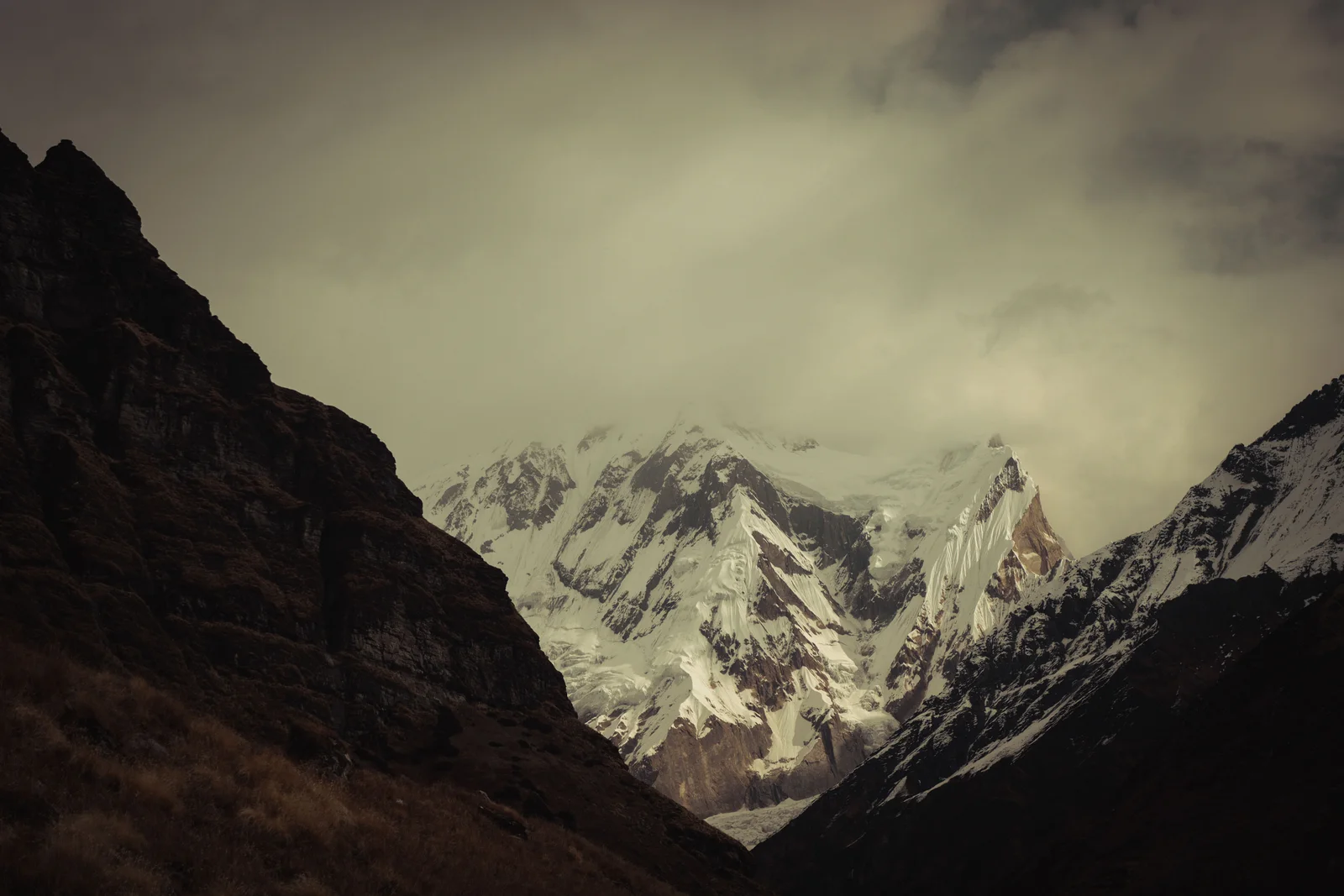
That is the most useful correction in this piece. “Karakoram versus Everest” is the wrong frame entirely — the answer is neither.
Why the all-time number misleads
A fatality ratio is deaths divided by attempts, so it moves when the number of attempts changes, without anything on the mountain changing at all. K2’s record commercial seasons in 2022–23 added a large number of summits and pulled its running figure from the 20–25% all-time range toward roughly 13%.
The mountain did not get safer by a third in two years. More people climbed it, more of them lived, and the denominator moved. Read any of these ratios as a description of the era they were accumulated in, not as a fixed property of the rock.
What this means for anyone weighing a Himalayan trip
If you found this while working out whether trekking in Nepal is dangerous, none of these numbers apply to you. They describe climbing above 8,000 metres with supplementary oxygen, fixed rope and a summit push through the death zone.
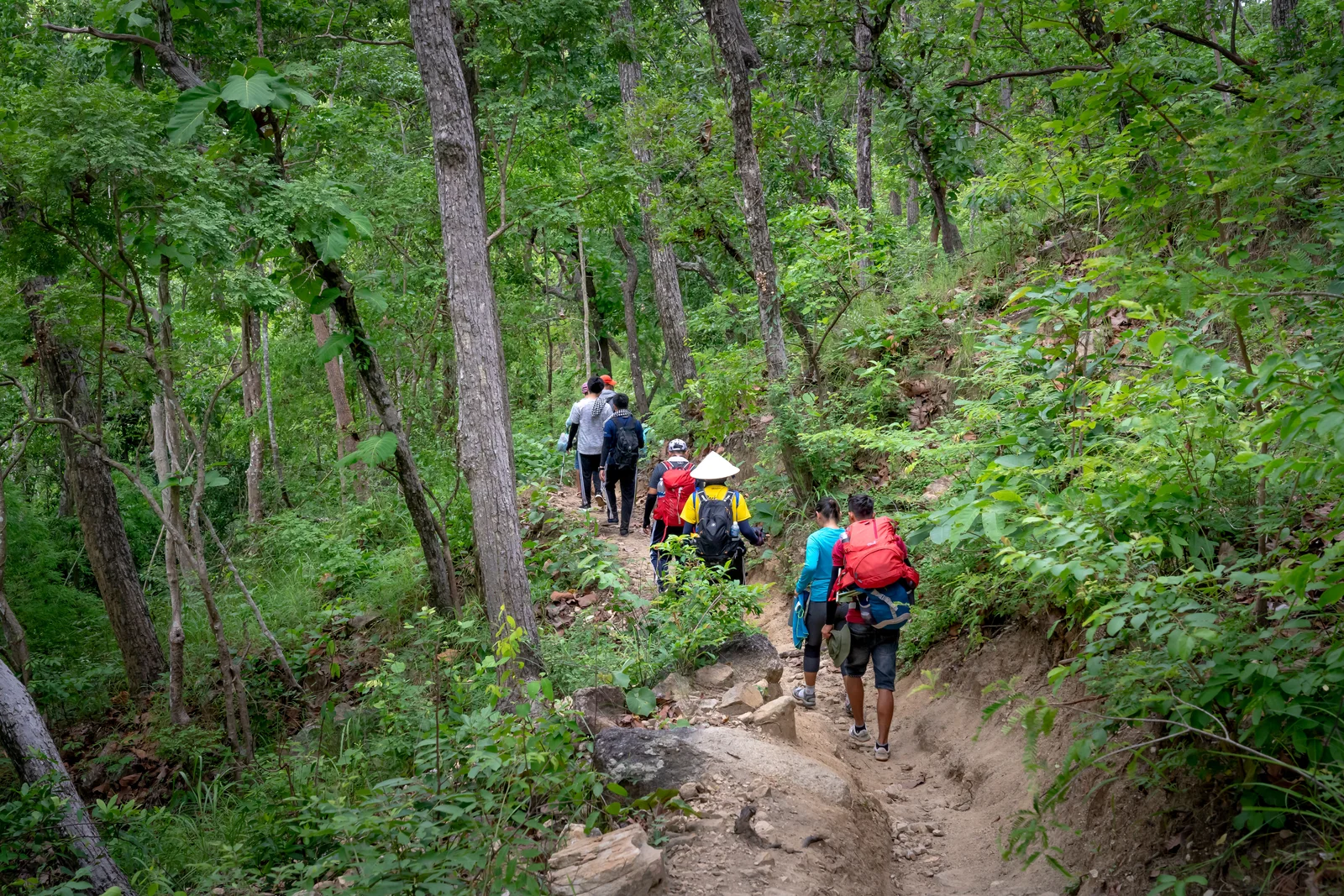
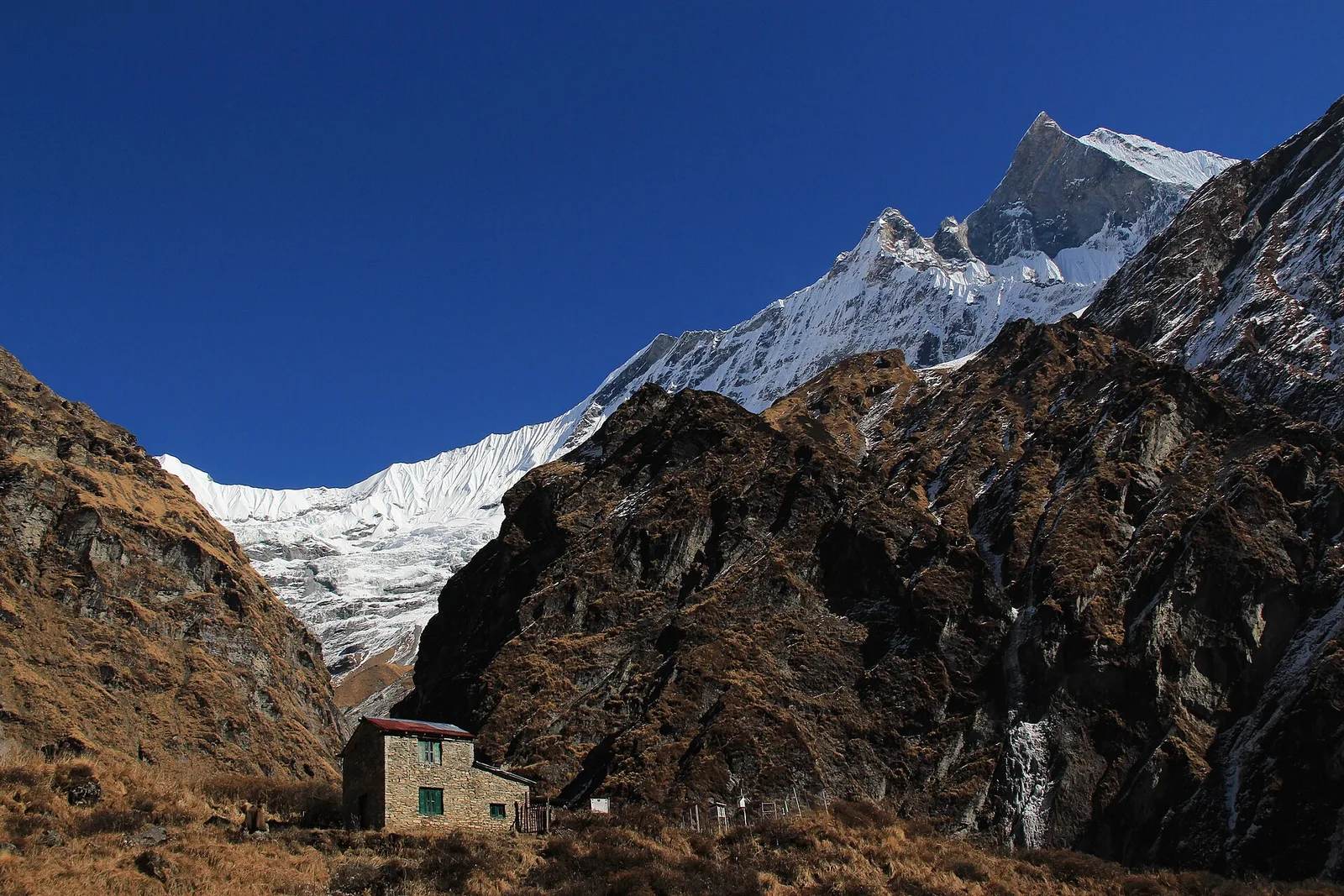
A lodge trek to Everest Base Camp tops out at 5,364 m and involves walking. So does Annapurna Base Camp at 4,130 m. The peak whose fatality ratio you just read about is visible from some of these trails, which is exactly why the dread transfers — and it should not.
What we would actually say
The honest hierarchy: trekking peaks like Island Peak and Mera Peak are a real step up from trekking and a different universe from an 8,000er — they need crampons, a rope and a guide, not a Karakoram CV. If a company quotes you an 8,000-metre expedition using a trekking-peak price and timeline, that is the warning sign, not the mountain’s statistics.
The range is not the unit of risk. The route is.
Section photos: USA Studio via Pexels (Pexels licence); Alois Lackner via Pexels (Pexels licence); Giuseppe Paoletti via Pexels (Pexels licence); Tobi &Chris via Pexels (Pexels licence); kumar dulal via Pexels (Pexels licence); Quang Nguyen Vinh via Pexels (Pexels licence).
Still running this season
Ama Dablam Base Camp Trek — 10 Days is running normally
NMA-certified local guides, transparent pricing, 5,000+ treks since 1998. Message us your dates and we'll sort the permits, lodges and logistics — reply within 24 hours, no obligation.
Popular Nepal treks
All treks →
Related coverage
Records & People
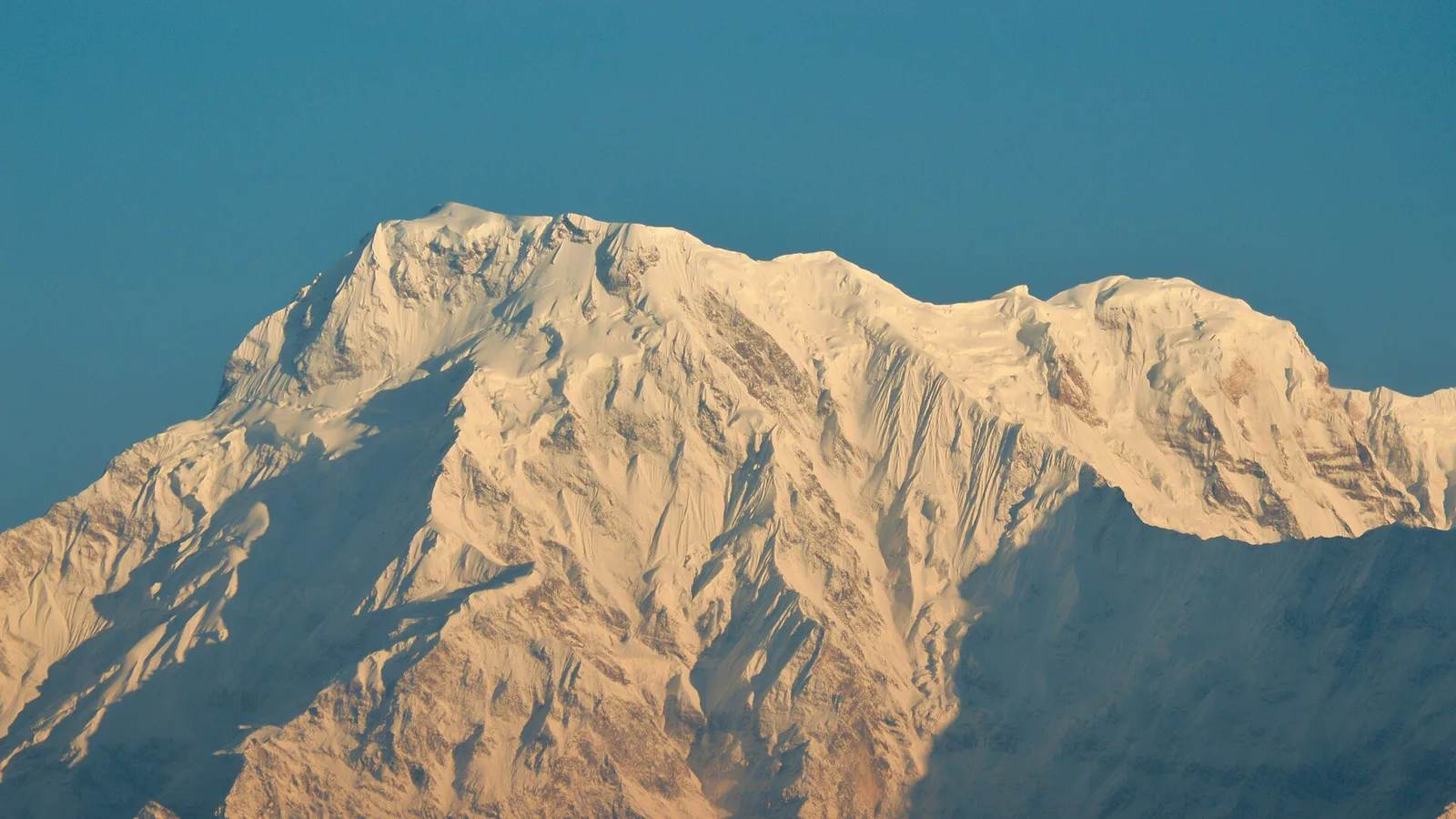
Why Annapurna I kills more climbers per summit than any other 8,000er
By deaths per summit, Annapurna I is the deadliest of the fourteen 8,000ers. What the Himalayan Database and Guinness numbers say, next to K2 and Everest.
Safety & Advisories
Is the Mera Peak Climb Affected by the 2026 Nepal Floods?
No — Mera Peak is in the Hinku valley of the Everest region and the climb is running normally. The 26 August flood hit Rasuwa in the north. What decides your summit is Lukla flights, acclimatisation, the weather window and your NMA permit — not the flood.

Safety & Advisories
Nepal Has 21 Glacial Lakes Scientists Call Time Bombs, and One Already Burst This Year
A region-wide survey has flagged 47 Himalayan lakes as potentially dangerous, 21 of them inside Nepal, and 2026 has already shown what happens when one lets go.

Safety & Advisories
Is the Rolwaling Valley Trek Affected by the 2026 Nepal Floods?
No — Rolwaling, in Dolakha on the Tama Koshi, is a separate watershed from the flood-hit Rasuwa corridor and is running normally. Here is the honest status, plus the real things to plan around: the road, the Tashi Lapcha and the season.
Latest from the desk
Gear & Tech
Trail shoes or hiking boots, and what the ankle-support research actually found
Most teahouse trekkers wear more boot than the walk needs, and the ankle-support argument holding that up is thinner than the shops suggest.
Gear & Tech
Merino or synthetic base layers, and what a lab found when it measured the smell
Merino wins the week-long wear, synthetic wins the overnight dry, and the lab reason merino stays fresh is not the bacteria story you have been told.
Safety & Advisories
If someone you know is missing in the Nepal flood, you don't have to fly to Kathmandu
Nepal Police have identified 95 of more than 1,200 bodies recovered. Families abroad can be DNA-profiled at home and send the result in. Here is how it works.