
Is the Mera Peak Climb Affected by the 2026 Nepal Floods?
No — Mera Peak is in the Hinku valley of the Everest region and the climb is running normally. The 26 August flood hit Rasuwa in the north. What decides your summit is Lukla flights, acclimatisation, the weather window and your NMA permit — not the flood.
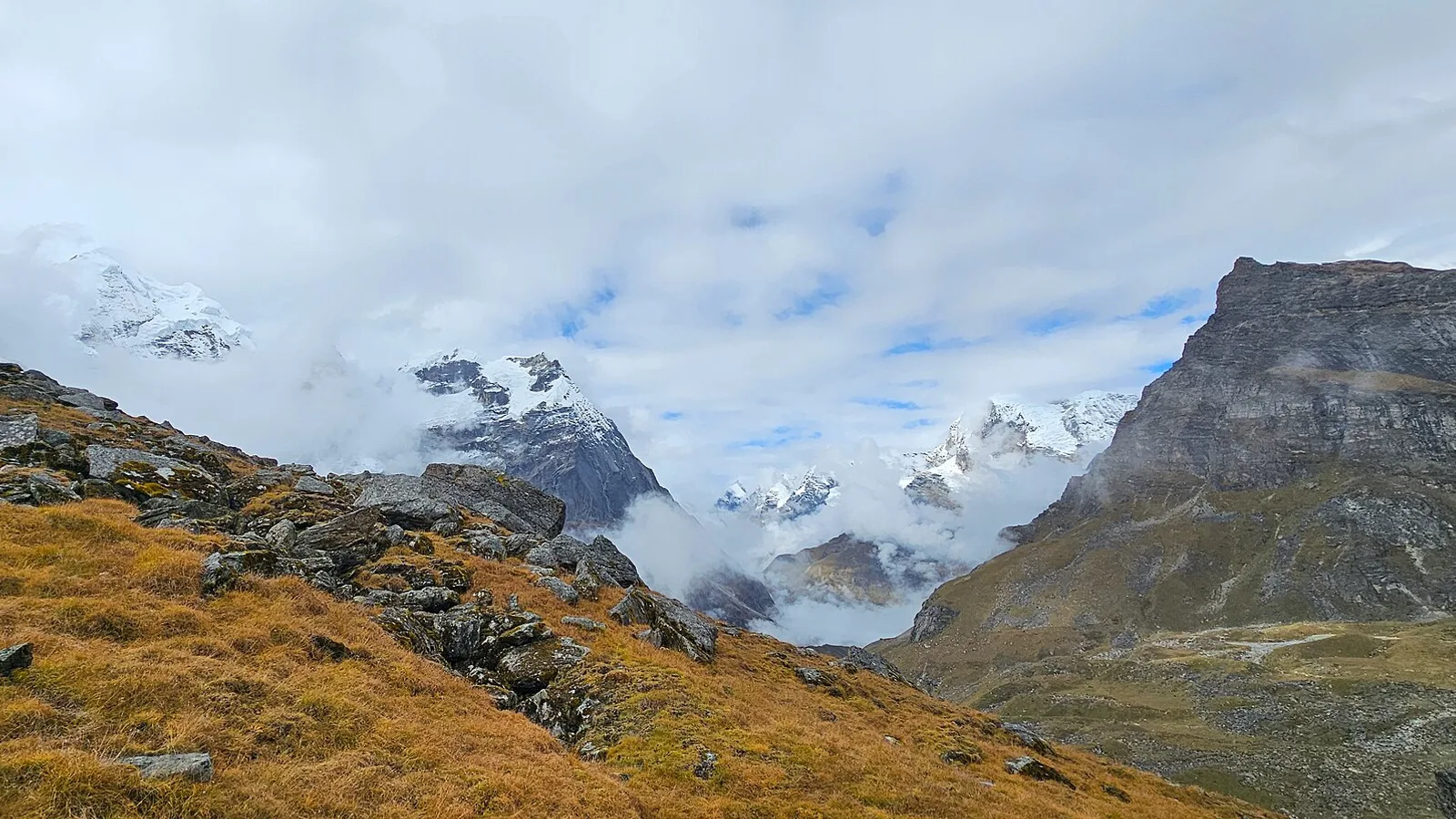
At a glance
- Published
- TopicSafety & Advisories
- ReportingOriginal, by our guides in Pokhara
- Treks coveredMera Peak Climbing — 15 Days
📍 Developing story — live figures
The 2026 Nepal floods are a developing emergency and the casualty and damage numbers are still moving. For the latest verified death toll, missing and rescued figures, and region-by-region trek status, follow our continuously-updated Nepal Floods 2026: Live Updates — we do not freeze provisional numbers into a page like this one.
Last updated: 29 August 2026. If you have a Mera Peak climb booked for this autumn, here is the short, honest answer you came for.
Is the Mera Peak climb affected by the 2026 Nepal floods? No — Mera Peak is in the Hinku valley of the Everest region and the climb is running normally. The flash flood of 26 August 2026 hit the Rasuwa district in north-central Nepal — the Bhote Koshi, the Tibet border, the Langtang road. Mera Peak (6,476 m), Nepal's highest trekking peak, rises above the remote Hinku valley south-east of Everest, well over 100 km east of the flood and fed by an entirely separate river. Flights to Lukla are operating and the crossing into the Hinku via the Zatrwa La is open. For a climbing peak, the honest truth is that your success rides on Lukla flights, careful acclimatisation, the autumn weather window and your NMA permit — not on the flood. If your climb is booked for October or November, your plans stand.
Mera Peak climb — the honest status
- Affected by the flood? No. The flood was on the Bhote Koshi in Rasuwa, in Nepal's north. Mera is in the Hinku valley, in the east, draining into the Dudh Koshi — a different river system entirely.
- Access? Open. The climb starts with a flight to Lukla. In autumn (roughly 25 September–30 November 2026) those flights run from Ramechhap (Manthali) rather than Kathmandu — a normal seasonal arrangement, nothing to do with the flood. We build a buffer day and confirm the flight on the day.
- NMA permit. Mera is a Nepal Mountaineering Association (NMA) peak; the autumn climbing permit is around US$175 per climber and we arrange it, along with the Makalu Barun National Park and local rural-municipality entry permits that the Hinku valley falls under. None are issued in the flood zone.
- What actually decides the climb. Acclimatisation over a high, sustained route (the Hinku is remote and stays high for days), the autumn weather window, and steady snow-plod fitness for the long summit push — the ordinary decisive factors for the country's highest trekking peak, none of them flood-related.
Why the Hinku valley is a different world from Rasuwa
Nepal is not one small place where a single flood reaches everything. Its mountain regions are divided by great ranges and drained by rivers that do not meet until far down in the plains. The 26 August flood surged down the Bhote Koshi, which flows out of Tibet into Rasuwa and on into the Trishuli. Mera Peak stands at the head of the Hinku valley, drained by the Hinku Khola into the Dudh Koshi — a completely separate system on the other side of the country. What happens on the Bhote Koshi has no physical bearing on the approach to Mera.
Worst-hit were Timure and Syabrubesi in Rasuwa, the road-head for Langtang treks. That is not on the Mera route, and no part of the climb — Lukla, the Zatrwa La crossing, Kothe, Thangnak, Khare, high camp — passes through Rasuwa. Mera is one of the emptiest corners of the Everest region; that remoteness is exactly why a flood in a northern border valley is irrelevant to it.
The Mera Peak climb, leg by leg
The clearest way to see why your climb is unaffected is to walk through it as we actually run it and check each stage against the flood zone.
| Stage | Status | What decides it (not the flood) |
|---|---|---|
| Kathmandu (arrival, NMA permit, gear check, briefing) | Normal | Unaffected central hub |
| Flight to Lukla (2,860 m), autumn via Ramechhap | Operating | Mountain weather; keep a buffer day |
| Zatrwa La crossing into the Hinku, Kothe, Thangnak | Trail open, lodges running | Acclimatisation schedule |
| Khare & Mera High Camp (~5,800 m) | Open | Rest, load-carry, weather window |
| Summit day, Mera Peak (6,476 m) | Open | Weather, fitness, the long snow push |
| Rasuwa / Bhote Koshi corridor | Flood-hit | Not on this route — irrelevant |
Because the Hinku valley lies inside the Makalu Barun National Park, Mera uses that park's entry permit plus the local rural-municipality permit and the NMA climbing permit — not the Sagarmatha ticket most Everest treks use, and not the TIMS card. None of these are issued in Rasuwa, so the flood has no bearing on your paperwork.
Is there anything to watch on a Mera Peak climb?
Yes — but the things that matter are the ordinary things that matter on Nepal's highest trekking peak, and none of them are the flood. Mera is not technically hard, but it is high and sustained: you spend days above 4,500 m and summit at 6,476 m, so unhurried acclimatisation is everything, and it is why we favour the routes that ease into the Hinku rather than rush the Zatrwa La. Carry insurance that explicitly covers climbing above 6,000 m and helicopter rescue from a roadless valley. Train for a long, cold, plodding summit morning. And book the autumn weather window: October into November gives the clearest, most stable skies — the same window in which the Rasuwa flood zone is nowhere near your route.
A local guide's take — Bishnu Adhikari
I plan the logistics for these climbs, so let me be plain. The flood has nothing to do with Mera — different region, different river, over 100 km away in the north. What will actually decide your summit is your Lukla flight, your acclimatisation over a route that stays high for a long time, and a clear cold morning up top. Those are the real questions. The wrong move is to cancel a Hinku-valley climb over a flood you will never come near. My thoughts are with the families in Rasuwa — that valley took a hard hit. But if your objective is Mera, keep your dates and let us build the acclimatisation the way that peak demands.
Booked, or thinking about it? Ask us anything — no pressure
If you want a straight answer about your specific dates, message us on WhatsApp or use our contact page. Our full Mera Peak climb, day by day and with real prices, is here: Mera Peak Climbing — 15 days. We will tell you honestly if anything on your itinerary needs a second look.
What you can book for autumn
Mera Peak departures running normally this October and November
This is the departure we are putting people on right now, priced from the per-person rate a small group pays:
- Mera Peak Climbing — 15 days · from US$2,100 per person in a small group (solo from US$2,500). The full Hinku-valley route to the summit of Nepal's highest trekking peak, with NMA permit, guide and climbing crew arranged.
Deciding between Mera and Island Peak? Message us — we will match you to the right first Himalayan summit honestly, based on your experience, not on which one is dearer.
Related reading
- Is the Everest Base Camp trek affected by the 2026 floods?
- Is the Gokyo Lakes trek affected by the 2026 floods?
- Nepal trekking conditions right now: region-by-region status after the 2026 floods
- Bhote Koshi flash flood, 26 August 2026: what happened in Rasuwa district
- Nepal Floods 2026: live updates, death toll and trek status
Sources: Mera Peak as an NMA-permitted peak with an autumn climbing-permit fee of about US$175 per climber, plus the Makalu Barun National Park and rural-municipality entry permits for the Hinku valley, per current NMA peak-climbing guidance; autumn Lukla-flight scheduling (flights operating from Ramechhap) per Nepal operator advisories; region and route details reflect our own on-the-ground knowledge of the Hinku and Rasuwa. Flood figures are held in the live tracker, which we update as authorities confirm them. Always confirm your Lukla flight on the day.
If you want to help. Nepal’s official relief channel is the government’s Prime Minister’s Disaster Relief Fund — restricted by law to rescue, relief and rehabilitation, audited annually, and it takes international cards directly. We collect nothing and receive nothing. Be careful of account numbers circulating in forwarded messages: disaster fundraising draws scams within days.
Cover photo: Nabin K. Sapkota via Wikimedia Commons (CC BY-SA 4.0).
Still running this season
Mera Peak Climbing — 15 Days is running normally
NMA-certified local guides, transparent pricing, 5,000+ treks since 1998. Message us your dates and we'll sort the permits, lodges and logistics — reply within 24 hours, no obligation.

Popular Nepal treks
All treks →


Related coverage
Safety & Advisories
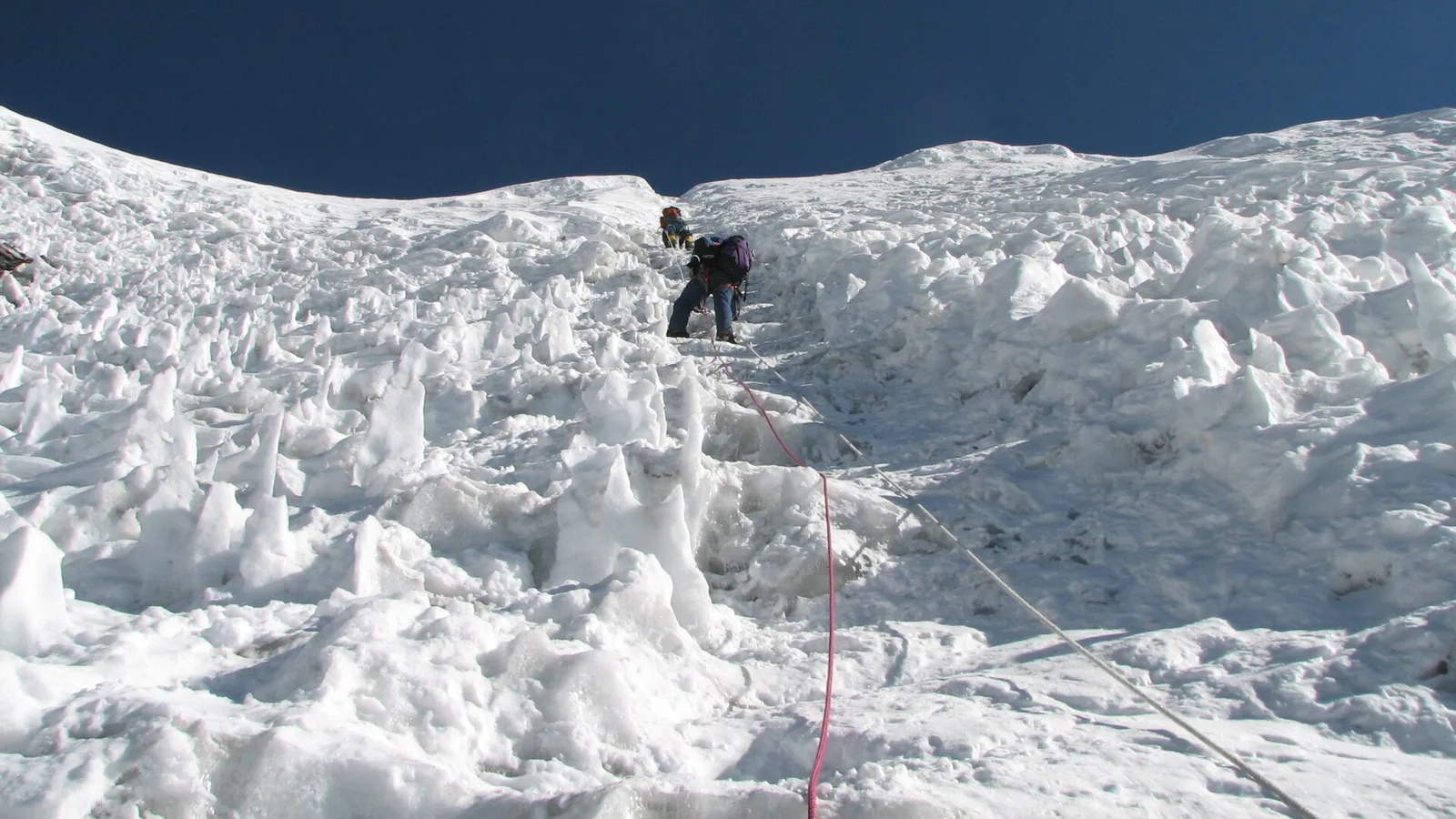
Is the Island Peak Climb Affected by the 2026 Nepal Floods?
No — Island Peak (Imja Tse) is in the Khumbu, Everest region, and the climb is running normally. The 26 August flood hit Rasuwa in the north. What decides your summit is Lukla flights, acclimatisation, the weather window and your NMA permit — not the flood.
Safety & Advisories
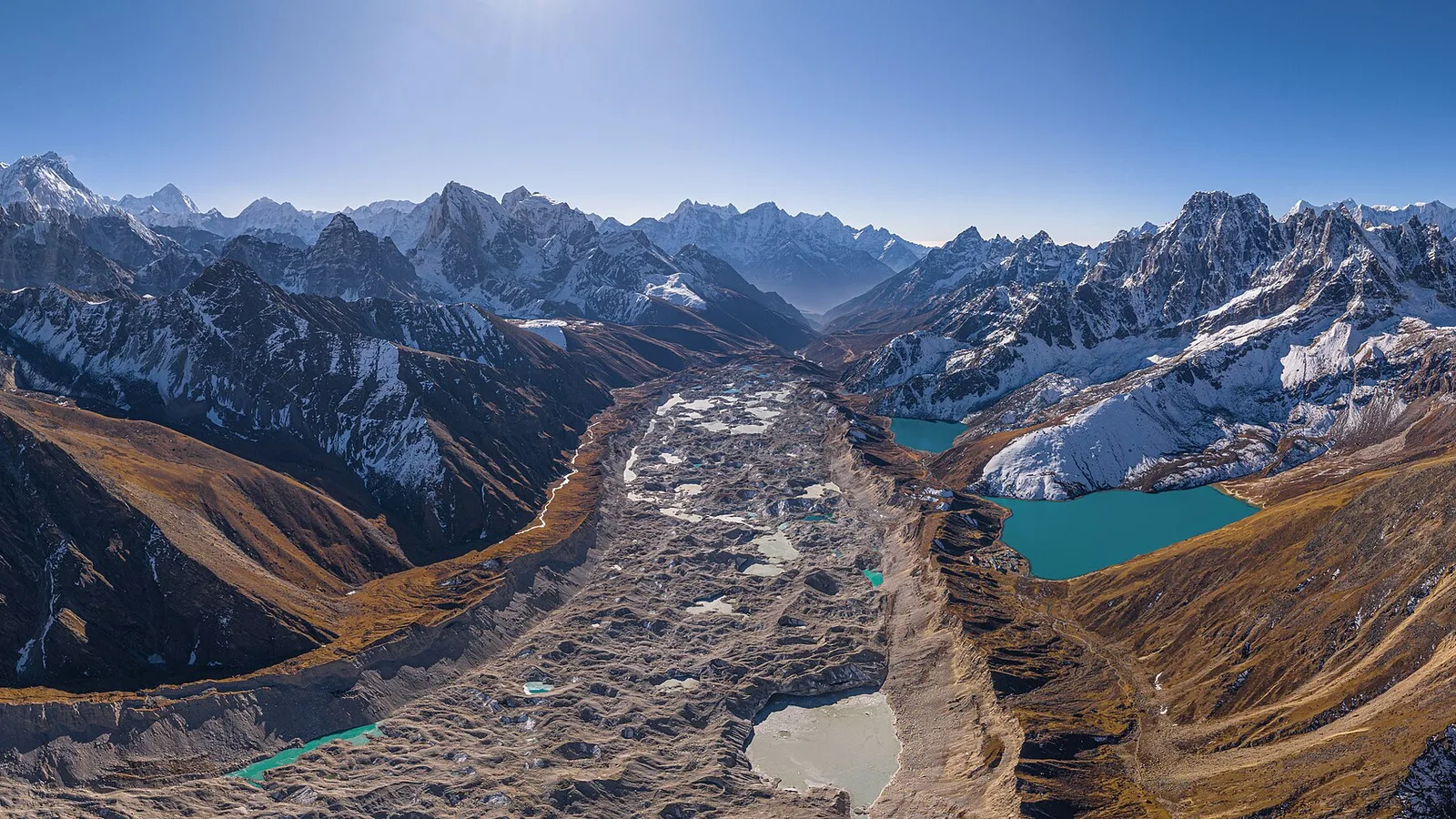
Is the Gokyo Lakes Trek Affected by the 2026 Nepal Floods?
No — the Gokyo valley in the Everest region is running normally. The 26 August flood hit Rasuwa in the north, not the Khumbu. Here is why Lukla flights and the Gokyo Lakes trail are unaffected.
Safety & Advisories
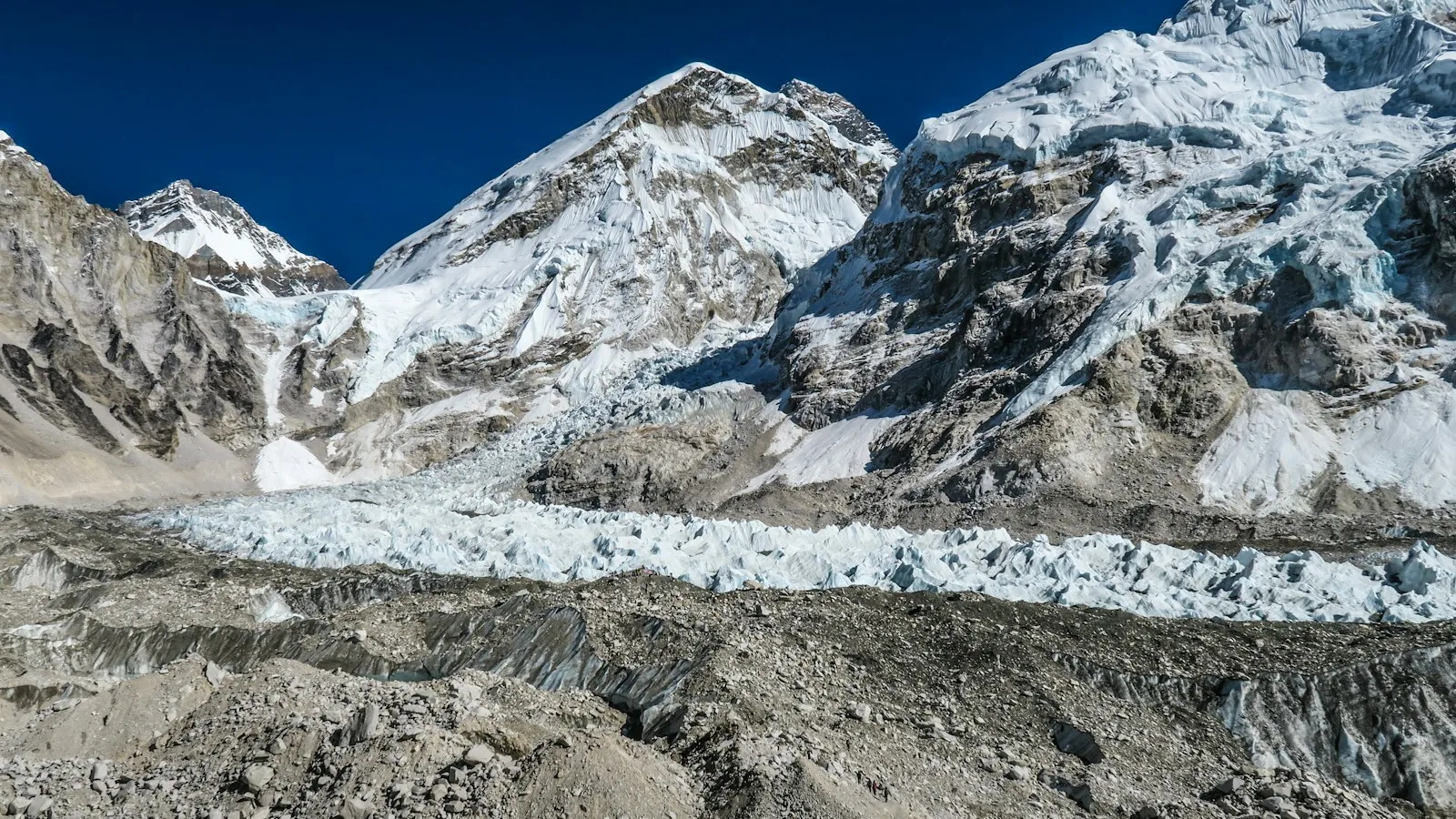
Is the Everest Base Camp Trek Affected by the 2026 Nepal Floods?
No — the Everest region is running normally. The 26 August flood hit Rasuwa in the north, not the Khumbu. Here is why Lukla flights and the EBC trail are unaffected, leg by leg.
Safety & Advisories
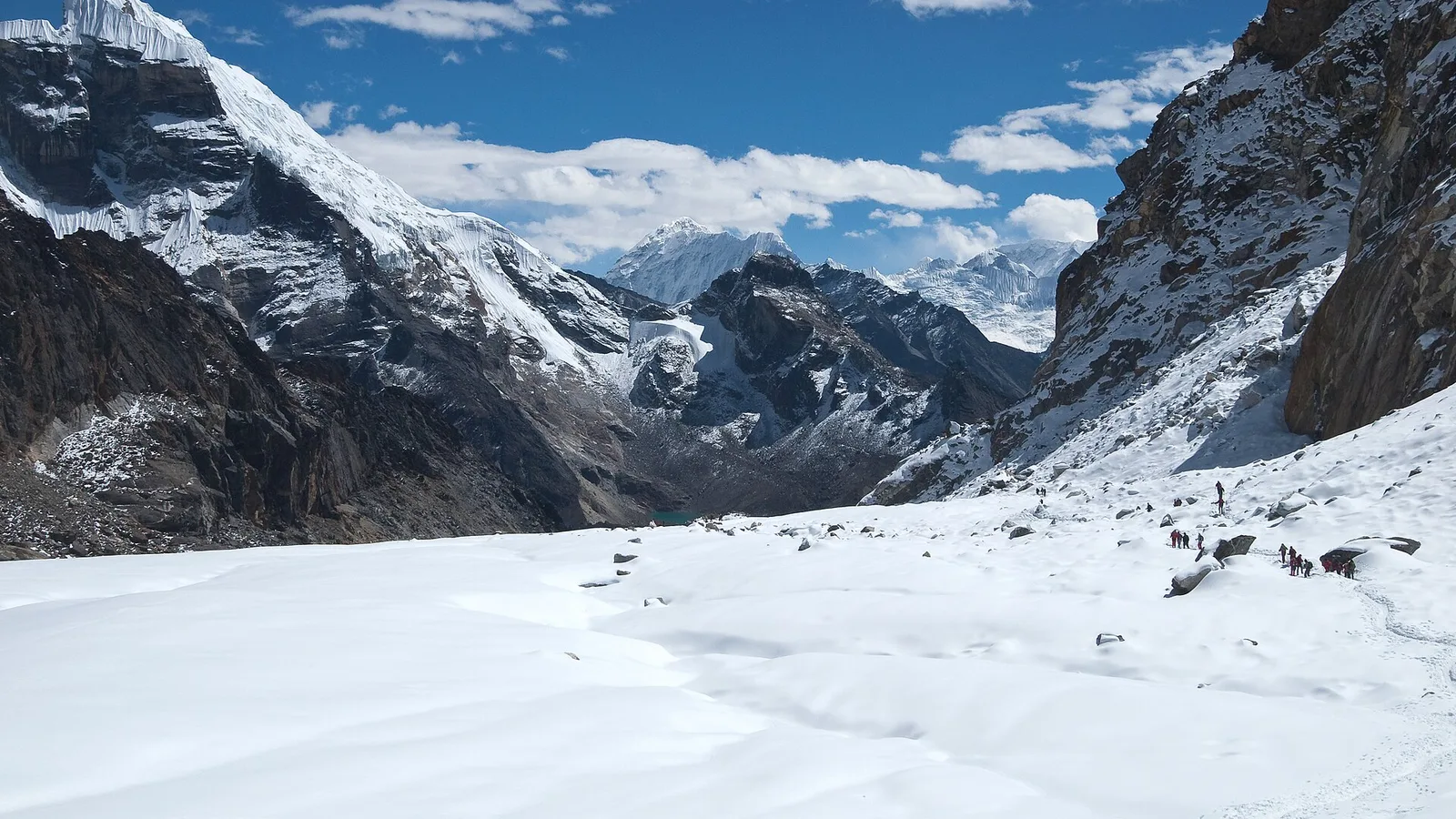
Is the Everest Three High Passes Trek Affected by the 2026 Nepal Floods?
No — the Kongma La, Cho La and Renjo La are all running normally. The 26 August flood hit Rasuwa in the north, not the Khumbu. Here is why the Everest high passes are unaffected.
Latest from the desk
Safety & Advisories
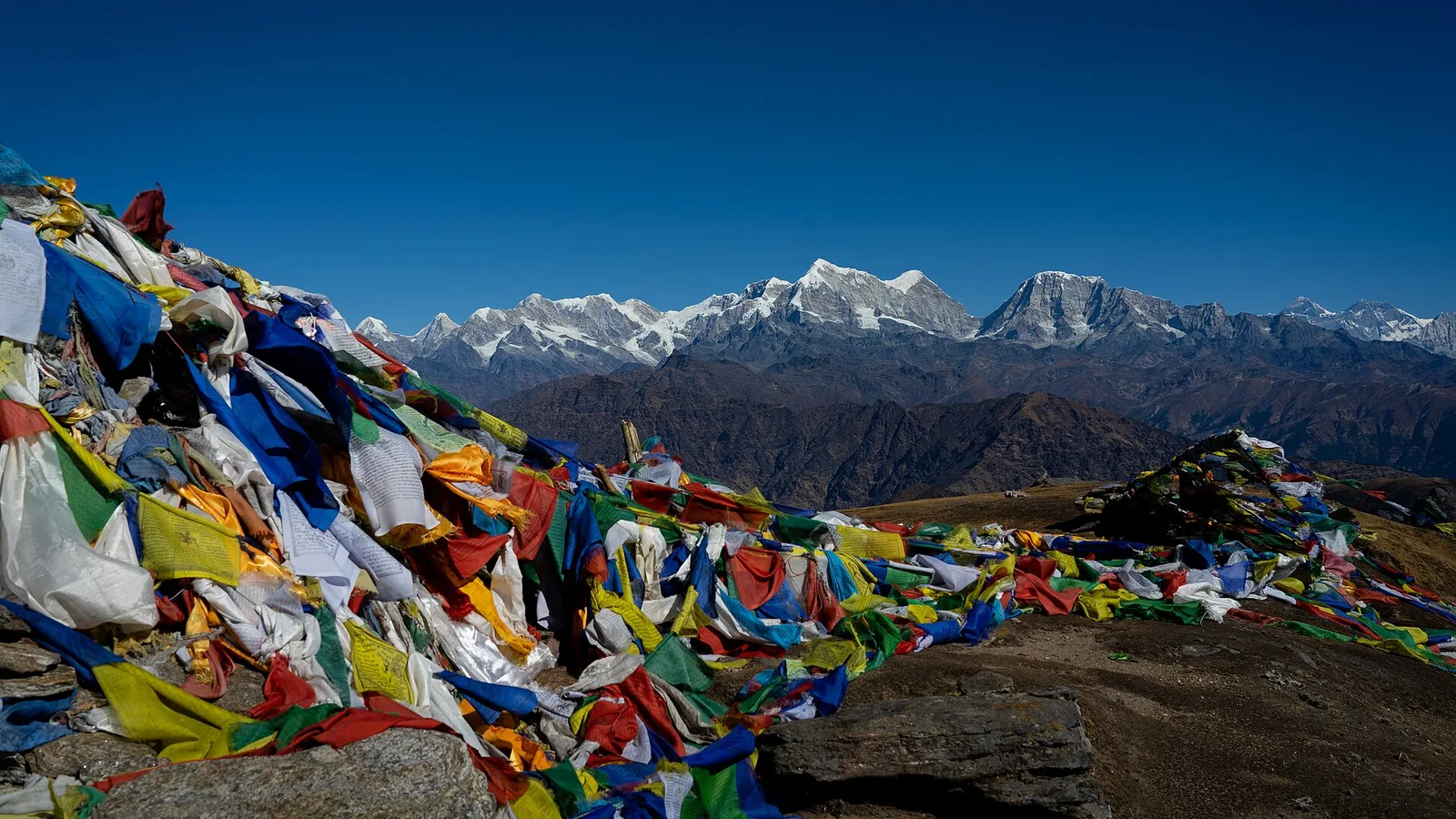
Is the Pikey Peak Trek Affected by the 2026 Nepal Floods?
No — Pikey Peak is a road-access ridge trek in lower Solukhumbu, in the east, on a different river system from the flood-hit Bhote Koshi in Rasuwa. Here is why it is running normally — and the one road detail to confirm.
Safety & Advisories
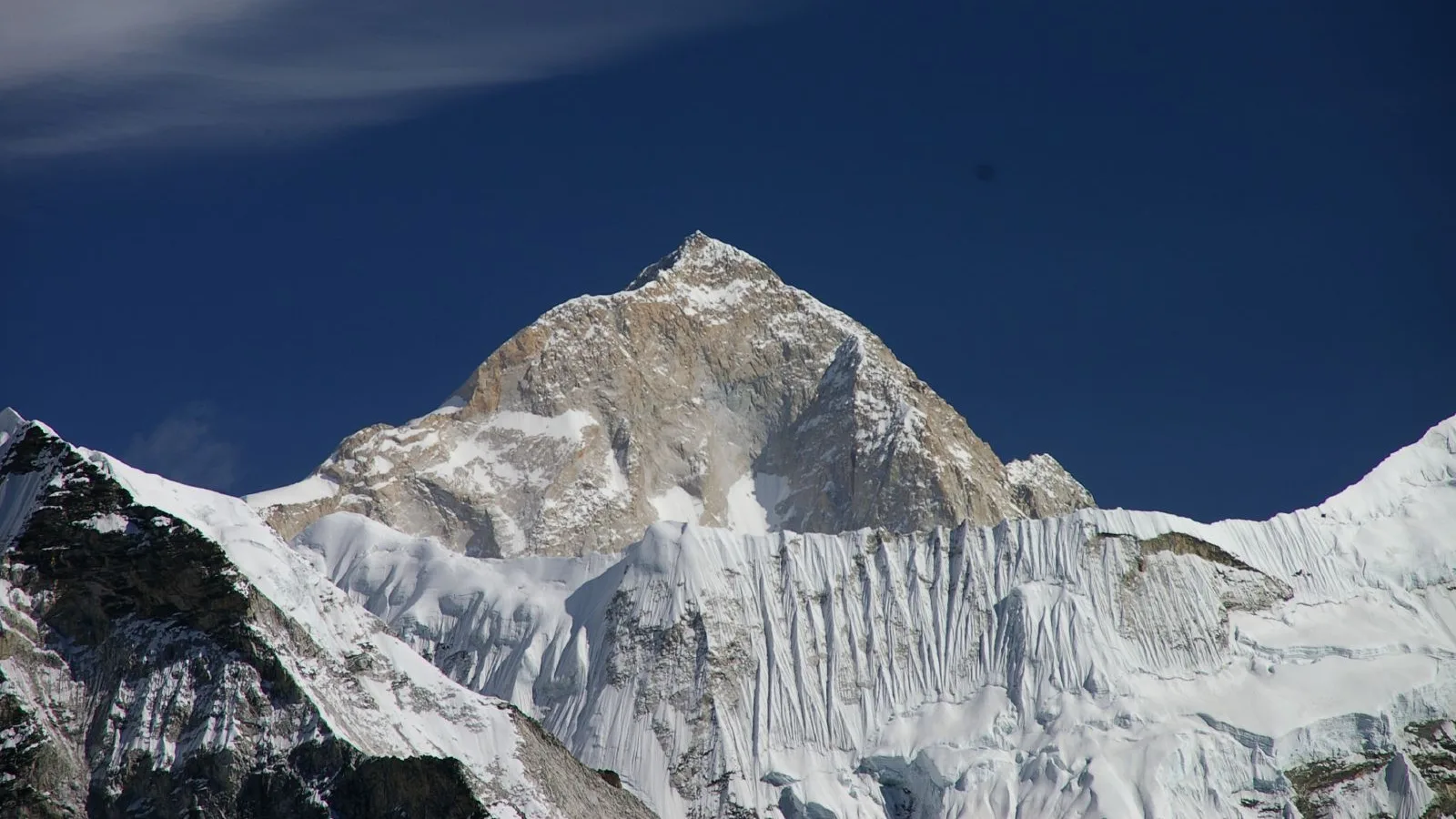
Is the Makalu Base Camp Trek Affected by the 2026 Nepal Floods?
No — Makalu is in the far east of Nepal, running normally. The 26 August flood hit Rasuwa in the north, ~250–300 km away. Here is why the Tumlingtar flight and the Barun-valley trail are unaffected.
Safety & Advisories
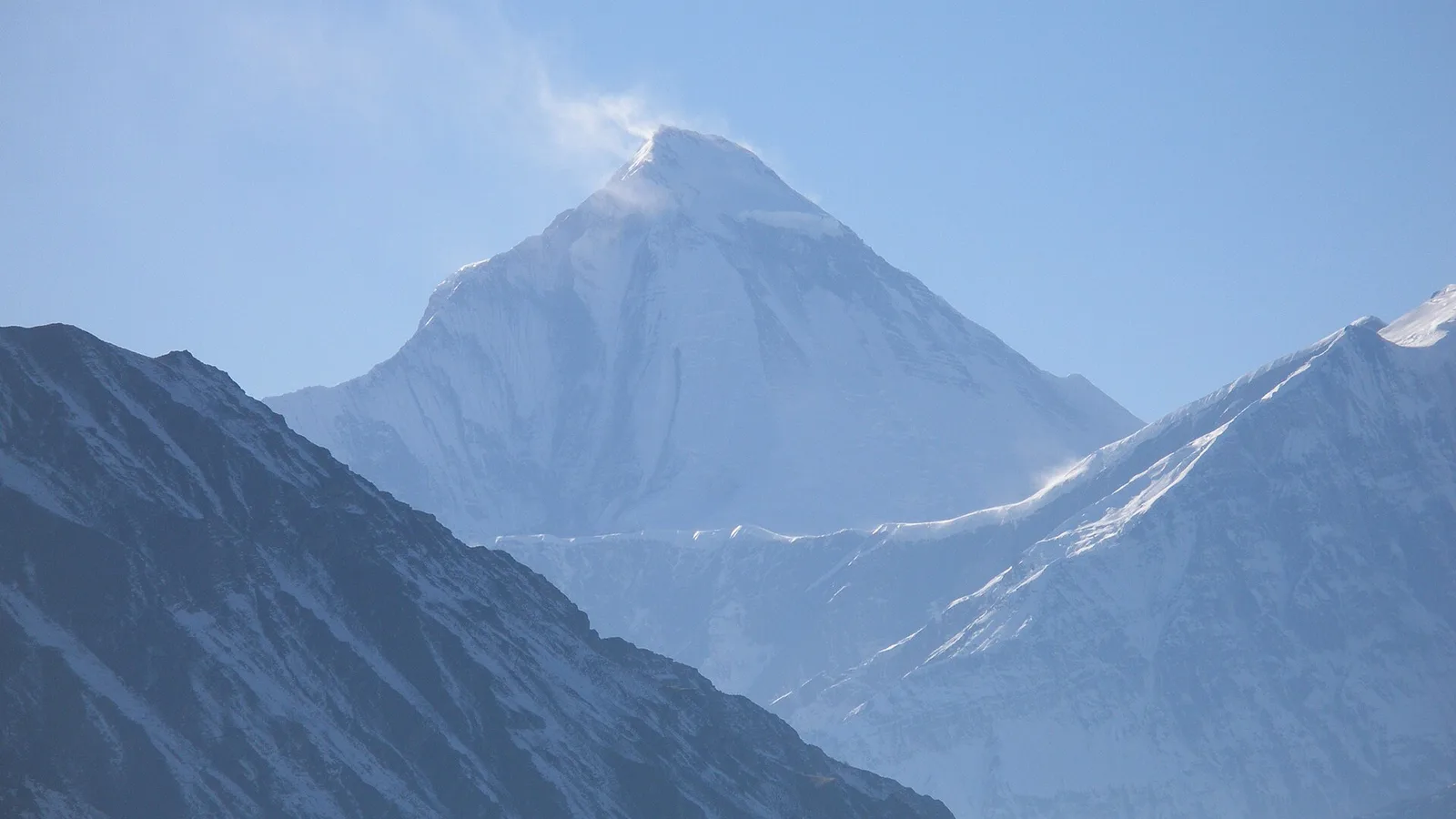
Is the Dhaulagiri Circuit Trek Affected by the 2026 Nepal Floods?
No — the Dhaulagiri Circuit runs on the Kali Gandaki in western Nepal, a separate watershed well to the west of the flood zone, and the trail and its high passes are unaffected. Here's why — and the real challenge, which was always the mountain, not the flood.