
Is the Gokyo Lakes Trek Affected by the 2026 Nepal Floods?
No — the Gokyo valley in the Everest region is running normally. The 26 August flood hit Rasuwa in the north, not the Khumbu. Here is why Lukla flights and the Gokyo Lakes trail are unaffected.
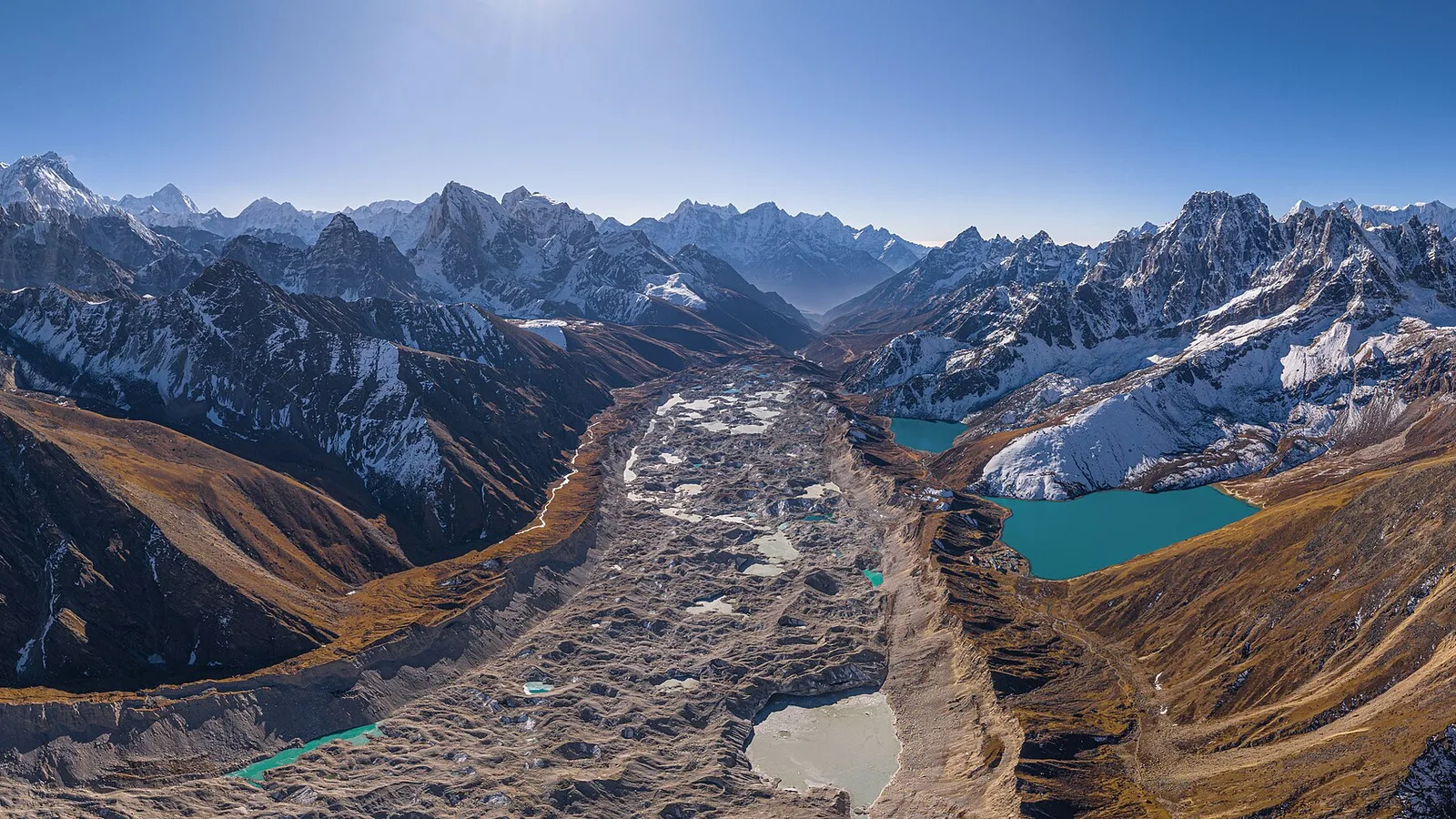
At a glance
- Published
- TopicSafety & Advisories
- ReportingOriginal, by our guides in Pokhara
- Treks coveredGokyo Valley & Lakes Trek — 12 Days
📍 Developing story — live figures
The 2026 Nepal floods are a developing emergency and the casualty and damage numbers are still moving. For the latest verified death toll, missing and rescued figures, and region-by-region trek status, follow our continuously-updated Nepal Floods 2026: Live Updates — we do not freeze provisional numbers into a page like this one.
Last updated: 29 August 2026. If you are booked on the Gokyo Lakes trek this autumn, this is the short, honest answer you came for.
Is the Gokyo Lakes trek affected by the 2026 Nepal floods? No — the Gokyo valley is running completely normally. The flash flood of 26 August 2026 hit the Rasuwa district in north-central Nepal: the Bhote Koshi river, the Tibet border at Rasuwagadhi, and the road into the Langtang valley. Gokyo sits in the Khumbu — the Everest region — well over 100 km to the east, on the far side of major mountain ranges and fed by an entirely separate river system. Flights to Lukla are operating, the trail up the Gokyo valley is open, the lodges in Gokyo village are running, and the lakes are exactly where they have always been. If your Gokyo trip is booked for October or November, your plans stand.
Gokyo Lakes trek — the honest status
- Affected? No. The flood was on the Bhote Koshi in Rasuwa, in Nepal's north. Gokyo is in the Khumbu, in the east — a different watershed entirely.
- Access? Open. The trek starts with a flight to Lukla. In the autumn season (25 September–30 November 2026) those flights run from Ramechhap (Manthali) rather than Kathmandu — a normal seasonal arrangement, nothing to do with the flood. Weather delays are always possible in the hills, so we build a buffer day and ask you to confirm your flight on the day.
- Best season? October–November. Post-monsoon skies are clearest, the lakes turn their deepest turquoise, and the Rasuwa flood zone is nowhere near the route.
Why the Gokyo valley is a different world from Rasuwa
Nepal is not one small place where a single flood reaches everything. Its trekking regions are divided by great ranges and drained by rivers that do not meet until far down in the plains. The 26 August flood surged down the Bhote Koshi, which flows out of Tibet into Rasuwa and on into the Trishuli. The Gokyo valley is drained by the Dudh Koshi and its tributary the Ngozumpa meltwater — a completely separate system, days apart on the map. What happens on the Bhote Koshi has no physical bearing on the trail to Gokyo.
Worst-hit were Timure and Syabrubesi in Rasuwa, with damage downstream at Betrawati and Trishuli. Syabrubesi is the road-head where nearly every Langtang trek begins. It is not on the Gokyo route, and no part of the Gokyo journey passes through Rasuwa. The Gokyo lakes themselves — Dudh Pokhari and the string of turquoise pools below Gokyo Ri — are glacial lakes at around 4,700–5,000 m, monitored for their own reasons, and were untouched by an event more than 100 km away.
The Gokyo Lakes trek, leg by leg
The clearest way to see why your trek is unaffected is to walk through it as we actually run it and check each stage against the flood zone.
| Region / stage | Status | What to do |
|---|---|---|
| Kathmandu (arrival, permits, briefing) | Normal | Nothing — unaffected central hub |
| Flight to Lukla (2,860 m), autumn via Ramechhap | Operating | Keep a buffer day; confirm the flight on the day |
| Phakding, Namche Bazaar, Dole (Dudh Koshi valley) | Trail open, lodges running | Trek as planned |
| Machhermo, Gokyo village & the lakes (4,790 m) | Open, lakes normal | Trek as planned; acclimatise properly |
| Gokyo Ri (5,357 m) & optional Renjo La (5,360 m) | Open | Weather-dependent as always, not flood-affected |
| Rasuwa / Bhote Koshi corridor | Flood-hit | Not on this route — irrelevant to Gokyo |
Permits for Gokyo are the same two the Everest region uses everywhere: the Sagarmatha National Park entry and the Khumbu Pasang Lhamu rural-municipality permit. Note the Everest region does not use the TIMS card. Neither permit is issued in or routed through Rasuwa, so the flood has no bearing on your paperwork.
Is there anything to watch on a Gokyo trip?
For Gokyo specifically, very little. The lakes are high glacial lakes, and Nepal does take glacial-lake hazards seriously nationwide — that is a real, separate conversation, and the Rasuwa flood is a reminder the country faces fast-moving mountain hazards. But it changes nothing on the Gokyo trail today. The sensible things are the sensible things for any high Khumbu trek: give yourself proper acclimatisation before Gokyo Ri, carry travel-and-rescue insurance that covers 5,400 m, and book with an operator who watches conditions and will tell you the truth. If your itinerary happened to route through Rasuwa — a Langtang trek or an overland Tibet crossing — that is the one case to pause and confirm, and we cover exactly which treks are on hold below.
A local guide's take — Bishnu Adhikari
I plan the logistics for these treks, so let me be plain about the numbers. Gokyo is roughly 100–140 km east of the flood, over ranges, on a different river. There is no scenario where a flood on the Bhote Koshi reaches the Dudh Koshi trail. The wrong move is to cancel a Nepal trip wholesale over a localised event in one valley. The right one is to know your route. My thoughts are with the families in Rasuwa — that valley took a hard hit. But if your route is Gokyo, keep your dates: the lakes in October are the finest colour you will see in the Himalaya.
Booked, or thinking about it? Ask us anything — no pressure
If you want a straight answer about your specific dates, message us on WhatsApp or use our contact page. Our full Gokyo route, day by day and with real prices, is here: Gokyo Valley & Lakes Trek — 12 days. We will tell you honestly if anything on your itinerary needs a second look.
What you can book for autumn
Gokyo trips running normally this October and November
These are the departures we are putting people on right now, priced from the per-person rate a small group pays:
- Gokyo Valley & Lakes Trek — 12 days · from US$1,420 per person in a small group. The full lakes circuit with Gokyo Ri.
- Gokyo Ri Trek — 11 days · from US$1,310 per person in a small group. The shorter route to the lakes and the Gokyo Ri viewpoint.
- EBC via Gokyo Lakes — 15 days · from US$1,850 per person in a small group. Both the lakes and Base Camp, linked over the Cho La.
Related reading
- Nepal trekking conditions right now: region-by-region status after the 2026 floods
- Bhote Koshi flash flood, 26 August 2026: what happened in Rasuwa district
- Nepal Floods 2026: live updates, death toll and trek status
Sources: current Lukla-flight scheduling (autumn 2026 flights operating from Ramechhap) per Nepal operator advisories; region and route details reflect our own on-the-ground knowledge of the Khumbu and Rasuwa. Flood figures are held in the live tracker, which we update as authorities confirm them; conditions in the flood zone are still being assessed. Always confirm your Lukla flight on the day.
If you want to help. Nepal’s official relief channel is the government’s Prime Minister’s Disaster Relief Fund — restricted by law to rescue, relief and rehabilitation, audited annually, and it takes international cards directly. We collect nothing and receive nothing. Be careful of account numbers circulating in forwarded messages: disaster fundraising draws scams within days.
Cover photo: Original: Megaurab09 Derivative work: UnpetitproleX via Wikimedia Commons (CC BY-SA 4.0).
Still running this season
Gokyo Valley & Lakes Trek — 12 Days is running normally
NMA-certified local guides, transparent pricing, 5,000+ treks since 1998. Message us your dates and we'll sort the permits, lodges and logistics — reply within 24 hours, no obligation.

Popular Nepal treks
All treks →


Related coverage
Safety & Advisories
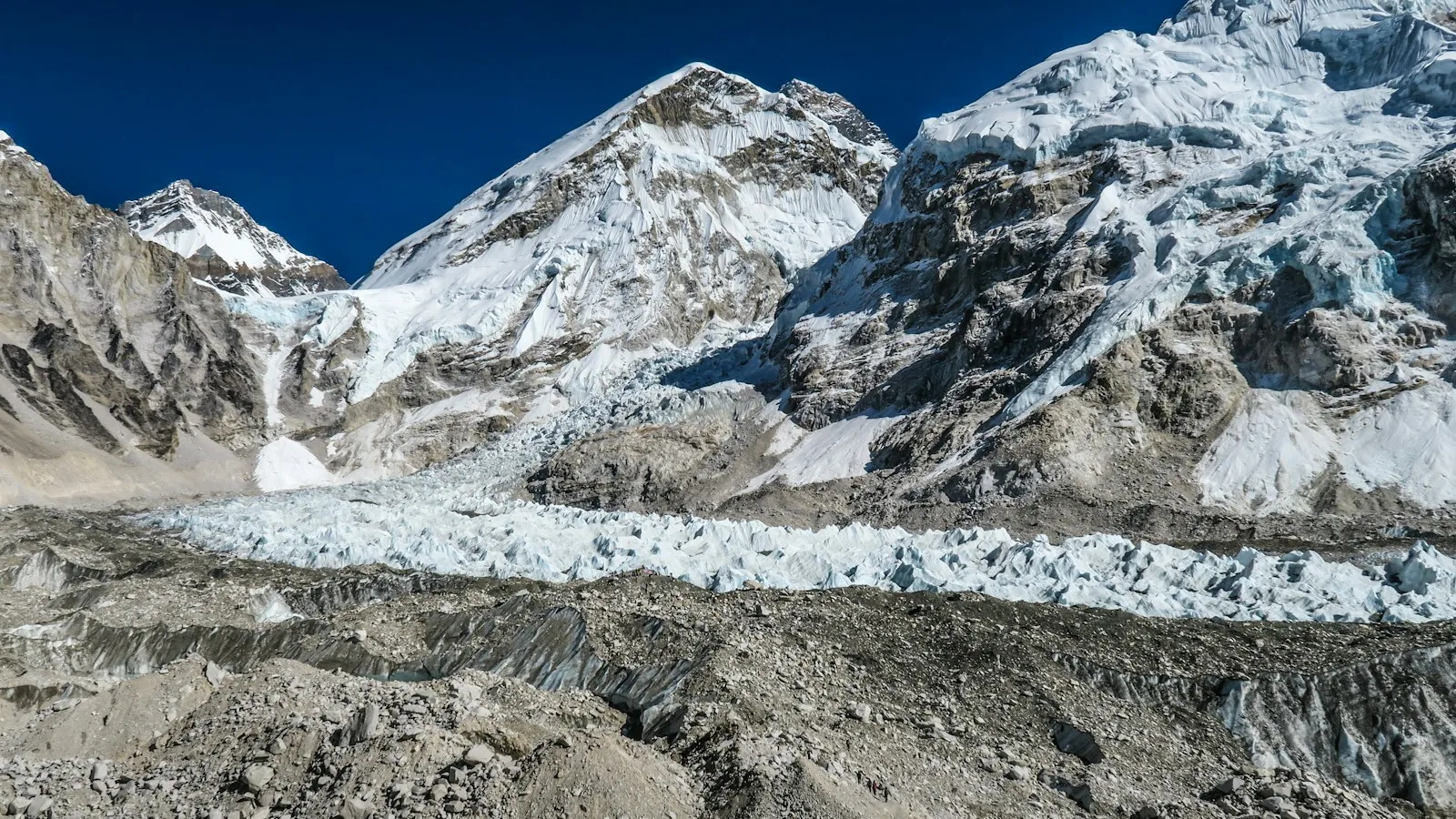
Is the Everest Base Camp Trek Affected by the 2026 Nepal Floods?
No — the Everest region is running normally. The 26 August flood hit Rasuwa in the north, not the Khumbu. Here is why Lukla flights and the EBC trail are unaffected, leg by leg.
Safety & Advisories
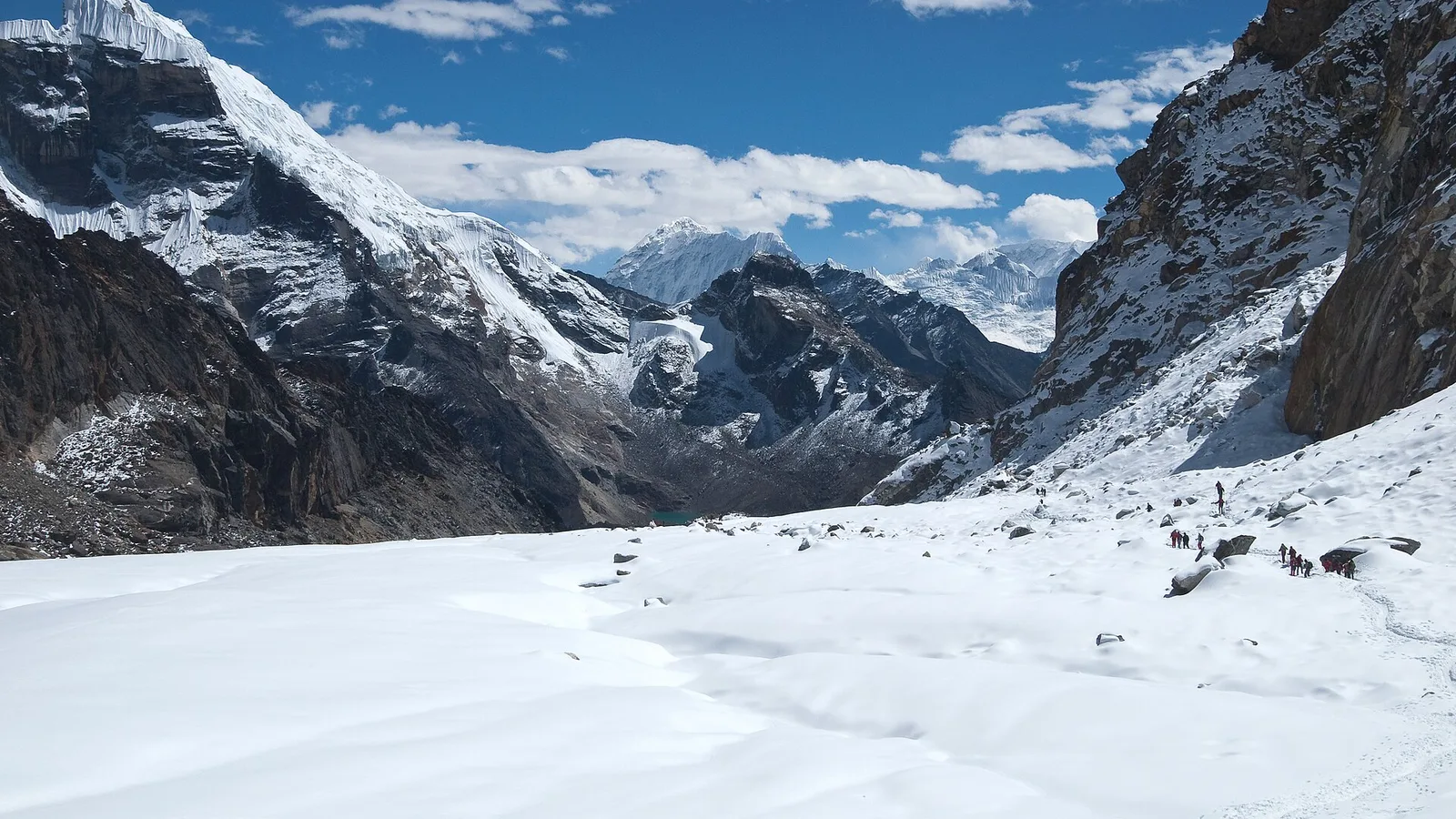
Is the Everest Three High Passes Trek Affected by the 2026 Nepal Floods?
No — the Kongma La, Cho La and Renjo La are all running normally. The 26 August flood hit Rasuwa in the north, not the Khumbu. Here is why the Everest high passes are unaffected.
Safety & Advisories
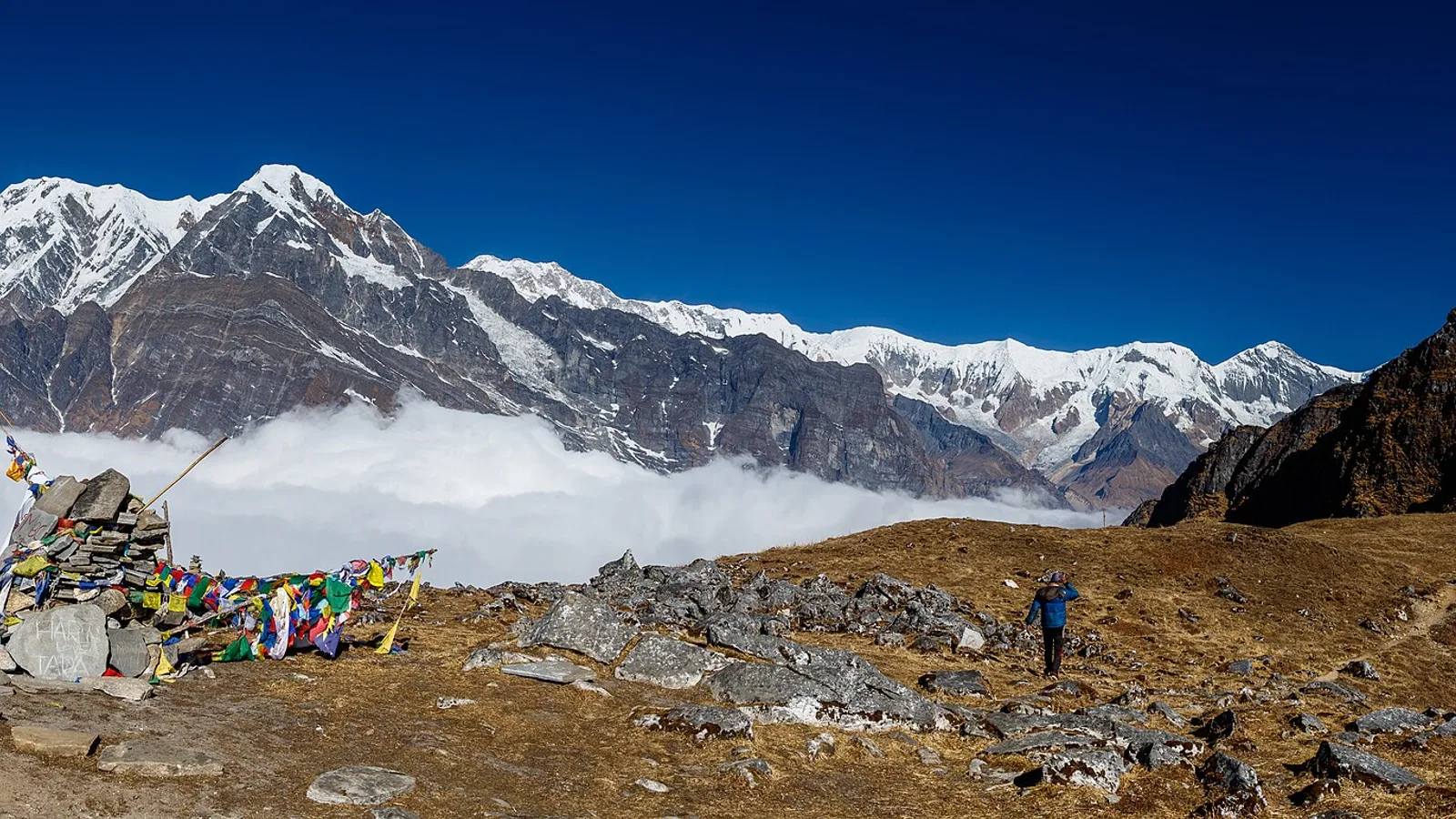
Is the Mardi Himal Trek Affected by the 2026 Nepal Floods?
No — Mardi Himal is an Annapurna ridge trek from Pokhara, well away from the flood-hit Bhote Koshi in Rasuwa, and it is running normally. Here is why the ridge and its access are unaffected.
Safety & Advisories
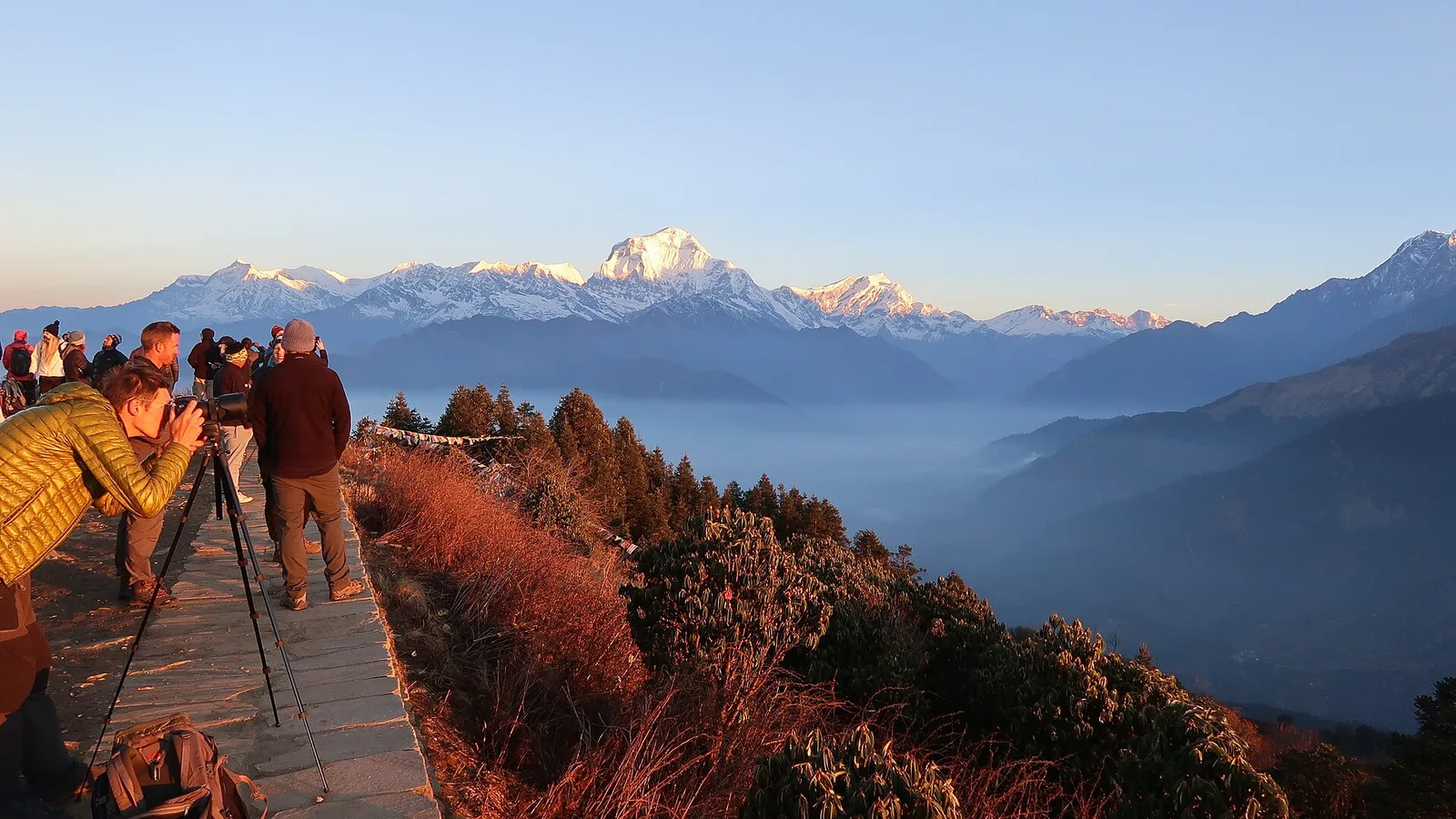
Is the Ghorepani Poon Hill Trek Affected by the 2026 Nepal Floods?
No — Poon Hill is an Annapurna-region trek out of Pokhara, on the far side of Nepal from the Rasuwa flood, and it is running normally. Here is why, plus the one seasonal road note for first-timers.
Latest from the desk
Climate & Environment
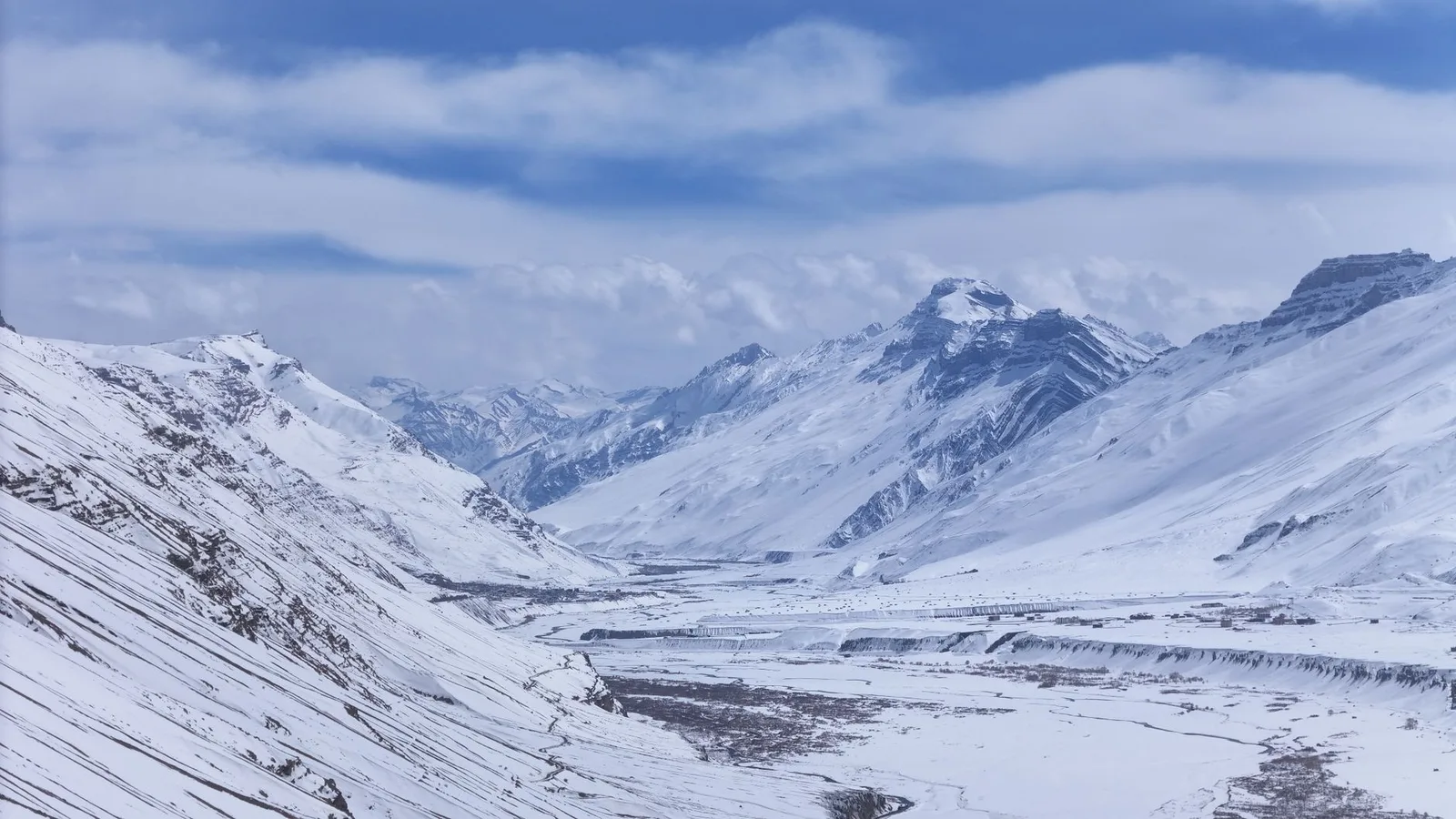
The Himalaya and Climate Change in 2026: The Big Picture, from Melting Glaciers to an Erratic Monsoon
Warming faster up high, glaciers in retreat, floods pooling behind unstable lakes, soot on the snow and a monsoon turning extreme — how the threads tie together, and what they mean for Nepal’s water, its people and the people who trek here.
Visas & Entry
TSA PreCheck vs Global Entry vs CLEAR in 2026: Which Trusted-Traveller Program Is Worth It
PreCheck speeds up domestic security, Global Entry clears US customs on arrival and includes PreCheck, and CLEAR is a private biometric line. What each costs, who they suit, and which to buy first.
Safety & Advisories
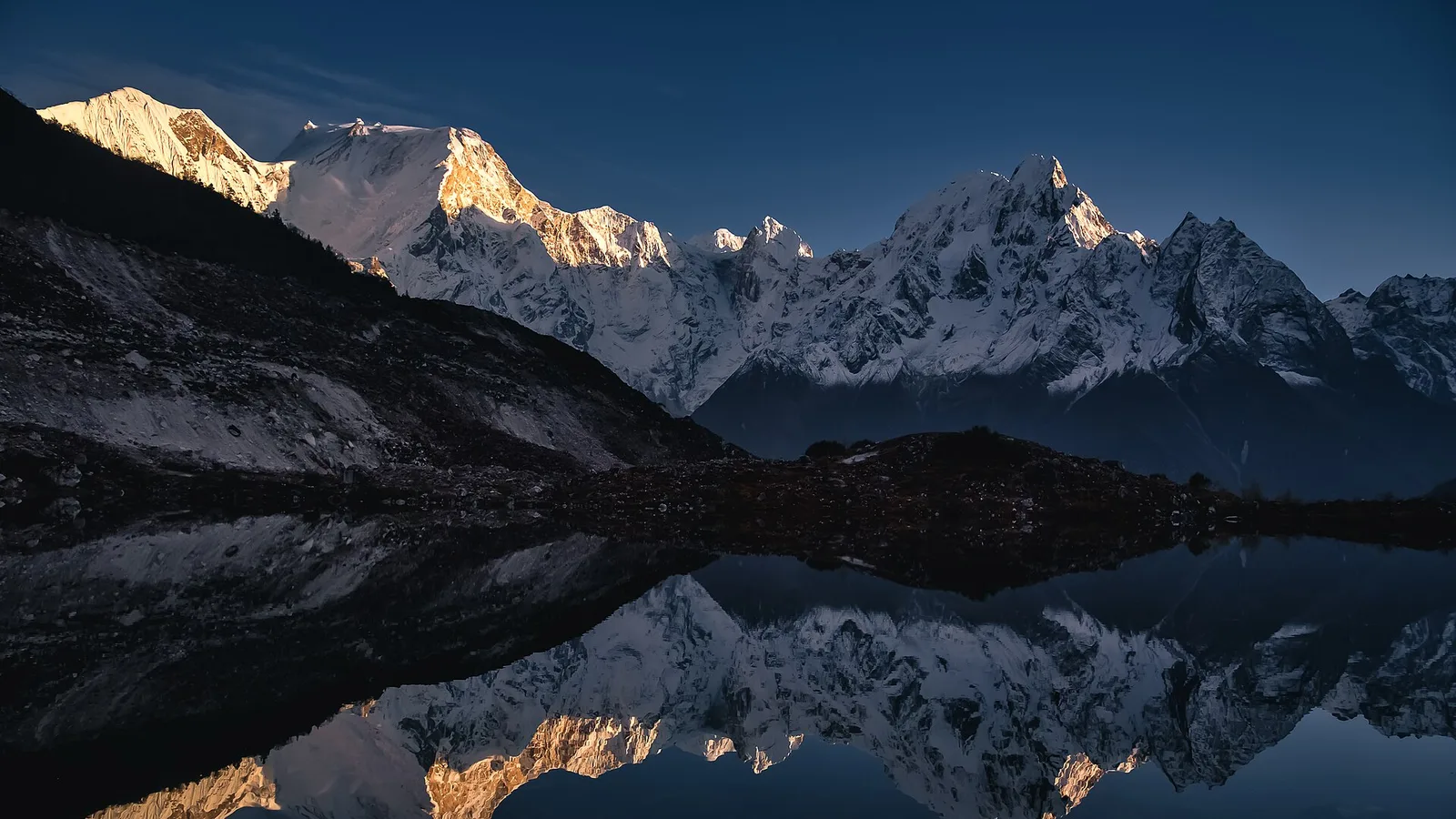
Is the Manaslu Circuit Trek Affected by the 2026 Nepal Floods?
No — the Manaslu Circuit runs on the Budhi Gandaki in Gorkha, a different river from the flood-hit Bhote Koshi in Rasuwa. Here is why the trail and the Larke La are unaffected — and the one road caveat to confirm.