
Trail shoes or hiking boots, and what the ankle-support research actually found
Most teahouse trekkers wear more boot than the walk needs, and the ankle-support argument holding that up is thinner than the shops suggest.
At a glance
- Published
- TopicGear & Tech
- Verified againstLai et al. (2020), review of shoe collar height and ankle sprain mechanics
- Treks coveredAnnapurna Base Camp Trek — 9 Days, Everest Base Camp Trek — 14 Days
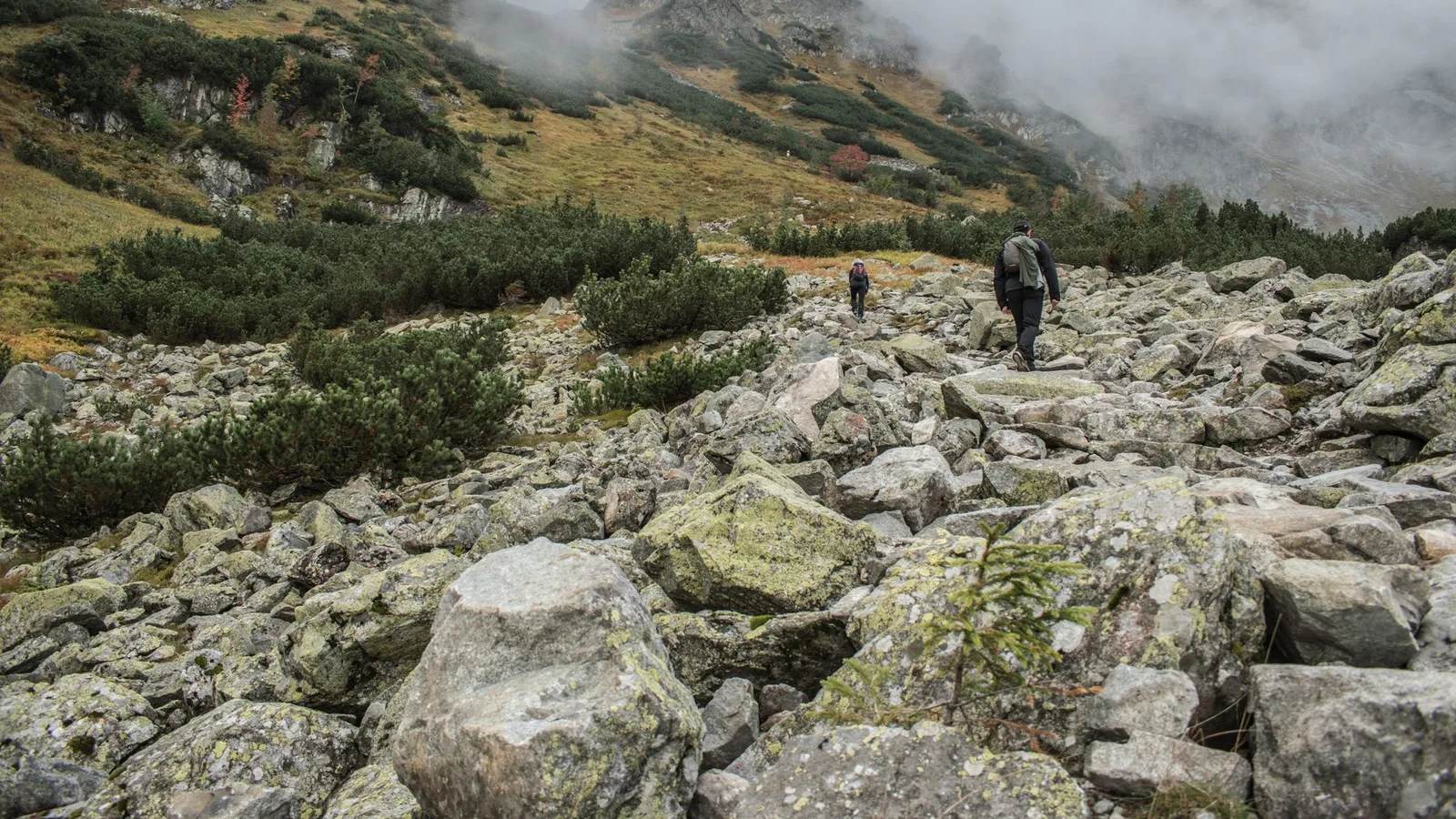
Most people walking to Everest Base Camp or round Annapurna are in more boot than the route asks for. That is our honest position after guiding these trails since 1998, and the ankle-support argument usually used to justify the heavier boot turns out to have surprisingly little behind it. There is still a version of this trek where the boot is right, and it is worth knowing which one you are doing before you spend the money.
Key facts
- A published review of shoe collar height found the evidence that high-top shoes prevent ankle sprains has not been established, with no significant difference in sprain rates against low-tops
- That review studied athletes, not loaded trekkers — it weakens the boot argument, it does not settle it
- Weight carried on your feet costs more energy than the same weight carried on your trunk
- Take the boot if you carry your own 15 kg, cross snow, or have rolled an ankle before
What the ankle-support research actually found
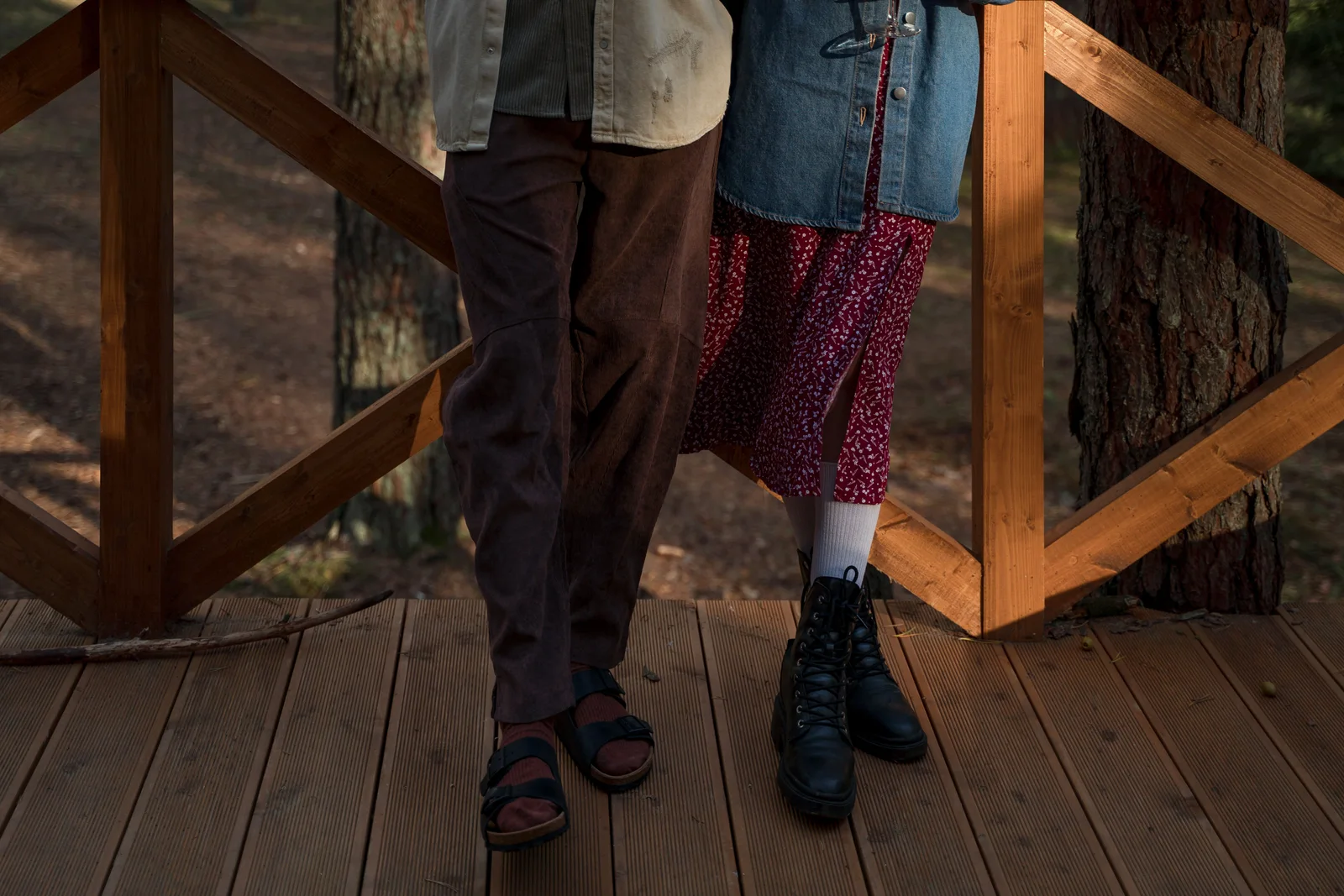
The reason almost everyone buys a boot is ankle support, and it is the claim with the least evidence behind it. A review of the literature on shoe collar height, published in 2020 by Lai and colleagues, reports that the evidence supporting high-top shoes for preventing ankle sprains has not been fully established, and that from an epidemiological view no significant difference in sprain occurrence has been found between high-top and low-top shoes.
Read that carefully, because it is narrower than the internet version of it. It does not say boots are useless. It says the protective effect people assume is there has not been demonstrated. Some biomechanical work does show a high collar restricting how far the ankle rolls; what has not followed is a matching drop in actual injuries.
And the honest caveat, which most articles quoting this research leave out: those studies are largely on athletes on sports surfaces, not on people carrying a pack down a wet stone staircase at 4,000 m. Our trek is not the study population. So this is a good reason to stop treating ankle support as an automatic argument for a boot. It is not a good reason to declare boots pointless, and anyone telling you the science has settled it is overreading a paper they have not read.
Why the weight on your feet counts double
Here is the argument that gets far less attention and is on much firmer ground. Soule and Goldman measured the energy cost of carrying loads on the head, the hands and the feet, and found that a load carried at the extremities costs more metabolically than the same load carried close to the trunk. Weight on your feet is simply more expensive to move than weight in your pack.
Over a fortnight of six-hour days, that difference is not academic. A pair of stiff leather boots against a pair of trail shoes is a real weight gap, lifted somewhere in the region of twenty thousand times a day. It is one of the few gear choices where the cheap option is also the physiologically easier one.
| Your trek | Take | Why |
|---|---|---|
| Teahouse route, porter carrying the load, under 5,000 m | Trail shoe | Lighter, no break-in, and the ground is stone and dust rather than technical |
| You carry your own 15 kg | Boot | A soft sole under a heavy pack is where feet actually fail |
| A high pass, snow underfoot | Boot | Warmth and a membrane, neither of which a trail shoe has |
| You have rolled an ankle before | Boot, or a brace | A history of sprains is the one case where bracing has decent evidence |
| Real scrambling on rock | Approach shoe | A specialist choice, and wrong for the 80 km of valley walking either side |
What we actually see on the trail
The failures we deal with are almost never ankles. They are blisters, and they are toenails lost on the descent, and they are feet that swelled by day six into boots bought in the correct size for a shop on a Saturday afternoon. A boot does not prevent any of those. A shoe that fits, half a size up, with a sock that manages moisture, prevents all three more reliably than a stiffer upper does.
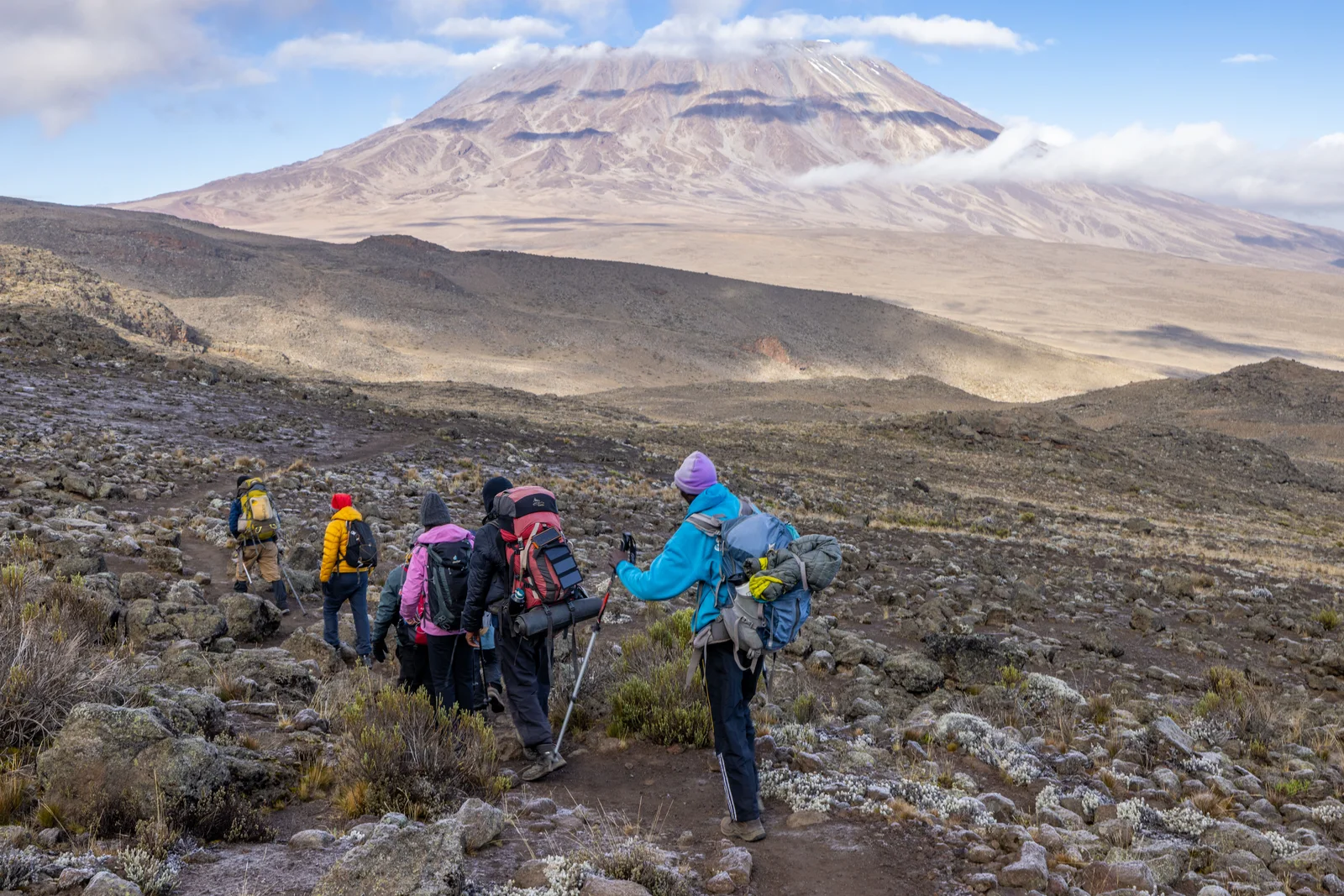
The second thing we see is people who bought a serious boot for a walk that did not need one, and who spend two weeks carrying the extra weight and the extra stiffness for a protective benefit the route never asked them to cash in. If a porter is carrying your duffel and you are walking a lodge trail below 5,000 m, you are that person more often than not.
None of this is an argument for arriving in road-running shoes. A trail shoe has a grippier outsole, a firmer platform and a toe cap, and those matter on loose ground. The distinction that counts is trail shoe against boot, not shoe against boot in general.
What to buy for a teahouse trek
For most people on a lodge trek with a porter, a low trail shoe wide enough to accommodate a fortnight of swelling is the right answer, and it is also the cheaper one.
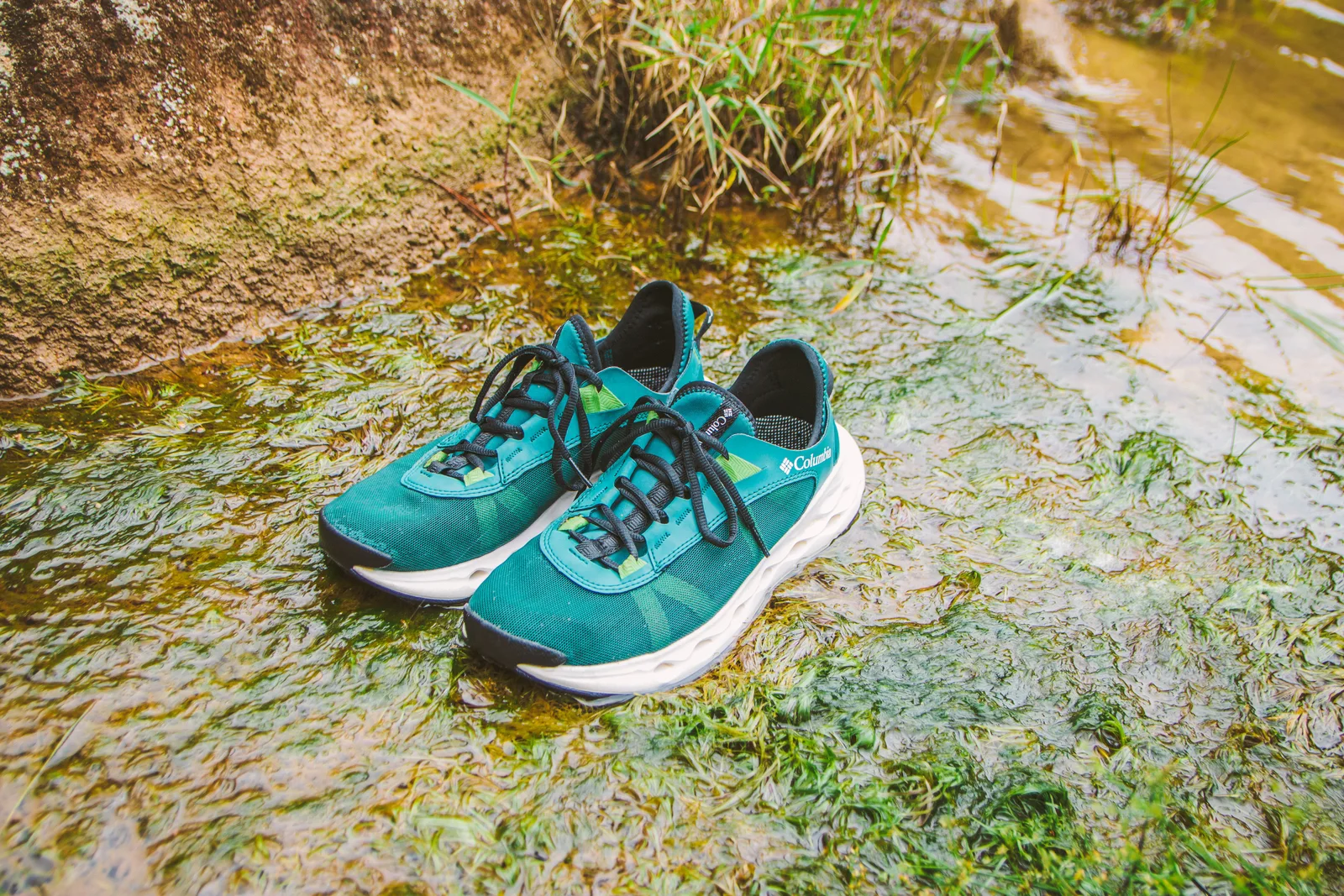
If you are carrying your own load, crossing a pass with snow on it, or you know your ankles, buy the boot and do not feel talked out of it by a study about athletes. This is the version of the trek where the extra weight buys you something real.
Whichever you pick, do not buy it the week before you fly — we have written separately about why that single decision ruins more trips than weather does, and the same applies to a shoe. And spend the money you saved on socks and a sensible base layer rather than on more footwear.
What this means for you
Ask one question: is somebody else carrying the weight? If yes, and you are on a lodge trail below 5,000 m, buy the trail shoe and stop reading the boot reviews. If you are carrying your own pack, going over a snowy pass, or you have a history of turned ankles, buy the boot. Almost nobody needs to agonise beyond that, and the shops selling you the third option have an interest in the agonising.
Where a boot is still clearly the right answer
Snow is the simplest one. A trail shoe has no membrane and no insulation, so an early-morning crossing of a high pass in October leaves you with wet, cold feet for hours, and cold feet at altitude are a genuine safety issue rather than a comfort complaint. If your itinerary crosses Thorong La, Cho La or the Three Passes, take the boot.
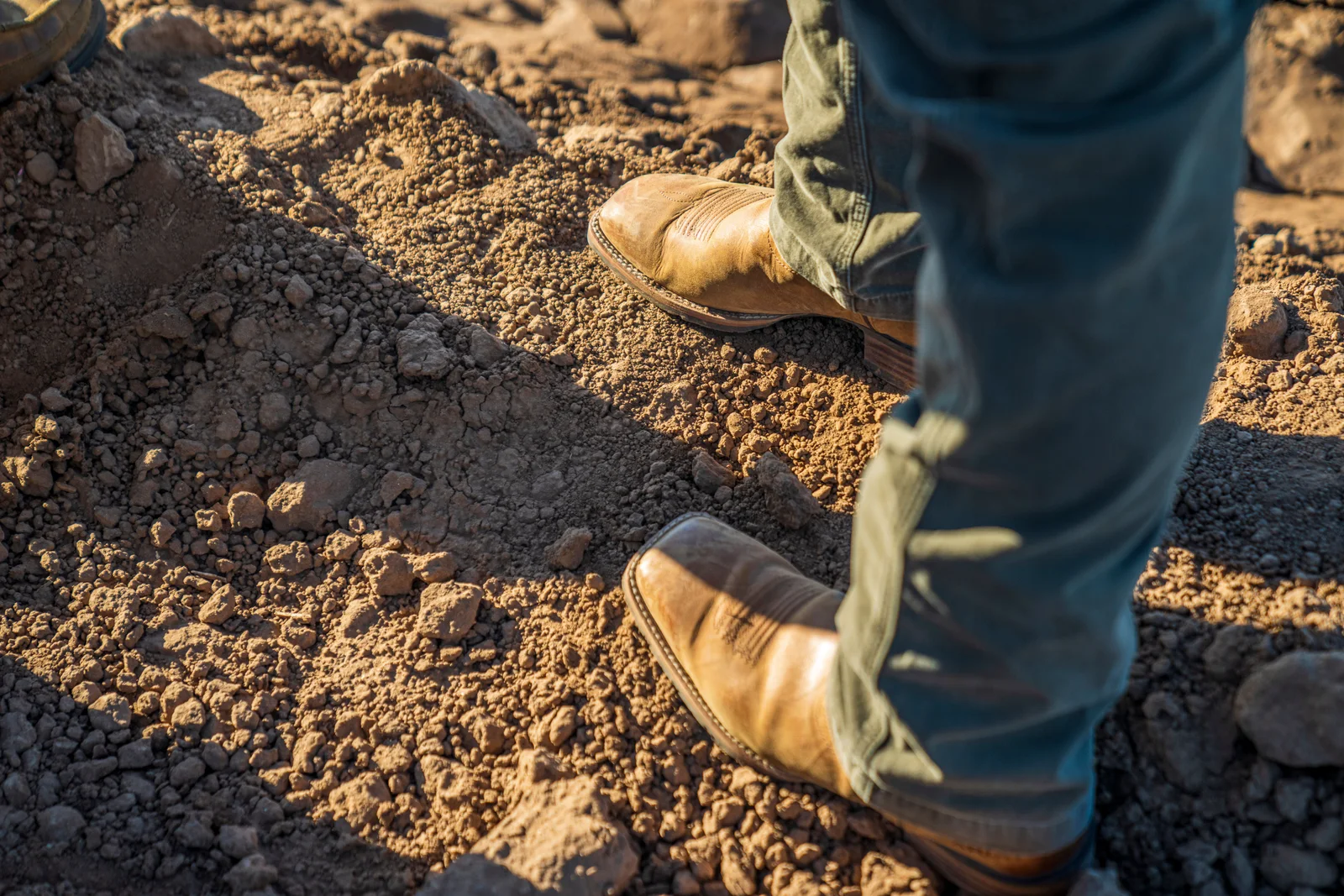
Load is the second. Under a heavy pack the foot flattens and the sole flexes, and a soft trail-shoe midsole stops supporting you somewhere in the second week. Our own catalogue note on the low Merrell says exactly this, and it is the reason we do not recommend it to people carrying fifteen kilos themselves.
Previous injury is the third, and it is the one place the evidence genuinely supports intervention — though what the research points to is an ankle brace rather than a boot. If you have sprained the same ankle repeatedly, a brace inside a shoe is better supported than a high collar around it.
Questions we get asked about trekking footwear
Do I need waterproof shoes for Nepal
In the autumn and spring seasons, usually not below the snowline. A membrane keeps water out and also keeps sweat in, and a non-waterproof trail shoe dries in an afternoon while a wet boot stays wet for two days. Above the snow, take the membrane.
Can I wear my running shoes
Road-running shoes have a smooth outsole and a soft, unstable platform on uneven ground. They are the one footwear category we do actively argue against. A trail shoe costs about the same and is built for the surface.
What size should I buy
Half a size up on whatever you would normally take. Feet swell over consecutive walking days at altitude, and a shoe that fits perfectly in the shop is the shoe that costs you toenails on the descent to Lukla.
Should I rent boots in Kathmandu
No. Thamel rents down jackets and sleeping bags well, and we tell people to rent both. Footwear is the exception, because fit is the whole product and you cannot break in a stranger’s boot in a day. This is the one bit of kit to bring from home.
If you are still deciding, the honest shortcut is to look at who is carrying your bag. Our trail shoe picks and boot picks sit in the full gear catalogue, and the routes these get worn on most are the Everest Base Camp and Annapurna Base Camp treks.
Cover photo: Karolina via Pexels (Pexels License).
As an Amazon Associate we earn from qualifying purchases, at no extra cost to you.
Still running this season
Everest Base Camp Trek — 14 Days is running normally
NMA-certified local guides, transparent pricing, 5,000+ treks since 1998. Message us your dates and we'll sort the permits, lodges and logistics — reply within 24 hours, no obligation.
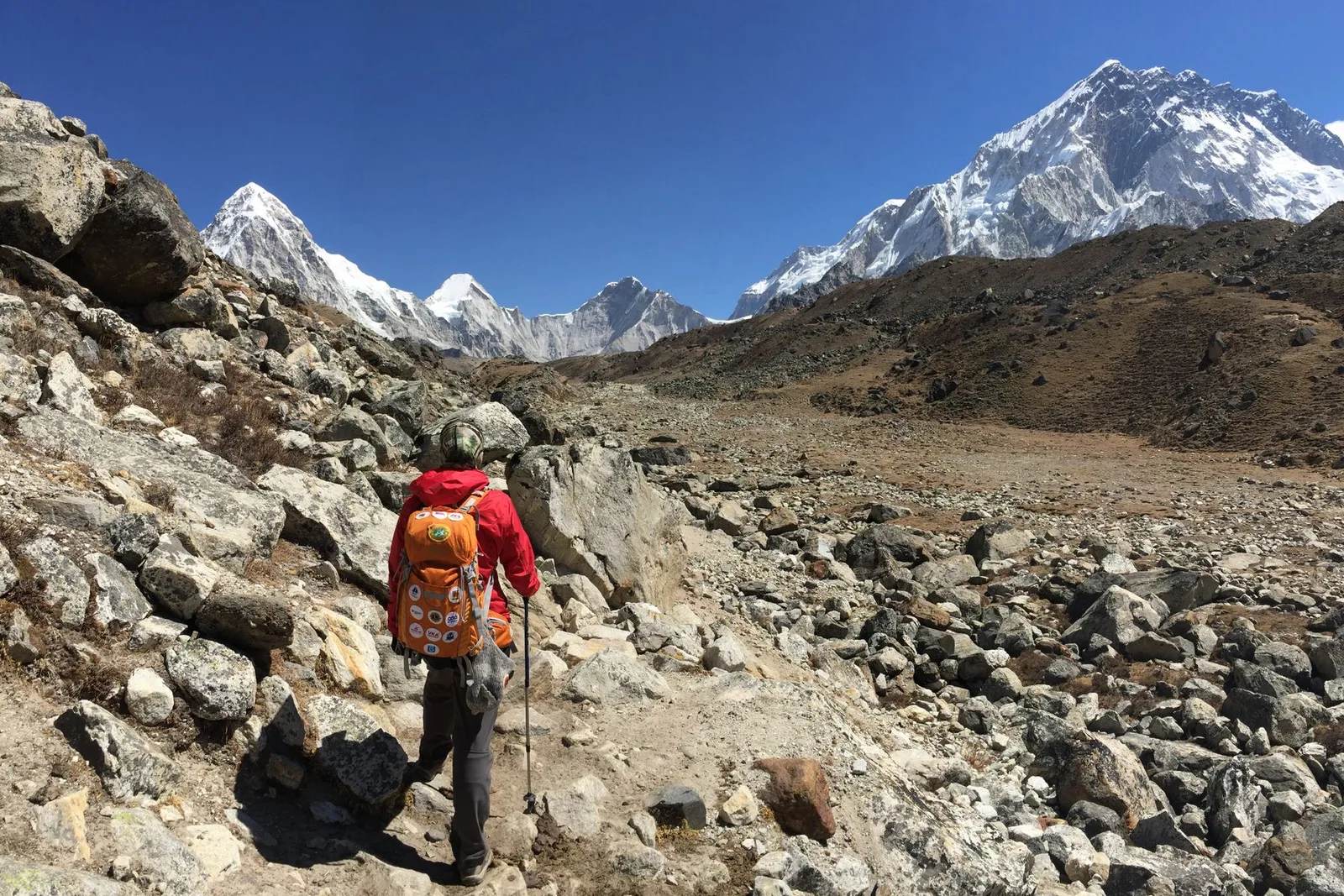
Popular Nepal treks
All treks →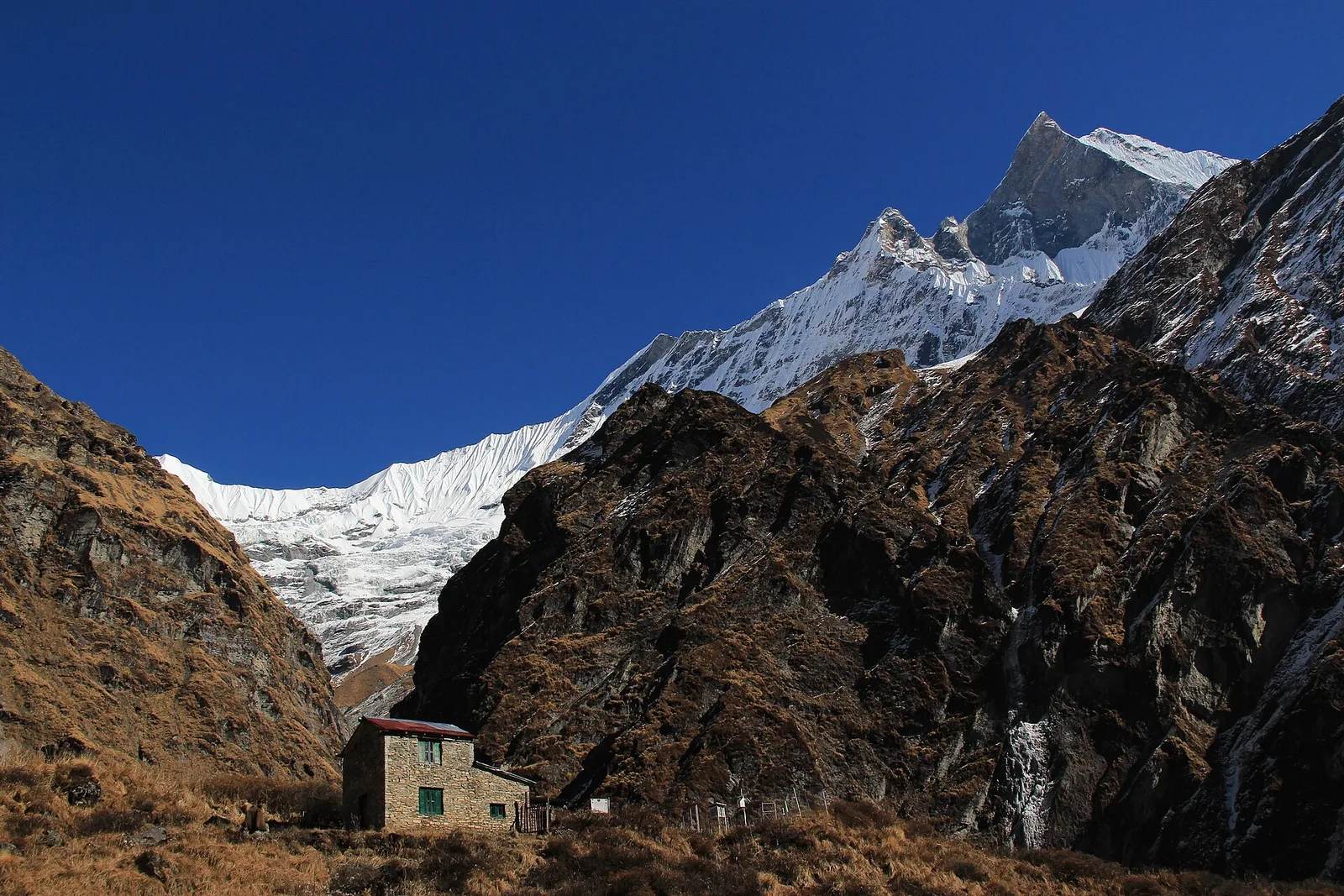
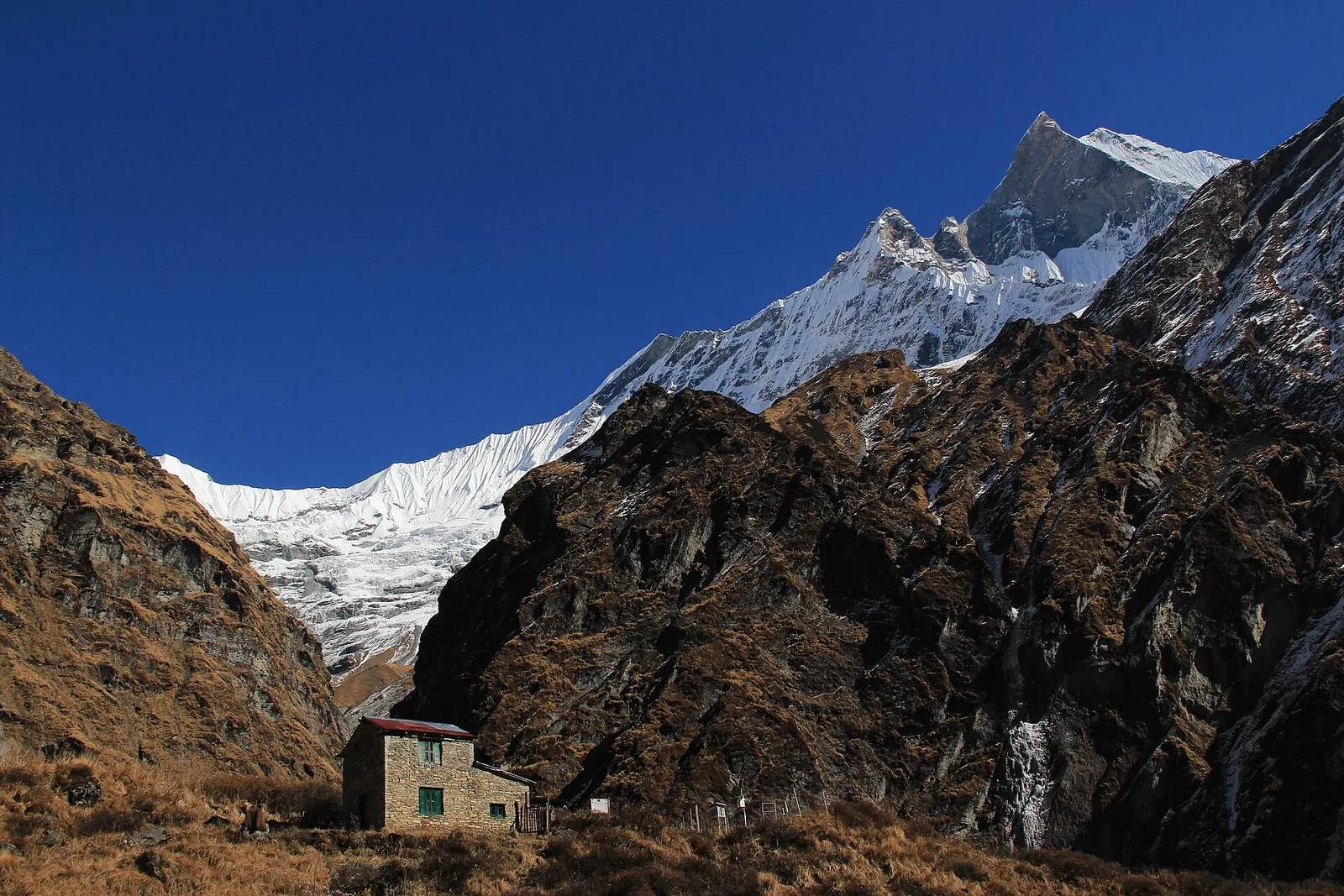
Related coverage
Gear & Tech
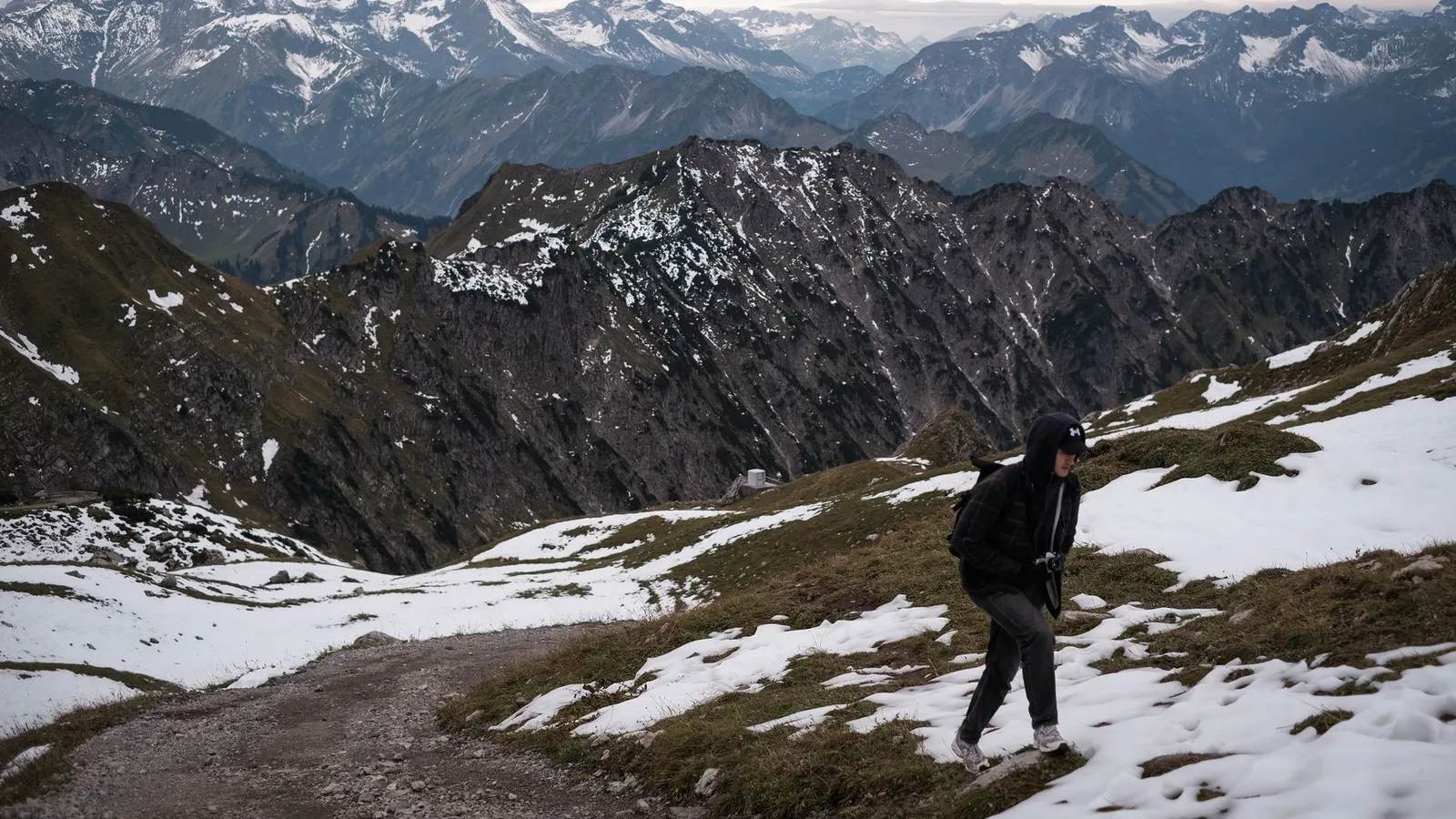
New hiking boots ruin more trips than bad weather does
Buying boots the week before you fly is the most common gear mistake there is. What needs breaking in, what does not, and why socks matter more.
Gear & Tech
Merino or synthetic base layers, and what a lab found when it measured the smell
Merino wins the week-long wear, synthetic wins the overnight dry, and the lab reason merino stays fresh is not the bacteria story you have been told.

Gear & Tech
Waterproof jackets fail in a way the label never warns you about
A jacket can be sold as waterproof at 1,500 mm. What the ratings actually measure, why yours feels like it leaks, and the details worth more than the number.
Trail & Weather
Nepal trekking news that actually changes your trip, updated for autumn 2026
The permit rules, fines, airfares, flight routes and road closures that changed for Nepal trekkers in 2026 — what to act on for an autumn booking, and what to ignore.
Latest from the desk
Safety & Advisories
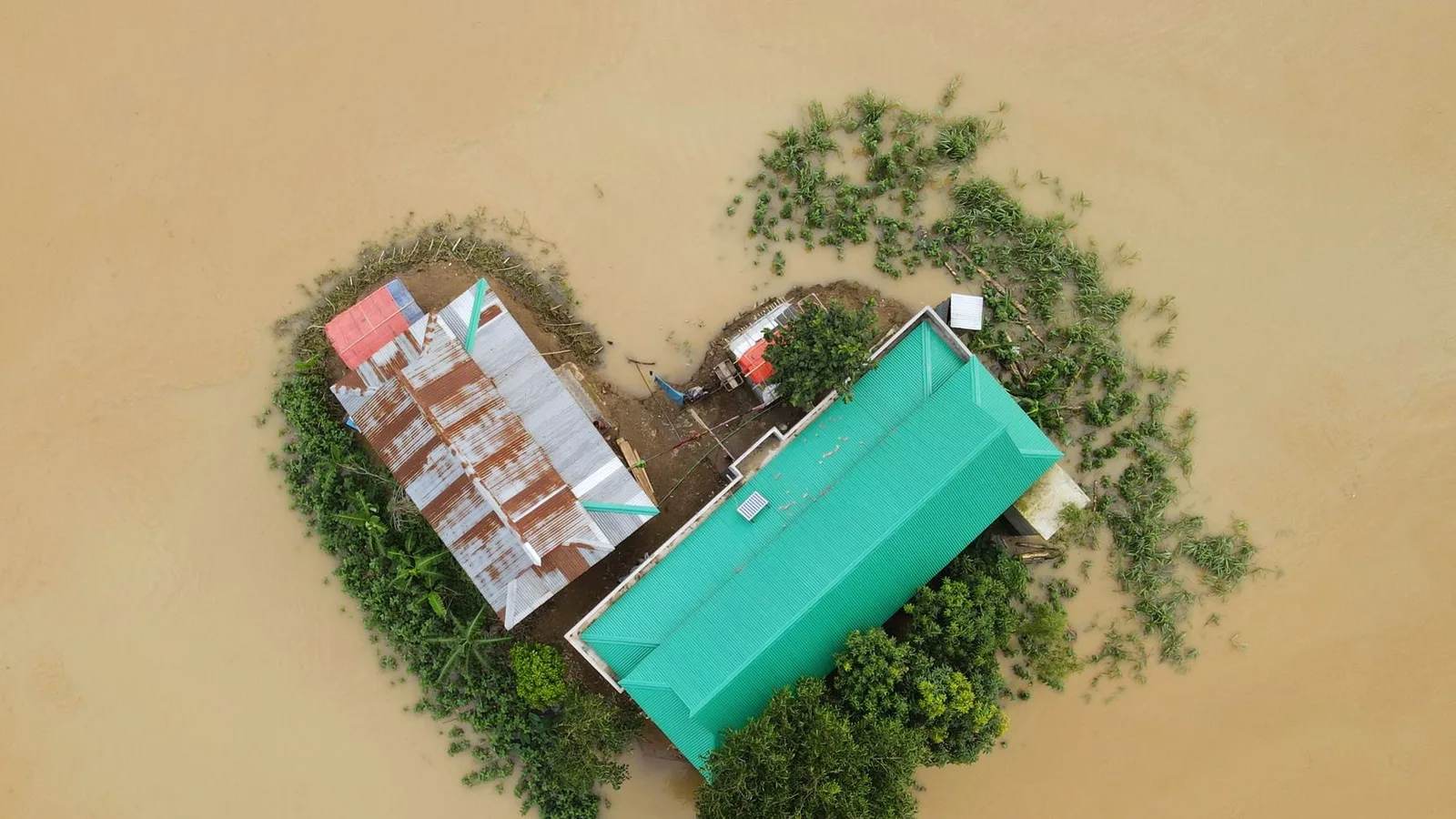
If someone you know is missing in the Nepal flood, you don't have to fly to Kathmandu
Nepal Police have identified 95 of more than 1,200 bodies recovered. Families abroad can be DNA-profiled at home and send the result in. Here is how it works.
Records & People
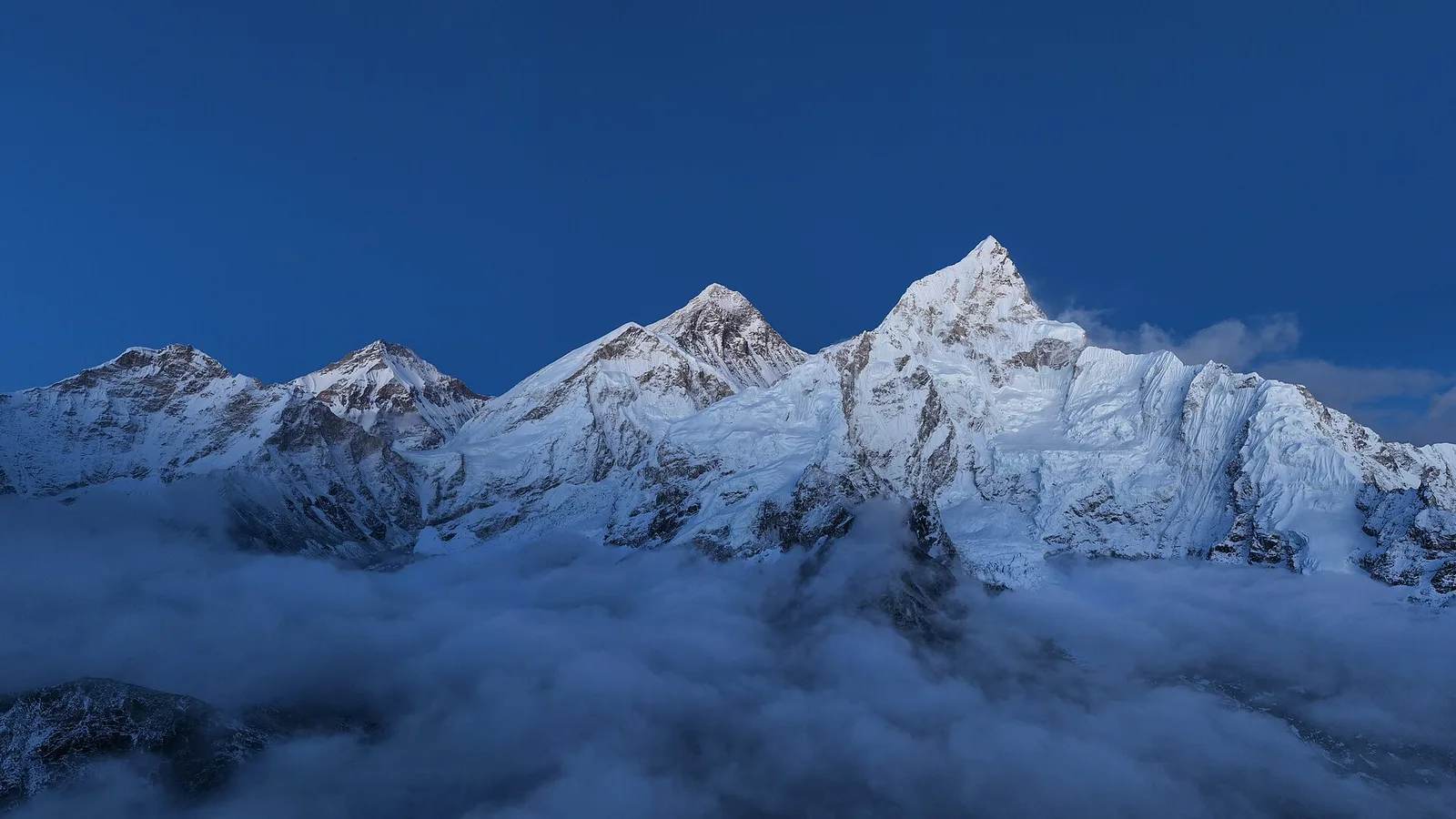
Mount Everest's Official Height Was Wrong for 65 Years, Until Nepal and China Finally Agreed in 2020
The number on every map, 8,848.86 metres, only became official on 8 December 2020, after two countries spent over a decade measuring the same mountain and getting two different answers.
Records & People
Nepal's Gokyo Lakes Turn an Impossible Turquoise Every Autumn, and Rock Dust Is Why
Six sacred glacial lakes above Everest sit higher than almost any freshwater on Earth, and the colour that makes trekkers stop mid-stride comes down to stone ground fine enough to float.