
Merino or synthetic base layers, and what a lab found when it measured the smell
Merino wins the week-long wear, synthetic wins the overnight dry, and the lab reason merino stays fresh is not the bacteria story you have been told.
At a glance
- Published
- TopicGear & Tech
- Verified againstTextile Research Journal — McQueen, Laing, Brooks & Niven (2007)
- Treks coveredAnnapurna Base Camp Trek — 9 Days, Everest Base Camp Trek — 14 Days
If you are buying one base layer for a long trek, buy merino. If you are buying three, make one of them synthetic. That is the honest answer, and the reason people usually give for it — that wool kills the bacteria which cause the smell — is not what the research actually found.
Key facts
- In a controlled study of nine knit fabrics, polyester rated high for odour intensity; wool and cotton rated mid to low
- The same study counted the bacteria and found similar numbers on every fabric — fewer microbes is not the reason wool smells less
- Wool below about 19.5 microns is the range used for next-to-skin garments
- Two shirts is enough for a two-week teahouse trek. The third is dead weight
What the odour study actually found
Polyester goes sour faster than wool, and that part of the folklore is true. A team led by Rachel McQueen tested nine knit fabrics in cotton, wool and polyester after wear, and had a trained odour panel rate them. Polyester rated high for odour intensity. Wool and cotton rated mid to low.
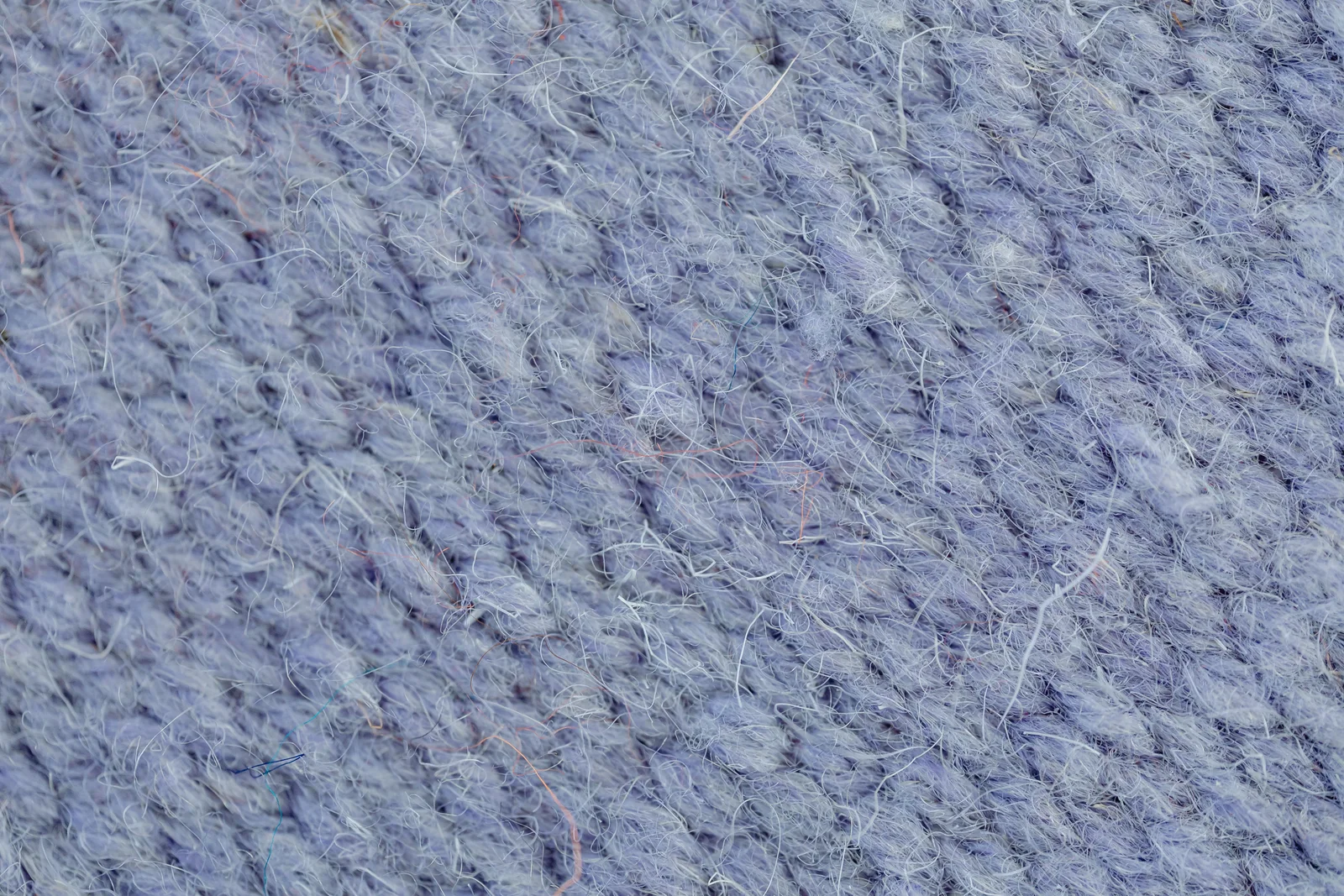
The interesting part is the bit that gets left out of the marketing. The researchers also counted the bacteria living on each fabric, and after one day the counts were similar across all of them. The wool was not staying fresher because fewer microbes were growing on it. Fibre type drove the odour independently of the bacterial population — which means the popular explanation, that wool is antibacterial and therefore does not stink, reaches the right conclusion through the wrong mechanism.
What that changes for you is small but worth knowing. If you are paying a premium for merino on the understanding that it is somehow sterilising itself between wears, it is not. It holds and releases the smelly compounds differently. The result on the trail is the same, so buy it if you want it — just do not expect it to keep performing that trick indefinitely, and do not let anyone sell it to you as a hygiene feature.
Where synthetic genuinely beats merino
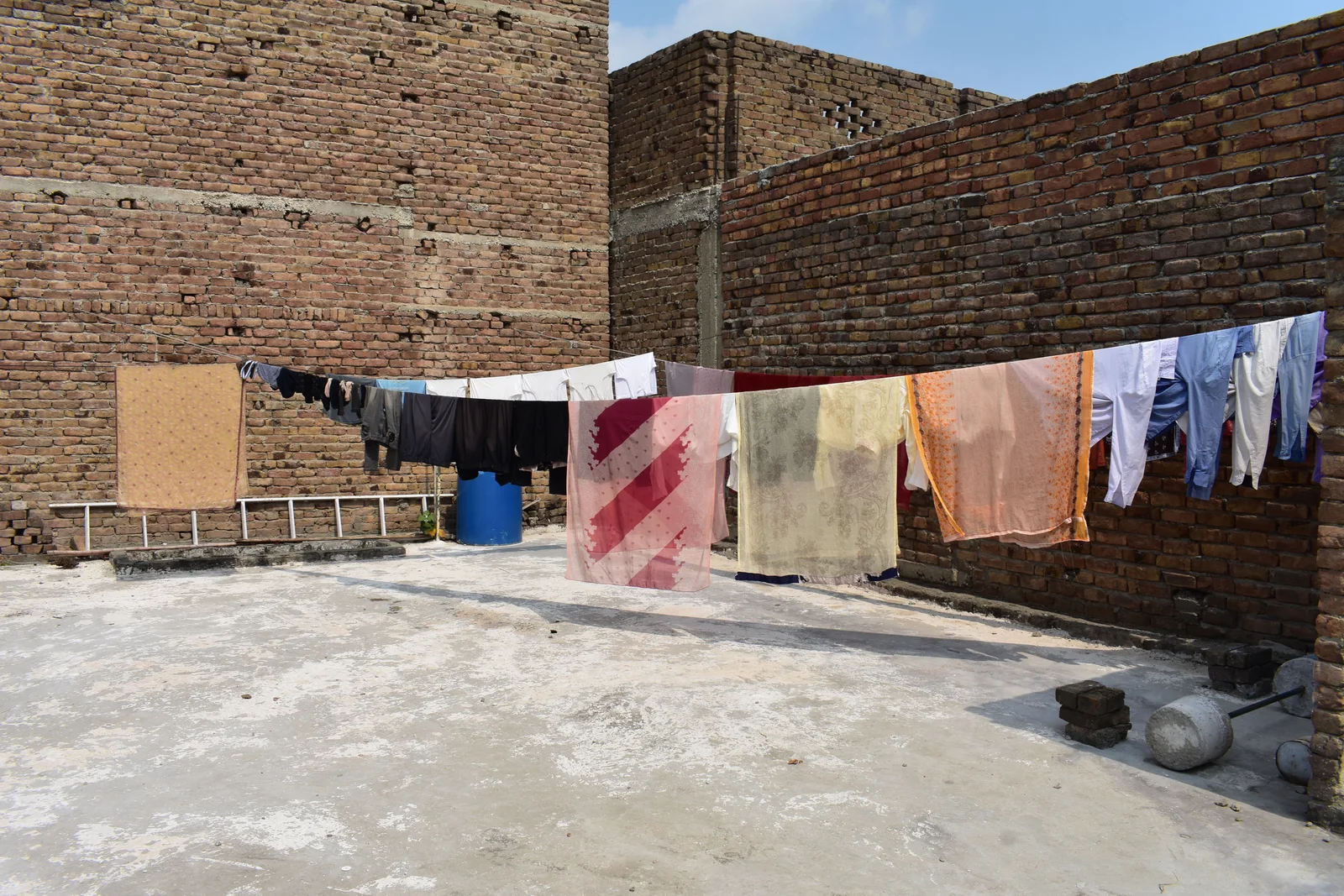
Drying, and it is not close. This is the reason we never tell anyone to go all-merino. Polyester holds very little water in the fibre itself, so a synthetic shirt rinsed in a lodge sink at four in the afternoon is wearable by breakfast. A merino shirt of the same weight is often still faintly damp in the morning, and at 4,000 m a damp shirt is not a laundry inconvenience, it is a cold problem that follows you all day.
Durability is the second one. Fine merino is, by definition, a fine fibre, and it wears through — usually at the shoulder where a pack strap sits, and along the hem. This is why almost every base layer sold as merino is actually a blend with nylon or polyester through the yarn. A pure synthetic shirt will outlast a merino one, and it costs less to replace when it finally goes.
| Merino | Synthetic | |
|---|---|---|
| Days before it smells | Several | Often one |
| Dry by morning after a sink wash | Frequently not | Yes |
| Wear at the pack-strap shoulder | Wears through sooner | Outlasts it |
| Warm while damp | Yes | Less so |
| Cost to replace | Higher | Lower |
| Best job on the trek | The shirt you live in | The one you wash |
How fine the wool actually needs to be
Merino is graded by fibre diameter in microns, and that number tells you more than the brand on the label does. Woolmark puts merino between under 17.5 microns and around 22 to 24 microns, and identifies fibres below roughly 19.5 microns as the ones used for next-to-skin garments such as base layers and fine knitwear.
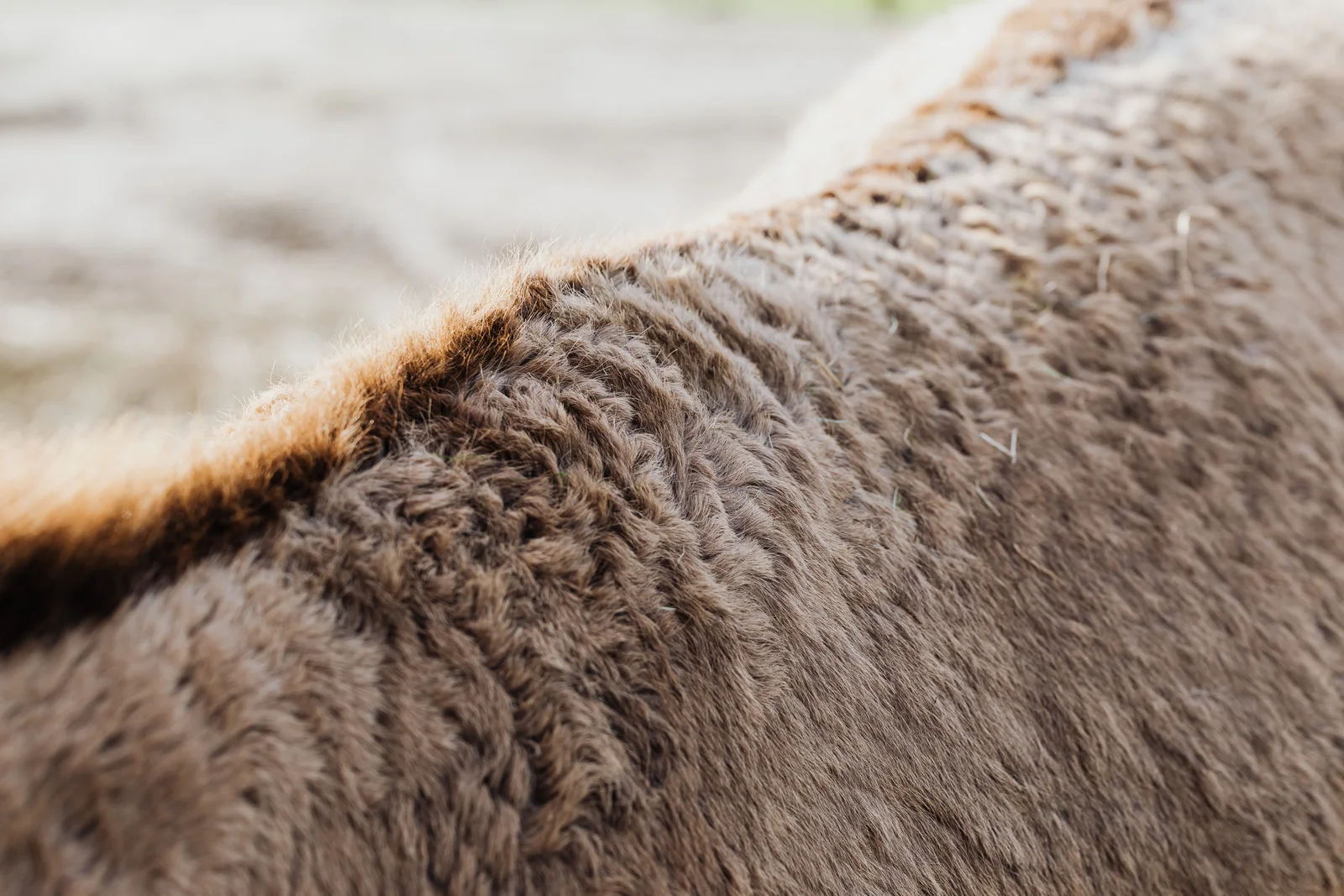
Practically: if a shirt is going against your skin for two weeks, you want it under about 19.5. Coarser wool than that is the itch people remember from a childhood jumper, and an itchy shirt at altitude is a shirt you stop wearing, which makes it the most expensive garment in your bag. If a retailer will not tell you the micron count, that is information in itself.
What we tell trekkers to pack
Two tops, one of each. A merino shirt you walk in and keep wearing, and a synthetic one you rinse and dry overnight so there is always a clean dry option. That combination solves both problems at once and weighs less than the three or four shirts most people arrive with. Add one merino bottom that you change into at the lodge and sleep in — not the one you walked in, which will be damp.
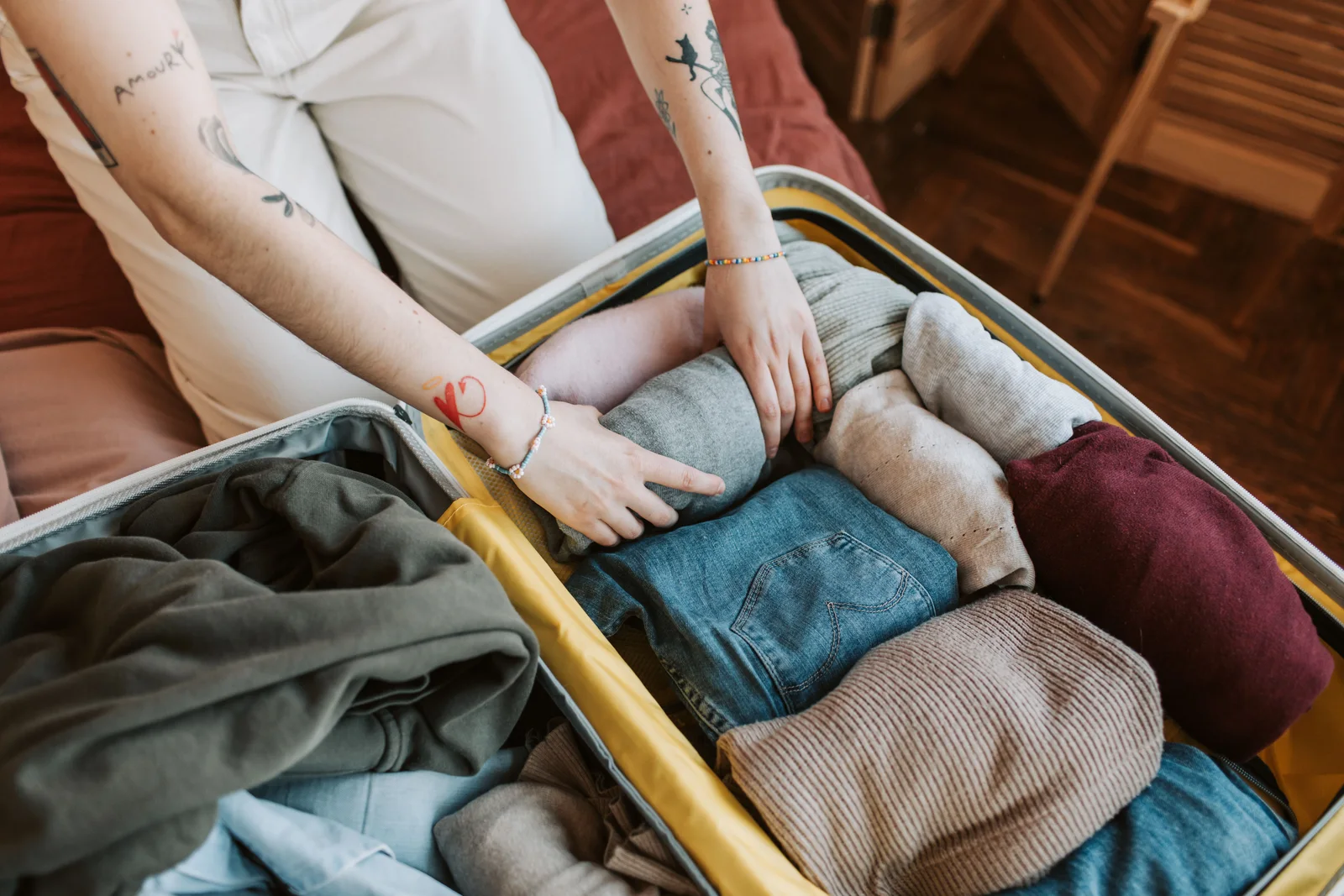
The one upgrade that beats all of this for the money is socks, which we have argued before matter more than the boot. The same logic applies here: the cheap item closest to your skin changes your week more than the expensive one over the top of it.
What this means for you
Buy one good merino top and one cheap synthetic one, and stop there. If your budget only stretches to one, and you are trekking somewhere you can wash and dry — a teahouse route with sun in the afternoon — buy the synthetic and wash it more often. The merino premium is buying you convenience, not performance, and there is no shame in paying for laundry instead.
The part nobody wants to hear about cost
A merino base layer costs several times what a synthetic one does, and the honest position is that a lot of trekkers do not need it. If you are doing one trek in your life, on a teahouse route with a sink and an afternoon of sun, two synthetic shirts and a bar of soap will get you to base camp perfectly well. Nobody on the trail is grading your fibre choice.
Where merino genuinely earns the money is the long, cold, wash-nothing trip — a high pass, a camping route, winter, or any itinerary where you will not reliably get a shirt dry. That is a real scenario and it is worth spending on. It is also a much smaller share of trekkers than the people currently being sold merino.
We sell trekking, not clothing, and we make a small commission if you buy through the links above. That is exactly why it is worth saying plainly that the cheaper option is the right one for a lot of people.
Questions we get asked about base layers
Can I just wear a cotton T-shirt?
No, and this is the one place we are absolutely rigid. Cotton holds water against your skin and stays cold once it is wet, whether that is sweat on a climb or rain. Both merino and synthetic are enormous improvements over it. If you take one thing from this piece, take that one.
Do I need a heavyweight or a lightweight?
Lightweight, almost always. You regulate temperature with the layers over the top, not by starting with a thick shirt you cannot take off. A heavy base layer is comfortable for the first hour of the morning and too warm for the rest of the day.
Is it worth buying base layers in Kathmandu?
For a spare synthetic top, yes, and Thamel is full of them at a fraction of what you would pay at home. For merino, be careful — the labelling is unreliable and you cannot verify a micron count on a market stall. Bring the merino, buy the spare there.
How many days can I really wear merino?
In our experience several, and most people are surprised by it. But it is not infinite, the study above explains why, and your fellow trekkers in a small dining room will notice before you do.
Base layers are the first thing on and the last thing you think about, which is why they are worth getting right once. If you are working out the rest of the list, our base layer picks sit alongside the full gear catalogue, and the treks we run these on are the Everest Base Camp and Annapurna Base Camp routes.
Cover photo: Alina Chernii via Pexels (Pexels License). Section photos: hello aesthe via Pexels (Pexels licence); https://kaboompics.com/ via Pexels (Pexels licence); Malik WaQaS via Pexels (Pexels licence); Vlada Karpovich via Pexels (Pexels licence).
As an Amazon Associate we earn from qualifying purchases, at no extra cost to you.
Still running this season
Annapurna Base Camp Trek — 9 Days is running normally
NMA-certified local guides, transparent pricing, 5,000+ treks since 1998. Message us your dates and we'll sort the permits, lodges and logistics — reply within 24 hours, no obligation.
Popular Nepal treks
All treks →
Related coverage
Gear & Tech
Trail shoes or hiking boots, and what the ankle-support research actually found
Most teahouse trekkers wear more boot than the walk needs, and the ankle-support argument holding that up is thinner than the shops suggest.
Gear & Tech
New hiking boots ruin more trips than bad weather does
Buying boots the week before you fly is the most common gear mistake there is. What needs breaking in, what does not, and why socks matter more.
Industry & Tourism
Everest Base Camp or Annapurna Base Camp: Which Should You Actually Trek in 2026?
Both are sold as 'base camp treks' but they differ by 1,400 metres of altitude, a week of walking and a coin-flip mountain flight — here is how to pick the right one for your fitness, budget and time.
Gear & Tech
How to Sleep on a Long-Haul Flight in 2026: Seat, Kit and Timing Tactics That Actually Help
Real, practical tactics for in-flight sleep — pick a window seat, pack a proper neck pillow, eye mask and earplugs, time your rest to the destination, skip the alcohol, and move every couple of hours. Plus the honest limits.
Latest from the desk
Safety & Advisories
If someone you know is missing in the Nepal flood, you don't have to fly to Kathmandu
Nepal Police have identified 95 of more than 1,200 bodies recovered. Families abroad can be DNA-profiled at home and send the result in. Here is how it works.
Records & People
Mount Everest's Official Height Was Wrong for 65 Years, Until Nepal and China Finally Agreed in 2020
The number on every map, 8,848.86 metres, only became official on 8 December 2020, after two countries spent over a decade measuring the same mountain and getting two different answers.
Records & People
Nepal's Gokyo Lakes Turn an Impossible Turquoise Every Autumn, and Rock Dust Is Why
Six sacred glacial lakes above Everest sit higher than almost any freshwater on Earth, and the colour that makes trekkers stop mid-stride comes down to stone ground fine enough to float.