
New hiking boots ruin more trips than bad weather does
Buying boots the week before you fly is the most common gear mistake there is. What needs breaking in, what does not, and why socks matter more.
At a glance
- Published
- TopicGear & Tech
- Verified againstParkview Health — Ashley M. Bojrab, DPM, FACFAS
- Treks coveredAnnapurna Base Camp Trek — 9 Days, Everest Base Camp Trek — 14 Days
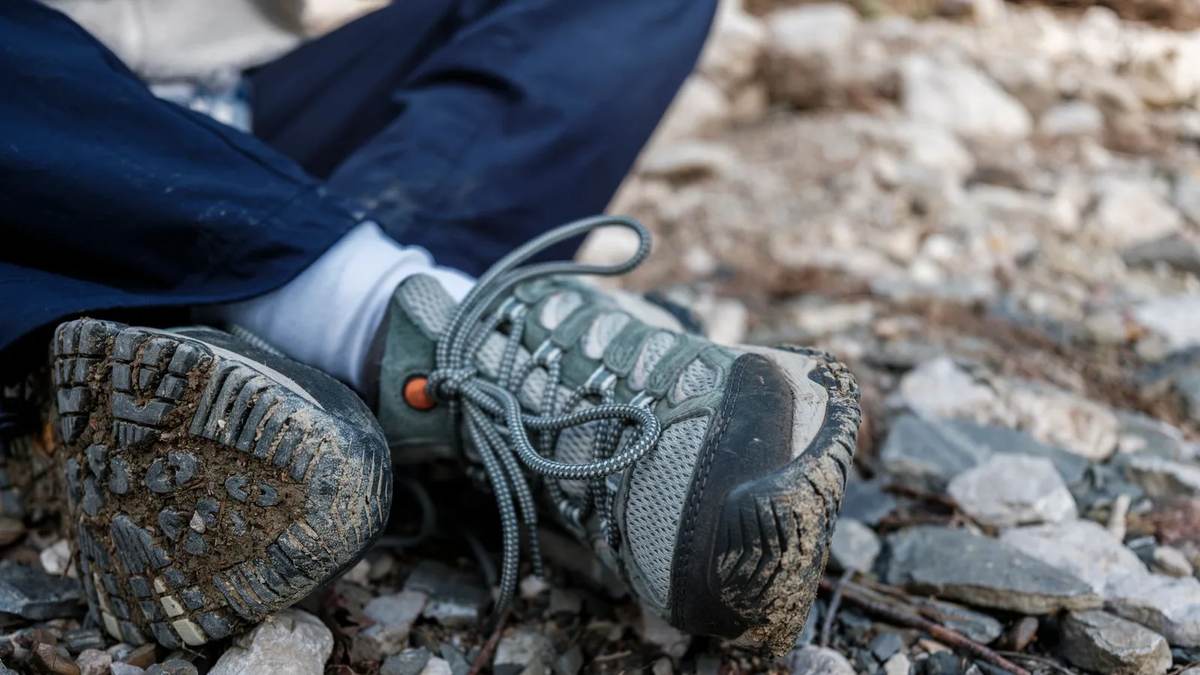
Do not buy new boots the week before you fly. That is the whole article, and it is the single most common gear mistake we see arriving at a trailhead. A brand-new boot has not taken the shape of your foot yet, and a long day is where it finds out where you rub.
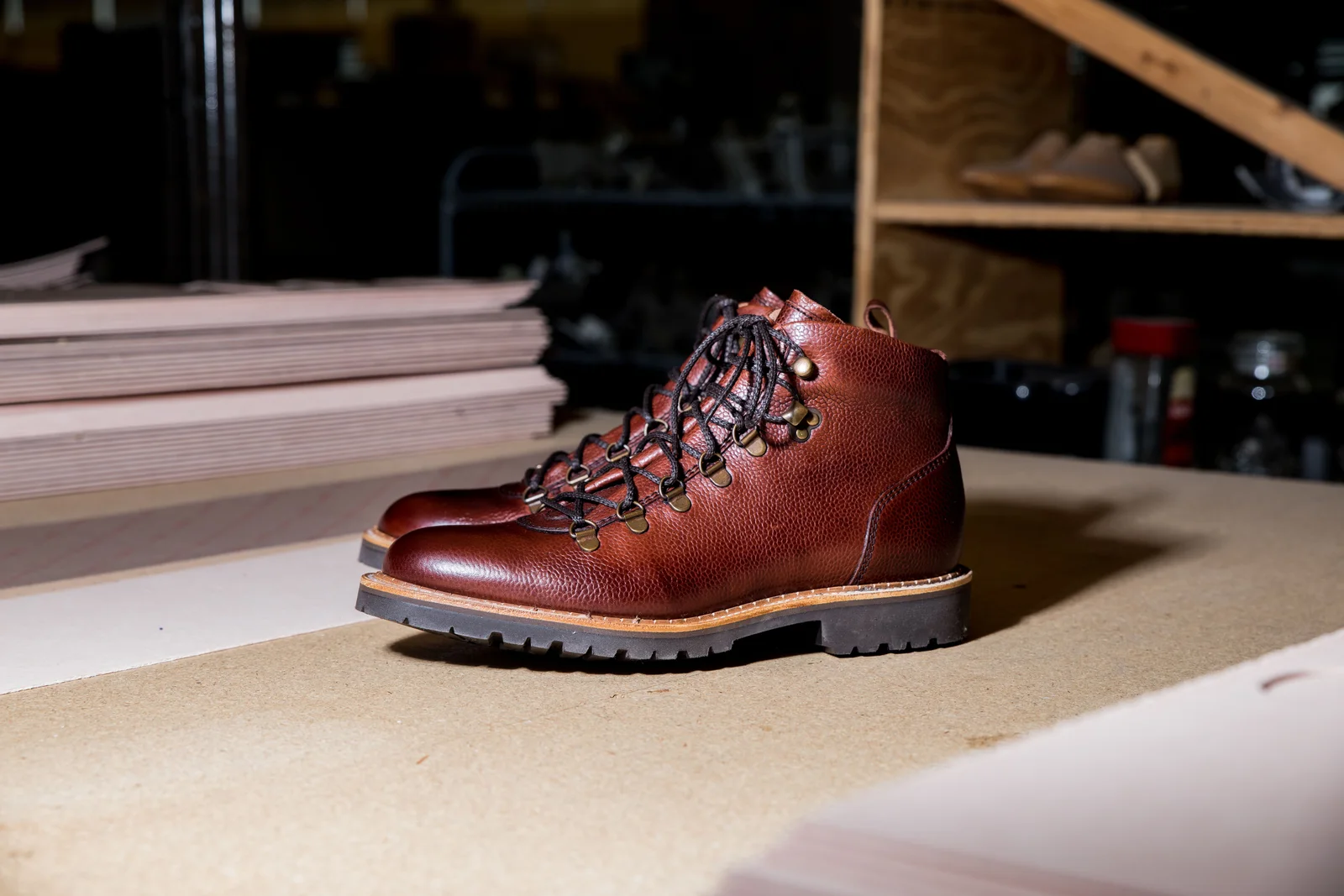
The good news is that the old advice — buy them three months early and suffer through it — is mostly out of date. What replaced it is simpler and cheaper.
If you read nothing else
- Wear what you already own if it is comfortable and has grip. Familiar beats technical.
- If you must buy, buy at least two to three weeks out and walk in them daily.
- Modern synthetic boots need almost no breaking in. Stiff leather still does.
- Buy half a size up — feet swell over consecutive walking days.
- Socks matter more than the boot. They are also the cheapest fix.
Why new boots hurt, mechanically
Blisters are a friction injury, not a toughness problem. They come from rubbing, a poor fit and heat — and a new upper that has not moulded to your foot creates exactly the friction points that produce them. Dr Ashley Bojrab, a podiatrist with Parkview Health, puts it plainly: wearing brand-new hiking boots on a long hike can do real harm, and the fix is to break them in first and check where they rub while the walk is still short enough to abandon.
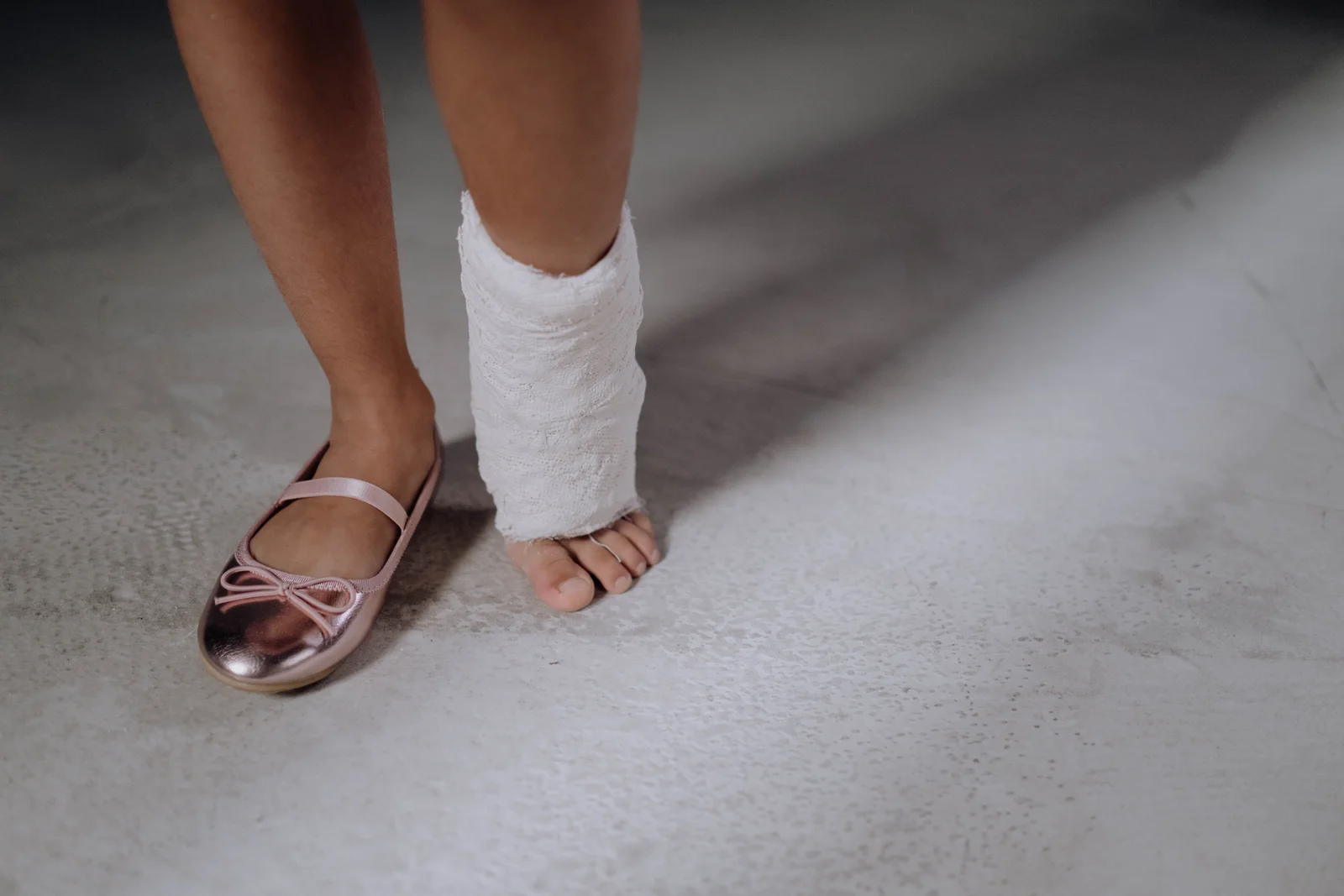
That last clause is the part people skip. The point of breaking a boot in is not to toughen your feet. It is to find the failure early, somewhere you can walk home from.
How long you actually need
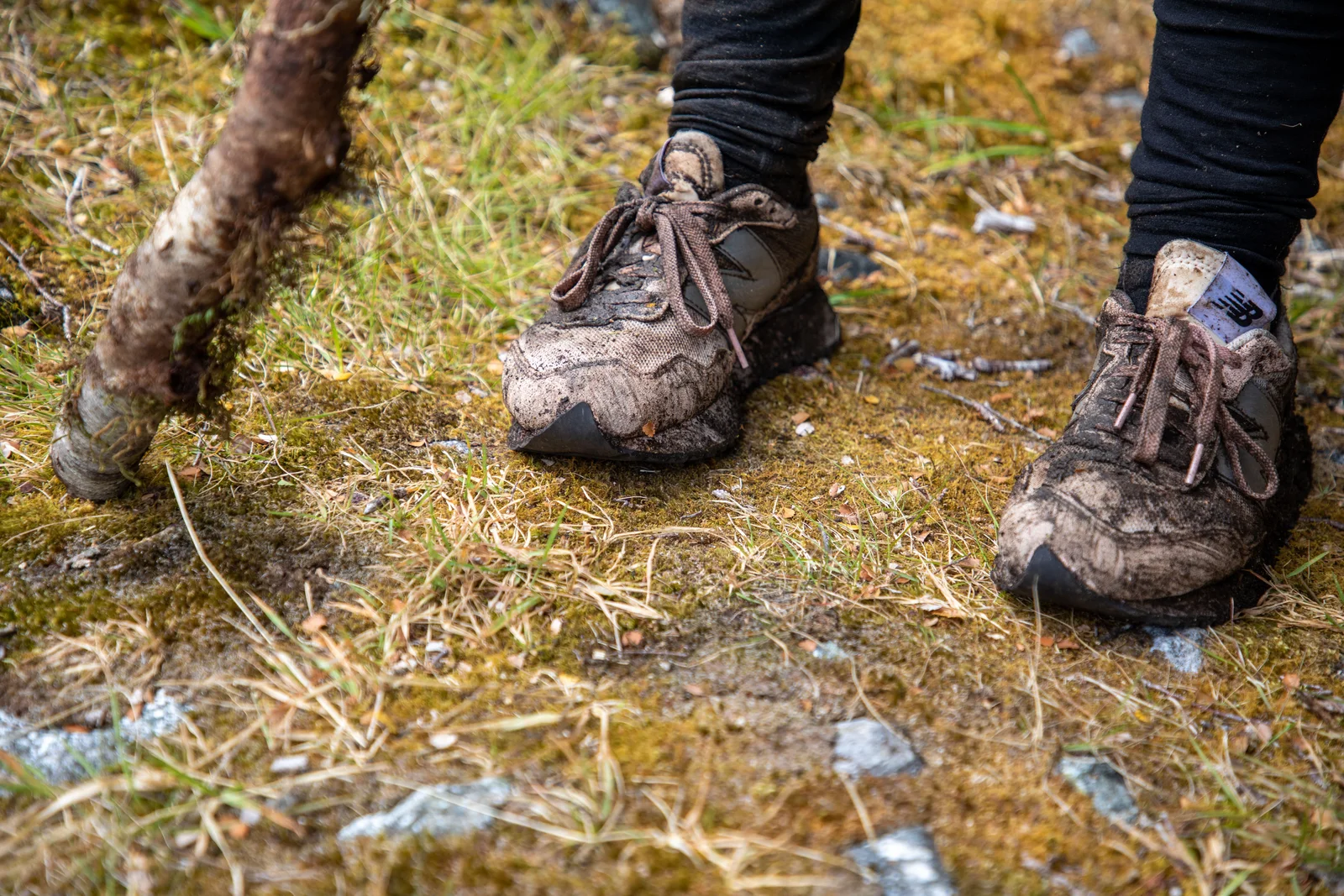
It depends entirely on the material, and this is where the received wisdom has aged badly. A stiff leather boot can genuinely need a few weeks of progressively longer walks. A modern synthetic or fabric boot often needs next to nothing — many are built with softer uppers, flexible midsoles and pre-shaped footbeds specifically so they are comfortable from the first wear.
| Type | Realistic break-in | Who it suits |
|---|---|---|
| Stiff leather mountaineering boot | Weeks | Carrying real weight over passes |
| Synthetic mid boot | Days to a week | Most lodge treks |
| Trail shoe | Effectively none | Fast, light, dry conditions |
| The pair already in your cupboard | Zero | More people than will admit it |
Read the bottom row seriously. If you own walking shoes that are comfortable and still have tread, that is very often the correct answer, and it costs nothing.
The two things worth spending on
Socks, and fit. In that order.
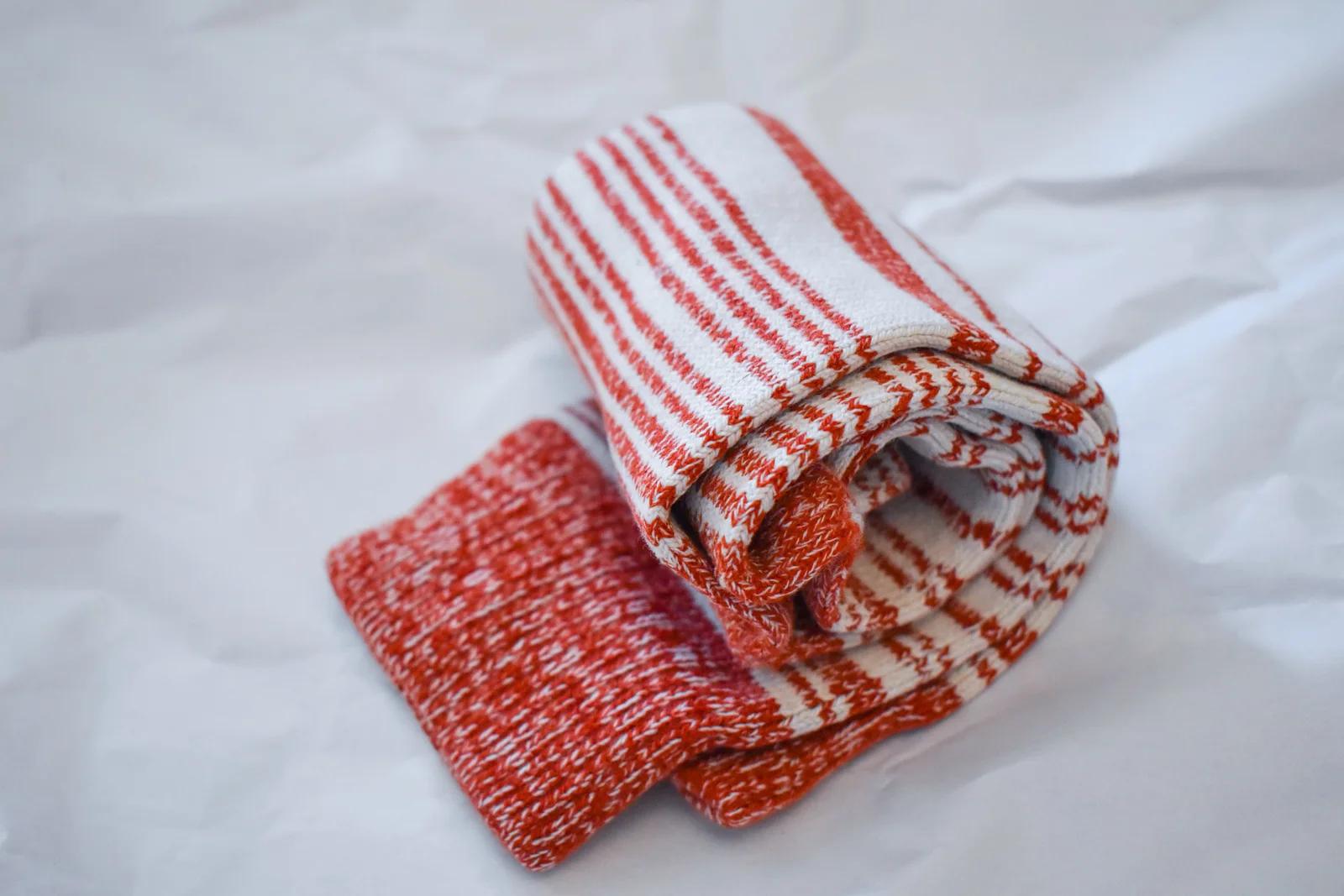
Socks are the cheapest way to keep your feet intact and the thing nobody budgets for. Merino wool moves moisture; cotton holds it against the skin, and wet skin blisters. Three pairs let you wash one, dry one and wear one indefinitely, which matters more on a fortnight than any feature on the boot.
For fit, buy half a size larger than your street shoe and try boots on in the afternoon, when your feet have already swollen. Feet swell across consecutive walking days too, so a boot that is perfect in the shop on day one can be a toe-bruiser by day six. This is also why our catalogue's best-value pick is a wide one — on a long trek, room beats precision.
Where we are stingy
We rate one boot “kindest out of the box” for a reason: the trade for a forgiving first week is a softer sole that flexes more than a heavy pack wants. That is a real trade, not marketing. Expensive does not mean better for you — a stiff, supportive boot built for carrying weight over a pass is genuinely worse than a cheap one if all you are doing is walking between lodges.
And the honest version of the toe-rub problem is not a better boot. It is a liner sock. Toe-on-toe rubbing is the blister no amount of tape fixes, and the fix costs about the price of a coffee.
What we would actually do
Walk in what you own. If it is worn out, buy three weeks before you fly, get half a size up, and put twenty miles through them at home — the supermarket, the dog, the commute. Spend the money you saved on socks. And if you are already at the airport in new boots, buy blister plasters at the terminal and use them before anything hurts, not after.
If Nepal is the trip
The rules do not change here, but the consequences do. Most Nepali lodge treks are long walking days on stone and dust rather than technical ground, which is why a mid-height synthetic boot covers almost everything below 5,000 m and a trail shoe covers plenty of it. You do not need a mountaineering boot for Everest Base Camp, and buying one is the most expensive way to be less comfortable.
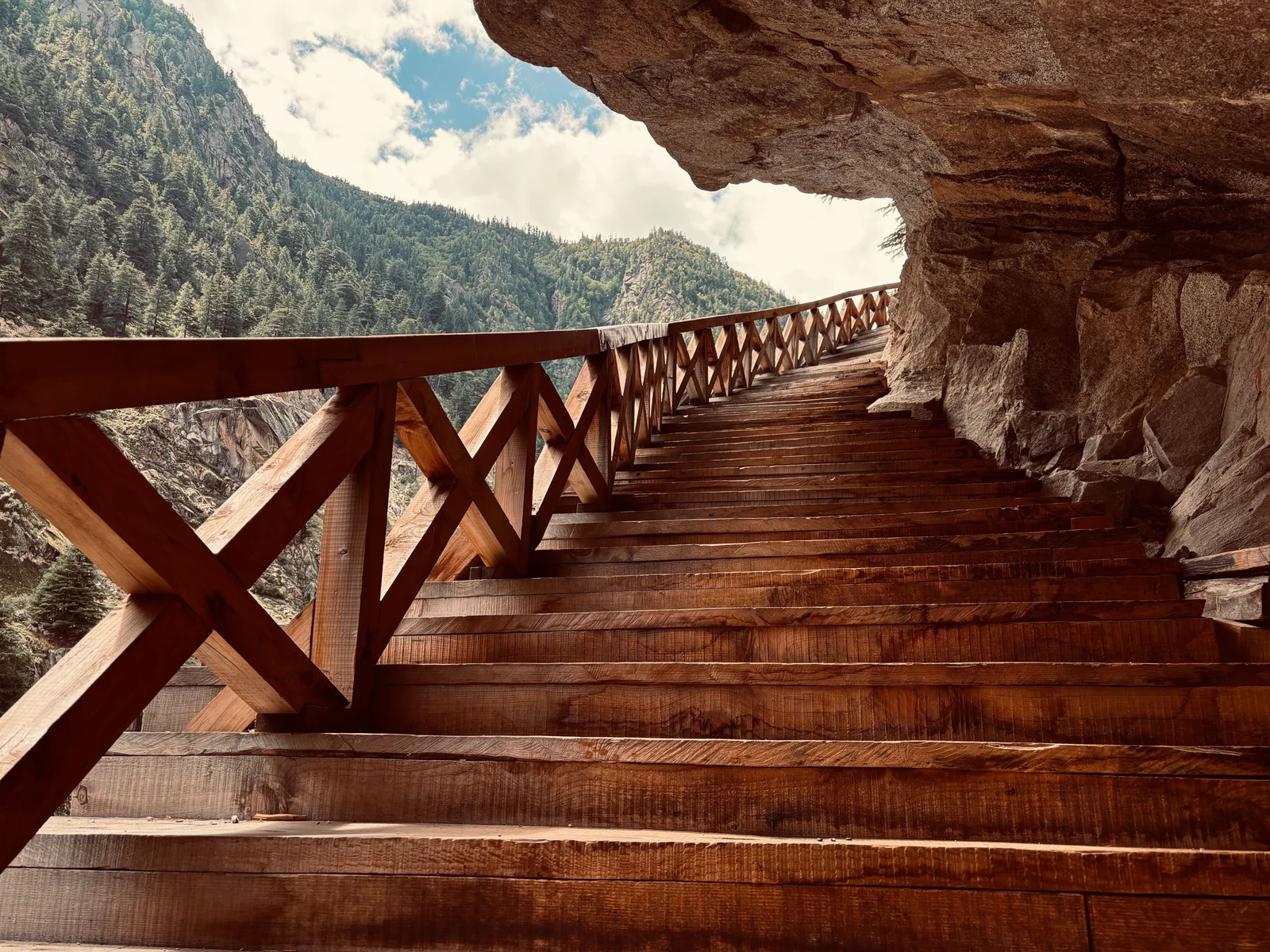
The one thing you cannot fix on the trail is fit. Kathmandu and Pokhara can rent you a down jacket or a sleeping bag for a couple of dollars a day — and you should — but nobody can rent you feet that fit a stranger's boots. Bring footwear you have already walked in.
Full picks, with the trade-off named on every one, are in our footwear guide. For the rest of the kit, the Everest Base Camp packing list is built from what people actually use, and our luggage guide covers what to put it all in.
Buy the boots early or bring the ones you own. Everything else is detail.
Cover photo: Engin Akyurt via Pexels (Pexels License). Section photos: Mike Tyler via Pexels (Pexels licence); cottonbro studio via Pexels (Pexels licence); Liisa Tervinen via Pexels (Pexels licence); Victoria Farr via Pexels (Pexels licence); Kunal Singh via Pexels (Pexels licence).
The same reasoning applies to the bag it all goes in: our guide to choosing travel luggage.
As an Amazon Associate we earn from qualifying purchases, at no extra cost to you. It does not change what we recommend — including the things we tell you to rent instead, which earn us nothing.
Still running this season
Annapurna Base Camp Trek — 9 Days is running normally
NMA-certified local guides, transparent pricing, 5,000+ treks since 1998. Message us your dates and we'll sort the permits, lodges and logistics — reply within 24 hours, no obligation.
Popular Nepal treks
All treks →
Related coverage
Gear & Tech
Waterproof jackets fail in a way the label never warns you about
A jacket can be sold as waterproof at 1,500 mm. What the ratings actually measure, why yours feels like it leaks, and the details worth more than the number.

Records & People
Nepal’s first woman helicopter captain flew nearly 100 rescues in six days
Priya Adhikari has flown over 1,000 Himalayan rescues. In the week after the Bhote Koshi flood she flew about a hundred, into places with nowhere to land.
Industry & Tourism
Everest Base Camp or Annapurna Base Camp: Which Should You Actually Trek in 2026?
Both are sold as 'base camp treks' but they differ by 1,400 metres of altitude, a week of walking and a coin-flip mountain flight — here is how to pick the right one for your fitness, budget and time.
Safety & Advisories
Your Nepal Trekking Guide Just Spent the Week Learning to Keep You Alive Above 4,000m
Days before Nepal's autumn trekking season opens, two of the country's oldest mountain-safety institutions ran back-to-back wilderness first-aid courses for working guides, drilling CPR, patient evacuation and the earliest signs of altitude sickness.
Latest from the desk
World Destinations
Altitude sickness doesn't need a mountain, just a flight to Cusco
Altitude illness starts around 2,450 m, and Cusco, La Paz and Lhasa all sit above it. Flying straight in is harder on you than walking to Everest Base Camp.
Records & People
The Gurkha Blood Myth That Even the Falklands War Couldn't Kill
Every campfire story about the kukri insists a Gurkha must draw blood before sheathing it again — actual Gurkhas, and two centuries of British Army history, say otherwise.
Flights & Access
That Tiny Hole in Every Airplane Window Is Not a Manufacturing Flaw
It is a precision pressure valve, and it is the reason your photo of a Himalayan skyline from 35,000 feet doesn't come out fogged over.