
Altitude sickness doesn't need a mountain, just a flight to Cusco
Altitude illness starts around 2,450 m, and Cusco, La Paz and Lhasa all sit above it. Flying straight in is harder on you than walking to Everest Base Camp.
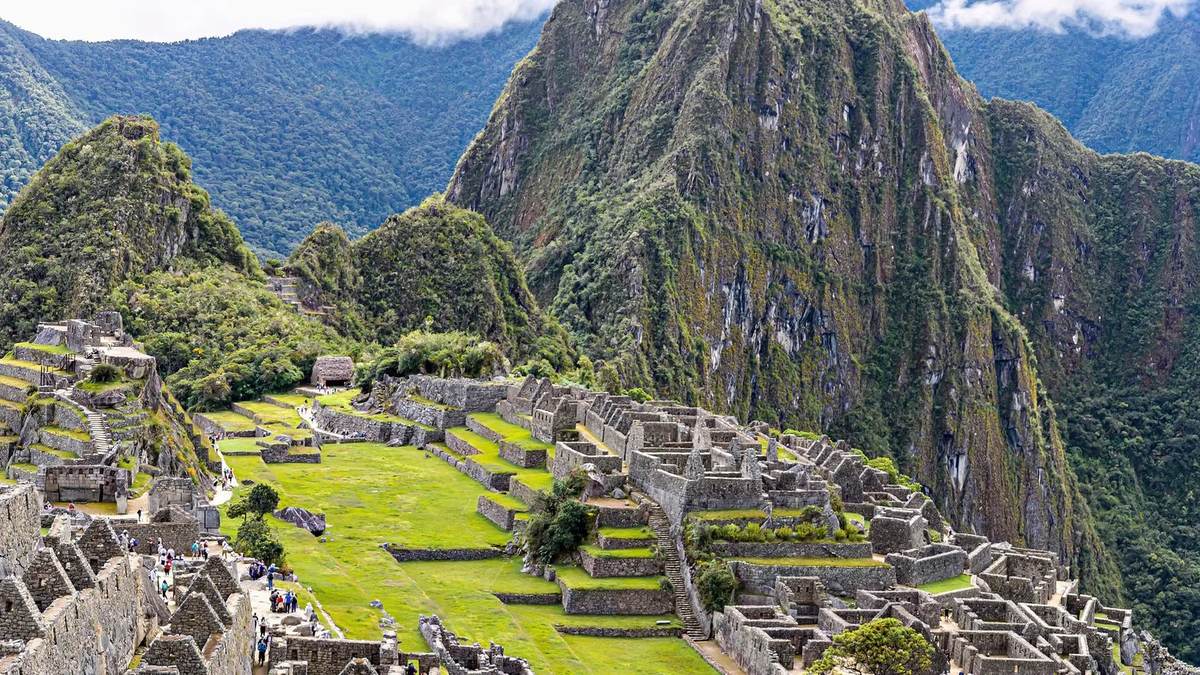
At a glance
- Published
- TopicWorld Destinations
- Verified againstCDC Yellow Book 2026, High-Altitude Travel & Altitude Illness
- Treks coveredAnnapurna Base Camp Trek — 9 Days, Everest Base Camp Trek — 14 Days
Altitude illness starts at a sleeping altitude of about 2,450 m (8,000 ft), and sometimes lower. Cusco is roughly 3,350 m (11,000 ft). La Paz is about 3,650 m (12,000 ft). Lhasa is about 3,700 m (12,100 ft). None of those is a mountain. All three are places you arrive at in an afternoon, with a suitcase, having done nothing more strenuous than sit on a plane.
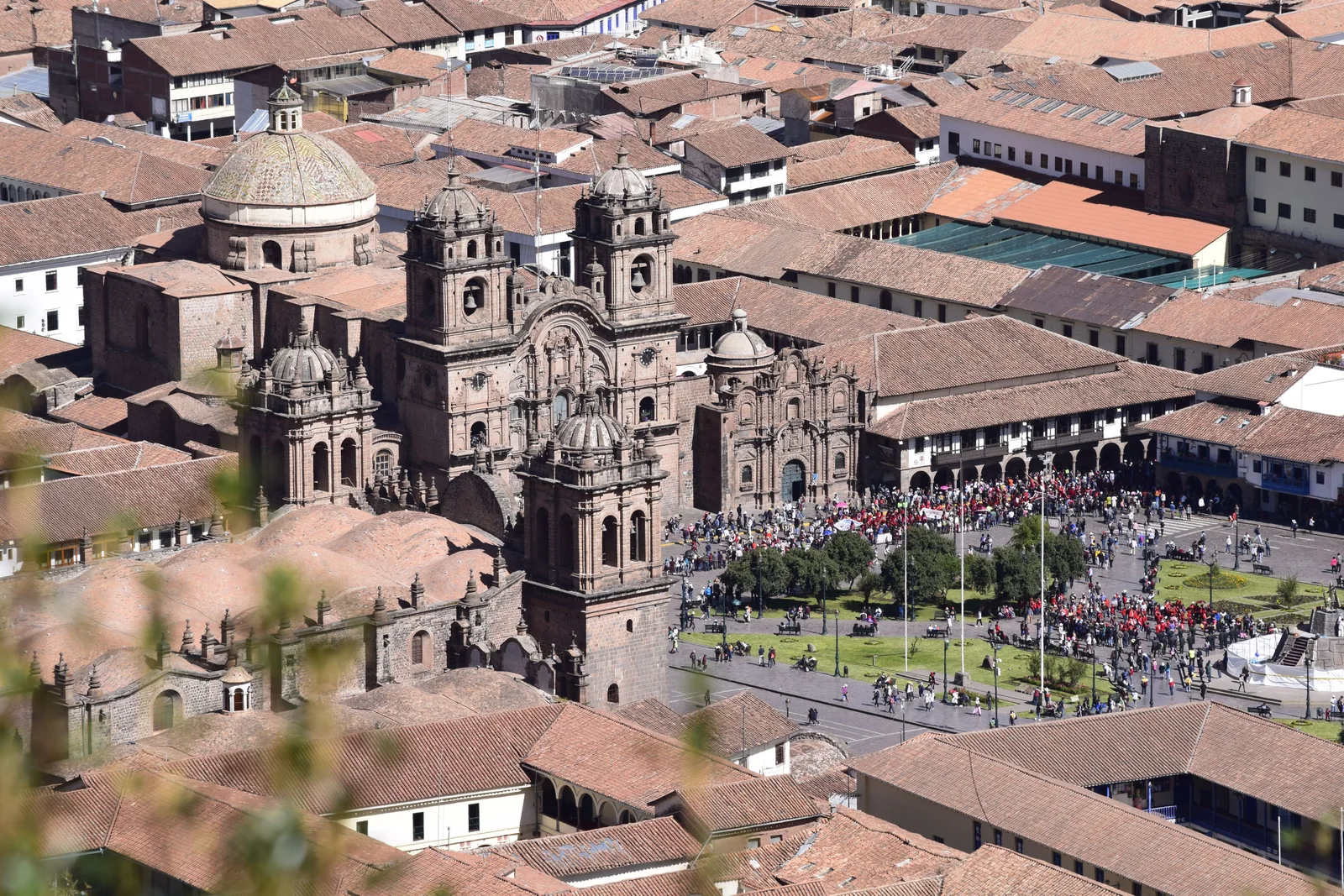
That is the part nobody says out loud. The people who get hurt by altitude are usually not the ones who trained for it.
The numbers that matter
- Risk begins at a sleeping altitude of 2,450 m (8,000 ft) — and sometimes below it.
- Fly straight to above 3,400 m and rates of altitude illness approach 50%.
- Above 3,000 m, gain no more than 500 m of sleeping altitude per night.
- Fitness does not protect you. Training does not affect the risk.
Why a city can do what a mountain does
Altitude illness is caused by the rate you arrive, not by how hard you worked to get there. Air pressure falls as you go up, so each breath carries less oxygen, and your body needs days — not hours — to respond. A flight compresses that adjustment into nothing. You step off at 3,350 m with sea-level blood and a hotel booking.
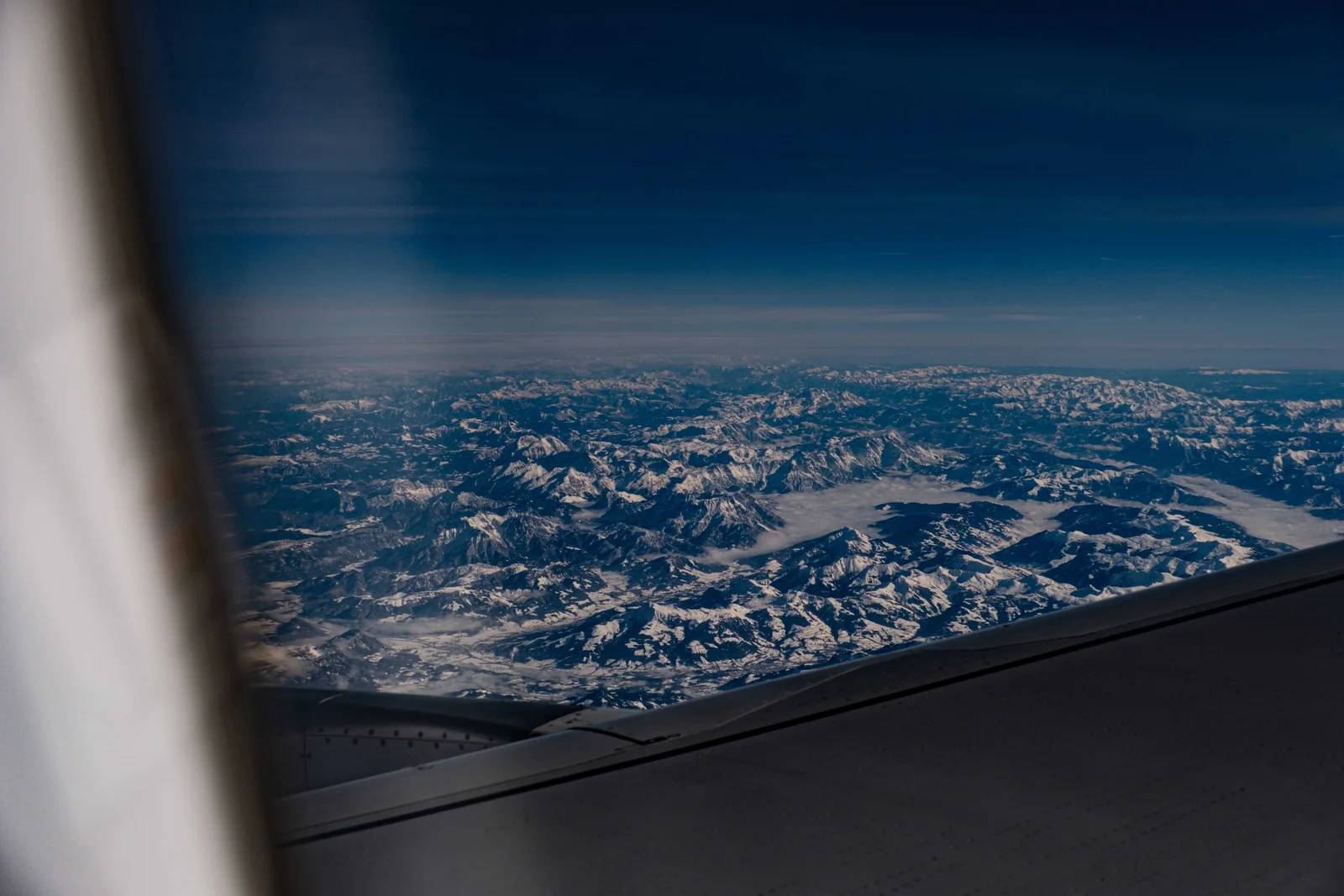
A trek does the opposite, and it does it deliberately. Our Everest Base Camp itinerary flies into Lukla at 2,860 m on day one and then walks downhill to sleep at Phakding, 2,610 m. We give away 250 metres of hard-won height on the first afternoon, on purpose, because the altitude you sleep at is the one your body has to survive overnight.
Compare the two arrivals honestly. Cusco puts you at 3,350 m on your first night. Our trekkers do not sleep that high until night two, after two days of walking — and then we stop and spend an entire extra day at Namche Bazaar doing nothing but letting people adjust. La Paz and Lhasa are higher still than anywhere we sleep before day four.
| Where | Sleeping altitude | How you got there |
|---|---|---|
| Cusco, Peru | 3,350 m | A flight, same afternoon |
| La Paz, Bolivia | 3,650 m | A flight, same afternoon |
| Lhasa, Tibet | 3,700 m | A flight, same afternoon |
| Our EBC trek, night 1 (Phakding) | 2,610 m | Fly to 2,860 m, then walk down |
| Our EBC trek, night 2 (Namche) | 3,440 m | Two days on foot, then a full rest day |
| Everest Base Camp itself | 5,364 m | Day eight |
Read the middle rows again. A tourist landing in Cusco sleeps higher on their first night than a trekker heading for Everest does on theirs.
The 50% number, and what it is actually saying
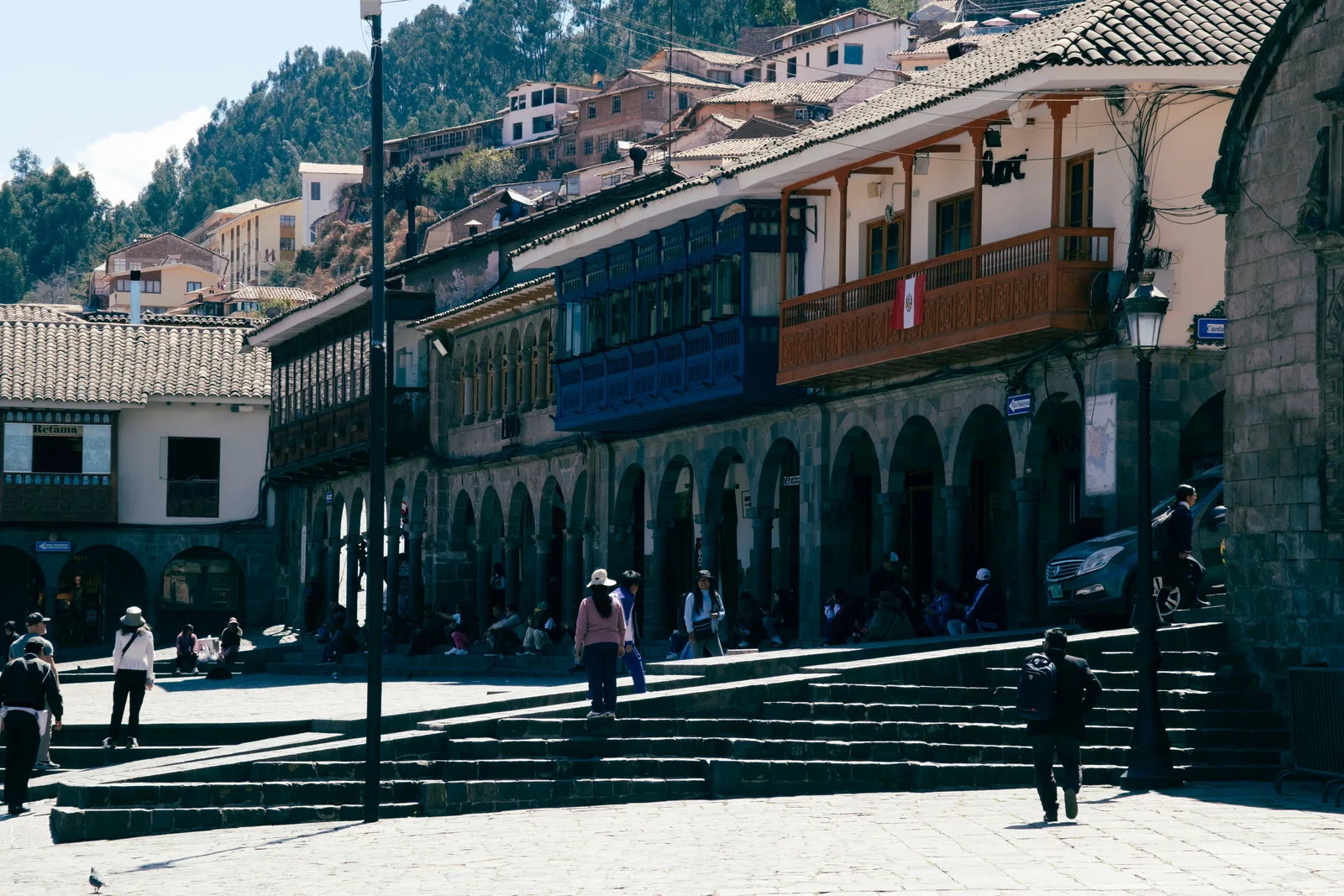
Where travellers reach above 3,400 m by air, rates of altitude illness approach 50%. That is not a warning about mountaineering. It is a description of ordinary tourism — the Sacred Valley, the Altiplano, a Tibet tour that begins at the airport.
Fitness is not the variable
Training and physical fitness do not affect the risk. That is the guidance, stated plainly, and it is the single most useful sentence in this piece.
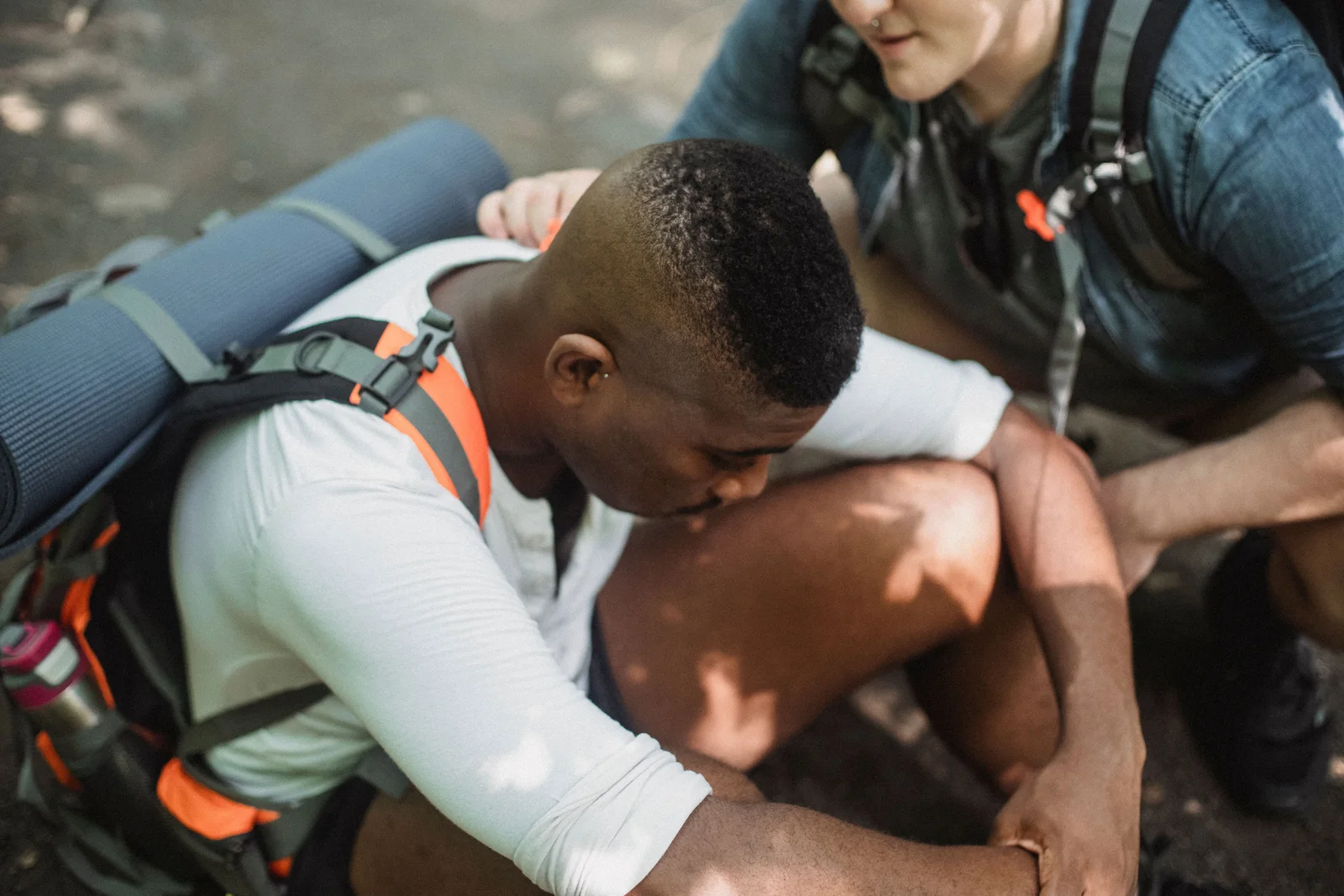
I have watched it play out for years in the Khumbu. Strong walkers get sick and slow ones do not. The difference is not lungs or legs — it is how fast the person went up and how well they slept. Fit people are often at more risk in practice, because they can push through a day that should have stopped them, and because nobody warns the marathon runner.
What to actually do
The fix is boring, which is why it works. Where the geography allows it, sleep lower than the airport for one or two nights before going up — at Cusco and La Paz you can drop into a valley below the arrival altitude, and doing so may remove the need for medication entirely. Once above 3,000 m, hold your sleeping gain to 500 m a night, and add an extra night for every 1,000 m climbed.
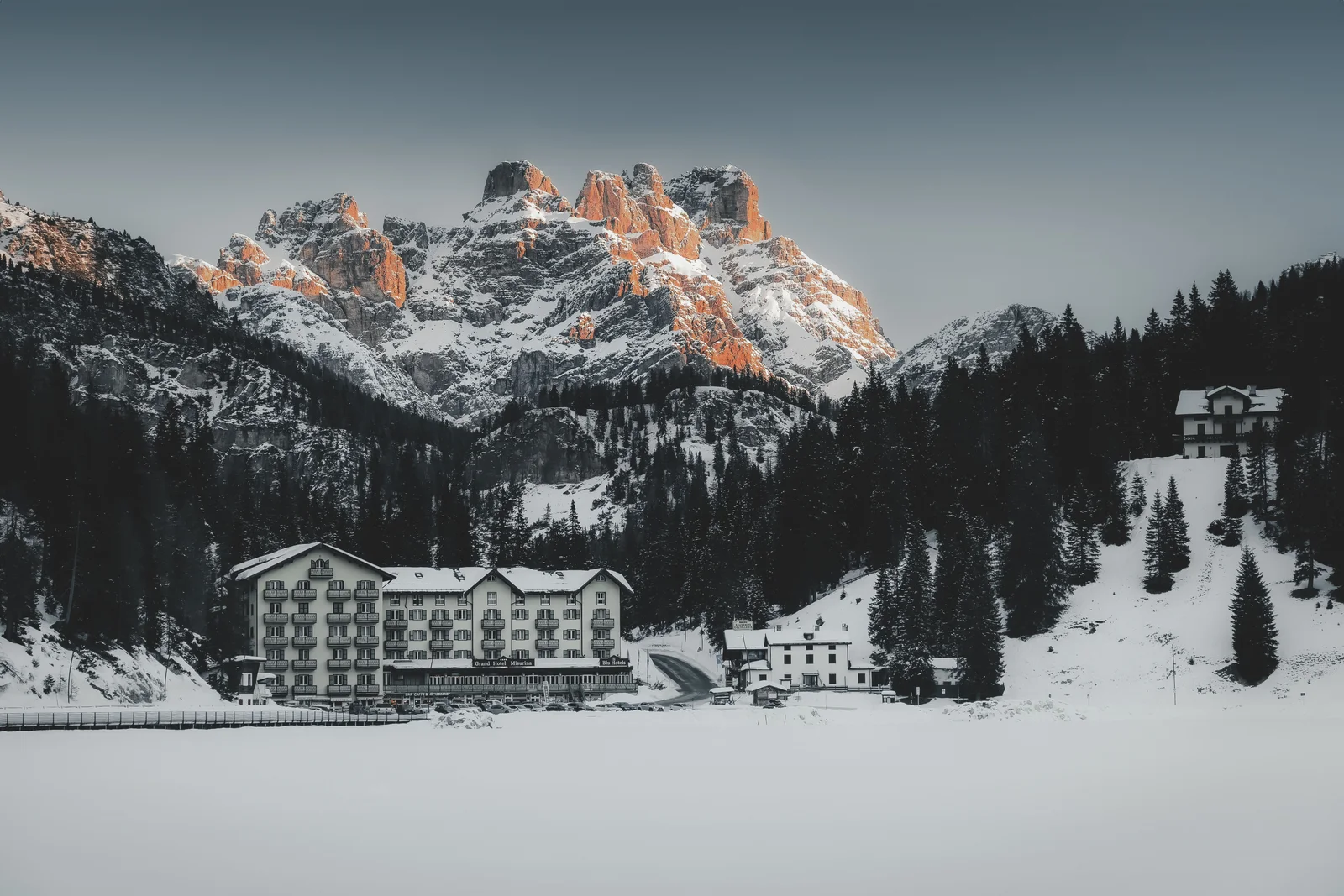
Then the part that is not in any guideline. Do nothing on your first day. Not a light hike, not a city walking tour — nothing. Book the arrival day as a write-off before you book anything else, because the day you lose on purpose is cheaper than the three you lose being ill.
What we would tell a friend
If your trip lands you above 3,000 m on day one, change the itinerary rather than buying a remedy for it. Give it a night lower down and a day doing nothing. And if you are choosing between a high-altitude city break and a trek because the trek sounds harder on your body — that instinct is backwards. A properly paced trek gains altitude slower than a flight does. The walking is not the dangerous part.
Where this leaves a Nepal trip
Nepal has the same physics and a better profile, because you mostly walk into it. Kathmandu sits at about 1,400 m, low enough to be irrelevant, and a well-built itinerary then spends days doing what a flight to Cusco refuses to do.
The trade is time. Our 14-day Everest Base Camp trek is fourteen days precisely because the acclimatisation days are not padding — take them out and you have a different, worse trip. If you have less time and still want height, the Annapurna Base Camp trek tops out around 4,130 m over nine days, which is a gentler ceiling than a week in La Paz.
More on the mechanism itself — how to tell AMS from the two conditions that are emergencies — is in our guide to AMS, HACE and HAPE. If you are weighing Nepal against Tanzania, the pacing difference is the whole argument in Everest Base Camp versus Kilimanjaro.
Altitude is arithmetic, not character. Go up slowly enough and almost everyone is fine.
Cover photo: Alberto Capparelli via Pexels (Pexels License). Section photos: Janeth Charris via Pexels (Pexels licence); Francesco Ungaro via Pexels (Pexels licence); Marcelo Mora via Pexels (Pexels licence); Kamaji Ogino via Pexels (Pexels licence); eberhard grossgasteiger via Pexels (Pexels licence).
Still running this season
Everest Base Camp Trek — 14 Days is running normally
NMA-certified local guides, transparent pricing, 5,000+ treks since 1998. Message us your dates and we'll sort the permits, lodges and logistics — reply within 24 hours, no obligation.
Popular Nepal treks
All treks →
Related coverage
Industry & Tourism
Everest Base Camp or Annapurna Base Camp: Which Should You Actually Trek in 2026?
Both are sold as 'base camp treks' but they differ by 1,400 metres of altitude, a week of walking and a coin-flip mountain flight — here is how to pick the right one for your fitness, budget and time.
Flights & Access
How Many Days Do You Actually Need for Everest Base Camp in 2026? Every Itinerary Length Compared
Ten days is possible, fourteen is what most operators actually recommend, and the flight into Lukla is why you should budget more time than either number, not less.
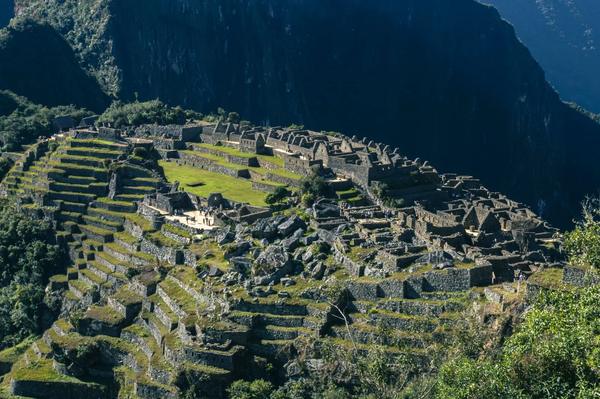
Safety & Advisories
Altitude Sickness on Holiday in 2026: It Hits Tourists in High Cities and Sights, Not Just Trekkers
You do not have to climb a mountain to get altitude sickness. Cusco, La Paz, Lhasa and the ski slopes all sit high enough — here is how AMS works, the golden rules, and why fitness and age will not save you.
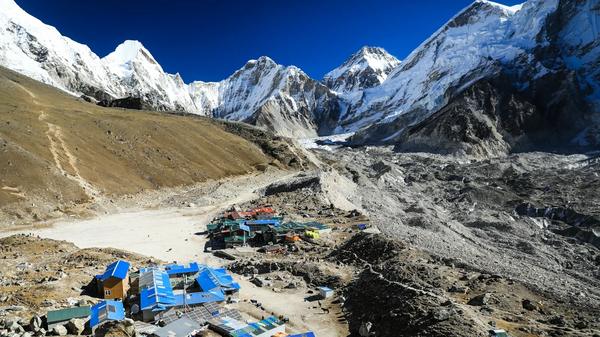
Safety & Advisories
Can a Beginner Do the Everest Base Camp Trek? The Honest Difficulty Answer (2026)
No mountaineering skills required — but altitude, not fitness, is what actually turns beginners back. Here is the real difficulty, by the numbers.
Latest from the desk
Gear & Tech
Waterproof jackets fail in a way the label never warns you about
A jacket can be sold as waterproof at 1,500 mm. What the ratings actually measure, why yours feels like it leaks, and the details worth more than the number.
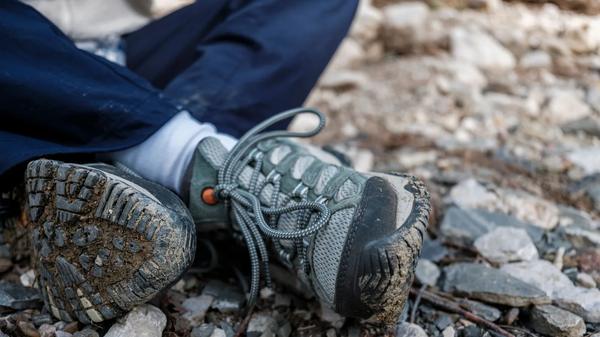
Gear & Tech
New hiking boots ruin more trips than bad weather does
Buying boots the week before you fly is the most common gear mistake there is. What needs breaking in, what does not, and why socks matter more.
Records & People
The Gurkha Blood Myth That Even the Falklands War Couldn't Kill
Every campfire story about the kukri insists a Gurkha must draw blood before sheathing it again — actual Gurkhas, and two centuries of British Army history, say otherwise.