
Altitude Sickness Explained: AMS vs HACE vs HAPE, and the Rules That Prevent Them (2026)
Altitude sickness is not one illness but three — AMS, HACE and HAPE. Here is how to tell them apart, the symptoms that signal an emergency, and the four golden rules that prevent all three.
At a glance
- Published
- TopicSafety & Advisories
- ReportingOriginal, by our guides in Pokhara
- Treks coveredEverest Base Camp Trek — 14 Days
The single most important thing to understand before any high trek in Nepal is that “altitude sickness” is not one illness — it is three, and two of them can kill you within hours. Most trekkers only ever meet the mild one. But knowing how to tell acute mountain sickness (AMS) apart from high-altitude cerebral edema (HACE) and high-altitude pulmonary edema (HAPE) — and knowing the four rules that prevent all three — is what keeps a bad night at Dingboche from becoming an emergency. Here is the plain-language physiology, and what to actually do.
What altitude actually does to you
At Everest Base Camp (5,364 m) the air holds roughly half the oxygen it does at sea level. Nothing changes in the oxygen itself — the air is thinner, so each breath delivers less. Your body responds by breathing faster and making more red blood cells, a process called acclimatisation that takes days, not hours. Altitude illness is simply what happens when you climb faster than your body can adapt. It is not caused by cold, by being unfit, or by being weak. The one thing that reliably triggers it is ascending too fast.
AMS: the common one
Acute mountain sickness is the mild, common form — and the warning shot. It usually begins 6 to 12 hours after arriving at a new altitude and feels, honestly, like a hangover: a headache, plus some combination of nausea or loss of appetite, fatigue, dizziness and broken sleep. The clinical benchmark, the Lake Louise score, calls it AMS when a headache appears with a total symptom score of 3 or more after a recent climb. AMS itself is not dangerous. What is dangerous is climbing higher while you have it, because AMS is the doorway to the two conditions that are.
HACE: when it reaches the brain
High-altitude cerebral edema is AMS that has progressed to swelling of the brain. The symptom that separates it from an ordinary bad headache is unmistakable once you know it: ataxia — loss of coordination. A trekker with HACE cannot walk a straight heel-to-toe line, seems drunk, becomes confused, drowsy or behaves out of character. This is a medical emergency. HACE can progress from “a bit off” to unconscious in hours. The heel-to-toe walk test is the field check every guide uses; if someone fails it at altitude, they are going down, now.
HAPE: when it reaches the lungs
High-altitude pulmonary edema is fluid collecting in the lungs, and it is the leading cause of altitude death. It can strike without any AMS beforehand. The signs: breathlessness that is out of proportion — gasping at rest, not just on the climb — a dry cough that turns wet and may produce pink, frothy sputum, chest tightness, blue-tinged lips, and a collapse in exercise tolerance where a trekker who walked strongly yesterday cannot keep up today. Like HACE, the treatment is immediate descent.
| AMS | HACE | HAPE | |
|---|---|---|---|
| Affects | General (mild) | The brain | The lungs |
| Tell-tale sign | Headache + nausea, fatigue, poor sleep | Ataxia, confusion, drowsiness | Breathless at rest, cough, frothy sputum |
| Danger | Low (a warning) | Life-threatening | Life-threatening |
| Rough frequency (EBC) | ~50–75% | <1–5% | ~1–2% |
| Response | Stop, rest, no higher until better | Descend immediately | Descend immediately |
The four golden rules that prevent all three
The Wilderness Medical Society’s 2024 guidelines come down to four things any trekker can follow:
1. Ascend slowly. Above 3,000 m, do not increase your sleeping altitude by more than about 500 m per night, and take an extra rest day for every 1,000 m gained. This is the single most protective rule there is.
2. Climb high, sleep low. On acclimatisation days, hike up a few hundred metres, then come back down to sleep. It is why a well-built Everest Base Camp itinerary parks you two nights at Namche (3,440 m) and again at Dingboche (4,410 m) rather than pushing straight through.
3. Never ascend with symptoms — and descend if they worsen. Descent is the definitive treatment for every form of altitude illness. Losing 300–1,000 m of elevation can reverse HACE and HAPE that no drug will fix in place.
4. Consider Diamox, but do not rely on it. Acetazolamide (Diamox), typically 125 mg twice a day starting the day before you go high, speeds acclimatisation and is well proven for prevention. It is a helper, not a substitute for a sensible ascent profile. Discuss it with your doctor before you travel.
What the numbers on the Everest trail look like
The Everest Base Camp trek is the clearest example of why pacing matters, because it climbs relentlessly:
| Point on the EBC trek | Altitude |
|---|---|
| Lukla (the airstrip start) | 2,860 m |
| Namche Bazaar (acclimatisation stop) | 3,440 m |
| Dingboche (acclimatisation stop) | 4,410 m |
| Gorak Shep (last lodge) | 5,164 m |
| Everest Base Camp | 5,364 m |
| Kala Patthar (viewpoint high point) | 5,644 m |
Fitness will not save you here. Studies of Everest trekkers have found AMS in anywhere from a quarter to nearly three-quarters of walkers depending on how fast they went — and strong, young, fit people are not spared, because the illness is about the rate of ascent, not the strength of the legs. Trip length is the real safety feature. A 10-day dash to base camp gives your body far less time to adapt than a 14-day itinerary with two proper acclimatisation days built in. If you want the deeper rule-set for the Everest trail specifically, see our guide to the altitude rules that keep Everest trekkers safe.
The best altitude insurance is a slow itinerary and a guide who checks you daily. On our guided treks, your guide watches for the heel-to-toe test, tracks how everyone is sleeping and eating, and has the authority and the plan to turn a trekker around before a headache becomes an emergency. That judgement is the product. To talk through the right pace for you, message us on WhatsApp at +45 91 71 72 19 or via our contact page.
Trek Everest at a pace your body can handle
Our 14-day Everest Base Camp trek is built around acclimatisation, not against it — with rest days at Namche and Dingboche and a climb-high-sleep-low profile that follows the medical guidance above:
- Everest Base Camp Trek — 14 days · built-in acclimatisation days · from $1,350 per person
Sources. Illness definitions, symptoms and prevention: Wilderness Medical Society Clinical Practice Guidelines (2024 update), CDC Yellow Book, and the Merck Manual. Ascent-rate rules (max ~500 m sleeping gain/night above 3,000 m; extra night per 1,000 m): WMS 2024. Acetazolamide dosing (125 mg twice daily): CDC Yellow Book and WMS. AMS incidence among EBC trekkers (~25–73.5% across studies): peer-reviewed EBC trek studies via ResearchGate/NCBI. HAPE incidence ~1.6% and HACE figures: Everest-trekker studies and Medscape. EBC trek altitudes: standard route figures (Lukla 2,860 m to Kala Patthar 5,644 m). Lake Louise score: the accepted AMS reference standard. Always consult a travel-medicine doctor before trekking at altitude.
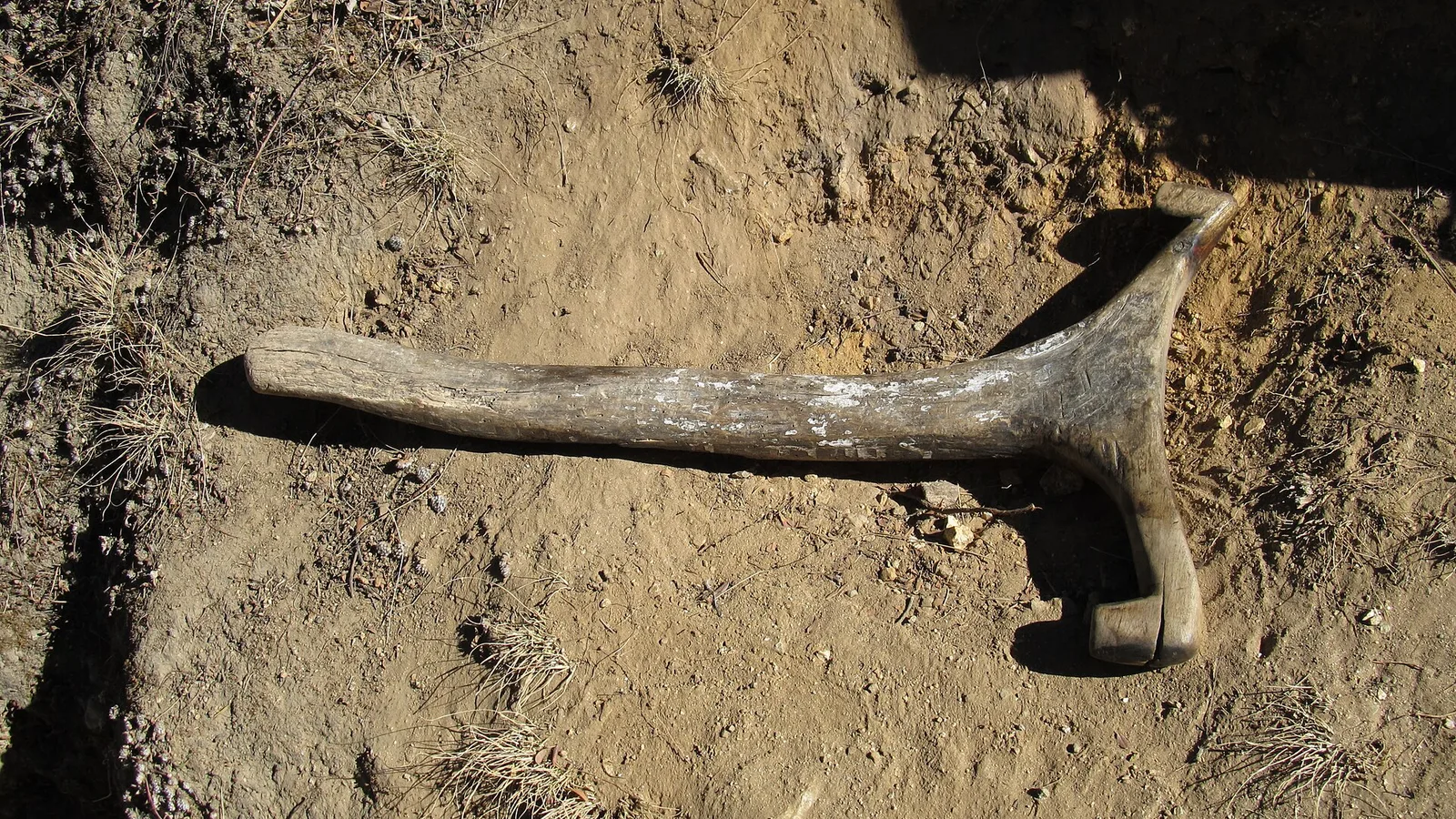
Cover photo: Robert Kern via Wikimedia Commons (CC BY-SA 3.0).
Still running this season
Everest Base Camp Trek — 14 Days is running normally
NMA-certified local guides, transparent pricing, 5,000+ treks since 1998. Message us your dates and we'll sort the permits, lodges and logistics — reply within 24 hours, no obligation.

Popular Nepal treks
All treks →


Related coverage

Safety & Advisories
Travellers' Diarrhoea and Food & Water Safety Abroad in 2026: The Rules That Keep You Well
The most common travel illness, demystified: what causes it, the 'boil it, cook it, peel it or forget it' food rules, safe water and ice, rehydration as the mainstay, and exactly when it is serious enough to see a doctor.
Safety & Advisories
Can a Beginner Do the Everest Base Camp Trek? The Honest Difficulty Answer (2026)
No mountaineering skills required — but altitude, not fitness, is what actually turns beginners back. Here is the real difficulty, by the numbers.
Safety & Advisories
How Many Days Do You Actually Need for Everest Base Camp? 10 vs 12 vs 14 vs 15-Day Itineraries
The honest answer, checked against Nepal's own altitude-medicine numbers — not against which itinerary sells fastest.
Safety & Advisories
Is Trekking in Nepal Safe in 2026? What the Real Death and Rescue Data Say
Altitude sickness, not crime, is what kills trekkers in Nepal — a fresh ACAP toll and a Kathmandu safety panel show exactly where, and how to avoid becoming a statistic.
Latest from the desk
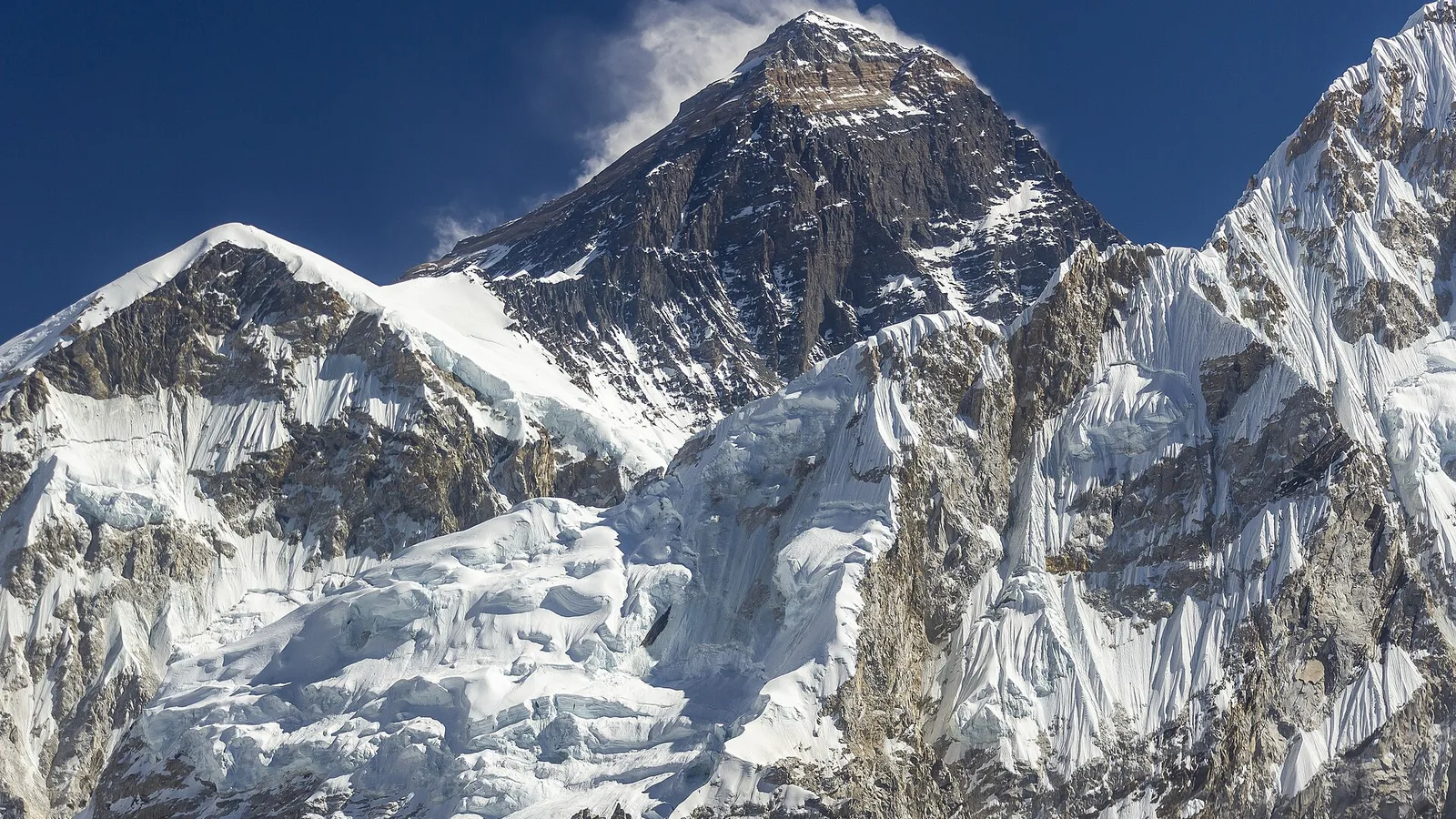
Records & People
Everyone has seen the Everest traffic jam photo, this is what standing in that line actually does to you
In 2019 a record 381 permits funnelled onto Everest during just two good-weather days put hundreds of climbers in a single queue above 8,000 m. Eleven died. The crowd, not the mountain, was the danger.
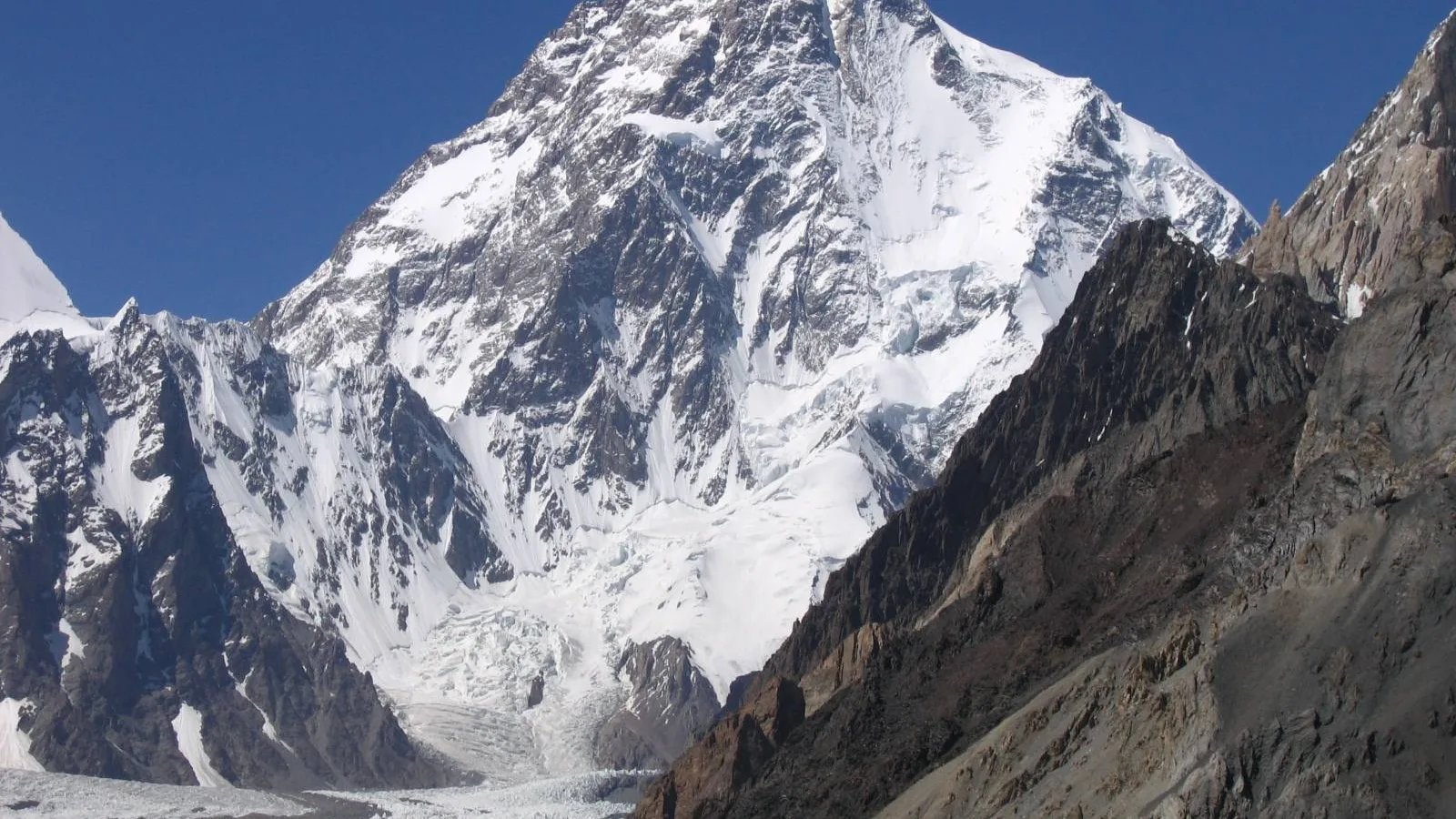
Records & People
K2 vs Everest: Which Is Harder to Climb? The Honest Head-to-Head (2026)
K2 is 238 m shorter than Everest but kills roughly one climber in ten — a dimension-by-dimension comparison of height, technical difficulty, weather, rescue and death rate, and why K2 is “the Savage Mountain.”
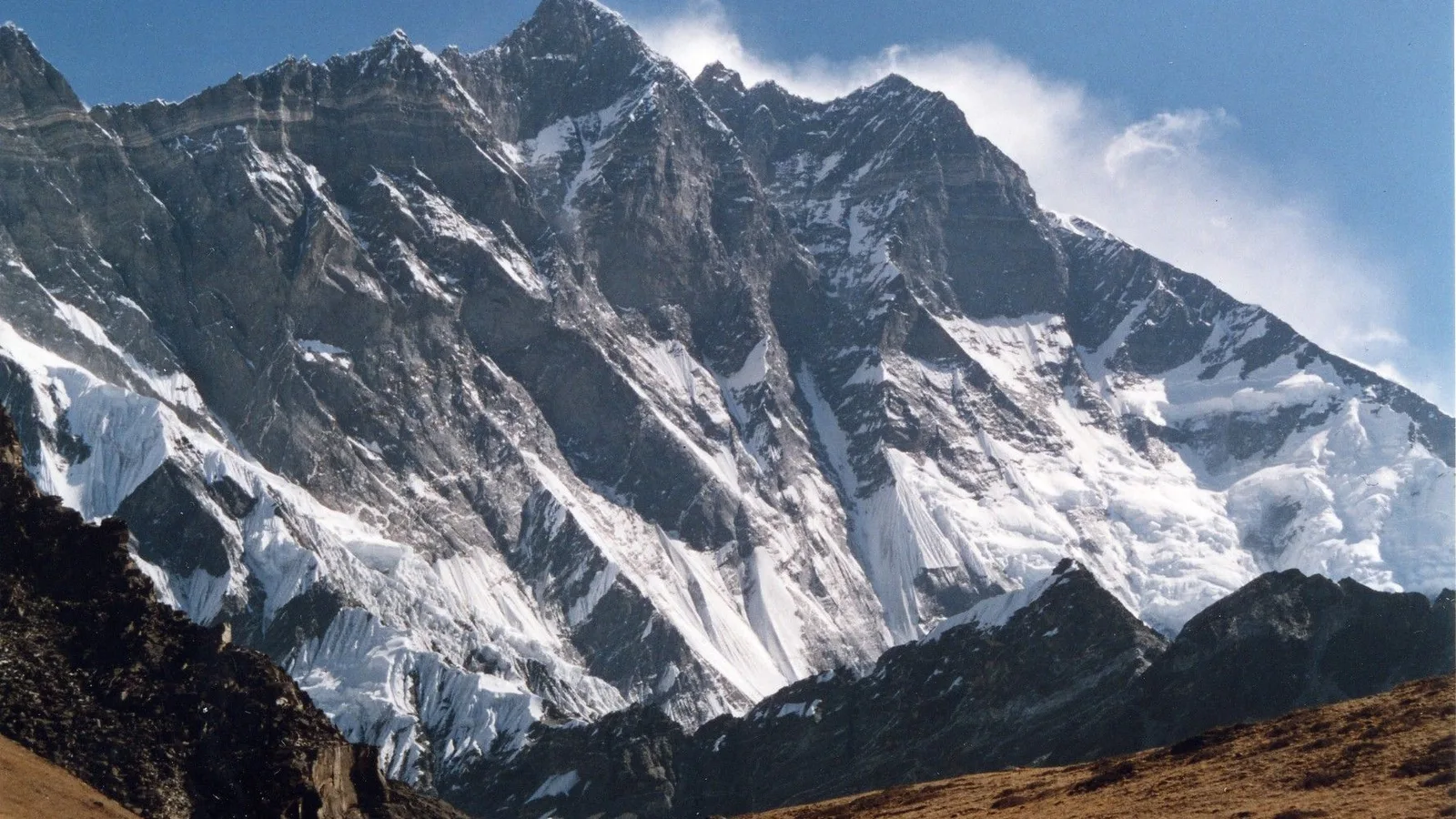
Records & People
The 1996 Everest Disaster: What Happened, and What Changed
On 10–11 May 1996 a storm caught climbers high on Everest and eight people died. The sequence, the names, and the lessons that reshaped guided climbing — recounted with respect.