
Altitude Sickness on Holiday in 2026: It Hits Tourists in High Cities and Sights, Not Just Trekkers
You do not have to climb a mountain to get altitude sickness. Cusco, La Paz, Lhasa and the ski slopes all sit high enough — here is how AMS works, the golden rules, and why fitness and age will not save you.
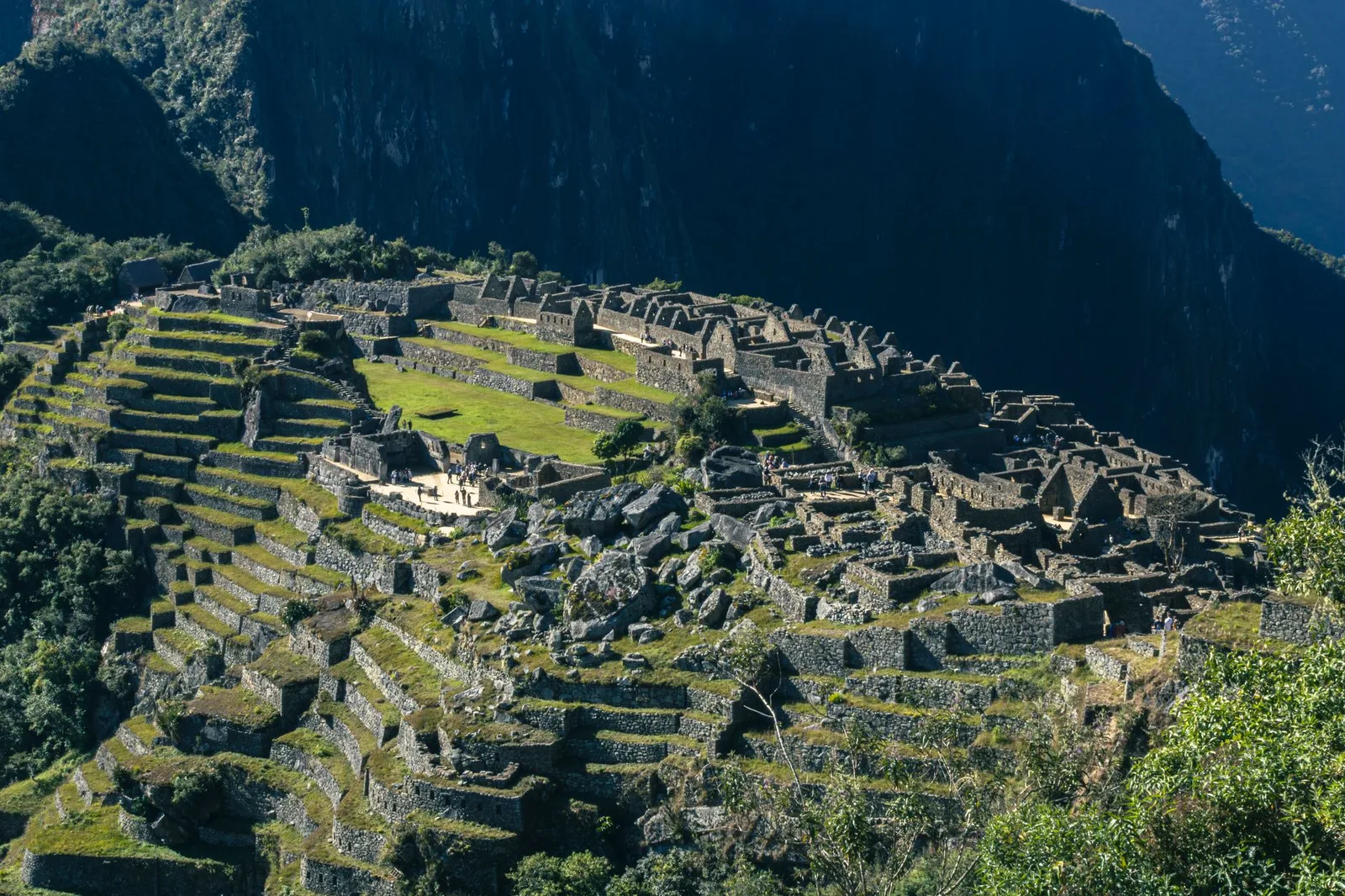
At a glance
- Published
- TopicSafety & Advisories
- Verified againstNHS / Wikipedia
- Treks coveredAnnapurna Circuit Trek — 13 Days, Annapurna Base Camp Trek — 9 Days, Everest Base Camp Trek — 14 Days
Altitude sickness is filed in most people's minds under "mountaineering" — something that happens to climbers gasping near the summit of Everest. In 2026, that mental picture is quietly costing ordinary holidaymakers a ruined trip and, occasionally, a hospital bed. You do not have to climb anything to get it. You only have to go up, and plenty of the world's most photographed holidays go up a long way.
Cusco, the gateway to Machu Picchu, sits at around 3,400m. La Paz in Bolivia is near 3,600m. Lhasa, in Tibet, is around 3,650m. Quito, several Colorado ski towns, and yes, the classic Himalayan teahouse trek — all put visitors well above the altitude where the body starts to struggle for oxygen. People fly in, drop their bags, and head straight out sightseeing. That is exactly the wrong move.
Altitude sickness in a nutshell
- It can start around 2,500m — roughly the height of many mountain cities and ski resorts, not just remote peaks.
- Ascend gradually. The single biggest risk factor is going up too fast, especially flying straight to altitude.
- Anyone can get it. Being young, fit or a regular gym-goer does not protect you.
- Descend if it gets worse. Going down is the one treatment that reliably works.
What acute mountain sickness actually feels like
The common form is called acute mountain sickness, or AMS. It usually appears within 6 to 24 hours of arriving at altitude and, unhelpfully, feels a lot like a bad hangover: a throbbing headache, nausea or loss of appetite, dizziness, tiredness and broken, restless sleep. Many travellers blame the long flight, the airline food or a night of celebratory drinks, and simply push on. That delay is where trouble starts.
At around 2,500m a meaningful share of visitors feel some effect; by roughly 3,000m the proportion climbs higher still. It is not rare, and it is not a sign of weakness. Crucially, fitness and age are poor predictors. A marathon runner in their twenties can be flattened while their unathletic grandparent feels fine — the body's response to thin air is largely down to genetics and how fast you went up, not how many press-ups you can do.
The golden rules that keep it mild
Prevention is mostly common sense applied with discipline. Ascend gradually and give your body time to adjust. Once high, "climb high, sleep low" — you can visit a higher viewpoint by day, but sleep at a lower elevation. Above about 3,000m, keep the height you sleep at rising slowly rather than in big jumps. Do not over-exert on your first day at a new altitude; take it gently. Drink plenty of water, and go easy on alcohol, which makes everything worse. And listen to symptoms rather than powering through them.
If mild symptoms appear, the rule is simple: do not go any higher until they have settled. If they get worse despite resting, descend. Even a few hundred metres down can turn things around, and most people recover within a day or two once they stop climbing.
| Condition | Key symptoms | What to do |
|---|---|---|
| AMS (mild) | Headache, nausea, dizziness, fatigue, poor sleep | Stop ascending, rest, hydrate; don't go higher until it clears |
| HACE (brain) | Confusion, clumsiness, trouble walking straight, severe headache, drowsiness | Emergency: descend immediately and get help |
| HAPE (lungs) | Breathlessness at rest, tight chest, persistent cough that may bring up frothy or pink sputum | Emergency: descend immediately and get help |
HACE (high-altitude cerebral edema, fluid affecting the brain) and HAPE (high-altitude pulmonary edema, fluid in the lungs) are the dangerous end of the spectrum. They are uncommon, but they can develop from ignored AMS and they can be fatal. The warning signs are a change in how someone thinks or moves, or breathlessness when they are simply sitting still.
When it's an emergency
Confusion, loss of coordination, an inability to walk heel-to-toe in a straight line, or breathlessness at rest are red flags for HACE or HAPE. Do not wait to "see how it goes overnight." Get the person down to a lower altitude straight away and seek medical help. Descent is the priority — everything else is secondary.
There is a prescription medicine, acetazolamide (often sold as Diamox), that a doctor may recommend to help prevent or ease altitude sickness for some travellers. It is not a licence to ascend faster and it does not replace good acclimatisation — talk to a doctor or travel clinic before your trip about whether it is right for you. For a fuller walkthrough of symptoms and prevention, see our complete guide to altitude sickness in Nepal and our rundown of the simple rules that keep Everest trekkers safe.
Why Nepal takes this seriously
This is not an abstract topic for us. Nepal's classic treks routinely cross 3,000m to 5,500m — Everest Base Camp reaches 5,364m and the Annapurna Circuit tops out on the Thorong La at 5,416m. That is precisely the altitude band where this bites hardest, which is why a properly built Himalayan itinerary is not just a list of villages. It has acclimatisation days deliberately baked in, a "climb high, sleep low" rhythm, and a licensed guide who watches every member of the group for early symptoms and is willing to turn someone around.
The honest advice we give every client is the unglamorous one: never trade away an acclimatisation day to save time or money, and tell your guide the moment you feel off. A headache mentioned early is a rest day; a headache hidden for pride can become an evacuation. If you are planning a high trek and want an itinerary that respects your body, talk to us about a properly paced route — the extra day is always cheaper than a helicopter.
This article is general information, not medical advice. Altitude illness can be serious. Speak to a doctor or a travel clinic before a high-altitude trip, and seek medical help if symptoms develop.
Cover photo: Irene Constantino via Pexels (Pexels License).
Still running this season
Everest Base Camp Trek — 14 Days is running normally
NMA-certified local guides, transparent pricing, 5,000+ treks since 1998. Message us your dates and we'll sort the permits, lodges and logistics — reply within 24 hours, no obligation.


Popular Nepal treks
All treks →


Related coverage

Safety & Advisories
Travellers' Diarrhoea and Food & Water Safety Abroad in 2026: The Rules That Keep You Well
The most common travel illness, demystified: what causes it, the 'boil it, cook it, peel it or forget it' food rules, safe water and ice, rehydration as the mainstay, and exactly when it is serious enough to see a doctor.
Safety & Advisories
Your Nepal Trekking Guide Just Spent the Week Learning to Keep You Alive Above 4,000m
Days before Nepal's autumn trekking season opens, two of the country's oldest mountain-safety institutions ran back-to-back wilderness first-aid courses for working guides, drilling CPR, patient evacuation and the earliest signs of altitude sickness.
Safety & Advisories
Altitude Sickness Explained: AMS vs HACE vs HAPE, and the Rules That Prevent Them (2026)
Altitude sickness is not one illness but three — AMS, HACE and HAPE. Here is how to tell them apart, the symptoms that signal an emergency, and the four golden rules that prevent all three.
Industry & Tourism
Everest Base Camp or Annapurna Base Camp: Which Should You Actually Trek in 2026?
Both are sold as 'base camp treks' but they differ by 1,400 metres of altitude, a week of walking and a coin-flip mountain flight — here is how to pick the right one for your fitness, budget and time.
Latest from the desk
Records & People
Nepal's Rhinos Fell to Under 100 Animals. The Last Count Found 752.
The greater one-horned rhino nearly vanished from Nepal twice in living memory — and the same country then built one of Asia's strictest anti-poaching operations to bring it back.
Deals & Routes
Airline Alliances Explained in 2026: Star Alliance, oneworld and SkyTeam, and How to Pick Your Program
The three global airline alliances, what they really get you — miles, status, lounges and smoother connections — where the perks stop, and how to concentrate your miles in the right frequent-flyer program for Nepal-bound routings.
Gear & Tech
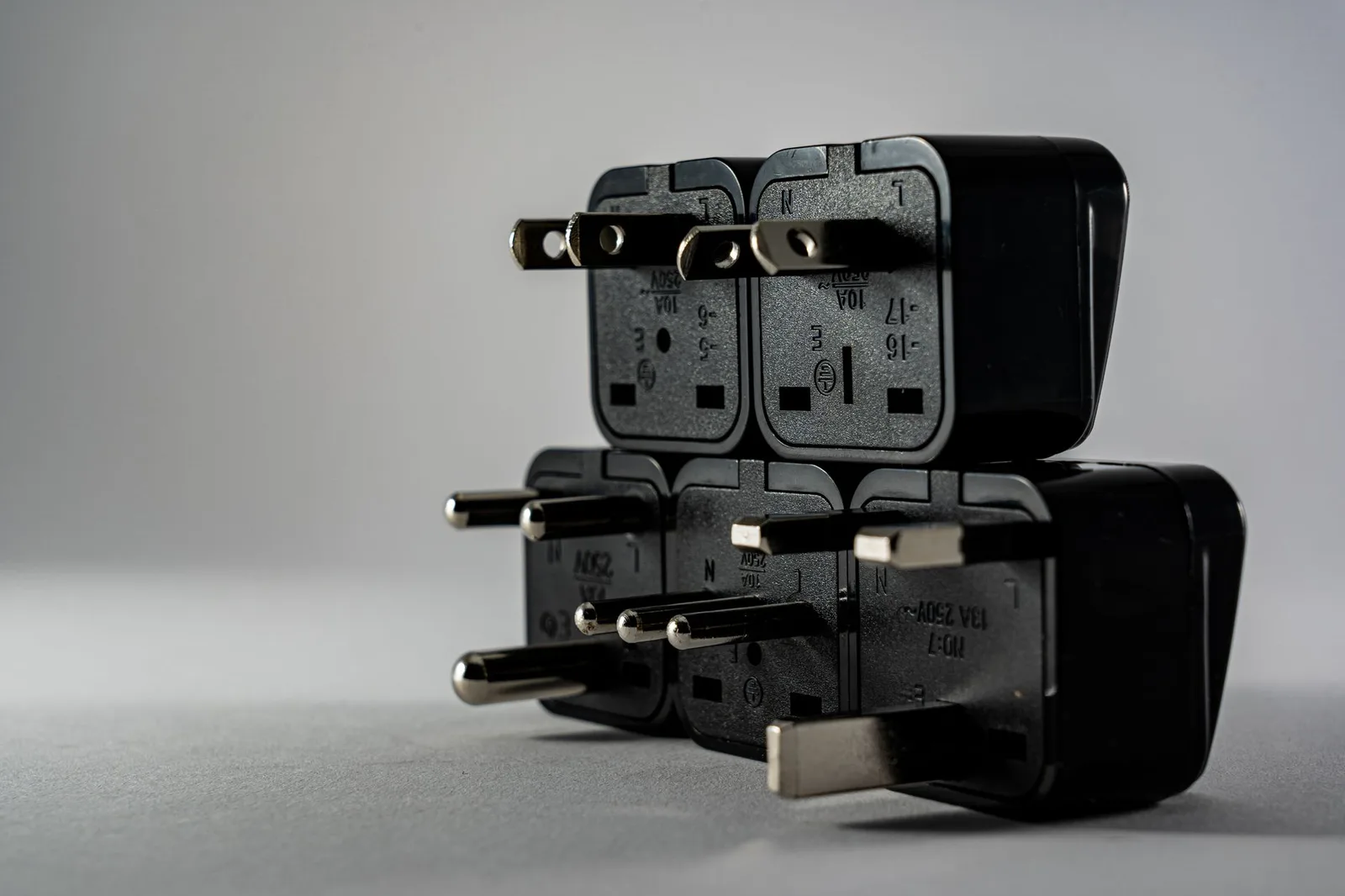
Travel Plug Adapters by Country in 2026: Plug Types, the Two Voltage Worlds, and Why an Adapter Is Not a Converter
A practical reference to the world's plug types (A/B, C/E/F, G, D/M, I), the ~120V vs ~230V split, and the one rule that saves your devices: an adapter reshapes the pins, it does not convert voltage.