
Altitude sickness on the Everest trek: the simple rules that keep you safe
Altitude — not the walking — is the real challenge of an Everest trek. Here are the proven rules, and the warning signs, every trekker should know before 2026.
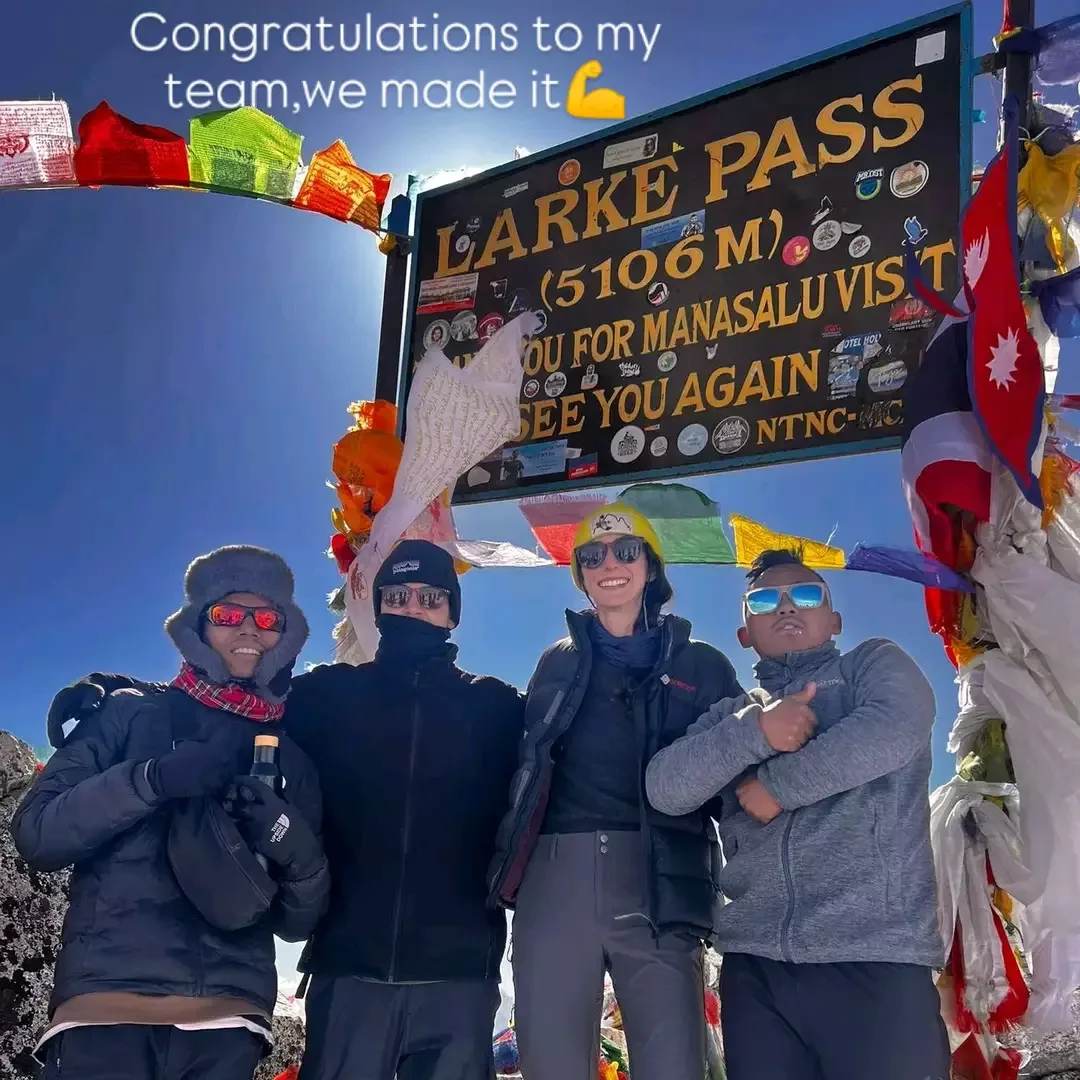
At a glance
- Published · updated
- TopicTrail & Weather
- ReportingOriginal, by our guides in Pokhara
- Treks coveredEverest Base Camp Trek — 12 Days, Everest Base Camp Trek — 14 Days, Everest View Trek — 7 Days
Here is the truth most first-time trekkers underestimate: the hard part of the Everest Base Camp trek is not the distance or the steepness — it is the thin air. Above 3,000 metres your body has to adapt to roughly half the oxygen it is used to, and rushing that process is what makes people sick. The good news is that altitude sickness is largely preventable if you follow a few well-proven rules.
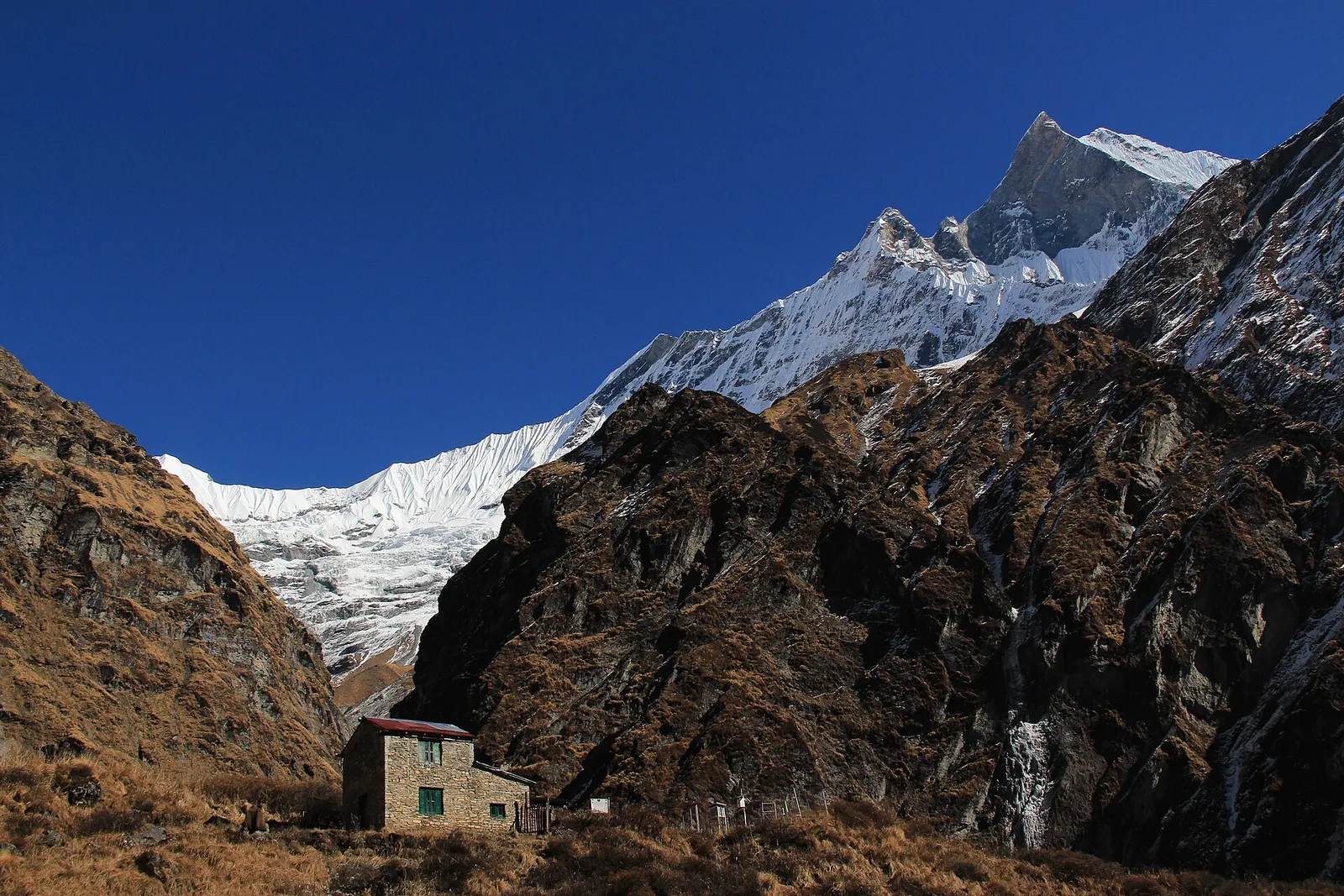
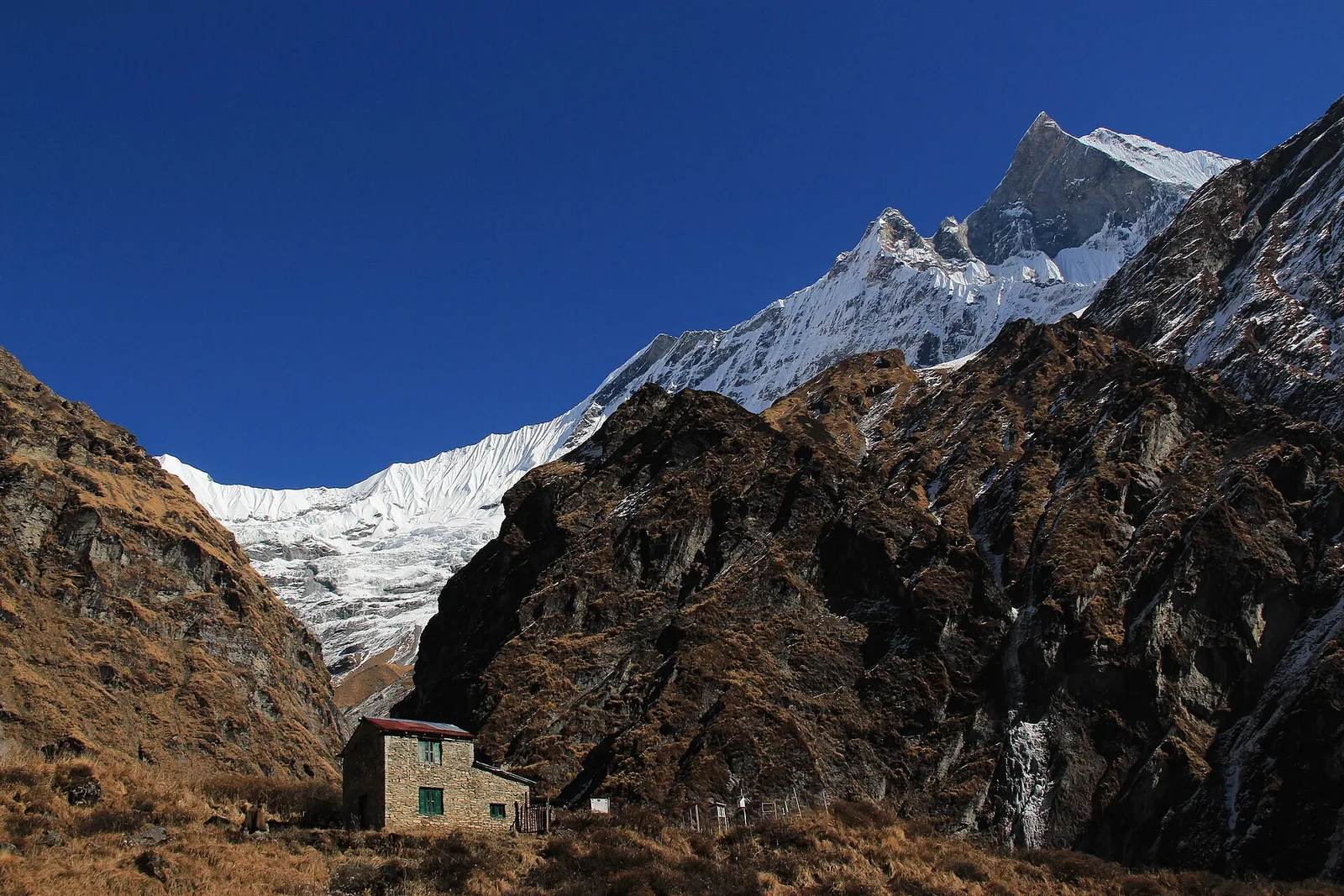
From the trail · Everest


Know the basics
- Symptoms of mild AMS: headache, nausea, poor sleep, fatigue
- The golden rule: climb high, sleep low, and ascend slowly
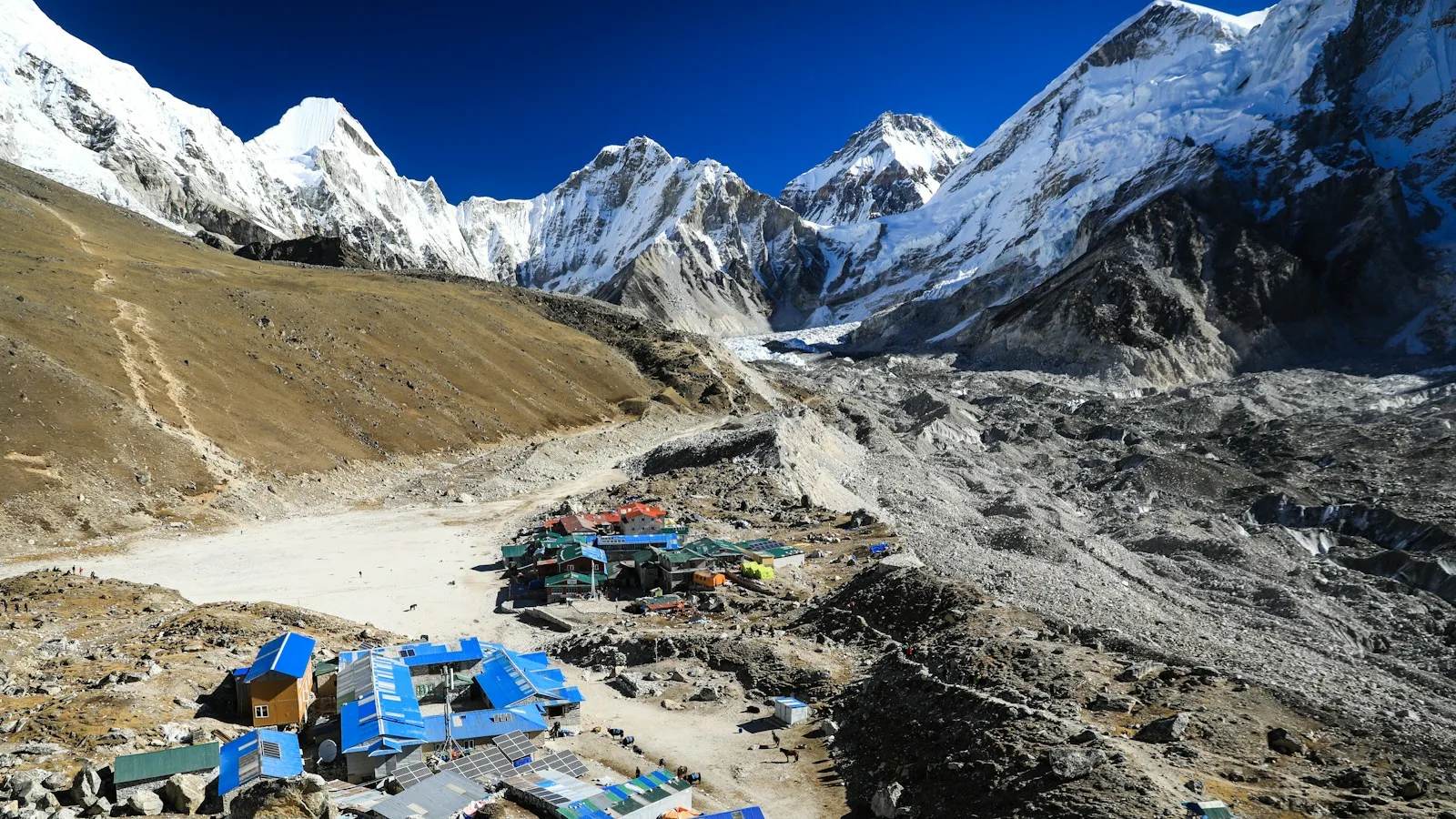
- Build in acclimatisation days (Namche, Dingboche on the EBC route)
- If symptoms worsen, the only sure cure is to descend
What we recommend carrying, and what is not worth the pack weight, is in altitude and medication.
The rules that work
Acclimatisation is not optional — it is the whole game. Above about 3,000m, aim to raise your sleeping altitude only gradually each day, and take rest days where the classic itineraries put them (a good Everest trek schedules acclimatisation days at Namche Bazaar and Dingboche for exactly this reason). Hydrate hard, walk slowly, eat well, and never ignore a worsening headache. Many trekkers carry acetazolamide (Diamox) as a preventive — discuss it with your doctor. Above all, respect the mountain's timetable, not your own.
| Rule | Why it matters |
|---|---|
| Ascend slowly above 3,000m | Gives your body time to adapt |
| Climb high, sleep low | Trains the body without overnight stress |
| Take acclimatisation days | Namche & Dingboche exist for this |
| Descend if it gets worse | The one reliable cure for serious AMS |
What this means for you
You do not need to fear altitude — you need to respect it. Our Everest itineraries are built with the right acclimatisation days and guides trained to spot early symptoms, so you ascend at a pace your body can handle. Choose a properly paced trek, and the thin air becomes a challenge you are ready for, not a gamble.
The three altitude illnesses — and the numbers that prevent them
"Altitude sickness" is really three conditions on one spectrum. AMS (acute mountain sickness) is the common, mild form — headache, nausea, poor sleep. Left unchecked it can progress to the two dangerous ones: HACE (fluid on the brain — confusion, loss of balance) and HAPE (fluid in the lungs — breathlessness at rest, a wet cough). HACE and HAPE are medical emergencies and the response to both is immediate descent. The reassuring part: both are rare on a properly paced trek, because pacing is the whole defence.
Standard guidance above 3,000 m is to raise your sleeping altitude by no more than 300–500 m a day and to build in a rest day roughly every 1,000 m — exactly why good Everest itineraries pause at Namche and Dingboche. Diamox (acetazolamide) can help prevent and ease symptoms; discuss it with your doctor before you travel. And the cardinal rule never changes: if symptoms are getting worse, you go down, not up.
Source: Travel Himalaya Nepal; CIWEC Clinic / UIAA altitude guidance.
Still running this season
Everest Base Camp Trek — 12 Days is running normally
NMA-certified local guides, transparent pricing, 5,000+ treks since 1998. Message us your dates and we'll sort the permits, lodges and logistics — reply within 24 hours, no obligation.
Popular Nepal treks
All treks →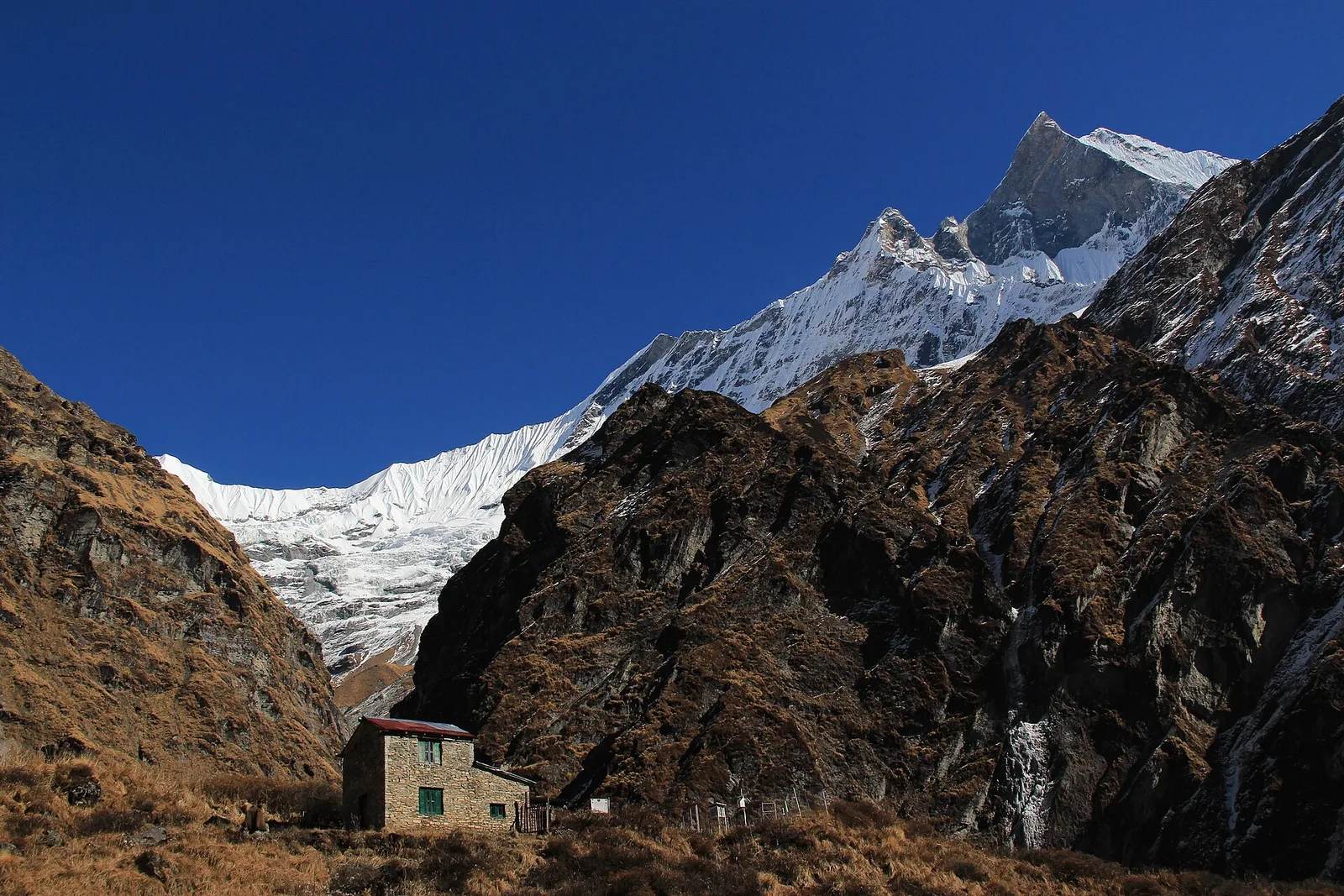
Related coverage
Safety & Advisories
Can a Beginner Do the Everest Base Camp Trek? The Honest Difficulty Answer (2026)
No mountaineering skills required — but altitude, not fitness, is what actually turns beginners back. Here is the real difficulty, by the numbers.
Safety & Advisories
Can You Trek to Everest Base Camp at 82? What the Record and the Research Actually Say
There is no legal or medical age cutoff on the trail to Everest Base Camp, and the current record holder just proved it at 82.
Trail & Weather
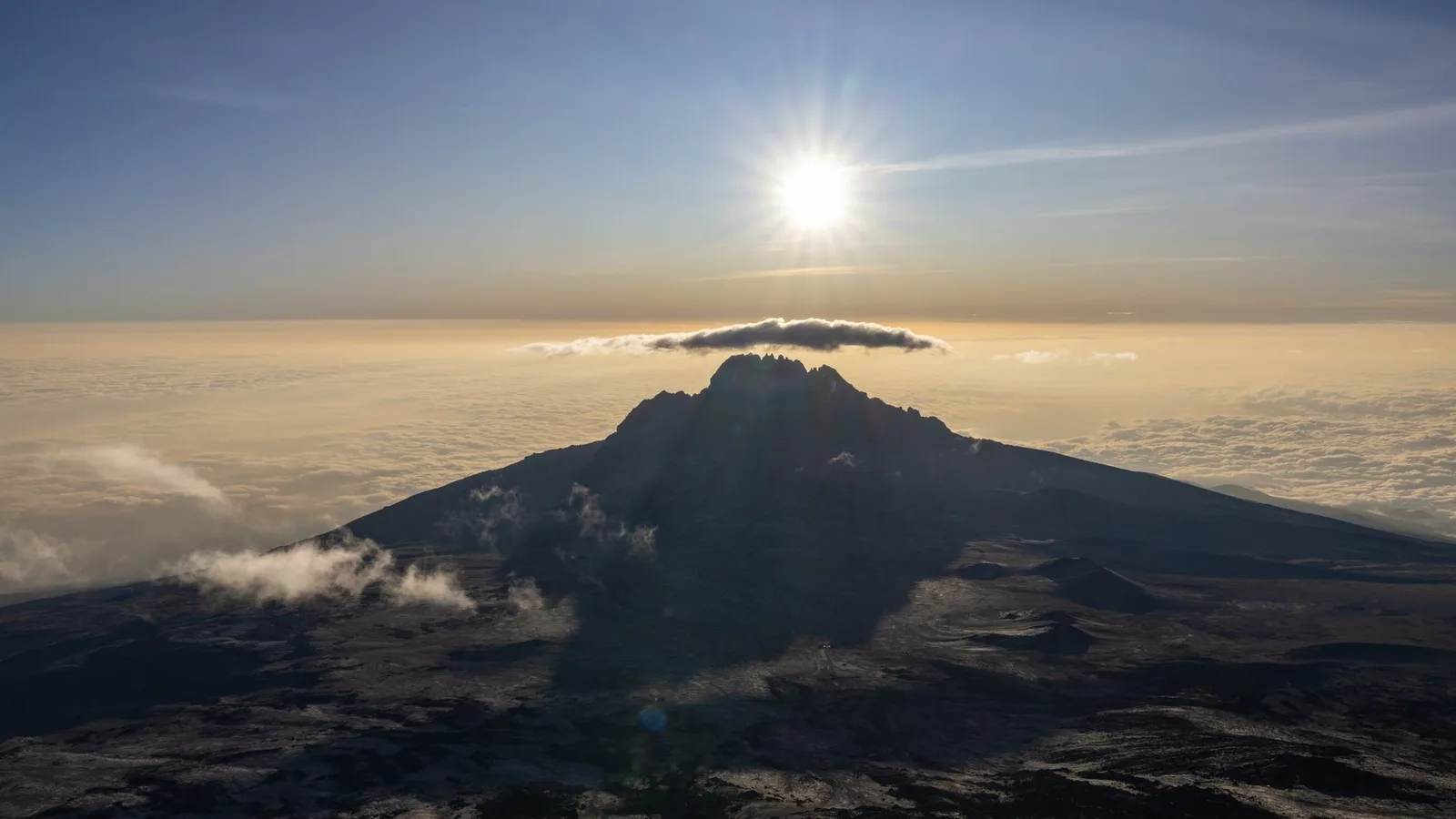
Everest Base Camp or Kilimanjaro: Which Trek Should You Actually Do in 2026?
One is a five-day sprint to 5,895 metres, the other a fourteen-day walk to 5,364 — the honest trade-off between them comes down to acclimatization, not fitness.
World Destinations
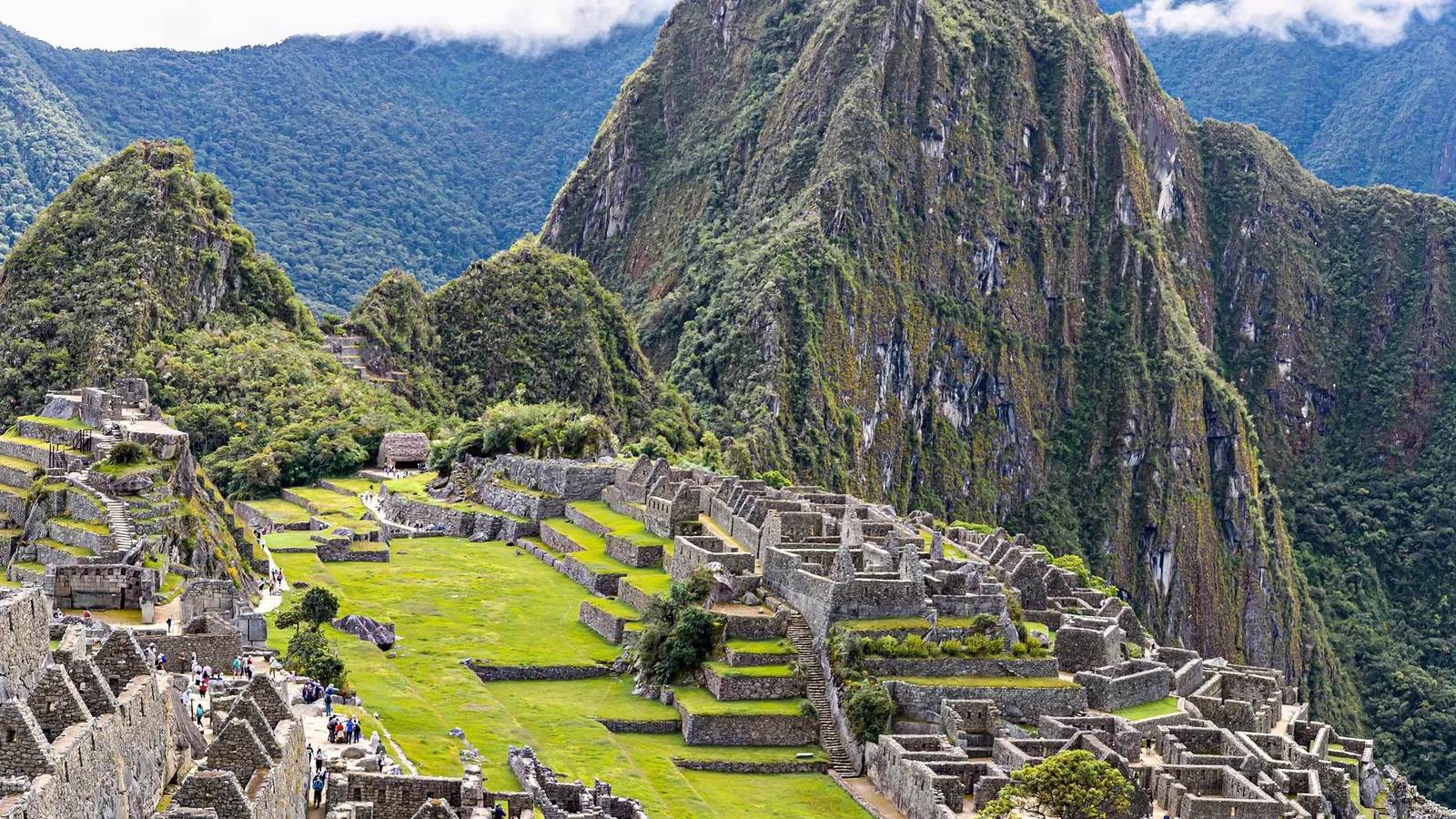
Altitude sickness doesn't need a mountain, just a flight to Cusco
Altitude illness starts around 2,450 m, and Cusco, La Paz and Lhasa all sit above it. Flying straight in is harder on you than walking to Everest Base Camp.
Latest from the desk
Gear & Tech
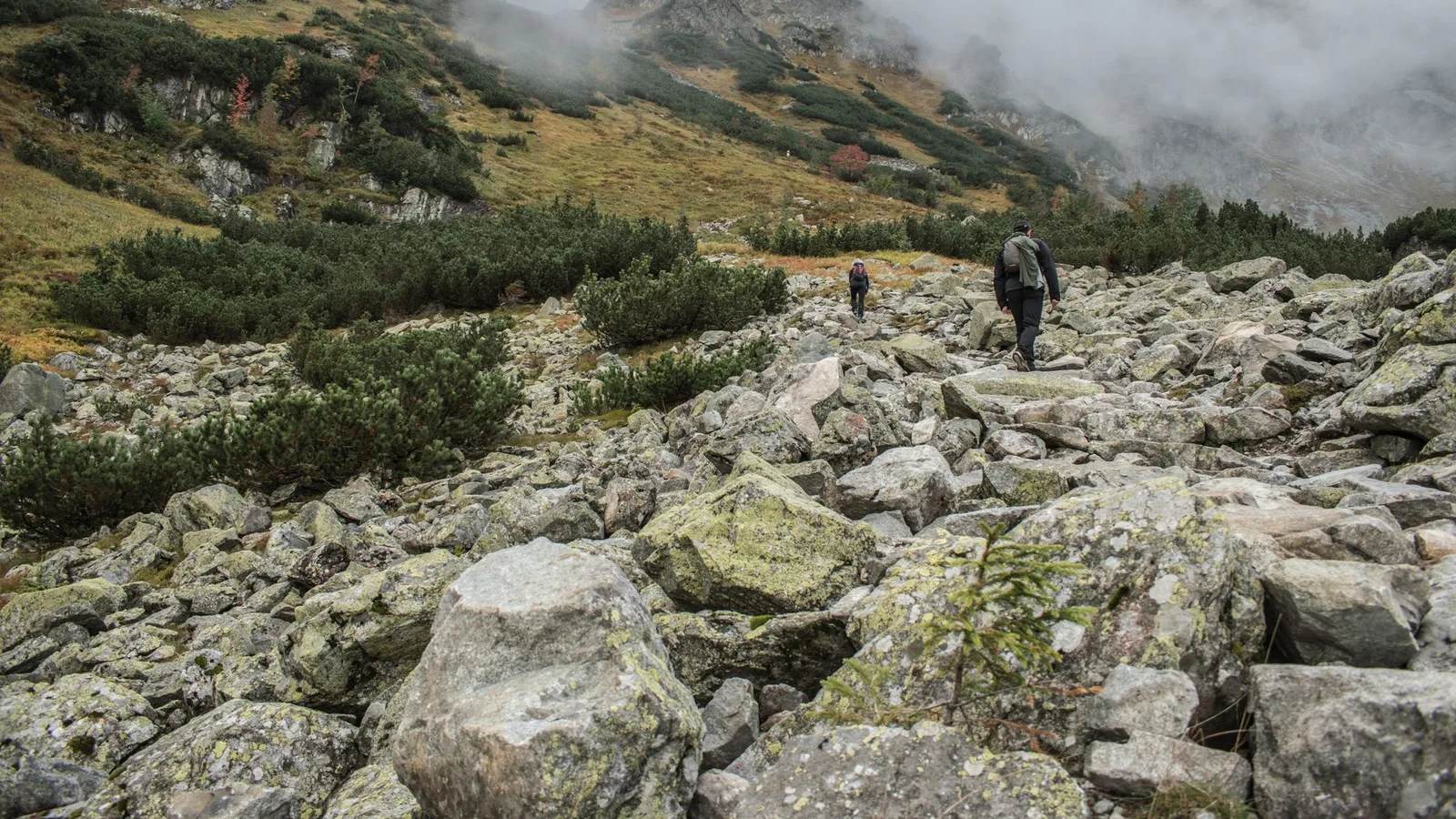
Trail shoes or hiking boots, and what the ankle-support research actually found
Most teahouse trekkers wear more boot than the walk needs, and the ankle-support argument holding that up is thinner than the shops suggest.
Gear & Tech
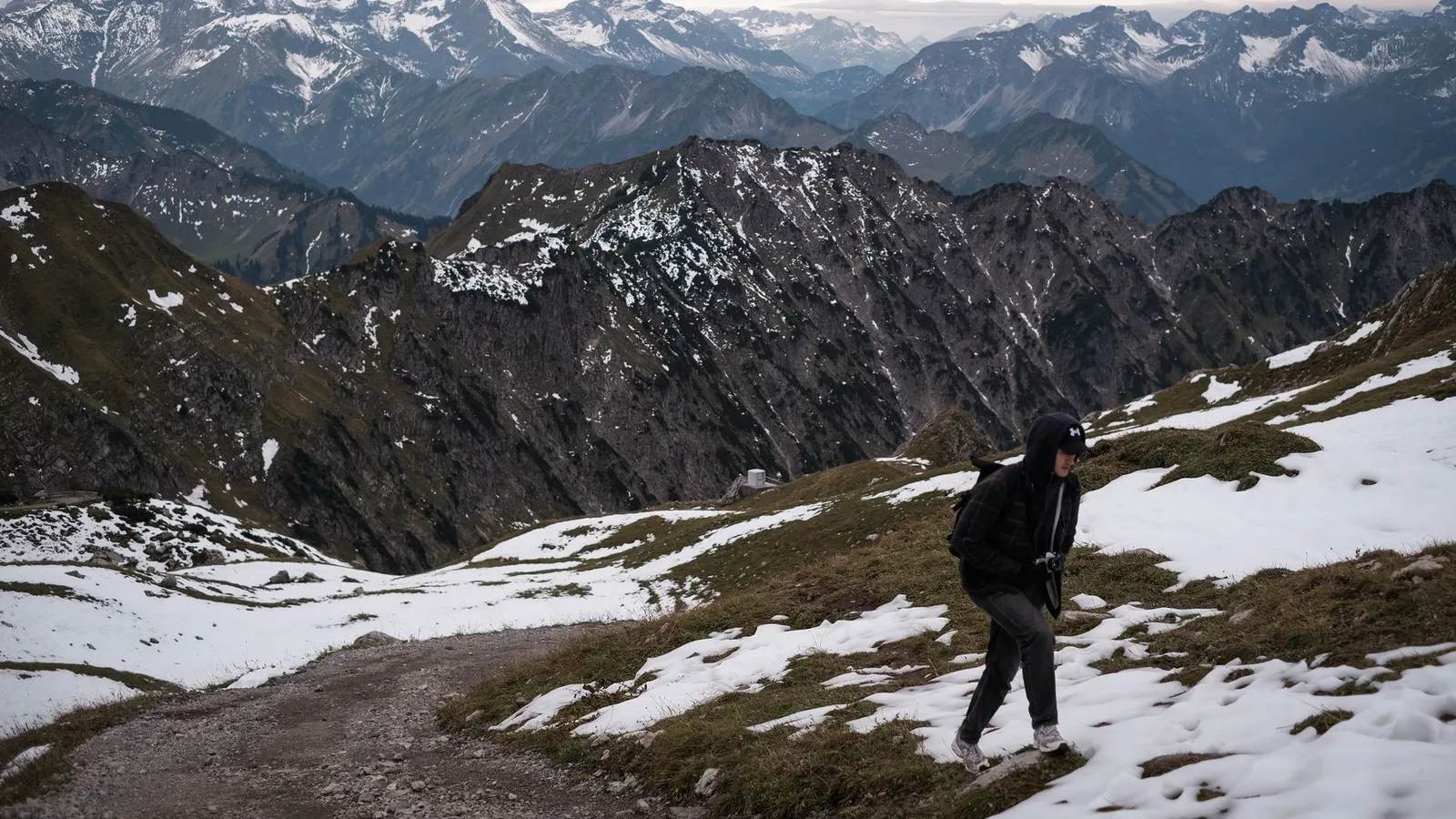
Merino or synthetic base layers, and what a lab found when it measured the smell
Merino wins the week-long wear, synthetic wins the overnight dry, and the lab reason merino stays fresh is not the bacteria story you have been told.
Safety & Advisories
If someone you know is missing in the Nepal flood, you don't have to fly to Kathmandu
Nepal Police have identified 95 of more than 1,200 bodies recovered. Families abroad can be DNA-profiled at home and send the result in. Here is how it works.