
Which Nepal trekking regions are actually open for autumn 2026, and the three that are not
Everest, Annapurna, Kanchenjunga, Dhaulagiri and Dolpa are unaffected for autumn 2026. Langtang, Ganesh Himal and the road to the Manaslu trailhead are not, according to a 28 August trekking-route advisory.
At a glance
- Published · updated
- TopicTrail & Weather
- Verified againstTrekking Agencies' Association of Nepal (TAAN) route advisory, reported by The Tourism Times
- Treks coveredAnnapurna Circuit Trek — 13 Days, Everest Base Camp Trek — 14 Days, Annapurna Base Camp Trek — 9 Days
Most of Nepal is open for autumn 2026. On 28 August the Trekking Agencies’ Association of Nepal published a region-by-region access update after the 26 August flash floods on the Trishuli and Bhote Koshi, and it names Kanchenjunga, Makalu, Everest, Rolwaling, Helambu, Annapurna including Manang and Mustang, Dhaulagiri, Dolpa, Rara and Jumla, Humla and the Far West as unaffected. Three areas are not: Langtang and Gosaikunda, Ganesh Himal and Ruby Valley, and the road approach to Manaslu, Tsum Valley and the Larke Pass.
Key facts, verified 28–31 August 2026
- Unaffected: Everest, Annapurna (Manang and Mustang included), Kanchenjunga, Makalu, Dhaulagiri, Rolwaling, Helambu, Dolpa, Rara and Jumla, Humla, Far West.
- Closed or cut: Langtang and Gosaikunda, Ganesh Himal and Ruby Valley, and the Malekhu–Dhading Besi road to the Manaslu trailhead, where a bridge has collapsed.
- Fully closed: the Kailash Mansarovar route via Rasuwagadhi and Kerung.
- TAAN’s own caution: the monsoon is not over yet. Get access information dated to your departure week, not to the month you booked.
- Nepal’s average monsoon withdrawal date is 2 October (Department of Hydrology and Meteorology).
The distinction that matters for your money is this: almost none of the damage is on a trail. It is on the roads that get you to the trail. That is why the Everest region is untouched — you fly in — and why Annapurna, which has more road-accessed trailheads than anywhere else, still comes through clean while Langtang, which has exactly one access road, does not. Our monsoon-withdrawal piece explains why the trail clock runs two to three weeks ahead of the road clock every year.
This was written before the 26 August flood. For the current position, and for the permit, fare and road changes alongside it, see the autumn 2026 Nepal trekking briefing.
Region by region, as of 31 August 2026
| Region | Status | What is actually wrong |
|---|---|---|
| Everest / Khumbu | Open | Nothing. Reached by air via Manthali; no road exposure. |
| Annapurna (Circuit, ABC, Manang, Mustang) | Open | Trails unaffected. The Kathmandu–Pokhara highway is cut, so the transfer is the issue. |
| Kanchenjunga, Makalu, Rolwaling | Open | Nothing reported. |
| Dhaulagiri, Dolpa, Rara, Jumla, Humla, Far West | Open | Nothing reported. |
| Helambu | Open | Listed unaffected despite sitting next to Langtang. |
| Manaslu, Tsum Valley, Larke Pass | Access cut | Malekhu–Dhading Besi road closed, bridge collapsed. |
| Langtang, Kyanjin, Gosaikunda | Closed | The road up the Trishuli into Rasuwa is closed. |
| Ganesh Himal, Ruby Valley | Closed | Access via Dhunche and Syabrubesi closed. |
| Kailash Mansarovar via Rasuwagadhi | Closed | The border route itself is destroyed. |
The three you cannot walk right now
Langtang and Gosaikunda are the clearest no. The single road into Rasuwa is closed, and we have paused our own Langtang departures rather than sell a trek whose access we cannot verify. If Langtang was your plan, the honest substitute is Helambu, which is the next valley east, is listed as unaffected, and costs less. We set out the full picture in our Langtang access update.
Ganesh Himal and Ruby Valley go with Langtang, because they share the Dhunche and Syabrubesi approach. There is no clever back way in worth paying for.
Manaslu is the one to watch rather than write off. The trail is not the problem — a collapsed bridge on the Malekhu–Dhading Besi road is. Bridges on that corridor get replaced or bypassed with a temporary crossing faster than a washed-out riverside road does, so a mid-October Manaslu start is a different proposition from a mid-September one. Do not book a September Manaslu departure this year without asking, in writing, how your operator plans to get you to the road-head. Our Manaslu flood status page tracks it.
The newest problem is the road to Pokhara
On 30 August, two days after the advisory, the Prithvi Highway subsided at Krishnabhir in Dhading and traffic stopped in both directions. That is the only sealed road between Kathmandu and Pokhara, and it is the road to the Annapurna trailheads and to Chitwan. The trails are fine; the drive is not. The full detail is here, and the practical answer for an Annapurna departure in the next few weeks is to fly Kathmandu–Pokhara instead of driving it.
Flash floods on the Trishuli and Bhote Koshi. The Rasuwagadhi border route is destroyed.
TAAN publishes the region-by-region list and warns that the monsoon has not finished.
The Prithvi Highway subsides at Krishnabhir. No reopening date announced.
Nepal’s mean monsoon withdrawal date. Roads keep failing until it passes.
What this means for your trek
What this means for you
Book Everest or Annapurna and you are booking into an open region — budget one buffer day for the transfer, not for the trek. Book Langtang, Gosaikunda, Ganesh Himal or Ruby Valley and you are booking something nobody can currently deliver; move it to Helambu or push it to spring. Manaslu is a judgement call that depends on your start date, and mid-October is a far safer bet than mid-September. Whatever you pick, get the access position confirmed in the week you fly, not the month you paid. Anyone still quoting you July’s road conditions is quoting a road that has since been cut in three more places.
Is it safe to trek in Nepal in autumn 2026 at all?
Yes, in the regions listed as unaffected, which is most of the country. The 26 August floods hit a specific corridor — Rasuwa, the Trishuli valley and the roads that run through it. Everest, the Annapurnas, the far east and the far west were not in it.
Should I wait until later in the season?
If you are flexible, yes. A departure from the second week of October onward avoids both the tail of the monsoon and the repair backlog, and it is Nepal’s most reliable trekking weather anyway — warm days, cold clear nights, the best visibility of the year. If you cannot move your dates, pick a fly-in region.
Will my operator tell me if the route changes?
Ask them to commit to it before you pay. The specific question that works is: “What is the road status on my access route in the week I arrive, and who checks it?” A real answer names a road and a person. A vague one is a warning.
Planning an autumn trek and not sure which region is safe to book?
Tell us your dates and what you had in mind. We will tell you honestly whether it is on, what the realistic substitute is, and where the buffer day belongs.
Message us on WhatsApp → · Ask us about your dates →
Annapurna Circuit Trek — 13 Days · Everest Base Camp Trek — 14 Days · Annapurna Base Camp Trek — 9 Days
Sources: Trekking Agencies’ Association of Nepal route advisory of 28 August 2026, as reported by The Tourism Times; The Kathmandu Post, 30 August 2026, on the Prithvi Highway collapse; Department of Hydrology and Meteorology for the mean monsoon withdrawal date.
Cover photo: kumar dulal via Pexels (Pexels License).
Still running this season
Annapurna Circuit Trek — 13 Days is running normally
NMA-certified local guides, transparent pricing, 5,000+ treks since 1998. Message us your dates and we'll sort the permits, lodges and logistics — reply within 24 hours, no obligation.
Popular Nepal treks
All treks →
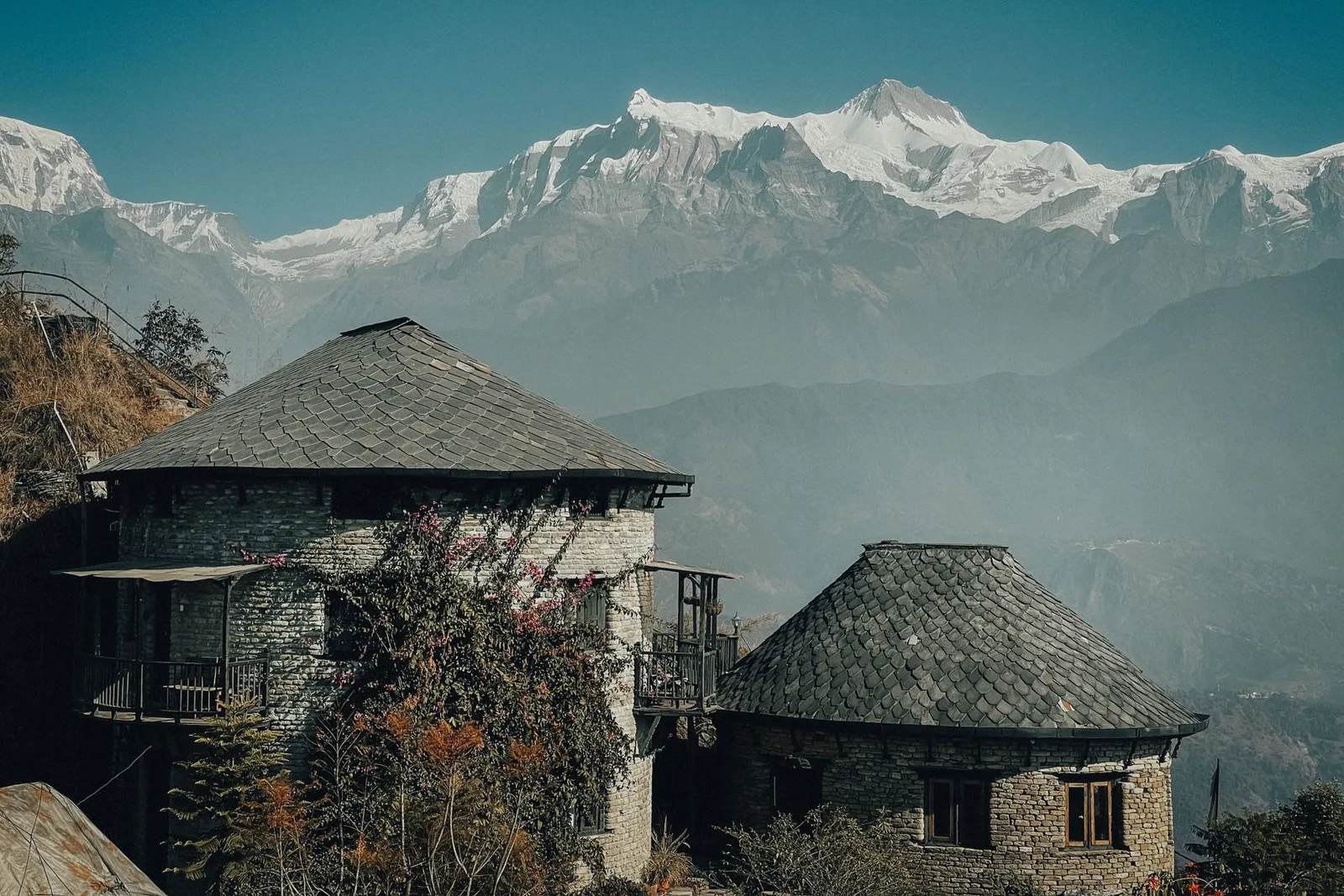
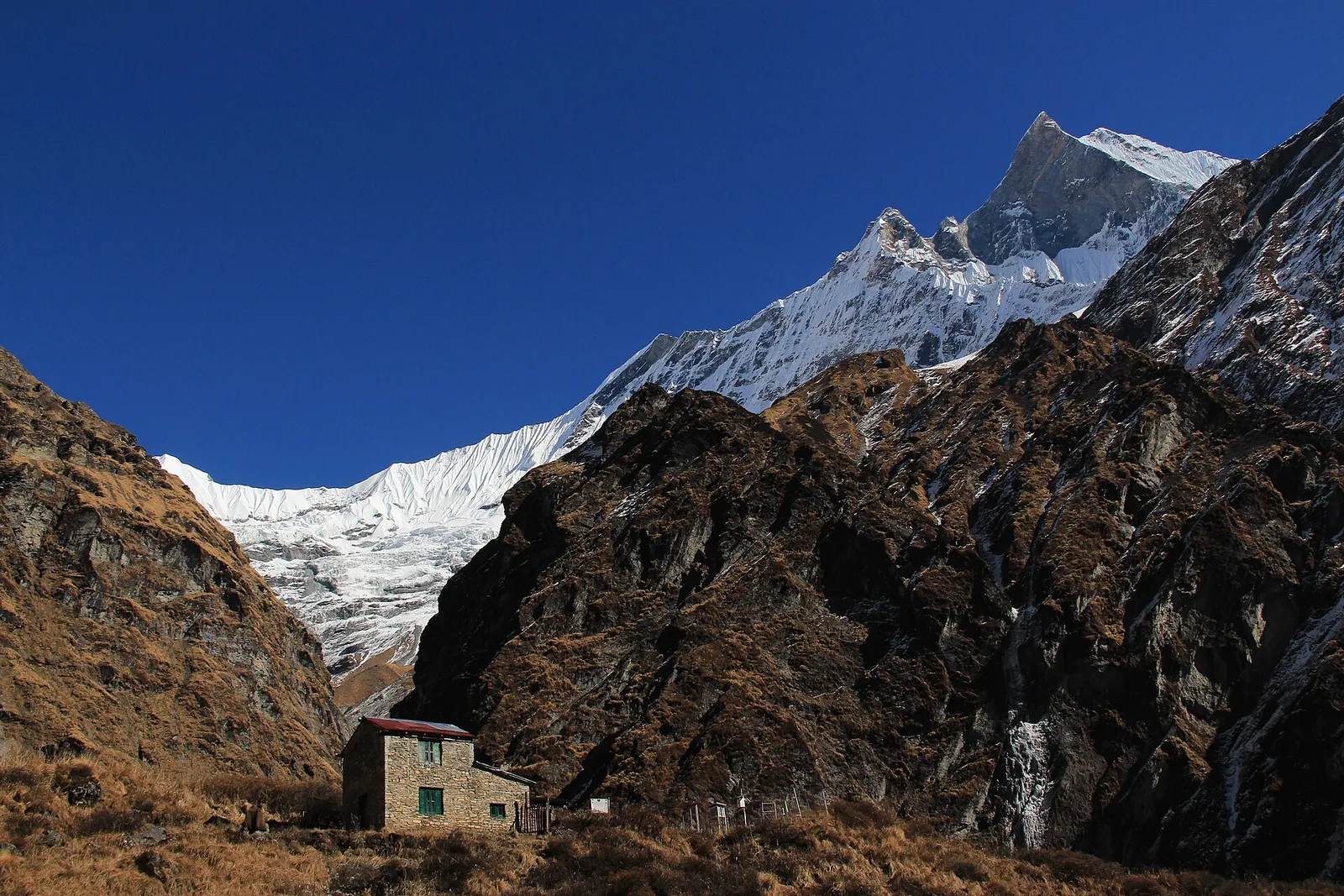
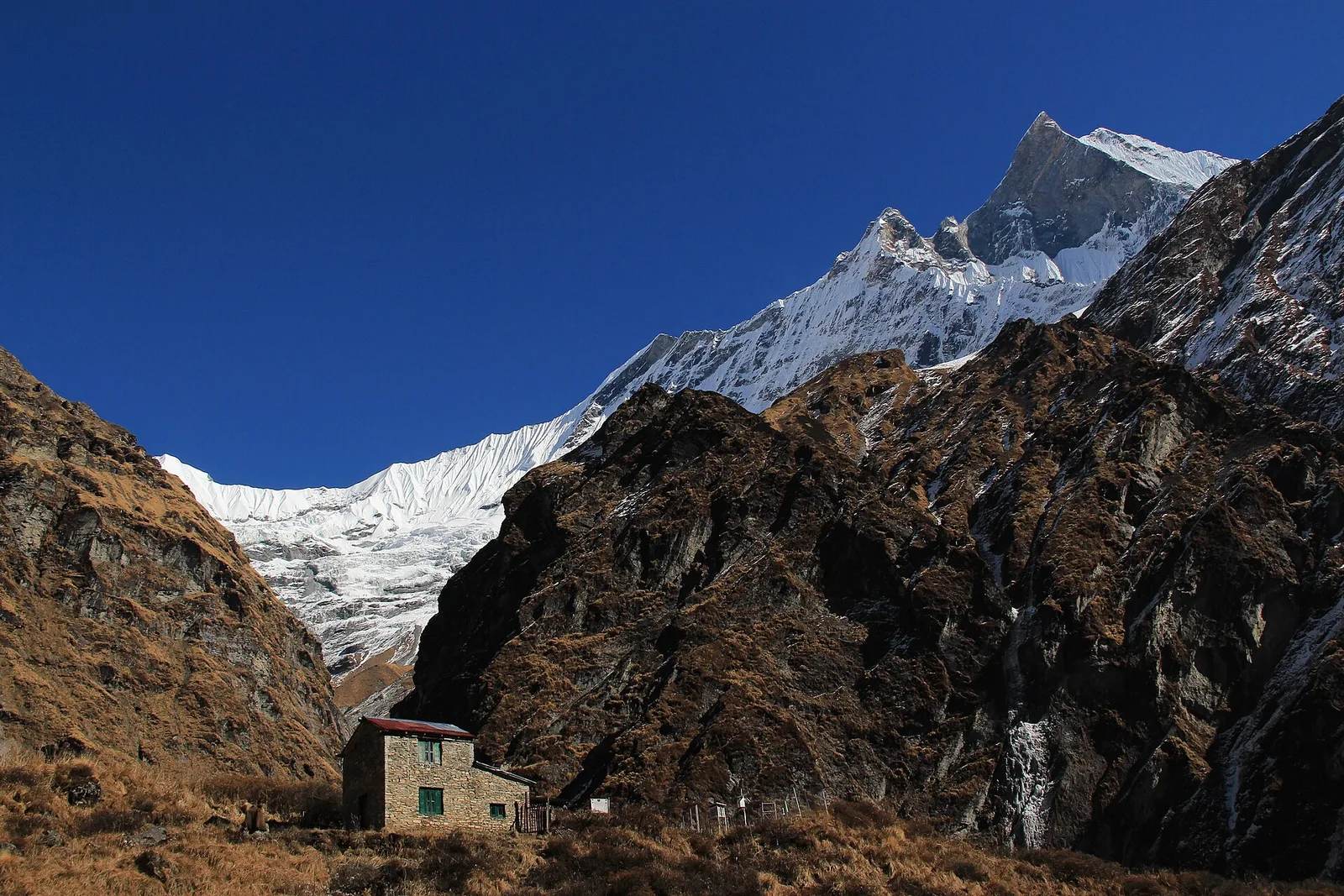
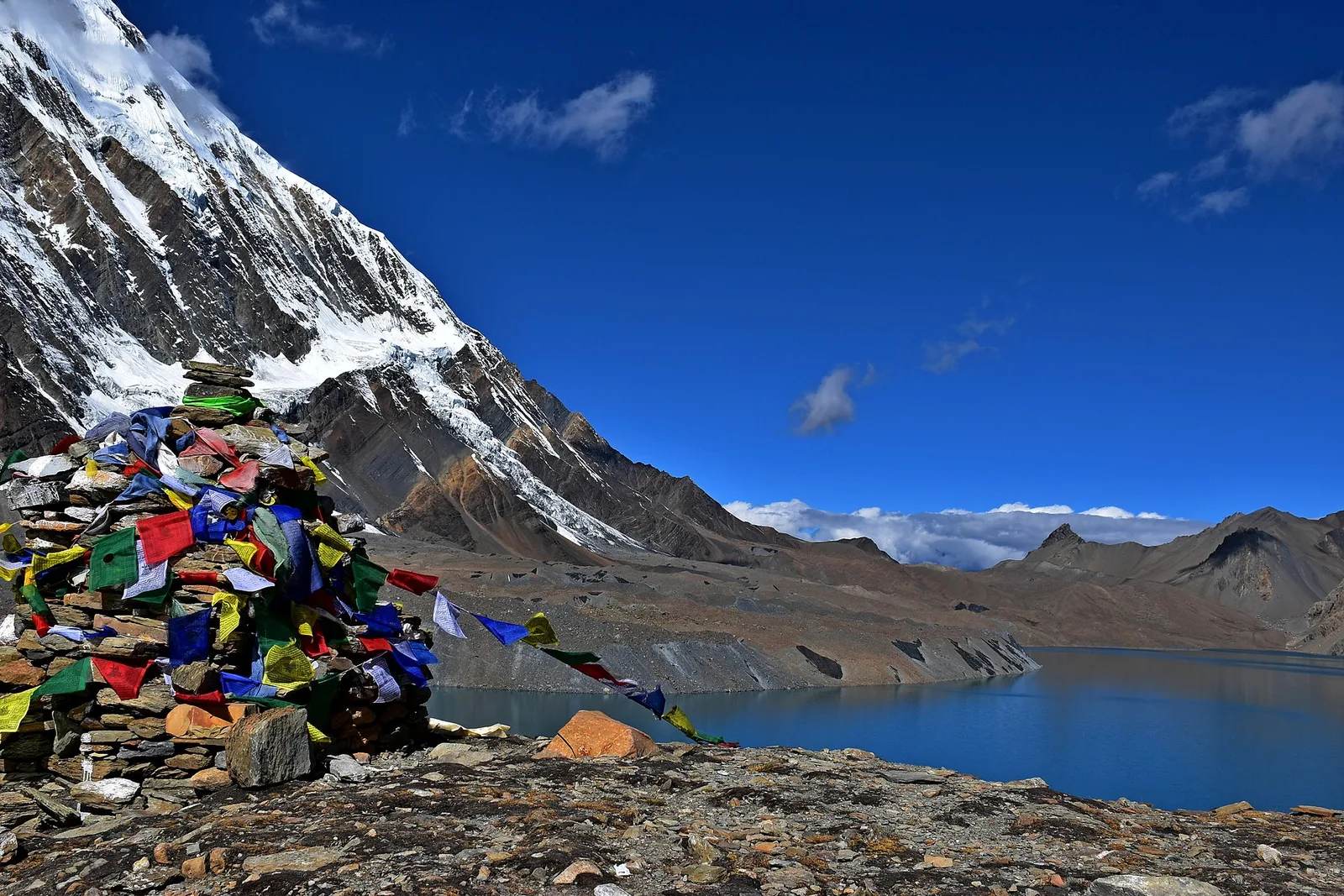
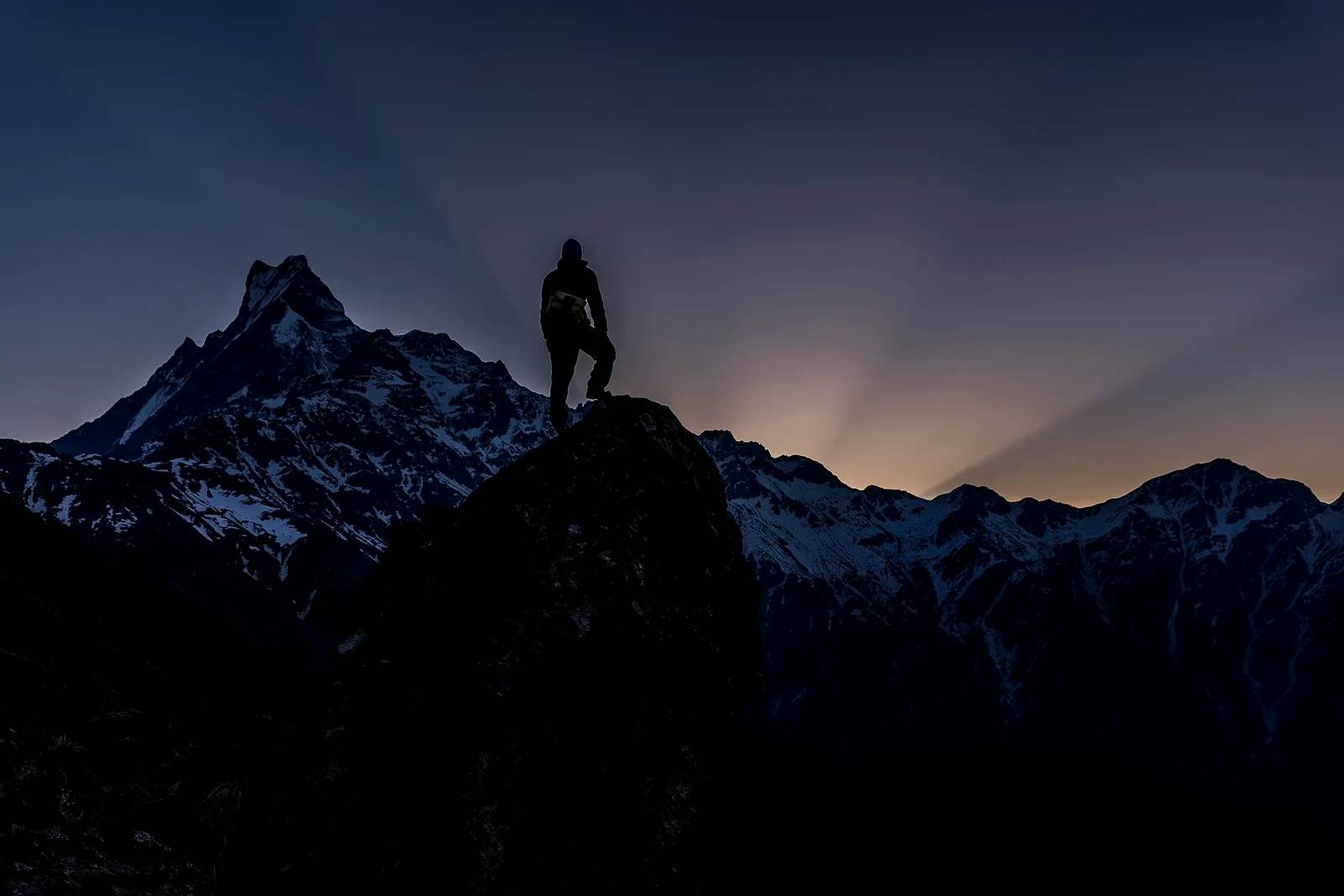
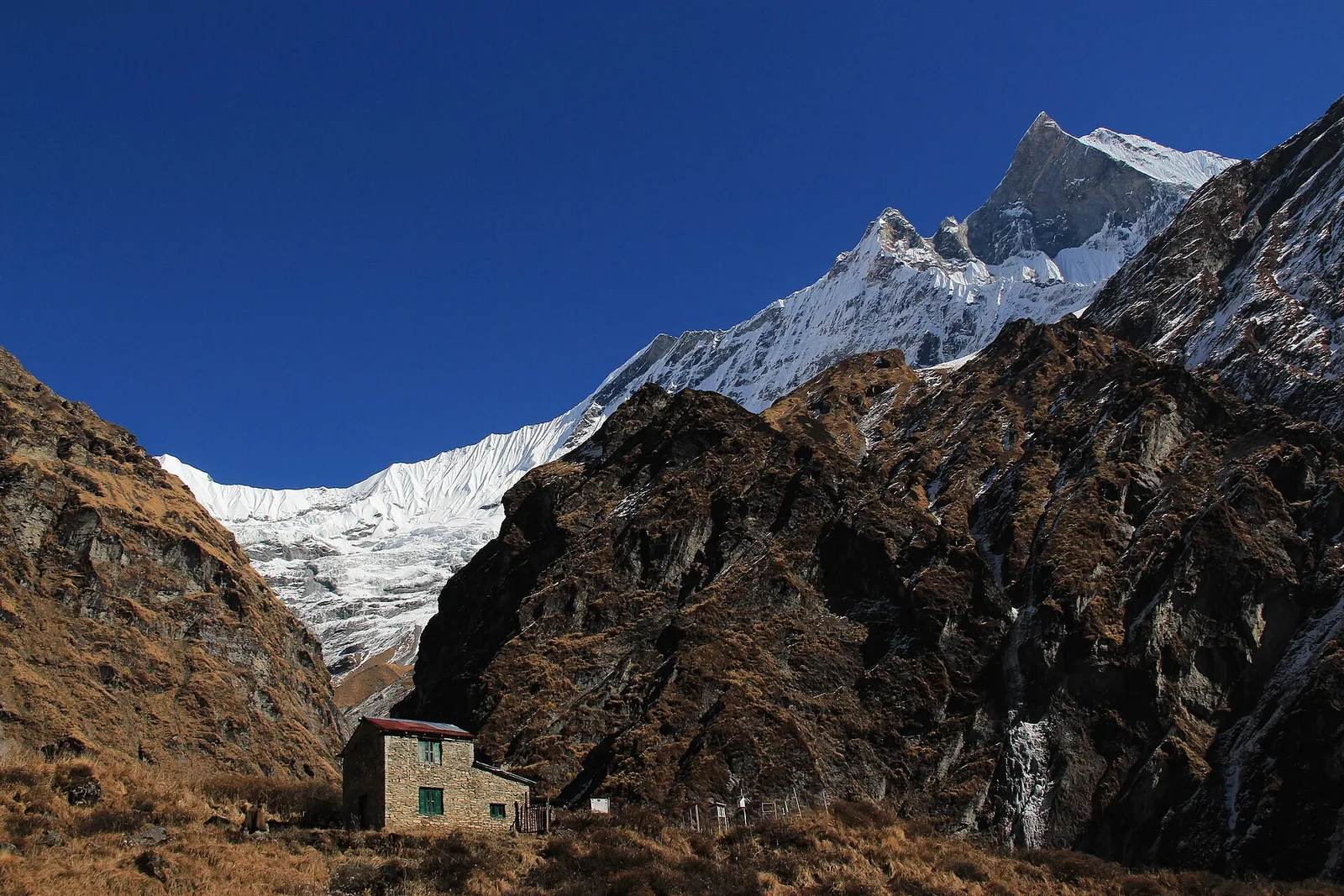
Related coverage
Trail & Weather
Spring or Autumn? The Data-Backed Answer to When You Should Trek Nepal in 2026
Real temperature, rainfall and crowding numbers for the Everest and Annapurna regions — not opinion — settle which season actually suits your trek.
Trail & Weather
Nepal trekking news that actually changes your trip, updated for autumn 2026
The permit rules, fines, airfares, flight routes and road closures that changed for Nepal trekkers in 2026 — what to act on for an autumn booking, and what to ignore.

Industry & Tourism
Should you still book Nepal this autumn after the flood, and what happens to the guides if you don't
Four Langtang and Rasuwa treks are paused on our own books, while Everest, Annapurna and Manaslu sit in different river systems and are running normally.
Permits & Rules
Nepal Trekking Costs by Route in 2026: What EBC, Poon Hill and Manaslu Actually Cost
Permits alone run from $38 to over $200 depending which trail you pick — a real, route-by-route budget breakdown, not one average number for the whole country.
Latest from the desk
Gear & Tech
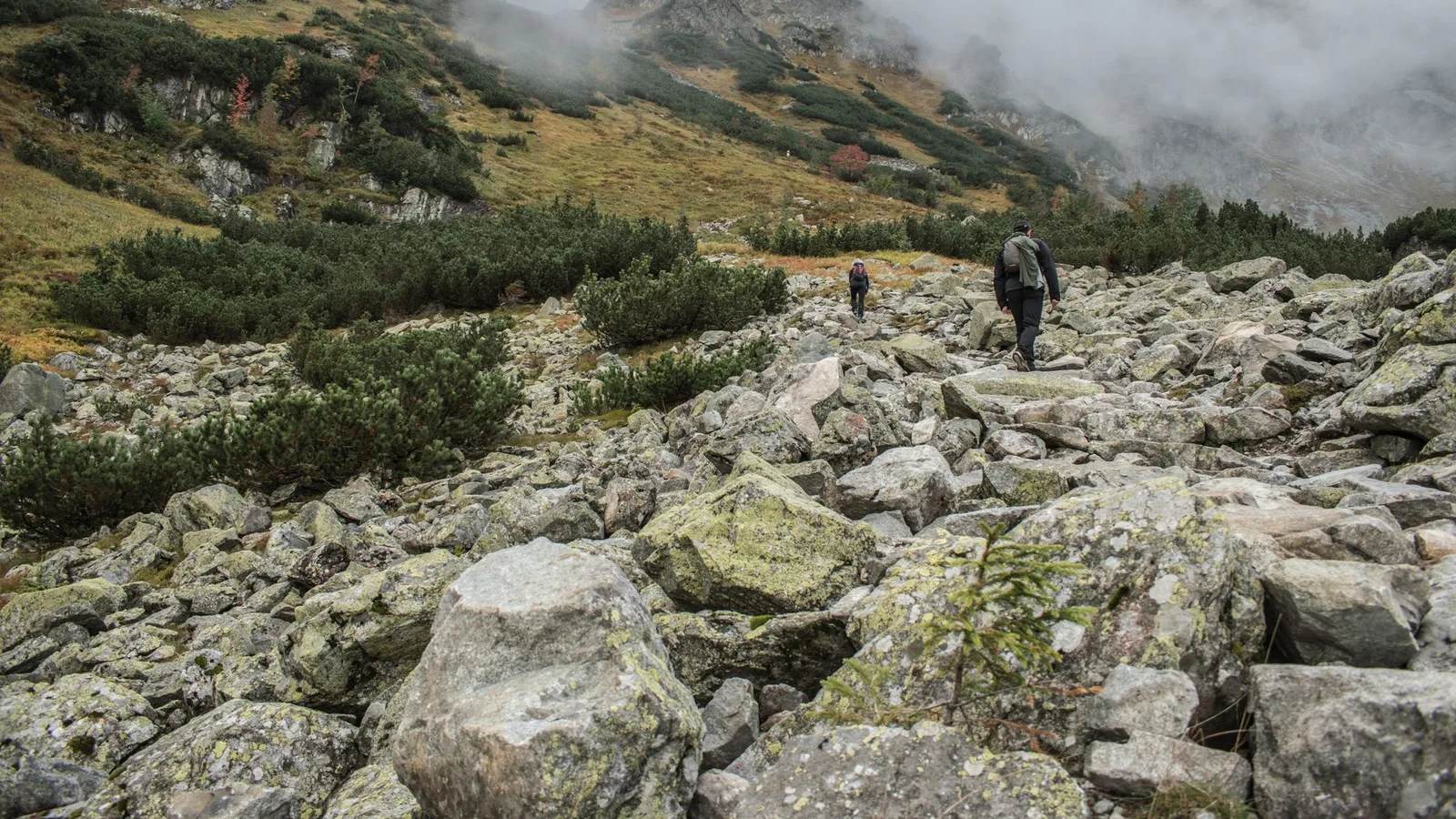
Trail shoes or hiking boots, and what the ankle-support research actually found
Most teahouse trekkers wear more boot than the walk needs, and the ankle-support argument holding that up is thinner than the shops suggest.
Gear & Tech
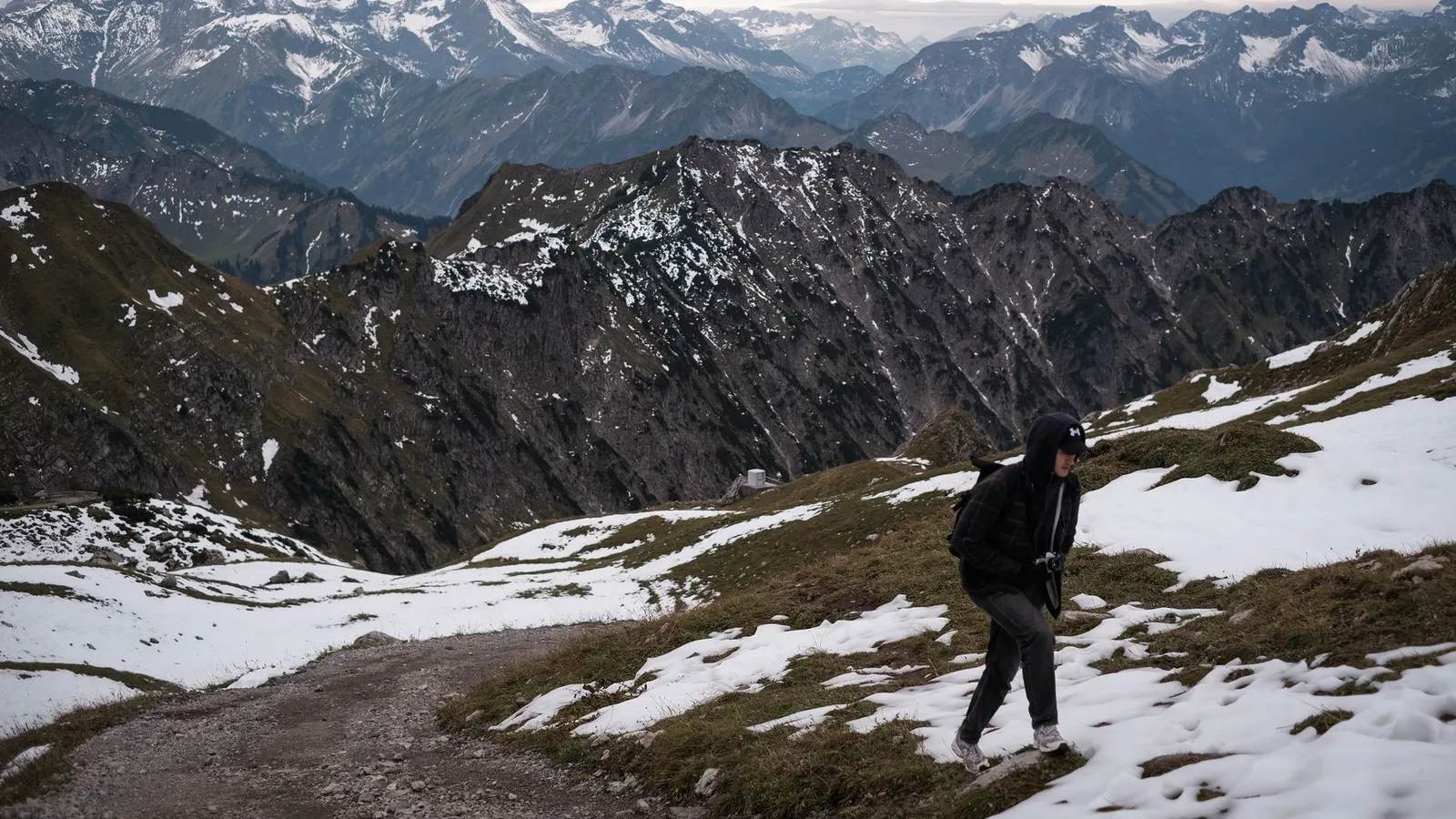
Merino or synthetic base layers, and what a lab found when it measured the smell
Merino wins the week-long wear, synthetic wins the overnight dry, and the lab reason merino stays fresh is not the bacteria story you have been told.
Safety & Advisories
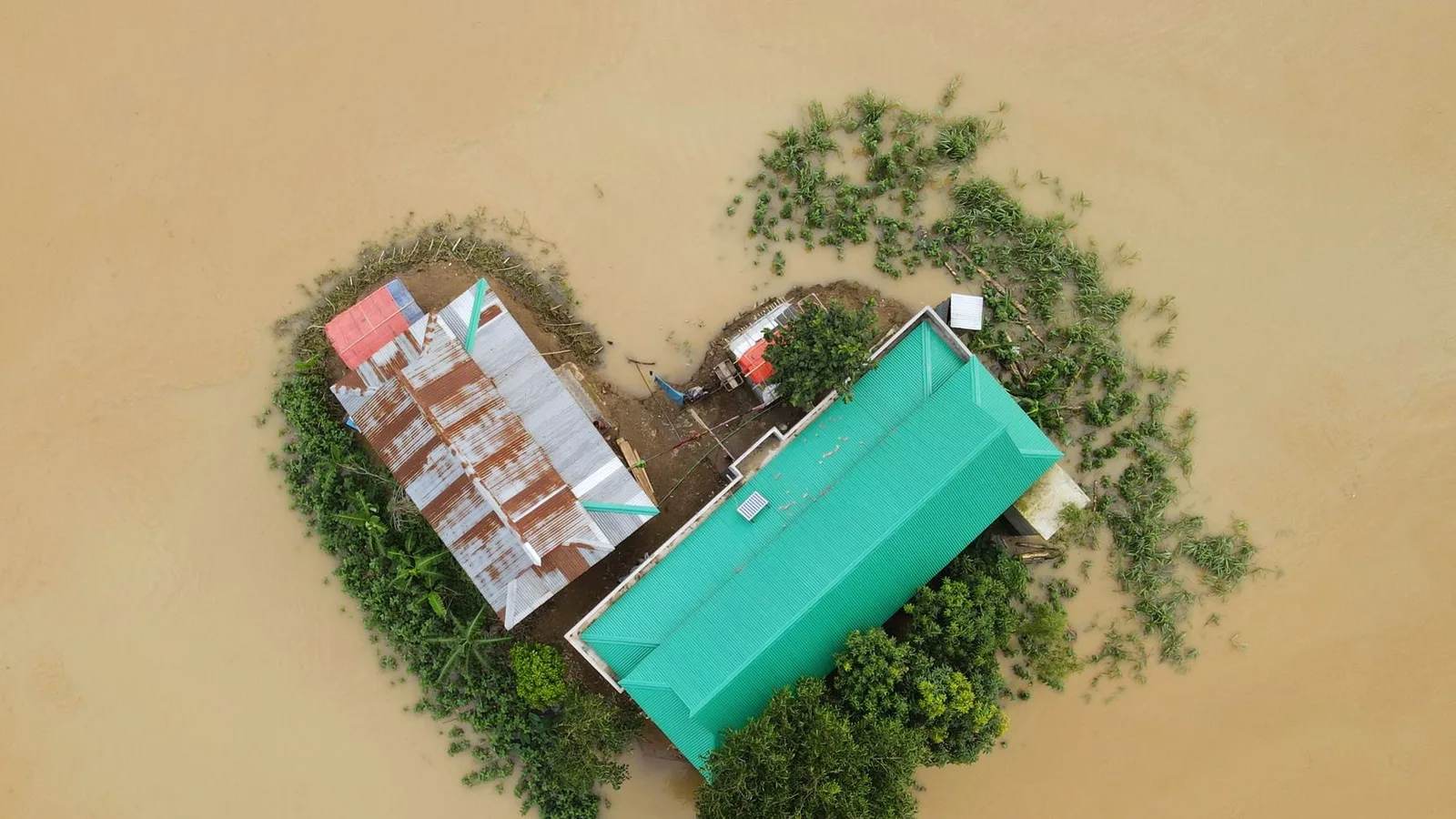
If someone you know is missing in the Nepal flood, you don't have to fly to Kathmandu
Nepal Police have identified 95 of more than 1,200 bodies recovered. Families abroad can be DNA-profiled at home and send the result in. Here is how it works.