
In 1955 They Stopped a Few Feet From the Top of the World's Third-Highest Mountain. Seventy Years Later, India Wants No One to Ever Take the Last Step.
Joe Brown and George Band summited Kangchenjunga on a promise never to stand on its true top. A 2025 Indian Army climb from the Nepal side broke that unwritten rule again, and reignited a decades-old fight over whether the mountain should be climbed at all.
At a glance
- Published
- TopicCulture & Heritage
- Verified againstNepali Times
- Treks coveredKanchenjunga Base Camp Trek — 22 Days, Makalu Base Camp Trek — 18 Days
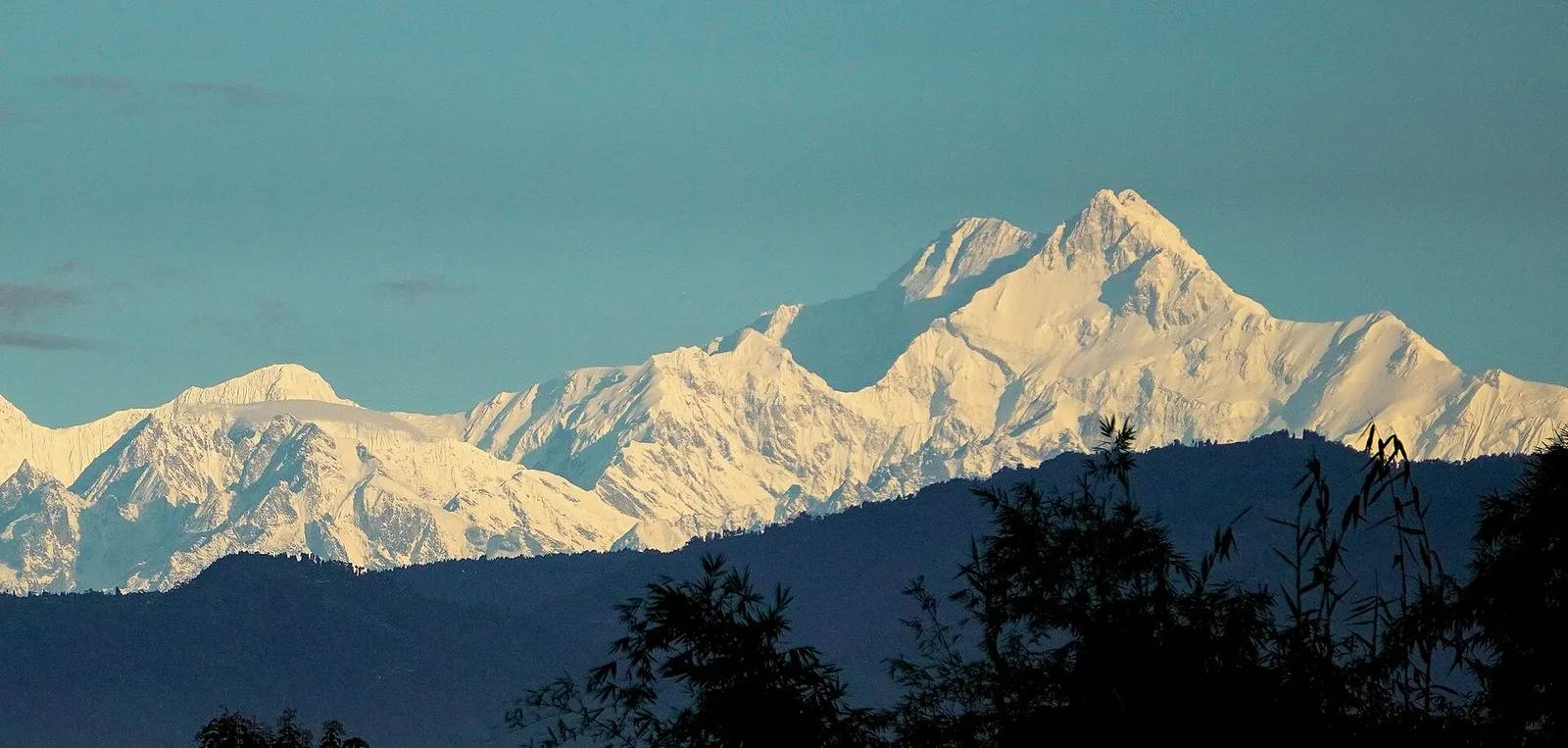
On 25 May 1955, two British climbers stood a few feet from the highest point of Earth's third-highest mountain, and chose not to take the final step. Seventy years on, the government of India's Sikkim state wants to make sure nobody ever does, from either side of the border.
Key facts
- Kangchenjunga, 8,586m, the world's third-highest mountain, straddles the Nepal-Sikkim (India) border
- First summited 25 May 1955 by Joe Brown and George Band, who stopped short of the true top on a promise to Sikkim's ruler; Norman Hardie and Tony Streather repeated the climb the next day
- Sikkim has banned climbing the mountain from its own side since 2000, citing its sacred status
- In May 2025, a five-member Indian Army team led by Col Ranveer Jamwal summited via the Nepal side instead, reigniting the dispute, since Nepal's permit system does not enforce Sikkim's ban
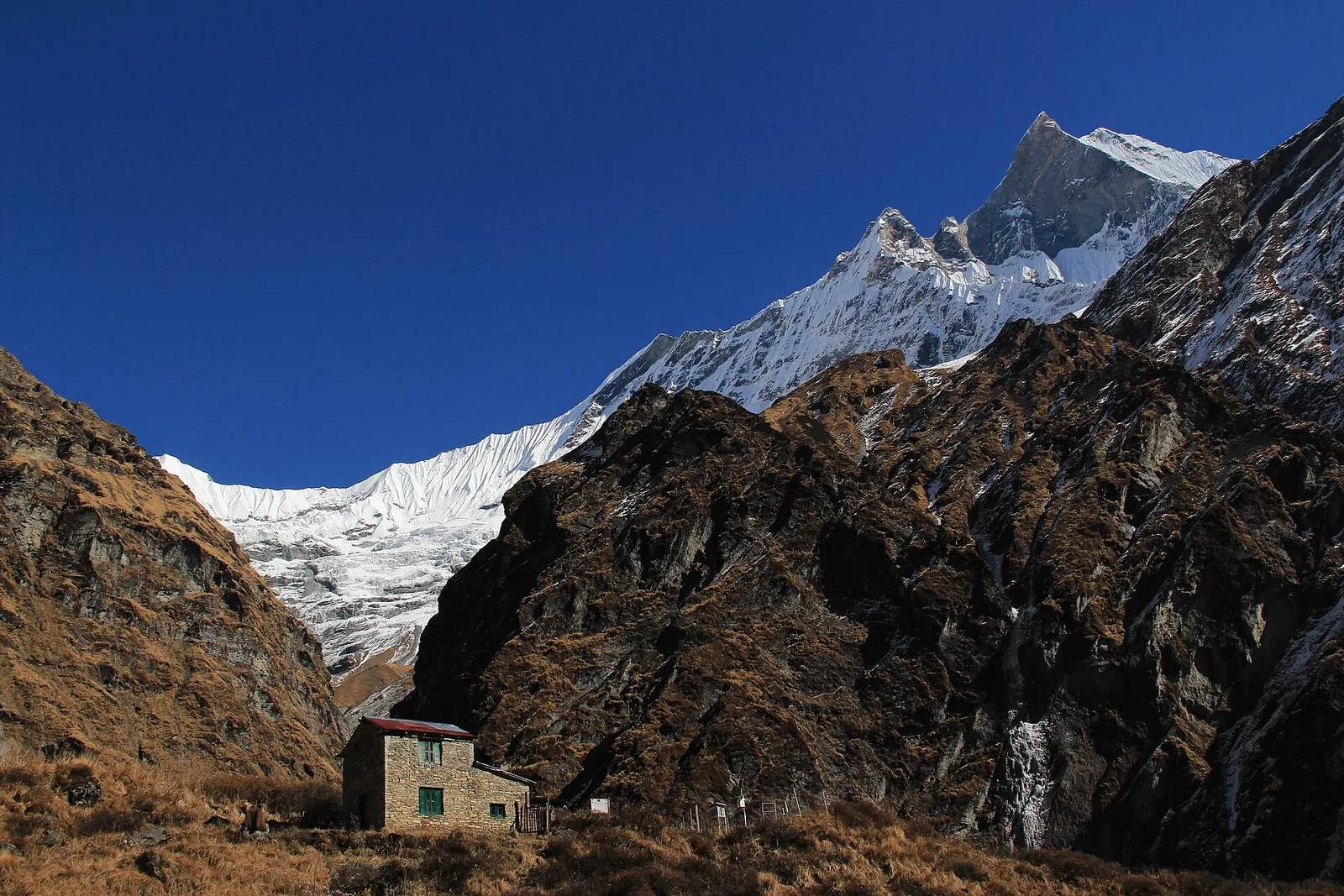
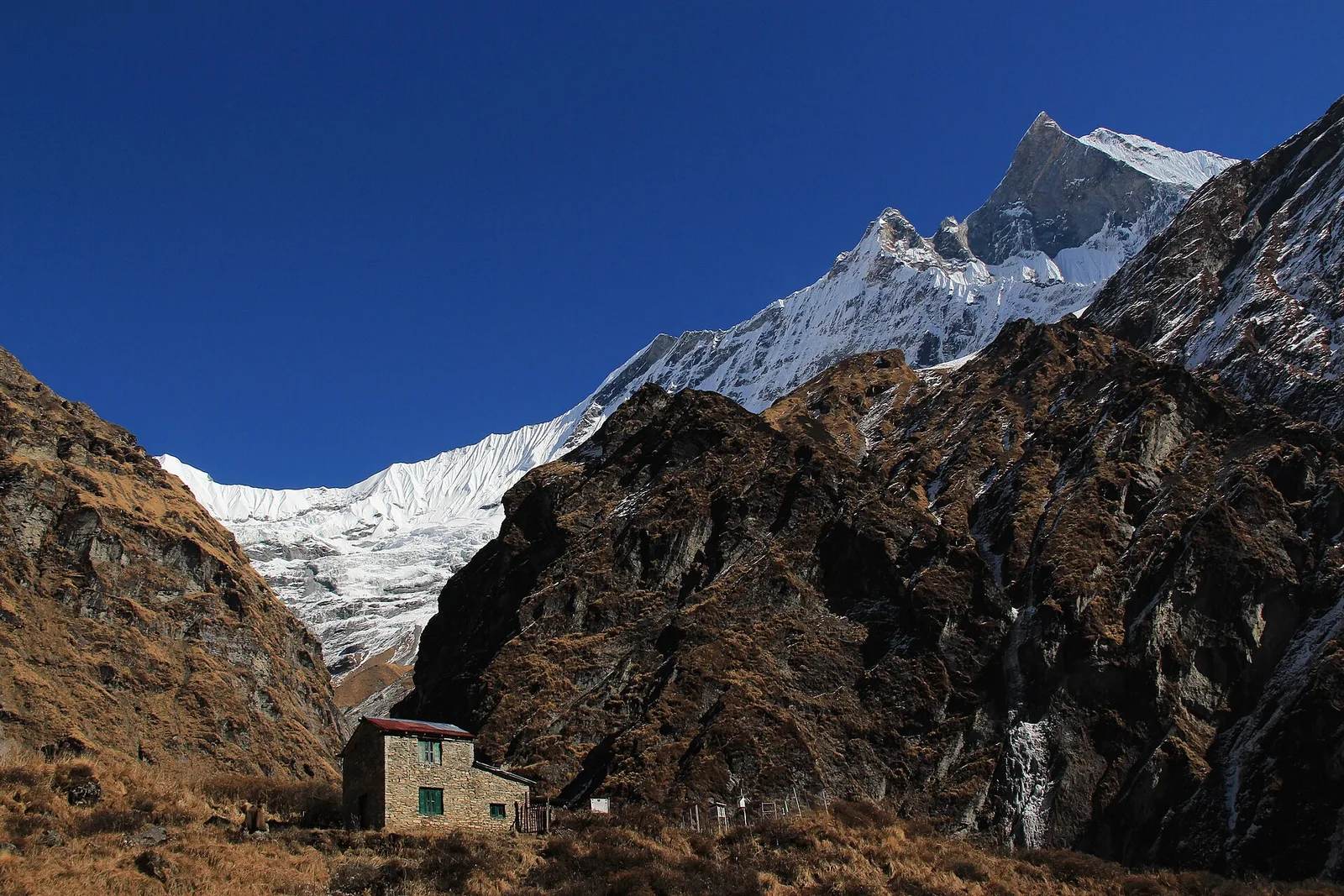
The 1955 British Kangchenjunga expedition, led by Charles Evans, got permission to attempt the mountain only after Evans promised Sikkim's ruler, King Tashi Namgyal, that his climbers would not set foot on the actual summit. Sikkim's Lepcha and Bhutia communities regard the peak as the seat of Dzoe-Nga, the kingdom's protector deity; the mountain's name, usually translated as the five treasures of the snows, refers to five summit points said to guard gold, silver, gems, grain and holy scripture. Brown and Band kept the promise, stopping several yards below the highest point on 25 May; Hardie and Streather did the same the following day. For decades afterward most successful expeditions voluntarily observed the same gesture, though as permits multiplied and pressure grew to reach a verifiable true summit, the practice gradually faded, and most modern climbers now aim for the actual top.
Brown and Band summit on a promise never to stand on the true top; Hardie and Streather repeat it the next day.
A new route opens the mountain to further expeditions in the decades that follow.
Sikkim formally prohibits summiting Kangchenjunga and seven other peaks from its territory, citing their sacred status.
An Indian Army team climbs via Nepal in May, prompting Sikkim's government to demand the ban cover the whole mountain.
What This Means for Anyone Planning to See Kangchenjunga
Sikkim's ban only ever applied to its own territory. The standard route to Kangchenjunga's true summit today runs almost entirely through Nepal, where the Department of Tourism still issues climbing permits, which is precisely why the 2025 Indian Army expedition could summit at all and why it triggered fresh protest. Sikkim's Chief Minister, Prem Singh Tamang, wrote to India's Home Affairs Minister calling the climb a violation of both the prevailing legal provisions and the deeply held religious beliefs of Sikkim's people, and asked that no future expeditions be permitted on the sacred mountain, a request aimed, in effect, at Nepal's side too, since that is the only side still open. It joins a short list of Himalayan giants wrapped in restrictions of this kind: Nepal's own Machapuchare has been off-limits to summiters since 1957, though for a stricter reason, a total government ban rather than a voluntary near-miss.
What this means for trekkers
You do not need a summit permit, and you don't need to take a position in a cross-border religious dispute, to see Kangchenjunga up close. Nepal's own trekking-permit system covers a separate, long-established route to the mountain's north and south base camps, remote, rarely crowded, and entirely on foot, with none of the controversy attached to walking up to a sacred mountain rather than trying to stand on it.
The Kanchenjunga Base Camp Trek is how almost every visitor actually experiences this mountain today: three weeks through one of Nepal's least-visited trekking regions, ending with a direct view of the same five sacred summits that a British climbing party chose, on principle, not to finish seventy years ago.
Source: Nepali Times
Cover photo: Istiakuddin Ahmed via Wikimedia Commons (CC BY 4.0).
This story is part of Travel Himalaya Nepal’s guide to Nepal's culture and living heritage.
Still running this season
Kanchenjunga Base Camp Trek — 22 Days is running normally
NMA-certified local guides, transparent pricing, 5,000+ treks since 1998. Message us your dates and we'll sort the permits, lodges and logistics — reply within 24 hours, no obligation.
Popular Nepal treks
All treks →
Related coverage
Records & People
Machapuchare Is the Nepal Mountain Nobody Has Ever Been Allowed to Summit (2026)
At 22,943 feet, Machapuchare towers over the Annapurna Sanctuary, and by Nepal's own law, no one has legally set foot on its true summit since a British team turned back 150 feet short of it in 1957.
Records & People
The Himalayan Peak So Sacred Nepal Has Never Once Let Anyone Legally Climb It
Machapuchare's twin summit rises 6,993 metres above Pokhara — and for more than sixty years, Nepal has refused every application to stand on top of it.
Records & People
The 22,943-Foot Himalayan Peak No One Has Ever Officially Stood On
In 1957 a British team stopped 150 feet short of Machapuchare's summit and kept their word never to finish it — Nepal has banned every climber from trying since.

Wildlife & Nature
Red Panda: Nepal's Endangered 'Fire Fox' of the Eastern Himalaya (2026)
Fewer than trekkers realise cling on in eastern Nepal's cloud forests — the bamboo-eating fire fox is Endangered, and the fight to save it runs on local forest guardians.
Latest from the desk
Gear & Tech
Trail shoes or hiking boots, and what the ankle-support research actually found
Most teahouse trekkers wear more boot than the walk needs, and the ankle-support argument holding that up is thinner than the shops suggest.
Gear & Tech
Merino or synthetic base layers, and what a lab found when it measured the smell
Merino wins the week-long wear, synthetic wins the overnight dry, and the lab reason merino stays fresh is not the bacteria story you have been told.
Safety & Advisories
If someone you know is missing in the Nepal flood, you don't have to fly to Kathmandu
Nepal Police have identified 95 of more than 1,200 bodies recovered. Families abroad can be DNA-profiled at home and send the result in. Here is how it works.