
The 22,943-Foot Himalayan Peak No One Has Ever Officially Stood On
In 1957 a British team stopped 150 feet short of Machapuchare's summit and kept their word never to finish it — Nepal has banned every climber from trying since.
At a glance
- Published
- TopicRecords & People
- Verified againstNepali Times
- Treks coveredAnnapurna Base Camp Trek — 9 Days, Ghandruk Village Trek — 3 Days, Mardi Himal Trek — 4 Days
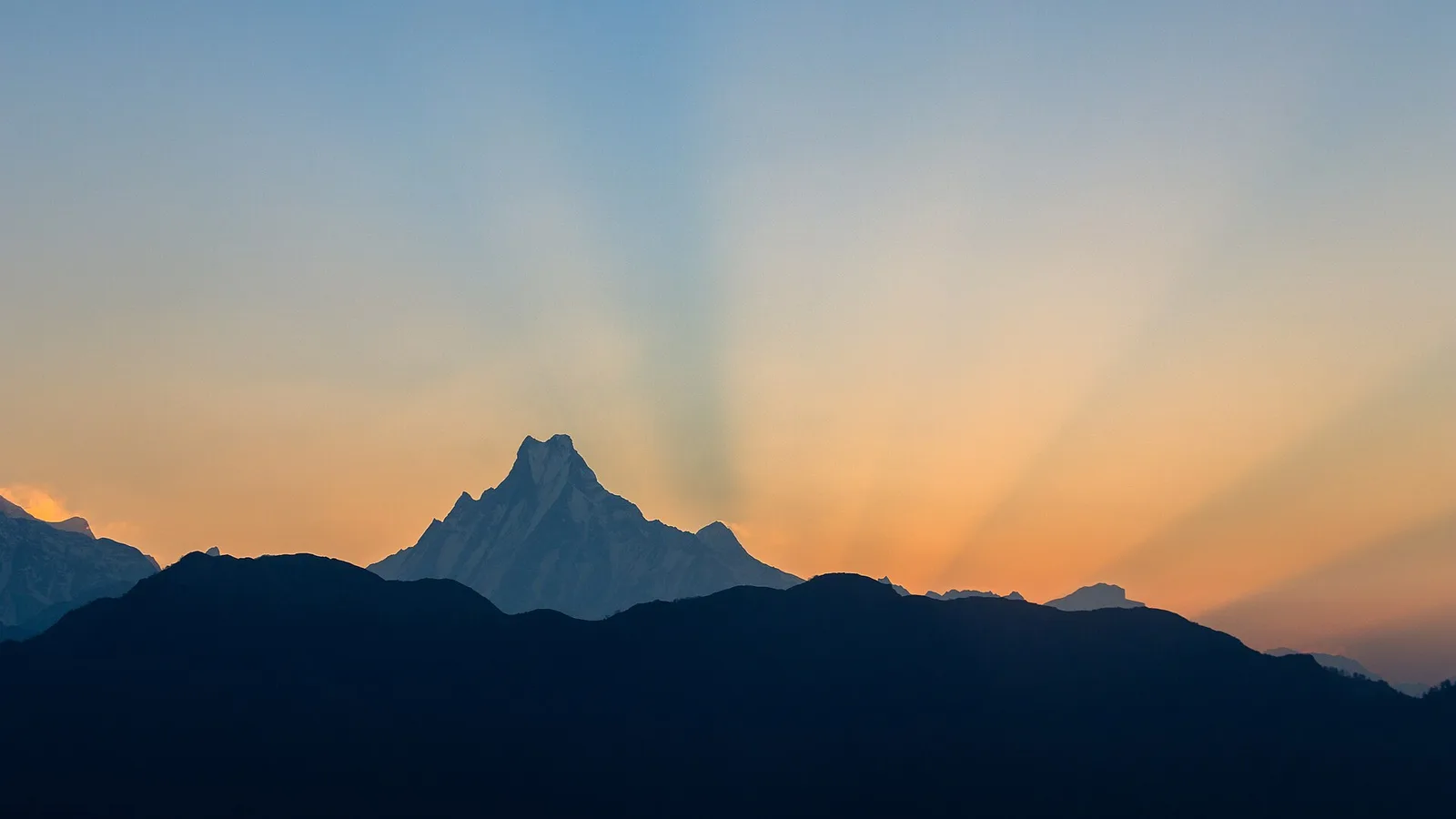
Fly into Pokhara and the first thing you see rising over the lake isn't Annapurna — it's a slender, twin-fanged spike of rock and ice that looks close enough to touch. Machapuchare, the Fish's Tail, is 6,993 metres (22,943 feet) high, has been stared at by more trekkers than almost any other peak on Earth — and, as far as any government or climbing federation will confirm, no human being has ever legally stood on its true summit.
Key facts
- Height: 6,993m (22,943ft) — taller than every mountain in the Alps, Rockies or Andes
- Location: Annapurna Sanctuary, about 25km north of Pokhara, Nepal
- Closest verified ascent: 1957, a British team stopped 46 metres (150ft) short of the top
- Nepal has issued zero climbing permits for the true summit since the early 1960s
The closest anyone has come on record was in 1957. Lieutenant Colonel Jimmy Roberts led a British expedition that included climbers Wilfrid Noyce and A. D. M. Cox, and King Mahendra personally granted them permission to attempt the mountain — on one condition: they were forbidden from setting foot on the actual summit. Noyce and Cox climbed the north ridge to within 150 feet of the top, then turned around and kept their word. It remains the highest confirmed point anyone has reached on Machapuchare in the seven decades since.
Within a few years, Nepal closed the mountain to climbing altogether. The reason wasn't danger, weather or terrain — it was reverence. Machapuchare is sacred to the Gurung communities who live in its shadow around Chomrong and Ghandruk, and to Hindus more broadly, who consider it the seat of Lord Shiva. Standing on the summit is considered a desecration of the god's home. Unlike most Himalayan restricted-peak rules, which loosen over time as regulations modernise, this one has held for over sixty years without a single exception.
Noyce and Cox reach the highest confirmed point on record, then deliberately turn back to honour the King's condition.
Nepal stops issuing climbing permits for Machapuchare's true summit, citing the mountain's sacred status to the Gurung people and Hindu devotees.
New Zealand climber Bill Denz reportedly reaches the summit solo and without permission; he dies on Makalu that same year, leaving no verifiable proof.
Tens of thousands of trekkers a year pass directly beneath the summit on the Annapurna Base Camp and Mardi Himal trails — the closest any of them will legally get.
That one unresolved claim is what keeps the mountain's mystique alive. In the early 1980s, New Zealand climber Bill Denz — a famously bold, permit-averse alpinist — is said to have soloed Machapuchare without authorisation. He was killed by an avalanche on Makalu later that same year, and left behind no photographs, no witnesses and no diary entry confirming the summit. Nepal's government has never recognised the ascent. Officially, the record still reads exactly as it did in 1957: nobody has stood there.
What this means for trekkers
What this means for you
You cannot get a permit to climb Machapuchare, and sacred-mountain politics aside, no operator should want one. What you can do is walk directly underneath it. The Annapurna Base Camp trek climbs into the Annapurna Sanctuary with Machapuchare towering over camp on the entire final approach, and the Mardi Himal trek runs up the mountain's own southeast ridge to a viewpoint above 4,200m that stares straight into the fishtail notch — no other trek in Nepal gets this close to a peak nobody is allowed to stand on. Ghandruk, the Gurung village at the mountain's base, is where the reverence actually comes from, and it's worth an overnight on the way in.
It's a rare thing in 2026: a genuine, unresolved mystery sitting in plain sight of a city of half a million people, on a mountain photographed by more tourists than almost any other in the world. Everest has been climbed over 12,000 times. Machapuchare, arguably more photogenic and far more accessible, has been climbed zero times — because Nepal decided, and has never once reconsidered, that some summits aren't for standing on.
Source: Nepali Times.
Cover photo: Bijay Chaurasia via Wikimedia Commons (CC BY-SA 4.0).
Planning a trek?
Trek this route with us — Annapurna Base Camp Trek — 9 Days
NMA-certified local guides, transparent pricing, 5,000+ treks since 1998. Message us your dates and we'll sort the permits, lodges and logistics — reply within 24 hours, no obligation.


Popular Nepal treks
All treks →


Related coverage
Records & People
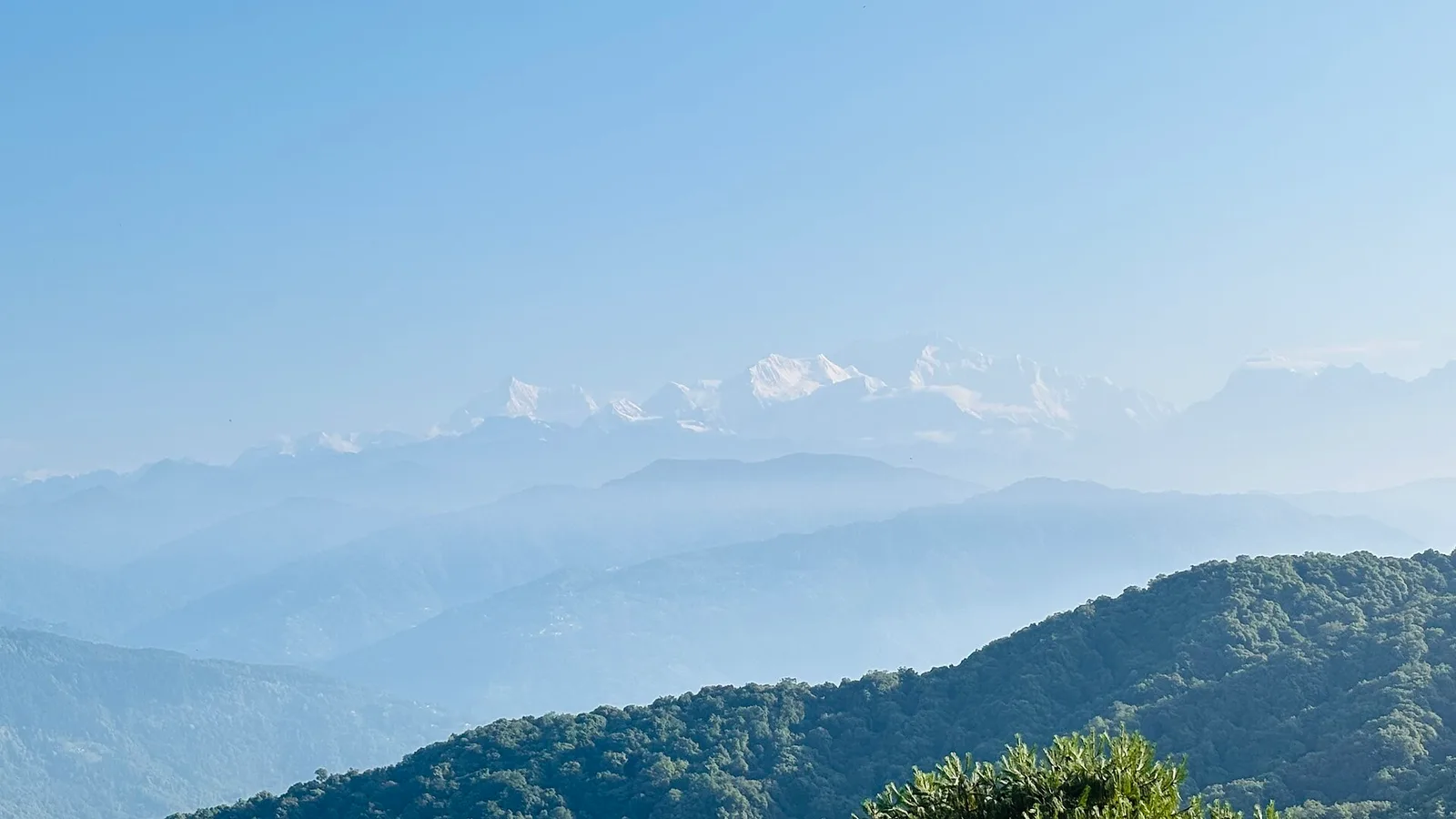
The World's Third-Highest Mountain Has, Technically, Never Been Summited
For nearly 70 years, every climber who has reached Kanchenjunga has stopped a few feet short of the true top — a promise kept out of respect for a sacred mountain.
Records & People
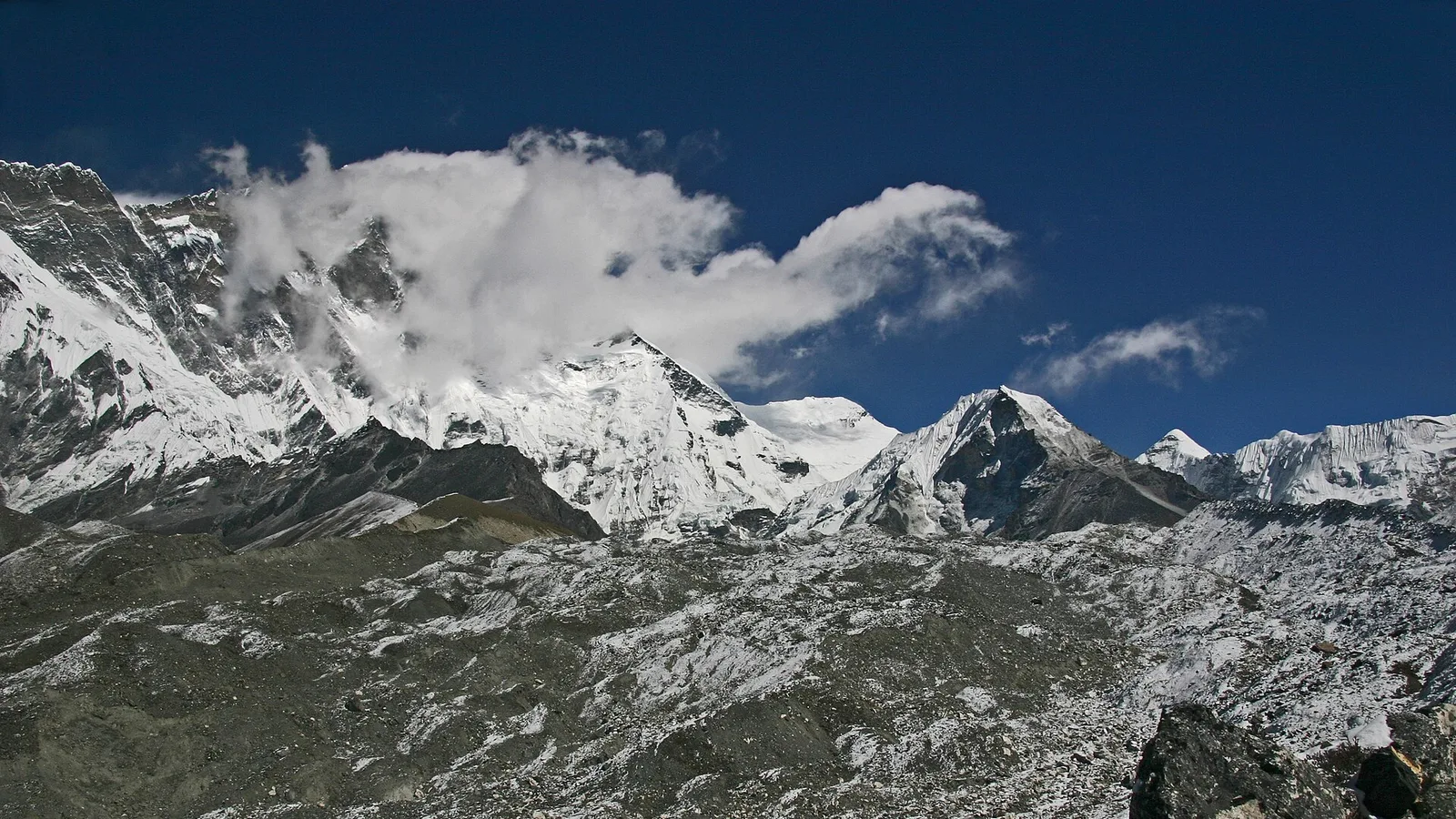
Island Peak vs Mera Peak: Which Should Be Your First Himalayan Summit?
Nepal's two classic 6,000m trekking peaks demand almost opposite skills — the honest comparison before you book either.
Records & People
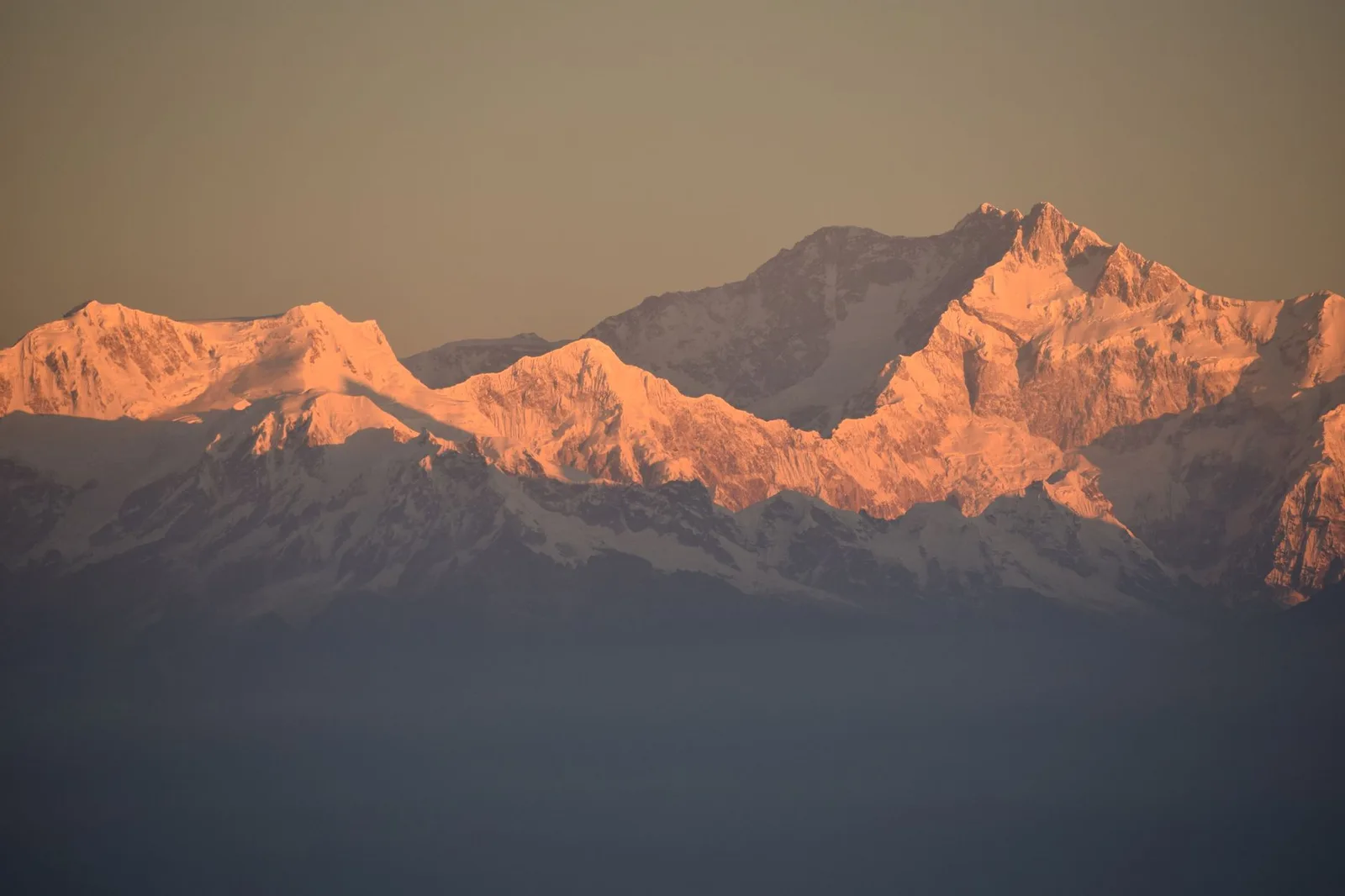
A French-Canadian Just Walked the Length of Nepal — 1,700 Kilometres, 20 Districts, 143 Days
Stephane Champoussin finished the Great Himalayan Trail on August 1, becoming one of barely 130 people to ever cross Nepal end to end on foot, through Kanchenjunga, Makalu and the Manaslu Circuit.
Records & People
Nepal Just Proposed Renaming Annapurna. Here's Why — and Why It Isn't That Simple
Weeks after Nirmal 'Nimsdai' Purja died on Broad Peak, his home municipality wants to rename the world's deadliest 8,000m peak in his honour — a plan that still needs Kathmandu's sign-off and a French family's blessing.
Latest from the desk
Money & Insurance
Adventure & Activity Travel Insurance in 2026: Why Standard Cover Excludes Rafting, Diving, Skydiving and High Trekking
Scuba, bungee, skydiving, quad bikes, jet skis, rafting, safari, motorbiking and trekking above a certain altitude are the activities standard travel insurance quietly leaves out. Here is how activity tiers and add-ons work, why an undeclared activity can void the whole claim, and how to match cover to your trip.
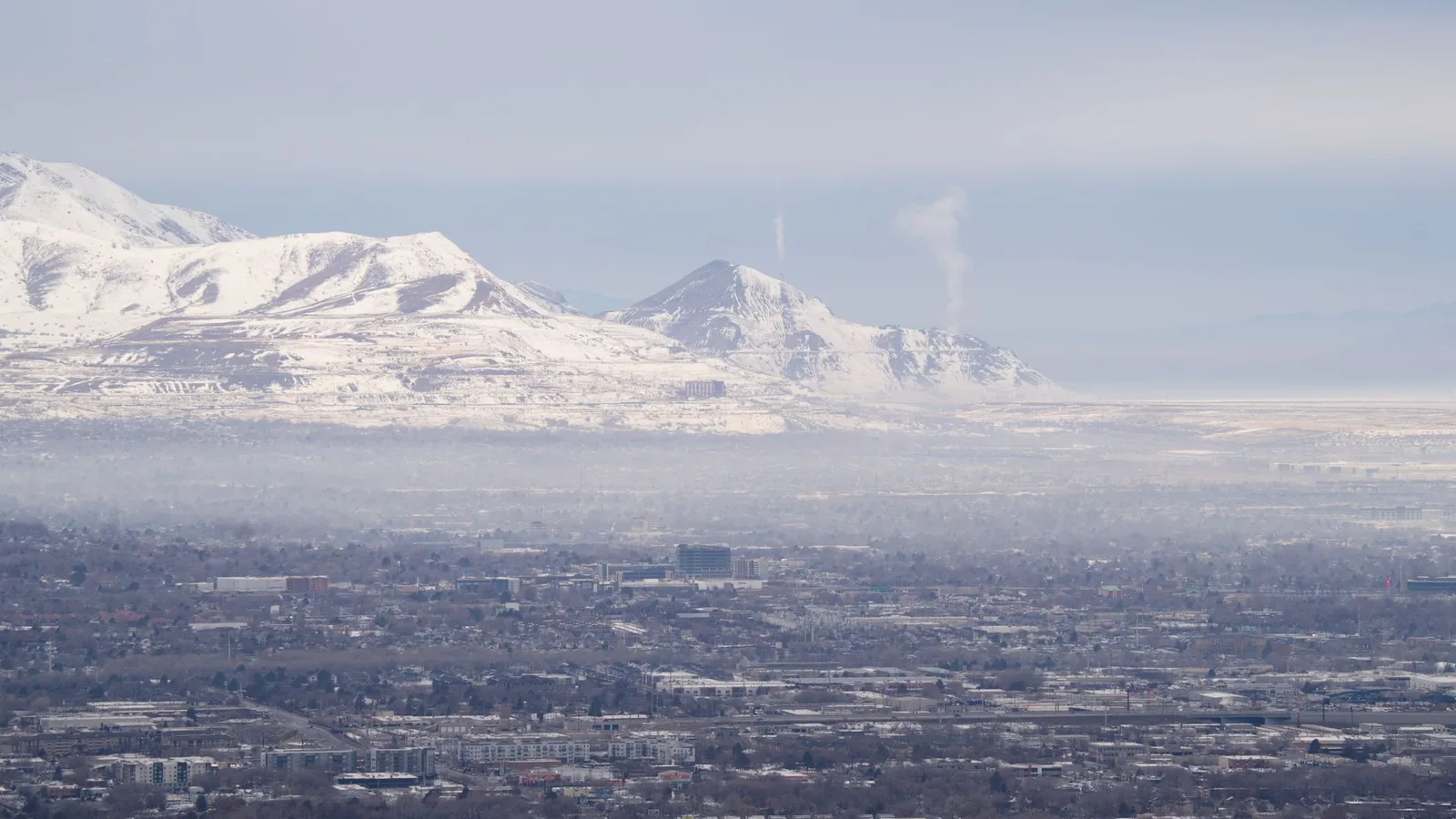
Climate & Environment
Soot Is Darkening Himalayan Snow and Speeding Its Melt, 2026 Science Shows
Soot darkens Himalayan snow so it absorbs more sunlight and melts faster — a second, faster-acting driver of glacier loss alongside warming, and the one the region could switch off within weeks.
Visas & Entry
Taking a Pet Abroad in 2026: The Rules Most Owners Underestimate
Microchip, rabies vaccination and a waiting period, a health certificate or pet passport, tapeworm treatment and even quarantine — a plain-English guide to taking a pet abroad in 2026, and why it has to start months before you fly.