
The World's Third-Highest Mountain Has, Technically, Never Been Summited
For nearly 70 years, every climber who has reached Kanchenjunga has stopped a few feet short of the true top — a promise kept out of respect for a sacred mountain.
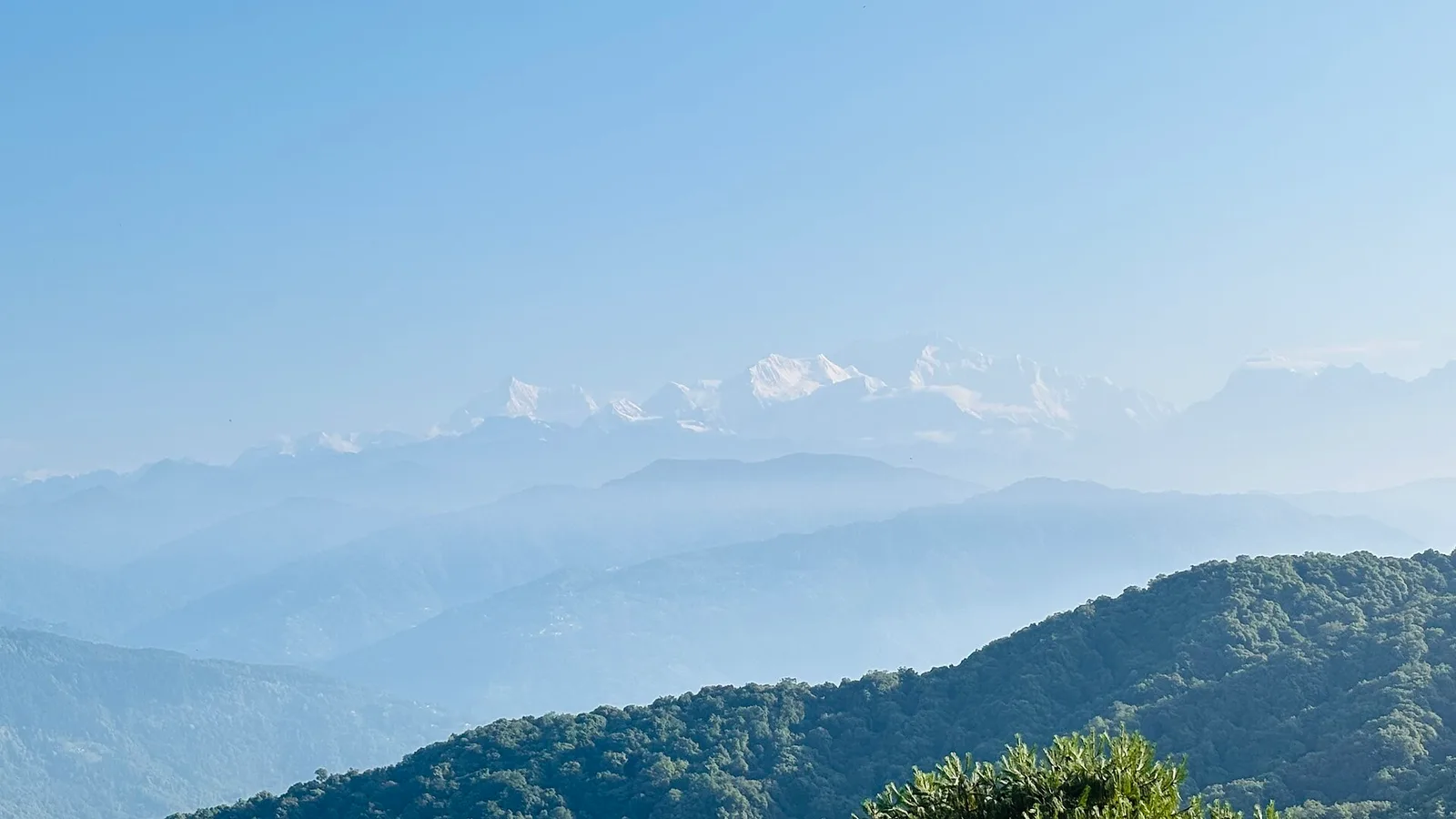
At a glance
- Published
- TopicRecords & People
- Verified againstThe British Mountaineering Council
- Treks coveredKanchenjunga Base Camp Trek — 22 Days
The world's third-highest mountain has been climbed dozens of times since 1955 — and, technically, every single ascent has fallen just short of the actual summit. Not because of ice, storms or altitude sickness. Because the climbers stopped on purpose, a few feet from the top, and almost everyone since has kept walking away from that same last step.
Key facts
- Kanchenjunga stands 8,586m — the world's third-highest mountain, straddling the Nepal-Sikkim (India) border.
- First climbed on 25 May 1955 by Joe Brown and George Band, followed a day later by Norman Hardie and Tony Streather.
- The British expedition promised Sikkim's government they would stop short of the true summit out of respect for its sacred status.
- Almost every expedition since — nearly 70 years — has kept that same promise.
Kanchenjunga means 'The Five Treasuries of the Great Snows', a reference to five distinct summits believed to guard hoards of gold, silver, gems, grain and holy scripture. For the Lepcha and Bhutia communities of Sikkim, and for Sherpa, Rai and Limbu communities on Nepal's side, the mountain is not scenery — it is Dzo-nga, a guardian deity of the region.
When British climber Charles Evans led the 1955 expedition up the previously unclimbed Southwest Face, permission to attempt the mountain came from Sikkim's prime minister on one condition: the final few metres, the actual highest point, had to stay untouched. The entire East Face of the mountain lay within Sikkimese territory, where climbing had initially been prohibited outright, so Evans agreed to the compromise to secure access from the Nepal side instead. When Joe Brown and George Band reached the top of the ridge on 25 May, they stopped several yards below the true summit, planted no flag on the highest rock, and turned back down. A second pair, Norman Hardie and Tony Streather, did the same the next day.
It could easily have ended there — a one-off gesture from a single 1950s expedition. Instead it became an unwritten rule that climbing teams from dozens of countries have followed on nearly every ascent since, an extraordinary run of restraint on a mountain that has otherwise claimed many climbers' lives over the decades.
| Mountain | Height | First ascent | Summit reached? |
|---|---|---|---|
| Everest | 8,849m | 1953 | Yes |
| K2 | 8,611m | 1954 | Yes |
| Kanchenjunga | 8,586m | 1955 | By tradition, no — climbers stop short |
Joe Brown and George Band stop short of the true summit; Sikkim's government had made it a condition of granting access to the mountain.
Successive expeditions from many countries continue to stop below the highest point, even though nothing physically stops them from touching it.
Nepal's own approach, via Taplejung district, ends at Kanchenjunga's South Base Camp (Ramche, 4,580m) — nobody here has to decide whether to take the last few steps.
What this means for trekkers
What this means for you
You don't need to solve a 70-year moral dilemma to visit Kanchenjunga — only summit climbers face that choice. Trekkers approach from the Nepal side, through the Kanchenjunga Conservation Area in remote Taplejung district, and the trail ends far below any argument about the true top: at South Base Camp, Ramche, 4,580m, with the five sacred summits filling the sky above. It's one of the least-crowded major base-camp treks in Nepal precisely because it demands a restricted-area permit and a registered guide — read our permits guide before you book.
Our own Kanchenjunga Base Camp Trek follows the same approach route our guides have walked for years — through rhododendron forest, past Rai and Limbu villages, and into a high amphitheatre that gets a fraction of the footfall of Everest or Annapurna. For more on why some of Nepal's mountains are riskier than others, see our earlier look at which 8,000m peaks actually kill the most climbers. On Kanchenjunga, the mountain settles one question for the climbers long before any trekker even arrives.
Source: The British Mountaineering Council
Cover photo: Abhishektiwary1575 via Wikimedia Commons (CC BY-SA 4.0).
Planning a trek?
Trek this route with us — Kanchenjunga Base Camp Trek — 22 Days
NMA-certified local guides, transparent pricing, 5,000+ treks since 1998. Message us your dates and we'll sort the permits, lodges and logistics — reply within 24 hours, no obligation.

Popular Nepal treks
All treks →


Related coverage
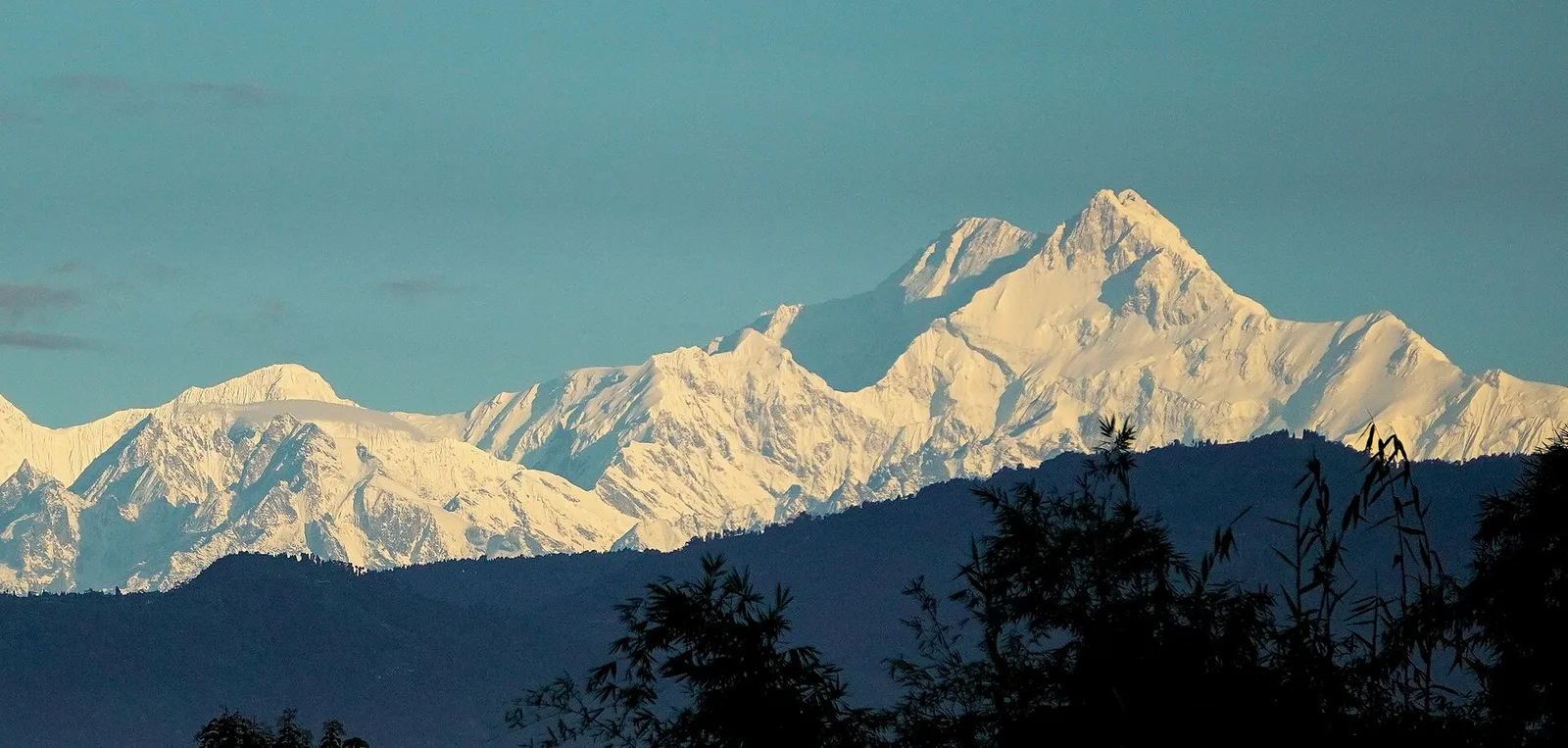
Records & People
In 1955 They Stopped a Few Feet From the Top of the World's Third-Highest Mountain. Seventy Years Later, India Wants No One to Ever Take the Last Step.
Joe Brown and George Band summited Kangchenjunga on a promise never to stand on its true top. A 2025 Indian Army climb from the Nepal side broke that unwritten rule again, and reignited a decades-old fight over whether the mountain should be climbed at all.
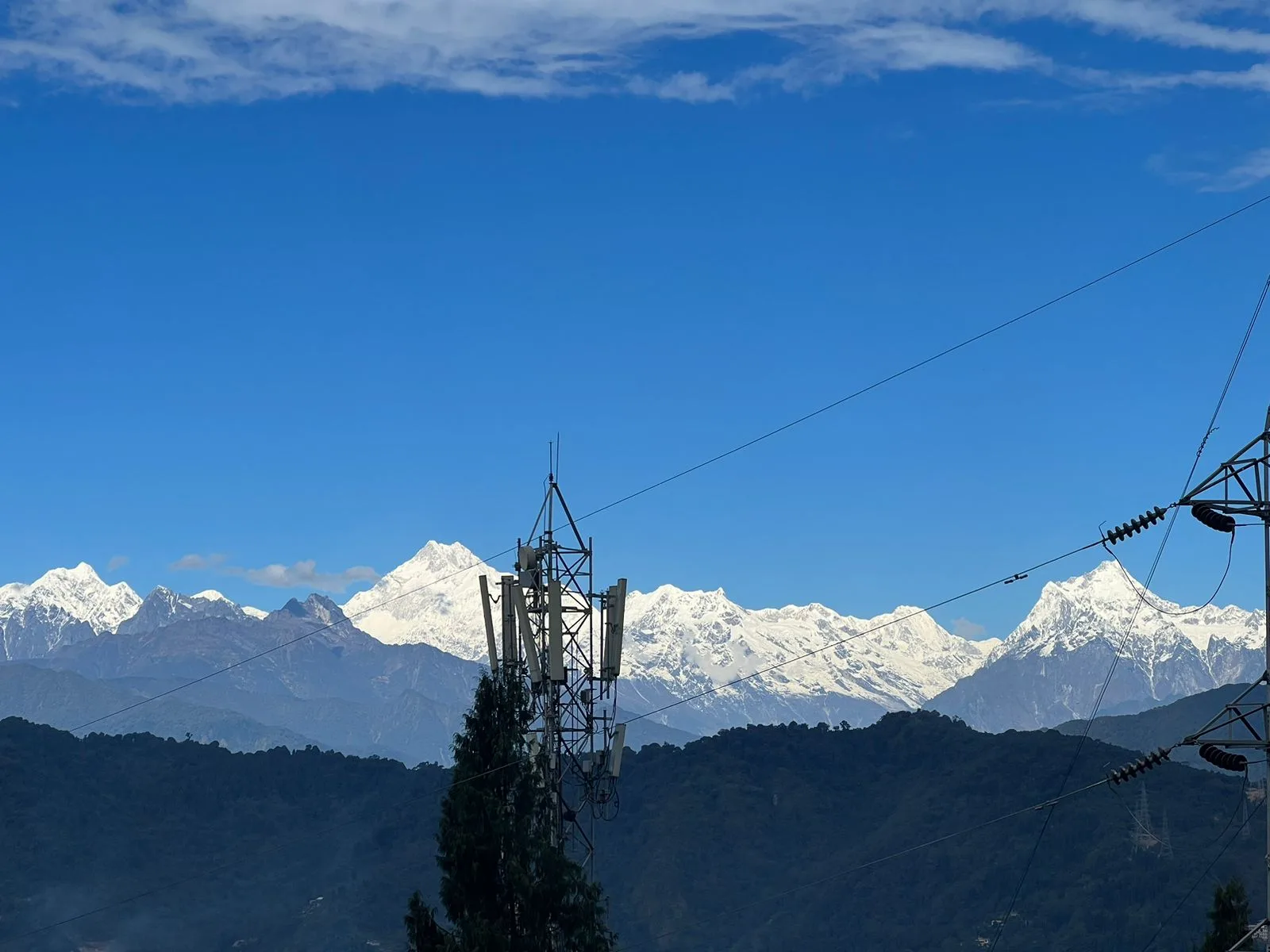
Records & People
Fewer Than 1,000 Foreigners a Year Trek to Kanchenjunga Base Camp. Everest Sees That Many in a Week. Here's Who the 2026 Trek Suits
Seventy years after Joe Brown and George Band summited the world's third-highest mountain and stopped short of its final steps out of respect for local belief, we compare the remote Kanchenjunga Base Camp Trek against Everest and Annapurna on cost, permits, difficulty and crowds.
Records & People
The First Omani Woman to Summit Everest Died Chasing All 14 of the World's Highest Peaks
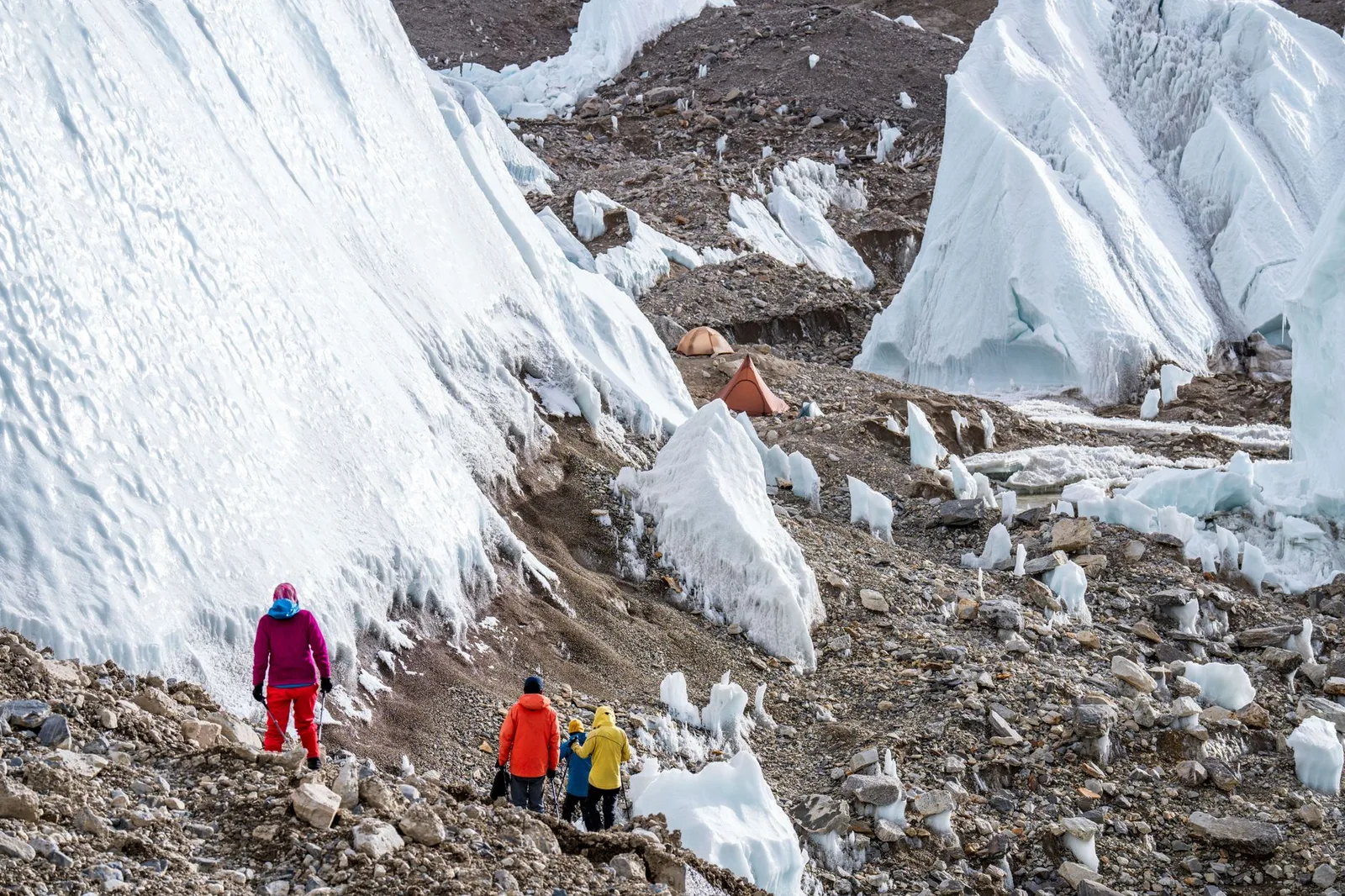
Nadhira Al Harthy failed her first mountain in 2015, then reached Everest's summit four years later. On July 30, 2026, an avalanche below Camp III on Pakistan's Broad Peak ended her climb toward the 8,000-metre club.
Records & People
The World's Highest Marathon Starts at Everest Base Camp — and Nobody Has Beaten a 2006 Record Since
The Tenzing-Hillary Everest Marathon drops 1,920 vertical metres over 26.2 miles from the base of the world's tallest mountain — and a Nepali runner's course record has now survived twenty straight years of attempts.
Latest from the desk
Industry & Tourism
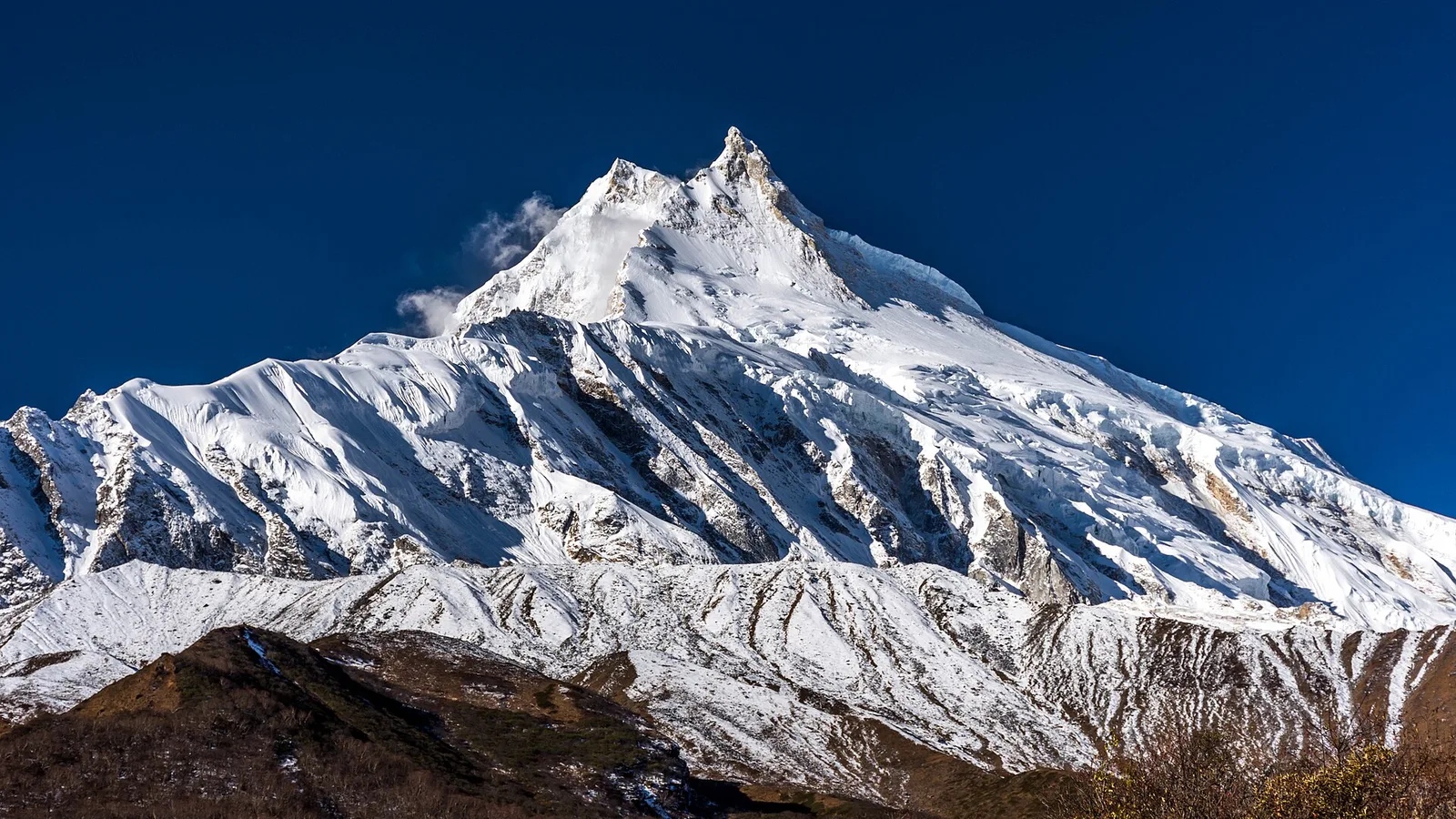
Nepal's Busiest 8,000m Season Yet? 300+ Foreign Climbers Are Already Headed to Manaslu
Ten international outfitters are fielding teams on Nepal's eighth-highest mountain this month, with rope-fixing crews already at base camp for what could be a record autumn.
Deals & Routes
Hand Luggage Size & Fees by Airline in 2026: Cabin-Bag Limits, Free vs Paid, and How to Dodge Gate Fees
Every airline draws the cabin-bag line in a different place. Here are the verified 2026 size and weight limits for Ryanair, easyJet, Wizz Air, BA and US carriers — plus the EU's push for a free cabin bag and the one Nepal flight stricter than them all.

Gear & Tech
Power Banks on Planes in 2026: Watt-Hour Rules, the mAh Math, and the New In-Flight Bans
Lithium power banks fly in your carry-on only — here are the 100/160 watt-hour tiers, how to convert mAh to watt-hours, and the 2025 airline crackdown after cabin battery fires.