
Fewer Than 1,000 Foreigners a Year Trek to Kanchenjunga Base Camp. Everest Sees That Many in a Week. Here's Who the 2026 Trek Suits
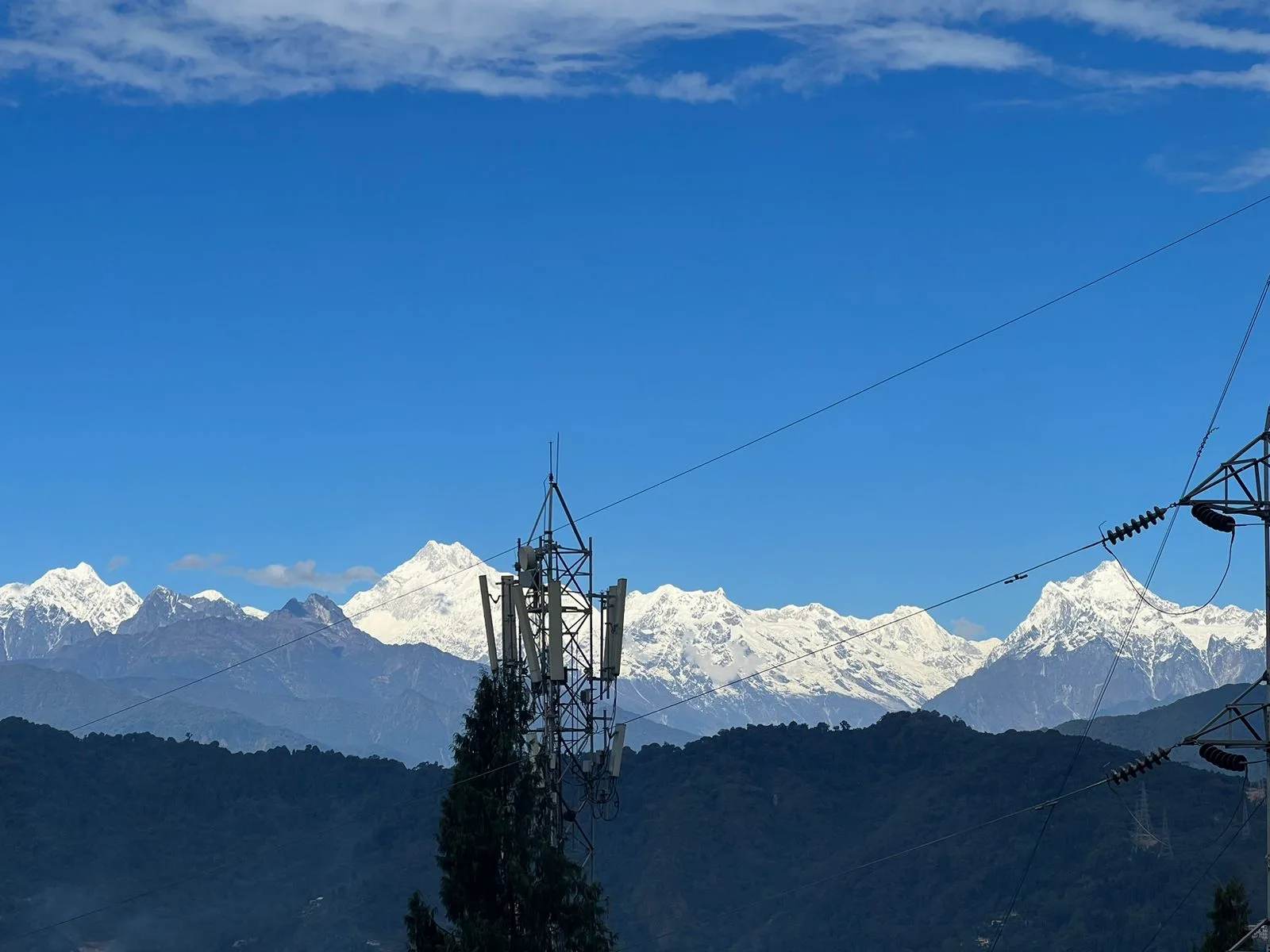
Seventy years after Joe Brown and George Band summited the world's third-highest mountain and stopped short of its final steps out of respect for local belief, we compare the remote Kanchenjunga Base Camp Trek against Everest and Annapurna on cost, permits, difficulty and crowds.
At a glance
- Published
- TopicRecords & People
- Verified againstNepal Mountaineering Association
- Treks coveredAnnapurna Base Camp Trek — 9 Days, Everest Base Camp Trek — 14 Days, Kanchenjunga Base Camp Trek — 22 Days
Kanchenjunga Base Camp gets fewer than 1,000 foreign trekkers a year. Everest Base Camp sees roughly that many in a single week of peak season. If what you actually want from a Himalayan trek is solitude on a genuinely wild trail, not just a shorter queue but an empty one, Kanchenjunga is close to the best-kept answer in Nepal. If you want predictable teahouses, wifi and other trekkers to talk to at 5,000 metres, it probably is not. Here is the honest comparison, seventy years after the mountain was first climbed.
Key facts
- Kangchenjunga (8,586m) is Earth's third-highest mountain, first summited on 25 May 1955 by Britain's Joe Brown and George Band.
- Brown and Band stopped a few feet short of the true summit, honouring a promise to Nepali and Sikkimese authorities that the top is sacred ground.
- The Kanchenjunga Base Camp Trek runs 20–26 days, depending on whether you visit both the North (Pangpema) and South (Oktang) base camps.
- It requires a flat NPR 3,000 conservation permit plus a restricted-area permit at USD 20 per person, per week, for the first four weeks.
The numbers, side by side
Kanchenjunga has been technically open to foreign trekkers since 1988 and became a formally protected conservation area in 1997 — but almost forty years later it remains one of Nepal's least-visited restricted regions, precisely because it demands more time, a longer approach and a higher permit cost than the two treks most people book first.
| Trek | Days | Max altitude | Foreign visitors / yr |
|---|---|---|---|
| Kanchenjunga Base Camp | 20–26 | ~5,140m | <1,000 |
| Everest Base Camp | 10–15 | 5,364m | ~35,000+ |
| Annapurna Conservation Area* | 7–12 | 4,130m (ABC) | 220,000+ |
| *Whole-region ACAP permits (2025), not ABC-specific — Annapurna Base Camp is one of several treks inside it | |||
Why so few people go
Three things keep the numbers this low, and all three are also exactly why serious trekkers seek it out. First, distance: reaching the trailhead means a flight or long drive to Taplejung in Nepal's far east, days from Kathmandu's tourist infrastructure. Second, permits: Kanchenjunga is a restricted area, requiring both the conservation permit and the weekly restricted-area fee, arranged only through a government-registered agency — there is no walk-in TIMS card here. Third, time: at 20 or more days, it eats a chunk of annual leave that Everest Base Camp's 12-day version does not.
Nepal eased one of those barriers in March 2026, dropping the old rule that restricted-area permits needed a minimum of two trekkers — solo travellers can now go with a single licensed guide instead of hunting for a stranger to pair up with. We covered that rule change in full here. It has not, however, made the trek any shorter or any cheaper, and it should not: this is still a genuinely remote route through Limbu and Rai villages that see a fraction of the foot traffic of the Khumbu or Annapurna.
Who it suits, honestly
What this means for you
Kanchenjunga suits an experienced high-altitude trekker who has already done a 12–15 day teahouse trek, wants genuine wilderness and empty trail over creature comforts, and can commit three-plus weeks. It does not suit a first-time trekker, anyone tight on time, or anyone who wants the reassurance of frequent teahouses and other groups nearby if something goes wrong — on this route, help is a much longer way away. For a first Himalaya trek, Everest Base Camp or Annapurna Base Camp remain the better-supported choice; Kanchenjunga is the trek you graduate to.
The 70th anniversary of Brown and Band's summit, marked this year by the Nepal Mountaineering Association and by trekking journalists retracing their route to Oktang, is a reminder of what the mountain has always demanded: respect for its scale, and enough time to earn the view. Whichever base camp you choose, our permits guide covers the paperwork for all of them, and our own guided Kanchenjunga Base Camp Trek follows the same 1955 route to Oktang and Pangpema with a full restricted-area permit team.
Cover photo: Lifeingreens via Wikimedia Commons (CC BY 4.0).
Still running this season
Kanchenjunga Base Camp Trek — 22 Days is running normally
NMA-certified local guides, transparent pricing, 5,000+ treks since 1998. Message us your dates and we'll sort the permits, lodges and logistics — reply within 24 hours, no obligation.
Popular Nepal treks
All treks →
Related coverage
Industry & Tourism
Everest Base Camp or Annapurna Base Camp: Which Should You Actually Trek in 2026?
Both are sold as 'base camp treks' but they differ by 1,400 metres of altitude, a week of walking and a coin-flip mountain flight — here is how to pick the right one for your fitness, budget and time.
Records & People
Everest Isn't the Deadliest 8,000m Mountain. Annapurna Is — and It's Not Close
Guinness World Records has certified Annapurna I as the deadliest Himalayan giant, with a death-to-summit ratio over five times Everest's. Here's the real math behind the title, and why the trek to its base camp is nothing like the climb.
World Destinations
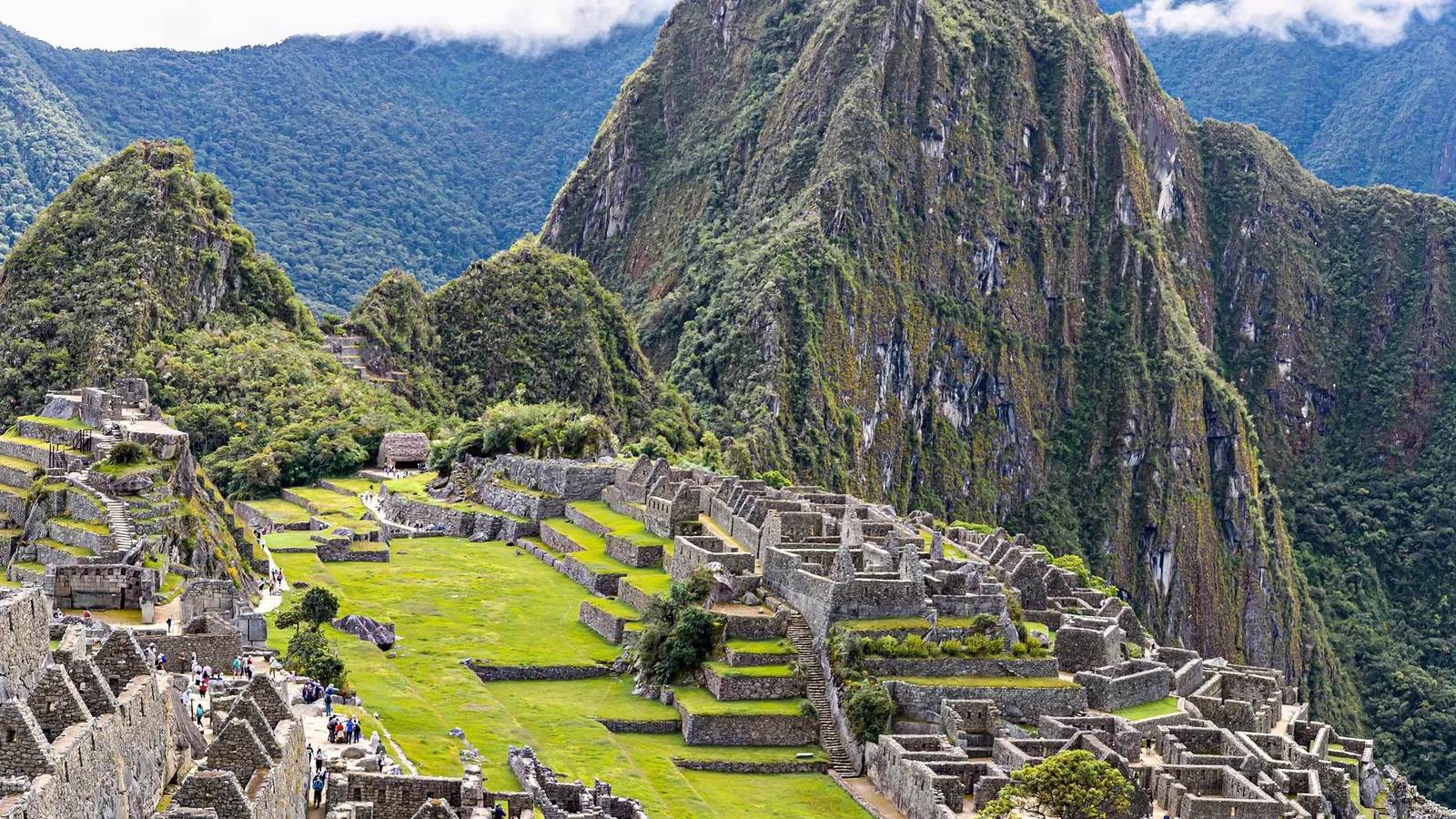
Altitude sickness doesn't need a mountain, just a flight to Cusco
Altitude illness starts around 2,450 m, and Cusco, La Paz and Lhasa all sit above it. Flying straight in is harder on you than walking to Everest Base Camp.
Trail & Weather
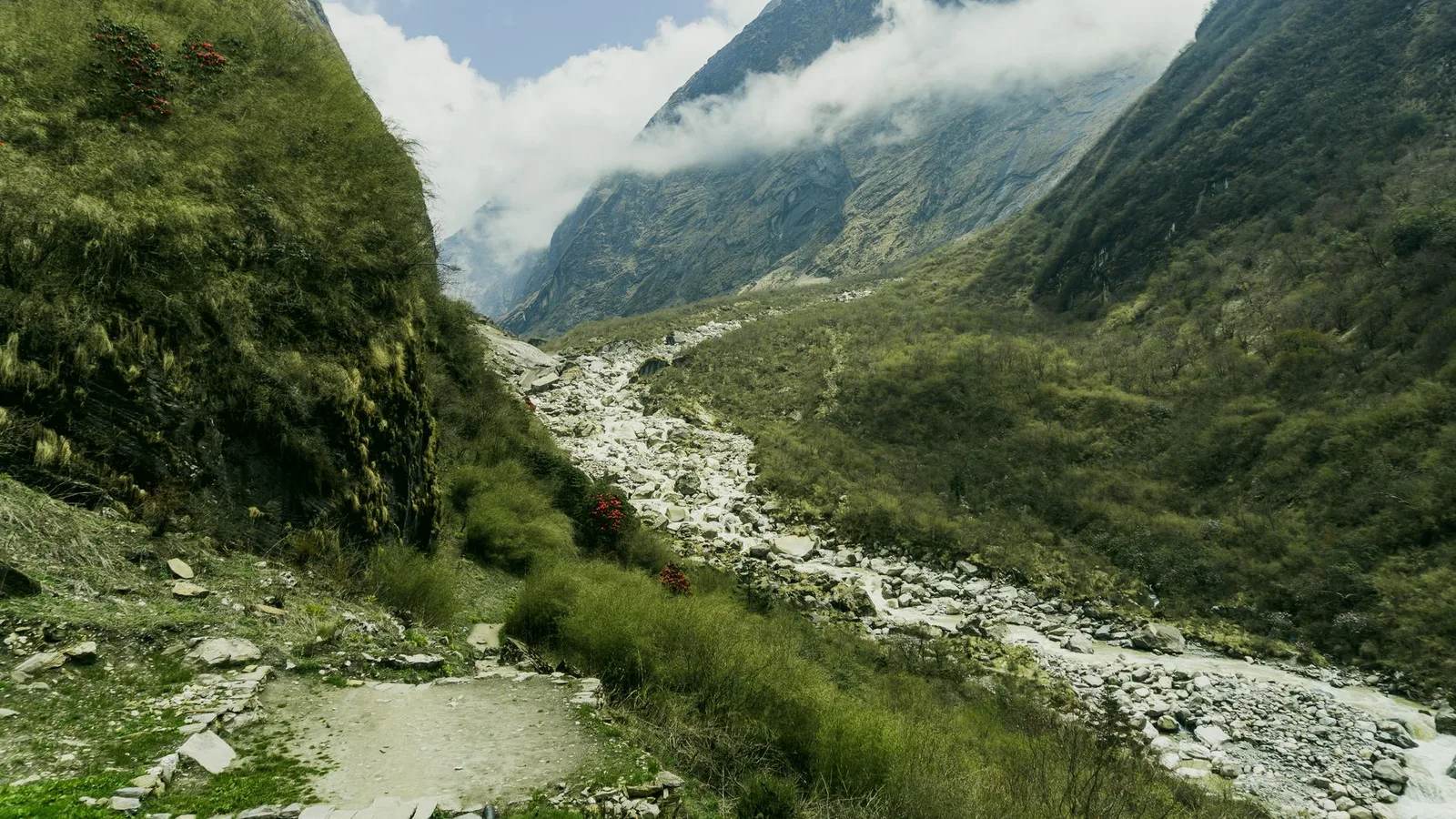
Spring or Autumn? The Data-Backed Answer to When You Should Trek Nepal in 2026
Real temperature, rainfall and crowding numbers for the Everest and Annapurna regions — not opinion — settle which season actually suits your trek.
Latest from the desk
Gear & Tech
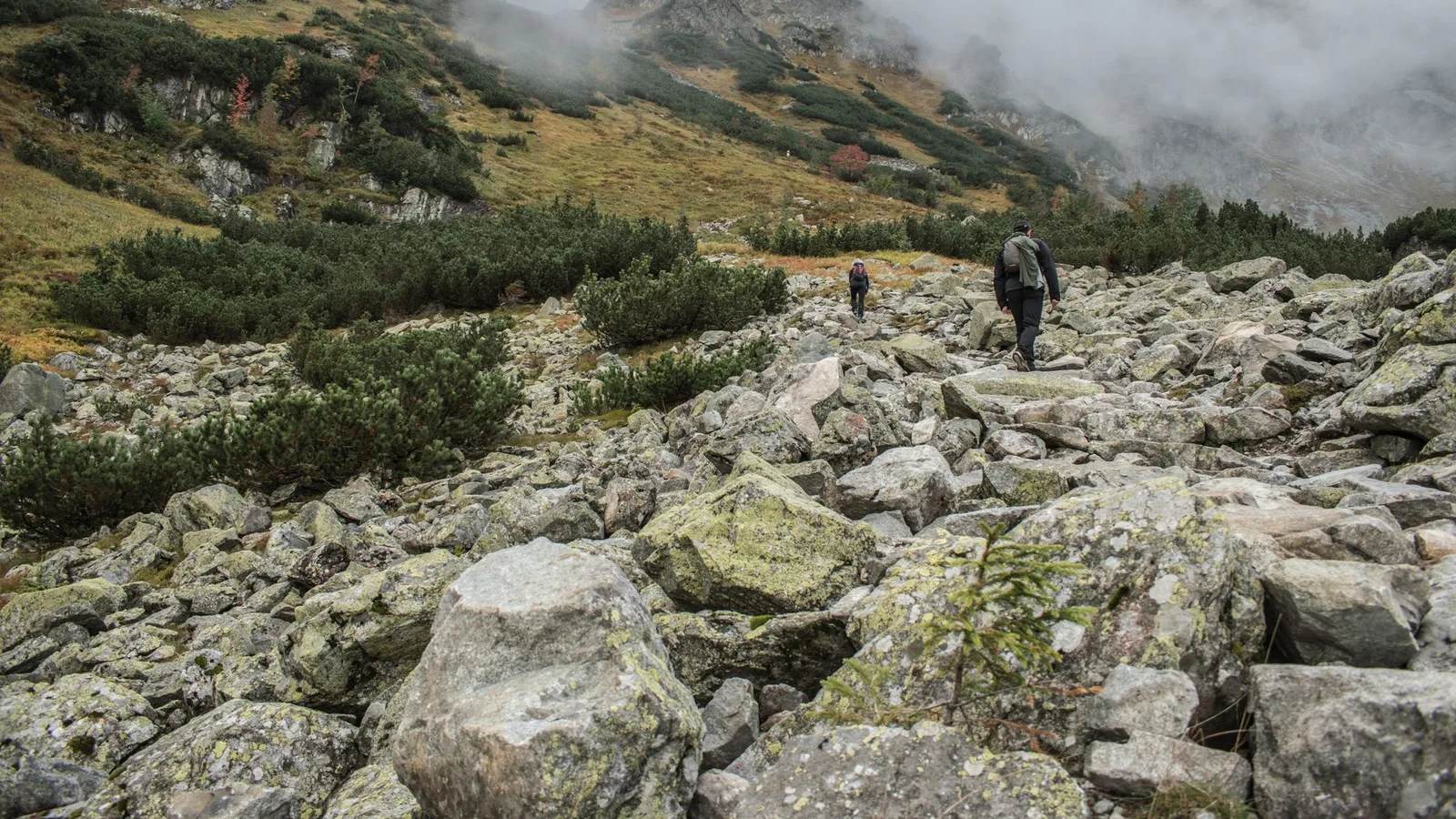
Trail shoes or hiking boots, and what the ankle-support research actually found
Most teahouse trekkers wear more boot than the walk needs, and the ankle-support argument holding that up is thinner than the shops suggest.
Gear & Tech
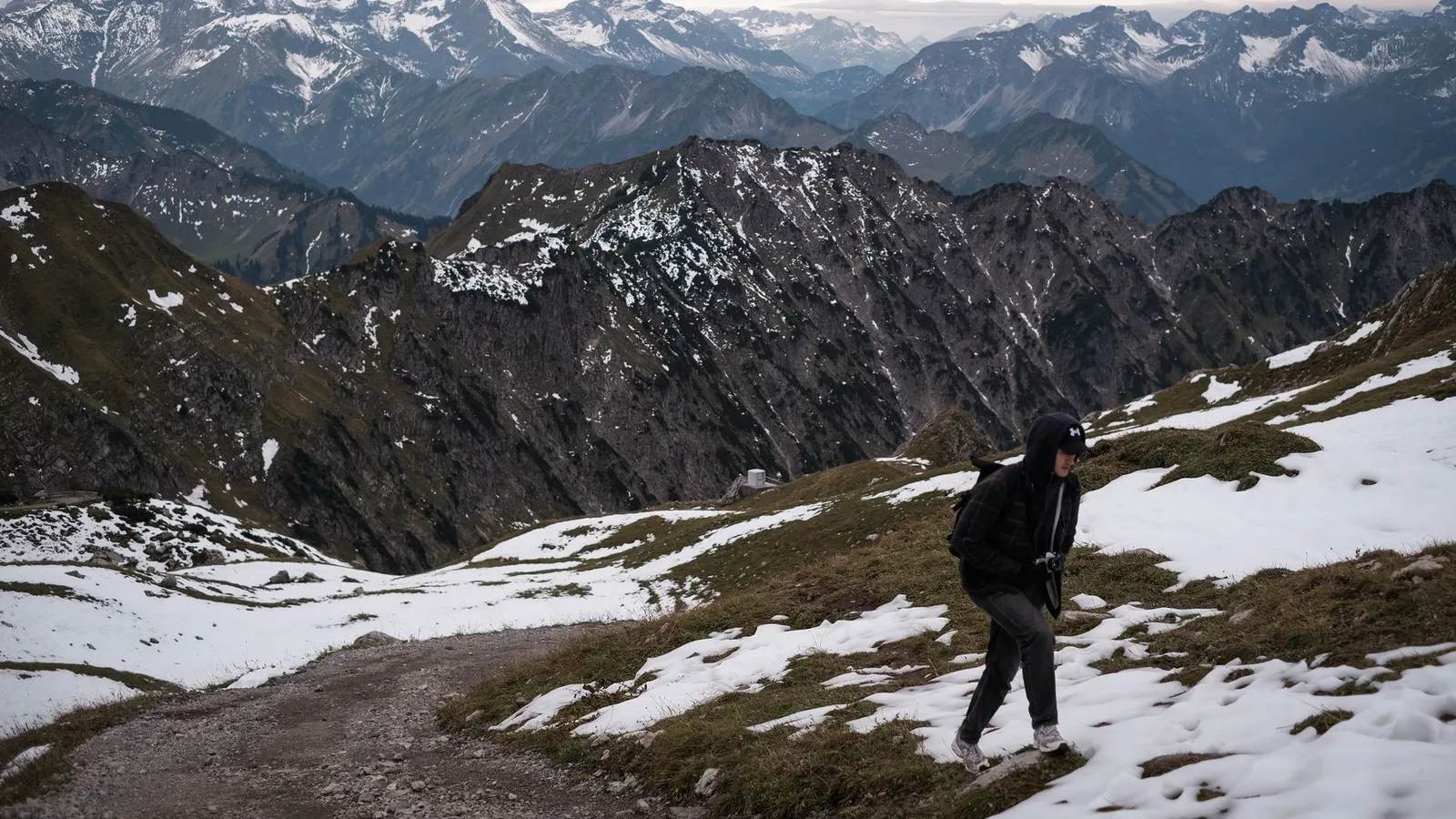
Merino or synthetic base layers, and what a lab found when it measured the smell
Merino wins the week-long wear, synthetic wins the overnight dry, and the lab reason merino stays fresh is not the bacteria story you have been told.
Safety & Advisories
If someone you know is missing in the Nepal flood, you don't have to fly to Kathmandu
Nepal Police have identified 95 of more than 1,200 bodies recovered. Families abroad can be DNA-profiled at home and send the result in. Here is how it works.