
Spring or Autumn? The Data-Backed Answer to When You Should Trek Nepal in 2026
Real temperature, rainfall and crowding numbers for the Everest and Annapurna regions — not opinion — settle which season actually suits your trek.
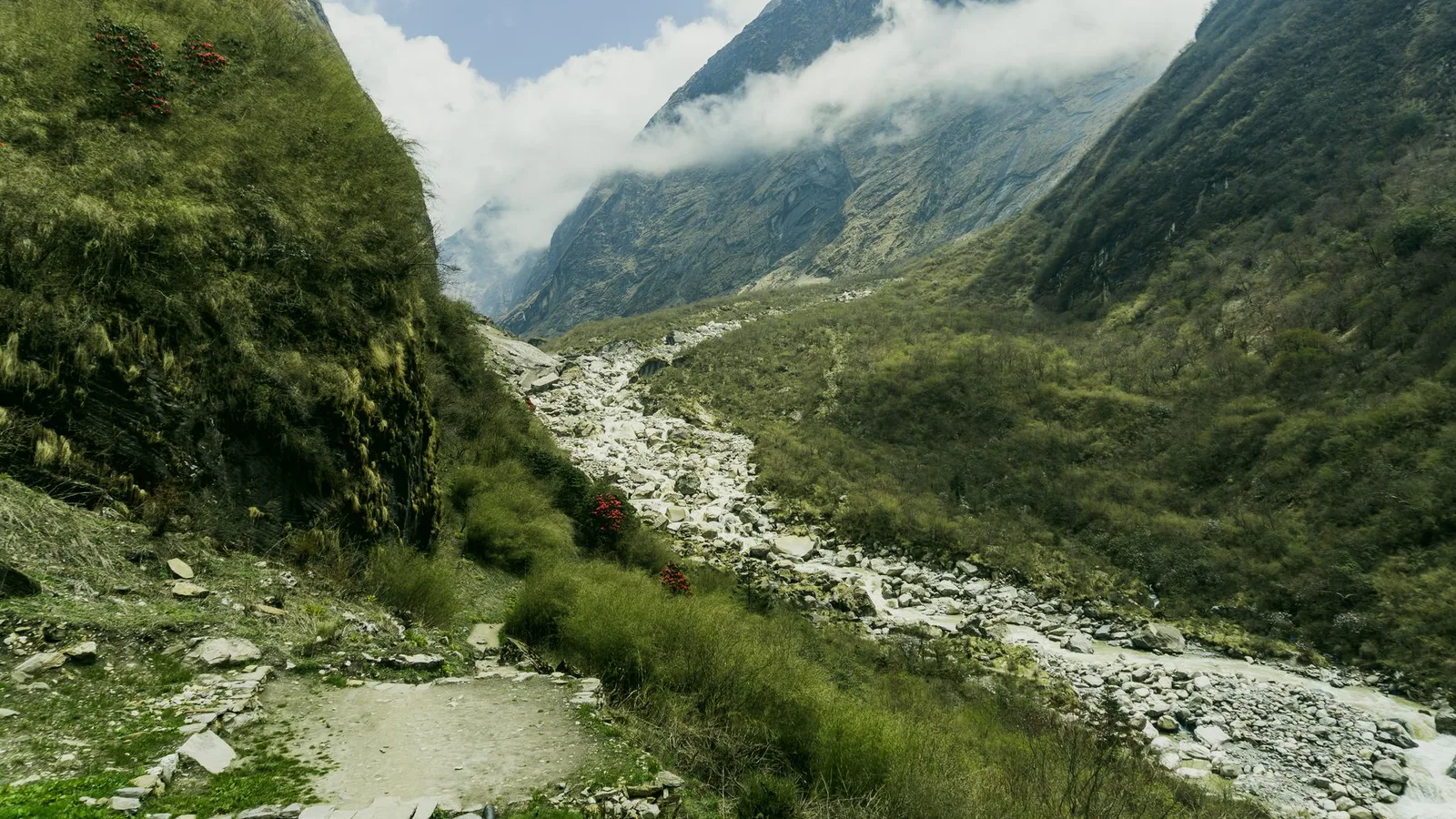
At a glance
- Published
- TopicTrail & Weather
- Verified againstAlan Arnette — Everest 2026 Season Summary
- Treks coveredAnnapurna Base Camp Trek — 9 Days, Everest Base Camp Trek — 14 Days, Mardi Himal Trek — 4 Days
Autumn wins on reliability, spring wins on warmth and flowers, and the Everest region carries a spring crowding problem that Annapurna and Manaslu simply don't have. That's the honest, data-backed answer — not both seasons are lovely, which is what most trekking sites tell you because it's true but useless for actually picking a month.
Key facts
- Namche Bazaar averages 81mm of rain in September against just 6mm in November — autumn dries out fast once the monsoon breaks.
- Kathmandu's driest month is November (10mm); its wettest spring month is May (158mm), as the pre-monsoon builds.
- Nepal issued 495 Everest climbing permits for spring 2026, producing 1,008 summits — roughly 80% of them inside a single ten-day window, 17–26 May.
- Namche's daytime high peaks at 13°C in May versus 8°C in November — spring is measurably warmer at altitude.
The weather, by the numbers
Averaged conditions at Namche Bazaar (3,440m, the gateway to Everest) and Kathmandu (1,400m, a proxy for the mid-hill trails most treks pass through) show two related but distinct stories.
| Month | Namche high | Namche rain | Kathmandu high | Kathmandu rain |
|---|---|---|---|---|
| March | 7°C | 22mm | 24°C | 39mm |
| April | 10°C | 28mm | 27°C | 75mm |
| May | 13°C | 34mm | 29°C | 158mm |
| September | 14°C | 81mm | 28°C | 323mm |
| October | 11°C | 37mm | 26°C | 78mm |
| November | 8°C | 6mm | 22°C | 10mm |
Read it as two overlapping patterns. Kathmandu tracks the monsoon closely — May is already wet, September is drenched, and by November it has essentially stopped raining. Namche, 2,000 metres higher and partly shielded by the high peaks, follows the same arc with a lag: September still carries real monsoon runoff, October is the transition month, and November is the driest, clearest window of the year — at the cost of the coldest nights.
Autumn: peak clarity, tighter window
Late September through November is when Nepal's mountain views are most reliable. The monsoon has washed the dust and haze out of the air, trails have dried out, and the classic long-distance views — the Annapurna massif from Poon Hill, the Everest skyline from Kala Patthar, Manaslu from the Larkya La — are at their sharpest. The trade-off is a short, popular window: everyone knows this too, so October and early November are Nepal's busiest trekking weeks, with Lukla flights and Everest-region teahouses booking out well in advance.
Spring: warmer, flowered, and quietly congested around Everest
March to May is measurably warmer at altitude — Namche's daytime high in May beats November's by a full 5°C — and the rhododendron forests below 3,000m turn the mid-hills red and pink through March and April, a spectacle autumn doesn't have. Spring's real complication isn't the weather, though; it's Everest's climbing season. Nepal issued 495 Everest permits for spring 2026 and logged 1,008 summits, with roughly 80% of them landing in a ten-day window from 17 to 26 May. That fills teahouses and Lukla flight seats along the Everest Base Camp trekking corridor from late April through late May — expedition staff and support trekkers included, not just climbers.
What this means for you
Trekking toward Everest Base Camp: autumn avoids the expedition-season crowding entirely; book April or the first half of May if you want spring's flowers and don't mind sharing the trail with a busy climbing season. Trekking Annapurna, Manaslu or Langtang: that crowding effect barely exists there, so the choice comes down to clean autumn views versus warmer, quieter, rhododendron-lined spring trails — either genuinely works.
The verdict
Autumn suits a first-timer who wants the best odds of a clear summit-day photo and doesn't mind booking early and sharing the trail with everyone else who read the same forecast. Spring suits a trekker chasing rhododendron season, slightly warmer nights, or a quieter Annapurna or Manaslu trail — but on the Everest side, spring means trekking alongside one of the busiest climbing seasons on record, not away from it. Neither season is wrong; they answer different questions, and now you have real numbers to answer yours.
Trekking toward Everest this year, our Everest Base Camp itinerary runs both seasons; for a quieter, flower-season alternative see the Mardi Himal trek or the Annapurna Base Camp trek, both well clear of the spring expedition crowds.
Source: Alan Arnette, Everest 2026 Season Summary; Namche Bazaar and Kathmandu climate averages via Weather2Travel.
Cover photo: Abdul Kayum via Pexels (Pexels License).
Planning a trek?
Trek this route with us — Everest Base Camp Trek — 14 Days
NMA-certified local guides, transparent pricing, 5,000+ treks since 1998. Message us your dates and we'll sort the permits, lodges and logistics — reply within 24 hours, no obligation.


Popular Nepal treks
All treks →


Related coverage
Trail & Weather
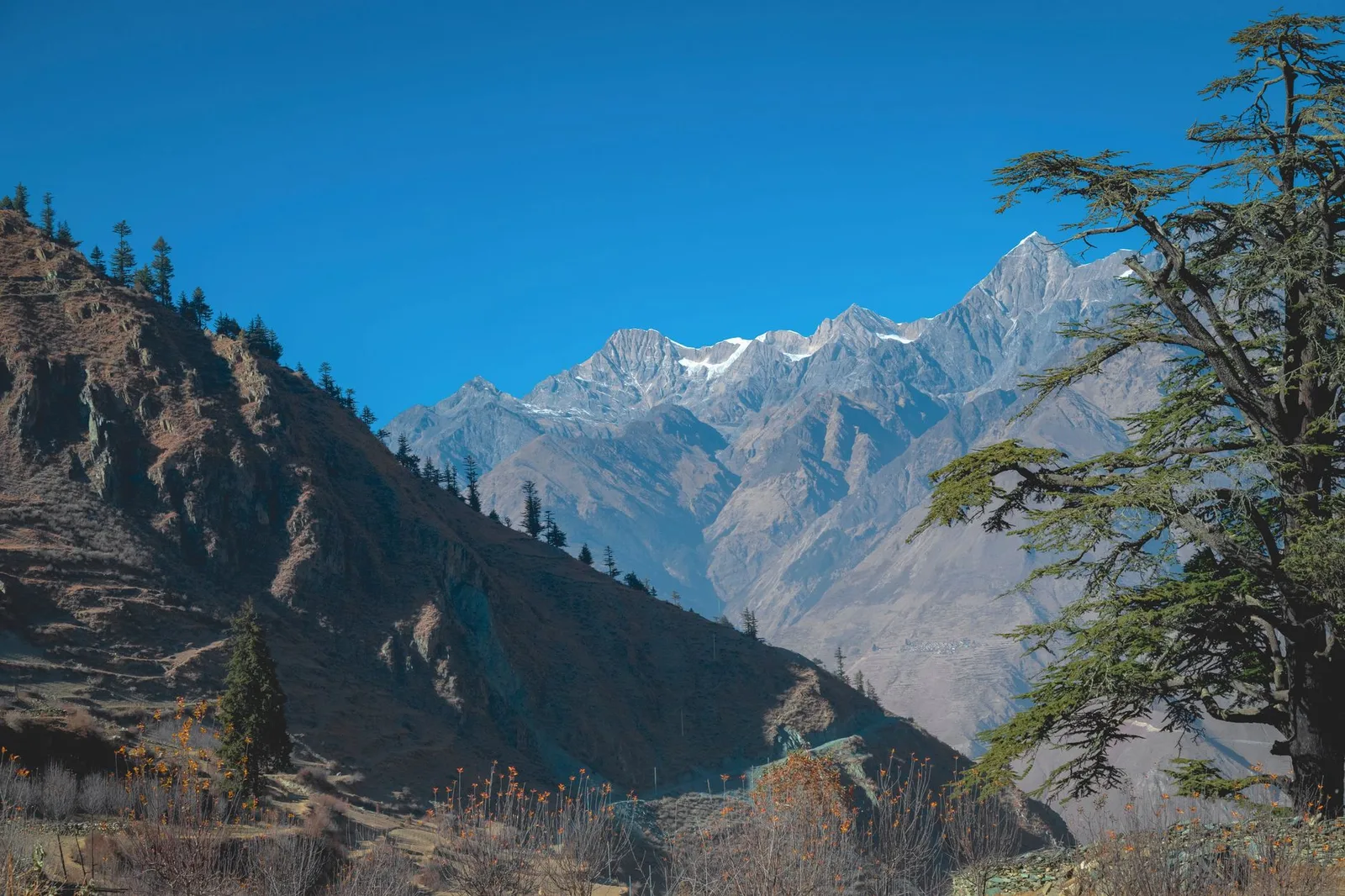
When Is the Best Time to Trek in Nepal? The Real Month-by-Month Data for 2026
Autumn and spring aren't just guidebook folklore — Nepal's own 2025 visitor data backs them up almost exactly. Here is what the numbers, and the weather behind them, actually show.
Industry & Tourism
Which Nepal Trek Should a Complete Beginner Actually Do in 2026? By Altitude, Days and Difficulty
Not Everest Base Camp. Here is the honest, altitude-by-altitude answer for first-time trekkers — and which famous routes to save for your second trip.
Safety & Advisories
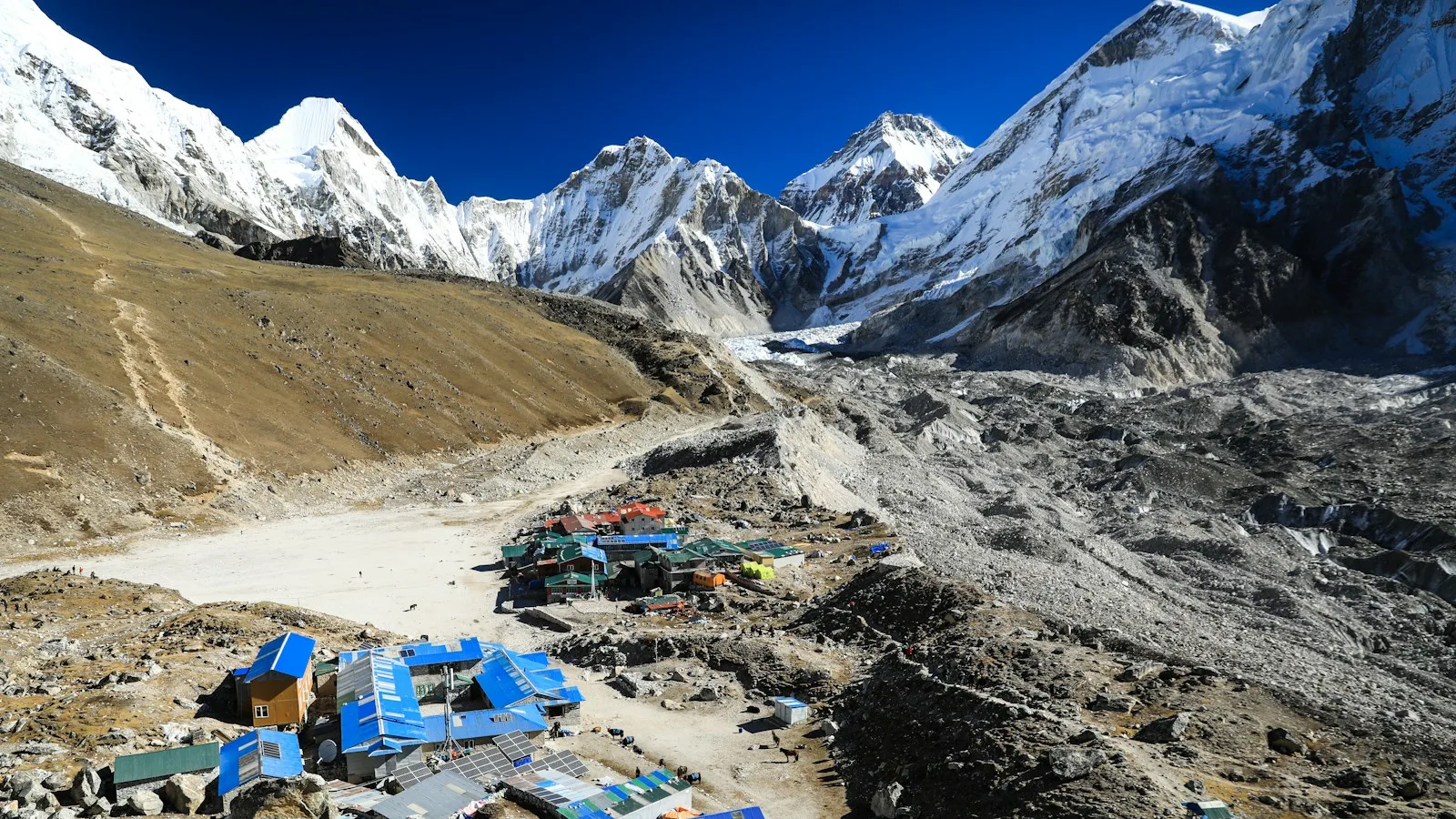
Can a Beginner Do the Everest Base Camp Trek? The Honest Difficulty Answer (2026)
No mountaineering skills required — but altitude, not fitness, is what actually turns beginners back. Here is the real difficulty, by the numbers.
Safety & Advisories
How Many Days Do You Actually Need for Everest Base Camp? 10 vs 12 vs 14 vs 15-Day Itineraries
The honest answer, checked against Nepal's own altitude-medicine numbers — not against which itinerary sells fastest.
Latest from the desk
Industry & Tourism
How to Choose a Trekking Company in Nepal in 2026: The Licence Chain That Actually Protects You
A company registration, a Trekking Agency Licence, NTB registration, TAAN membership and a named, licensed guide — verify all five before you pay a deposit, not after you land in Kathmandu.
World Destinations
Cheapest Beach Holiday Destinations in 2026 (Where Your Money Goes Furthest)
The best-value coastlines for warm sand on a small budget in 2026 — why each is cheap, when to go, and the honest trade-off, from Southeast Asia and Bali to Sri Lanka, the Red Sea, Albania, Mexico and Zanzibar.
Records & People
The Himalayan Peak So Sacred Nepal Has Never Once Let Anyone Legally Climb It
Machapuchare's twin summit rises 6,993 metres above Pokhara — and for more than sixty years, Nepal has refused every application to stand on top of it.