
Which Nepal Trek Should a Complete Beginner Actually Do in 2026? By Altitude, Days and Difficulty
Not Everest Base Camp. Here is the honest, altitude-by-altitude answer for first-time trekkers — and which famous routes to save for your second trip.
At a glance
- Published
- TopicIndustry & Tourism
- Verified againstCDC Yellow Book
- Treks coveredGhorepani Poon Hill Trek — 4 Days, Mardi Himal Trek — 4 Days, Annapurna Base Camp Trek — 9 Days
Not Everest Base Camp — not for a first trek. If this is genuinely your first time trekking in the Himalaya, the honest answer is the Ghorepani Poon Hill trek (tops out at 3,210m) or the Mardi Himal trek (4,500m at Base Camp) — both doable in under a week by anyone with average fitness and zero prior high-altitude experience. Everest Base Camp (5,364m) and the Annapurna Circuit are genuinely excellent treks, but they're moderate-to-hard, 12-plus-day commitments that reward already knowing how your own body handles altitude — which is exactly what a shorter first trek teaches you, cheaply, before you commit two weeks and a long-haul flight to finding out the hard way. Our own guides see the same mistake every season: someone books Everest Base Camp as trek number one because it's the famous one, then turns back below Base Camp having never tested altitude at all.
Key facts
- Altitude-illness risk begins around 2,500m, per the CDC Yellow Book — and fitness does not lower that risk, only a slow ascent does
- Ghorepani Poon Hill (3,210m) and Mardi Himal (4,500m) are the two routes guides most often recommend for a genuine first trek
- Everest Base Camp sits at 5,364m and typically takes 12–14 days — not a beginner-length commitment
- Trekking fitness and altitude tolerance are two different things: a strong runner can still get AMS at 4,000m, while an unfit beginner can walk Poon Hill comfortably
Why 'beginner' is about altitude and days, not fitness
The CDC's high-altitude travel guidance is blunt on this point: risk of acute mountain sickness rises above roughly 2,500m regardless of how physically fit you are, and training does not meaningfully change your predisposition to it. That reframes the beginner question entirely. It isn't 'can I walk 6 hours a day' — most healthy adults can, with training. It's 'how will my body respond above 3,000m, and do I have the days built in to find out slowly.' A short, lower route answers that question at low cost; jumping straight to a 5,364m trek answers it at the cost of your one big trip of the year.
| Trek | Max altitude | Typical days | Best for |
|---|---|---|---|
| Dhampus–Australian Camp | 2,100m | 3 | A genuine first taste — kids, seniors, zero experience |
| Ghorepani Poon Hill | 3,210m | 4–5 | The classic starter trek |
| Mardi Himal | 4,500m | 5–7 | Beginners with decent fitness wanting more altitude and fewer crowds |
| Langtang Valley | 3,870m | 7 | First-timers who want to drive from Kathmandu, skipping flights |
| Annapurna Base Camp | 4,130m | 7–9 | A strong second trek, or a fit first-timer with time to acclimatise |
| Everest Base Camp | 5,364m | 12–14 | Second or third trek — not recommended as a first Himalayan trek |
| Manaslu Circuit | 5,106m (Larkya La) | 14–16 | Experienced trekkers only; restricted-area permit and guide required |
Who each trek actually suits
The honest verdict
Choose Poon Hill or Mardi Himal if this is your first Himalayan trek, you want to test how your body handles altitude and multi-day walking, or you have under a week free. Move up to Annapurna Base Camp once you've done one of those, or if you have 9 days and solid general fitness. Save Everest Base Camp for when you already know you acclimatise well — booking it cold, purely because it's the famous one, is the single most common reason first-timers turn back before reaching it.
One rule applies to every route on this list regardless of difficulty: since April 2023, Nepal requires a licensed guide on all of them, beginner or not — the distinction that matters for a first trek is altitude and days, not whether you'll be walking with a guide, because you will be either way. Pick the altitude you're ready to test, not the name you've already heard of.
Source: CDC Yellow Book, High-Altitude Travel and Altitude Illness.
Cover photo: Hao Hoang via Pexels (Pexels License).
Planning a trek?
Trek this route with us — Ghorepani Poon Hill Trek — 4 Days
NMA-certified local guides, transparent pricing, 5,000+ treks since 1998. Message us your dates and we'll sort the permits, lodges and logistics — reply within 24 hours, no obligation.

Popular Nepal treks
All treks →


Related coverage
Trail & Weather
Which Trek Should a Beginner Do in Nepal? The Honest Difficulty Ladder for 2026
Poon Hill, Mardi Himal or the Everest View Trek — the three routes guides actually send first-timers on, ranked by the altitude and days that really decide it.
Industry & Tourism
Which Nepal Trek Should You Actually Do If You Want to Avoid the Crowds? The Honest 2026 Matcher
Everest Base Camp and the Annapurna Circuit are seeing record numbers. Here's the verified visitor data on how crowded each region actually is, and four proven alternatives that deliver the same mountains with a fraction of the traffic.
Safety & Advisories
How Many Days Do You Actually Need for Everest Base Camp? 10 vs 12 vs 14 vs 15-Day Itineraries
The honest answer, checked against Nepal's own altitude-medicine numbers — not against which itinerary sells fastest.
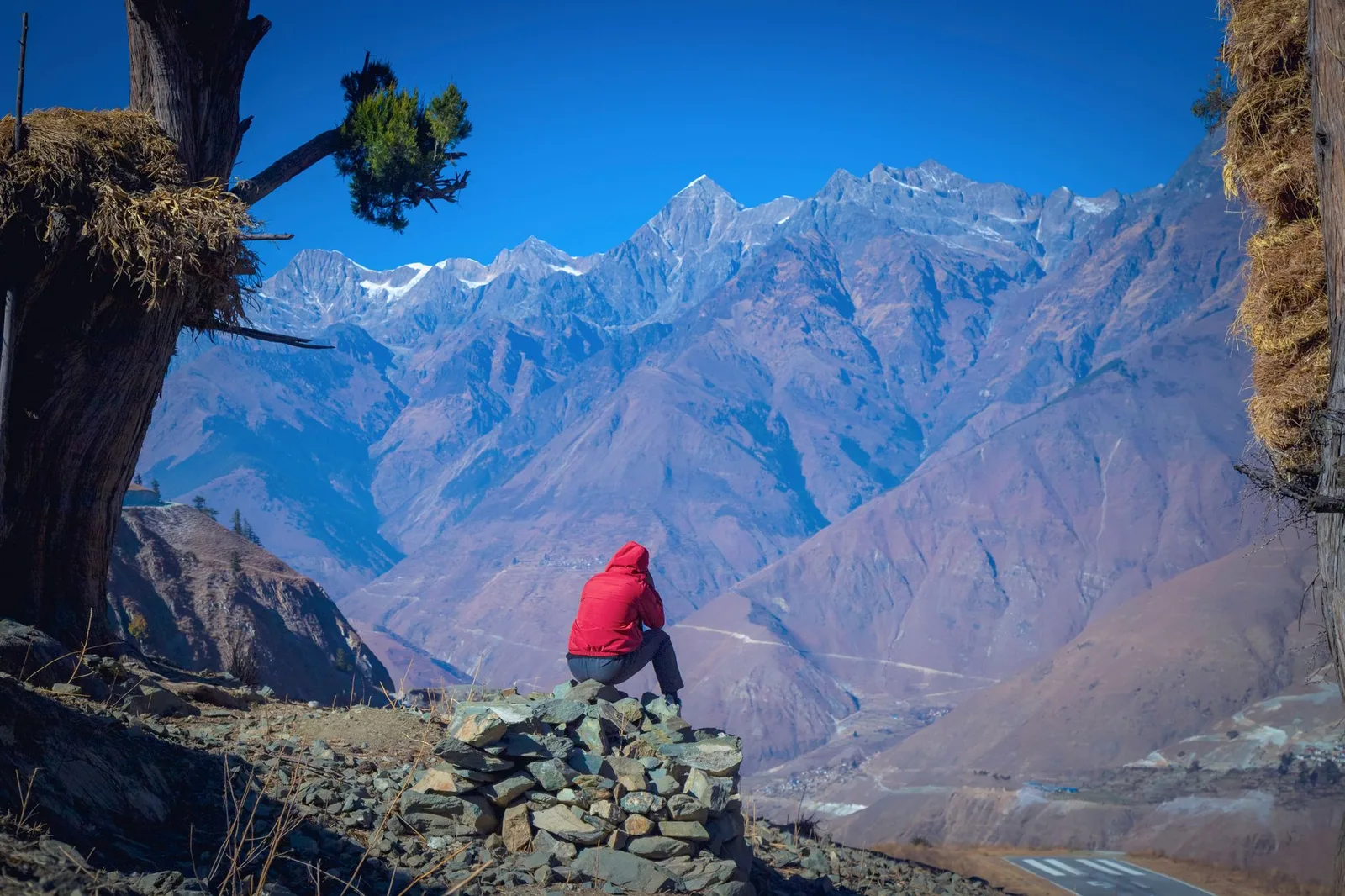
Industry & Tourism
Nepal vs Scotland: How the Munros and West Highland Way Compare to Everest Base Camp in 2026
An honest comparison for UK walkers — Ben Nevis, the 282 Munros and the West Highland Way against Everest Base Camp and Annapurna, with real elevations, days and costs.
Latest from the desk
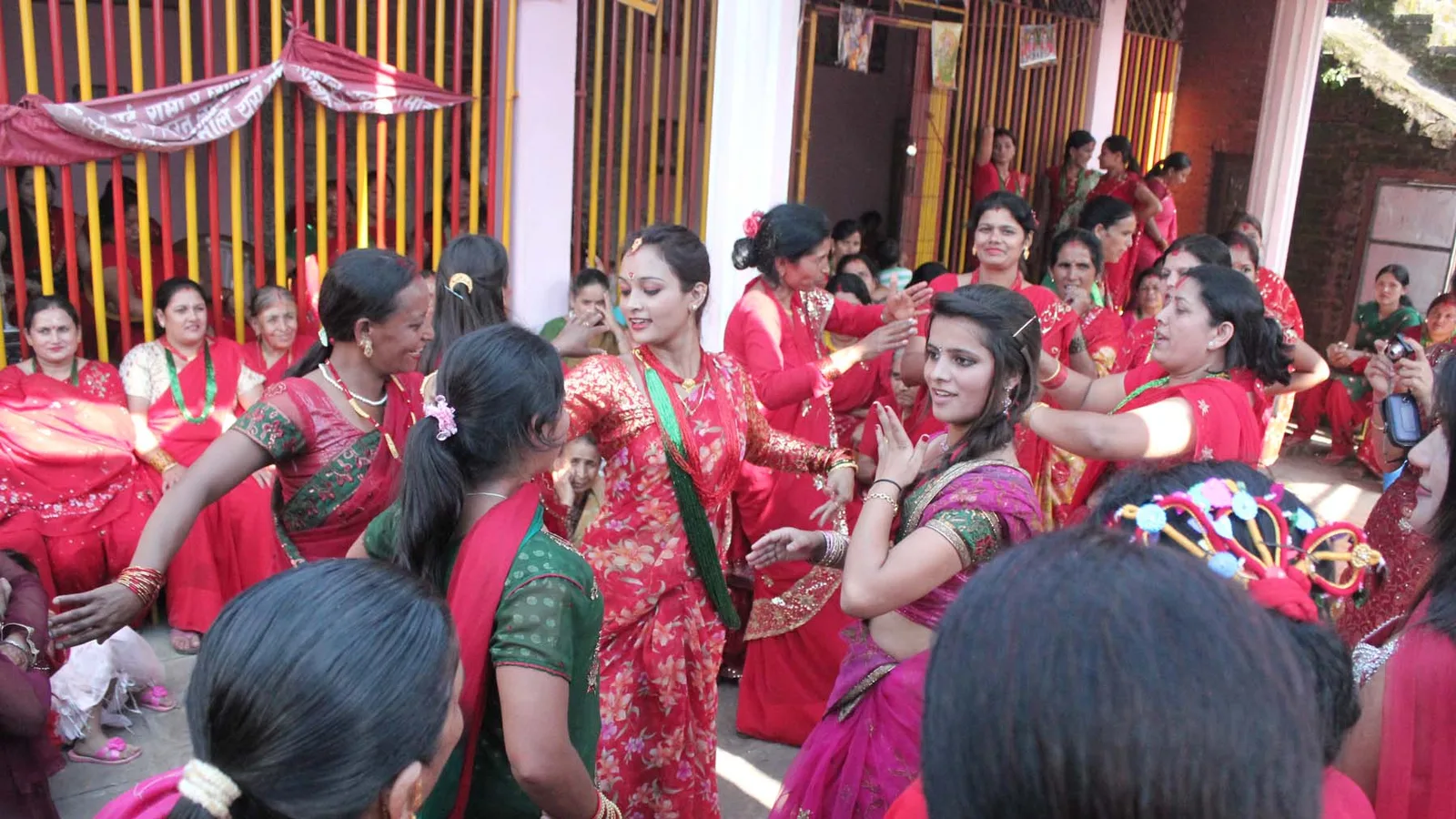
Festivals & Events
Teej 2026: Nepal's Great Women's Festival of Red, Fasting and Song
Nepal's great women's festival of fasting, red and song.
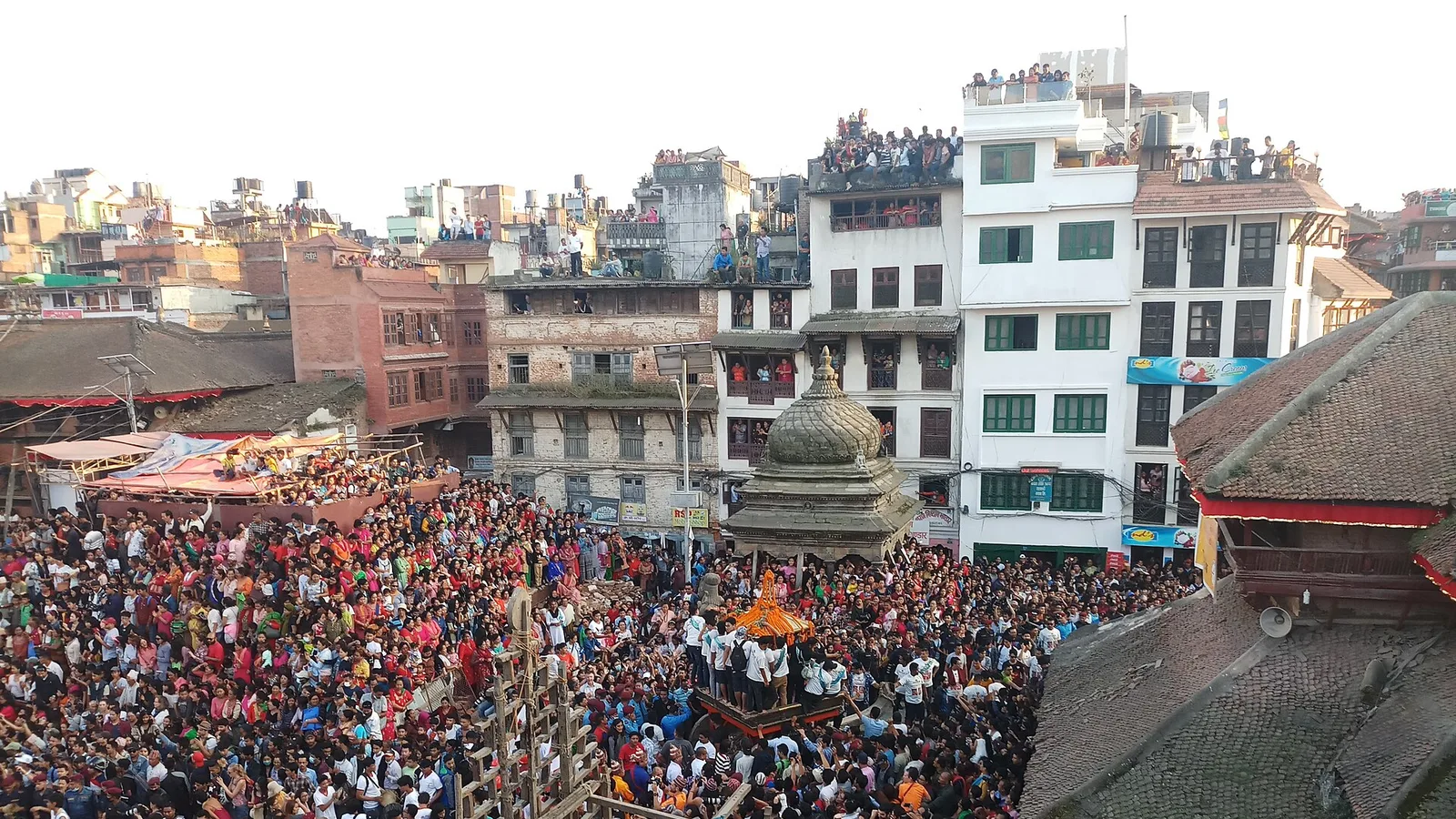
Festivals & Events
Indra Jatra 2026: Kathmandu's Biggest Street Festival, the Living Goddess and How to See It
Kathmandu's biggest street festival honours Indra

Money & Insurance
Travel Money in 2026: Cash vs Debit vs Credit vs Prepaid Cards — What to Carry and How to Spend It
No single method wins abroad. Here is how cash, debit, credit and prepaid multi-currency cards really compare on fees — plus the dynamic-currency-conversion trap to dodge, how much cash to carry, and why Nepal’s trail runs on rupees.