
Indra Jatra 2026: Kathmandu's Biggest Street Festival, the Living Goddess and How to See It
Kathmandu's biggest street festival honours Indra
At a glance
- Published
- TopicFestivals & Events
- Verified againstWikipedia
- Treks coveredKathmandu & Pokhara Tour — 5 Days, Kathmandu Valley Cultural Tour — 3 Days, Kathmandu UNESCO Heritage Sites — 1 Day
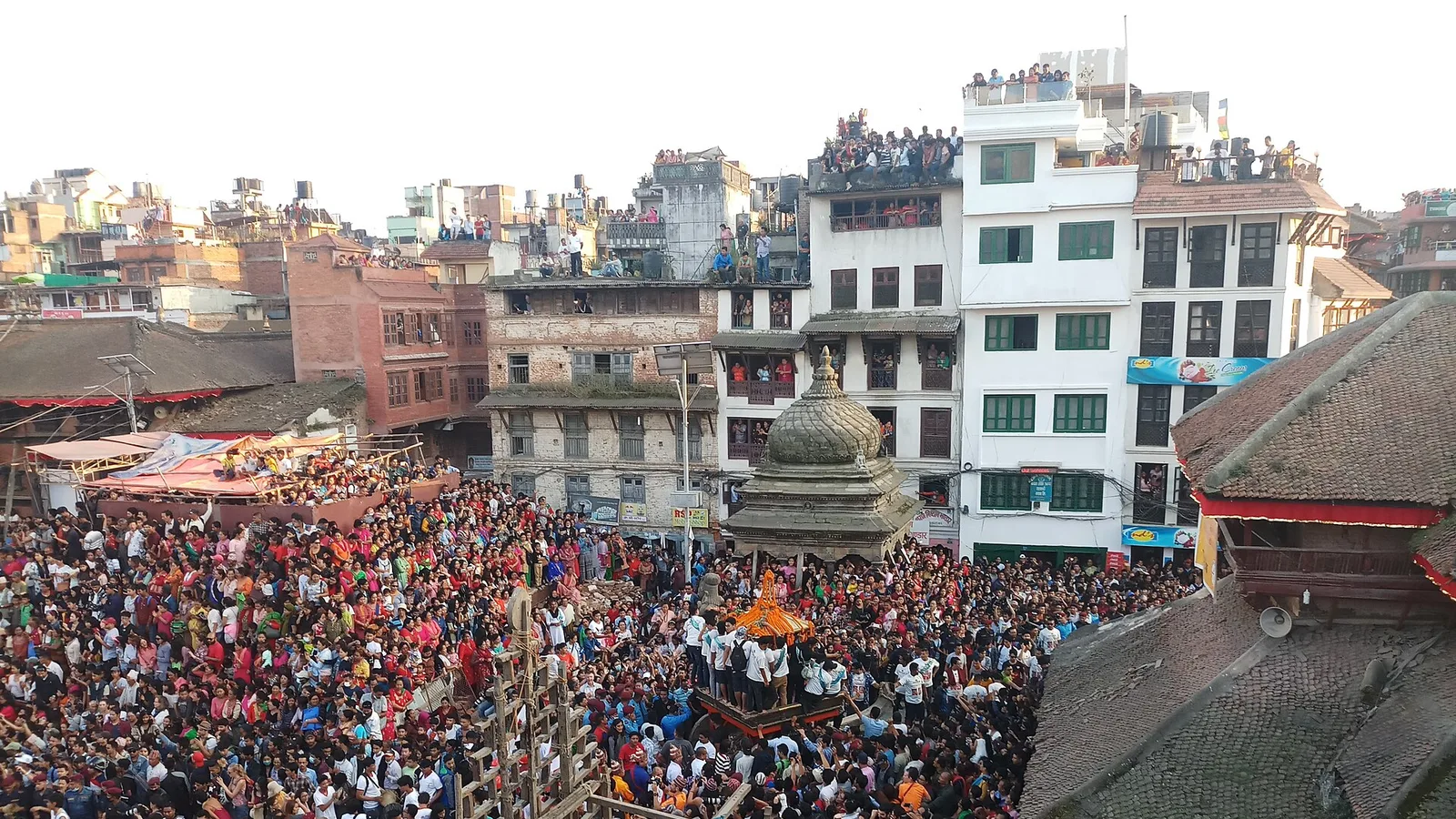
For eight days each autumn, the old heart of Kathmandu belongs to the crowds. Masked lakhe dancers whirl through the lanes, a towering ceremonial pole is raised in front of the old royal palace, and a living goddess is pulled through the streets on a wooden chariot while the whole valley turns out to watch. This is Indra Jatra — the biggest religious street festival in Kathmandu, and for a traveller arriving in Nepal at the right moment, one of the most extraordinary things you can witness anywhere in the Himalaya.
Key facts
- What: an eight-day Hindu and Buddhist street festival honouring Lord Indra, king of heaven, thanked for the rain and the coming harvest.
- When: during the lunar month of Yanlā — roughly September in the Gregorian calendar. In 2025 the chariot processions fell on 6, 7 and 11 September; confirm the exact 2026 dates against the Nepali lunar calendar before you book flights.
- Where: centred on Kathmandu Durbar Square (Basantapur), with rituals spilling out to Indra Chok, Maru and the surrounding old town.
- The Kumari link: the festival includes the Kumari Jatra, when the living goddess is carried through the streets on a chariot alongside chariots of Ganesh and Bhairava.
What Indra Jatra actually is
The festival is named for Indra, the Hindu king of heaven and god of rain, honoured for bringing the monsoon that feeds the harvest. A well-loved legend explains the celebration: Indra came down to the valley disguised as a farmer, searching for parijat flowers for his mother. The townspeople, not recognising him, caught the "thief" and displayed him bound in the square — releasing him only when they realised who he was. Much of the festival re-enacts and remembers that story.
Tradition credits King Gunakamadeva with founding the festival in the 10th century to mark the establishment of Kathmandu. It runs across eight days, from the 12th day of the bright fortnight to the 4th day of the dark fortnight of the month of Yanlā in the Nepal Era calendar — which is why the Gregorian dates shift each year and why you should always check the lunar timing rather than assume a fixed date.
The rituals to look for
The festival opens with Yosin Thanegu — the raising of a tall wooden pole, cut from a forest and hauled into Durbar Square, from which the banner of Indra is unfurled. Its raising begins the celebration; its lowering, eight days later, ends it.
| Element | What it is | Where to see it |
|---|---|---|
| Yosin pole | The ceremonial pole raised to open the festival, flying Indra's banner | Kathmandu Durbar Square |
| Kumari Jatra | Chariot procession of the living goddess Kumari, with Ganesh and Bhairava | Through the old town from Durbar Square |
| Lakhe dancers | Masked dancers, above all the Majipā Lākhey, seen publicly only at this festival | The old lanes around Durbar Square |
| Bhairava masks | The huge Sweta (White) Bhairava mask, and Aakash Bhairava at Indra Chok | Durbar Square and Indra Chok |
The lakhe — red-faced masked demon-dancers — are the festival's most photographed figures; the Majipā Lākhey of Kathmandu appears publicly only during these days. At Durbar Square the enormous gilded mask of Sweta Bhairava is unveiled, and rice beer is famously poured through its mouth to the crowd. Around Indra Chok, the mask of Aakash Bhairava is displayed and honoured.
The living goddess at the centre
The emotional heart of Indra Jatra is the Kumari Jatra, added to the festival in 1756 under King Jaya Prakash Malla. The Kumari is a prepubescent Newar girl of the Shakya community, venerated as the living embodiment of the goddess Taleju Bhawani, a form of Durga. She lives in the Kumari Ghar on Durbar Square, and her feet are traditionally never allowed to touch the ground outside; when she leaves her house she is carried. During the festival she is pulled through the streets on a great wooden chariot, alongside chariots bearing Ganesh and Bhairava.
Historically the king would bow before the Kumari to receive her tika and, with it, her blessing on his rule; since Nepal became a secular republic in 2008, the president fulfils that ceremonial role. To understand who she is and how she is chosen, read our companion piece on Nepal's Kumari, the living goddess of Kathmandu.
Seeing Indra Jatra respectfully
This is a living religious festival, not a show staged for tourists. Arrive early — Durbar Square fills fast and the best viewing points around the Kumari Ghar and the Sweta Bhairava mask are taken hours ahead. Stand back from the chariots and let the pullers and processions pass; never climb temple plinths or block a ritual for a photograph. Ask before photographing people close up, dress modestly, and be patient in the crush. A local guide is worth their weight here — they read the crowd, know when each chariot moves, and can explain what you are watching as it happens.
Time your Nepal trip around it
Here is the practical point for anyone planning a trek: almost every Himalayan trip in Nepal begins and ends in Kathmandu. Indra Jatra falls in September, right at the start of the prime post-monsoon trekking season — so if you arrive a few days before an Everest, Annapurna or Manaslu departure, you can catch the festival on your acclimatisation days in the capital and still be on the trail on schedule. It is the rare case where the buffer days before a trek become the highlight of the trip rather than dead time.
A short cultural add-on makes the most of it. Our Kathmandu Valley Cultural Tour and one-day UNESCO heritage sites tour put you in Durbar Square and the old town with someone who can guide you through the ritual, and pair naturally with any trek. For more on the valley's living heritage, see our guide to the seven UNESCO sites of the Kathmandu Valley.
If you would like help lining up your arrival with Indra Jatra and a trek to follow, message us on WhatsApp and we will check the year's dates and the departure calendar for you.
More Nepal festivals
Planning a trek?
Trek this route with us — Kathmandu & Pokhara Tour — 5 Days
NMA-certified local guides, transparent pricing, 5,000+ treks since 1998. Message us your dates and we'll sort the permits, lodges and logistics — reply within 24 hours, no obligation.


Popular Nepal treks
All treks →


Related coverage
Festivals & Events
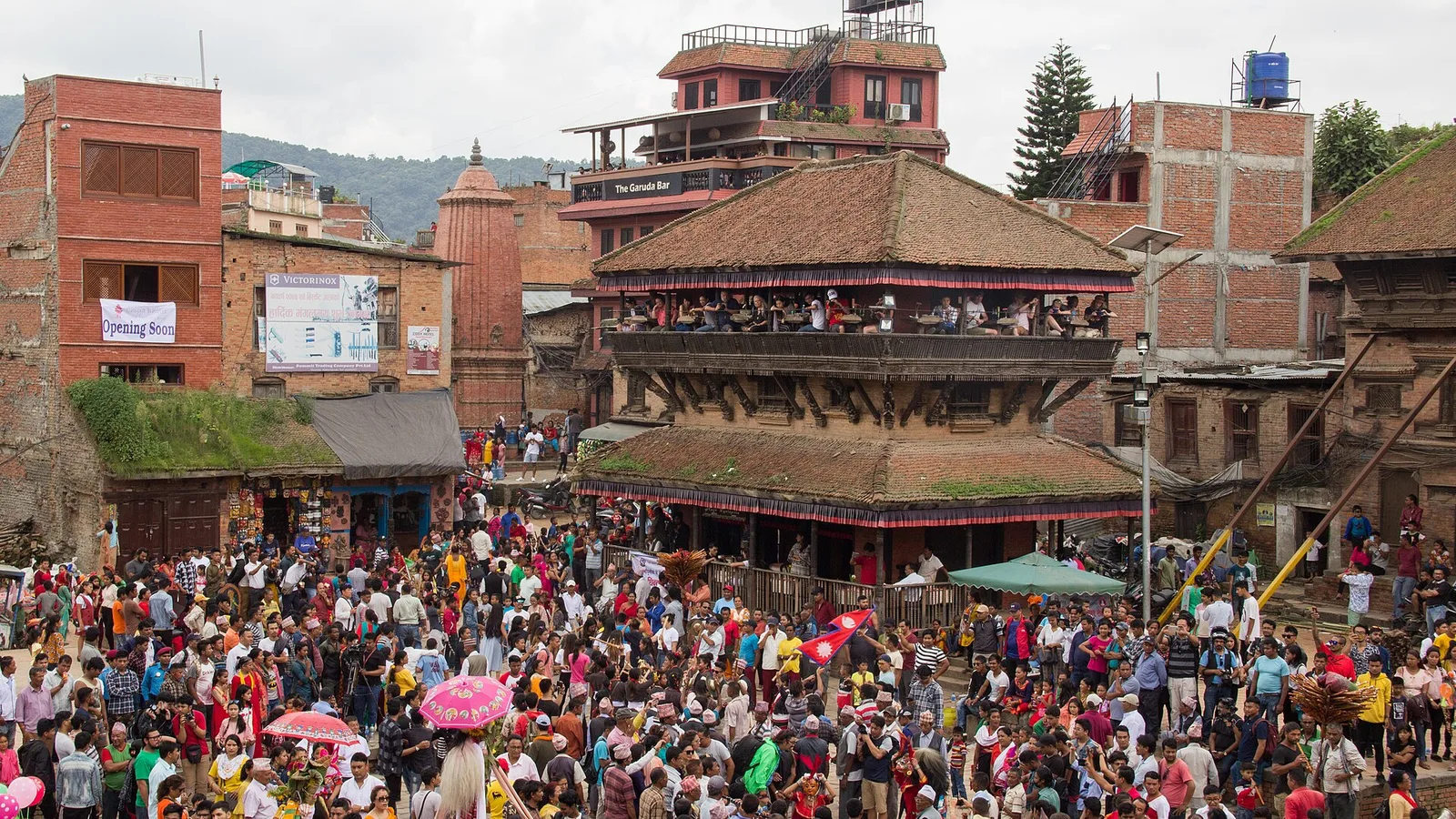
Gai Jatra 2026: Nepal’s Newar Festival of Cows, Grief and Laughter
The Newar festival where grief and comedy walk together.
Festivals & Events
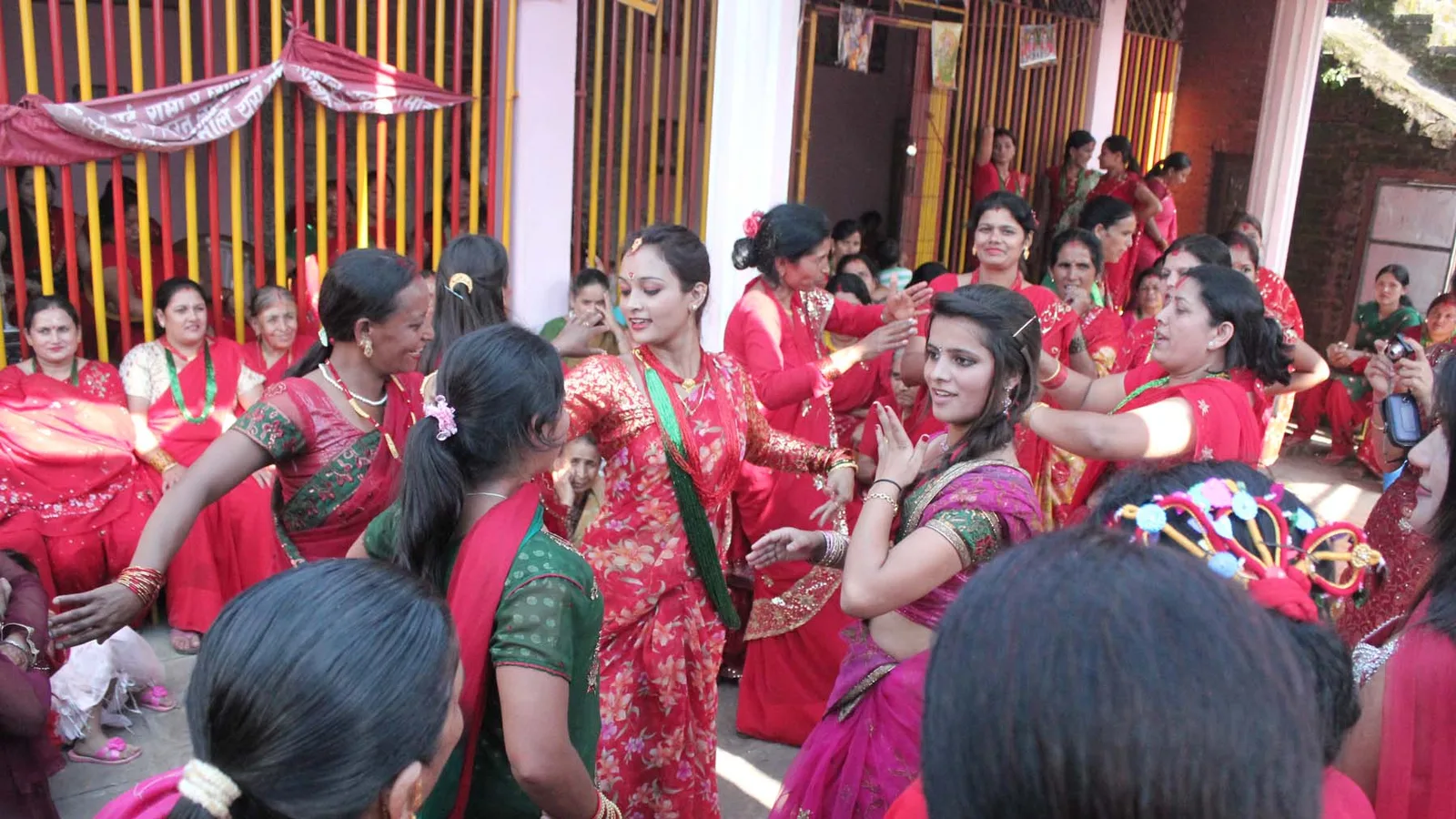
Teej 2026: Nepal's Great Women's Festival of Red, Fasting and Song
Nepal's great women's festival of fasting, red and song.
Culture & Heritage
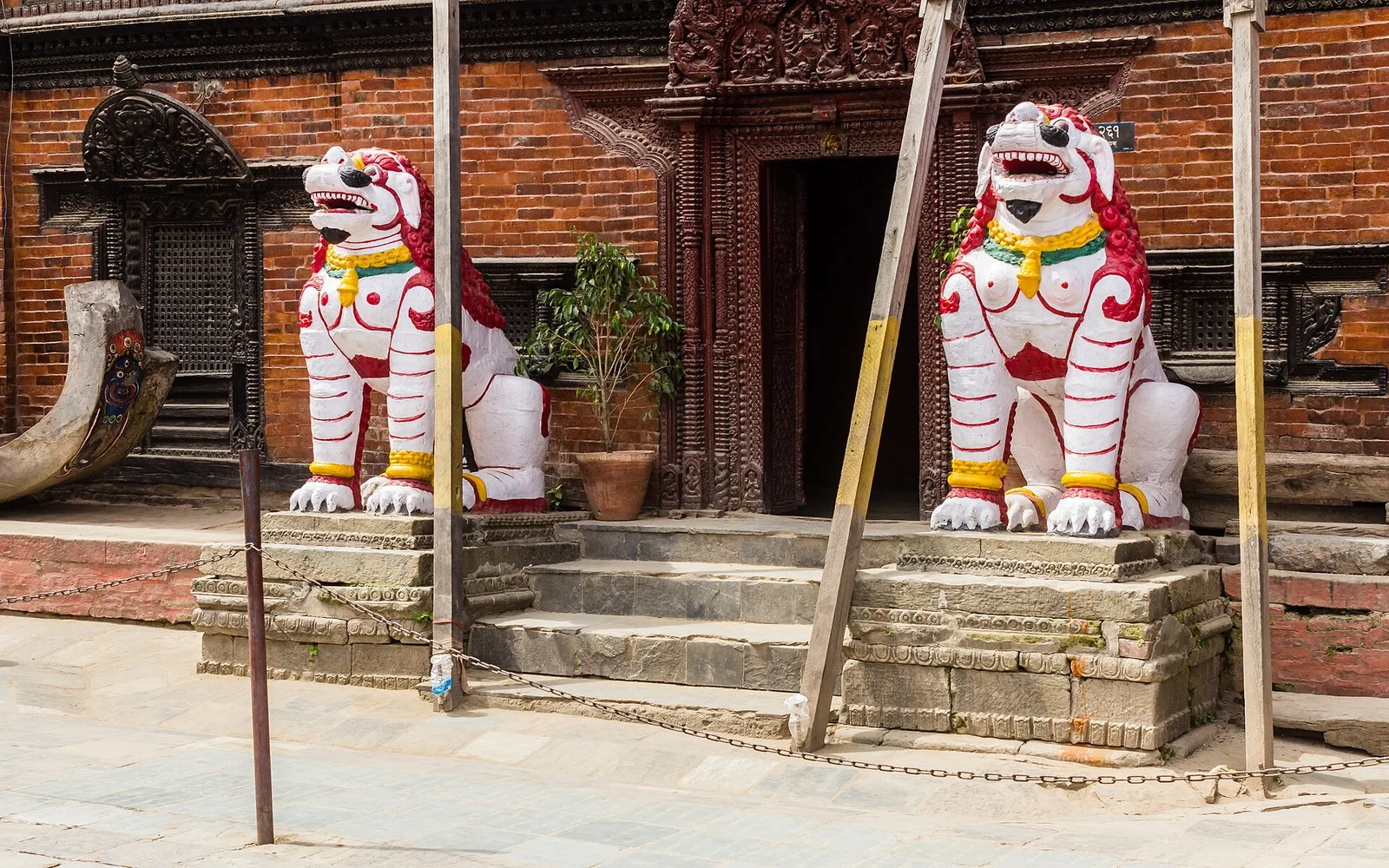
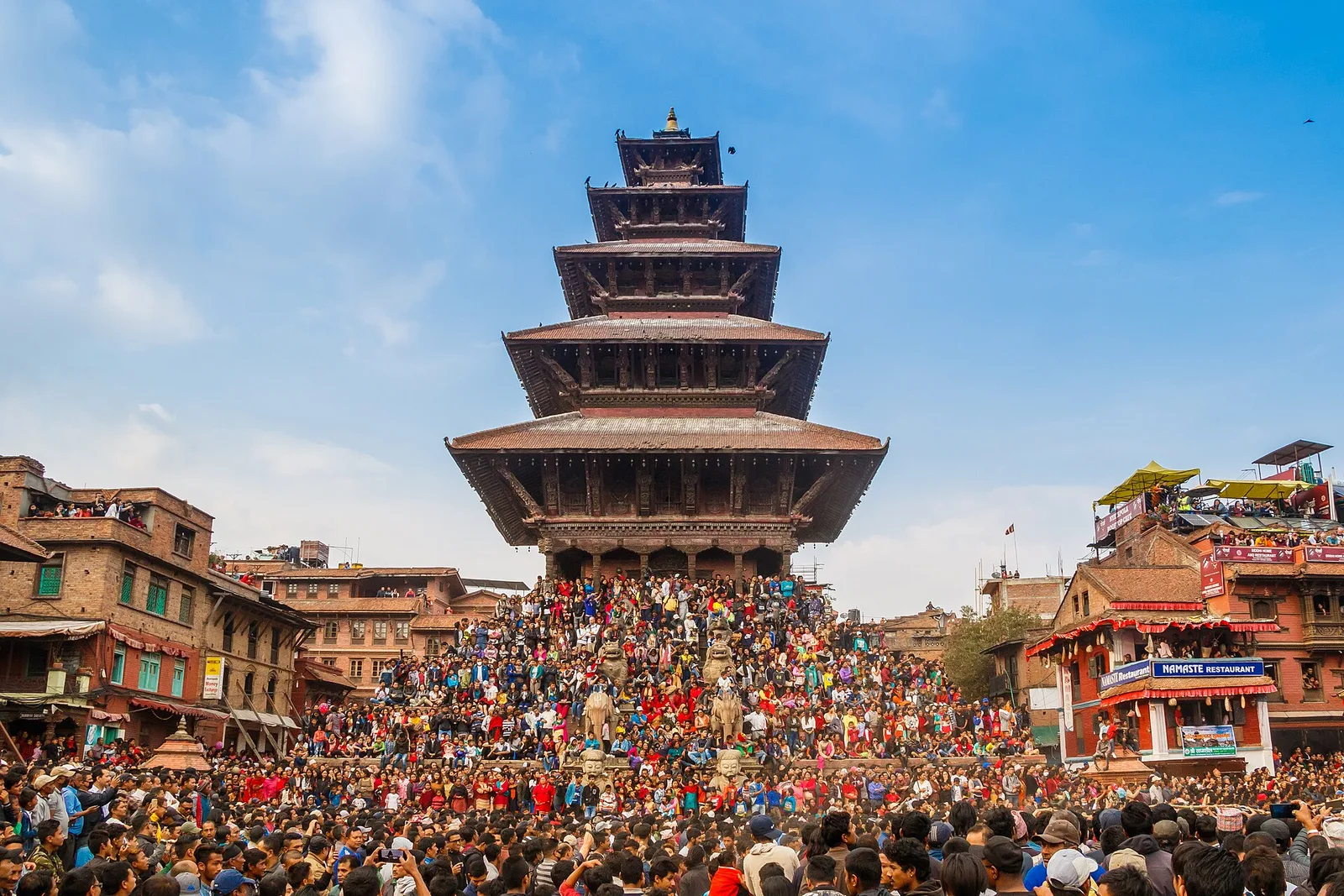
Nepal Just Named a 2-Year-Old a Living Goddess — She Can't Touch the Ground Until She Retires
Aryatara Shakya was enthroned as Kathmandu's Royal Kumari in 2025, the latest in a 17th-century tradition of worshipping a toddler as a living deity.
Records & People
At 17, a Nepali Teenager Led 80 Artists Into Tibet. He Designed the White Pagoda Beijing Still Protects 700 Years Later
Long before Nepal became a bucket-list trekking destination, one Kathmandu Valley teenager designed a monument so revered that a Chinese premier personally ordered it saved from the Cultural Revolution.
Latest from the desk
Money & Insurance
Travel Money in 2026: Cash vs Debit vs Credit vs Prepaid Cards — What to Carry and How to Spend It
No single method wins abroad. Here is how cash, debit, credit and prepaid multi-currency cards really compare on fees — plus the dynamic-currency-conversion trap to dodge, how much cash to carry, and why Nepal’s trail runs on rupees.
Climate & Environment
Nepal's Glaciers Are Retreating up to 28 Metres a Year — the Science, and What It Means for the Rivers Below (2026)
The ice below Everest is measurably shrinking — a decades-long record of retreat that pours extra water into Nepal's rivers now, but threatens the supply that keeps them flowing later.
Industry & Tourism
Which Nepal Trek Should a Complete Beginner Actually Do in 2026? By Altitude, Days and Difficulty
Not Everest Base Camp. Here is the honest, altitude-by-altitude answer for first-time trekkers — and which famous routes to save for your second trip.