
At 17, a Nepali Teenager Led 80 Artists Into Tibet. He Designed the White Pagoda Beijing Still Protects 700 Years Later
Long before Nepal became a bucket-list trekking destination, one Kathmandu Valley teenager designed a monument so revered that a Chinese premier personally ordered it saved from the Cultural Revolution.
At a glance
- Published
- TopicRecords & People
- Verified againstSouth China Morning Post
- Treks coveredKathmandu Valley Cultural Tour — 3 Days, Nepal Classic Tour — 7 Days, Kathmandu UNESCO Heritage Sites — 1 Day
In 1260, a seventeen-year-old from the Kathmandu Valley was handed command of eighty grown men and marched over the Himalaya into Tibet. He would never really come home. Nearly three decades later, the building he designed for the most powerful emperor on Earth was standing at the heart of Beijing — and it still is today, roughly 738 years on.
Key facts
- Araniko was born in 1245 in the Kathmandu Valley, home to Nepal's Newar Buddhist craft guilds
- At 17, he was chosen to lead 80 Nepali artists sent to Tibet by the Malla-era king Jayabhimadeva
- Kublai Khan, founder of China's Yuan dynasty, later put him in charge of the empire's imperial architecture
- His White Pagoda at Beijing's Miaoying Temple, built 1279–1288, still stands today
Araniko's journey started as a favour between kingdoms. Tibet's regent had asked Nepal for its finest craftsmen to help build a golden stupa, and the Newar guild sent eighty of them south — then, by the traditional account, asked the group to choose its own leader. They picked the teenager. He impressed Tibet's religious authorities so completely that within a year they passed him along to an even bigger patron: Kublai Khan, the Mongol ruler about to found China's Yuan dynasty and raise a new capital at Dadu, the city now called Beijing.
From apprentice to imperial architect
Into Nepal's Newar artisan tradition of pagoda and stupa building.
Chosen by his own group to head Nepal's craftsmen sent to build a stupa for Tibet's regent.
Named Director of All Artisan Classes as the Yuan dynasty rises in Beijing.
A 50.9-metre bell-shaped stupa at what is now Beijing's Miaoying Temple.
Kublai Khan had already named him Duke of Liang — an extraordinary rank for a foreign craftsman.
By 1273, Kublai Khan had made him Director of All Artisan Classes — effectively the chief architect of the Yuan empire — and a year later gave him a silver plate bearing a tiger as a mark of rank. His masterwork came between 1279 and 1288: a monumental white stupa built to house Buddhist relics at the heart of the new capital. Araniko fused the Nepali stupa form he had trained in with Tibetan and Mongol influences to create something China hadn't seen before — a smooth, bell-shaped white dome on a stepped plinth, 50.9 metres tall and more than 30 metres across at the base. Over his career he completed three stupas, nine major Buddhist temples, two Confucian shrines and a Daoist temple, and he painted imperial portraits of Kublai Khan and his wife, Empress Chabi. He died in Beijing in 1306, aged 62, still holding the title Duke of Liang.
What makes the story remarkable isn't just his age when it started — it's that the building survived at all. The White Pagoda outlasted the fall of the Yuan dynasty, the Ming and Qing empires, foreign invasions and, most improbably, the Cultural Revolution, when Red Guards destroyed thousands of temples across China. Miaoying Temple was spared because Premier Zhou Enlai personally ordered it protected as a national treasure. It was restored in 1978 and again in 2010, and today it stands almost exactly as the teenager from Kathmandu designed it — one of the very few Yuan-dynasty structures still standing in Beijing.
What this means for travellers
See where it started
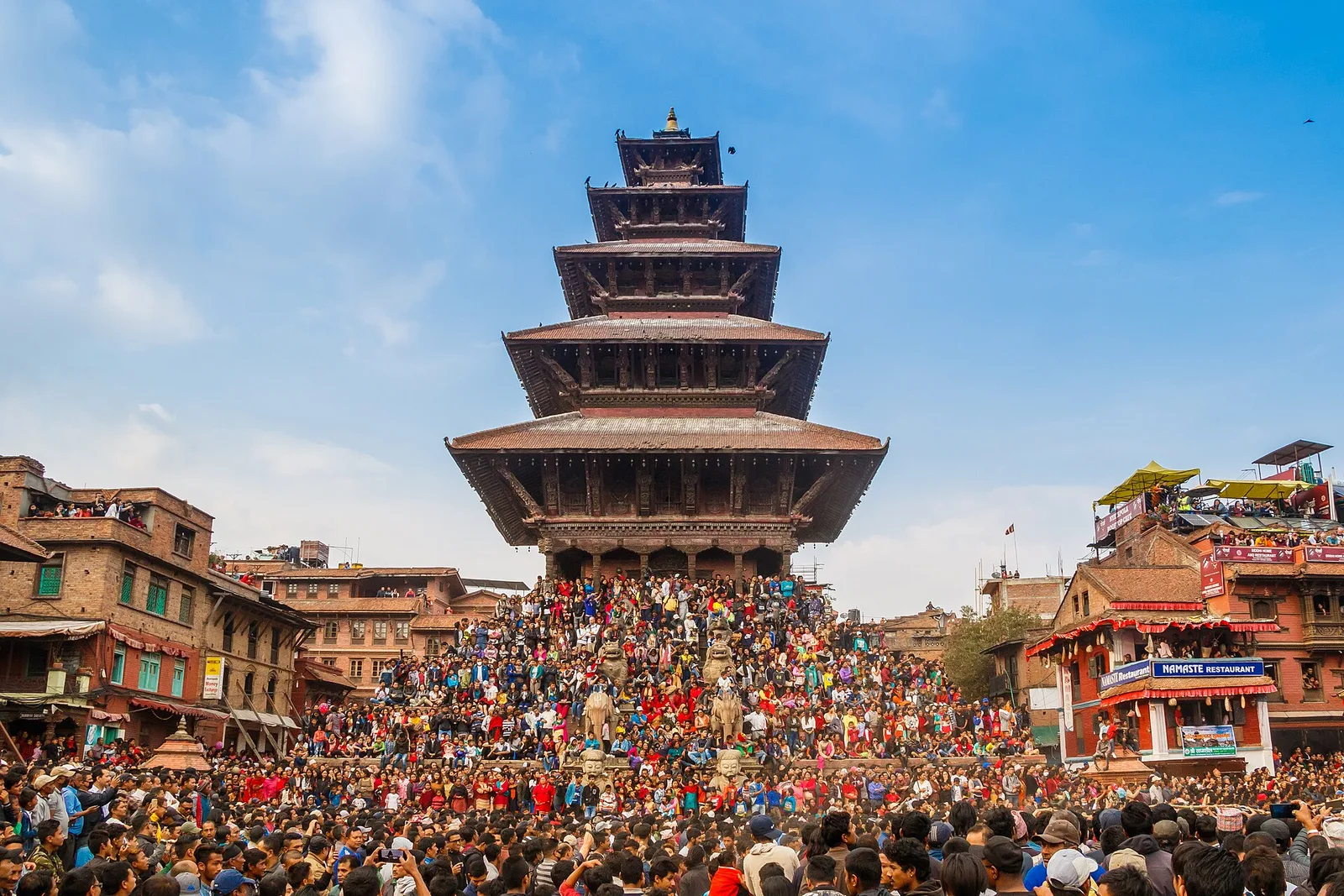
You don't need a flight to Beijing to see Araniko's craft — you need a walk through the Kathmandu Valley he trained in. The five-tiered Nyatapola Temple in Bhaktapur and the pagoda temples of Kathmandu Durbar Square are built in the same Newar tradition he carried north, still standing, still in daily use as working temples rather than museum pieces.
Most visitors fly straight through Kathmandu on the way to a trek and never stop to look up. The valley's Durbar Squares are UNESCO World Heritage Sites in their own right, and worth building into any Everest or Annapurna itinerary as a first or last day in the country — the original craft behind a monument that's still standing on the other side of the Himalaya.
Source: South China Morning Post, Wikipedia: Araniko
Cover photo: Nrik kiran via Wikimedia Commons (CC BY-SA 4.0).
Planning a trek?
Trek this route with us — Kathmandu Valley Cultural Tour — 3 Days
NMA-certified local guides, transparent pricing, 5,000+ treks since 1998. Message us your dates and we'll sort the permits, lodges and logistics — reply within 24 hours, no obligation.


Popular Nepal treks
All treks →


Related coverage
Records & People
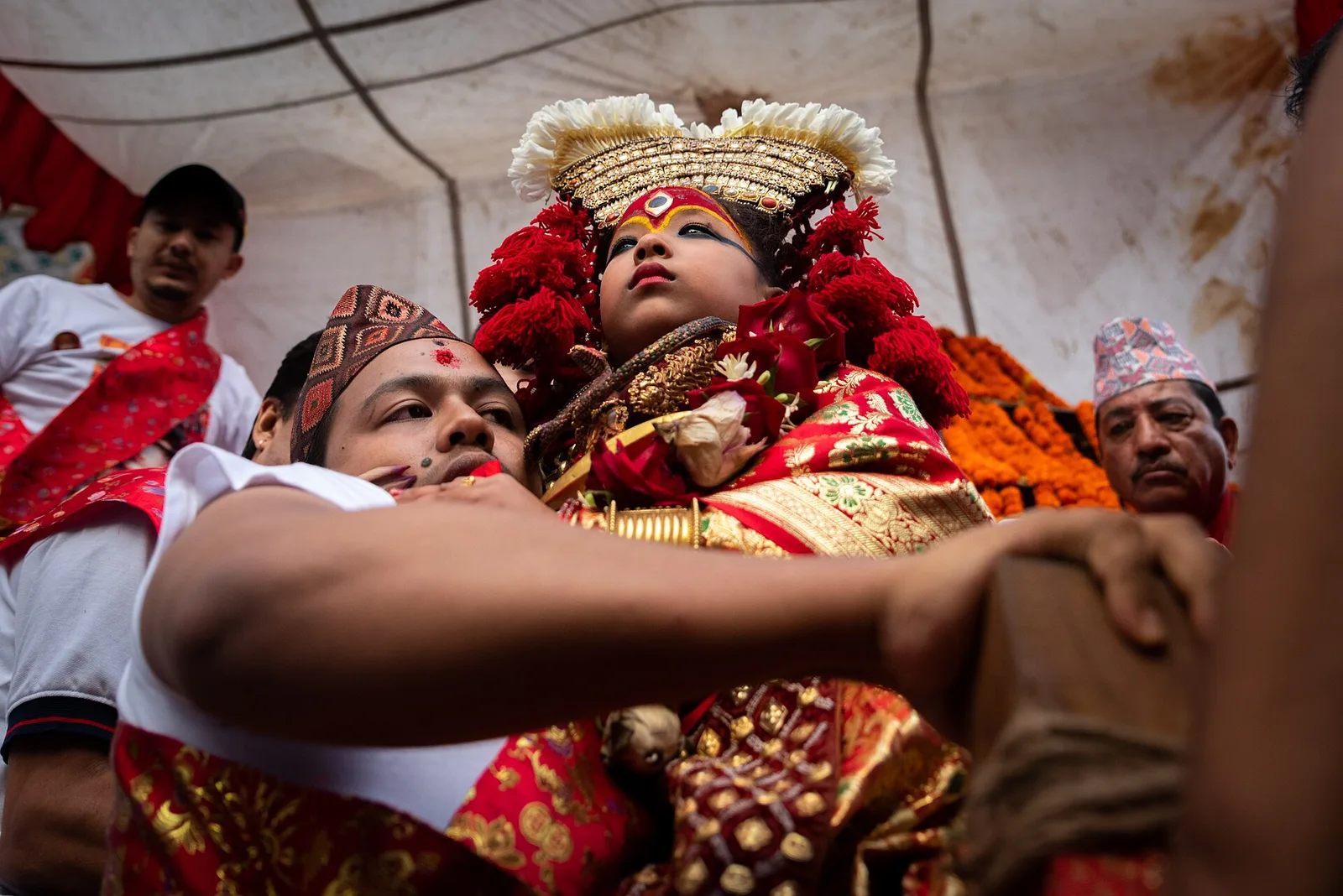
Nepal Picks a Living Goddess Every Few Years — and She's Almost Always Three Years Old
In a centuries-old ritual beside Kathmandu's Durbar Square, a toddler is chosen for 32 physical perfections, tested for total fearlessness beside sacrificed buffalo heads, and enthroned as a living goddess — until her first period ends the reign overnight.

Records & People
The Nepali Soldier Who Descends 100 Stairs Faster Walking on His Hands Than Most People Can on Their Feet
Hari Chandra Giri began hand-walking as an eight-year-old party trick; today the Nepal Army athlete holds four Guinness World Records, set everywhere from a Kathmandu hilltop stupa to a staircase in China.
Records & People
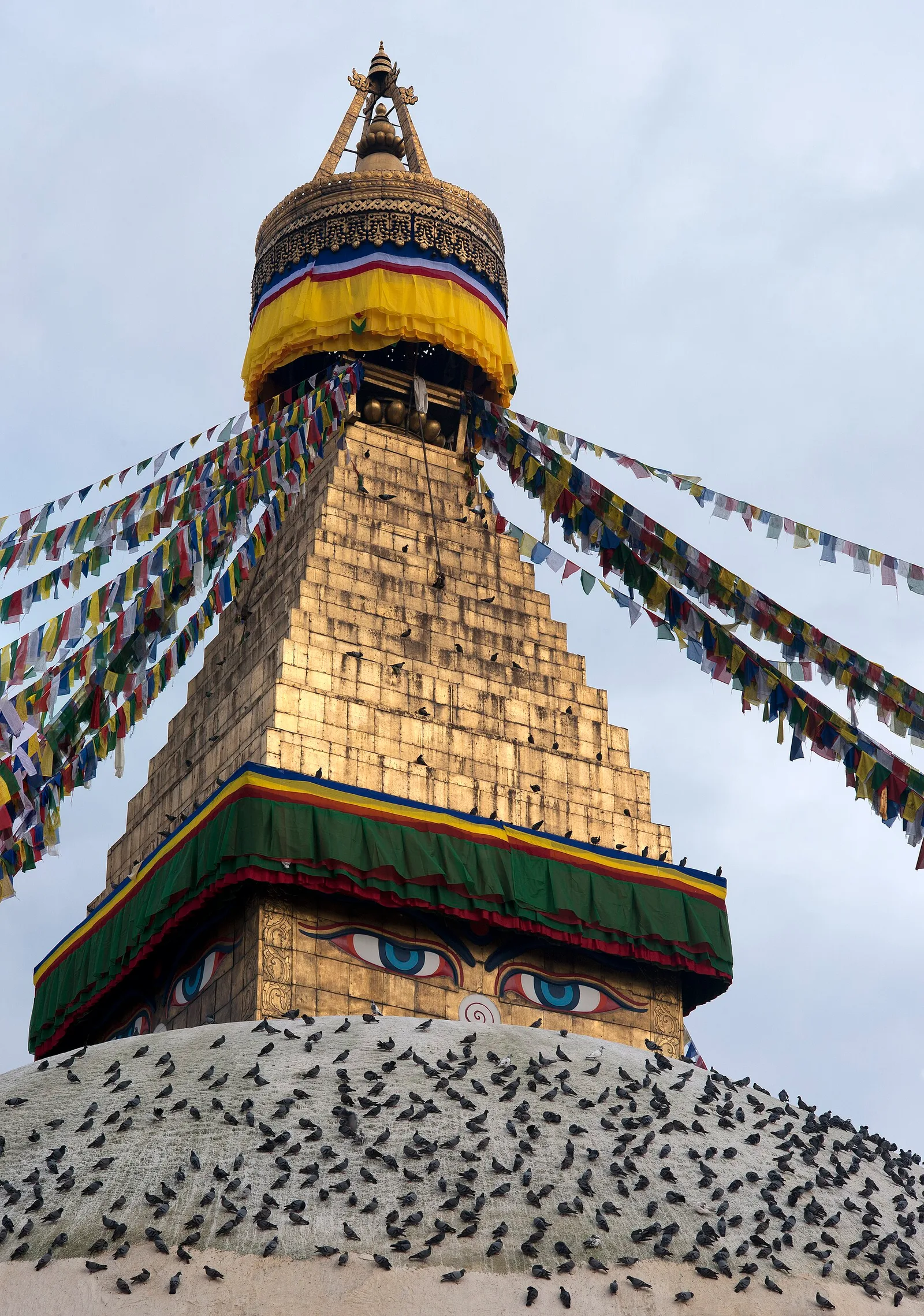
Why Four Pairs of Giant Painted Eyes Watch You From Every Direction in Kathmandu
The all-seeing eyes atop Nepal's Boudhanath Stupa are not decoration — every element, from the nose shaped like a Nepali numeral to the 13 gold tiers above, encodes a specific step toward enlightenment.

Festivals & Events
Every Year in Nepal, Someone Holds Up a Jeweled Vest and Asks: Whose Is This? No One Has Ever Answered.
At the climax of a month-long Kathmandu Valley chariot festival, Nepal's president and its child living goddess watch as an official asks the crowd who owns a priceless vest — and for generations, nobody has stepped forward.
Latest from the desk
Records & People
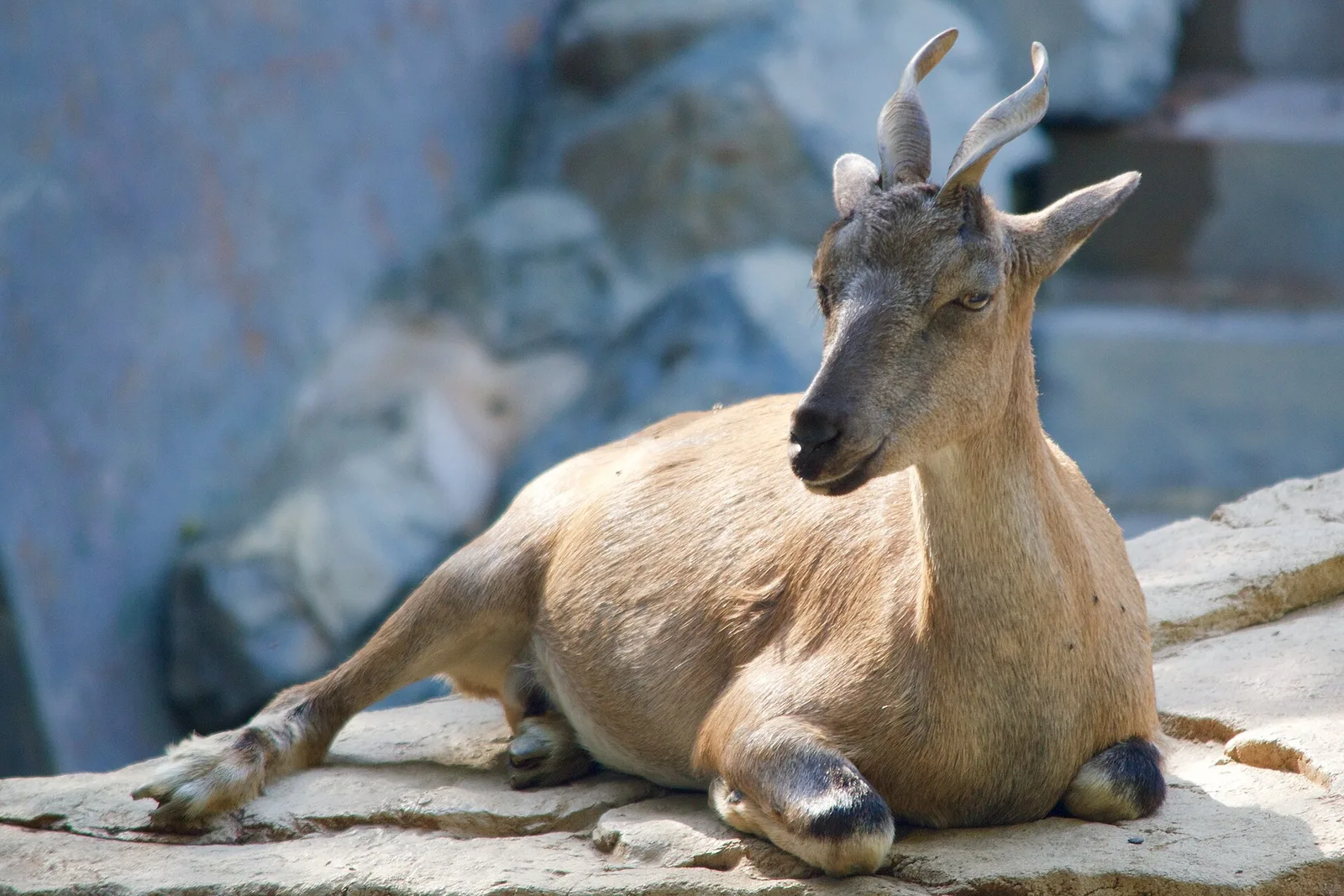
Snow Leopards Vanished From the Everest Region in the 1960s. A DNA Study Just Found 24 Living There Again
Sagarmatha National Park is famous for one mountain — but genetic testing shows the ghost cats that disappeared from its slopes two generations ago have quietly recolonised it.
Breaking · Records & People
Nine Months Buried in the Snow: Nepal Just Recovered Five Climbers Lost on a Peak Almost No Trekker Has Heard Of
Rescuers located the bodies of three foreign climbers and two Nepali nationals on August 8, 2026 — nine months after an avalanche buried Yalung Ri's base camp on the closed Tibet border.
Records & People
Meet the Women Rewriting Nepal's Trekking Industry — and the Four AFL Stars Who Just Joined Their Trail
In 1993, three sisters in Pokhara trained Nepal's first female trekking guides because none existed. More than 2,000 women later, four AFLW athletes just trekked Nepal with an all-female crew as women-only bookings jumped 32% in a year.