
Breaking · Records & People
Nine Months Buried in the Snow: Nepal Just Recovered Five Climbers Lost on a Peak Almost No Trekker Has Heard Of
Rescuers located the bodies of three foreign climbers and two Nepali nationals on August 8, 2026 — nine months after an avalanche buried Yalung Ri's base camp on the closed Tibet border.
At a glance
- Published · updated
- TopicRecords & People
- Verified againstThe Star (Aseanplus News)
- Treks coveredAma Dablam Base Camp Trek — 10 Days, Island Peak Climbing — 18 Days, Mera Peak Climbing — 15 Days
Nine months after an avalanche swept a Himalayan base camp, Nepali search teams have finally found the five climbers the mountain took. On August 8, 2026, a search party hired by a hiking company spotted five bodies at 5,630-metre Yalung Ri, deep in the Rolwaling range along Nepal's closed border with Tibet — nine months after the slide first hit in early November 2025.

Key facts
- Avalanche struck the Yalung Ri base camp, 5,630m / 18,470ft, in Dolakha district, in early November 2025
- Seven climbers died in total: an Italian and a French national died at the camp itself; five more were buried and unaccounted for
- The five recovered on August 8, 2026 were three foreigners — Italian-Canadian, Italian, and German — and two Nepali nationals
- Bad weather has kept rescue helicopters grounded for days, delaying the airlift of the remains to Kathmandu
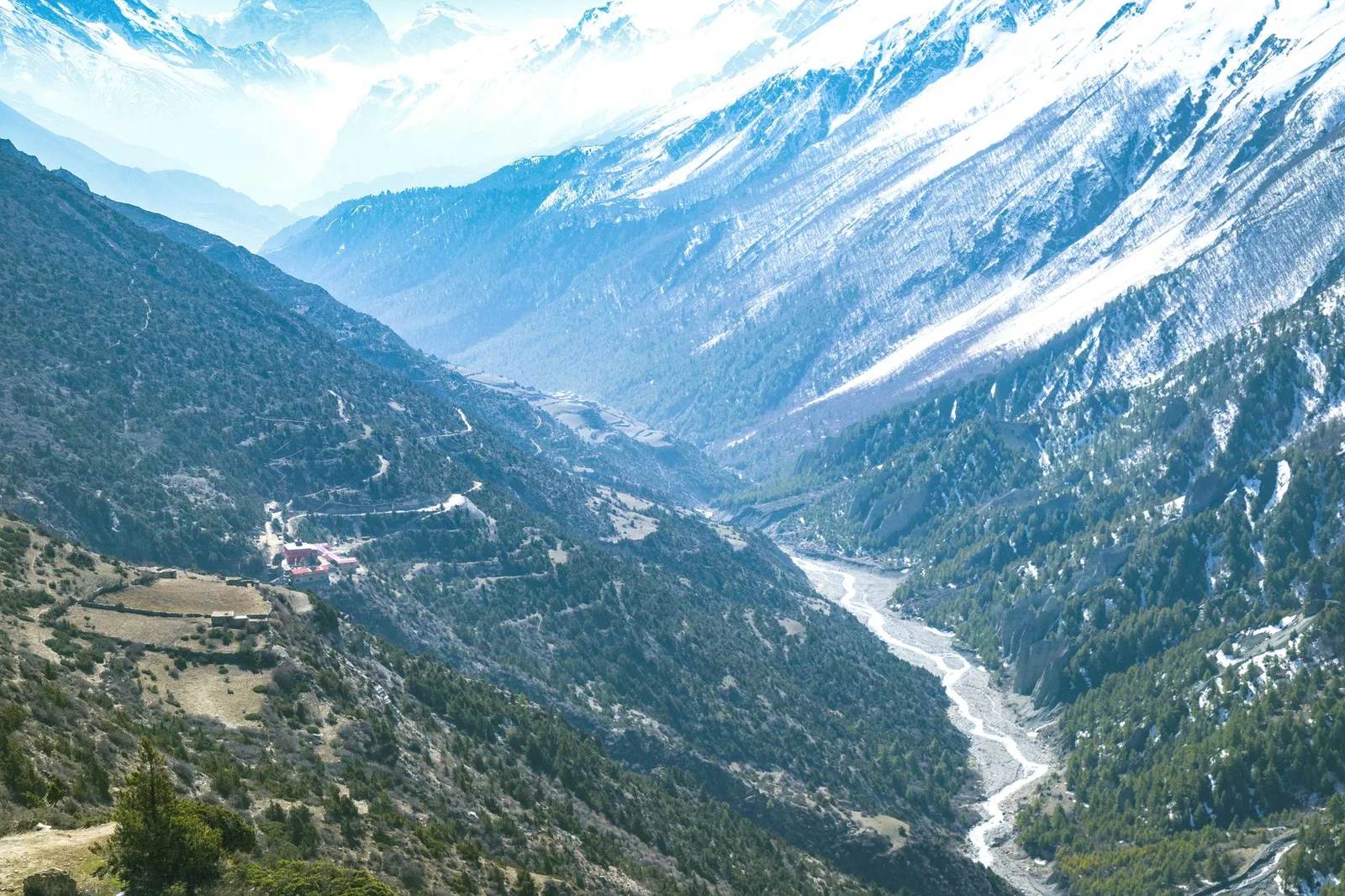
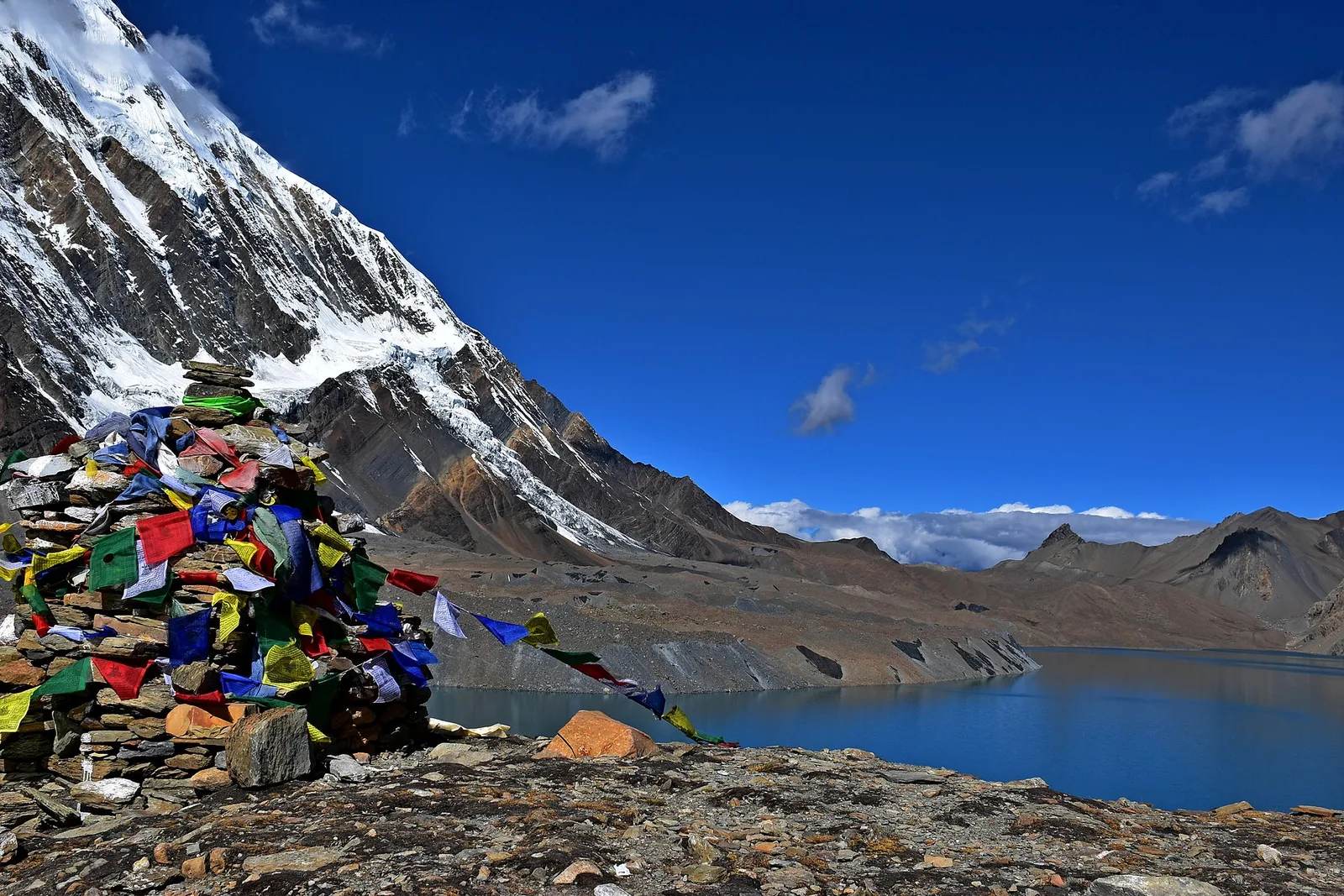
Yalung Ri sits in the Rolwaling valley, a glacier-carved corridor squeezed between the Everest and Langtang regions that almost none of Nepal's foreign visitors — a record 71,775 arrived in July 2026 alone — will ever set foot in. It is not on the Everest Base Camp trail, not on the Annapurna Circuit, not on Manaslu. It is one of dozens of lesser Himalayan summits climbed each autumn by small, often loosely organised expeditions operating far outside the handful of routes where Nepal concentrates its rescue infrastructure.
That last figure matters. According to the Himalayan Database, avalanches account for roughly a third of the roughly 1,000 mountaineering deaths recorded in Nepal since 1950 — more than any other single cause. Yalung Ri's slide fits a grim, familiar pattern: a camp pitched below a loaded slope, a storm cycle, and a wall of snow that gives no warning. What made this case unusual was not the avalanche itself but how long it took to close.
A slide sweeps the Yalung Ri camp at 5,630m; an Italian and a French climber die at the site itself.
Three foreign climbers — Italian-Canadian, Italian, German — and two Nepali nationals are buried and unaccounted for as the initial search runs out of time.
Snow depth, altitude, remoteness and a border-zone location stall any further search for the better part of a year.
A search team hired by a hiking company spots five bodies at the original site, nine months on.
Poor weather keeps army and police helicopters grounded; officials say the remains will be airlifted to Kathmandu once conditions clear.
What this means for trekkers
It is worth being precise about what this story is not. It is not a story about the Everest Base Camp trail, the Annapurna Circuit, or any of the routes that carry the vast majority of Nepal's international trekkers every season. Those trails run through a dense network of lodges, radio contact, helicopter operators on standby, and guides who check weather and avalanche bulletins daily as a matter of routine — which is exactly why a slide near a settled trekking route in Nepal typically triggers a fast, organised response, not a nine-month search.
Yalung Ri was a different kind of undertaking: a technical peak climb, off the standard itinerary, in a valley with a fraction of the infrastructure. That distinction is the one worth carrying into any decision about a Himalayan trip — not whether Nepal's mountains are dangerous in the abstract, but whether the specific route you are on has the guiding, weather judgement and rescue access to match its terrain.
What this means for you
Ask any operator, before you book a peak climb rather than a standard trek, exactly how avalanche risk is assessed on the route and what the actual rescue plan looks like above base camp. On our own guided climbs — Island Peak, Mera Peak, and the approach to Ama Dablam Base Camp — NMA-certified guides check snow and weather conditions daily and will delay or reroute a climb rather than push through a loaded slope. That judgement call, more than any gear list, is what keeps a demanding Himalayan objective from becoming this story.
Source: The Star, August 9, 2026.
Cover photo: Ashok J Kshetri via Pexels (Pexels License). Section photos: Daniel Reche via Pexels (Pexels licence).
Still running this season
Ama Dablam Base Camp Trek — 10 Days is running normally
NMA-certified local guides, transparent pricing, 5,000+ treks since 1998. Message us your dates and we'll sort the permits, lodges and logistics — reply within 24 hours, no obligation.
Popular Nepal treks
All treks →
Related coverage
Records & People
Nobody stood on top of K2 this summer. Here is what stopped the whole mountain
Forty-one people summited K2 in 2025. In 2026, nobody did. Heavy July snow, a hot August and the fewest permits in two decades, and what it tells climbers.
Breaking Safety & Advisories
Two Climbers Died When an Avalanche Buried Their Tent at Manaslu Camp III, and It Is the Fourth Death This Autumn
An Indian-born German climber and his Nepali Sherpa guide were found under about seven feet of snow on 20 September, in a season with record permits.
Records & People
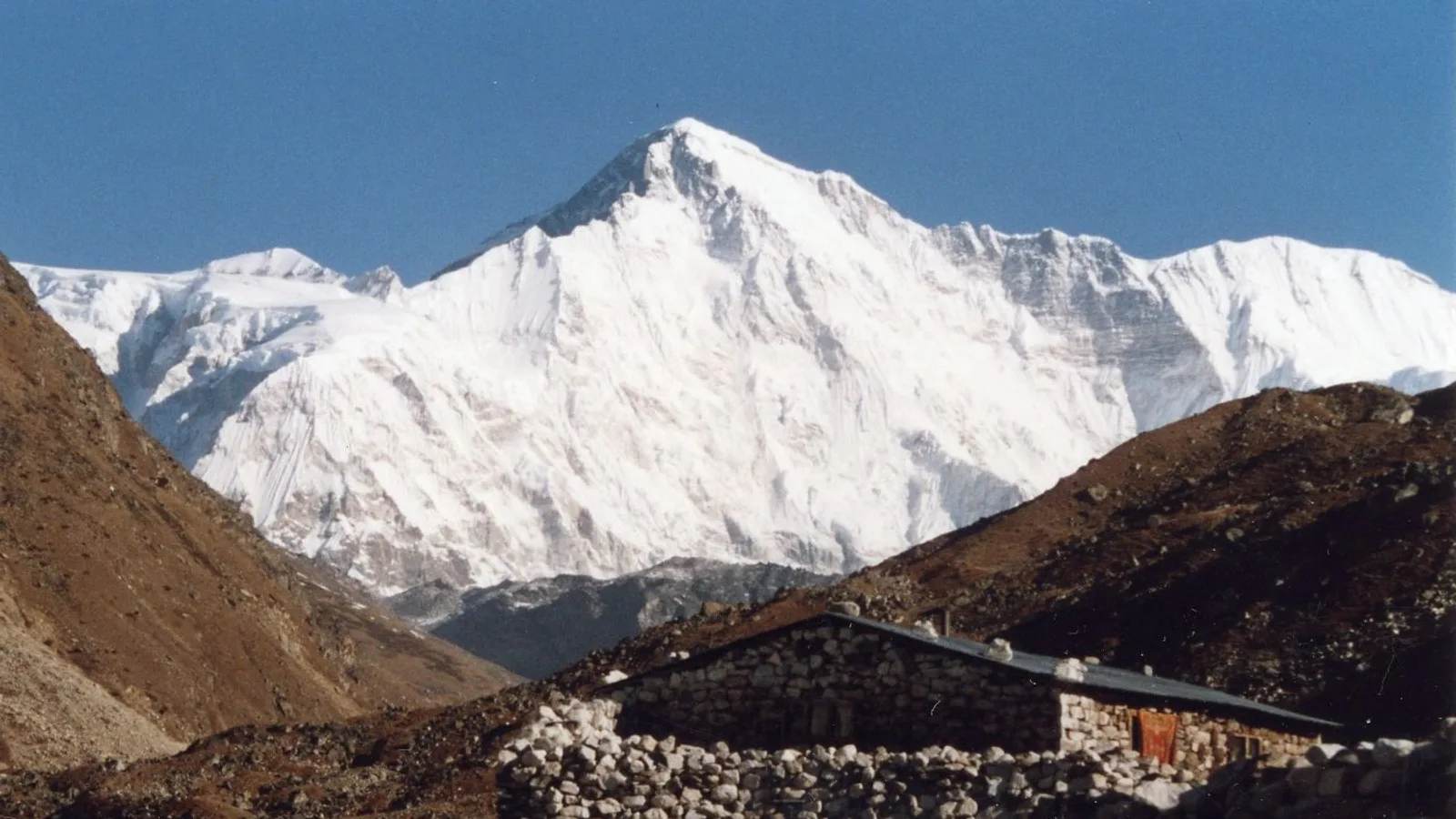
Cho Oyu and Shishapangma are closed again this autumn and every 14-peak climber is funnelled into Nepal
The China-Tibet Mountaineering Association has kept Cho Oyu and Shishapangma shut to foreign teams for autumn 2026, and Manaslu absorbs the whole overflow.
Safety & Advisories
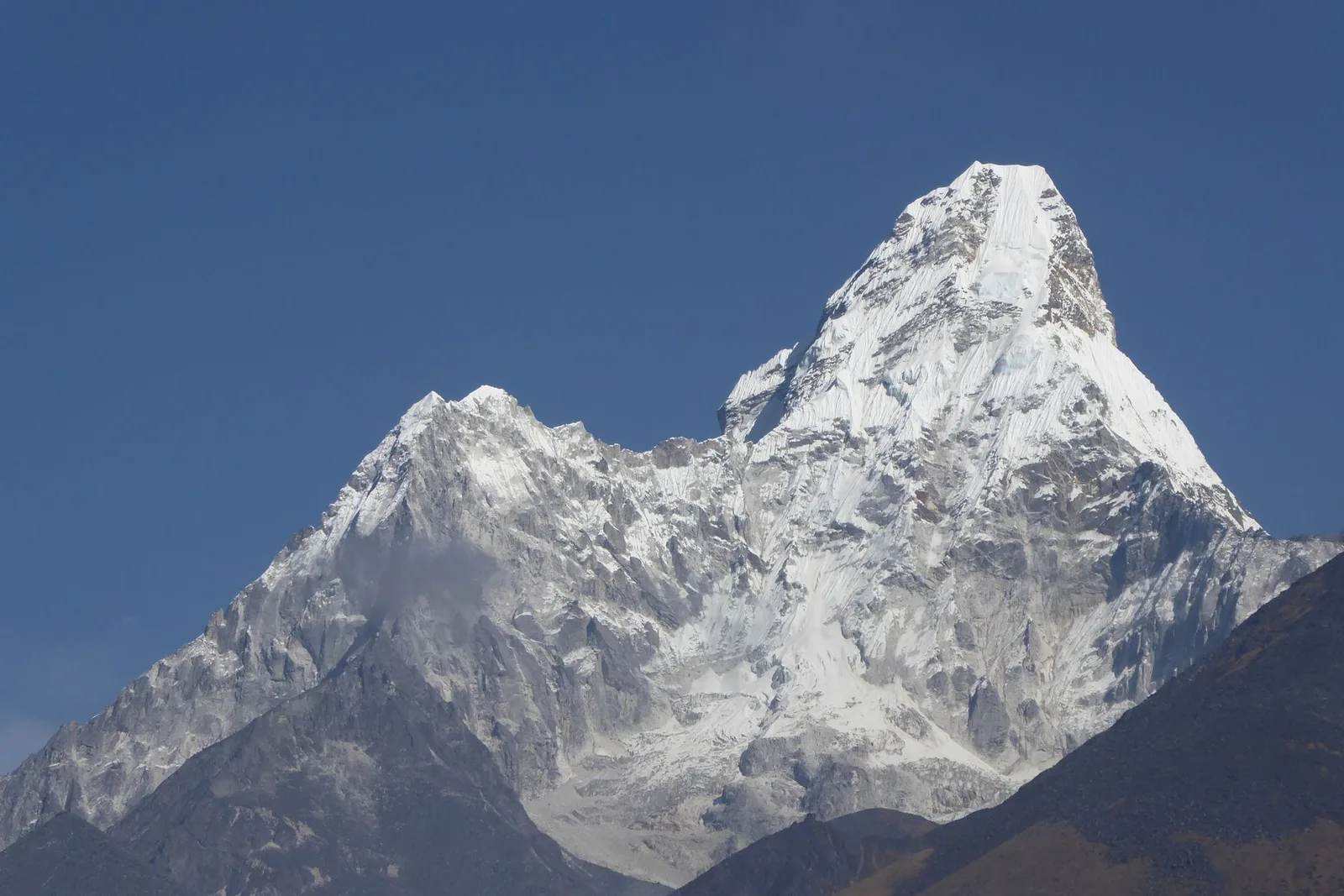
Is the Ama Dablam Base Camp Trek Affected by the 2026 Nepal Floods?
No — the Ama Dablam Base Camp trek in the Khumbu is running normally. The 26 August flood hit Rasuwa in the north, not the Everest region. Here is why Lukla flights and the Pangboche trail are unaffected.
Latest from the desk
Breaking Flights & Access
LAX Got Grounded by Thunderstorms Again, and Here's the One Thing No Government Makes an Airline Pay You For
LAX got grounded by thunderstorms again. Here's what US, UK, EU, Canadian and Australian rules actually require when weather delays your flight.
Breaking Money & Insurance
A Two-and-a-Half-Hour Flight in Outback Queensland Now Costs Almost as Much as Flying to Singapore
A Brisbane-Longreach return booked five days out cost $1,386, just $450 less than a last-minute Singapore fare. Here's why, and what isn't being fixed.
Breaking World Destinations
A British Climber Died 20 Metres From the Top of Spain’s Highest Peak in the Picos de Europa, and the Route Doesn’t Even Need Ropes
He fell about 60 metres descending Torrecerredo on Thursday, on ground climbers don’t rope up for — proof an ‘easy’ mountain can still kill you.