
Breaking · Money & Insurance
A Two-and-a-Half-Hour Flight in Outback Queensland Now Costs Almost as Much as Flying to Singapore
A Brisbane-Longreach return booked five days out cost $1,386, just $450 less than a last-minute Singapore fare. Here's why, and what isn't being fixed.
At a glance
- Published
- TopicMoney & Insurance
- Verified againstABC News Australia
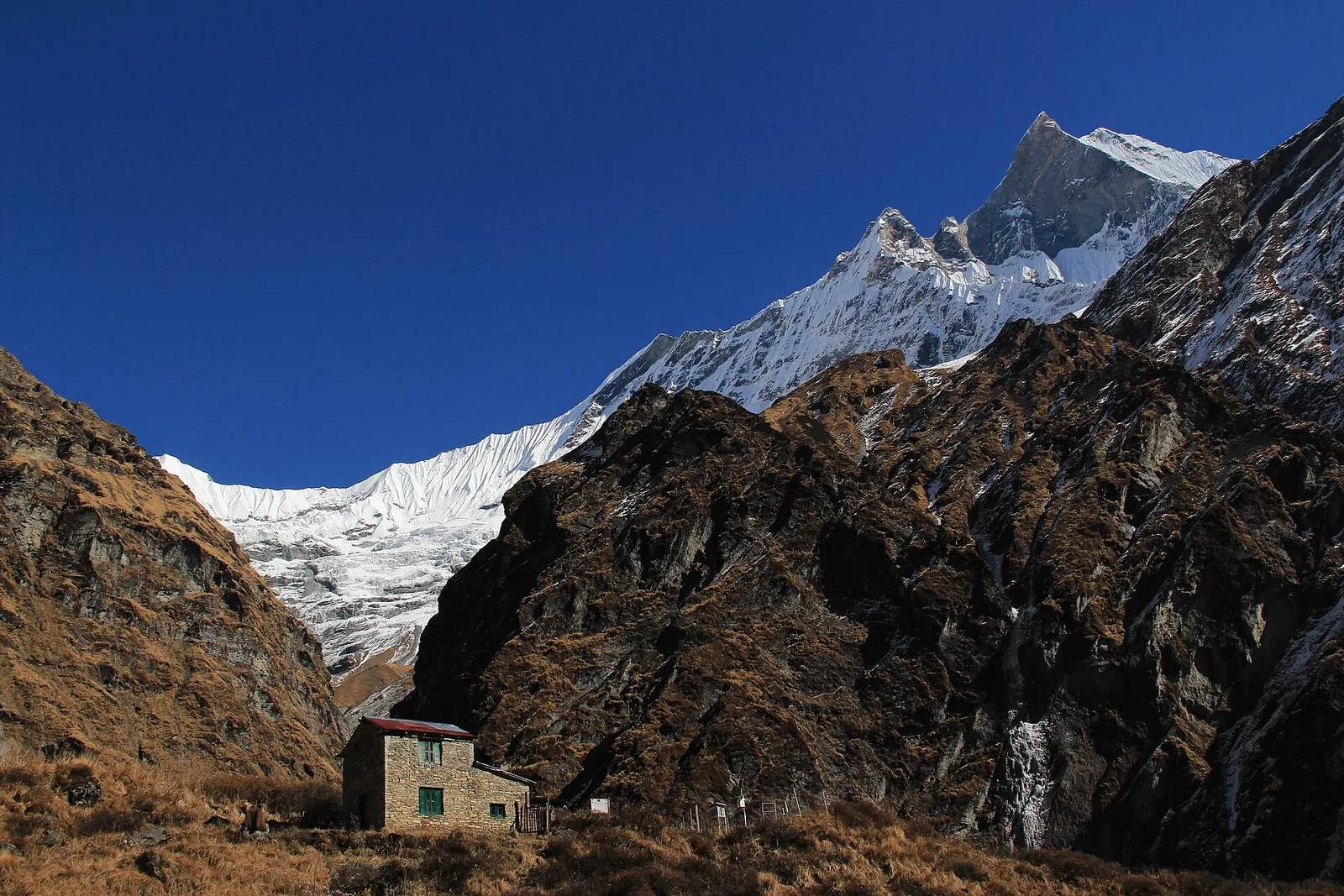
- Treks coveredAnnapurna Base Camp Trek — 9 Days, Everest Base Camp Trek — 14 Days
A return economy flight from Brisbane to Longreach, a two-and-a-half-hour hop within Queensland, is now costing some travellers $1,386 even when booked five days ahead — almost the same as a last-minute Qantas fare to Auckland, and only $450 less than a last-minute budget fare all the way to Singapore. Customers say Qantas isn't being fair dinkum about the price, and the government review that was meant to look at it has just been pushed back a year.
Key facts
- Brisbane-Longreach return, booked 5 days out: $1,386 — comparable to a last-minute Qantas fare to Auckland
- Only $450 less than a last-minute budget fare to Singapore, a flight roughly four times as long
- Qantas is the sole carrier on the Longreach-Brisbane route
- Only 7 of 40+ regional Queensland routes, covering 23 towns, get state government fare subsidies
- A review into regional air service contracts due in November has been delayed by a full year
What one outback route is actually costing flyers
The fare that triggered the latest round of complaints is a Brisbane-Longreach return booked five days in advance for $1,386, reported by the ABC on Thursday. That is more than most travellers pay per hour of flight time to cross an ocean. One customer pointed out the number sat almost level with a last-minute QantasLink fare to Auckland, New Zealand, and only about $450 above a last-minute budget-airline fare to Singapore, a journey several times the distance.
Why the fare is this high
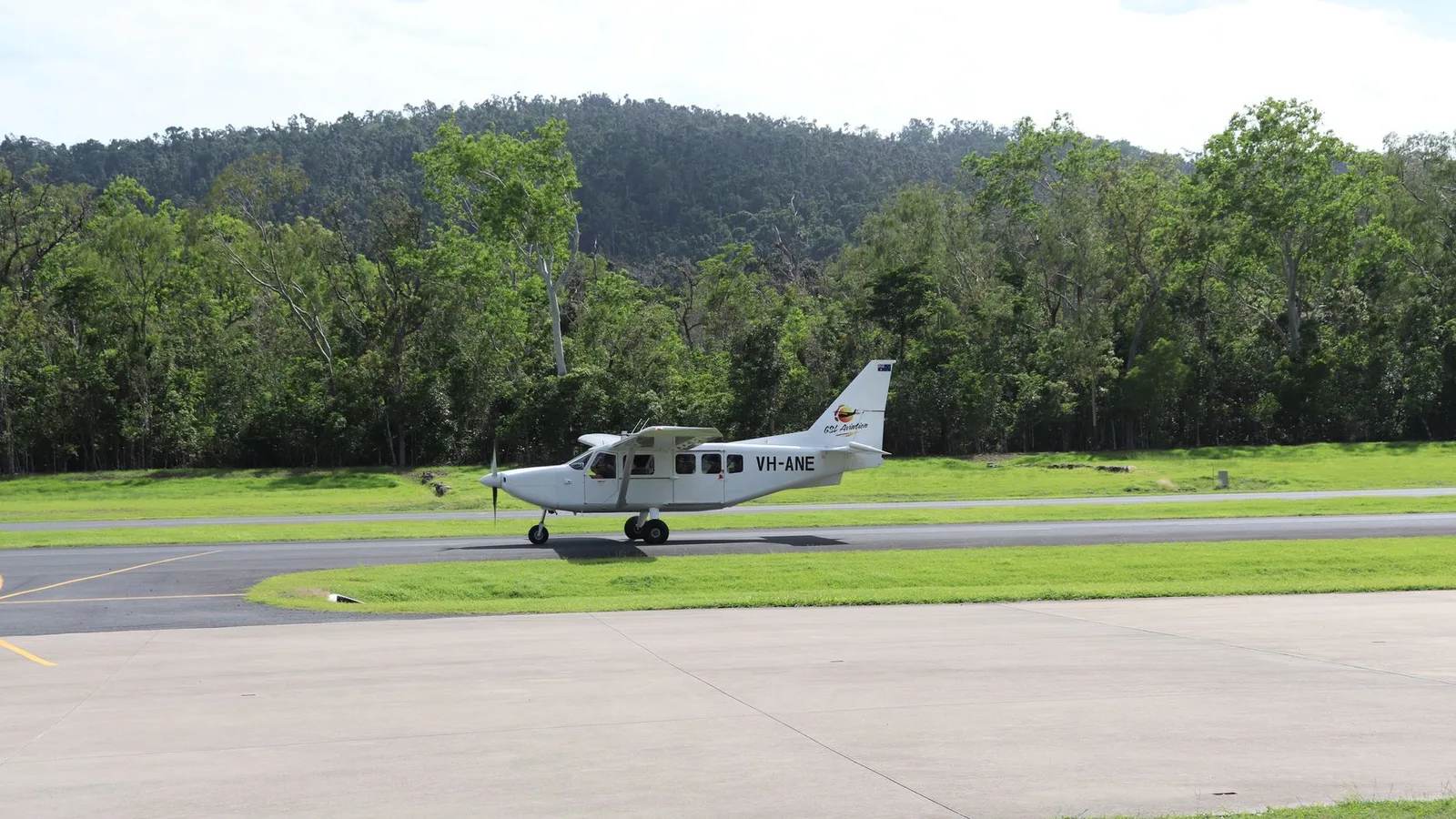
Qantas is the only airline flying the Longreach-Brisbane route, and that matters because Queensland's regional network isn't uniformly regulated. QantasLink and Rex operate under government-contracted, fare-capped agreements on some regional Queensland routes, but only seven of the state's more than 40 regional routes, serving 23 towns between them, actually carry a fare subsidy. Longreach-Brisbane sits outside that protected group, which leaves Qantas free to set the price the market will bear on a route where outback residents often have no practical alternative to flying.

| Route | Flight time | Fare |
|---|---|---|
| Brisbane – Longreach return (5 days' notice) | ~2.5 hrs each way | $1,386 |
| Brisbane – Auckland, last-minute QantasLink fare | ~3 hrs one way | ≈ same price |
| Brisbane – Singapore, last-minute budget fare | ~8 hrs one way | ≈ $450 less |
What the government promised, and why it's been delayed a year
A review into the contracts covering regional Queensland's air carriers was due to report in November this year. It has now been pushed back a full year, with no new findings expected until November 2027. Passengers and some regional advocates are calling on the state and federal governments to expand the subsidy scheme beyond its current seven routes, or at minimum force Qantas to publish how a fare on an unprotected route like Longreach is actually calculated. Neither has happened yet, and won't be examined again for another twelve months at the earliest.
What this means if you're planning a trip through regional Australia
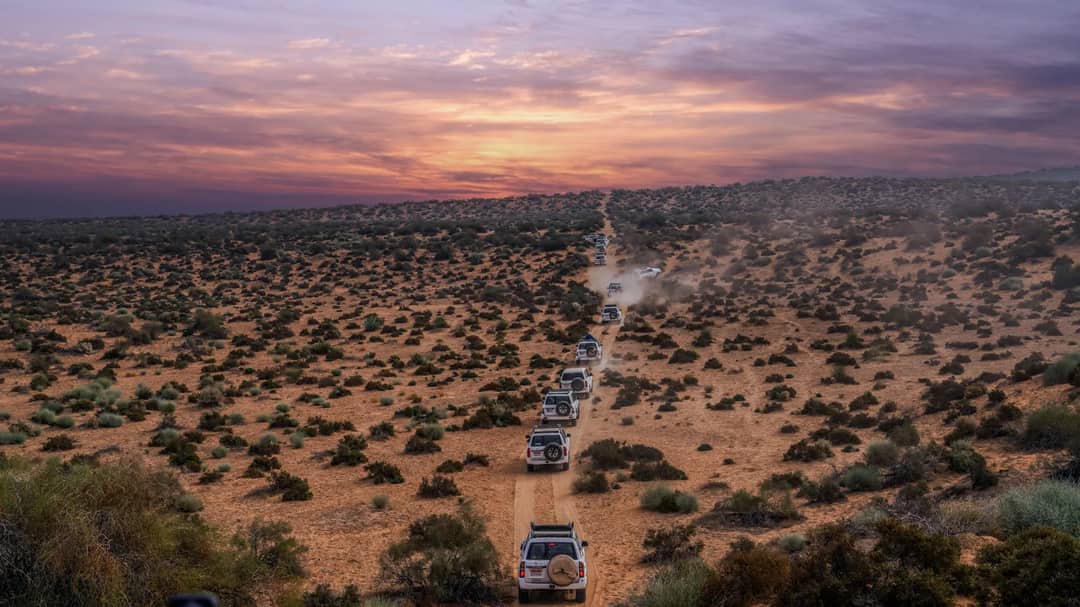
If your route isn't one of the seven subsidised ones, book as far ahead as the trip allows — the complaint here is about a fare booked only five days out, and outback routes with a single operator rarely get cheaper closer to departure. Weigh the fare against connecting through a regional hub or hiring a car for the final leg; on a monopoly route, the airline has no competitive pressure to keep the walk-up price down. And if you're choosing between a short domestic hop and a longer international trip for a similar price, you're not imagining the gap — the numbers above are real.
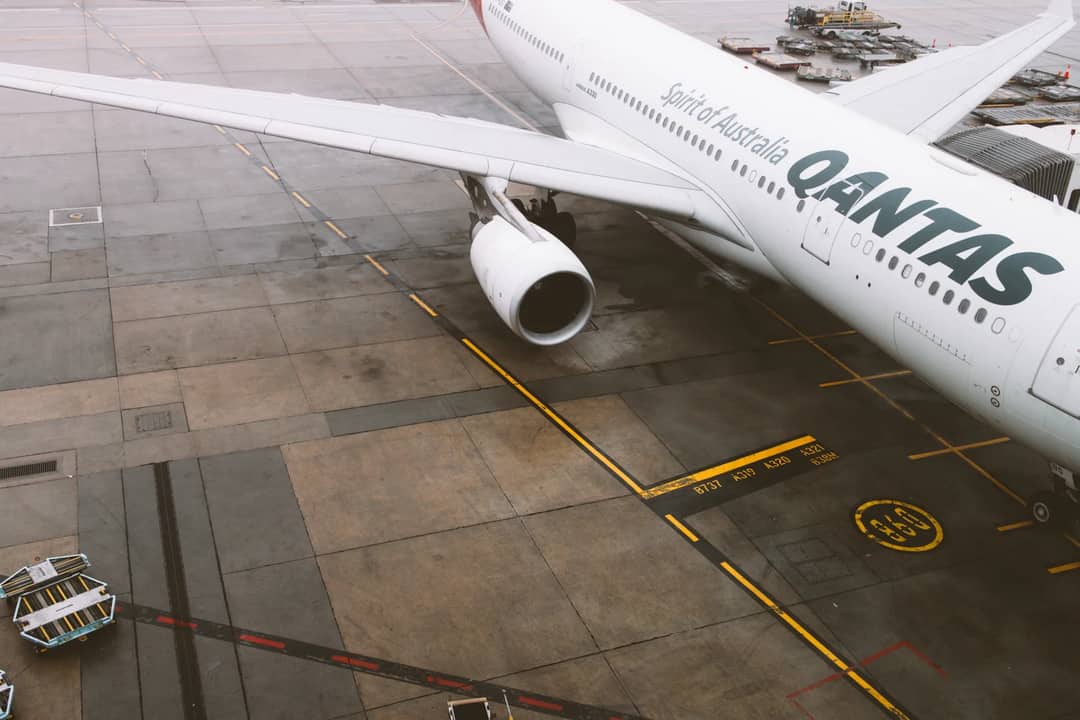
What this means for you
A two-and-a-half-hour flight inside your own state costing almost what it takes to reach another country isn't a one-off — it's what happens when a single airline holds a route with no fare cap and no real competitor. Until the delayed review reports back, the honest advice is to book early, compare the price against what else that money buys, and don't assume domestic means cheap.
When the maths favours the longer trip
We hear a version of this from Australian trekkers every season: once a short domestic flight starts costing close to what a long-haul fare does, some travellers stop comparing distance and start comparing what the trip actually delivers. A Brisbane-Longreach return buys two and a half hours each way over red dirt; similar money gets a long-haul flight most of the way to a country where an entire trek, permits included, can run for a fraction of a second domestic booking. It's not a criticism of outback Queensland — it's the same arithmetic that sends a growing number of Australians looking at Everest Base Camp or Annapurna instead.
Is Longreach the only overpriced outback route in Queensland?
It's the one drawing complaints this week, but it's not unique — of Queensland's 40-plus regional routes, only seven carry a government fare subsidy, so the other 30-plus are priced however the operator running them decides.
Can the government force Qantas to lower the fare?
Not directly under current arrangements. Fare caps only apply on the seven subsidised routes; on the rest, including Longreach-Brisbane, Qantas sets its own price. The delayed review was the mechanism that might have changed that, and it won't report until November 2027.
Does booking further ahead actually help on these routes?
Sometimes, but not reliably — the complaint that triggered this story was about a fare booked five days out, which is earlier than most leisure travellers book. On a single-operator route, there's no guarantee an earlier booking beats a later one the way it usually does on competitive routes.
Cover photo: Alexandra May via Pexels (Pexels License). Section photos: Troy Tumbin via Pexels (Pexels licence); Damien Leyden via Pexels (Pexels licence); Anna Shvets via Pexels (Pexels licence); Tauseef Kazmi via Pexels (Pexels licence); Josh Withers via Pexels (Pexels licence).
Still running this season
Annapurna Base Camp Trek — 9 Days is running normally
NMA-certified local guides, transparent pricing, 5,000+ treks since 1998. Message us your dates and we'll sort the permits, lodges and logistics — reply within 24 hours, no obligation.
Popular Nepal treks
All treks →
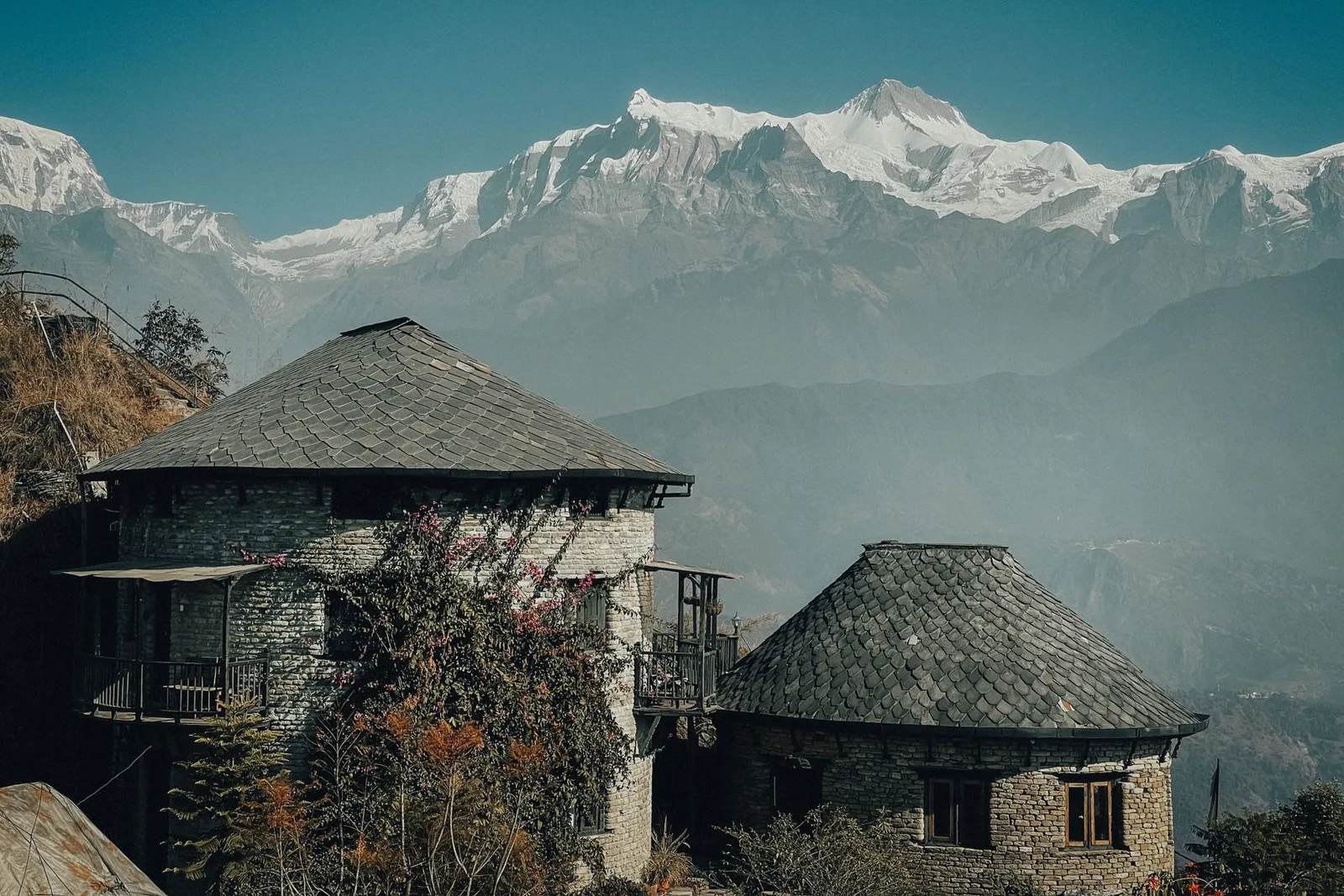
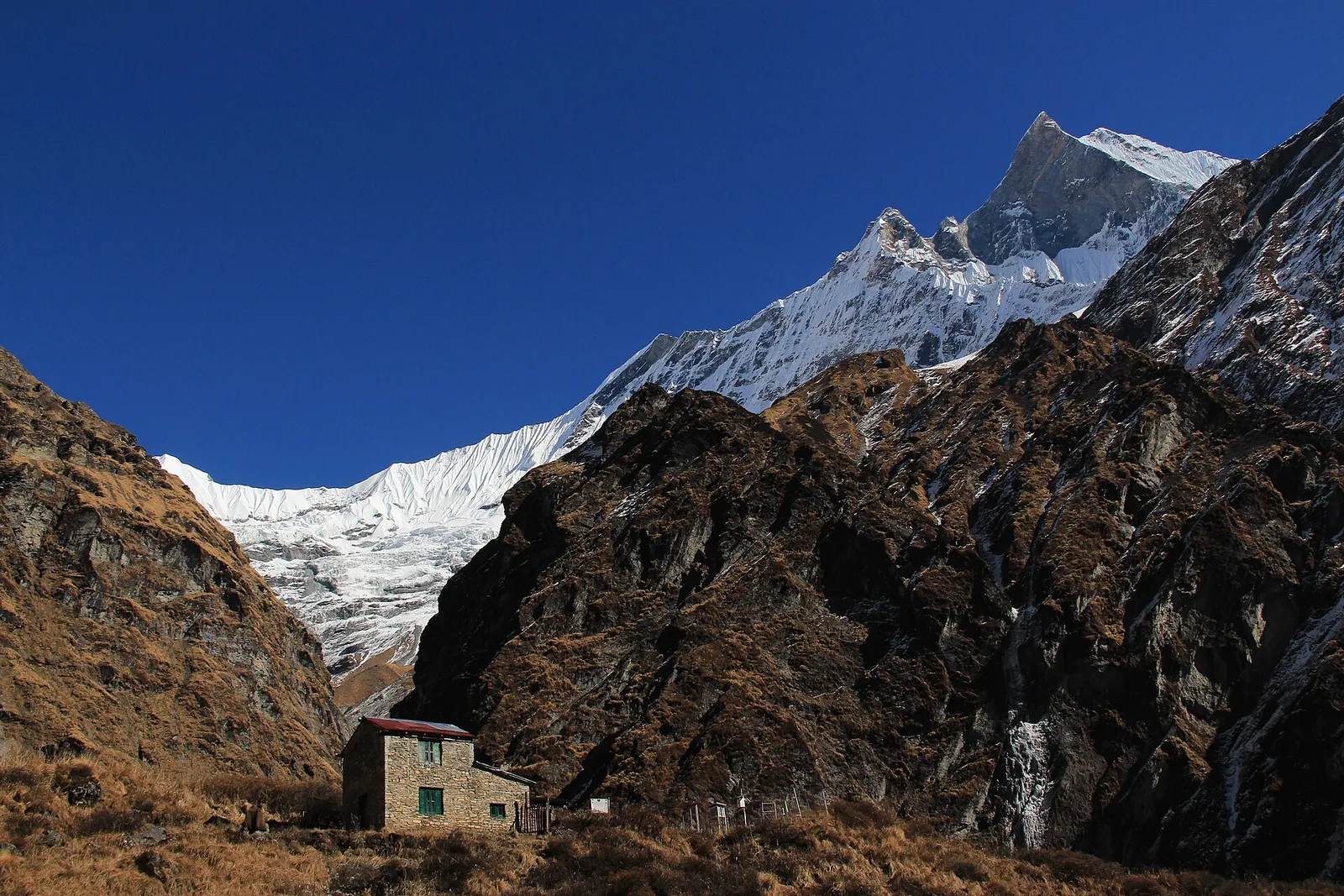
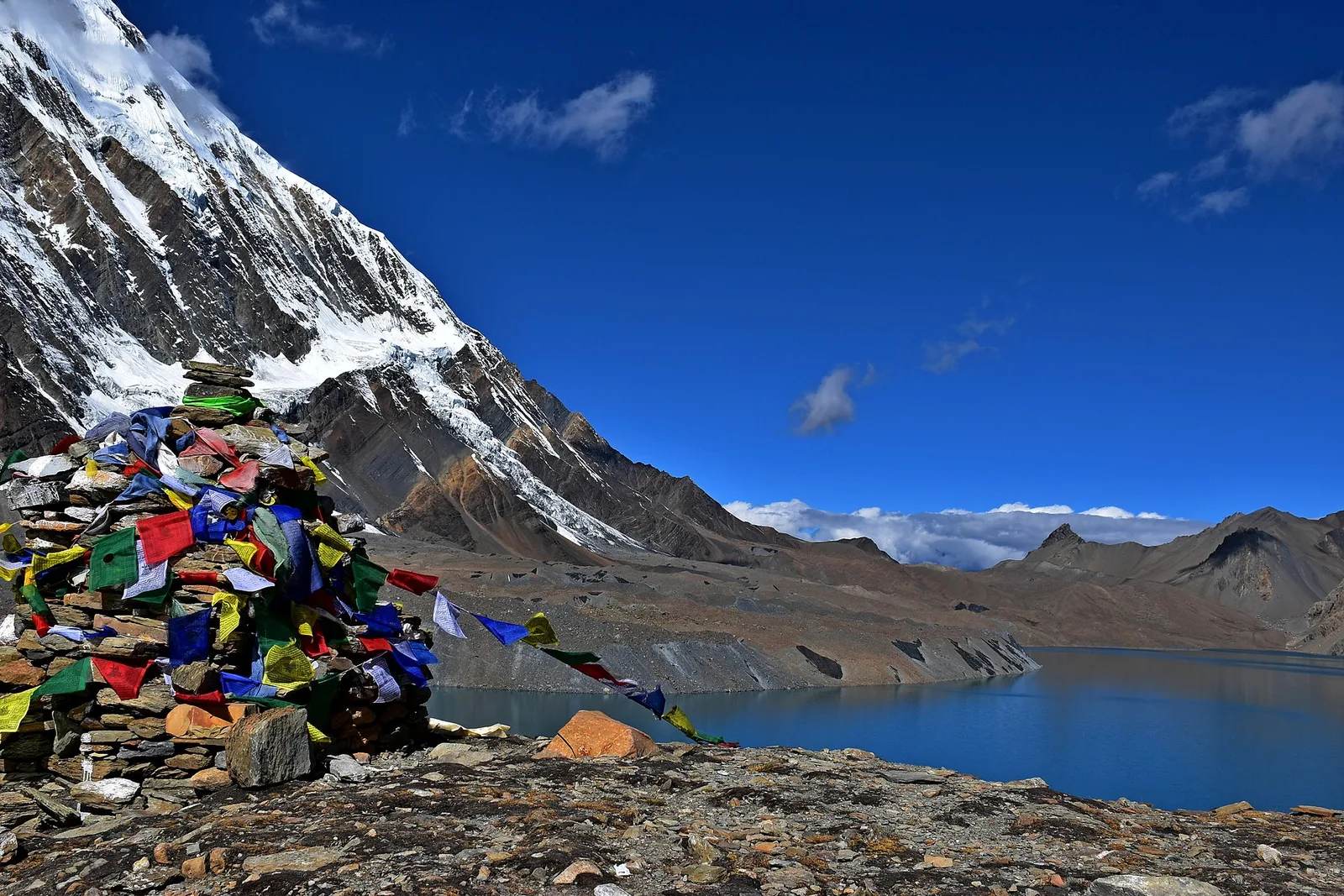
Related coverage
Breaking Flights & Access
Britain's Flight Control System Just Failed Twice in 13 Days, Here's What That Actually Means If You're Flying This Autumn
A Prestwick network fault cut UK airspace capacity 60% on 21 September, thirteen days after a software defect grounded 2,000+ flights nationwide.
Flights & Access
Italy's controllers strike on 30 September and two windows protect your flight
A four-hour national ENAV stoppage from 13:00, plus Linate, Naples, Bologna, Bari and Rome. Which flights are protected, and what the airline owes you.
Breaking Safety & Advisories
A Lake District Walker Was Rescued for Free After Nearly 13 Hours on the Fell, Here’s What the Same Call-Out Costs You in Nepal
Mountain rescue saved a Lake District walker for free after nearly 13 hours. In Nepal the same call-out can cost $3,000-$10,000 without insurance.
Breaking Flights & Access
Sydney Airport Security Staff Are Striking Twice on Thursday, Here’s What It Means for Your Flight
Certis security staff strike 7.30–9.30am and 6–8pm on Thursday, and Qantas Ground Services adds a 24-hour stoppage. Here’s who’s actually affected.
Latest from the desk
Breaking Flights & Access
LAX Got Grounded by Thunderstorms Again, and Here's the One Thing No Government Makes an Airline Pay You For
LAX got grounded by thunderstorms again. Here's what US, UK, EU, Canadian and Australian rules actually require when weather delays your flight.
Breaking World Destinations
A British Climber Died 20 Metres From the Top of Spain’s Highest Peak in the Picos de Europa, and the Route Doesn’t Even Need Ropes
He fell about 60 metres descending Torrecerredo on Thursday, on ground climbers don’t rope up for — proof an ‘easy’ mountain can still kill you.
Money & Insurance
One in Seven Australians Fly Overseas With Zero Travel Insurance, and Vietnam’s Storm Season Just Made This the Worst Week to Try It
One in seven Australians flew overseas with zero cover last trip, and Vietnam’s storm season just gave that gamble its worst possible timing.