Breaking · Safety & Advisories
A Lake District Walker Was Rescued for Free After Nearly 13 Hours on the Fell, Here’s What the Same Call-Out Costs You in Nepal
Mountain rescue saved a Lake District walker for free after nearly 13 hours. In Nepal the same call-out can cost $3,000-$10,000 without insurance.
At a glance
- Published
- TopicSafety & Advisories
- Verified againstWhitehaven News
- Treks coveredEverest Base Camp Trek — 14 Days
A 43-year-old walker who strayed off Lord’s Rake above Wasdale on Tuesday night was brought off the fell alive after a rescue that ran nearly 13 hours and involved three volunteer teams — and it cost him nothing. In Nepal, the same kind of night-time, high-altitude helicopter rescue routinely costs a trekker $3,000 to $10,000 out of pocket if they don’t hold the right insurance. The gap between free and five figures is entirely about who is paying, not how the rescue is run.
Key facts
- The Lord’s Rake rescue began at 8:49pm Tuesday and ended at 9:38am Wednesday — nearly 13 hours
- Three volunteer teams — Wasdale, Duddon and Furness, and Cockermouth — plus a coastguard helicopter were involved
- UK mountain rescue is free to the casualty, run by charities and funded by public donations
- A comparable helicopter evacuation from a Nepal trek can cost $3,000–$10,000+ without the right insurance
What Happened on Lord’s Rake This Week
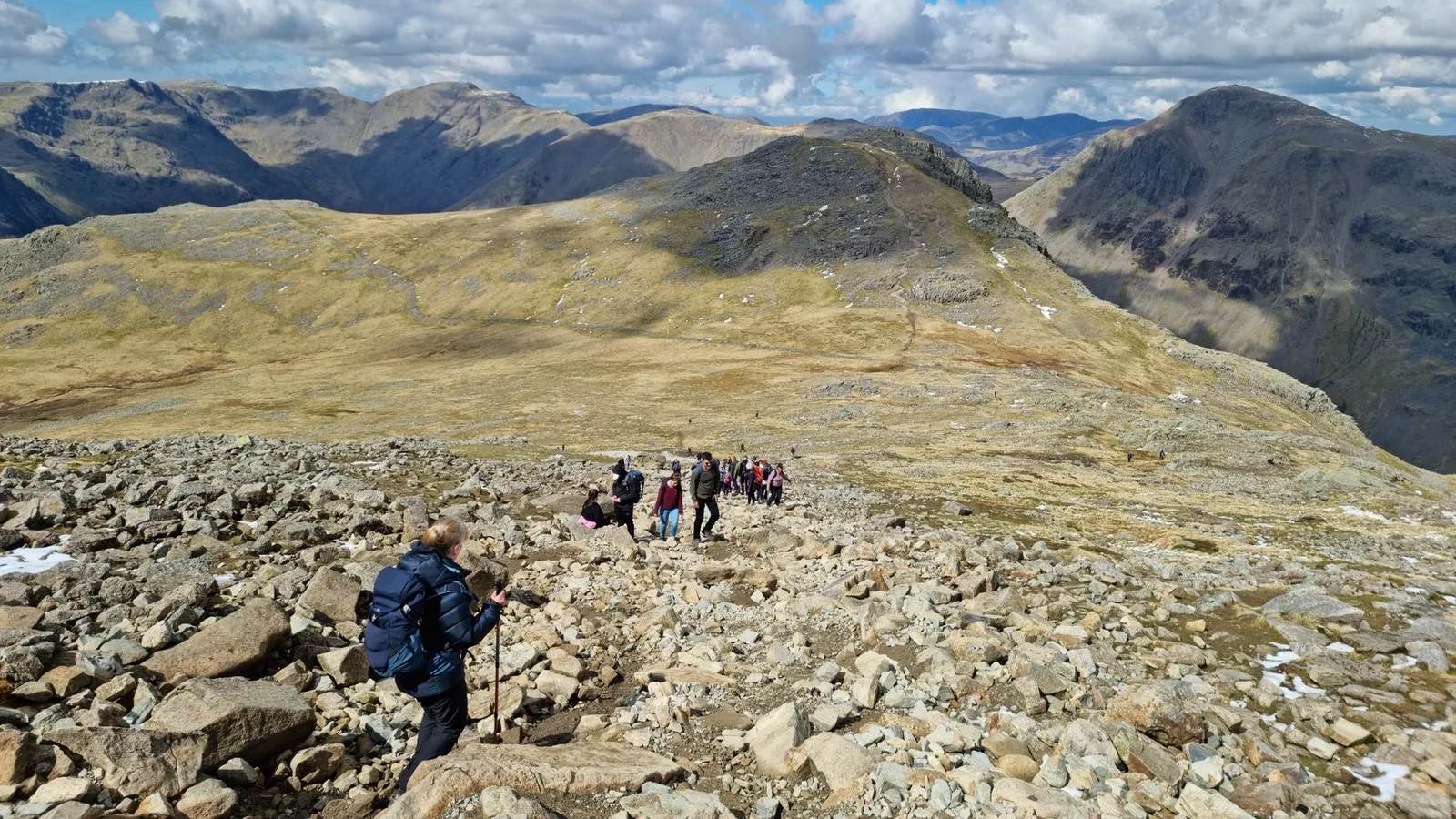
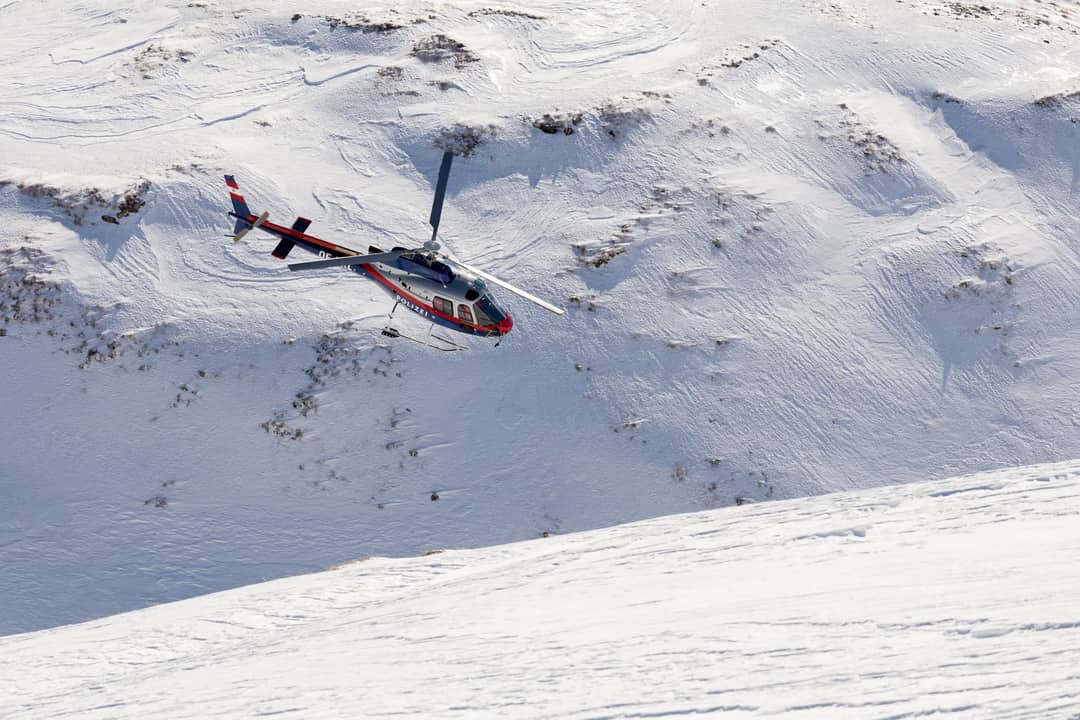
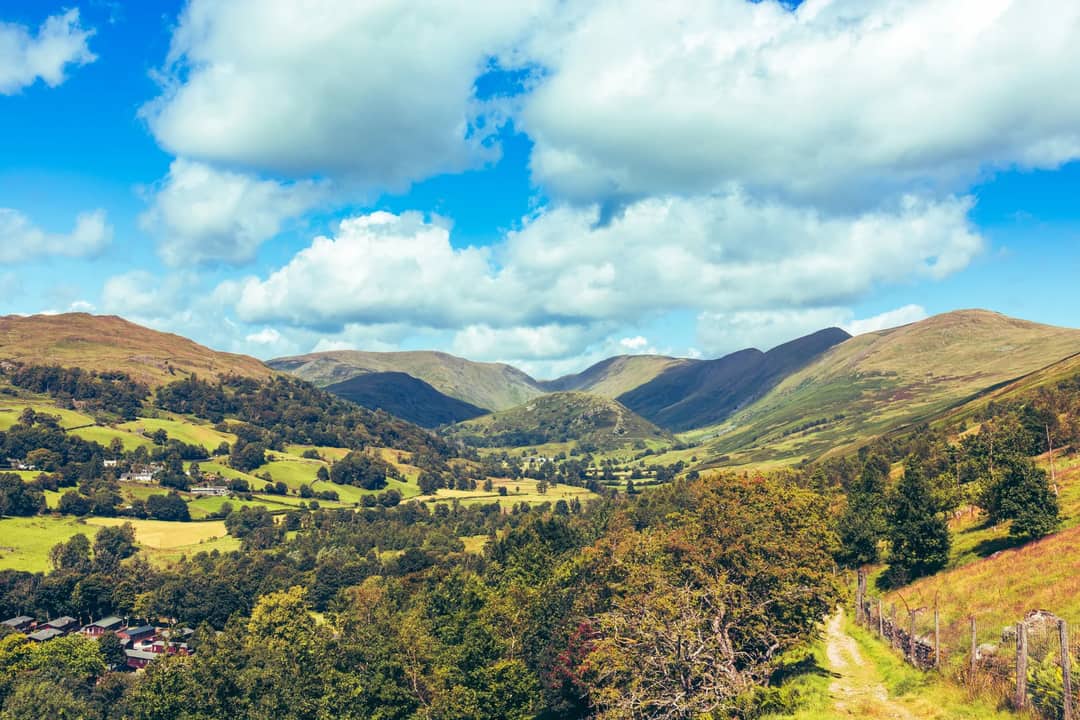
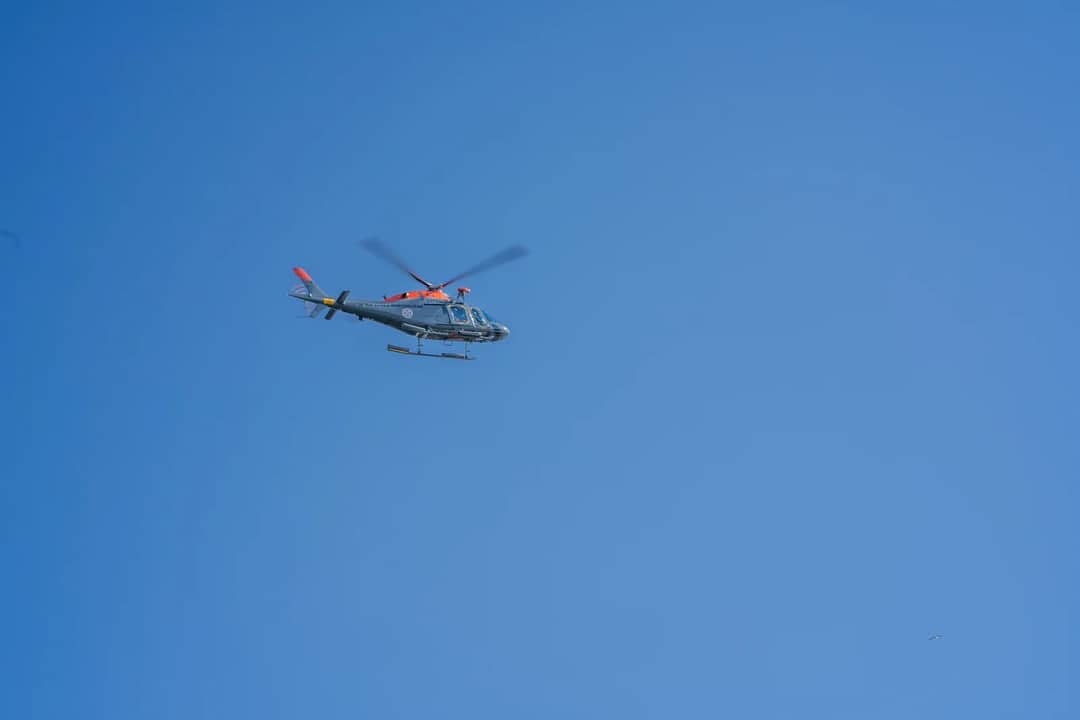
A member of the public heard shouting in the dark above Red Ghyll on the Lord’s Rake route below Scafell just before 9pm on Tuesday and called Cumbria Police. A 43-year-old man had strayed off the path and fallen around 150 metres down the fell, injuring his head, arms, back and legs. Low cloud kept the coastguard helicopter, callsign Rescue 897, from landing, but its crew located him from the air and fed his exact position to the ground teams. Nineteen Wasdale Mountain Rescue Team volunteers, backed by Duddon and Furness Mountain Rescue Team and — called in for extra hands as conditions on the fell turned brutal and the operation ran past 2:40am — Cockermouth Mountain Rescue Team, worked by torchlight in worsening weather to reach him, stabilise him and lower him down the mountain. He was handed to the ambulance service at 9:38 the next morning.
Why UK Mountain Rescue Costs the Walker Nothing
Every one of the roughly 4,000 call-outs Mountain Rescue England and Wales teams answered in 2025 was worked by unpaid volunteers and billed to nobody. The teams are independent registered charities, funded by public donations, that get tasked by the police and never invoice the person they carry down. It is one of the last genuinely free emergency services in Britain, and it is easy to assume every mountain rescue works the same way. It doesn’t.
What the Same Rescue Would Cost in Nepal
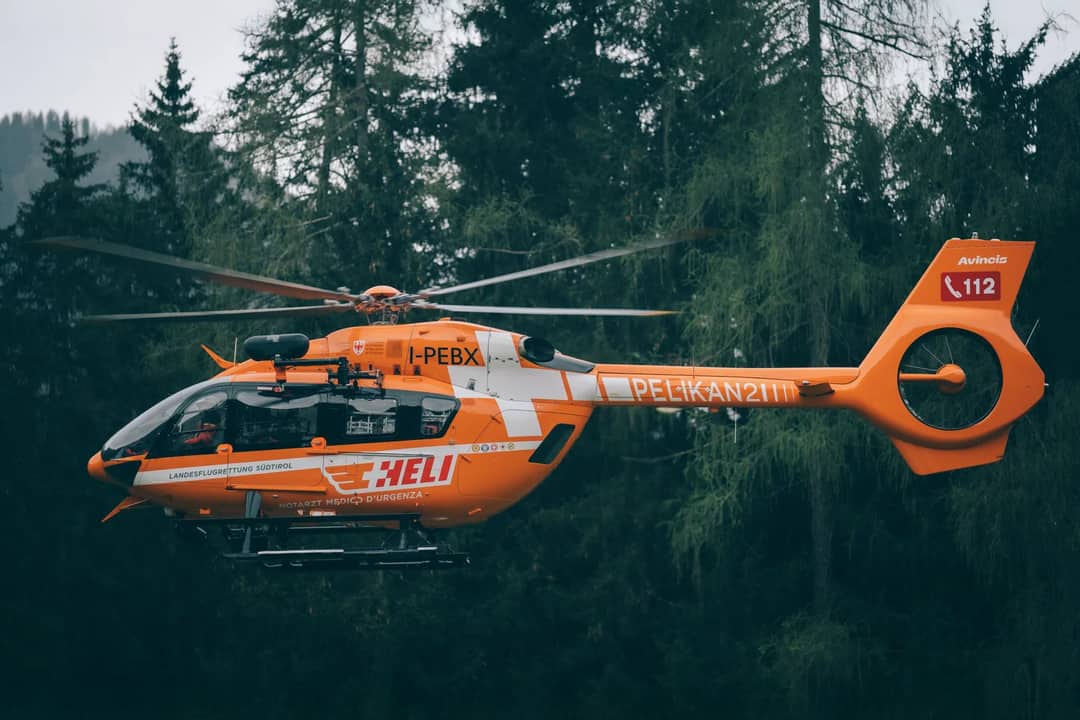
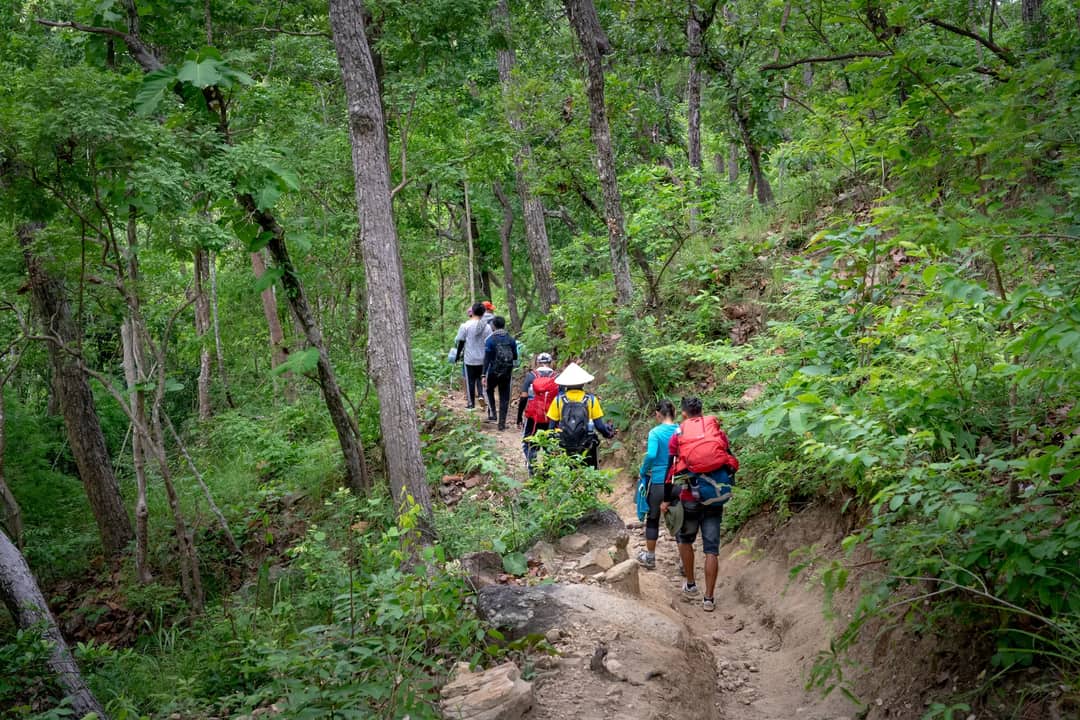
Take a trekker injured on a similarly remote, high, weather-affected trail above Everest Base Camp or on the Annapurna Circuit, and the sequence looks almost identical — a call goes out, a helicopter flies toward bad weather, a crew works to reach someone who cannot walk out. What is different is the invoice. Nepal’s mountain rescue is largely commercial: a private helicopter company flies the mission and bills for it directly, typically $3,000 to $10,000 depending on distance, altitude and time of day, and that figure can pass $15,000 once hospital care and repatriation are added. Unlike a UK charity call-out, nobody flies for free — and Nepal’s rescue industry has had real insurance-fraud scandals in the past, which is part of why national park checkpoints now check that a trekker actually holds a valid policy before starting a restricted-area trek.
| Where | Who flies it | Cost to the casualty |
|---|---|---|
| UK — Lake District, Snowdonia, Scotland | Volunteer charity teams + coastguard | £0 |
| Nepal — Everest, Annapurna, Manaslu | Private helicopter operators | $3,000–$10,000+ |
What Insurance Actually Needs to Cover for a Nepal Trek
A policy bought for a UK hillwalking weekend is very unlikely to cover what a Nepal trek needs. The cover has to explicitly name high-altitude trekking, state a ceiling of at least 6,000 metres so it doesn’t quietly exclude the terrain you are actually walking on, and treat altitude sickness as a covered illness rather than a grey area — it is one of the most common reasons a trekker gets evacuated above 4,000 metres in the first place. Since March 2026, proof of a valid policy has been required to get the permits for Manaslu, Upper Mustang, Tsum and Nar Phu, and checkpoints do check it.
What This Means for Your Next Trek
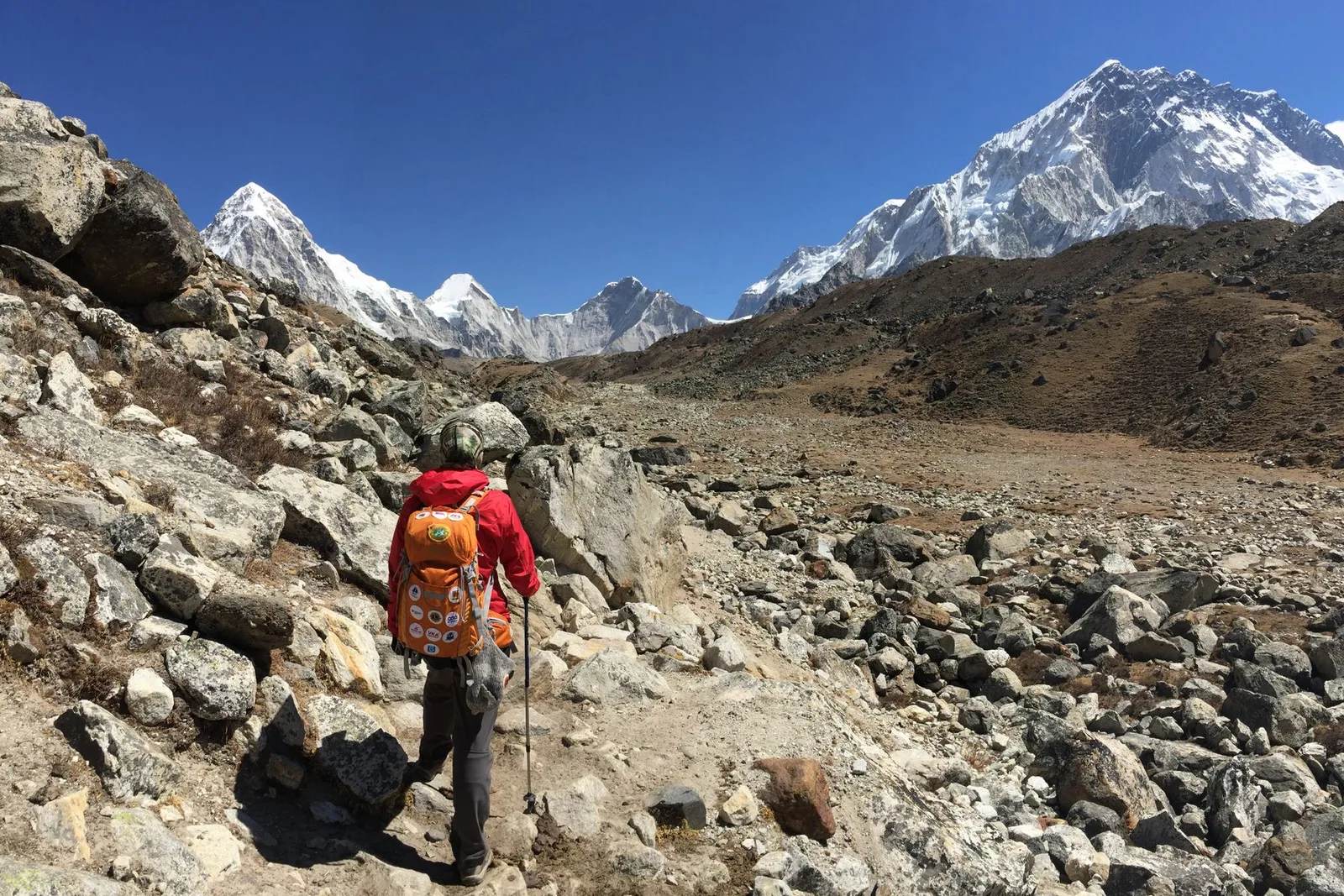
If you are used to British hills, recalibrate before you fly to Nepal.
What this means for you
In Britain a bad fall means a free rescue and a hospital bed; the mountain in Nepal doesn’t care who is paying, but you will, unless a policy is already in place. Buy the cover before you book flights, not the week before you fly, check the altitude ceiling yourself rather than trusting the word “trekking” on the certificate, and keep a digital copy of the policy on your phone — the checkpoint at the park gate will ask to see it, and so will the helicopter operator, before either one moves.
Common Questions About Rescue Costs Abroad
Does UK travel insurance cover a Nepal trekking rescue?
Only if it explicitly includes high-altitude trekking and states an altitude ceiling of at least 6,000 metres — a standard European ski or beach-holiday policy usually excludes trekking above roughly 2,000–3,000 metres entirely.
Do I need a different policy for Everest Base Camp than for a lower trek?
Not usually a different policy, but you do need to check the altitude ceiling covers your trek’s highest point — Everest Base Camp sits at 5,364 metres, above what many standard policies allow.
Cover photo: T6 Adventures via Pexels (Pexels License). Section photos: Alan Kabeš via Pexels (Pexels licence); eberhard grossgasteiger via Pexels (Pexels licence); Patrick Bate via Pexels (Pexels licence); Victor Silva via Pexels (Pexels licence); Quang Nguyen Vinh via Pexels (Pexels licence).
Still running this season
Everest Base Camp Trek — 14 Days is running normally
NMA-certified local guides, transparent pricing, 5,000+ treks since 1998. Message us your dates and we'll sort the permits, lodges and logistics — reply within 24 hours, no obligation.
Popular Nepal treks
All treks →
Related coverage

Safety & Advisories
The Nepal flood video with 7 million views was AI-generated, and here's how to check the next one
Nepal's Press Council has ordered 72 accounts to take content down. Here are the fakes that travelled furthest, and the three checks that catch nearly all of them.
Safety & Advisories
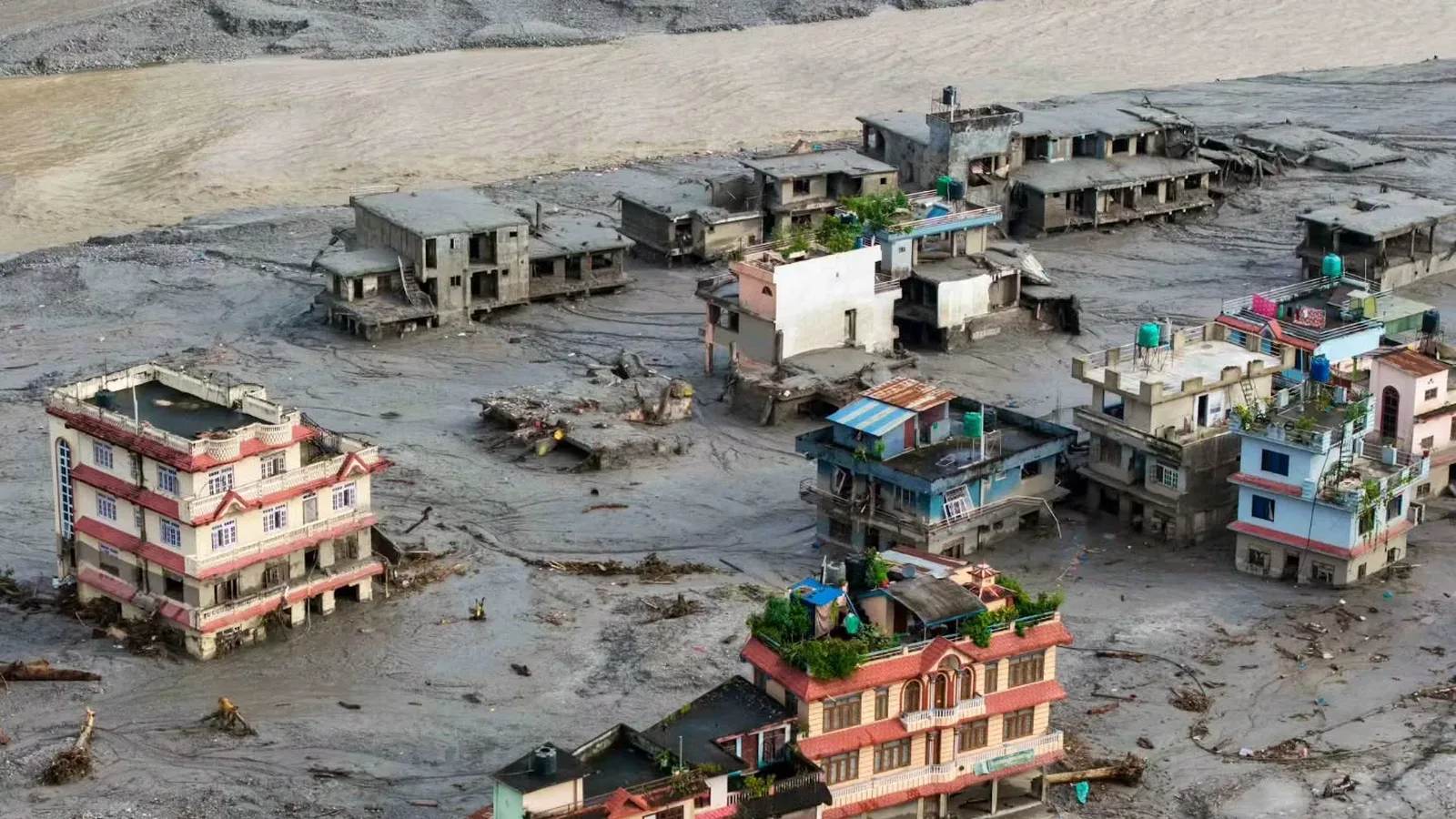
592 foreign nationals are still missing in the Nepal flood, here is who your family should actually call
Nepal's disaster authority counts 592 foreign nationals among the missing after the 26 August flood. Here is the official route for families abroad.
Safety & Advisories
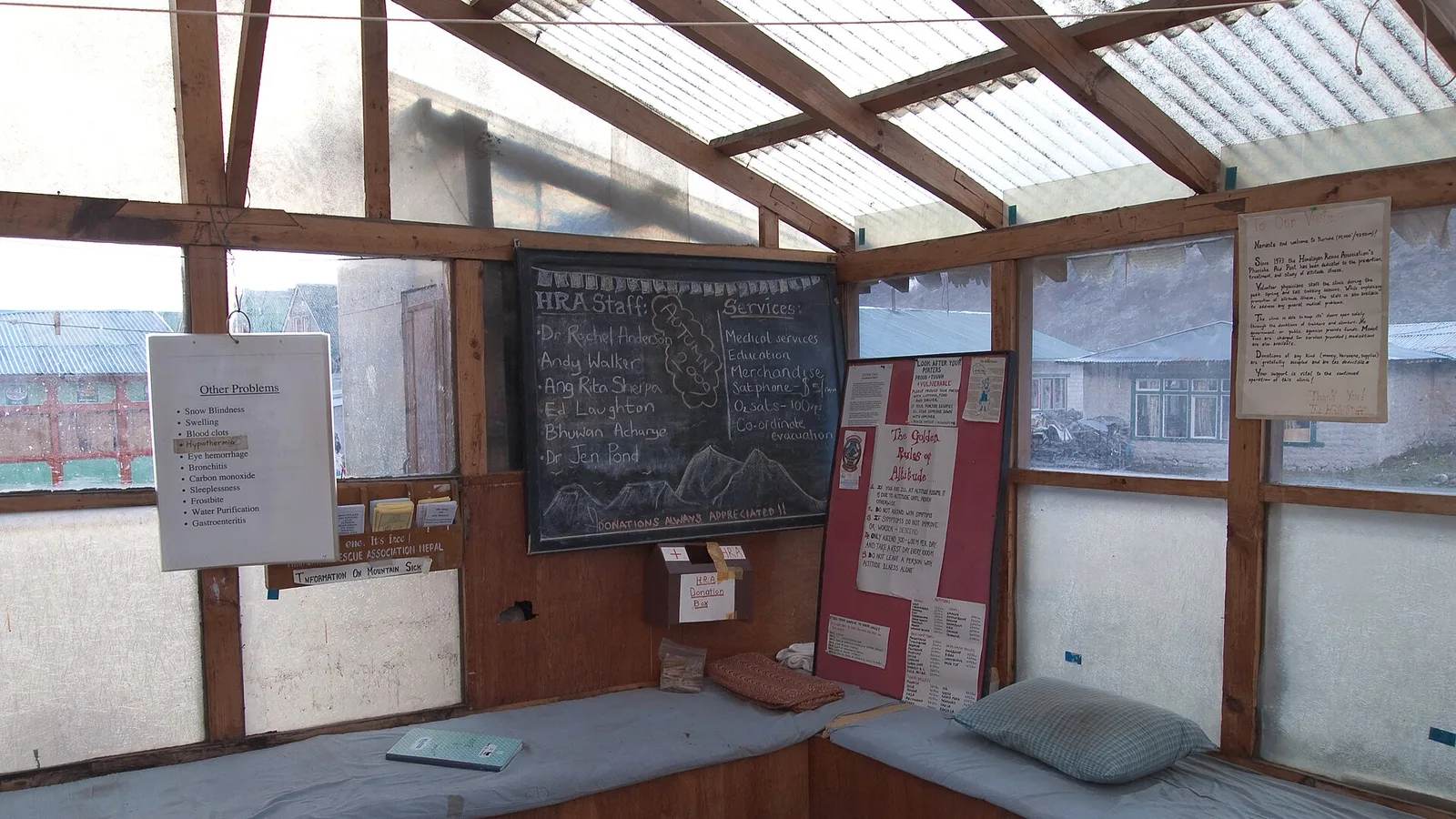
Your Nepal Trekking Guide Just Spent the Week Learning to Keep You Alive Above 4,000m
Days before Nepal's autumn trekking season opens, two of the country's oldest mountain-safety institutions ran back-to-back wilderness first-aid courses for working guides, drilling CPR, patient evacuation and the earliest signs of altitude sickness.
Records & People
Nepal's Rhinos Fell to Under 100 Animals. The Last Count Found 752.
The greater one-horned rhino nearly vanished from Nepal twice in living memory — and the same country then built one of Asia's strictest anti-poaching operations to bring it back.
Latest from the desk
Safety & Advisories
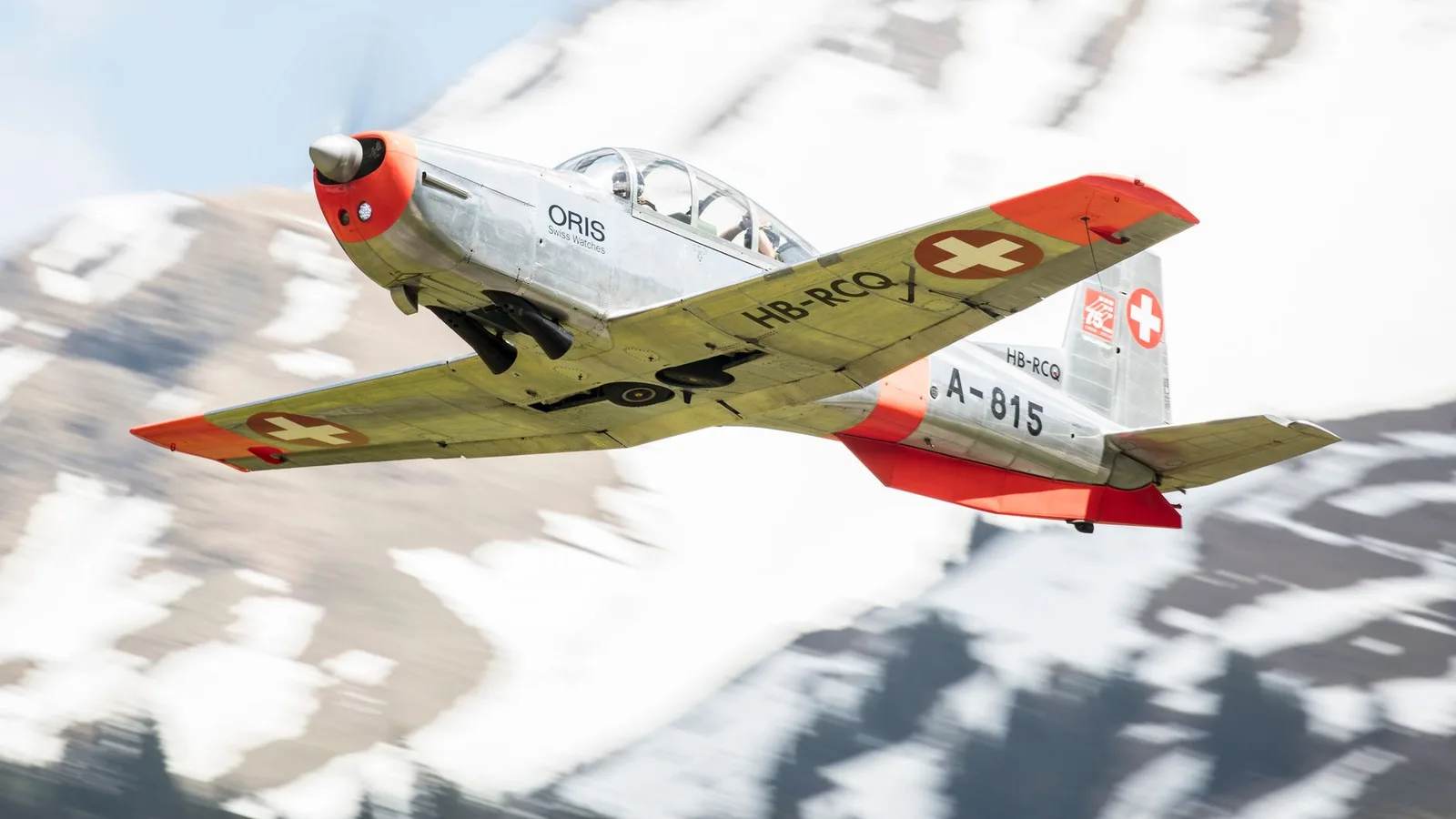
A UK Airport Owner Just Died in a Swiss Alps Plane Crash, and Mountain Flying Keeps Failing the Same Way
Tony Hall, 42, died when his plane crashed near Leukerbad on 15 September, and the crash fits a well-documented mountain-flying pattern.
Breaking Climate & Environment
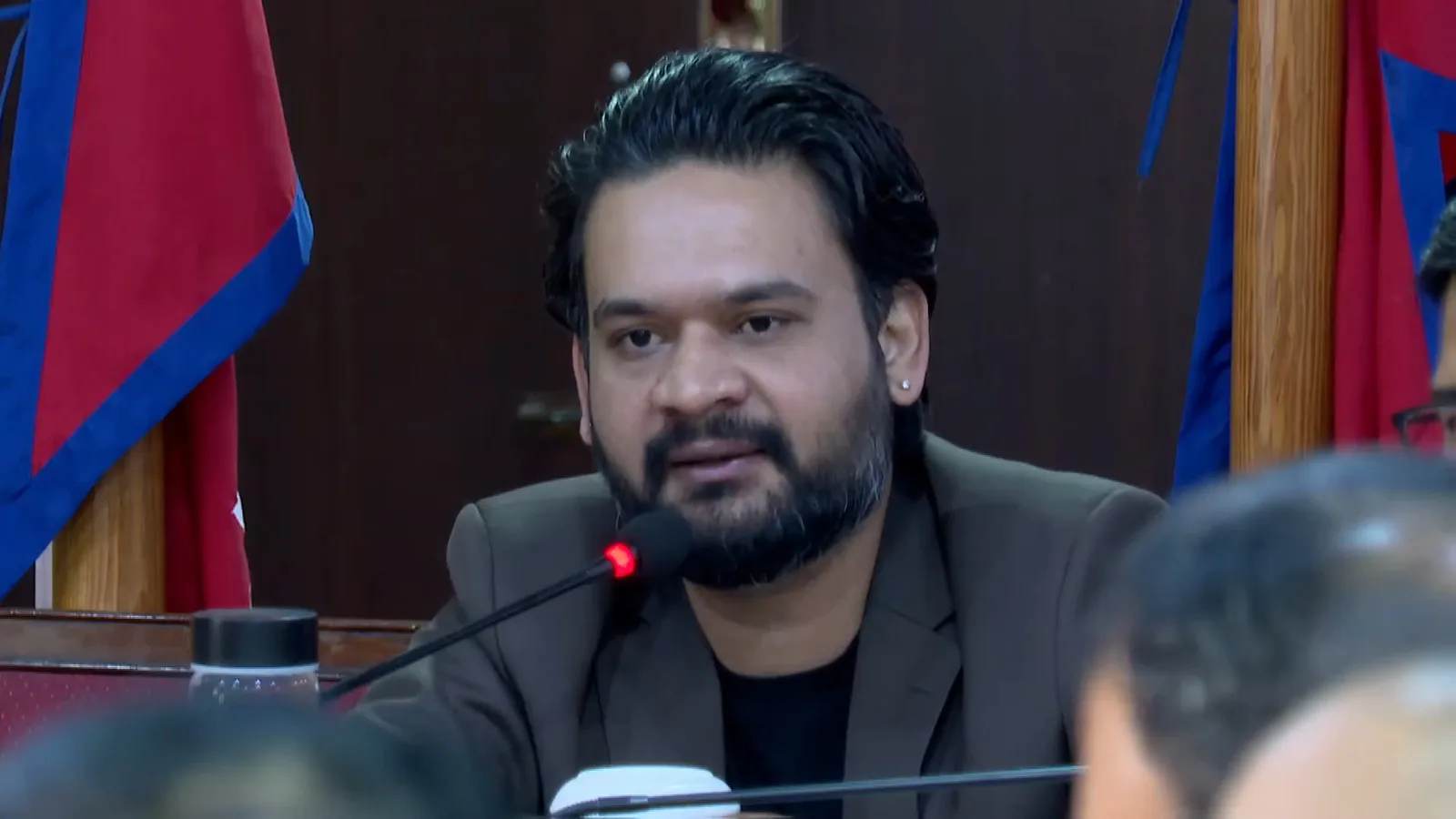
Nepal's Prime Minister Just Told the United Nations the World Owes His Country for a Flood That Killed Over 1,300 People
Balen Shah told the UN General Assembly on 24 September that Nepal needs $4.78 billion to rebuild after a flood that killed over 1,300 people.
Money & Insurance
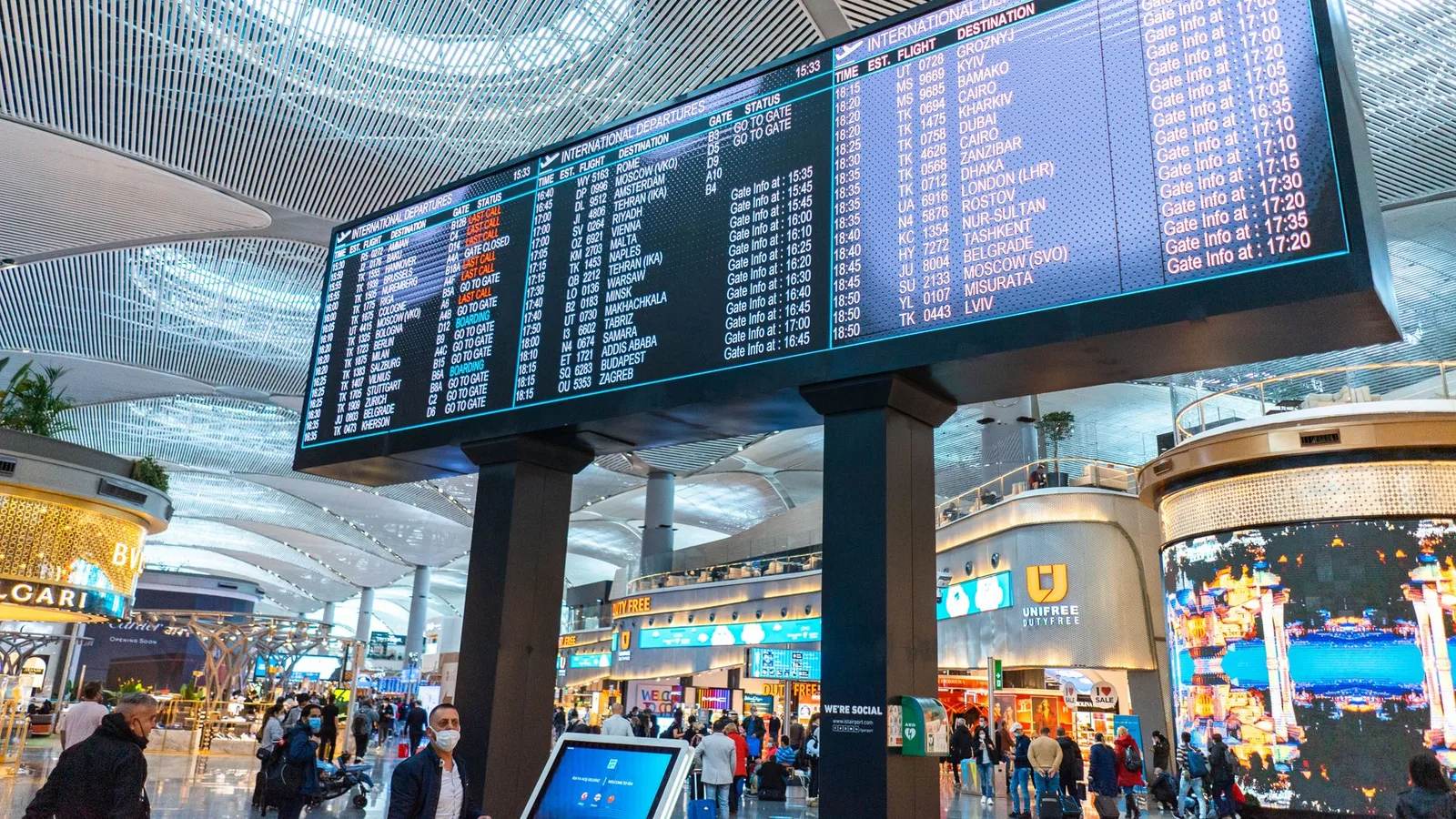
US Airlines Now Owe You Less for a Delay Starting October 19, Here’s What Changed
A DOT rule effective October 19 removes 10 delay causes from airline control, so hotels and meals are no longer guaranteed for them.