
A UK Airport Owner Just Died in a Swiss Alps Plane Crash, and Mountain Flying Keeps Failing the Same Way
Tony Hall, 42, died when his plane crashed near Leukerbad on 15 September, and the crash fits a well-documented mountain-flying pattern.
At a glance
- Published
- TopicSafety & Advisories
- Verified againstBirminghamWorld
- Treks coveredEBC by Helicopter — 5 Days Kathmandu Package
A British airport owner died on 15 September when the small plane he was travelling in crashed into a mountainside in the Swiss Alps, and the way it happened fits a pattern seen in mountain-flying accidents again and again: clear terrain, a sudden shift in conditions, and no room to recover.
Key facts
- Tony Hall, 42, managing director of Pegasus and owner of Wolverhampton's Halfpenny Green Airport, died in the crash
- His Cirrus SR22T went down near Leukerbad on 15 September — one of two Britons killed of three people aboard
- The flight had left Lugano, stopped at Sion Airport, and was heading for Buochs airfield in central Switzerland
- Small planes flying in mountainous terrain crash at a higher rate than general aviation as a whole, and the cause is rarely mechanical
What happened over the Alps on 15 September
Hall's Cirrus SR22T crashed into the northern slope of a mountain in the Fluhalp area near Leukerbad, in the canton of Valais. He was one of two British nationals killed; a third person was also aboard. The aircraft had taken off from Lugano in southern Switzerland, made a stop at Sion Airport in the Rhone valley, and was continuing towards Buochs airfield in Nidwalden when it went down. Hall's company, Pegasus, bought Wolverhampton's Halfpenny Green Airport for £4.5 million in 2023, and he was known as an experienced private pilot.
Why small planes crash in the mountains more than anywhere else
The overall fatal accident rate for general aviation in the United States sits at roughly 1.05 per 100,000 flight hours, according to federal transport data — already a far higher rate than commercial airline flying. Move that same aircraft into mountainous terrain and the picture worsens. A study by Embry-Riddle Aeronautical University found controlled flight into terrain made up 15.3% of small-plane fatalities in mountainous US regions between 2015 and 2020, and while the overall accident rate in that terrain fell 57% over the study period, the share of those accidents that proved fatal barely moved, staying between 40% and 43%.
The reason is physical, not just a failure of skill: mountain air moves in gusty, rotating currents and sudden downdrafts that a light aircraft has little power to fight, visibility can close in within minutes on a route with no flat ground to land on, and a pilot who commits to a valley or a pass has far fewer options to turn back than one flying over open country.
How Nepal's Everest flights are built to manage the same risk
Nepal's own mountain aviation carries real danger too — Lukla's Tenzing-Hillary Airport, the gateway most Everest trekkers fly through, is regularly named the world's most dangerous airport for its short, sloped runway walled in by terrain on every side. But the structure around that risk is different from a private flight like Hall's. Scheduled flights to Lukla and helicopter tours to Everest Base Camp fly under the Civil Aviation Authority of Nepal, with pilots specifically rated for mountain STOL (short take-off and landing) operations, and they fly only in a narrow morning window before the afternoon's katabatic winds make the approach unsafe — flights are routinely grounded, not pushed through, when conditions don't allow it.
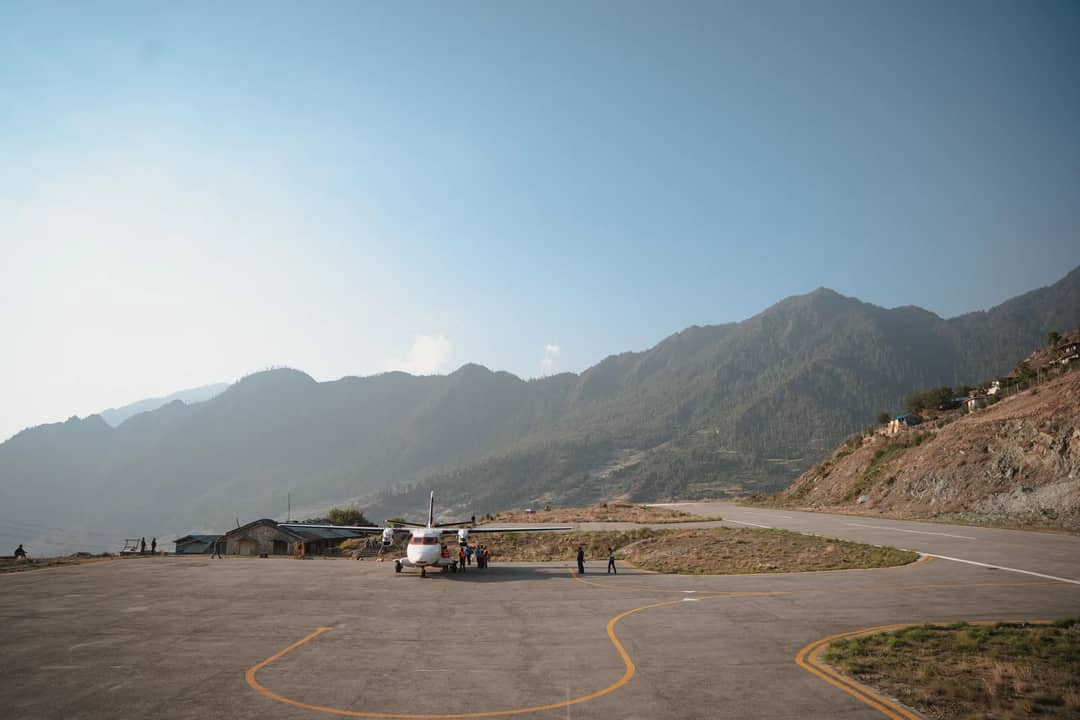
| Factor | Private GA charter (e.g. the Alps flight) | Nepal's Lukla / EBC heli routes |
|---|---|---|
| Aircraft | Single-engine piston, owner or charter-operated | Fixed STOL turboprop or helicopter, commercial fleet |
| Pilot rating | Private/instrument rating, route at pilot's discretion | Mountain STOL type-rating required by CAAN |
| Weather rule | Pilot's judgement en route | Morning-only visual flight rules; grounded if conditions fail |
| Oversight | National aviation authority, post-flight investigation | CAAN scheduled-operator licensing, daily flight monitoring |
What this means if you're booking a mountain flight this year
What this means for you
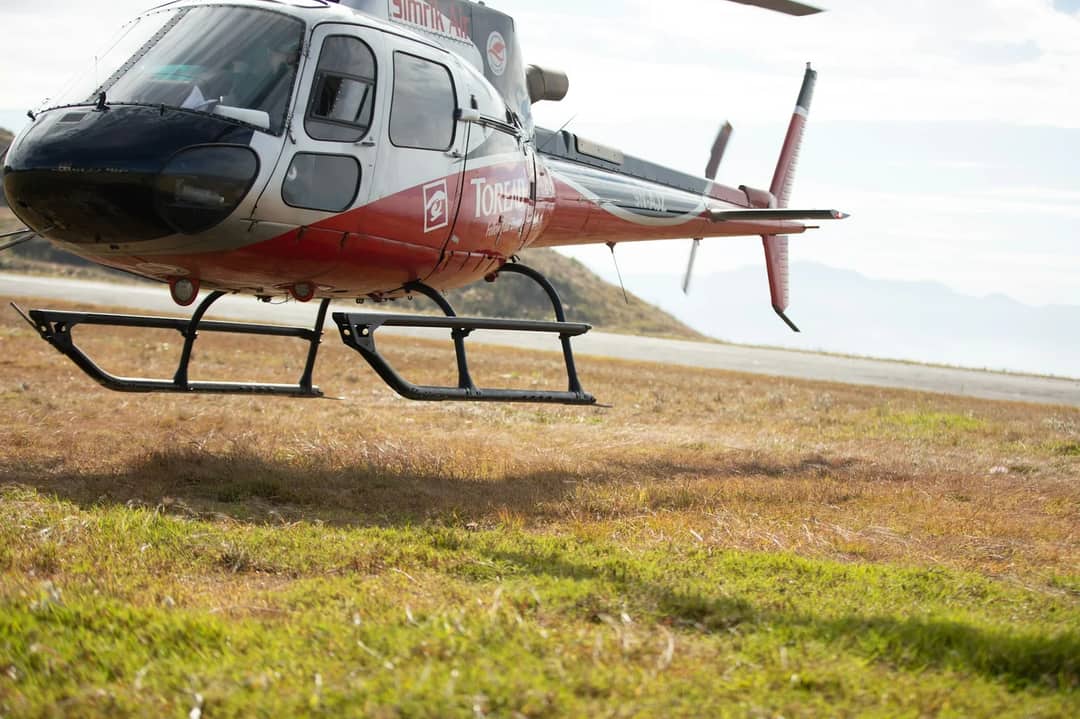
Whether you're flying into the Alps, the Rockies or the Khumbu, the safest version of a mountain flight is a scheduled one flown by a licensed commercial operator on a fixed morning window, not a private charter booked on the day. If you're adding a Lukla flight or an Everest Base Camp helicopter tour to a Nepal trip, book it through a registered trekking agency that already holds the operator relationships and will rebook you rather than push a flight through in poor weather. And check that your travel insurance covers helicopter evacuation specifically — a standard policy often doesn't.
Was Tony Hall's crash caused by weather?
Swiss investigators had not published a cause at the time of writing. The Swiss Transportation Safety Investigation Board (SUST) investigates all general aviation accidents in Swiss airspace, and a preliminary report typically follows within weeks.
Is Lukla airport actually more dangerous than a private Alps flight?
They carry different kinds of risk. Lukla's runway and terrain are genuinely unforgiving, which is why it operates under some of the tightest scheduling rules in commercial aviation. A private GA flight carries fewer structural safeguards but more pilot discretion — the accident data shows both produce a materially higher fatal rate than flying over open country.
Cover photo: Joël Super via Pexels (Pexels License). Section photos: Sergio Zhukov via Pexels (Pexels licence); Christina & Peter via Pexels (Pexels licence); Cheer Miron Asso via Pexels (Pexels licence); aaerux studio via Pexels (Pexels licence); Avel Chuklanov via Unsplash (Unsplash licence).
Still running this season
EBC by Helicopter — 5 Days Kathmandu Package is running normally
NMA-certified local guides, transparent pricing, 5,000+ treks since 1998. Message us your dates and we'll sort the permits, lodges and logistics — reply within 24 hours, no obligation.
Popular Nepal treks
All treks →
Related coverage
Breaking Safety & Advisories
A Lake District Walker Was Rescued for Free After Nearly 13 Hours on the Fell, Here’s What the Same Call-Out Costs You in Nepal
Mountain rescue saved a Lake District walker for free after nearly 13 hours. In Nepal the same call-out can cost $3,000-$10,000 without insurance.
Breaking Safety & Advisories
Shots Were Fired at Miami International Airport, Here's What Actually Happened and Whether Your Flight Is at Risk
A shooting briefly shut part of Miami airport's departure level Wednesday. Here's the timeline, and what to do if you're flying through MIA this week.
Breaking Safety & Advisories
Two Climbers Died When an Avalanche Buried Their Tent at Manaslu Camp III, and It Is the Fourth Death This Autumn
An Indian-born German climber and his Nepali Sherpa guide were found under about seven feet of snow on 20 September, in a season with record permits.
Records & People
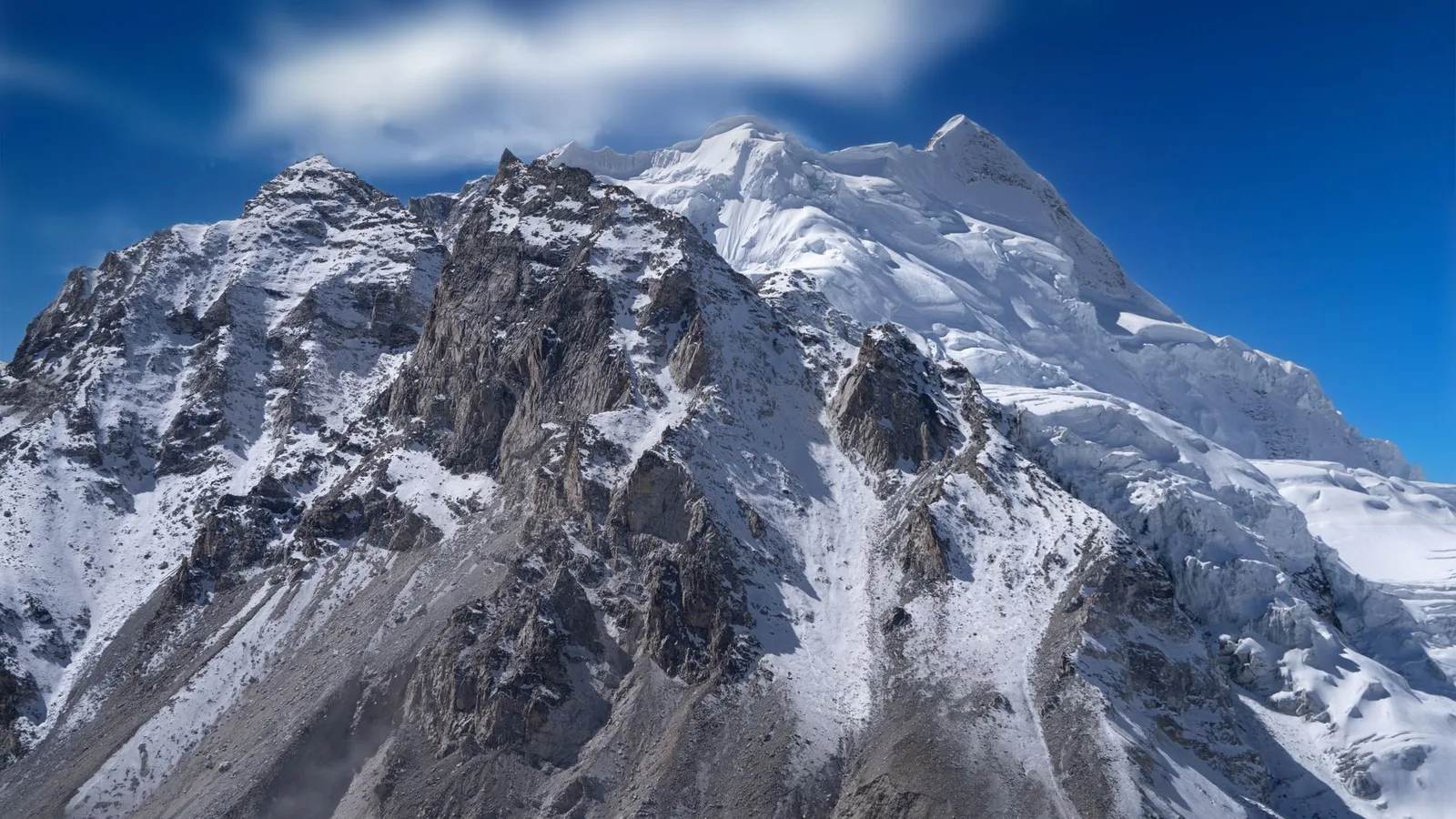
A Singaporean climber has died on Manaslu, the first foreigner lost this autumn
Lau Wee Seng, 50, died on 17 September near 6,000m while descending from Camp II on an acclimatisation rotation. He is the second death there this season.
Latest from the desk
Breaking Climate & Environment
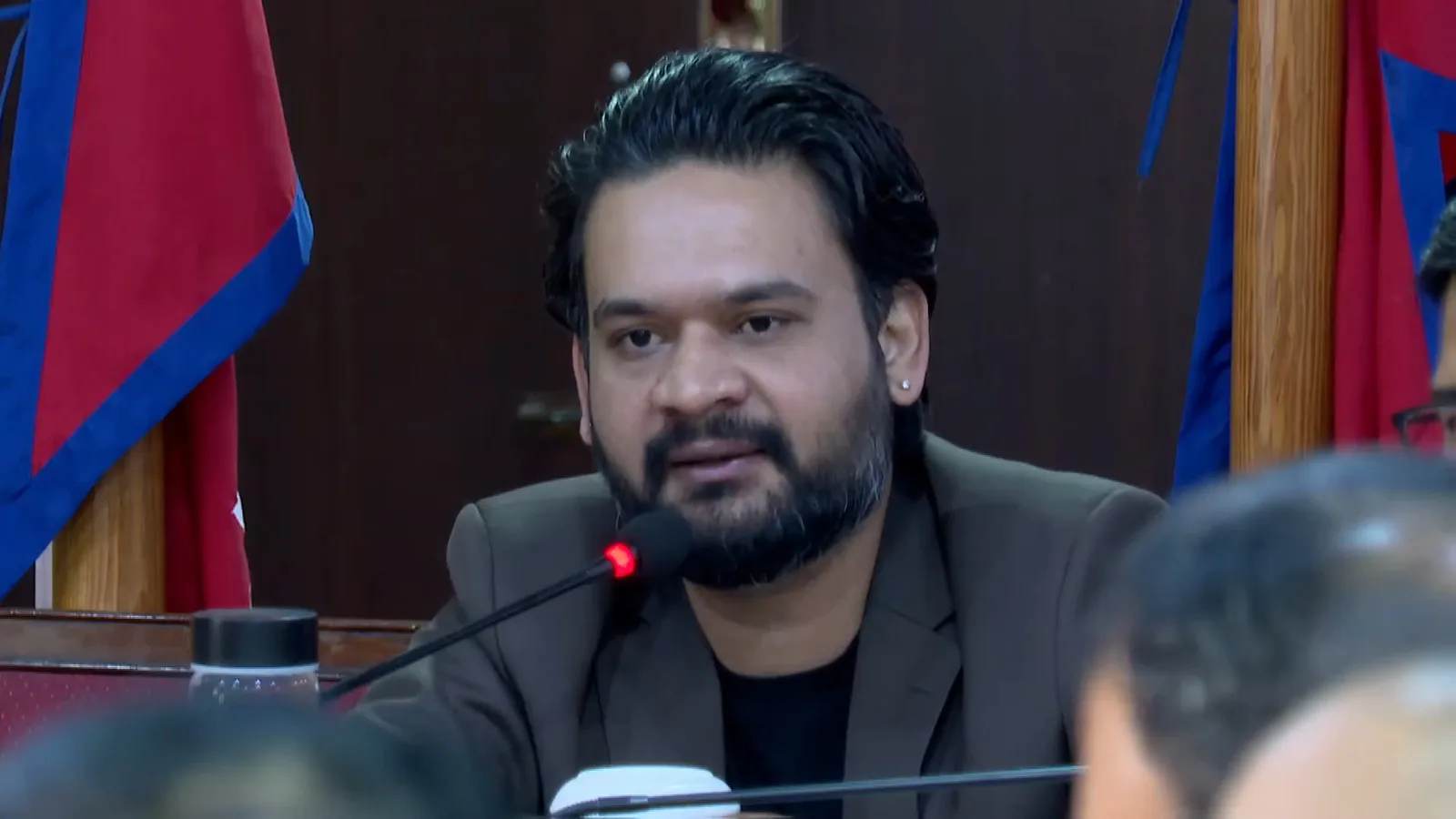
Nepal's Prime Minister Just Told the United Nations the World Owes His Country for a Flood That Killed Over 1,300 People
Balen Shah told the UN General Assembly on 24 September that Nepal needs $4.78 billion to rebuild after a flood that killed over 1,300 people.
Money & Insurance
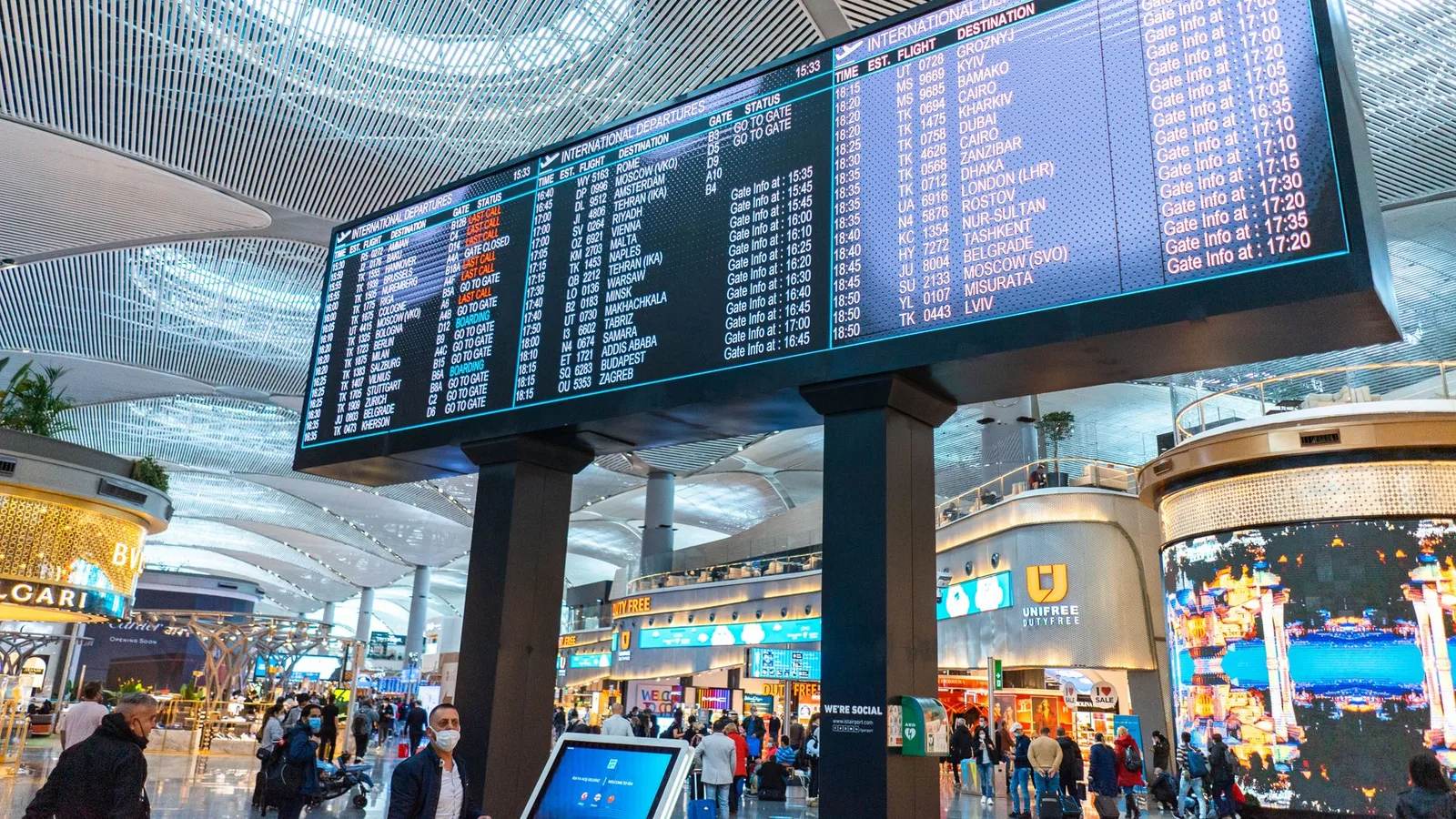
US Airlines Now Owe You Less for a Delay Starting October 19, Here’s What Changed
A DOT rule effective October 19 removes 10 delay causes from airline control, so hotels and meals are no longer guaranteed for them.
Safety & Advisories
If You Think a Satellite Beacon Keeps You Safe on a Trek, Here’s What It Actually Can’t Do
A rescue beacon gets you help faster once something goes wrong. It has never stopped anyone getting lost, hurt, or caught by a storm in the first place.