
If You Think a Satellite Beacon Keeps You Safe on a Trek, Here’s What It Actually Can’t Do
A rescue beacon gets you help faster once something goes wrong. It has never stopped anyone getting lost, hurt, or caught by a storm in the first place.
At a glance
- Published
- TopicSafety & Advisories
- Verified againstThe Conversation
- Treks coveredKanchenjunga Base Camp Trek — 22 Days, Manaslu Circuit Trek — 16 Days
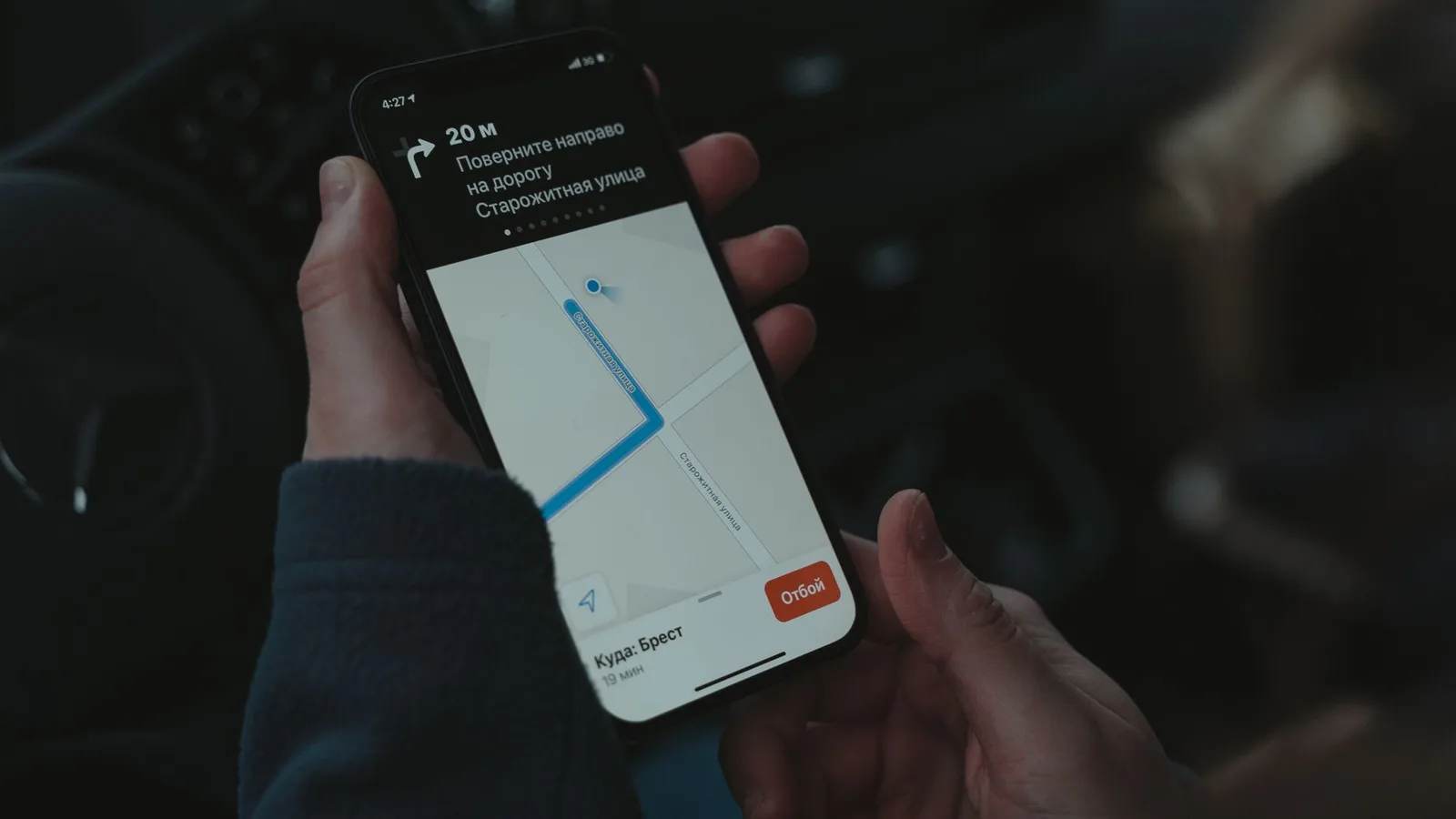
A personal locator beacon does one job well: press it, and a distress signal reaches a satellite within minutes so rescuers get your exact coordinates. What it cannot do is stop you taking a wrong turn, running low on water, or getting caught out by weather in the first place — and Australian search and rescue teams say too many hikers now carry one as if it can.
Key facts
- A PLB or satellite messenger sends a GPS-tagged distress call by satellite, working even with zero mobile signal
- A basic beacon costs roughly US$250–300 one-off; a two-way satellite messenger runs US$300–450 plus a monthly plan
- Australian bushwalking participation rose 81% between 2014 and 2024, and mountain rescues have climbed with it
- 18-year-old Lily Hooper died on a remote New South Wales trail in 2026; her family is now campaigning for ‘Lily’s Law’ to raise awareness of the devices
What a personal locator beacon actually does
It sends one thing: your GPS position, attached to a distress signal, bounced off a satellite to a rescue coordination centre. That is the entire function of a basic PLB — there is no two-way messaging, no weather forecast, no route guidance. A satellite messenger, the pricier cousin, adds two-way texting and routine tracking, but the core rescue trigger works the same way on both. Tasmania Police search and rescue coordinator Sergeant Bernard Peters puts it simply: time is a hiker’s biggest advantage in an emergency, and the earlier a signal goes out, the faster a response can start. Neither device does anything before that button is pressed.
| Device | Sends your GPS location | Two-way messaging | Typical cost |
|---|---|---|---|
| Personal locator beacon (PLB) | Emergency only, one press | No | US$250–300 |
| Satellite messenger | Emergency plus routine tracking | Yes | US$300–450 + plan |
| Mobile phone, no signal | No | No | — |
Why hiking deaths keep happening even as more people carry beacons
Because a beacon cannot stop the accident that triggers it. Australian bushwalking participation has jumped 81% in a decade, and rescues have surged with it — Western Australia’s Bluff Knoll saw a fourfold increase in a single year, and Queensland’s Glasshouse Mountains have seen a similar spike. Alongside Lily Hooper’s death, a tourist died of hypothermia at Tasmania’s Cradle Mountain, two university students died near Victoria’s Mount Bogong, and a prospector died in remote Western Australia — a case that also led his family to call for mandatory beacon use. Researchers who study the trend, including Associate Professor Samantha Murdy of the Australian Catholic University, argue a beacon in a pocket does not fix the two things that actually cause these deaths: nobody knowing the route was too hard, and nobody knowing the hiker was even out there.
Do you need one on a Nepal trek
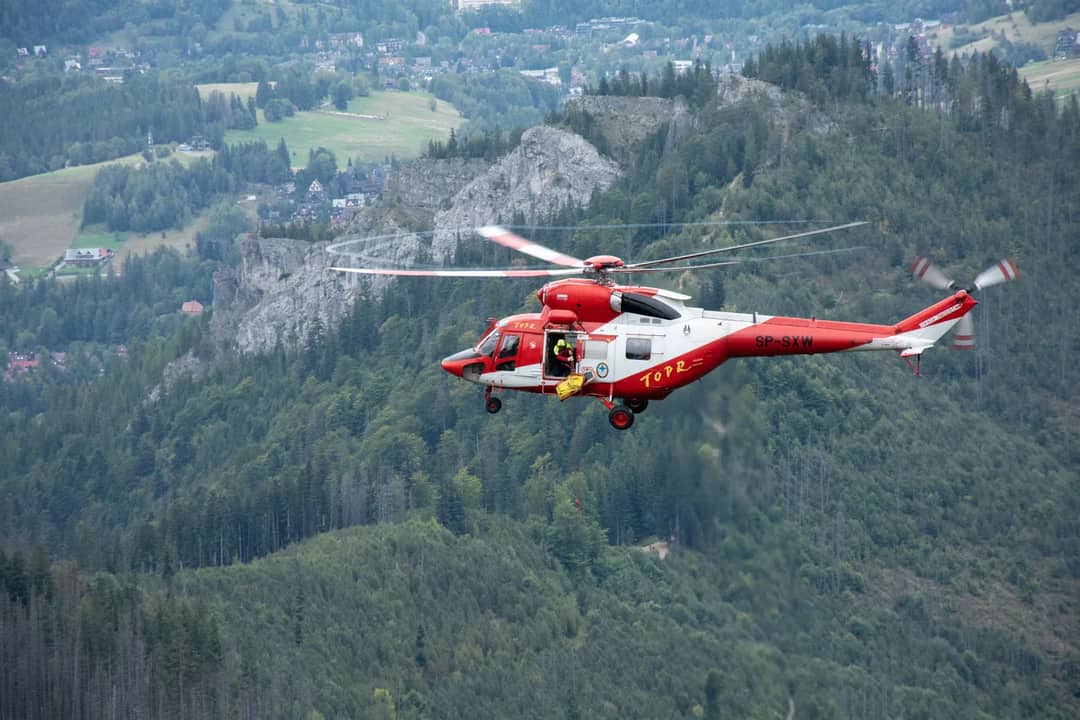
On most standard routes, no — your guide carries the communication. Once a trek leaves villages like Namche Bazaar, Manang or Jomsom, ordinary mobile signal disappears, so a licensed Nepali operator running a restricted-area route (Manaslu, Kanchenjunga, Upper Dolpo, Nar Phu) carries a satellite phone with the group as standard, not as an upsell — guides on those permits provide real-time weather checks and the only working communication line to the agency and rescue teams. That is one of the direct questions worth asking any Nepal trekking agency before you pay a deposit. A personal beacon becomes genuinely useful if you are trekking without an agency-supplied guide in a remote region, or simply want your own line to family — not because the standard teahouse routes (Everest Base Camp, Annapurna Base Camp, Langtang) are unsafe without one.
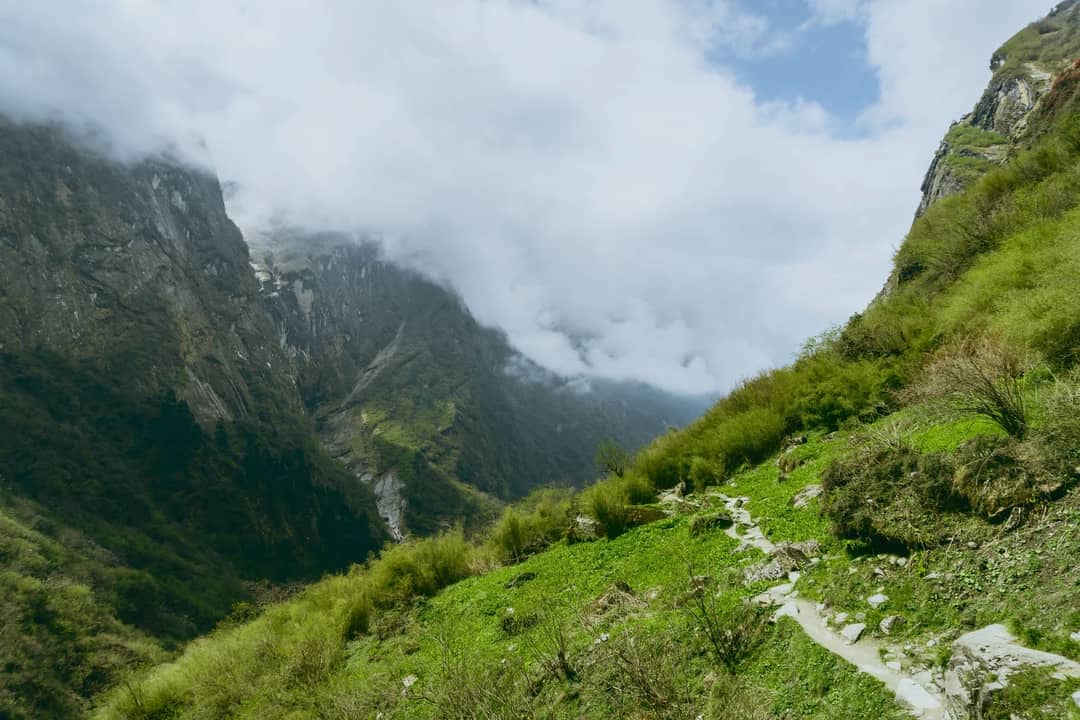
What actually keeps you safe on the trail
Planning does the work a beacon cannot. That means telling someone your exact route and return date, checking a real forecast for the specific pass or ridge you are crossing, carrying enough water and layers for conditions to turn, and turning back the moment the terrain outpaces your fitness — the same judgement call a guide makes on a Himalayan trek dozens of times a season. A beacon is the backup for when that planning fails, not a substitute for doing it.
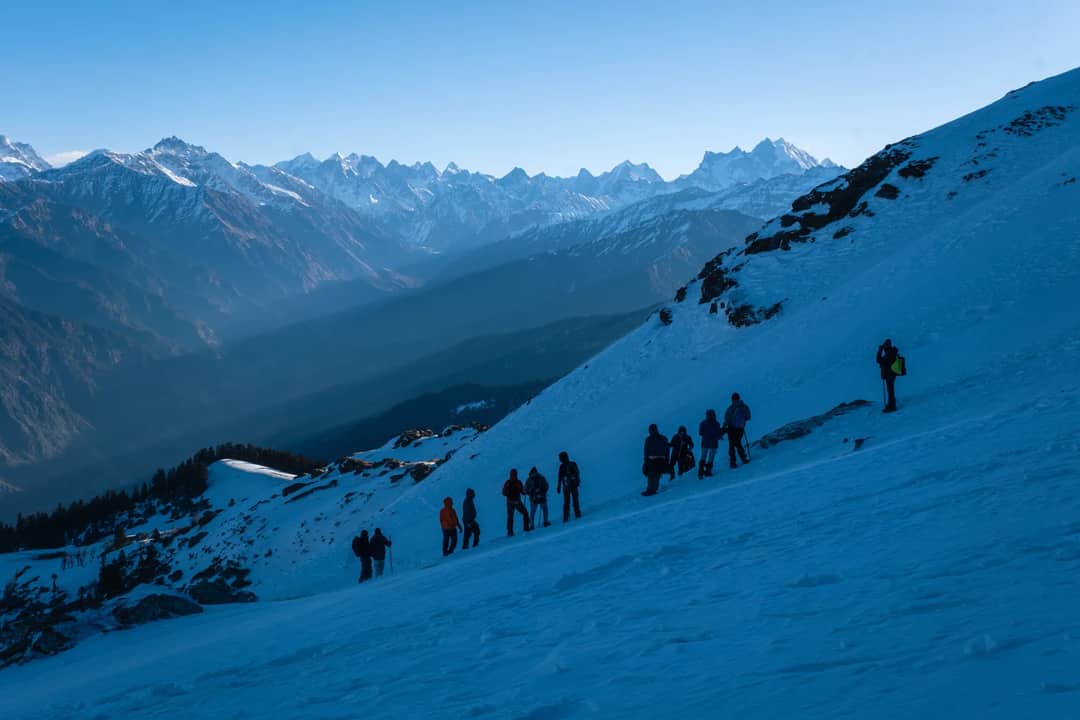
What this means for you
Carry a beacon if you are heading somewhere remote and unguided, buy or rent it in advance, and learn how to use it before you leave — not on the trail. But spend at least as much effort on the boring part: telling someone your plan, checking the forecast, and turning back early. That is what actually prevents the emergency the beacon is only there to shorten.
Does a personal locator beacon guarantee a fast rescue?
No. It guarantees a faster start — the satellite signal goes out within minutes — but the time it then takes rescuers to physically reach you still depends on weather, terrain and how far the nearest helicopter is based.
Can I rent a beacon instead of buying one?
In parts of Australia, yes: some national park visitor centres and Tasmanian trailheads loan them free or for a small fee. In Nepal, ask your trekking agency what they carry rather than buying your own — a licensed operator on a restricted route should already have one for the group.
Which Nepal treks actually need this level of preparation?
The restricted, high-altitude routes with no village-to-village mobile coverage — Manaslu Circuit, Kanchenjunga Base Camp, Upper Dolpo and similar remote regions — are where a satellite link genuinely matters. Standard teahouse routes to Everest Base Camp or Annapurna Base Camp pass through villages with WiFi and phone signal most of the way.
Trekking Manaslu or Kanchenjunga this season, our guides carry satellite communication as standard on every departure — message us on WhatsApp (+977 9856023917) and we will confirm exactly what safety kit your route needs before you book.
Cover photo: Tima Miroshnichenko via Pexels (Pexels License). Section photos: Kamaji Ogino via Pexels (Pexels licence); Hurrah suhail via Pexels (Pexels licence); Daniel Szabat via Pexels (Pexels licence); Abdul Kayum via Pexels (Pexels licence); Shubham Dhage via Pexels (Pexels licence).
Still running this season
Kanchenjunga Base Camp Trek — 22 Days is running normally
NMA-certified local guides, transparent pricing, 5,000+ treks since 1998. Message us your dates and we'll sort the permits, lodges and logistics — reply within 24 hours, no obligation.
Popular Nepal treks
All treks →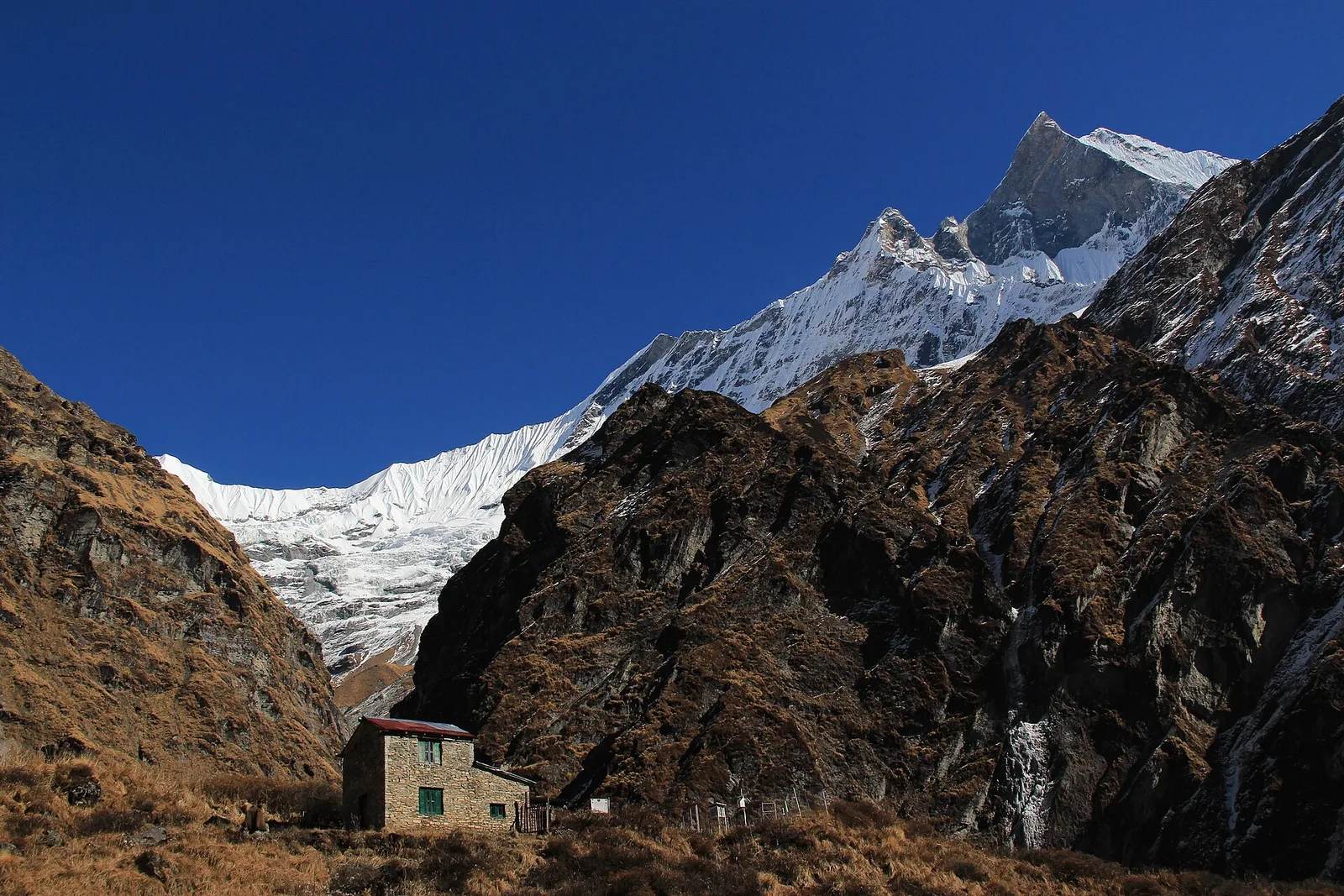
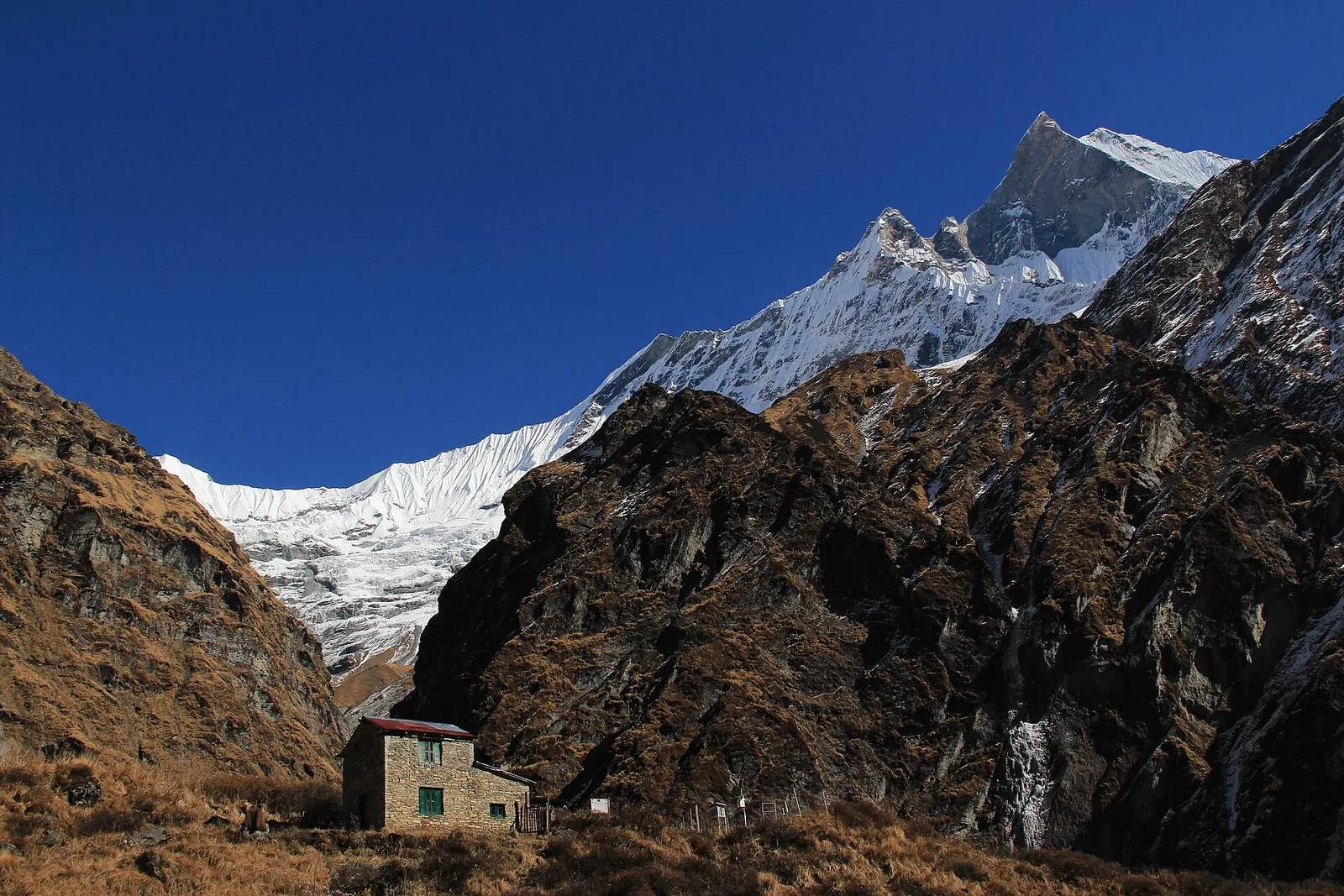
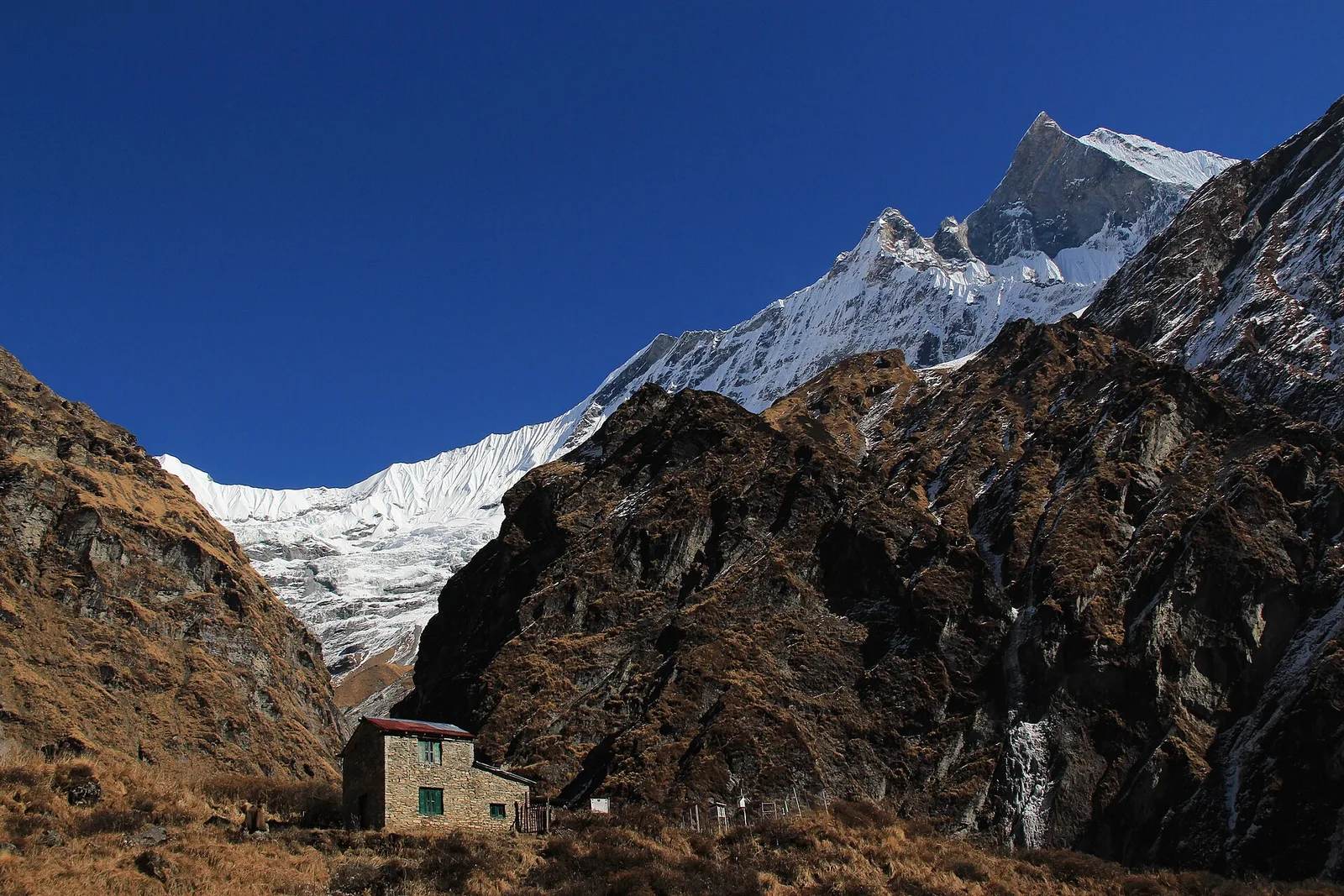
Related coverage
Safety & Advisories
Is the Kanchenjunga Trek Affected by the 2026 Nepal Floods?
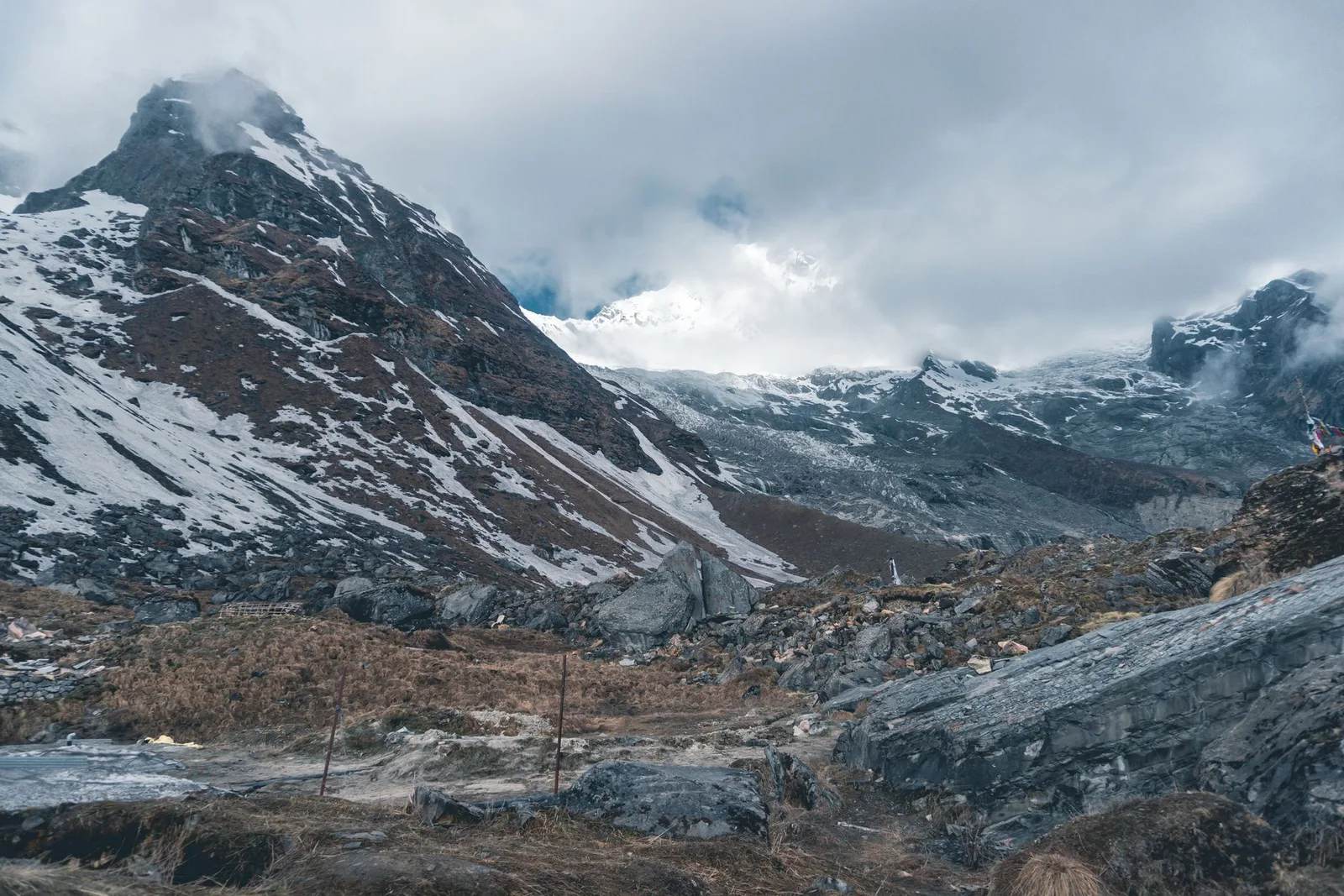
Short answer: no. The Kanchenjunga trek is in the far east of Nepal, in Taplejung district, roughly 600 km from the flood-hit Rasuwa corridor. It is a different region on a different river, and it is running normally.
Breaking Safety & Advisories
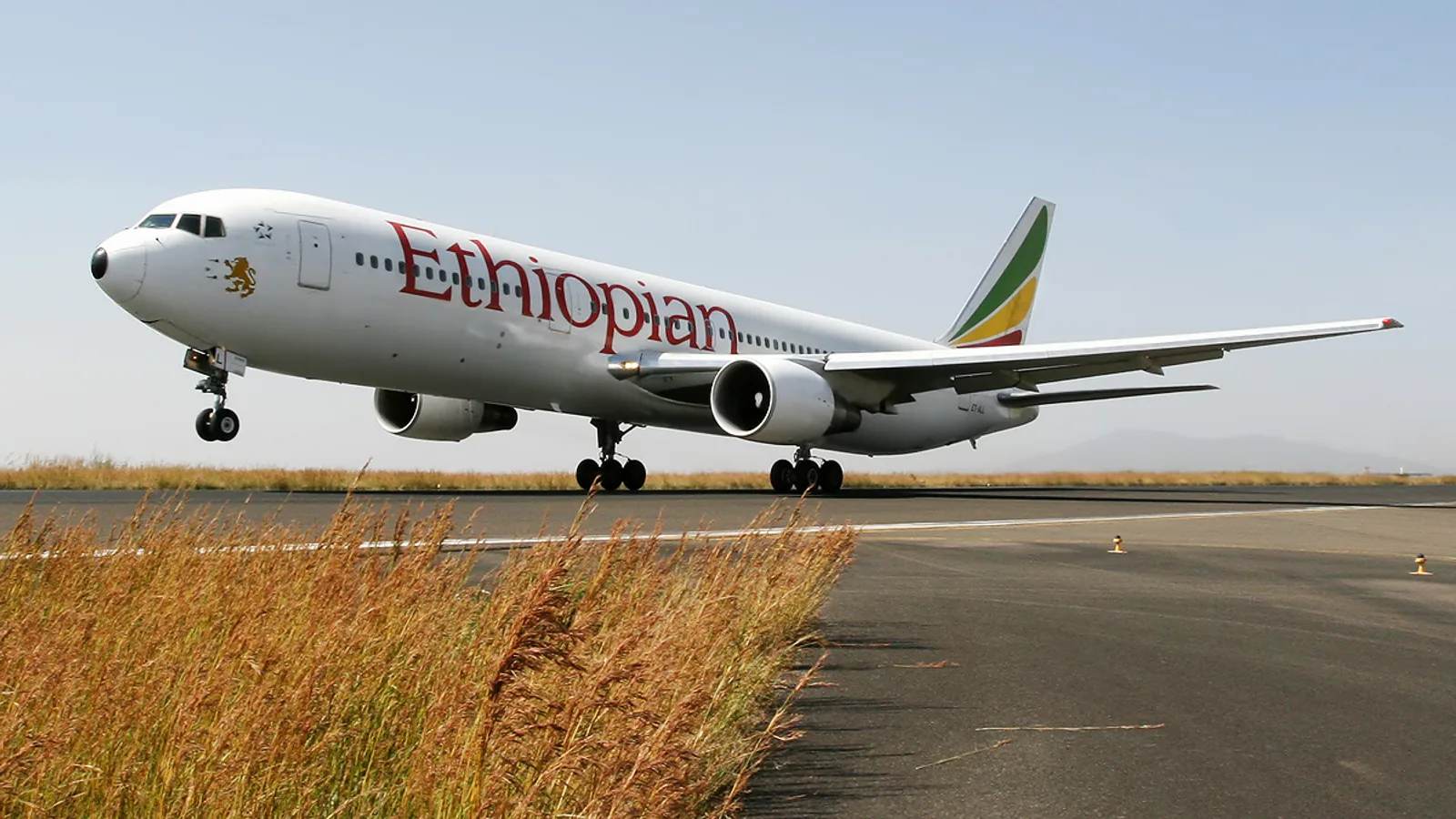
Ethiopia Just Lost Three Airports to Fighters, Here's What US and UK Governments Are Actually Telling Travelers
Tigray forces seized three Ethiopian airports on 23 September 2026 — Addis Ababa's hub is unaffected, but four Ethiopian regions remain Do Not Travel.
Safety & Advisories
If You're on Blood Pressure Medication, Here's What Everest Base Camp Altitude Actually Does to You
Altitude raises blood pressure and some heart drugs slow acclimatisation, but most controlled hypertension does not rule out an Everest Base Camp trek.
Deals & Routes
Gokyo Ri or Kala Patthar, which Everest viewpoint should you actually add to your trek
Kala Patthar is 5,644m and gives you Everest up close, Gokyo Ri is 5,357m and gives you four 8,000m peaks at once. Here's which one earns the extra day.
Latest from the desk
Breaking Visas & Entry
Farmers Just Got Australia to Fast-Track Backpacker Visas, Here’s Who Actually Qualifies
Australia will rush working holiday visa approvals for backpackers who already have a farm job lined up, after new ballot limits threatened this harvest.
Breaking Safety & Advisories
Shots Were Fired at Miami International Airport, Here's What Actually Happened and Whether Your Flight Is at Risk
A shooting briefly shut part of Miami airport's departure level Wednesday. Here's the timeline, and what to do if you're flying through MIA this week.
Breaking Flights & Access
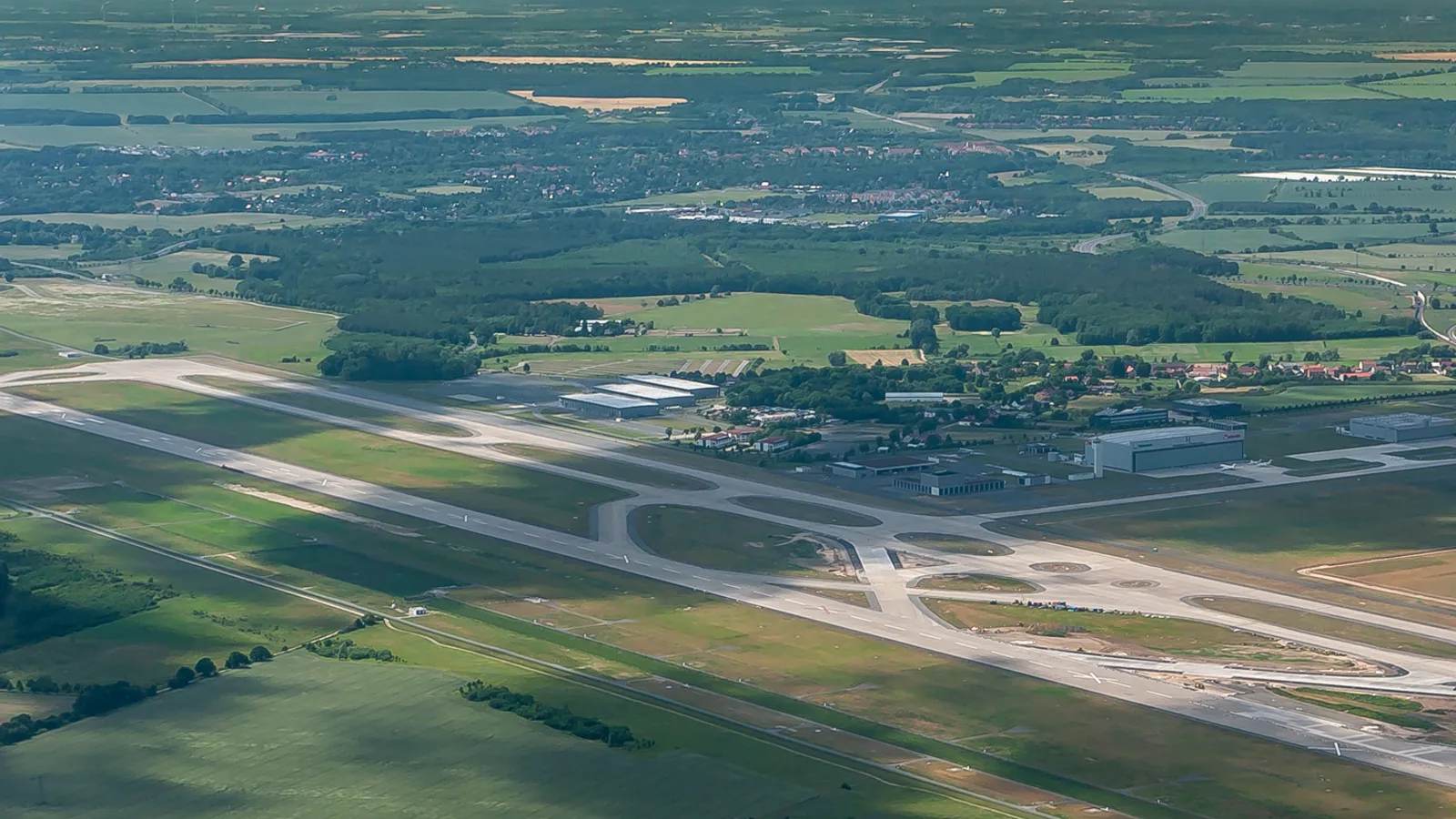
Berlin's Airport Got Grounded by a Drone Again Wednesday, Here's Whether You Should Worry About Your Flight Through Germany
A drone shut Berlin Brandenburg's runway for 45 minutes, the airport's seventh such disruption this year. Here's what it means for your Germany connection.