
Breaking · Safety & Advisories
Ethiopia Just Lost Three Airports to Fighters, Here's What US and UK Governments Are Actually Telling Travelers
Tigray forces seized three Ethiopian airports on 23 September 2026 — Addis Ababa's hub is unaffected, but four Ethiopian regions remain Do Not Travel.

At a glance
- Published
- TopicSafety & Advisories
- Verified againstU.S. Embassy in Ethiopia
- Treks coveredEverest Base Camp Trek — 12 Days
Key facts

- Tigray Defense Forces took control of the airports at Mekelle, Axum and Shire on 23 September 2026
- Ethiopian Airlines suspended flights to all three, with no resumption date given
- Addis Ababa’s Bole International Airport, the airline’s main hub, continues operating normally
- The US State Department keeps Ethiopia at Level 3, Reconsider Travel, with Tigray, Afar, Amhara and Gambela at the highest Do Not Travel level
- The UK FCDO advises against all travel to Tigray, Amhara and Gambela
Fighters aligned with the Tigray People’s Liberation Front took over three regional airports in northern Ethiopia on 23 September 2026, and Ethiopian Airlines immediately suspended flights to all three. If you have a flight booked to Ethiopia, the direct answer is that Addis Ababa’s Bole International Airport — the hub nearly every international passenger actually flies into — is operating normally; the airports that changed hands are three regional strips roughly 300 to 500 kilometres north of the capital, in a region both the US and UK already tell their citizens not to enter.
What happened at three Ethiopian airports on 23 September 2026?
Fighters from the Tigray People’s Liberation Front occupied the airport at Mekelle, Tigray’s regional capital, along with the airports at Axum and Shire, on the morning of 23 September. A taxi driver told the Associated Press the fighters carried light arms and the takeover appeared peaceful, with no gunfire reported. The regional government said it had ordered its fighters into what it called a “defensive war” after federal forces attacked Tigray the previous day using drones and heavy artillery. The move follows a 20 September announcement that seven opposition groups, including the TPLF, had formed an alliance aimed at removing Ethiopian Prime Minister Abiy Ahmed’s government. Ethiopian Airlines, the state carrier and one of Africa’s largest, suspended flights to Mekelle, Axum and Shire “due to the current situation,” without giving a timeline for resuming them.
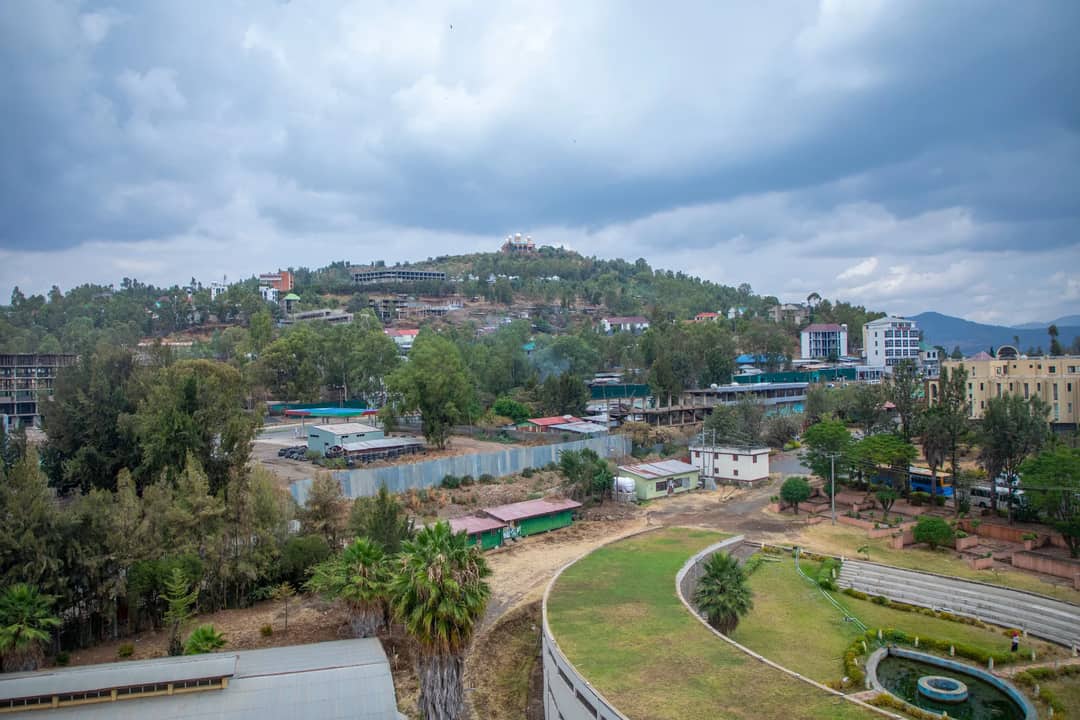
Fighting breaks out again between Tigray-aligned forces and the Ethiopian military after a period of relative calm.
All civilian flights to and from the Tigray region are grounded, per UK Foreign Office guidance.
Seven opposition groups, including the TPLF, announce an alliance aimed at removing the federal government.
Federal forces strike Tigray with drones and artillery; Tigray forces respond by taking Mekelle, Axum and Shire airports. Ethiopian Airlines suspends service.
Is the Addis Ababa airport affected?
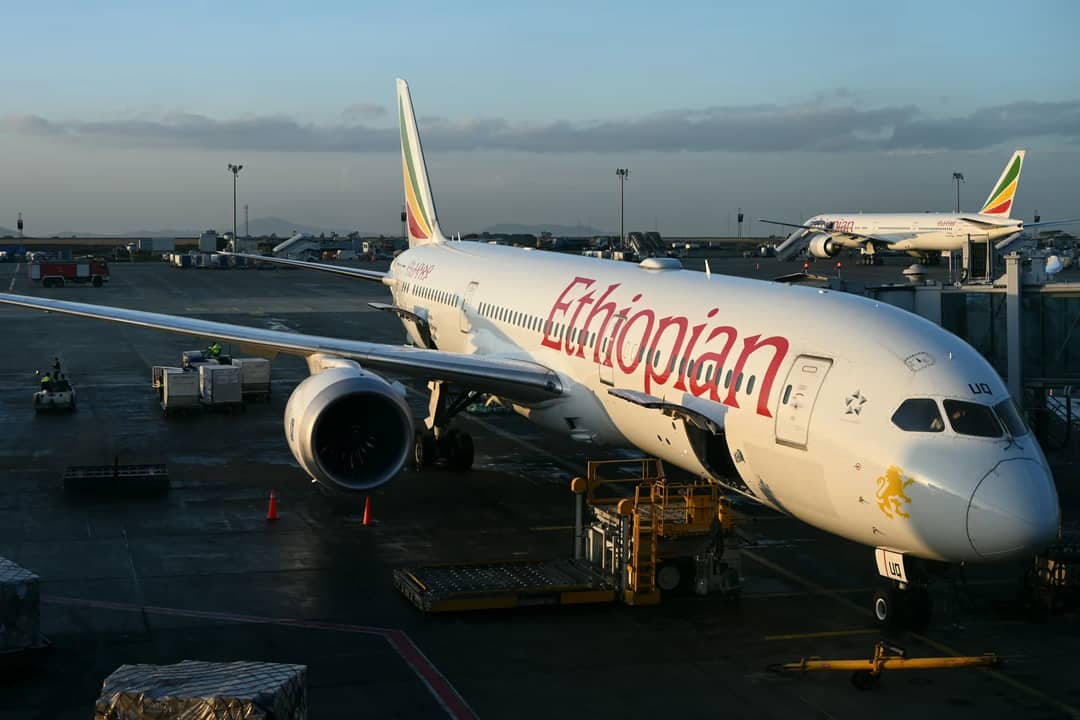
No. Bole International Airport in Addis Ababa, Ethiopian Airlines’ hub and the gateway almost every foreign visitor actually uses, is not among the airports that changed hands and continues normal operations. The US Embassy in Addis Ababa said in its 23 September security alert that it is aware of the Mekelle, Axum and Shire seizures specifically, and that while Addis Ababa experiences periodic security incidents, the airport itself remains open. If your itinerary starts and ends in Addis Ababa — which covers the overwhelming majority of safari, wildlife and cultural trips to Ethiopia — this week’s news does not touch your flight.
Which parts of Ethiopia do the US and UK actually say to avoid?
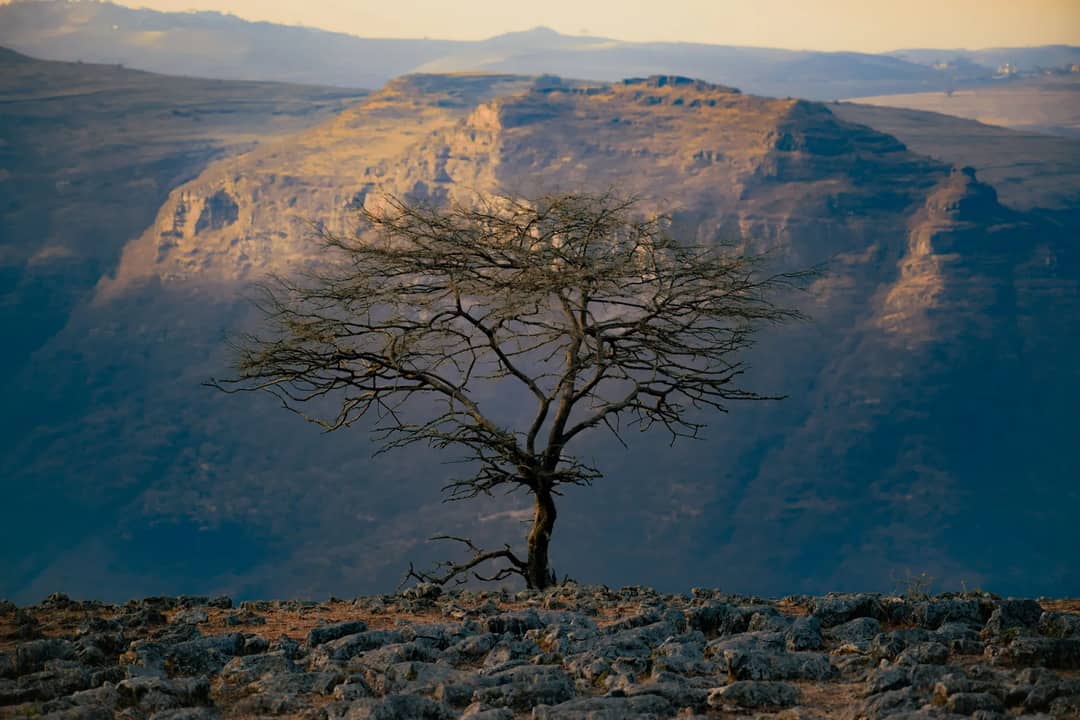
Four regions: Tigray, Afar, Amhara and Gambela sit at the highest “Do Not Travel” tier from the US State Department, and as of the 23 September alert, US government personnel are barred from Tigray and Afar entirely. The UK Foreign Office separately advises against all travel to Tigray, Amhara and Gambela. The detail worth knowing before you book: Amhara region contains Lalibela’s rock-hewn churches and the Simien Mountains National Park, two of Ethiopia’s biggest draws for foreign visitors, and both currently sit inside a Do Not Travel zone from both governments — not just the war-affected north around Mekelle.
| Region | US State Dept | UK FCDO |
|---|---|---|
| Addis Ababa | Level 3, normal precautions | No blanket advisory |
| Tigray | Do Not Travel | Advise against all travel |
| Afar | Do Not Travel | Airport access restricted |
| Amhara (Lalibela, Simien Mountains) | Do Not Travel | Advise against all travel |
| Gambela | Do Not Travel | Advise against all travel |
What this means if you have a flight booked to Ethiopia, or a connection through it
Check which airport you are actually landing at before you cancel anything. A flight into or connecting through Addis Ababa’s Bole International is unaffected by this week’s airport seizures and sits outside every current Do Not Travel zone. A trip built around Lalibela or the Simien Mountains is a different question: both sit in Amhara, which both governments currently tell their citizens to avoid entirely, regardless of this week’s specific news out of Tigray. If your travel insurer’s policy references a government advisory, a Do Not Travel rating for Amhara is the kind of thing that can void cover for that leg of a trip — check the wording before you fly, not after.

What this means for you
The honest read: Ethiopia’s capital is fine to fly into right now, but the northern highland circuit that draws most foreign visitors — Lalibela, Gondar, the Simien Mountains — sits inside regions both the US and UK say to avoid, and that was true before this week’s airport seizures. If high-altitude trekking rather than a specific Ethiopian itinerary is the goal, Nepal’s equivalent routes are running an ordinary autumn season with no advisory attached.
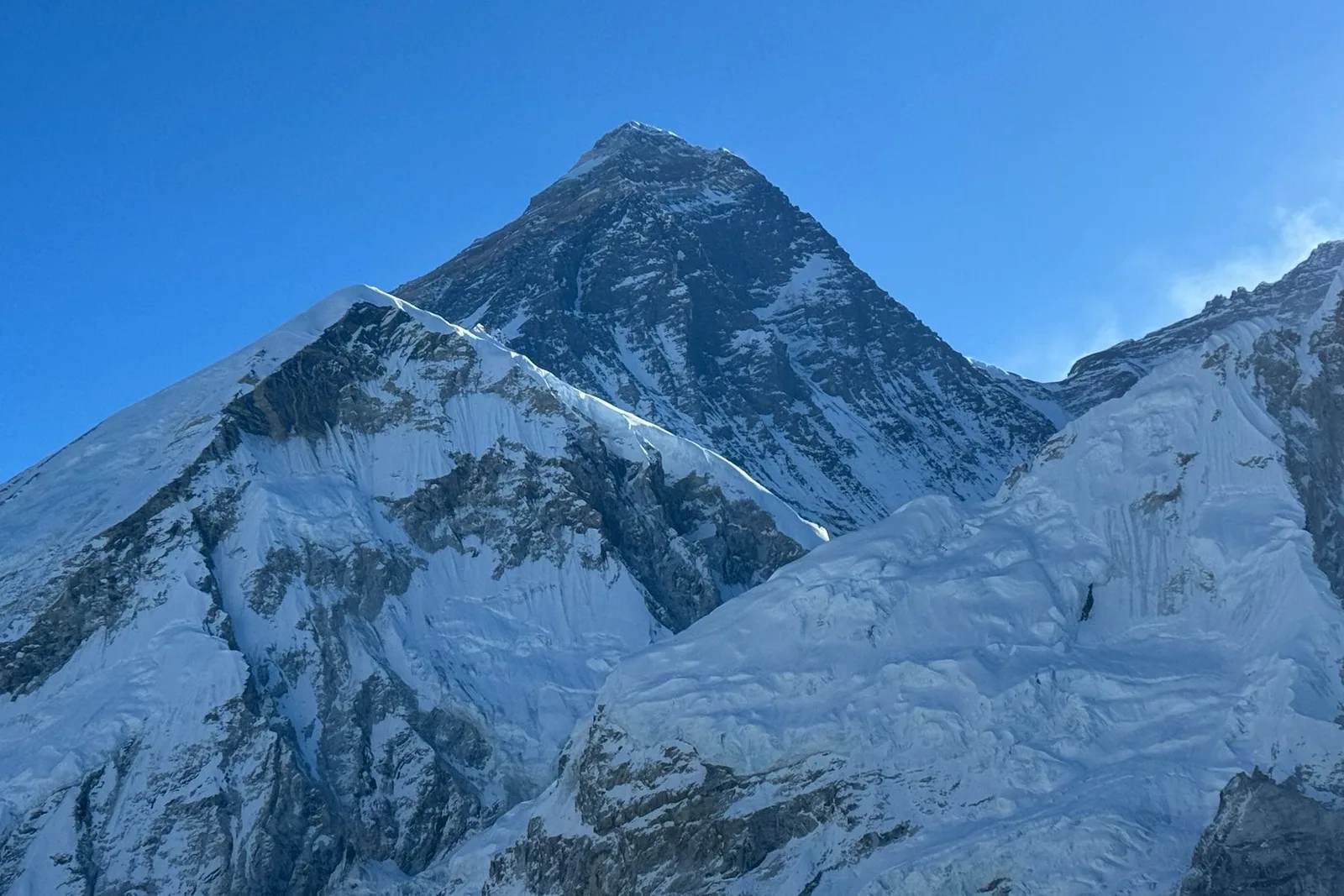
Looking for a high-altitude trek without a Do Not Travel advisory attached to it this season? Our Everest Base Camp trek is running its normal autumn 2026 schedule. Message us on WhatsApp if you want current route conditions before you book.
Cover photo: Raimund Stehmann via Wikimedia Commons (GFDL). Section photos: Fariz Priandana via Pexels (Pexels licence); Abenezer Muluken via Pexels (Pexels licence); Planespotter Geneva via Pexels (Pexels licence); Nandakumar R via Pexels (Pexels licence); Atlantic Ambience via Pexels (Pexels licence).
Still running this season
Everest Base Camp Trek — 12 Days is running normally
NMA-certified local guides, transparent pricing, 5,000+ treks since 1998. Message us your dates and we'll sort the permits, lodges and logistics — reply within 24 hours, no obligation.
Popular Nepal treks
All treks →
Related coverage
Breaking Flights & Access
Two US Airports Lost Their Systems Within a Day of Each Other, Here's What Actually Helped Stranded Travelers
A severed cable grounded flights into Philadelphia and Newark, then an IT failure froze check-in at San Diego a day later. Here's what actually got people moving.
Breaking Safety & Advisories
If you have a flight through Dubai this month, here's what three governments are warning you about
The UK, US and Australia now advise against non-essential UAE travel, and several airlines are still avoiding Dubai and Abu Dhabi.

Breaking Flights & Access
Iran's Airlines Just Got Shut Down Worldwide, Here's What That Actually Means for Your Flight Through the Gulf
The US triggered sweeping sanctions on Iran's airlines on 23 September 2026; Gulf hub airports and the routes through them are operating normally.
Safety & Advisories
How many countries the US actually tells you not to visit, and where Nepal sits
Of 214 destinations the State Department rates, 23 are do-not-travel. Nepal carries the same level as France, Italy and Spain.
Latest from the desk
Breaking Safety & Advisories
Hurricane Polo just became one of the strongest storms ever recorded, here's what it means for your Mexico trip
Polo reached Category 5 with winds near 180 mph off Mexico's Pacific coast. Here's what the NHC, US Embassy and FCDO are telling travellers about Cabo.
Breaking Flights & Access
A rare September nor'easter is bearing down on the East Coast, here's what airlines actually owe you if it cancels your flight
A rare out-of-season nor'easter brings coastal flooding and 50 mph gusts from Virginia to New England this week. Here's the refund rule most flyers miss.
Money & Insurance
Mount Fuji will now bill you for your own rescue helicopter, here’s how much and when it starts
Yamanashi will bill climbers about 8,000 yen per five minutes of helicopter time from 2027 if they skip the required climbing plan on Mount Fuji.