
Breaking · Flights & Access
Iran's Airlines Just Got Shut Down Worldwide, Here's What That Actually Means for Your Flight Through the Gulf
The US triggered sweeping sanctions on Iran's airlines on 23 September 2026; Gulf hub airports and the routes through them are operating normally.

At a glance
- Published
- TopicFlights & Access
- Verified againstAl Jazeera
- Treks coveredEverest Base Camp Trek — 12 Days
Key facts

- New US secondary sanctions on Iran’s aviation sector took effect 23 September 2026
- Iran cancelled its own flights to Baghdad and Muscat from midnight local time that day
- The US Treasury had already sanctioned 27 Iranian airlines and 9 service providers on 8 September 2026
- Gulf hub airports — Dubai, Doha, Abu Dhabi, Riyadh, Muscat — are operating normally
- Western Iranian airspace (the Tehran FIR) has been closed to international overflights since June 2026, and most international carriers already route around it
On 23 September 2026 the United States triggered sweeping new sanctions aimed at grounding every Iranian airline worldwide, and Iran responded within hours by cancelling its own flights to Baghdad and Muscat. If you have a flight booked through Dubai, Doha, Abu Dhabi or Istanbul this week, the short answer is that nothing about your routing has changed — those hubs, and the carriers that use them, have been flying around Iranian airspace since June and are unaffected by this week’s sanctions fight.
What did the US actually sanction, and when did it take effect?
US Treasury Secretary Scott Bessent said on 22 September that secondary sanctions on global aviation-service providers — fuel suppliers, ground handlers, ticket agents — would force every Iranian airline to stop flying from 23 September, telling CNBC “on September 23rd, all the Iranian airlines...will be shut down around the world.” It builds on action the Treasury already took on 8 September 2026, when it sanctioned 27 Iranian airlines and nine additional service providers and sales agents, and suspended three Iran-related aviation authorisations. The mechanism is indirect: rather than banning Iranian jets outright, Washington threatens to cut any foreign company that still services them out of the US financial system.

The western Tehran FIR shuts to international overflights; Gulf and European carriers reroute around it, adding flight time on some Asia-Europe routes.
US Treasury sanctions 27 Iranian airlines and 9 service providers, suspends 3 aviation authorisations.
Treasury Secretary says secondary sanctions will shut down every Iranian airline worldwide from the next day.
Iran cancels its own Baghdad and Muscat flights; Iranian official Mohsen Rezaei threatens to “paralyse” the airports of any neighbour that complies with the US.
Which flights have actually been cancelled so far?
Only Iran’s own international routes, and only two of them: Iran’s Civil Aviation Organization cancelled flights to Baghdad and Muscat from midnight local time on 23 September, as regional airports began restricting Iranian carriers under the new US pressure. Iranian authorities are reportedly trying to divert Baghdad-bound traffic to Najaf instead, and negotiations with Oman are ongoing. Flights on Iranian carriers to Istanbul were reported to still be running on schedule. No Emirati, Qatari, Omani, Turkish, British, American or Australian carrier has cancelled a route over this week’s sanctions — the disruption sits entirely inside Iran’s own network.
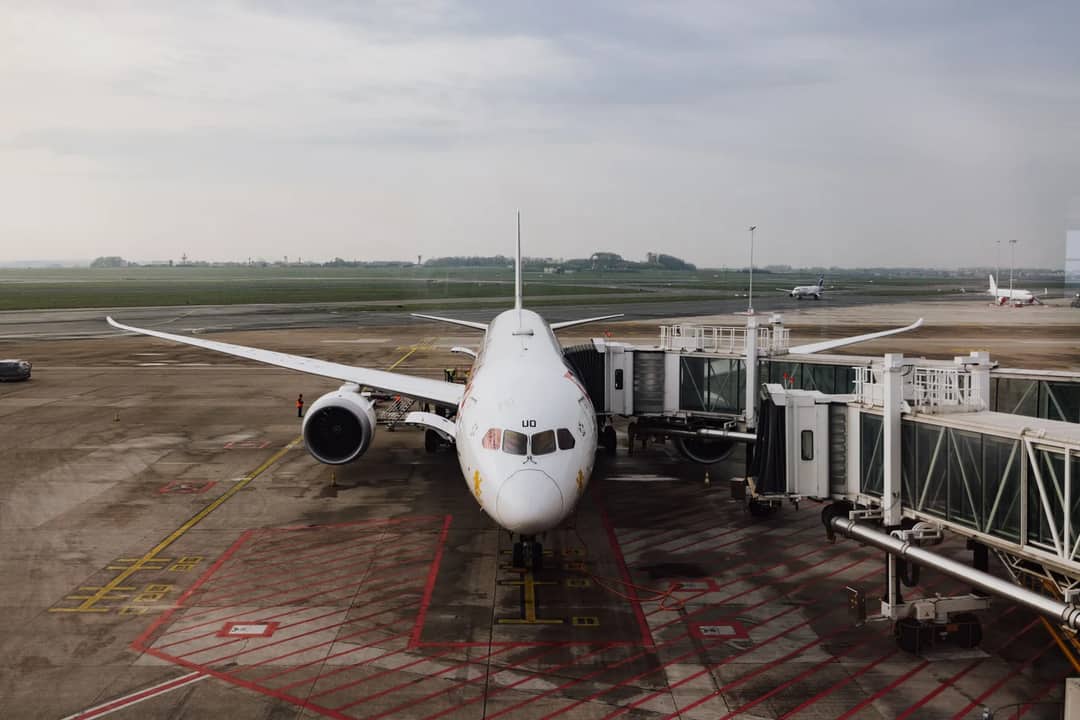
| Route or hub | Status, 23 September 2026 |
|---|---|
| Iranian carriers to Baghdad, Muscat | Cancelled |
| Iranian carriers to Istanbul | Still operating, per Iranian reports |
| Dubai, Doha, Abu Dhabi, Riyadh, Muscat hubs | Operating normally |
| Emirates, Qatar Airways, Etihad, Turkish Airlines routes | Unaffected, already avoid Iranian airspace since June |
| Western Tehran FIR (overflight) | Closed since June 2026, unchanged this week |
Does this affect your flight through Dubai, Doha or Istanbul?
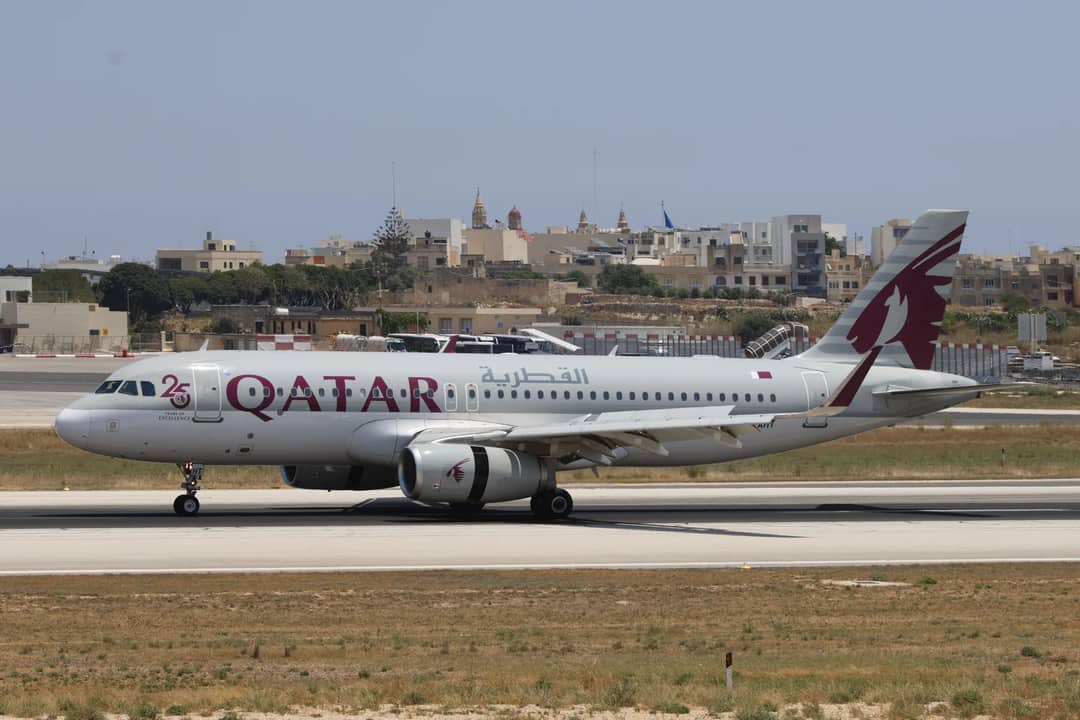
For almost everyone booked on a major international carrier, no. Gulf hubs in the UAE, Qatar, Saudi Arabia and Oman are described by aviation trackers as largely operational, and the airlines that route millions of American, British and Australian travellers through them each year — Emirates, Qatar Airways, Etihad, Turkish Airlines — have been flying wide detours around Iranian and Iraqi airspace since the escalation in June, months before this week’s sanctions news existed. That detour already added time to some Gulf-to-Asia and Gulf-to-Europe routings back then; nothing about it changes this week. You are only exposed if you are booked on an Iranian carrier itself, or on a route that transits Baghdad or Muscat specifically on an Iranian airline — a booking pattern that is rare for a US, UK or Australian passport holder.
What this means if you are flying to Nepal, or through this region
Most Everest and Annapurna trekkers reach Kathmandu through exactly the hubs named above — Doha on Qatar Airways, Dubai on Emirates or flydubai, or Istanbul on Turkish Airlines — and none of those routings run anywhere near Iranian airspace, even before this week. The real story here is diplomatic, not logistical: Iran has now threatened to retaliate against any neighbour that enforces the US sanctions, and that is the part worth watching over the next few days, not your boarding pass.

What this means for you
Don’t rebook a Gulf-transit flight over this story. The airspace avoidance that matters to your journey has been in place since June and nothing published this week changes it. Watch instead for whether Rezaei’s threat against neighbouring airports becomes more than words — that is the version of this story that would actually reach a Doha or Dubai layover, and it has not happened yet.
If your trek to Nepal routes through the Gulf this autumn, our Everest Base Camp trek departs on schedule regardless of this week’s aviation sanctions news. Message us on WhatsApp if you want a specific routing checked against the latest airspace notices before you fly.
Cover photo: Ravi Dwivedi via Wikimedia Commons (CC BY-SA 4.0). Section photos: Keegan Checks via Pexels (Pexels licence); Mark Stebnicki via Pexels (Pexels licence); K via Pexels (Pexels licence); Drinu Cutajar via Pexels (Pexels licence); Chris F via Pexels (Pexels licence).
Still running this season
Everest Base Camp Trek — 12 Days is running normally
NMA-certified local guides, transparent pricing, 5,000+ treks since 1998. Message us your dates and we'll sort the permits, lodges and logistics — reply within 24 hours, no obligation.
Popular Nepal treks
All treks →




Related coverage
Breaking Flights & Access
Berlin's Airport Got Grounded by a Drone Again Wednesday, Here's Whether You Should Worry About Your Flight Through Germany
A drone shut Berlin Brandenburg's runway for 45 minutes, the airport's seventh such disruption this year. Here's what it means for your Germany connection.
Breaking Flights & Access
A rare September nor'easter is bearing down on the East Coast, here's what airlines actually owe you if it cancels your flight
A rare out-of-season nor'easter brings coastal flooding and 50 mph gusts from Virginia to New England this week. Here's the refund rule most flyers miss.

Breaking Safety & Advisories
Shots Were Fired at Miami International Airport, Here's What Actually Happened and Whether Your Flight Is at Risk
A shooting briefly shut part of Miami airport's departure level Wednesday. Here's the timeline, and what to do if you're flying through MIA this week.
Breaking Flights & Access
Britain's Flight Control System Just Failed Twice in 13 Days, Here's What That Actually Means If You're Flying This Autumn
A Prestwick network fault cut UK airspace capacity 60% on 21 September, thirteen days after a software defect grounded 2,000+ flights nationwide.
Latest from the desk

Safety & Advisories
A UK Airport Owner Just Died in a Swiss Alps Plane Crash, and Mountain Flying Keeps Failing the Same Way
Tony Hall, 42, died when his plane crashed near Leukerbad on 15 September, and the crash fits a well-documented mountain-flying pattern.

Breaking Climate & Environment
Nepal's Prime Minister Just Told the United Nations the World Owes His Country for a Flood That Killed Over 1,300 People
Balen Shah told the UN General Assembly on 24 September that Nepal needs $4.78 billion to rebuild after a flood that killed over 1,300 people.
Money & Insurance
US Airlines Now Owe You Less for a Delay Starting October 19, Here’s What Changed
A DOT rule effective October 19 removes 10 delay causes from airline control, so hotels and meals are no longer guaranteed for them.